Sometimes it feels like the world is falling apart, but in reality, we’re actually doing alright, at least cosmically speaking.
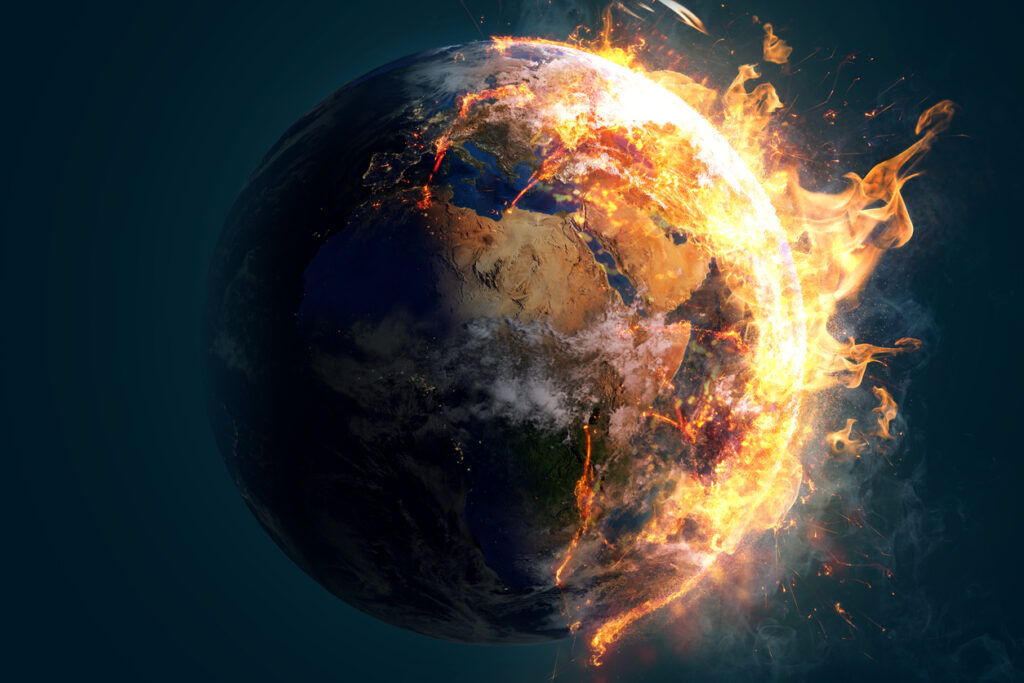
That being said, there’s no guarantee that things will stay that way forever. After all, the universe is full of cosmic events so powerful they could wipe out life on Earth instantly, and the terrifying thing is that most of them would give us absolutely no warning before they happened. While we spend time worrying about everyday problems, there are astronomical disasters brewing in space that make our biggest earthly concerns look like minor inconveniences.
1. Gamma-ray bursts could fry our atmosphere.
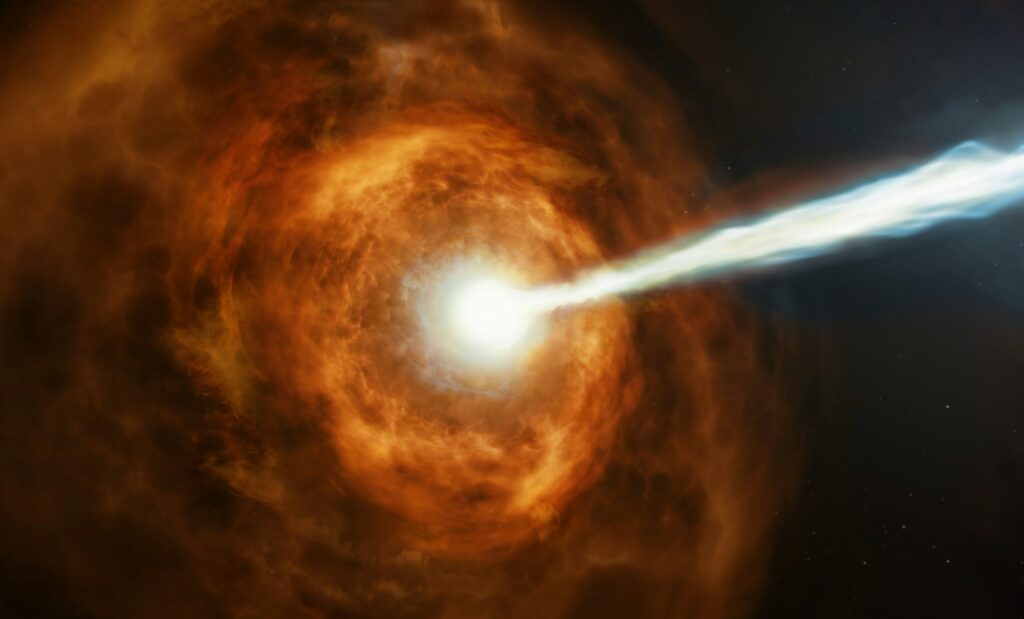
Gamma-ray bursts are the most energetic explosions in the universe, releasing more energy in a few seconds than our Sun will produce in its entire 10-billion-year lifetime. If one of these cosmic blowtorches pointed directly at Earth from a nearby star, it would strip away our ozone layer and sterilise half the planet instantly.
The really scary part is that we wouldn’t see it coming until it was already over, since gamma rays travel at the speed of light. Scientists think a gamma-ray burst might have caused one of Earth’s mass extinctions in the past, and there’s nothing we could do to stop one if it happened again.
2. A massive asteroid could slam into us.
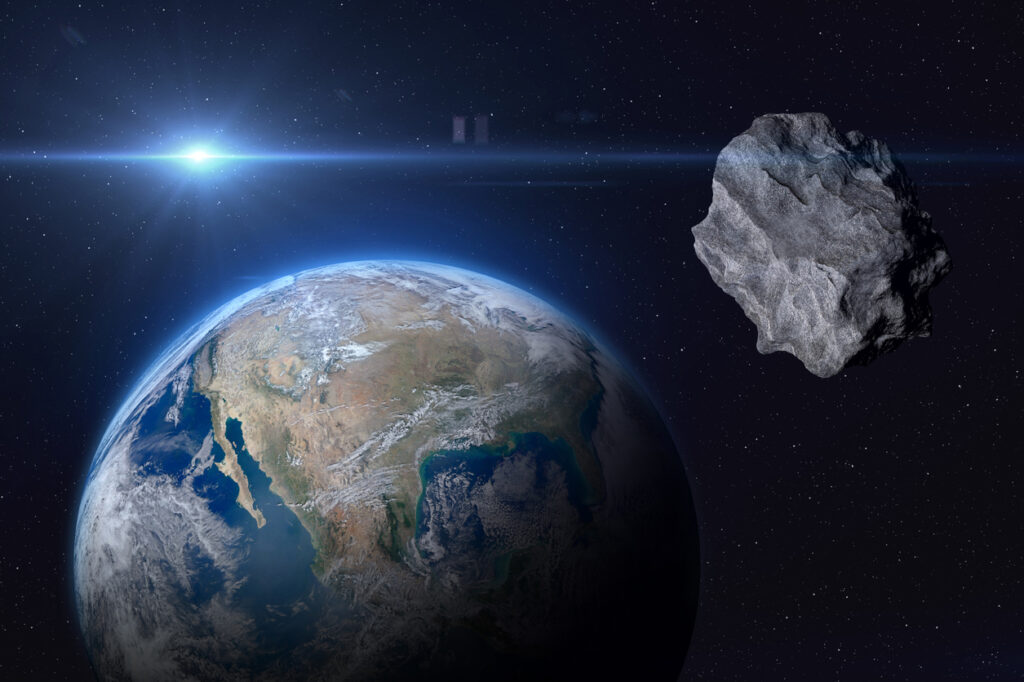
Despite all our scanning technology, there are still plenty of large asteroids out there that we haven’t spotted yet, and any one of them could be on a collision course with Earth. An asteroid just 10 kilometres wide would be enough to cause a global extinction event, throwing so much dust into the atmosphere that it blocks out sunlight for years.
The dinosaurs learned this lesson the hard way 66 million years ago, and whilst we have slightly better technology than they did, we still don’t have any proven methods for deflecting a large asteroid with short notice. Recent missions to test asteroid deflection are promising, but they’re still experimental.
3. Our Sun could unleash a massive coronal mass ejection.
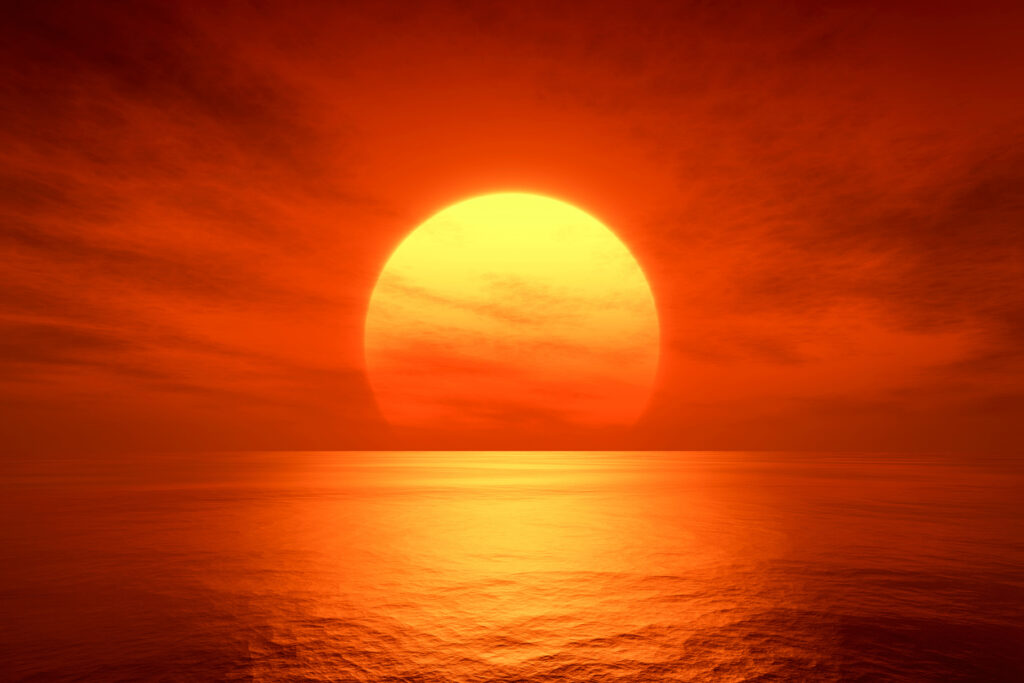
The Sun occasionally burps out enormous clouds of charged particles called coronal mass ejections, and if a really big one hit Earth directly, it could knock out every electronic device on the planet. This wouldn’t kill us instantly, but it would send modern civilisation back to the Stone Age overnight.
The Carrington Event in 1859 was a relatively small solar storm that still managed to set telegraph wires on fire and cause auroras as far south as the Caribbean. A similar event today would destroy power grids, satellites, and basically everything that makes modern life possible, leading to societal collapse and mass starvation.
4. A nearby supernova could irradiate Earth.
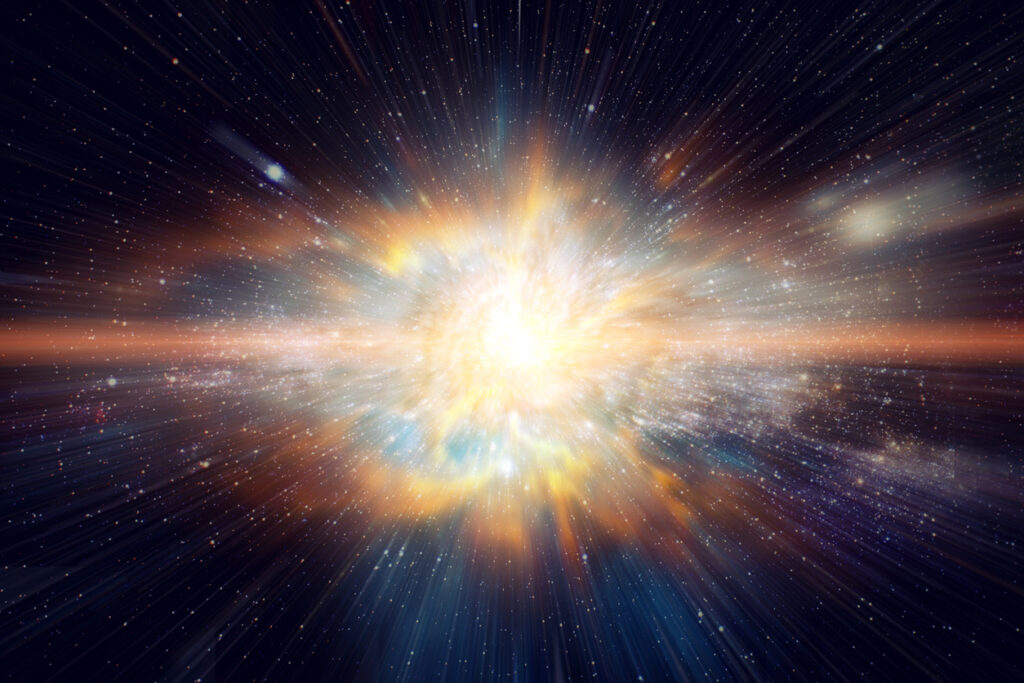
When massive stars die, they explode as supernovas with such violence that they can be seen from billions of light-years away. If one of these stellar explosions happened within about 30 light-years of Earth, the radiation would be intense enough to cause mass extinctions by damaging DNA and destroying the ozone layer.
There are several candidate stars in our cosmic neighbourhood that could go supernova, including Betelgeuse, which has been acting strangely in recent years. The good news is that most potentially dangerous stars are still far enough away that we’d probably survive, but “probably” isn’t exactly reassuring when discussing planetary annihilation.
5. A wandering black hole could disrupt our solar system.
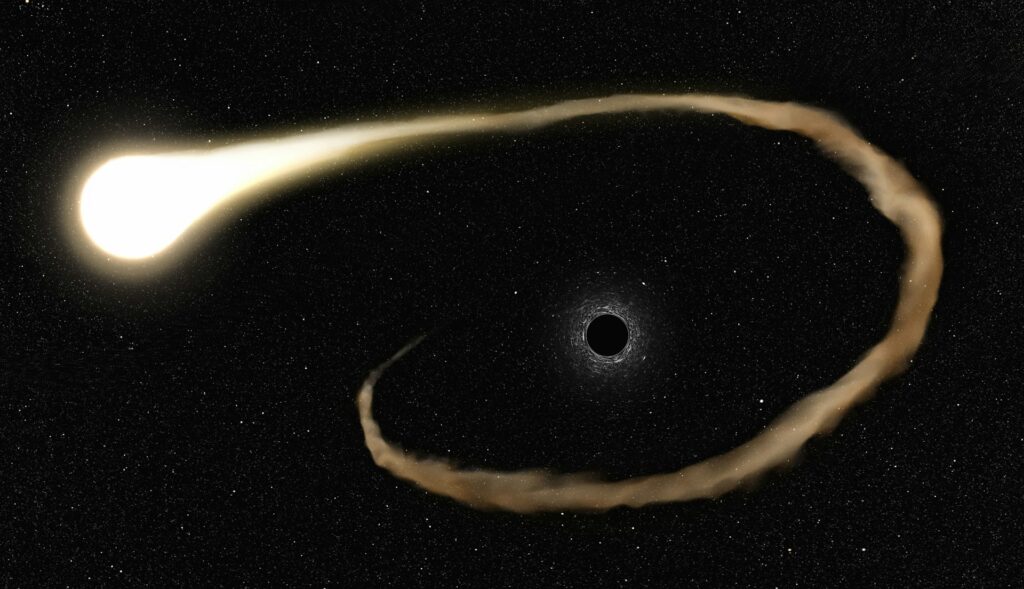
Black holes don’t just sit still in space, some of them wander through the galaxy like cosmic vacuum cleaners, and if one passed close to our solar system, it would gravitationally disrupt planetary orbits. Earth could be flung out into deep space or sent spiralling into the Sun, both of which would be rather inconvenient for life.
The scary thing about wandering black holes is that they’re nearly impossible to detect until they’re already affecting nearby objects. By the time we noticed strange gravitational effects on the outer planets, it might already be too late to do anything but enjoy our last few months of warmth and sunlight.
6. Our galaxy could collide with another galaxy.
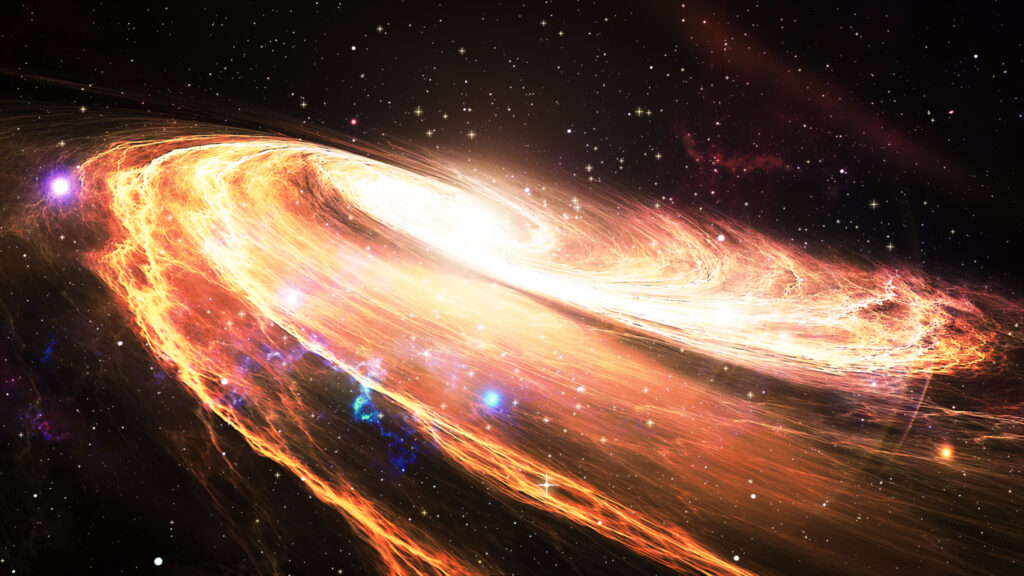
The Milky Way is currently on a collision course with the Andromeda Galaxy, and whilst this won’t happen for about 4 billion years, similar galactic collisions could happen much sooner. When galaxies merge, they fling stars around like cosmic pinballs, potentially ejecting our entire solar system into the empty void between galaxies.
Even if Earth somehow survived the initial chaos, being cast out into intergalactic space would mean no nearby stars for warmth or light, just an endless journey through the cold, empty darkness. It would be the ultimate cosmic exile, with no hope of ever finding another habitable system.
7. A hypernova could sterilise our corner of the galaxy.
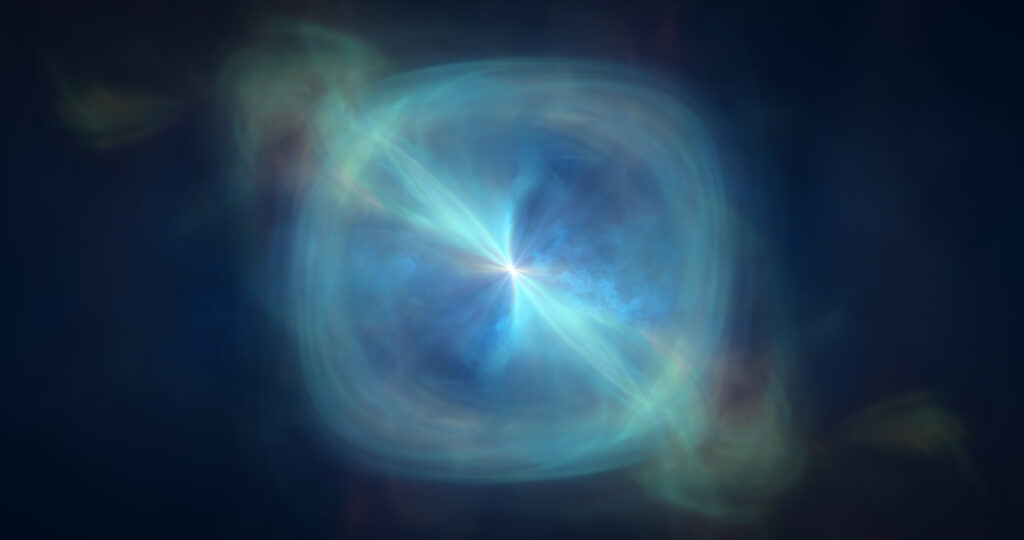
Hypernovas are even more extreme than regular supernovas, occurring when the most massive stars collapse into black holes whilst spinning rapidly. These explosions can produce gamma-ray beams so intense that they could sterilise planets hundreds of light-years away, making supernovas look like gentle fireworks displays.
The Wolf-Rayet star WR 104 is a potential hypernova candidate located uncomfortably close to Earth, and its rotation axis might be pointing roughly in our direction. If it exploded as a hypernova, the resulting gamma-ray burst could strip away our atmosphere and ocean, leaving behind a sterile rock.
8. Our solar system could pass through a dense interstellar cloud.
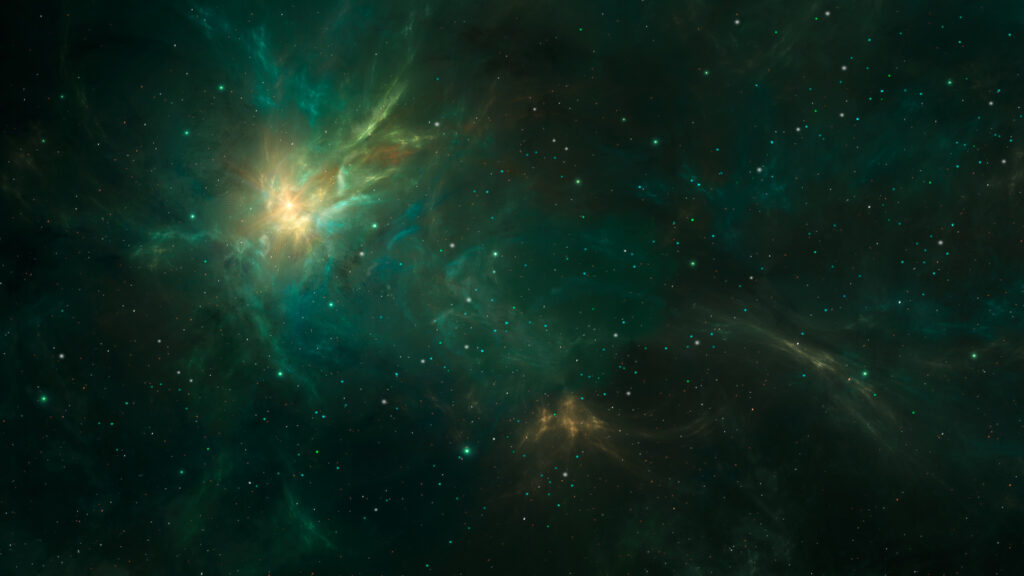
Space isn’t completely empty, it contains thin clouds of gas and dust that our solar system occasionally passes through during its orbit around the galaxy. If we encountered a particularly dense cloud, it could compress our heliosphere and allow harmful cosmic radiation to reach Earth’s surface.
These interstellar clouds could also cool down the entire solar system by blocking sunlight, potentially triggering global ice ages or even freezing the entire planet solid. The last time Earth may have encountered such a cloud was around 2 million years ago, possibly contributing to climate changes that affected human evolution.
9. A magnetar could blast us with deadly radiation.
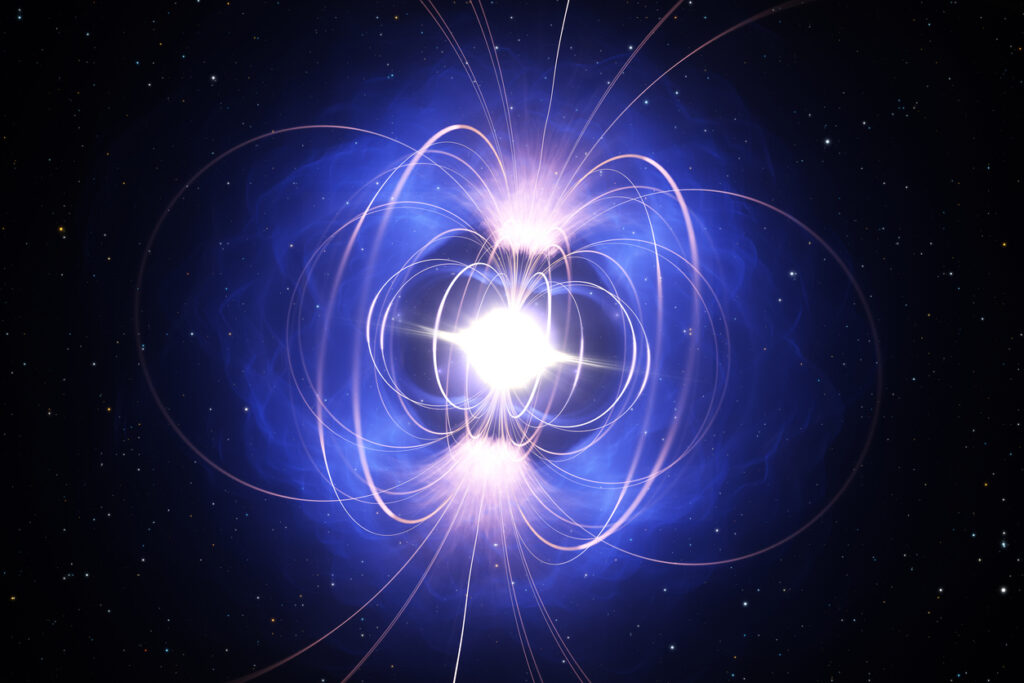
Magnetars are neutron stars with magnetic fields trillions of times stronger than Earth’s, and they occasionally release bursts of energy so powerful that they can affect planets from thousands of light-years away. If a magnetar within a few thousand light-years of Earth had a major outburst, it could damage our ozone layer and electronics.
The most powerful magnetar burst ever recorded temporarily blinded satellites and affected radio communications on Earth, despite occurring 50,000 light-years away. A similar event from a much closer magnetar could have devastating effects on both technology and biology, possibly triggering mass extinctions.
10. Our Sun could suddenly dim or brighten dramatically.
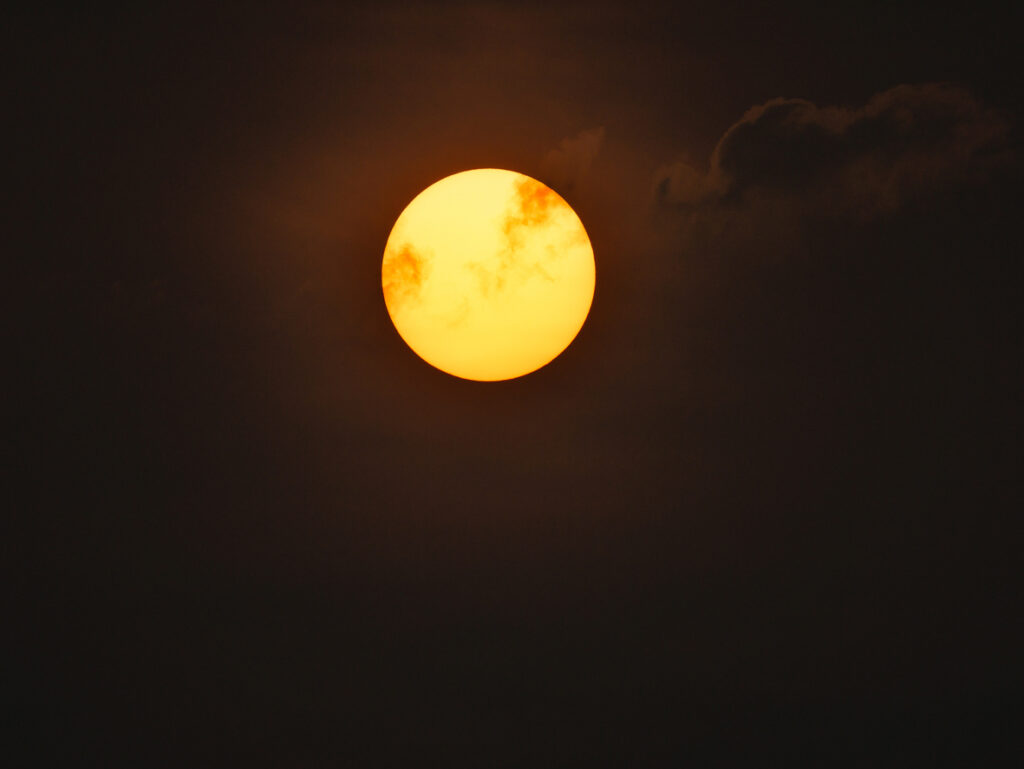
While our Sun is relatively stable, stars can sometimes undergo sudden changes in brightness that would be catastrophic for any nearby planets. If the Sun dimmed significantly, Earth would freeze solid, whilst if it brightened too much, our oceans would boil away into space.
Some stars are known to vary dramatically in brightness over short periods, and whilst our Sun isn’t typically this type of star, stellar physics still holds many mysteries. Even a relatively small change in solar output could push Earth’s climate past the point where complex life could survive.
11. A massive volcanic eruption could trigger global winter.
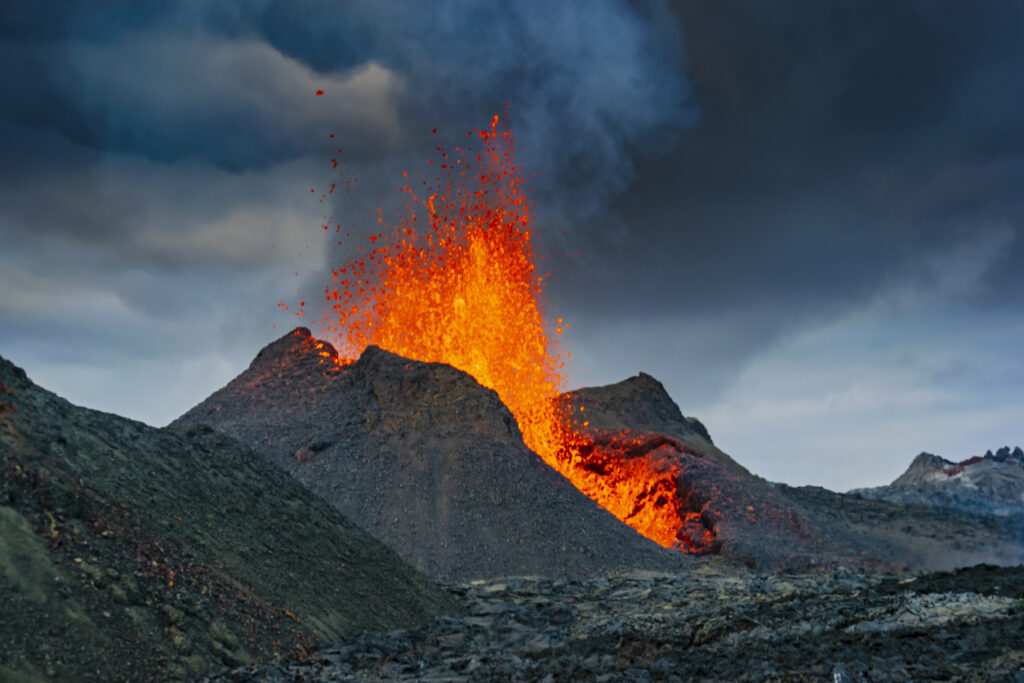
Whilst not technically a cosmic event, supervolcanic eruptions can be triggered by cosmic impacts and have effects similar to asteroid strikes. The eruption of a supervolcano like the one beneath Yellowstone could inject so much ash and sulphur into the atmosphere that it blocks sunlight and causes global cooling.
These eruptions have caused mass extinctions in the past, and unlike asteroid impacts, we can see some of them building up over time through increased seismic activity and ground deformation. However, predicting exactly when a supervolcano might erupt is still beyond our current capabilities.
12. An alien civilisation could decide we’re a threat.
This might sound like science fiction, but the universe is vast and old enough that advanced civilisations could easily exist elsewhere, and their technology might be powerful enough to eliminate entire planets. If they decided that life on Earth posed some kind of future threat, they could potentially destroy us from great distances.
The methods could range from redirecting asteroids to using technologies we can’t even imagine, making this perhaps the most unpredictable cosmic threat of all. The fact that we’re actively broadcasting our presence into space with radio and television signals might not be as clever as we think it is.