Chickens and roosters aren’t the same thing, even if they seem pretty close to it.
“Chicken” is a word we throw around a lot, but when someone points to a bird and says, “That’s a rooster,” or “That one’s a hen,” it’s easy to get confused about what these terms actually mean. Are all roosters chickens? Is every chicken a hen? And why does it even matter if you’re not running a farm? Whether you’re just curious or trying to make sense of backyard birds, here are some key things that separate roosters from hens, and what the word “chicken” actually refers to.
A chicken is the species; roosters and hens are the sexes.

Let’s start with the basics. “Chicken” is the general term for the species. Roosters are male chickens. Hens are female chickens. So technically, when you say “chicken,” you’re talking about both sexes—just like saying “dog” includes both males and females. It’s a common mix-up, since people often use “chicken” to mean “hen,” especially when referring to egg-laying birds. However, that’s not quite accurate—roosters are just as much chickens as hens are.
Roosters are generally bigger and more muscular.
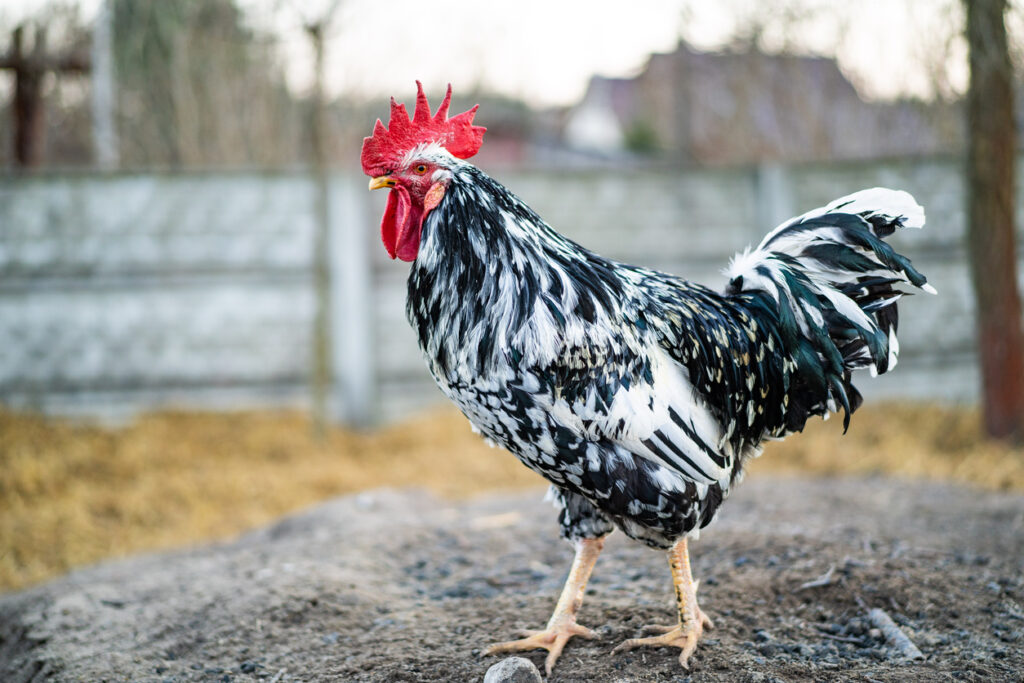
One of the easiest ways to tell the difference is size. Roosters tend to be taller, bulkier, and more upright in their posture. Their chest and neck muscles are more developed, giving them a more dominant appearance. This size difference isn’t just for show; it plays a role in flock dynamics and mate competition. Roosters need that strength for defending territory, posturing, and sometimes fighting with other males.
Roosters have more dramatic plumage.

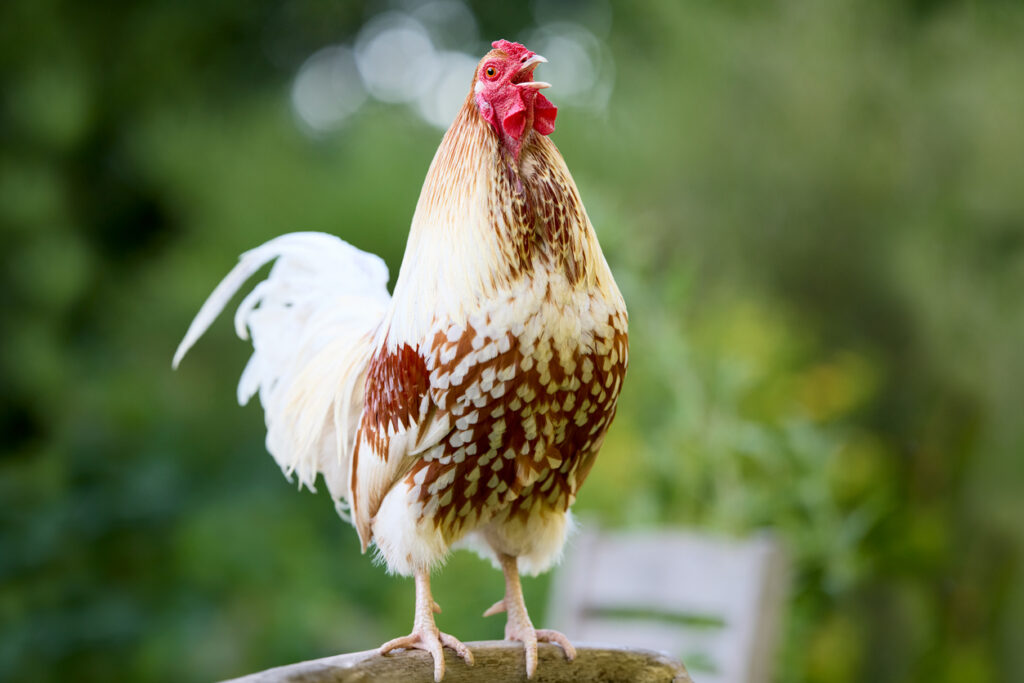
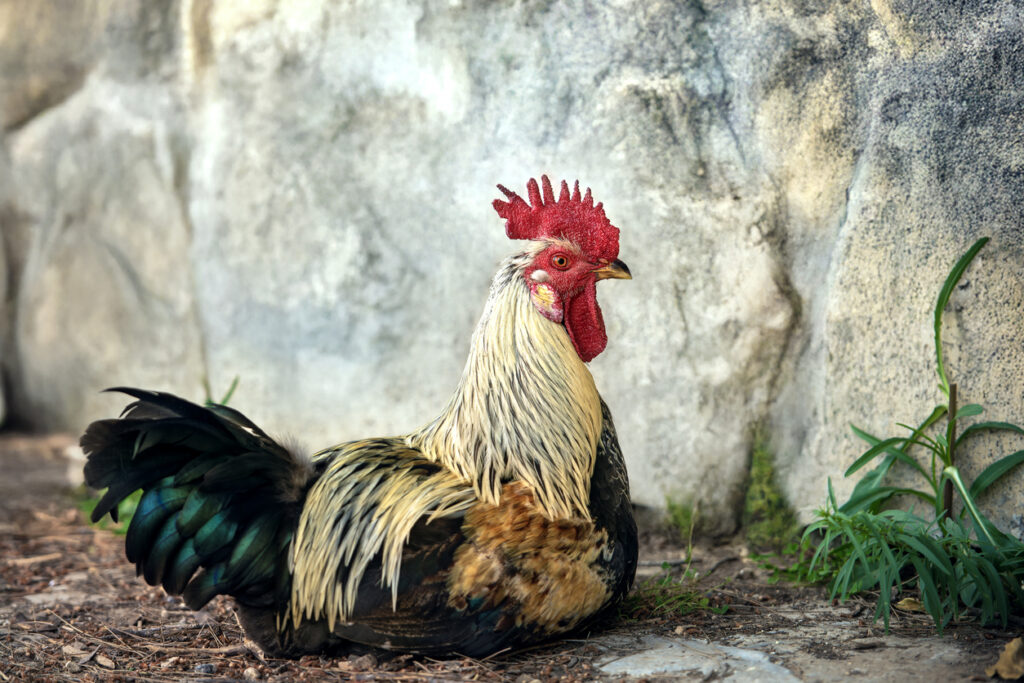
If you see a chicken with shimmering tail feathers, a long curved tail, or iridescent colours, chances are it’s a rooster. Males often have more dramatic plumage because it helps them attract mates and stand out in the flock. Hens, by contrast, usually have softer, more muted colouring. Their feathers are practical—more about blending in and protecting themselves and their chicks than standing out in a crowd.
Only hens lay eggs.
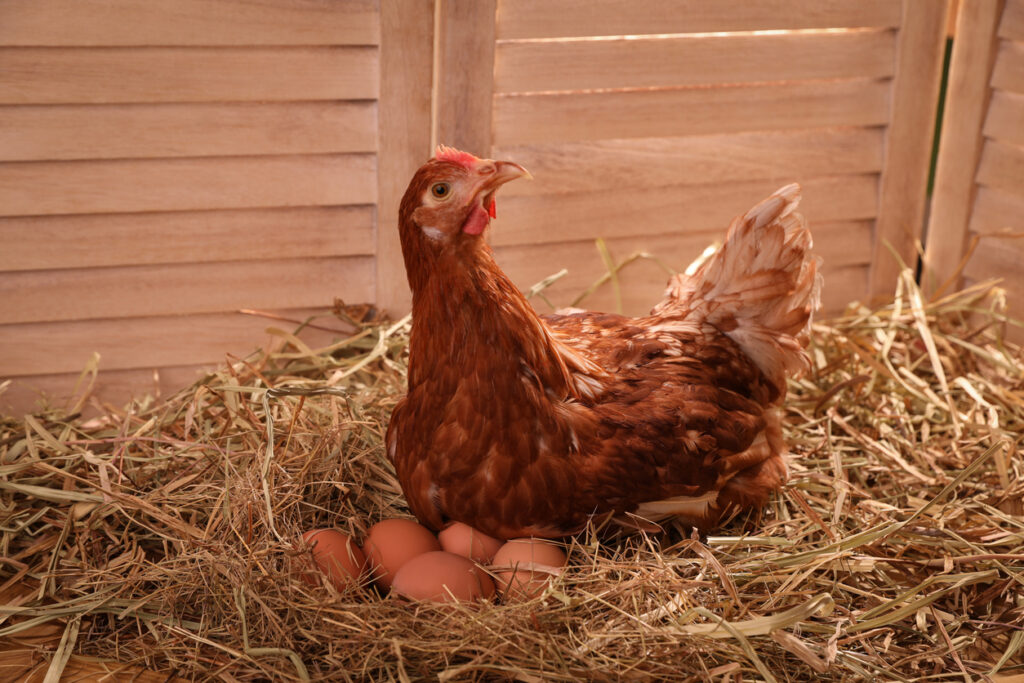
This one trips people up surprisingly often. If there are eggs involved, you’re dealing with a hen. Roosters don’t lay eggs. Ever. Not one. It’s biologically impossible. If you’ve got a chicken that’s giving you breakfast every morning, you can be absolutely sure it’s a female. You don’t need a rooster for a hen to lay eggs, only if you want fertilised ones that hatch into chicks.
Roosters crow, but hens don’t (usually).
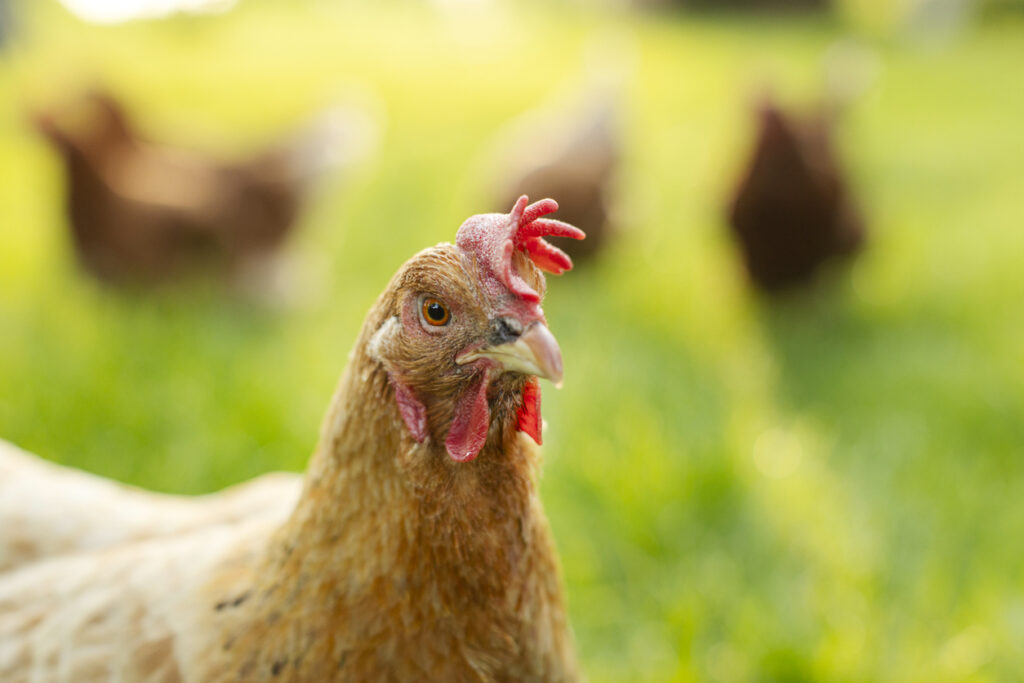
That loud “cock-a-doodle-doo” sound? That’s a rooster announcing his presence. It’s partly a territorial thing and partly just a natural behaviour they start around puberty. Some crow at dawn, others all day long. Hens are usually much quieter, though some can make surprisingly loud clucking noises when laying or defending their space. But crowing is still primarily a rooster behaviour. It’s how they establish dominance and warn others to back off.
Roosters develop larger combs and wattles.
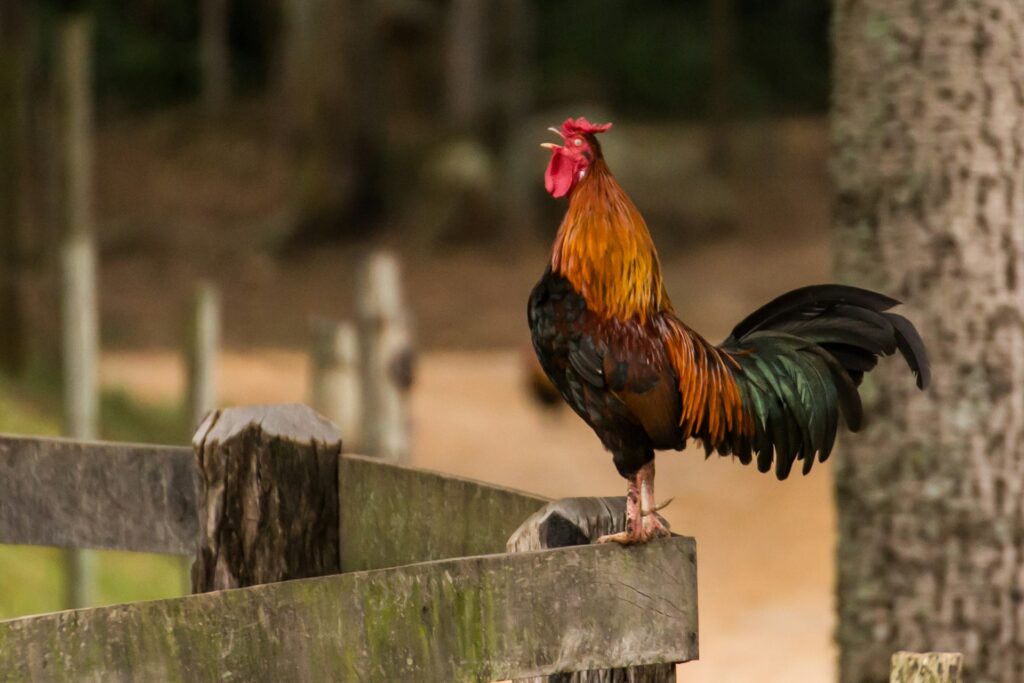
Combs (the red crest on top of the head) and wattles (the bits dangling under the chin) tend to be bigger and brighter in roosters. These fleshy parts help regulate body temperature, but they’re also used to attract hens. In hens, these features are usually smaller and duller. If you’re not sure what you’re looking at, the size and shape of the comb can often be one of the most visible early indicators of sex.
Spurs are common in roosters.
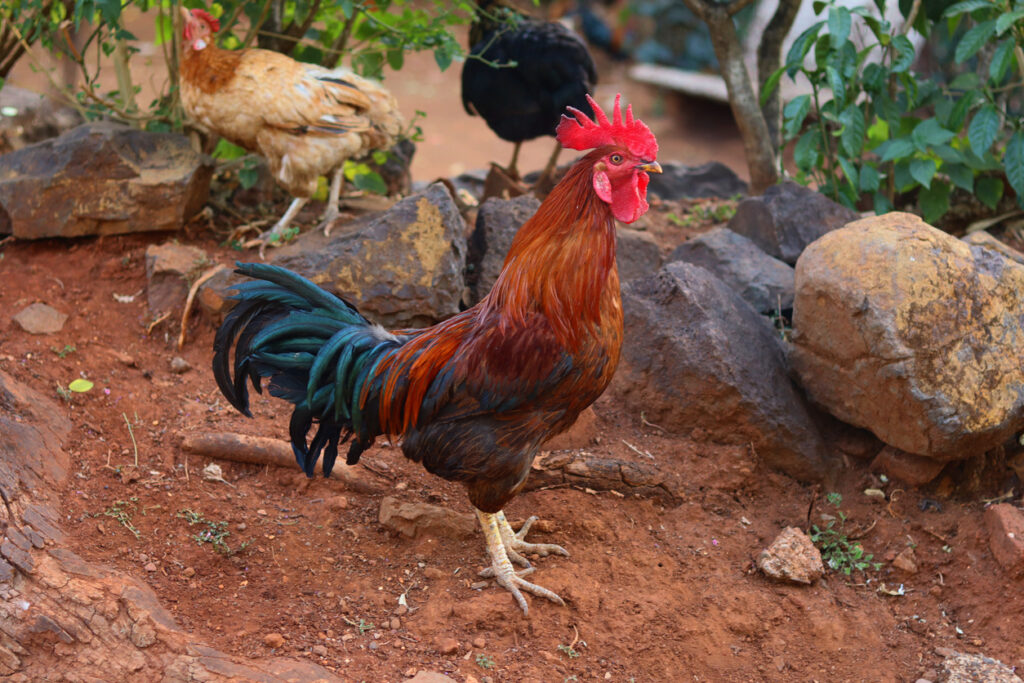
Spurs are sharp, claw-like protrusions on the back of the legs, and they’re especially prominent in roosters. They’re used for defence and dominance battles with other males, especially when there’s competition over hens. Hens can have tiny spurs too, but they’re usually underdeveloped. If you spot a bird with long, curved spurs, it’s almost always a rooster, even if it’s not crowing yet.
Roosters can be more aggressive.
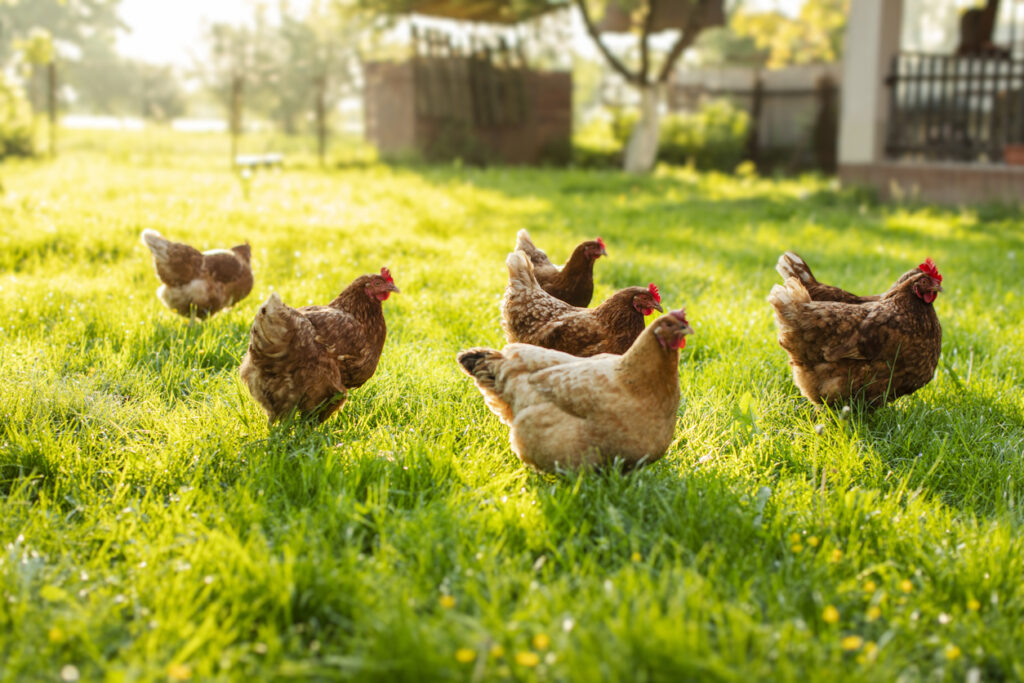
Because they’re wired to protect the flock and establish hierarchy, roosters are often more assertive, or downright aggressive. They’ll chase off predators, other roosters, or even people if they feel threatened. Hens, while sometimes feisty, are more focused on nesting and pecking orders among themselves. If you’re raising backyard birds, one rooster is often enough. Too many males in one flock can lead to fights.
Hens display broody behaviour.
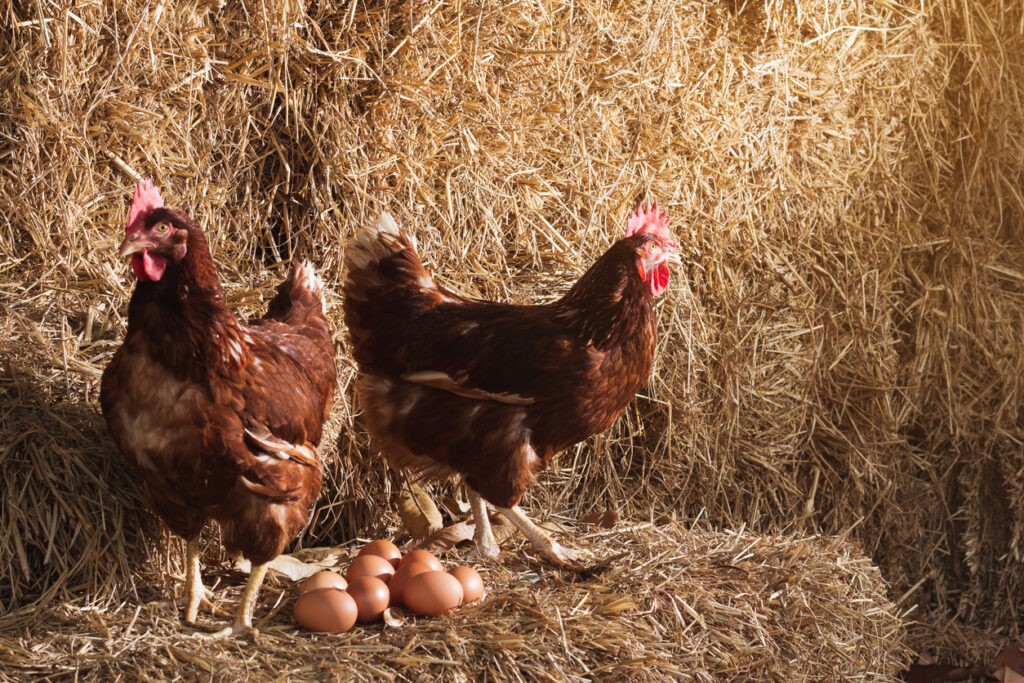
When hens get “broody,” it means they want to sit on a clutch of eggs and hatch them. They’ll fluff up, sit for long stretches, and may even peck at you if you try to move them. It’s a maternal instinct, and roosters don’t do it. Even if there are no fertilised eggs around, some hens go broody anyway. It’s nature doing its thing. You won’t see a rooster settling in on a nest anytime soon.
Some breeds make it harder to tell.
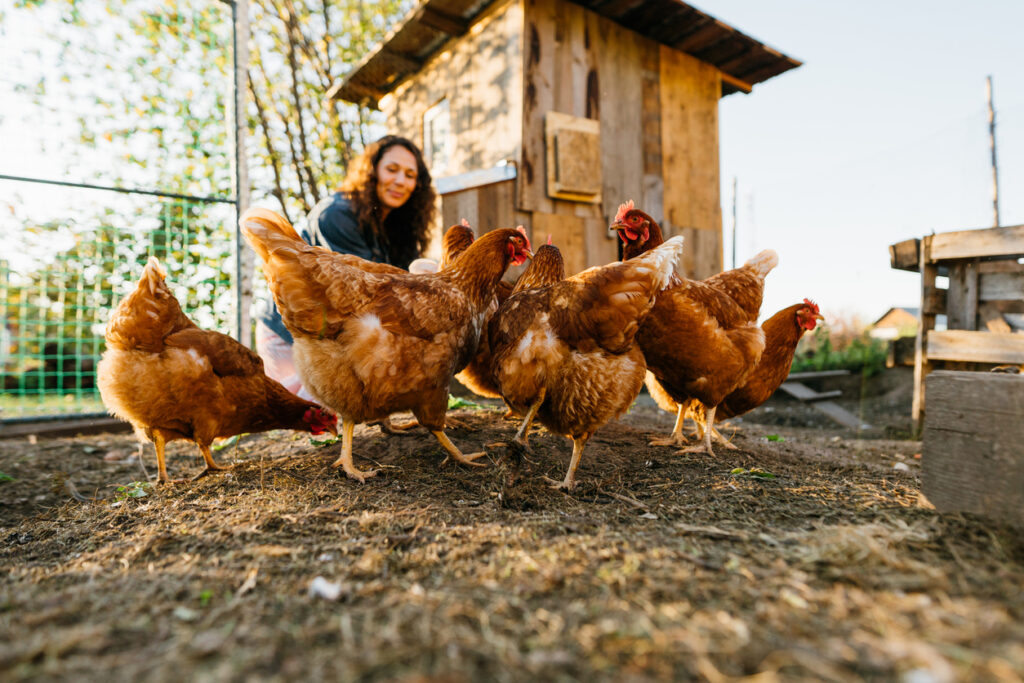
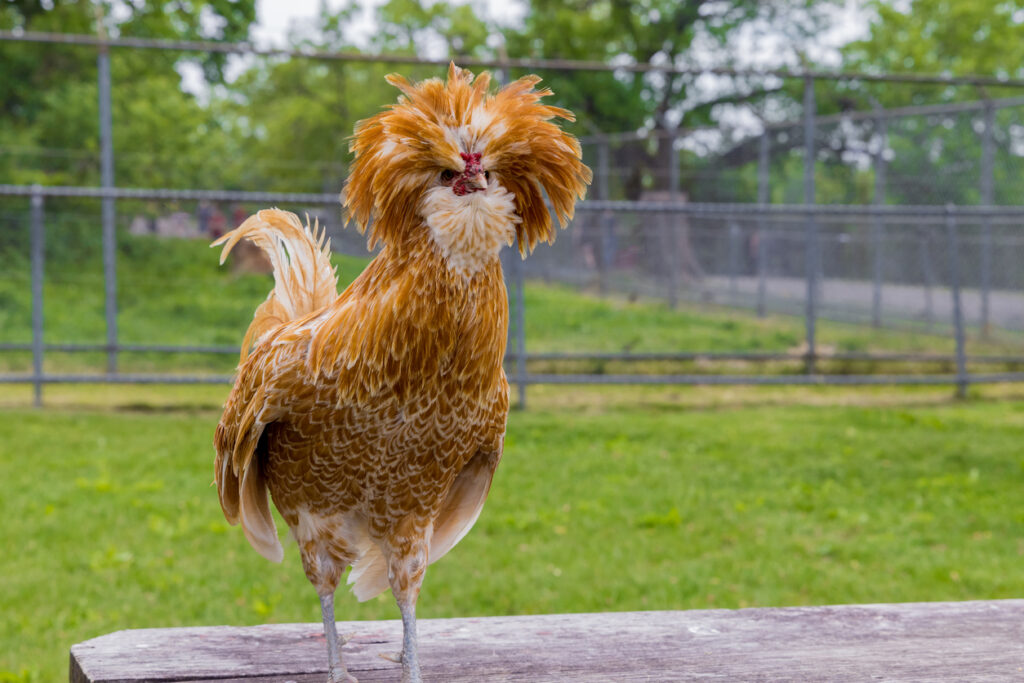
In some chicken breeds, especially ornamental or heritage types, it’s surprisingly hard to tell hens and roosters apart early on. Some males mature slowly and don’t show typical signs until much later. If you’re raising chicks and unsure, you might not know for sure until the crowing starts or more obvious physical traits appear. Even experienced keepers get fooled sometimes by a quiet rooster in disguise.
Roosters don’t have male parts.
This might sound odd, but it’s true—roosters don’t have external bits. Instead, they use a cloaca, the same opening used for digestion and reproduction. Mating involves a brief “cloacal kiss” where sperm is transferred. Hens have a similar system, so visually, there’s no obvious difference in that department. It’s all internal and very efficient, if a bit undramatic compared to mammals.
You don’t need a rooster to get eggs.
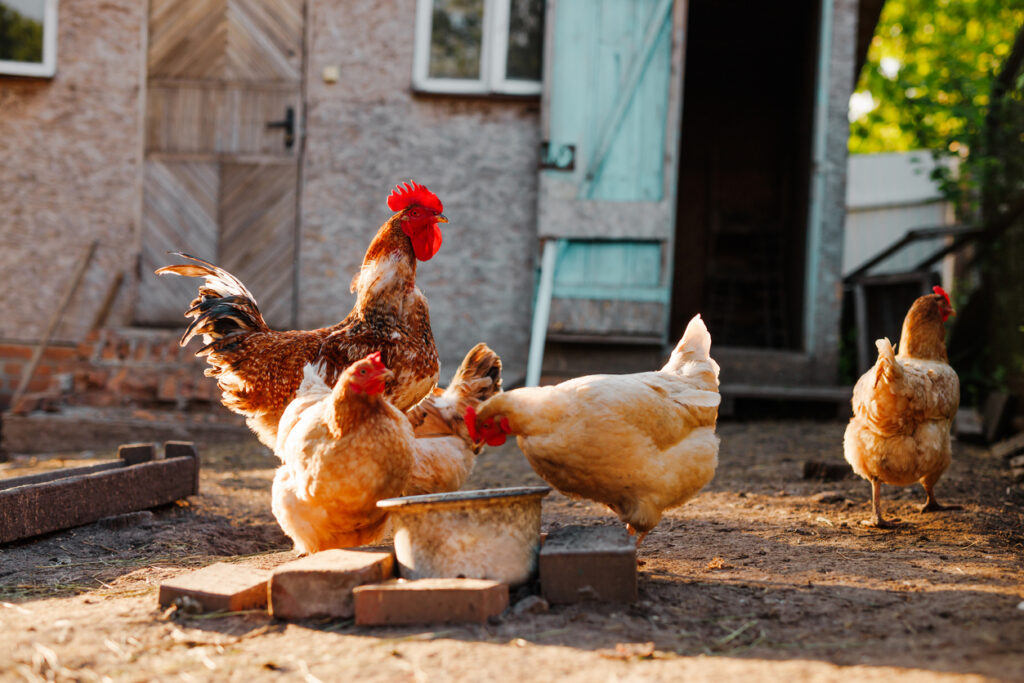
This one’s worth repeating because it’s a common myth. Hens lay eggs regardless of whether a rooster is around. The eggs just won’t be fertilised, which means they won’t develop into chicks. Many backyard chicken keepers keep all hens and no roosters—less noise, less drama, and you still get eggs. Roosters are only necessary if you want to hatch new birds naturally.
Roosters usually don’t live as long.
Because they tend to be more exposed to danger thanks to their louder crowing, risk-taking, and protective instincts, roosters often have a shorter lifespan than hens in more natural settings. Hens, being quieter and less likely to put themselves in harm’s way, often outlast the males, especially in free-range flocks. In protected environments, the gap isn’t as wide, but the pattern still shows up.
Both are important in different ways.
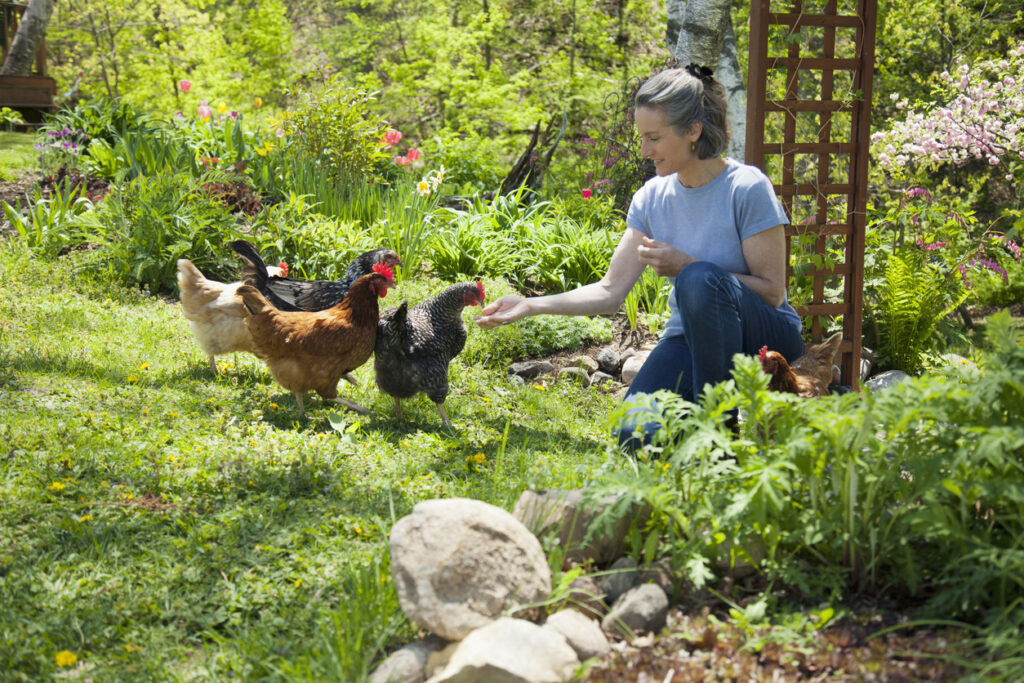
Roosters get a bad reputation sometimes for being noisy or aggressive, but they serve an important role in flock dynamics, providing protection and keeping the group in order. They’re also essential for breeding new generations. Hens are the everyday workers, laying eggs and maintaining the social structure within the flock. Together, they keep things running smoothly, whether on a farm or in a small backyard coop.