
It might sound like the stuff of eerie legends or old wives’ tales, but plenty of people swear they’ve seen animals act strangely just before someone dies. From cats curling up beside the terminally ill to dogs howling for no clear reason, these stories have raised a question that science still hasn’t fully answered: can animals really sense when death is near? While no one’s cracked the mystery completely, research and real-life examples suggest there’s more going on than just coincidence.
Some animals can smell chemical changes in dying bodies.
One theory behind animals predicting death is that they’re detecting changes in scent. As the human body begins to shut down, subtle chemical changes occur; things like organ failure and changes in skin pH can release compounds we can’t smell, but animals might. Dogs, for instance, are already trained to sniff out cancer, low blood sugar, and even seizures. It’s not a stretch to think they might also be able to pick up on the scent of imminent death, even if we don’t fully understand how.
Oscar the hospice cat became famous for his instincts.
Oscar was a therapy cat in a Rhode Island nursing home who gained worldwide attention for consistently curling up next to patients in their final hours, often before nurses or doctors realised anything was wrong. As time went on, staff began to trust his instincts.
He wasn’t just hanging around randomly. Oscar had a pattern, and he seemed drawn only to those who were within hours of passing away. Theories suggest he may have picked up on scent changes, changes in breathing, or even subtle behavioural cues other people missed.
Dogs have shown similar behaviours around death.
There are countless stories of dogs refusing to leave a dying person’s side, or suddenly becoming quiet and subdued near someone close to death. Some even wake family members or bark insistently when something’s wrong. While some of this might be training or habit, much of it seems instinctive. Dogs are extremely sensitive to their environment and the emotional states of people around them. They may not understand death in human terms, but they often know when something has changed.
Animals notice changes in routine and energy.
As people near the end of life, their energy levels, breathing, and daily routines can change dramatically. Animals that live closely with humans often pick up on these changes far earlier than we do, especially if they rely on routine themselves. Whether it’s a dog getting clingy or a cat staying unusually close, it could be their way of responding to that disruption. They may not sense “death” specifically, but they definitely register that something is no longer as it should be.
Grief and anticipation might look similar in animals.
Sometimes animals that seem to predict death are actually grieving in advance. If a loved person or companion animal is becoming distant, weak, or unwell, the surviving pet might begin withdrawing or behaving differently even before the death itself happens. It’s not psychic; it’s emotional intelligence. Animals form strong bonds, and when that bond starts to fade or change, they often respond in ways we interpret as eerily accurate. It’s not prediction as much as pre-emptive loss.
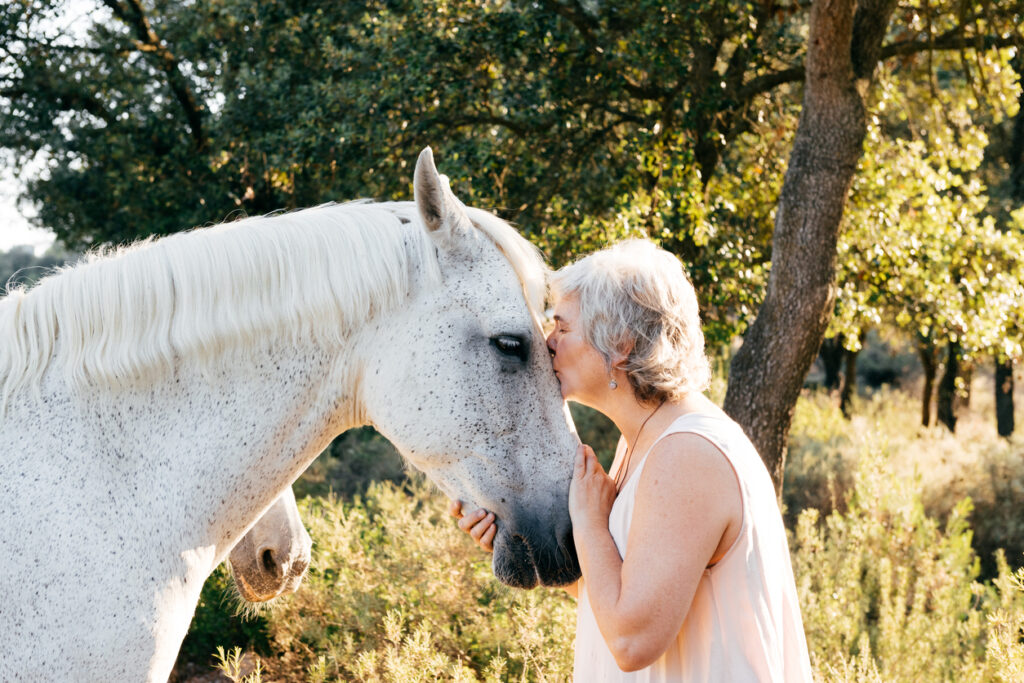
Some species rely heavily on emotional attunement.
Dogs, cats, and horses are especially good at reading body language, micro-expressions, and tone of voice. If someone’s near the end of life and their behaviour changes—like becoming still, confused, or laboured in speech—animals may pick up on that before humans do. That sensitivity is more than just to scent or sound. Presence plays a huge part. These animals are tuned into the emotional atmosphere, and a subtle change in that space might be enough to spark their behaviour.
There’s no solid scientific proof, but a lot of stories.
Despite the anecdotal evidence, science hasn’t yet found a way to fully confirm whether animals can predict death. Most studies rely on personal accounts, observations from carers, and retrospective analysis rather than controlled experiments. However, just because something isn’t fully proven doesn’t mean it’s not real. The consistency of stories from across the world, from different cultures, species, and settings, suggests there’s at least something going on that’s worth exploring.
Elephants are known to mourn their dead.
Elephants are one of the few animals that show clear mourning rituals. They often return to the bones of deceased herd members, gently touching them with their trunks and standing quietly for long periods. While this isn’t quite the same as predicting death, it shows that some animals have a strong concept of loss. It’s possible that their deep emotional awareness gives them insight into when another elephant, or even a human, is nearing the end.

Birds sometimes change behaviour around death.
Some pet owners report their birds becoming unusually quiet, withdrawn, or vocal in the lead-up to a human death in the home. While not as widely studied as dogs or cats, birds are observant and socially aware in their own way. It’s possible they’re reacting to stress in the household or changes in energy, rather than death itself. But the timing can be hard to ignore, especially when the change is sudden and seems uncharacteristic.
Horses react strongly to human illness and emotion.
Therapy horses used in end-of-life care have been observed nudging or standing still beside patients who were close to death. They sometimes show signs of stress or calm attentiveness, depending on the situation. These behaviours aren’t random. Horses are incredibly tuned into human moods and body language. Whether they “know” what’s coming is still debated, but their responses suggest they feel something big is happening.
Some animals simply refuse to leave.
One of the most commonly reported behaviours is an animal refusing to leave the side of someone who’s dying. Whether it’s a dog lying beside a hospital bed or a cat curling up on the chest of a hospice patient, their presence is constant and often intense. That level of loyalty may not be about predicting death, but it can give comfort during someone’s final hours. In many cases, it’s the animal that provides the last real sense of companionship before the end.
We might project meaning, but that doesn’t make it less real.
It’s fair to ask whether we’re reading too much into our pets’ behaviours. Maybe we want them to understand, so we interpret their actions through that emotional lens. However, even if animals don’t know someone’s about to die, their reactions still have value. At the end of life, small comforts matter. Whether it’s science or instinct, the quiet presence of an animal who seems to understand, at least on some level, can offer peace when we need it most.