Owning an exotic pet can seem exciting—quirky, unusual, and full of personality.
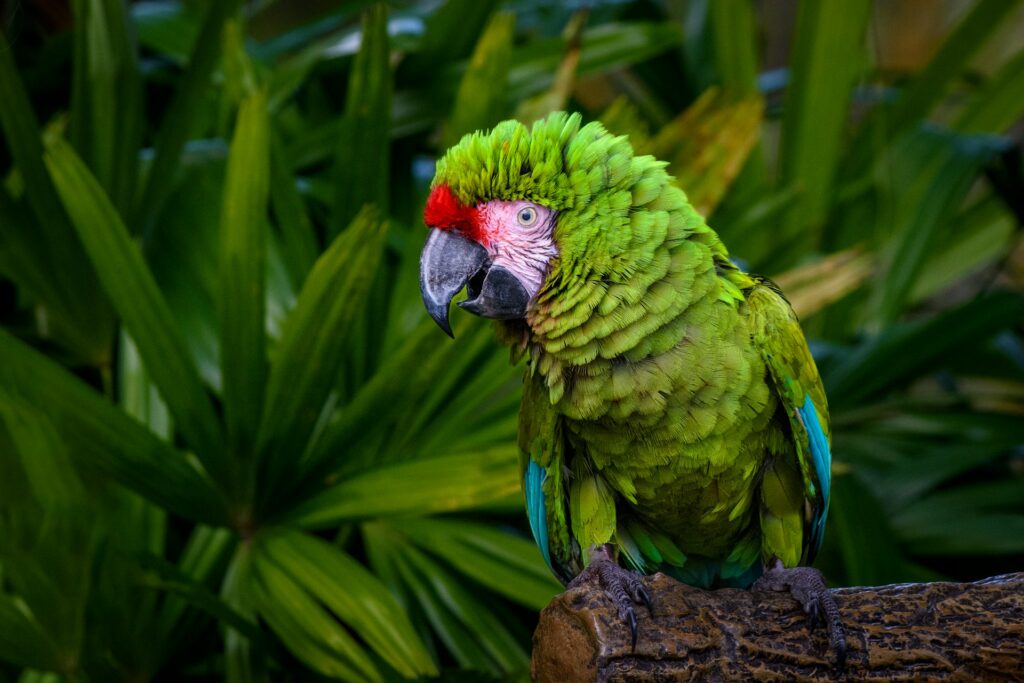
However, behind every cute lizard or striking parrot is a long list of responsibilities that go way beyond what most people expect. These animals aren’t domesticated in the usual sense, and if you’re not careful, you can end up stressed, out of pocket, or with a pet that’s suffering in silence. Here’s a simple breakdown of what to do—and what not to do—if you’re serious about bringing an exotic animal into your life.
Do research the species properly.

Before you even think about getting an exotic pet, you need to know exactly what it needs. That means more than just googling “how to look after a snake”—it means understanding its diet, natural behaviour, lifespan, temperature needs, and whether it’s even legal to keep in your area.
The more informed you are, the better chance you have of creating an environment that actually supports the animal’s wellbeing. A lot of exotic pets end up neglected simply because their owners didn’t realise what they were signing up for.
Don’t impulse buy.
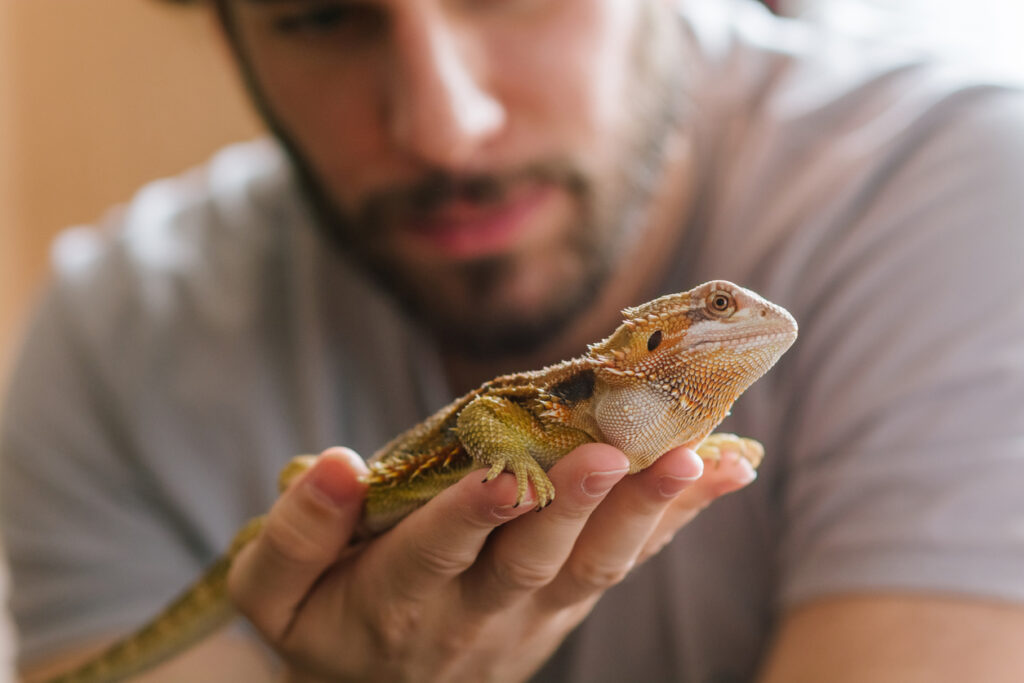
It might be tempting to grab that bearded dragon on sale or take home a sugar glider from a market, but impulse buying is one of the worst things you can do. Exotic animals often look manageable at first, but they can live for decades and require specialist care. Take your time, do your homework, and make sure you’re genuinely ready to commit. These pets aren’t short-term hobbies—they’re long-haul companions with very specific needs.
Do create a habitat that mimics their natural environment.
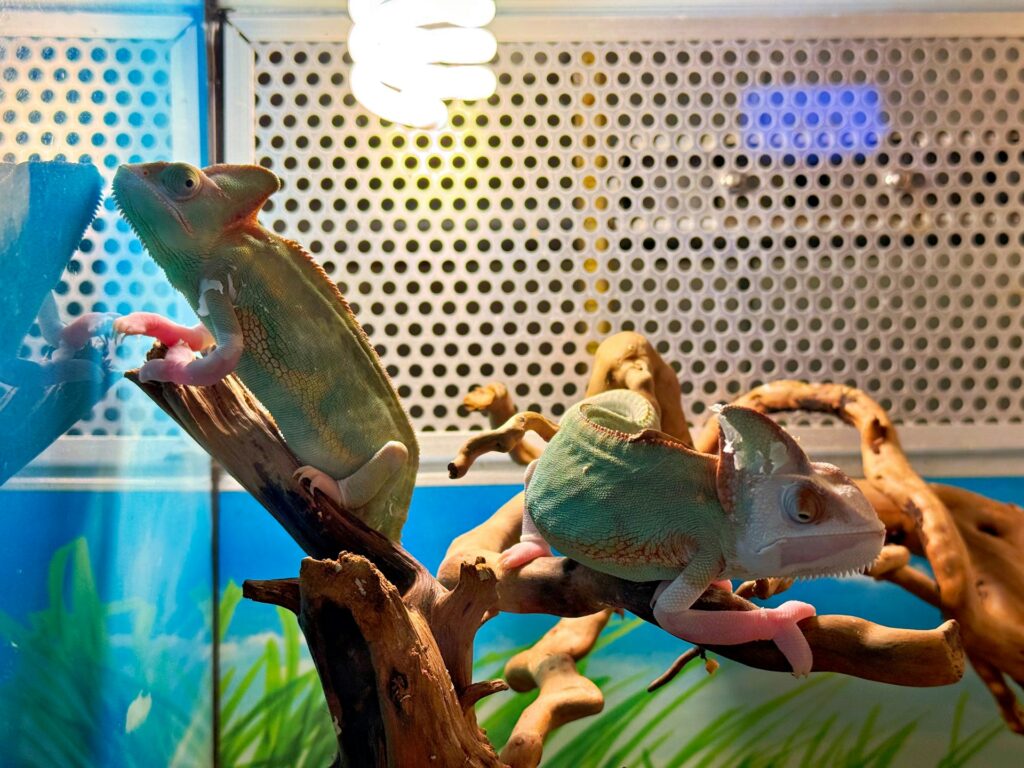
Whether it’s humidity levels, UV lighting, climbing space, or water features, your pet’s enclosure should reflect where they’d live in the wild. A bored or under-stimulated animal will suffer physically and mentally, even if it’s eating well and looks fine on the surface.
Invest in a proper setup before the animal even arrives. That might mean a custom-built enclosure or a selection of enrichment items to keep them engaged. Comfort and stimulation go hand-in-hand for most exotic species.
Don’t rely on generic pet shops for advice.
Not all pet stores are created equal, and many offer outdated or outright harmful advice when it comes to exotics. Staff often don’t have the expertise to give detailed species-specific guidance, even if they seem confident. Stick to reptile or exotic vet clinics, accredited breeders, or forums run by experienced keepers. A good source of information can make the difference between a healthy pet and one that struggles silently.
Do check legal requirements and permits.
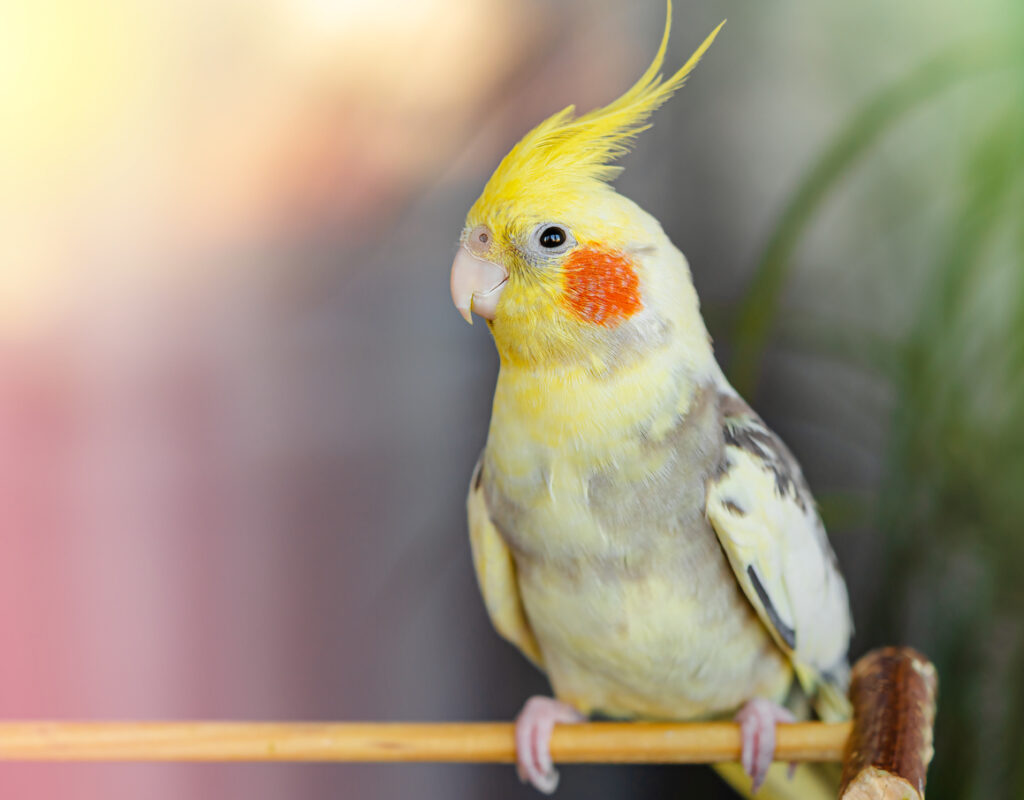
Some exotic pets are banned entirely in certain areas, while others require licences, microchipping, or even home inspections before they can be kept. Ignoring the legal side can lead to hefty fines, or having your pet taken away. Make sure you’re on the right side of the law before bringing anything home. A quick check with your local council or DEFRA in the UK can save you a lot of trouble down the line.
Don’t underestimate veterinary costs.
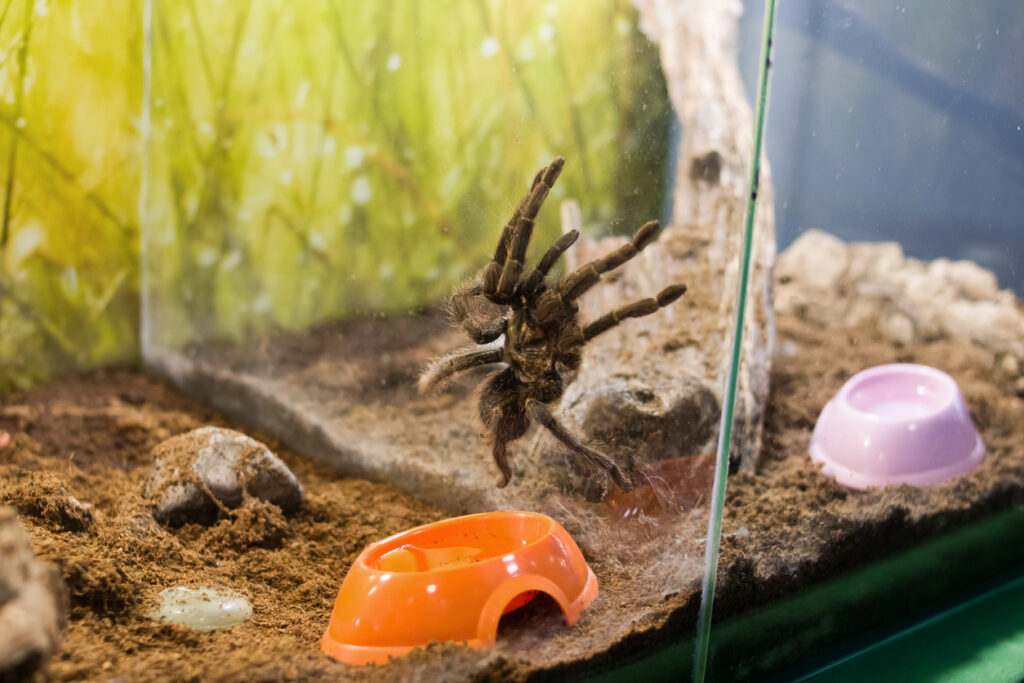
Exotic animals need exotic vets, and they’re often not cheap. On top of that, these pets hide illness well—by the time something looks wrong, it could already be serious. Routine check-ups, parasite testing, and emergency care should all be budgeted for. If there isn’t a qualified exotic vet nearby, that’s a red flag. It’s unfair to keep an animal you can’t properly care for just because you’re excited to own something rare.
Do plan for a long-term commitment.
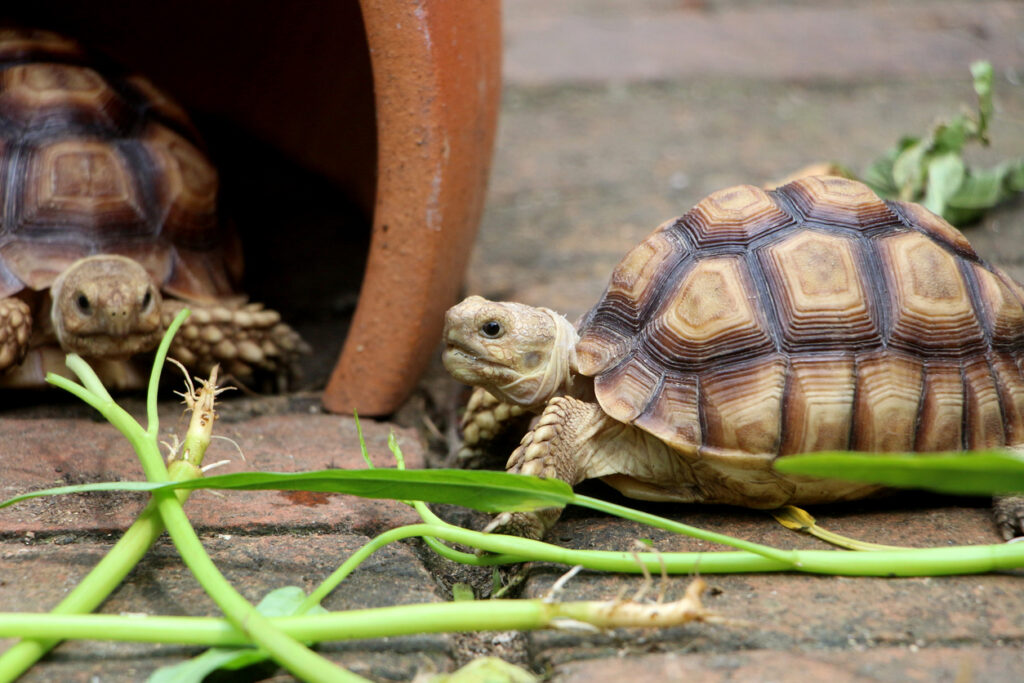
Some exotic pets live for decades. Parrots can outlive their owners, tortoises regularly hit 70+, and even snakes can live 15–20 years. This isn’t something you just hand off when life gets busy or inconvenient. Think realistically about your future. If you’re not ready for a decades-long commitment, choose a pet with a shorter lifespan, or wait until you are. These animals deserve consistent care, not novelty status.
Don’t assume they’ll be affectionate.
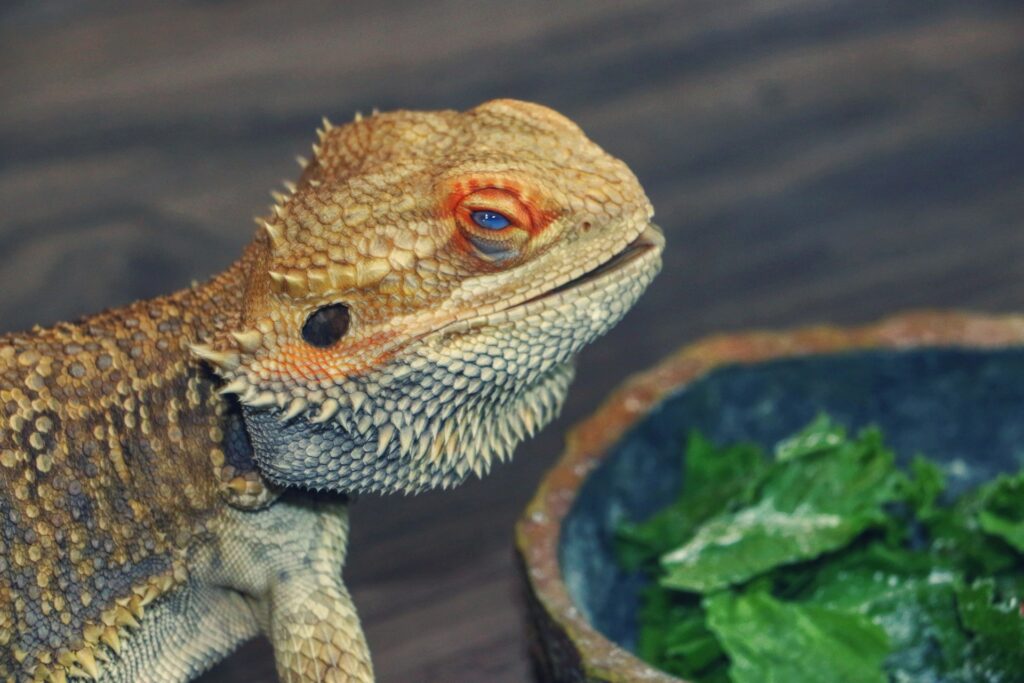
Unlike dogs or cats, most exotic pets don’t crave affection or social bonding in the same way. Some don’t even tolerate handling. If you’re expecting cuddles or emotional feedback, you’ll likely be disappointed, and the animal could be stressed. Respect the animal’s nature. Exotic pets are fascinating to observe, not necessarily to interact with constantly. Trying to turn them into something they’re not can backfire quickly.
Do offer enrichment and mental stimulation.
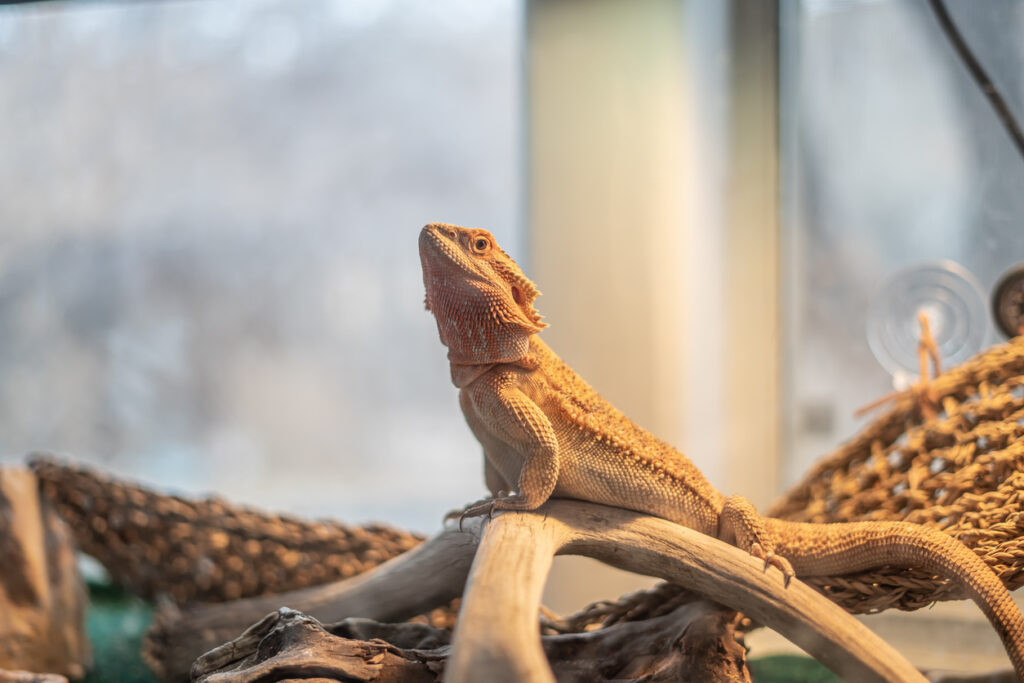
Just because a pet doesn’t bark or meow doesn’t mean it’s fine being bored. Enrichment is essential for many exotic species—think climbing branches, puzzle feeders, sand baths, or different textures and scents to explore. Enrichment keeps their instincts sharp and helps prevent abnormal behaviours like pacing, aggression, or refusal to eat. Small changes in the enclosure can go a long way toward keeping your pet mentally healthy.
Don’t house incompatible animals together.
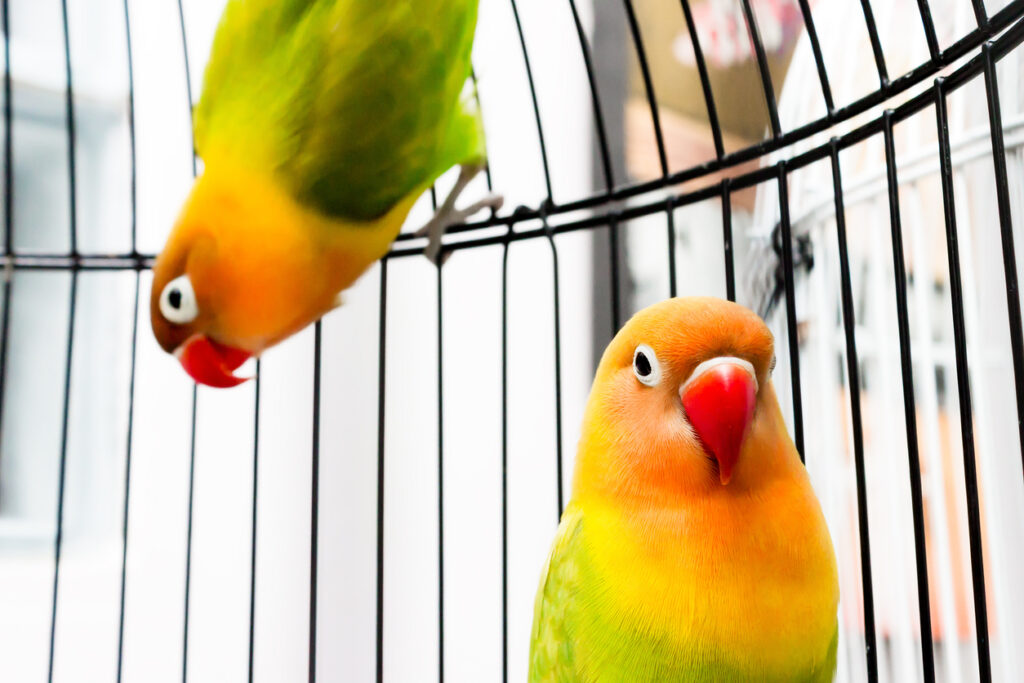
Putting two animals in the same enclosure might seem like a space-saving idea, but many exotic pets are solitary, territorial, or even cannibalistic. Mixing species, or even same-species individuals, can lead to injury or death. Do your research before even thinking about co-housing. In most cases, it’s safer and less stressful to keep exotic animals separate, no matter how peaceful they seem at first.
Do keep a consistent routine.
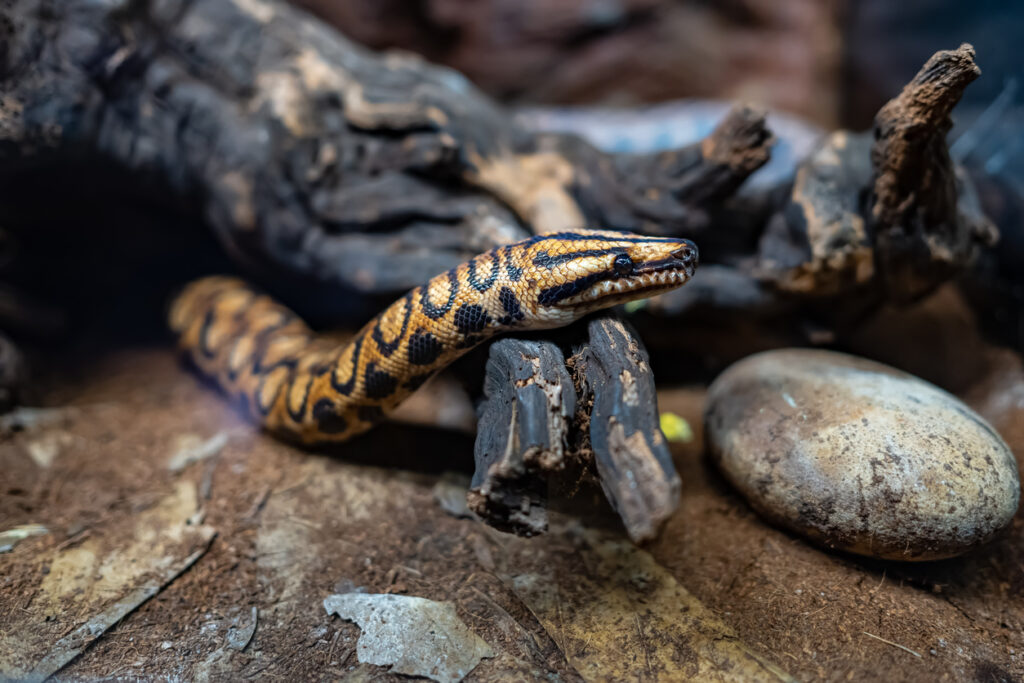
Many exotic animals thrive on routine. Consistent light cycles, feeding times, and minimal disturbance help reduce stress and keep them healthy. Sudden changes in environment or handling can cause more disruption than people realise. Set a daily or weekly schedule and try to stick to it. It makes life easier for you too, especially when it comes to feeding, cleaning, and keeping an eye on behaviour patterns.
Don’t use random objects as habitat furniture.
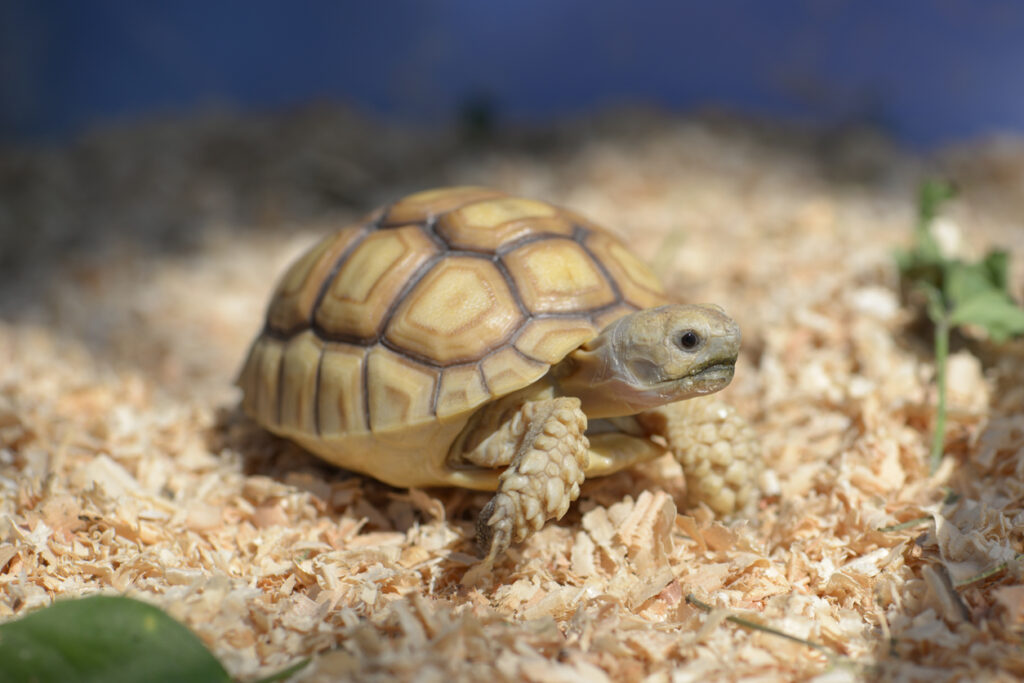
It might be tempting to throw in sticks, stones, or old bowls as decor, but random items can carry pests, bacteria, or toxins that your pet can’t handle. Even wood from your garden can introduce harmful mould or mites. Stick with materials that are safe, non-toxic, and easy to clean. If you’re using anything natural, bake it, freeze it, or disinfect it first to avoid unwanted guests in your enclosure.
Do have a backup plan for holidays and emergencies.
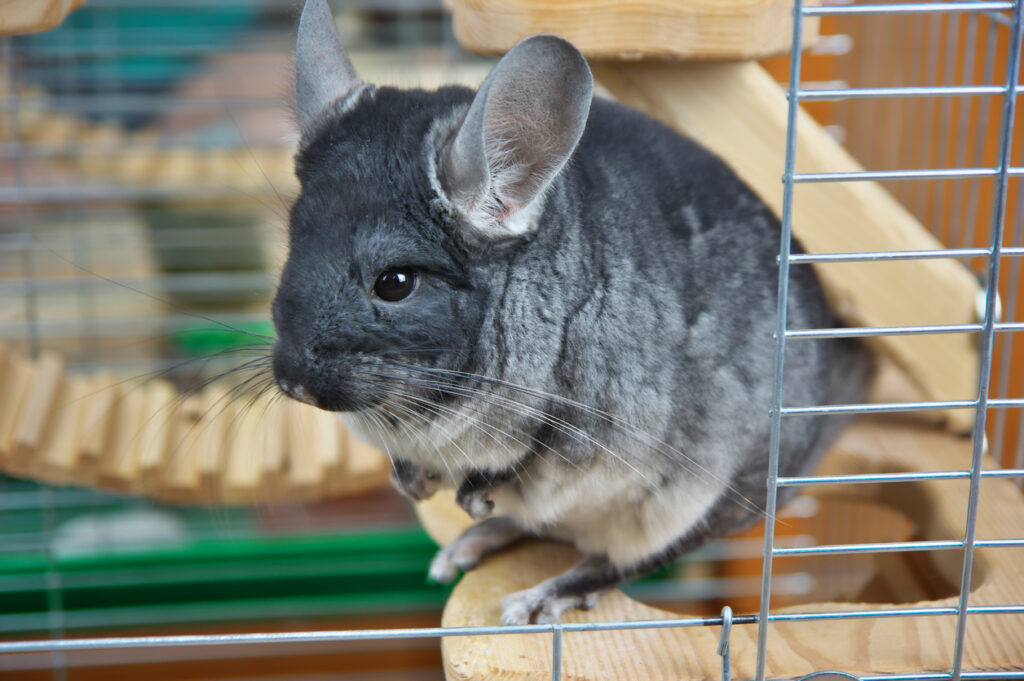
Who’s going to care for your pet if you’re away for a week? Or if you get sick? Exotic animals need specific care and can’t just be left with a friend who “sort of knows reptiles.” Always have a plan in place, whether it’s a trusted pet-sitter with experience or a nearby exotics boarding service. These pets depend on you every day—they can’t fend for themselves, even for a few days.
Don’t assume every exotic pet is a good beginner choice.
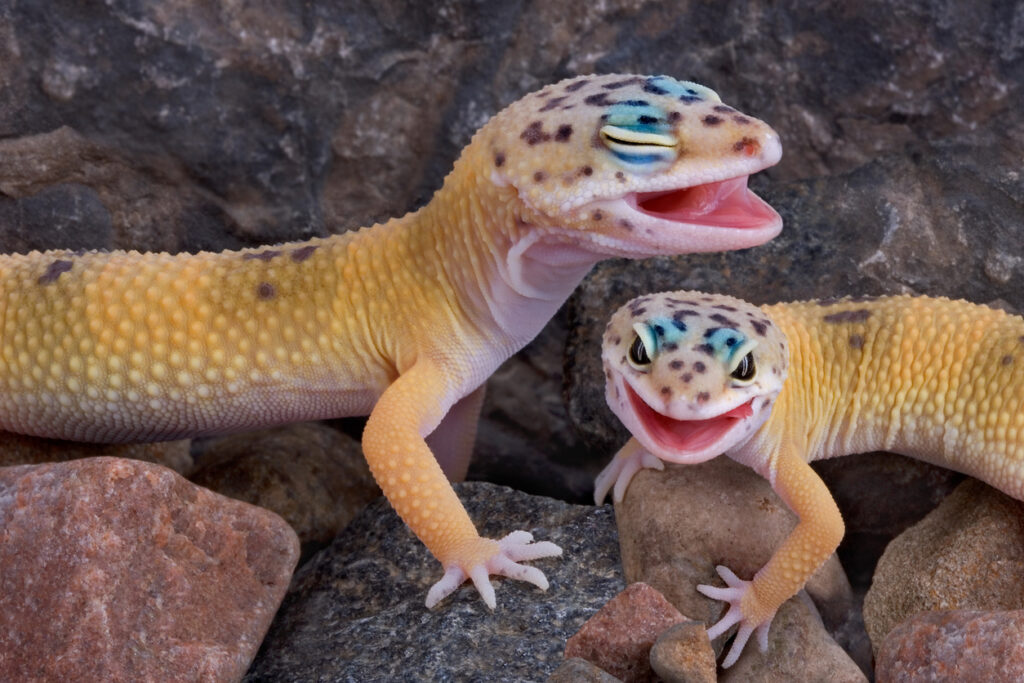
Some animals get marketed as easy or beginner-friendly, but that’s often more about sales than reality. Green iguanas, chameleons, and African greys, for example, all have complicated needs and can become unmanageable for first-time keepers. If you’re new to exotics, start small. Corn snakes, leopard geckos, or certain types of frogs can be better beginner options while you learn the ropes. It’s okay to work your way up slowly—your future pets will thank you for it.