Starting a garden can feel like a wholesome dream—until your plants start wilting, bolting, or mysteriously vanishing overnight.
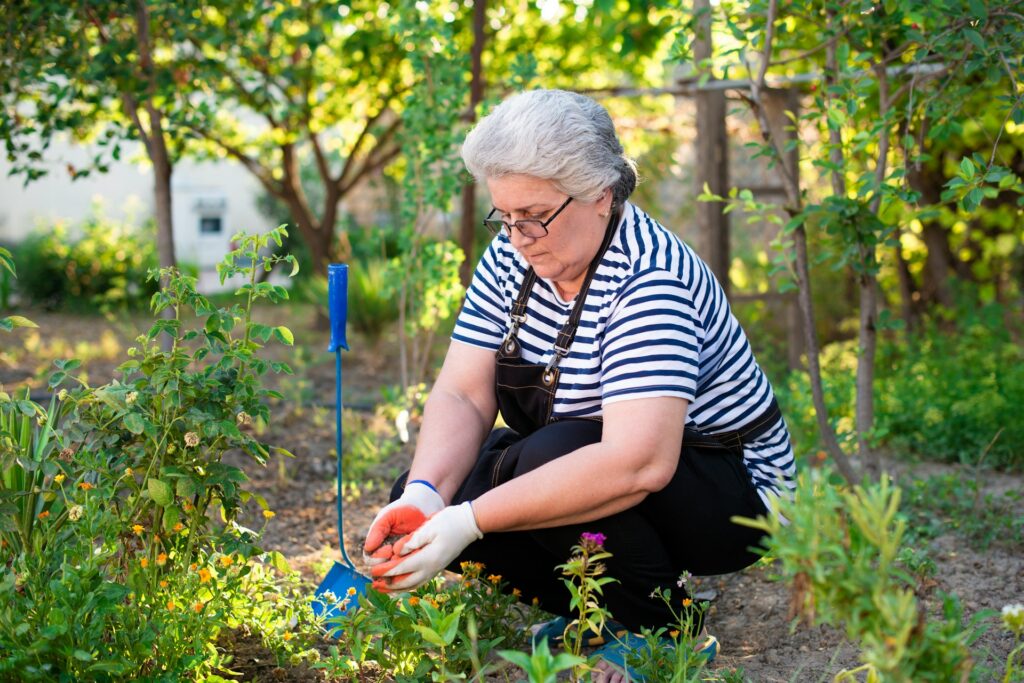
Whether you’re growing herbs in pots or digging in a full-on veg patch, everyone makes a few mistakes at the start. And that’s fine—it’s how you learn. However, if you’d rather skip the heartbreak and head straight to the good part, here are 14 common beginner gardening mistakes, and how to avoid them altogether.
1. Overwatering everything
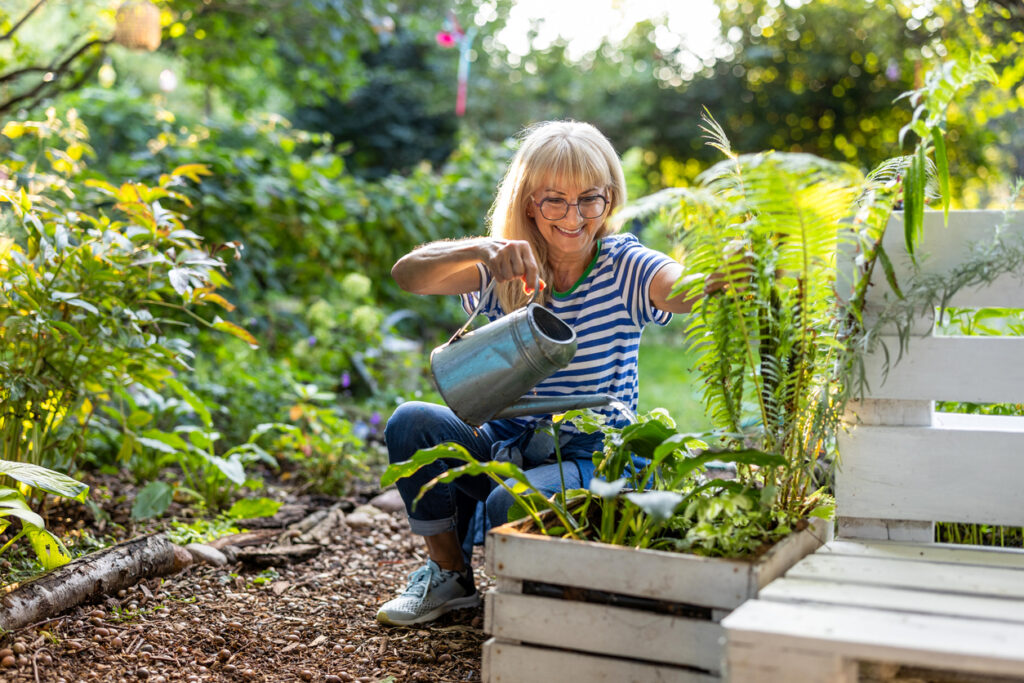
It’s easy to think more water equals happier plants, but too much love can drown their roots. New gardeners often water daily out of panic, especially when plants look a bit sad, but soggy soil can lead to root rot and other problems. The trick is to learn your plant’s specific needs and water deeply but less often. Let the top layer of soil dry out a bit between watering, and remember: plants would rather be a little thirsty than sitting in a puddle.
2. Ignoring soil quality
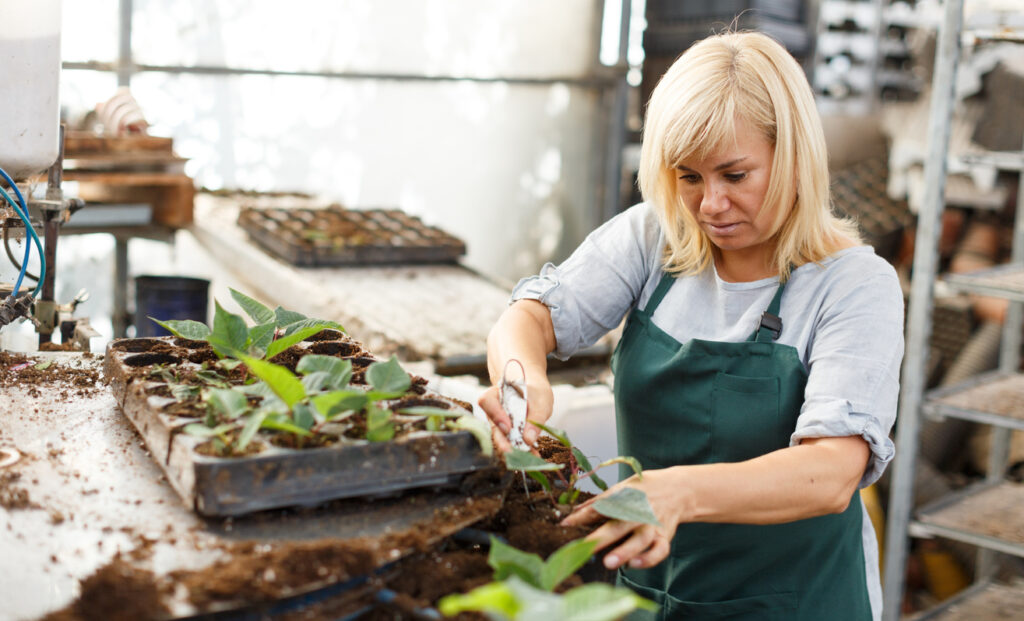
Good soil is everything. Many first-timers grab any old compost or just dig straight into what’s already there, not realising that soil can be too sandy, too clay-heavy, or just plain lifeless. Before planting, check what kind of soil you have and add compost, organic matter, or grit if needed. Raised beds or containers can also give you more control if your garden’s soil isn’t ideal to start with.
3. Planting too close together
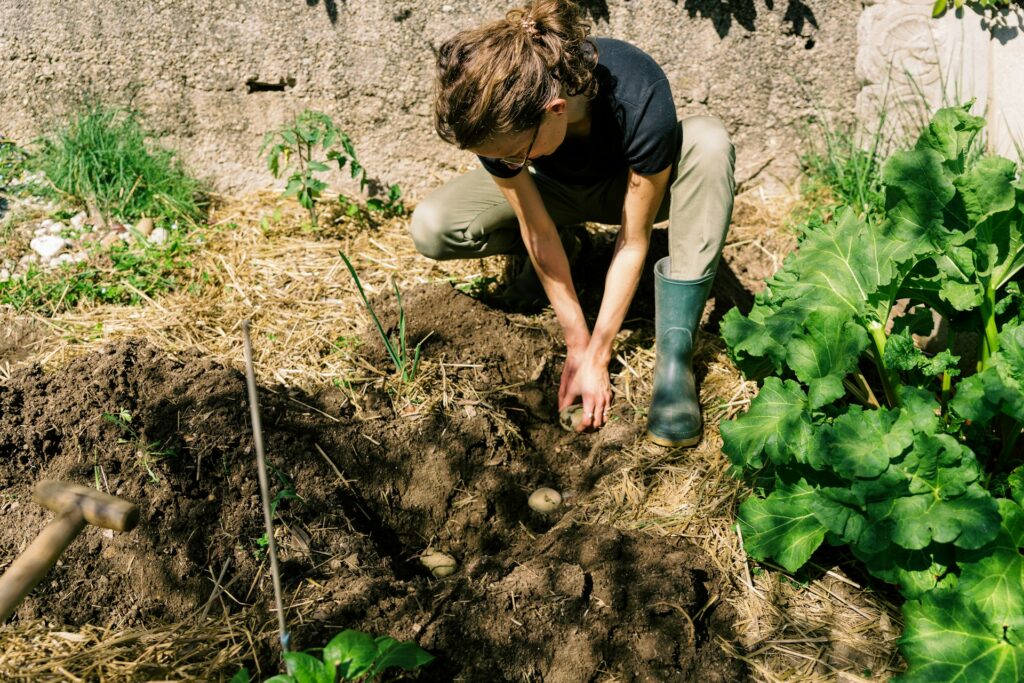
In the excitement of planting, it’s tempting to squeeze everything in. Those tiny seedlings look miles apart now, but give it a few weeks, and they’ll be elbowing each other for sunlight, water, and breathing room. Always read the spacing info on seed packets or plant labels. It’s better to have fewer plants that thrive than a crammed jungle that ends up stunted or disease-prone.
4. Picking the wrong plants for your conditions
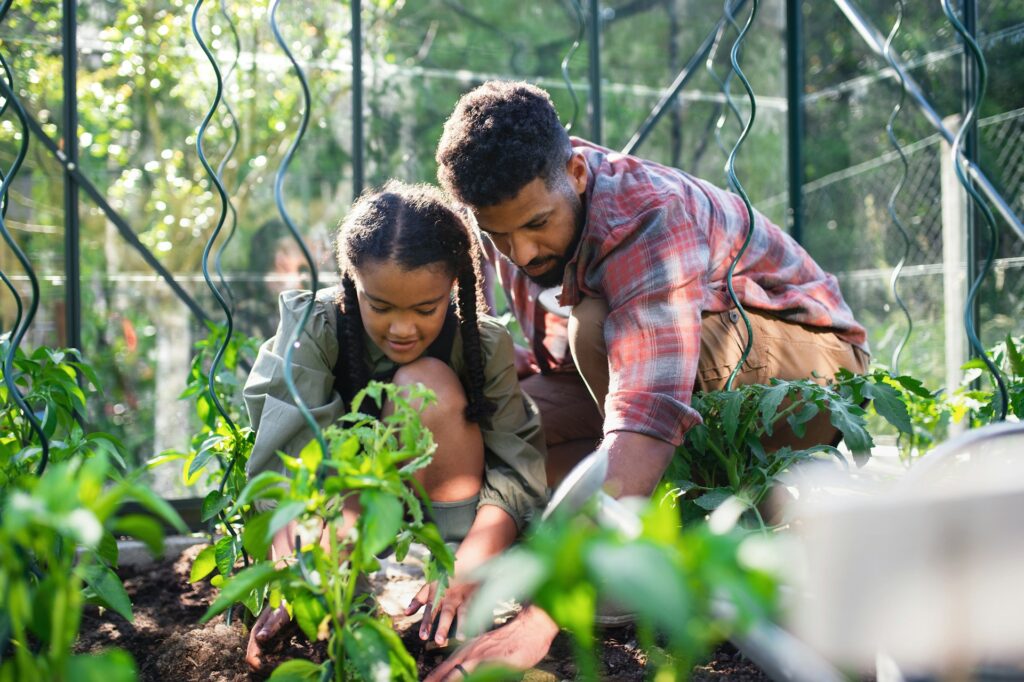
That tropical beauty might look great in the garden centre, but if your garden’s mostly shade and soggy soil, it’s probably not going to be happy. Choosing plants that don’t suit your space is a fast track to disappointment. Stick with varieties that match your garden’s sun, shade, and soil conditions. Native plants or UK-hardy ones tend to be much lower maintenance—and way more forgiving.
5. Forgetting to feed your plants
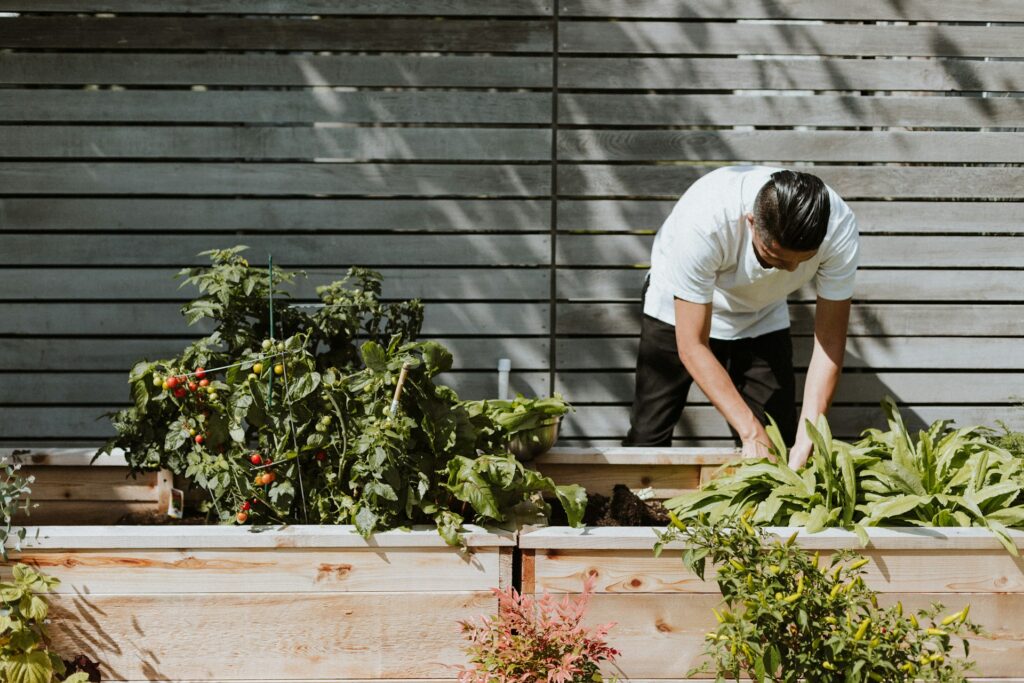
Plants need more than just sun and water. If you’re not feeding them, they’ll grow slowly, look pale, or fail to flower. New gardeners often skip this step entirely, thinking compost alone will do the job. A slow-release fertiliser in spring or a weekly liquid feed during the growing season can make a huge difference, especially for hungry plants like tomatoes or roses. Think of it like giving your plants a balanced diet.
6. Ignoring pests and problems
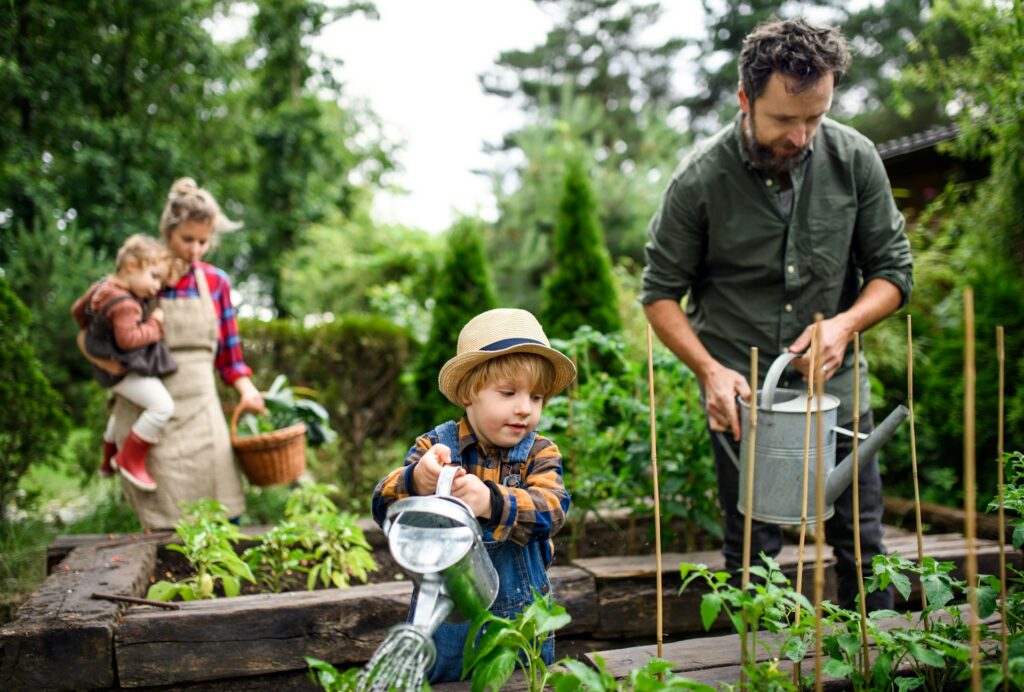
It’s easy to assume everything’s fine until your leaves are riddled with holes or your lettuce has vanished overnight. Pests like slugs, aphids, and caterpillars can undo your hard work surprisingly fast. Check your plants regularly for signs of trouble—yellowing leaves, chewed edges, sticky patches—and act early. Natural methods like neem oil, companion planting, or a beer trap can often solve problems before they get out of hand.
7. Not labelling what you planted
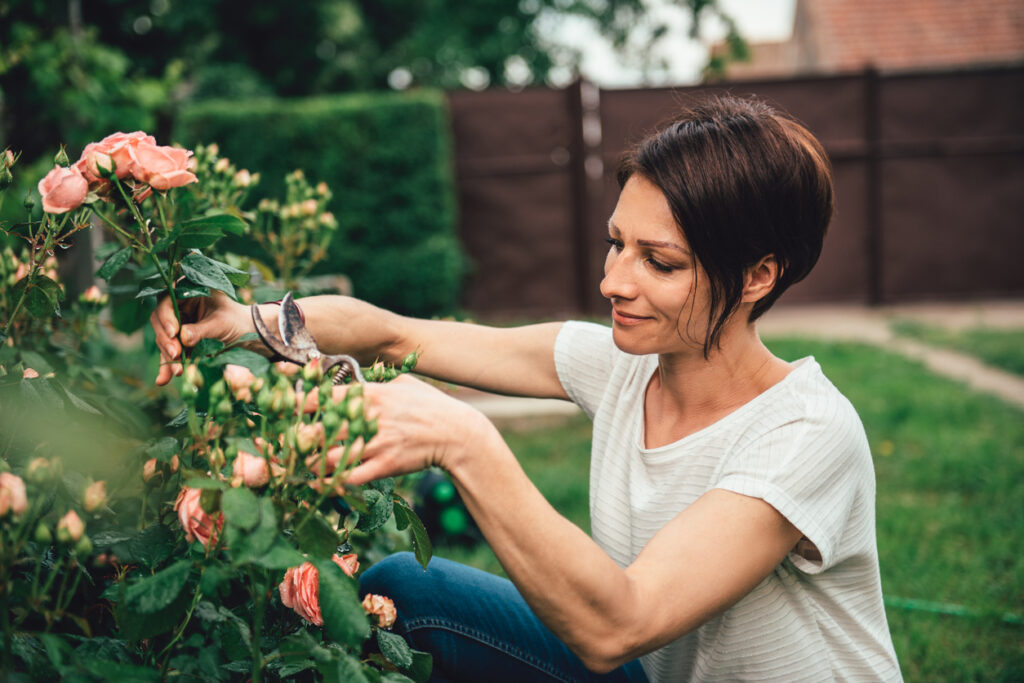
You tell yourself you’ll remember which row is carrots and which is beetroot—but six weeks later, you’re staring at a patch of mystery leaves. It’s a common early mistake and surprisingly easy to avoid. Use simple labels or markers as soon as you sow. Even a lolly stick with a biro label can save you a lot of head-scratching later, especially when thinning or harvesting.
8. Planting too early in the season
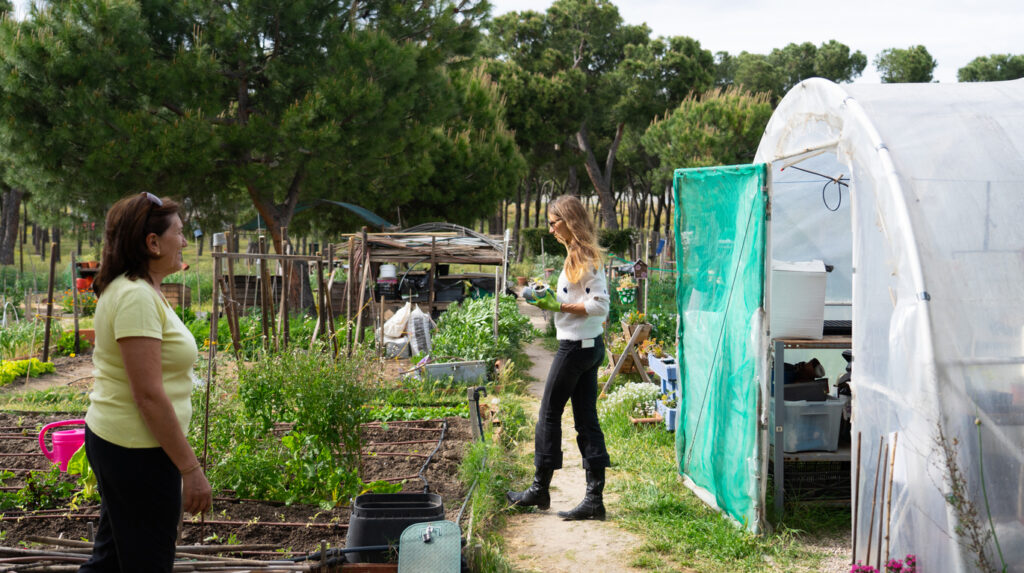
British weather is famously unpredictable, and planting outdoors too early often ends in frostbitten seedlings. A sunny day in March doesn’t mean it’s time to go all in on tender veg. Check your last frost dates and be patient—many plants, especially tomatoes, beans, and courgettes, do better when started indoors or in a greenhouse, then planted out once the weather’s reliable.
9. Skipping the weeding

Weeds seem to appear out of nowhere, and they’re faster and tougher than most of your plants. If you let them take over, they’ll compete for water, light, and nutrients and can quickly ruin your progress. Little and often is the way to go. A quick 10-minute weed every few days is much easier than waiting until things get out of control and you’re faced with a garden full of thistles and bindweed.
10. Not thinning out seedlings
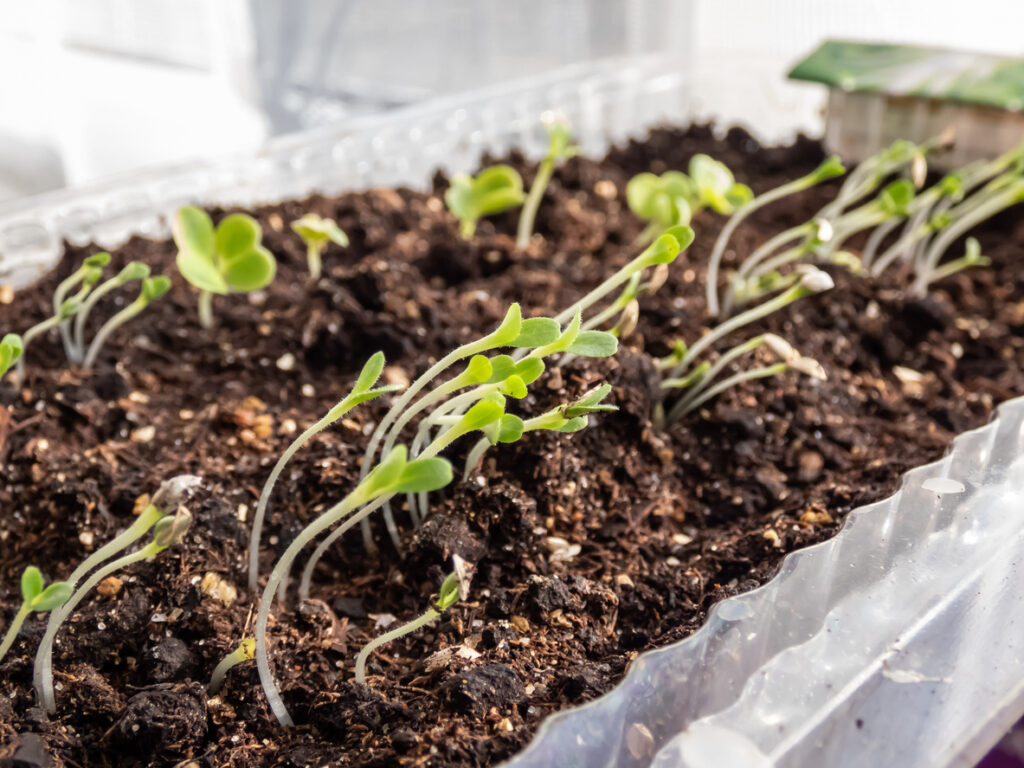
It feels wrong to pull up perfectly healthy little sprouts, but overcrowded seedlings won’t grow well. Without thinning, you’ll end up with spindly, weak plants instead of the strong ones you’re hoping for. Be ruthless early on—leave the healthiest looking seedlings and snip the rest at the base with scissors. It might feel harsh, but it’s the best way to give your plants space to thrive.
11. Using the wrong containers
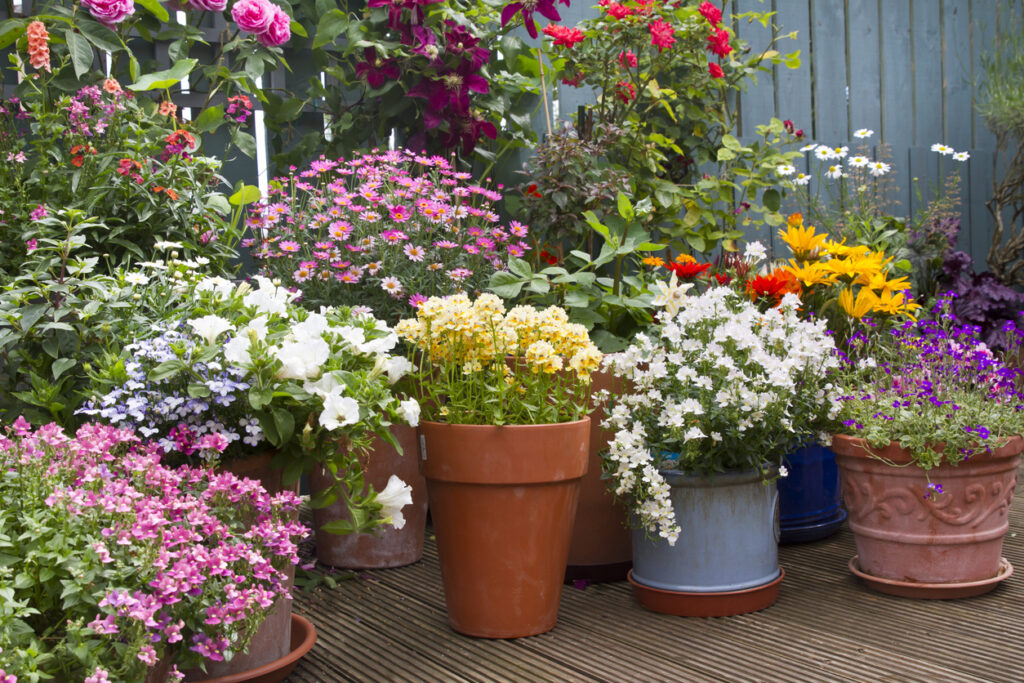
Not all pots are created equal. Some don’t drain properly, some are too small for what you’re growing, and some heat up too fast in the sun, causing plants to wilt or dry out. Make sure containers have drainage holes, are big enough for root growth, and suit the plant’s needs. Terracotta pots dry out faster than plastic, for example, so you’ll need to adjust your watering accordingly.
12. Giving up after one bad season
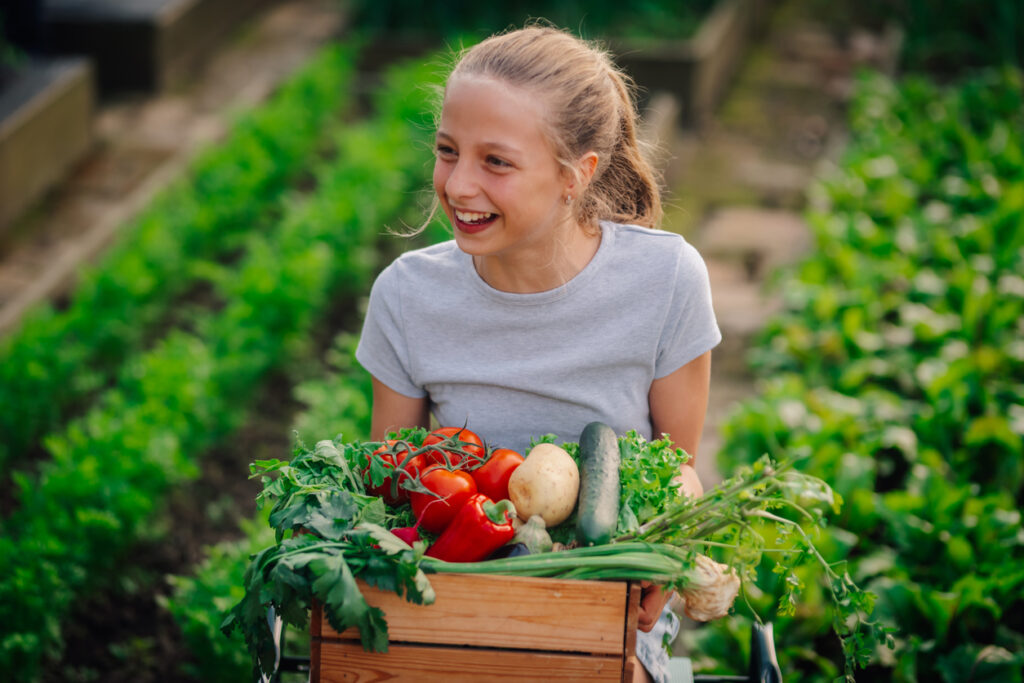
Everyone has a garden fail now and then—whether it’s tomato blight, slug carnage, or a summer drought that fries your flowers. The worst thing you can do is assume you’re bad at it and give up. Gardening takes time, trial and error, and a sense of humour. Every season teaches you something, and even experienced gardeners lose a few plants now and then. Keep going—you’ll get better with every year.
13. Not learning from what worked (or didn’t)
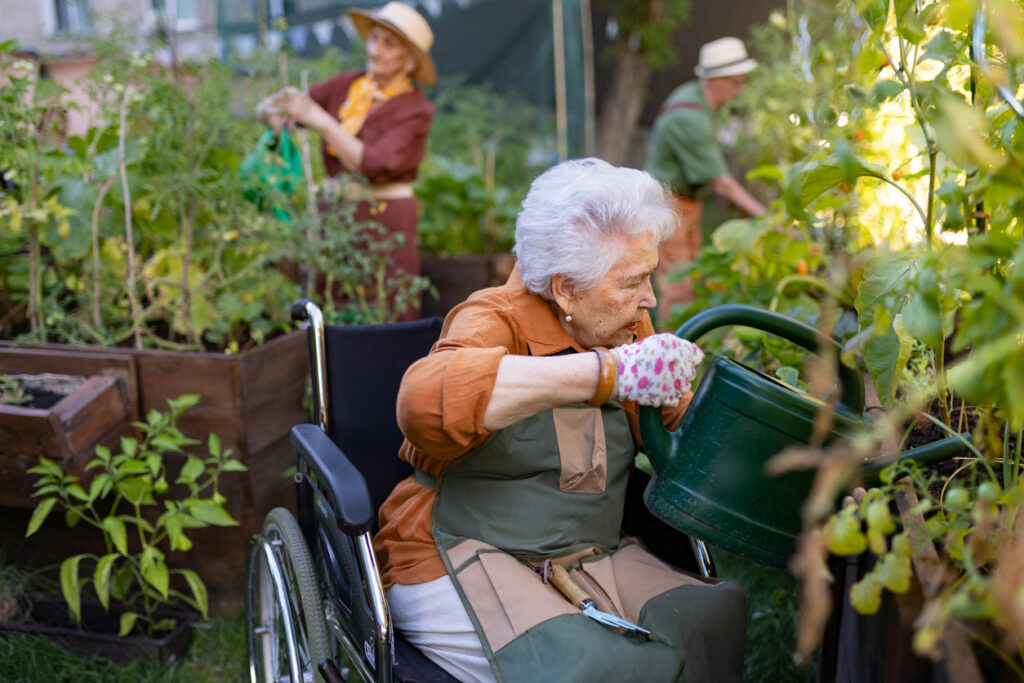
When something grows brilliantly, it’s easy to forget what you did right. And when something fails, you might not stop to figure out why. But those lessons are golden for your future garden success. Keep a little garden notebook or even just snap photos throughout the season. Note what you planted, where, and how it performed. Come next year, you’ll have a personal cheat sheet to build on.
14. Expecting perfection straight away
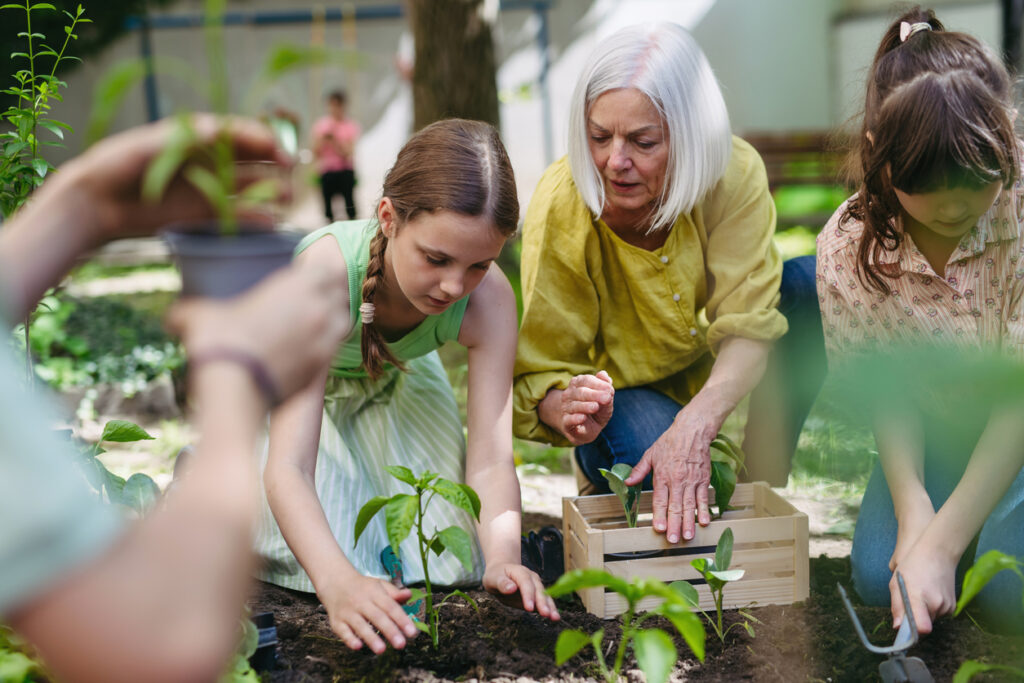
It’s tempting to picture a glossy magazine garden after just one season, but real gardens are a bit messier, more chaotic, and far more rewarding than perfection. The beauty is in the journey, not the instant outcome. Enjoy the learning curve. Celebrate the wins, laugh at the mishaps, and keep experimenting. The more time you spend in your garden, the more it becomes yours, and that’s the best part.