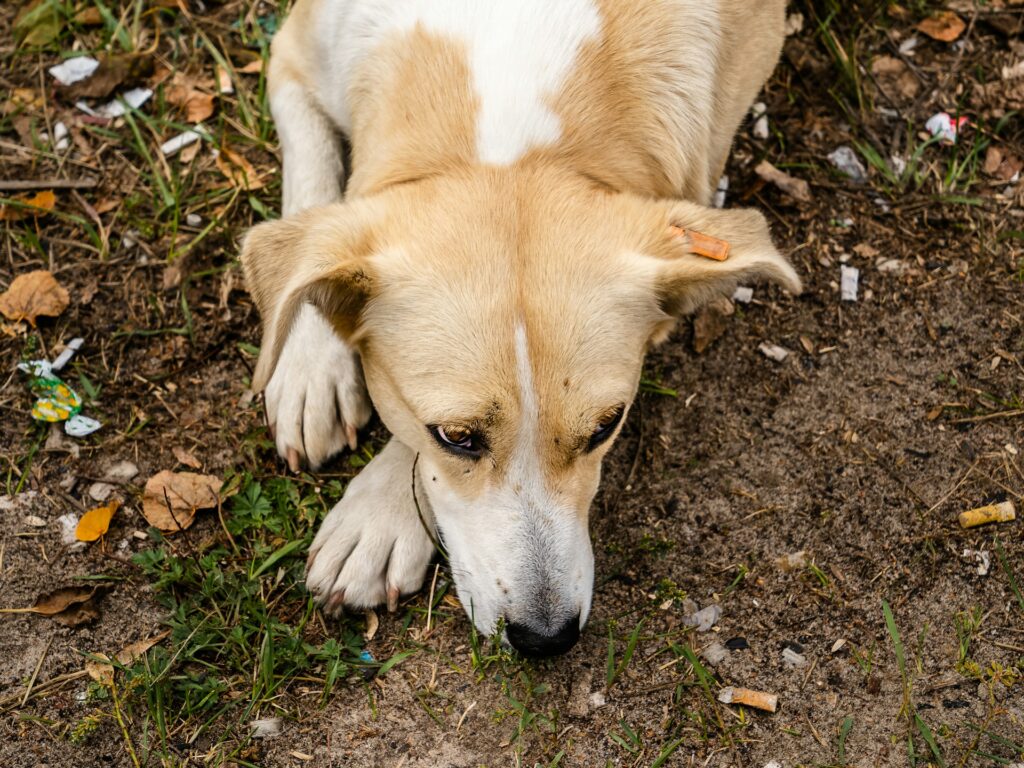
Dogs hide pain far better than people realise, so the signs often look subtle or even harmless at first. Many of these behaviours get brushed off as age, stubbornness or mood, but they’re actually quiet signals that something hurts. Noticing them early helps you step in before the pain becomes harder for your dog to cope with.
1. They start moving more slowly than usual.
When a dog suddenly slows down on walks or takes longer to get up, it often means their joints or muscles are uncomfortable. They’re trying to avoid movements that make things worse, so the change shows up in their pace before anything else looks wrong. It’s their way of protecting themselves without drawing attention.
If you notice this change, shortening walks or choosing softer ground can help them stay comfortable while you arrange a proper check-up. Even mild changes in movement often point to early pain, so adjusting things quickly makes a real difference.
2. They lick the same spot repeatedly.
Constant licking is a dog’s way of soothing an area that hurts. It could be a joint, a paw, their stomach, or even somewhere you can’t see clearly. The licking releases calming chemicals and distracts them from the discomfort, which is why they do it so often. When this happens, gently checking the area for redness or swelling can reveal what’s bothering them. It’s a clear sign something needs attention, even if the surface looks normal at first glance.
3. They start avoiding stairs or jumping onto furniture.
@thepethealthclub How to tell if your dog is in pain, as told by one of our vets. #dogsoftiktok #dogadvice #dogsofttiktok #veterinarian #vetadvice #vetcare #pethealthclub ♬ Evergreen – music <3
Dogs that used to leap onto the sofa or climb stairs easily might suddenly hesitate or refuse. Pain in the back, hips, or legs can make these movements difficult, so they take the safer option and stay low. People often assume they’re being stubborn when they’re actually struggling. Offering ramps or lifting them gently can ease the pressure until you understand what’s going on. When a dog changes how they move around the house, the cause is usually physical rather than behavioural.
4. They become unusually clingy or withdrawn.
Pain changes behaviour, and dogs often show this through sudden neediness or distancing. A normally confident dog may follow you everywhere, while a sociable one might hide in quiet spots. These changes come from confusion and discomfort, not attitude changes. Giving them calm company while watching for other signs can help you spot patterns. Dogs can’t explain their pain, so these emotional changes are often their first attempt to show they’re not okay.
5. They eat more slowly or seem less interested in food.
Pain can make eating feel uncomfortable, especially if the problem is dental or linked to their neck or jaw. Dogs might take smaller bites, drop food or walk away halfway through meals. This behaviour often comes before noticeable weight loss or obvious discomfort. Softening their food or switching bowl height temporarily can offer relief. A sudden change in eating habits is always worth checking because it’s one of the clearest signs something hurts.
6. They pant heavily even when they’re not warm.

Panting is a common stress response in dogs, and pain is one of the biggest triggers. When a dog pants at rest or during mild activity, their body may be trying to manage discomfort. It’s easy to overlook this because panting looks normal at first glance. Watching when the panting happens can give clues. If it appears during gentle movement or when they change position, it often points to something hurting internally or in their joints.
7. They change their sleeping position suddenly.
Dogs in pain often adjust how they sleep because certain positions hurt more than others. They may curl tightly, stretch awkwardly or toss around trying to get comfortable. These subtle changes usually stand out once you start paying attention. Providing softer bedding or extra padding can help them settle. Any change in sleeping habits, especially when paired with stiffness, suggests there’s discomfort that needs attention.
8. They become protective of certain areas on their body.
@petlabco Make sure to take care of your pup 🙏🏻 #dogpain #dogbehavior #fyp #viral ♬ Pieces (Solo Piano Version) – Danilo Stankovic
When a dog flinches, growls softly or pulls away when touched in a particular spot, it’s often because the area is sore. Even gentle dogs can react strongly when pain catches them off guard, and it’s their instinctive way of saying, “Don’t touch there.” Noticing which area they guard gives you valuable information. Avoiding pressure on that spot while seeking advice helps keep them comfortable and prevents accidental pain.
9. They struggle to settle after moving around.
If your dog pauses, circles repeatedly or sits down slowly after walking or playing, it may be a sign that movement caused discomfort. Pain often shows up during transitions, which is why the moments before lying down reveal so much. Keeping activity gentle until they’re checked helps avoid worsening the issue. Movement-related discomfort almost always indicates something deeper than simple tiredness.
10. They shake or tremble without an obvious reason.
Trembling can be caused by fear, excitement or cold, but it also appears when dogs are in pain. The shaking comes from their body trying to cope with discomfort, especially when the problem affects their joints or muscles. Watching whether the trembling happens at rest or after activity can help you understand the cause. Consistent shaking deserves attention because it’s one of the clearer signs they’re uncomfortable.
11. They yelp or grunt when changing position.
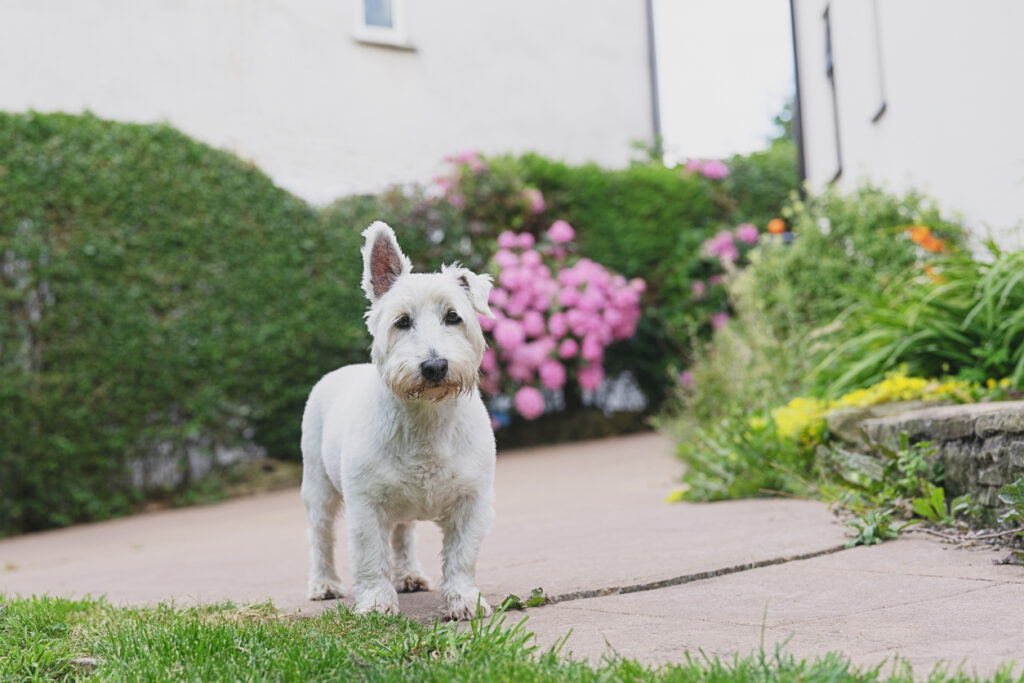
Small noises often slip by unnoticed, but they’re important signals. A dog that grunts when lying down or yelps when standing may be reacting to sudden pain. These sounds usually appear before any limping or obvious physical sign. Paying attention to these moments helps you spot what triggers the discomfort. Even soft grunts mean their body is working harder than it should.
12. Their tail sits lower or moves differently.
Dogs communicate pain through their tail without meaning to. A normally waggy dog may keep their tail still, tuck it slightly or lift it awkwardly. Tail posture reflects how comfortable they feel physically and emotionally. Comparing their usual tail movement with what you see now can highlight problems early. Subtle changes often show up before more dramatic symptoms appear.
13. Their overall energy drops noticeably.
Pain drains a dog’s enthusiasm. They might stop greeting you at the door, lose interest in toys, or ignore activities they usually love. This drop in energy reflects discomfort rather than boredom or ageing alone. If their spark fades, giving them rest and monitoring other signs helps reveal what’s wrong. A dog’s mood often shifts long before the pain becomes obvious on the outside.