Across Britain, there are birds that gain surprising legal protection the moment they decide your roof is the perfect place to raise a family. Once they start nesting, you can’t move them, block them or disturb them, even if they’re noisy, messy or turning your gutters into a war zone. These are the species that, in practical terms, “own” your roof the second they settle in.
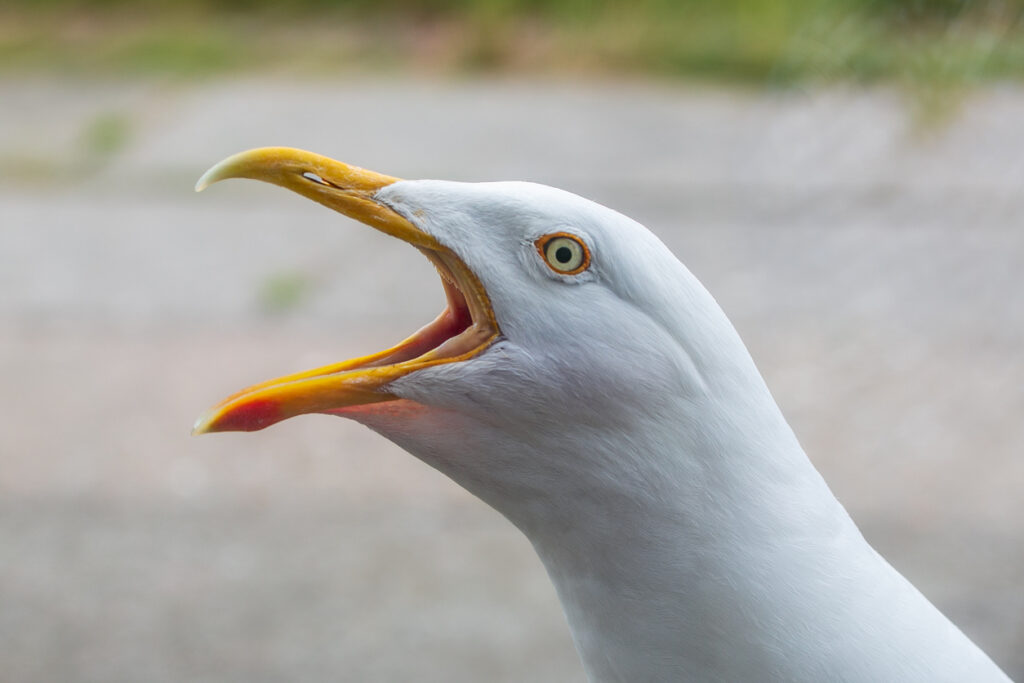
Herring gulls turn rooftops into protected nurseries.
Herring gulls love tall roofs because they offer the same safety that old cliff faces once did. Once they lay eggs, the law protects the nest, meaning you can’t move or destroy it even if the noise keeps half the street awake. Their chicks stay put for weeks, and parents stay fiercely protective the entire time.
If gulls start showing interest in your roof, acting early is the only realistic option. Once eggs appear, you’re committed to a full season of shouting, flapping and high-stakes divebombs until the chicks finally fledge.
Lesser black backed gulls follow the same legal rules.
These gulls also take advantage of British rooftops and, just like their herring gull cousins, they’re legally off limits once nesting begins. They build sturdy nests that survive strong winds, and their chicks climb all over flat roofs, making them even harder to work around. Most people only realise they’ve moved in when the adults start guarding the site. Early prevention helps because once the first egg appears, the roof becomes theirs for the season.
Blackbirds claim gutters and porches without hesitation.
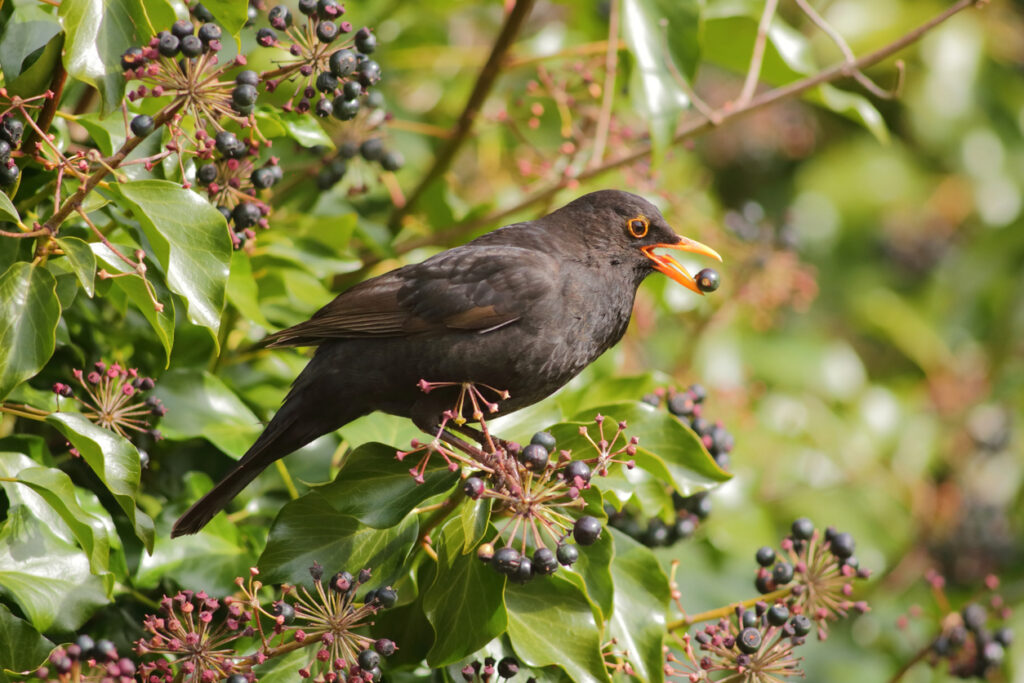
Blackbirds aren’t picky about nest sites. If your roof tiles, porch corners or gutter edges offer shelter, they’ll happily take them. Their nests are small, but once they’re occupied, they’re protected under UK law, so disturbing them can lead to penalties. Because they raise several broods each year, you may find your roof becomes a repeat location. Checking roof spaces before spring helps reduce surprises, but once a nest is active, everything has to pause until the chicks fly.
House sparrows happily move into roof gaps.
Roof tiles with small gaps are perfect for sparrows, and once they pick a spot, they’re there for the entire breeding season. Their nests are tucked away deep inside the structure, which means homeowners often don’t realise what’s happening until the noise becomes noticeable. Repairing roof gaps outside the breeding season is the only way to prevent a repeat. Once sparrows settle in, the law protects them completely until they choose to leave.
Starlings turn tiny gaps into full colonies.
Starlings squeeze through the smallest openings and quickly build nests under tiles or inside loft edges. Because they’re a protected species, any attempt to block the entrance while chicks are inside is illegal, even if they’re causing mess or noise. The birds often return to the exact same spot each year. Fixing gaps once autumn arrives is the best chance to stop the cycle, but during spring, the roof belongs to them.
Swifts take ownership of any roof they choose.
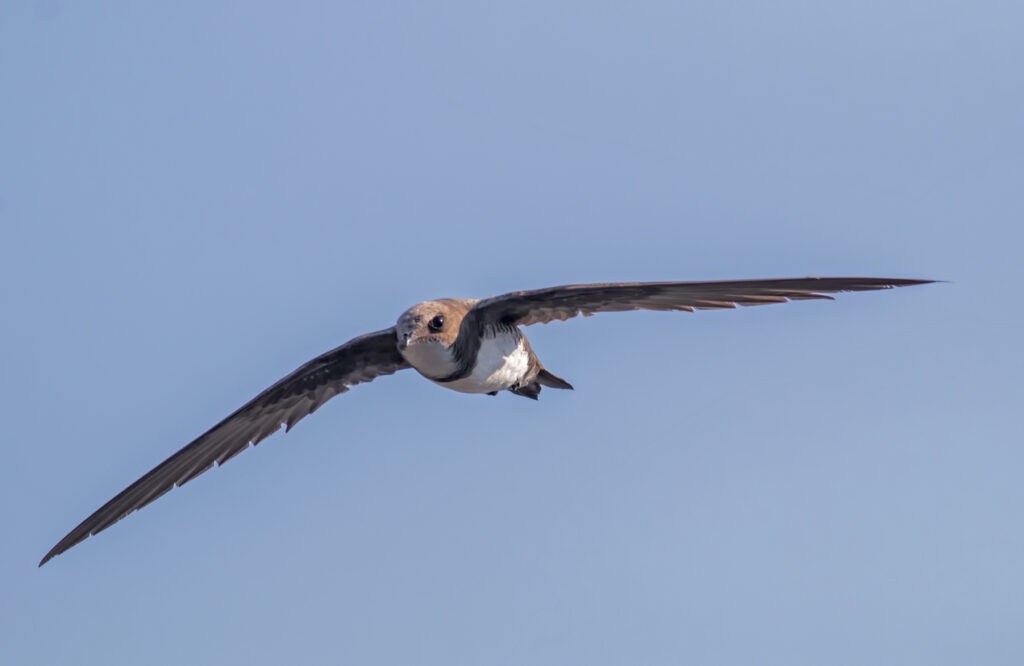
Swifts nest inside old roof spaces, loft openings and behind loose tiles. They’re one of the most protected birds in the UK, meaning their nests can’t be removed even when they’re empty if swifts return to them yearly. They arrive quickly, nest fast and leave behind almost no mess. Because their numbers are declining, the law takes their protection seriously. If swifts choose your home, you’re hosting them for the long haul, and the nest site becomes part of their annual travel plan.
Swallows treat outbuildings and porches as prime property.
Swallows build mud nests that cling to beams, walls and porch ceilings. Once the nest is active, it’s protected, so even if droppings create a nuisance, you have to wait until the breeding cycle ends before removing anything. They’re loyal to the same spots every year. Many homeowners end up installing small boards to catch droppings rather than interfering because swallows return like clockwork each spring.
House martins attach their homes high under roof edges.
These birds build mud nests under the eaves, often in groups that grow over time. Their nests have strong legal protection, so knocking them down during the breeding season can lead to serious penalties. Their loud chirping and constant activity make them noticeable but untouchable guests. Outside the nesting season, adding deterrents is allowed, but timing matters. Once eggs or chicks appear, the entire nest is off limits until it’s abandoned naturally.
Wood pigeons nest anywhere sheltered on a flat roof.
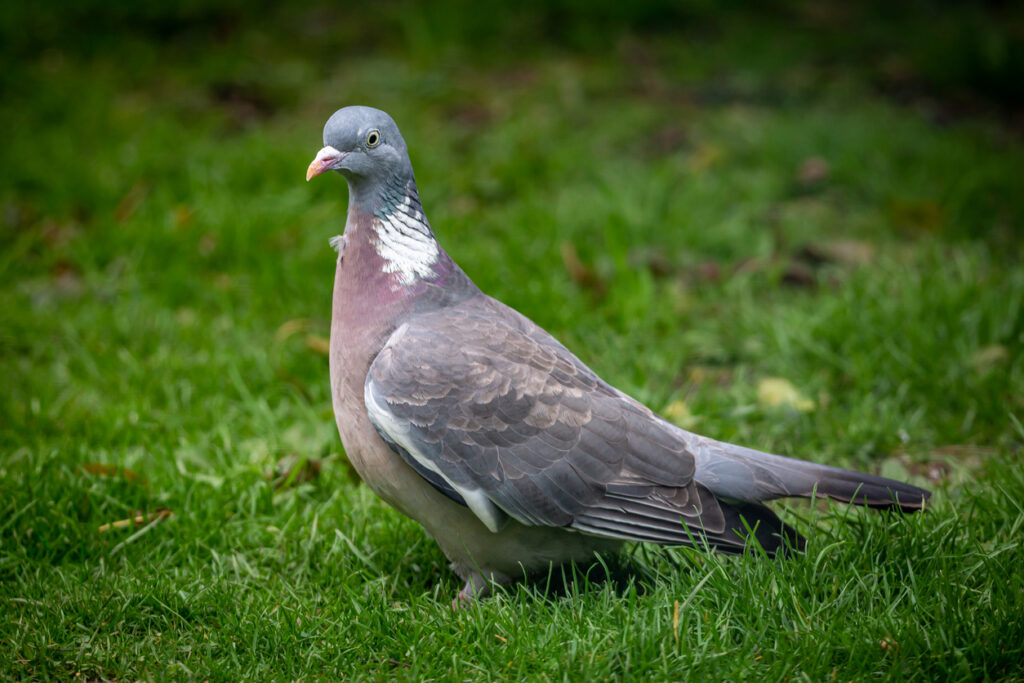
Wood pigeons will nest in places most birds wouldn’t consider stable. Plant pots, roof corners and satellite dishes all make the list. Once they lay eggs, the nest is legally protected, even if it’s little more than a messy pile of twigs. Because they often produce multiple broods in a year, the commitment can stretch across several months. Removing building materials early in spring is the only way to prevent them settling in.
Collared doves follow the same protection rules.
These birds look gentle, but once they nest on your roof, you have no option but to wait for the chicks to leave. They build flimsy nests that seem unsafe, yet they still fall under full UK nesting protection laws. They’re quick to return to the same spot each season. Doing repairs or roof checks before nesting starts helps avoid long delays later in the year.
Jackdaws claim chimneys and gaps with enthusiasm.

Jackdaws love warm chimney spaces, and they build large nests that block flues and create safety issues. But once eggs or chicks are present, the law prevents you from removing the nest until the family moves on. Chimney guards installed over winter help stop them returning. Without those, a jackdaw nest can bring your chimney completely out of action for weeks.
Kestrels nesting on roofs receive strict protection.
Kestrels often choose roofs, ledges and tall outbuildings for nesting. As birds of prey, their nests are protected even more strongly than most species, meaning you can’t disturb them under any circumstances once eggs are present. When kestrels pick your roof, they settle in for the full breeding season. They cause little damage, but their presence pauses repairs, maintenance and sometimes building work until their young are ready to leave.