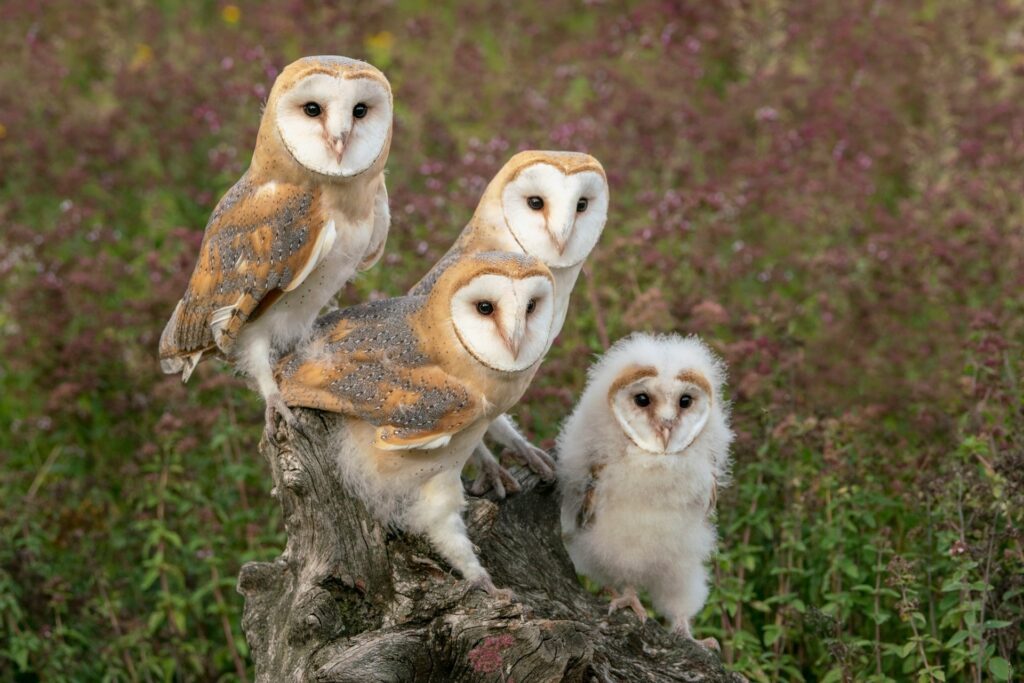
Barn owls are enjoying one of their best years in decades in Cheshire, with conservationists reporting a surge in breeding pairs after a string of mild winters and targeted habitat work. According to BBC News, volunteers across west Cheshire have recorded more successful nests than at any point in the past 30 years, marking a major success for local conservation projects.
Barn owls have long been a familiar sight in rural parts of Cheshire, but their numbers have fluctuated heavily. In harsh winters, they can struggle to hunt, while changes in farming have reduced the rough grasslands that support their main prey, field voles. This year, though, conditions have been ideal. The Broxton Barn Owl Group, which monitors nest boxes across the county, said it had logged more breeding pairs and chicks than ever before.
Coordinator Steve Harris told the BBC that mild weather, a strong supply of small mammals and the long-term effort to provide safe nesting sites have all played a part. Volunteers maintain hundreds of boxes on farms and in barns, many of which were installed more than 20 years ago. “It’s been an exceptional season,” Harris said. “We’ve had nests in places that haven’t seen chicks for years.”
Conservation efforts are paying off.
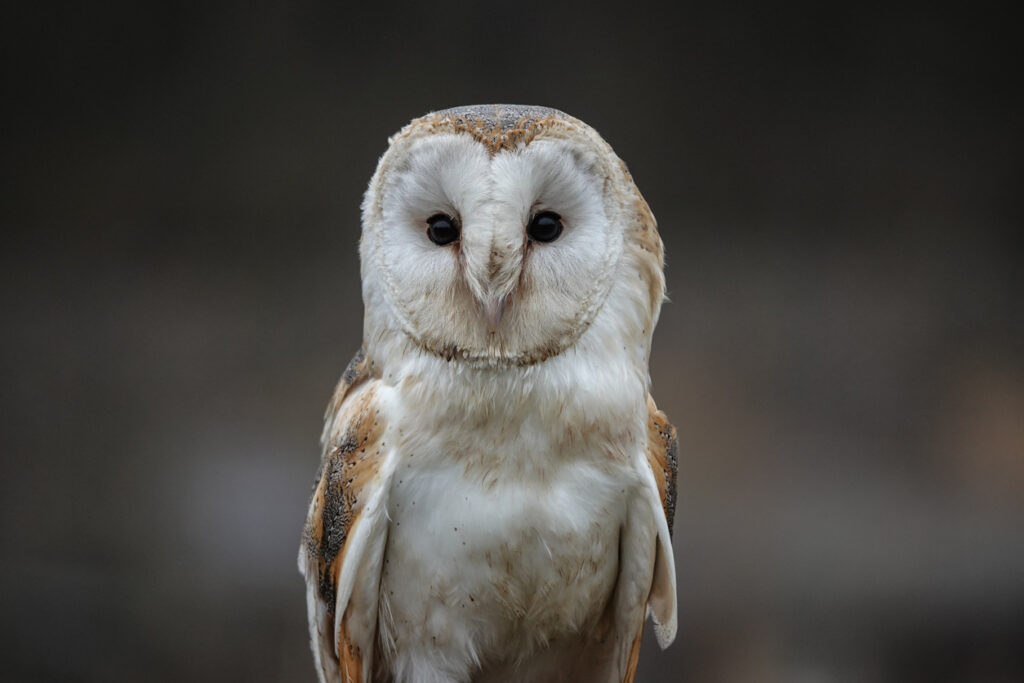
The turnaround is being credited to careful land management and ongoing community involvement. Farmers in Cheshire have been leaving field margins untouched, planting hedgerows and installing boxes through partnerships with local wildlife groups. The Cheshire Wildlife Trust and the Barn Owl Trust have supported the effort by providing guidance on habitat creation and monitoring practices.
As reported by the Barn Owl Trust, these small changes make a big difference. Leaving uncut grass around field edges increases the population of voles and shrews, which are essential for the owls to thrive. Combined with the milder winters, those habitats have given chicks a better chance of survival.
The Cheshire data fits a broader national trend of slow, but steady recovery for barn owls in parts of England. Once in steep decline, their numbers dropped sharply in the late 20th century due to pesticide use and habitat loss. But consistent local efforts have begun to reverse that. Seeing their return in places like the Cheshire Plain shows that hands-on, practical conservation still works when given enough time.
The BBC report notes that the 2024–25 breeding season has exceeded expectations, with multiple broods in some boxes and chicks fledging earlier than usual thanks to favourable weather. It’s not just a sign of population growth but of environmental balance: healthy prey numbers, stable conditions and safe nesting all combining at once.
Conservationists are cautious but hopeful.
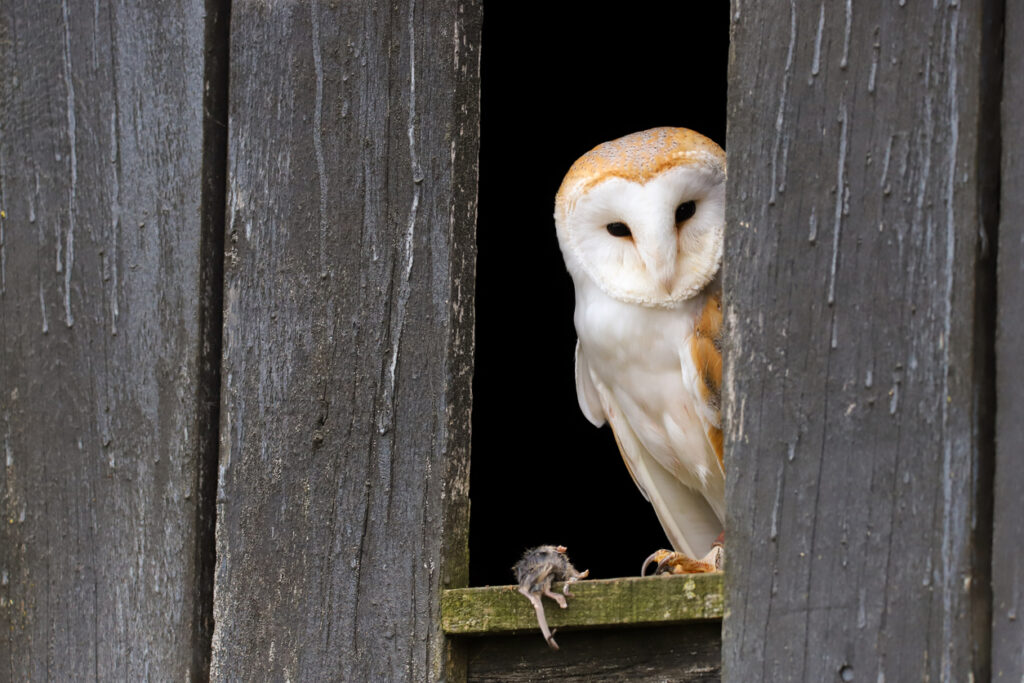
Another harsh winter or shift in agricultural policy could undo the gains quickly. Continued monitoring and cooperation with local farmers remain key, especially to protect nesting sites during the farming cycle. Harris said the group plans to expand its work next year to include more farmland in north Cheshire, where habitat loss has been greatest.
For now, though, the news is a rare bright spot for British wildlife. After years of decline, the barn owl’s haunting call is returning to more corners of Cheshire’s countryside. It’s a small but powerful reminder that when people protect the places where wildlife lives, nature has a way of finding its footing again.