Cold weather hits and suddenly, your plants act like they’ve given up on life.
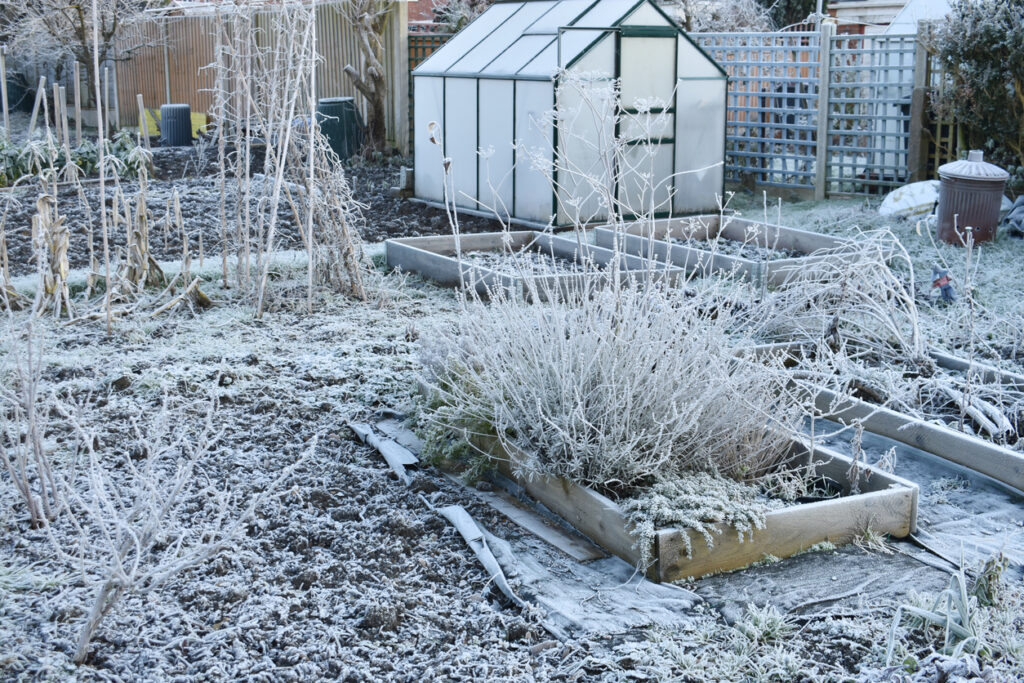
The soil stays soggy for ages, and every morning you’re staring at them wondering if they’ll survive another week. Winter can feel like a long stretch of guessing and hoping, especially when you’re trying to keep green things alive in a season that feels designed to kill them.
The good news is, plants don’t need perfection to make it through winter. They need a few small tweaks and a little attention in the right places. Think of it as helping them ride out a rough season until they can start thriving again. With the right steps, you can finish winter with healthy plants instead of a pile of dried sticks.
Know which plants need protection most.
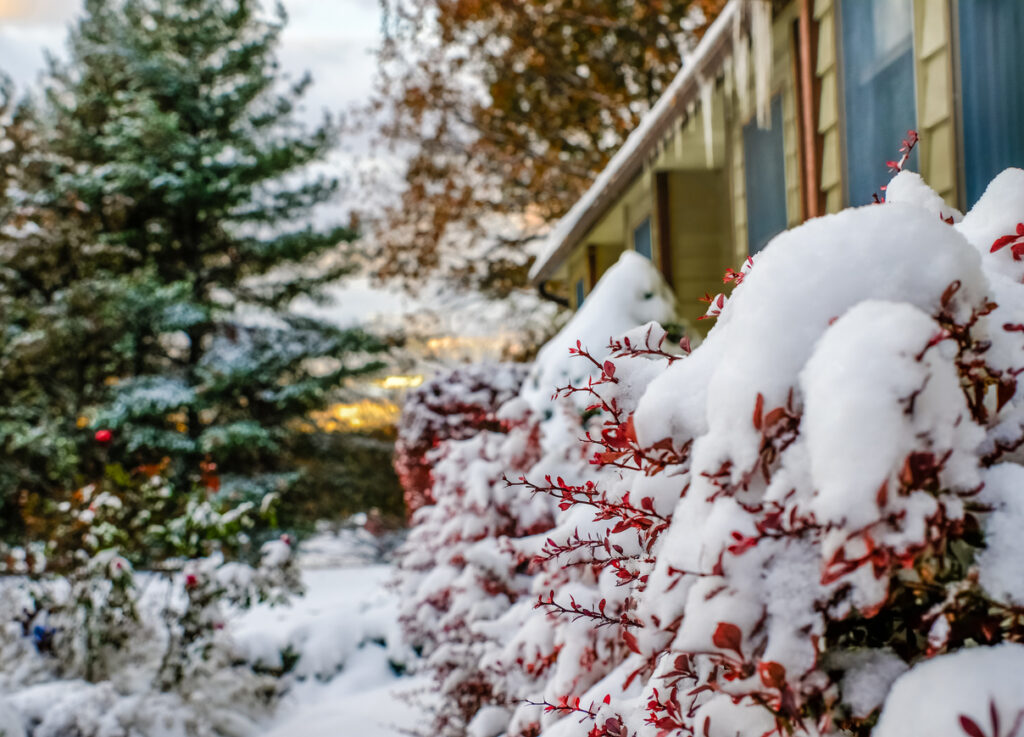
Start by identifying which of your plants are most vulnerable. Tropical or Mediterranean varieties, tender annuals, and anything in pots will struggle most once temperatures drop below freezing. Hardy native plants, by contrast, can handle a bit of frost without much trouble.
Make a quick list of your more delicate plants and prioritise them. Even something as simple as moving them closer to a sheltered wall or under an awning can make a big difference in how well they cope with the cold.
Bring potted plants indoors or undercover.

Pots lose heat faster than soil, so roots in containers are at higher risk of freezing. Move tender potted plants into a greenhouse, conservatory, or porch where they will stay dry and slightly warmer. If that is not possible, group pots together in a sheltered corner. Raising them off the ground with pot feet or bricks also prevents waterlogging and root rot. Even a light cover made from fleece or old fabric can help retain warmth during the night.
Mulch to insulate roots.
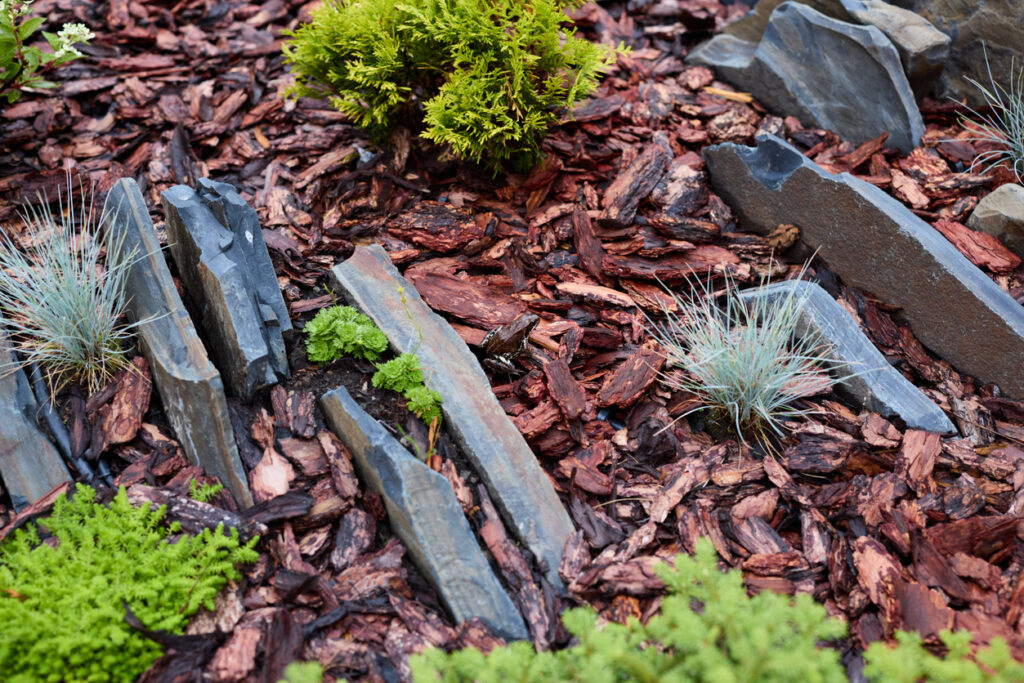
Adding a thick layer of mulch such as bark chips, compost, or straw around the base of your plants acts like a blanket for their roots. It locks in warmth and moisture while preventing soil from freezing solid during frosty nights. Mulching also helps protect beneficial insects that spend winter underground, creating a healthier ecosystem in spring. Just make sure the mulch does not touch stems, as that can cause rot.
Keep an eye on drainage.
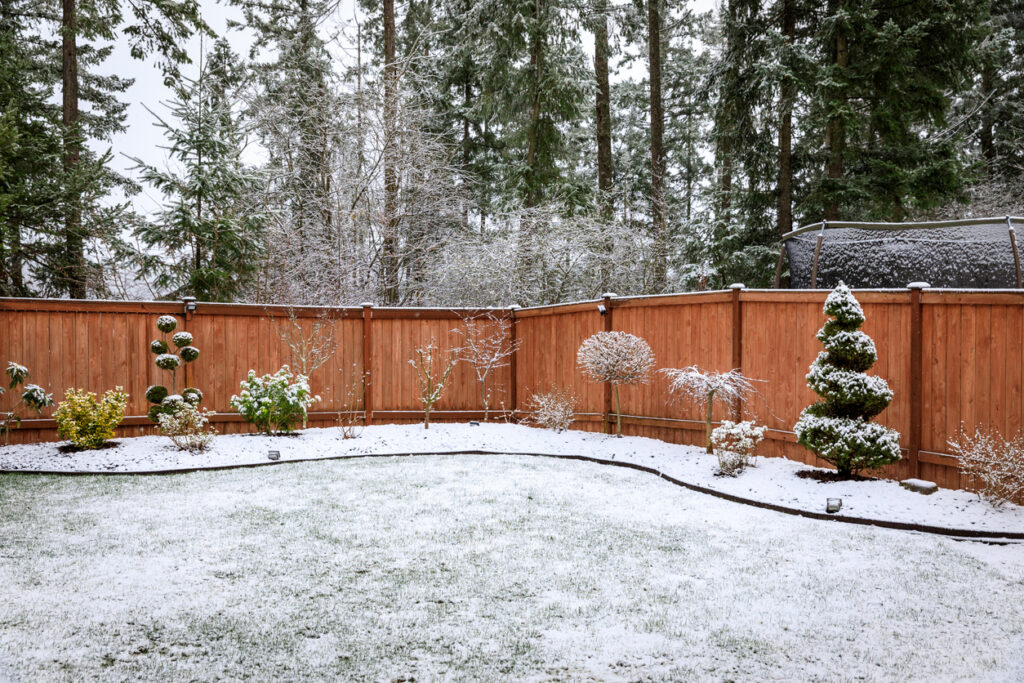
Cold, wet soil is often more damaging than cold alone. If water cannot drain properly, roots can suffocate or rot before frost even arrives. Check that your beds and pots are not sitting in puddles or compacted soil. Improving drainage can be as simple as loosening the soil or adding grit to compost mixes. For pots, ensure there are holes at the bottom so rainwater can escape easily.
Use horticultural fleece or covers.

Horticultural fleece is one of the best defences against frost. It is lightweight, breathable, and traps enough warmth to protect tender leaves and buds from freezing. You can wrap shrubs or drape it over vegetable patches overnight. Remove covers during the day to let sunlight and air in, then replace them in the evening. For smaller plants, even old bedsheets or bubble wrap can provide some extra protection.
Move hanging baskets and window boxes.
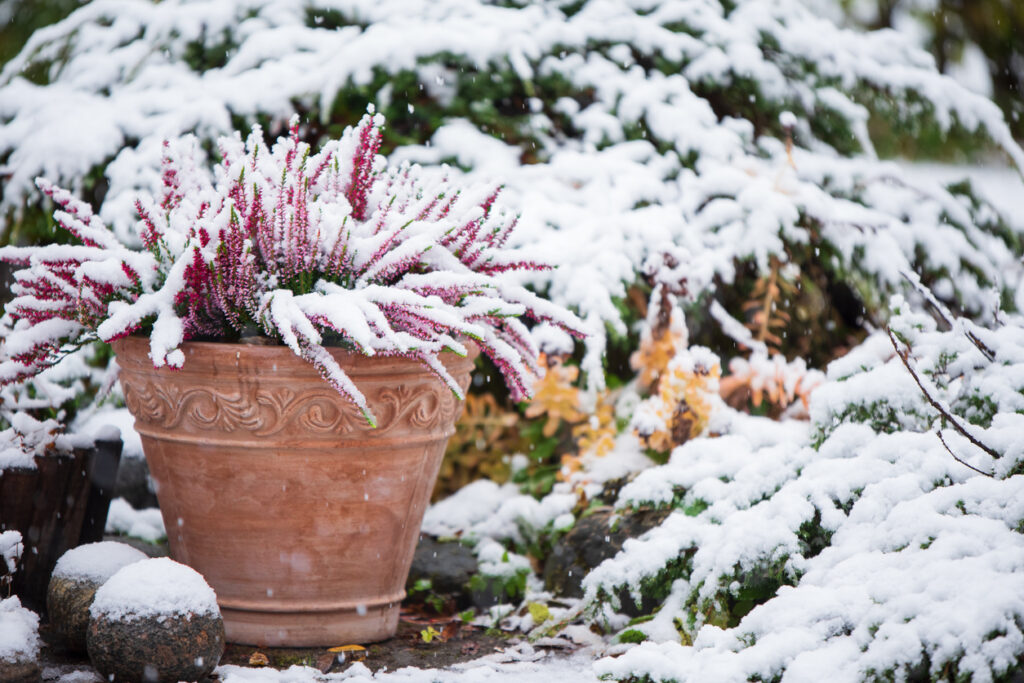
Hanging baskets and wall planters are fully exposed to wind and frost, which can dry them out or freeze roots. Taking them down for the winter and keeping them in a sheltered spot can prevent damage. If you would rather leave them up, replace tender plants with hardier winter flowers such as pansies, ivy, or heather. They will handle the cold better and keep your garden looking cheerful through gloomy months.
Prune at the right time.

Pruning encourages new growth, but if you cut too late in autumn, that new growth will not have time to harden before frost hits. Always prune before the first frost or wait until early spring to avoid frostburn on young shoots. Removing dead or diseased branches in winter is still worthwhile, as it helps prevent rot and pests from spreading while your plants rest.
Avoid overwatering during cold spells.
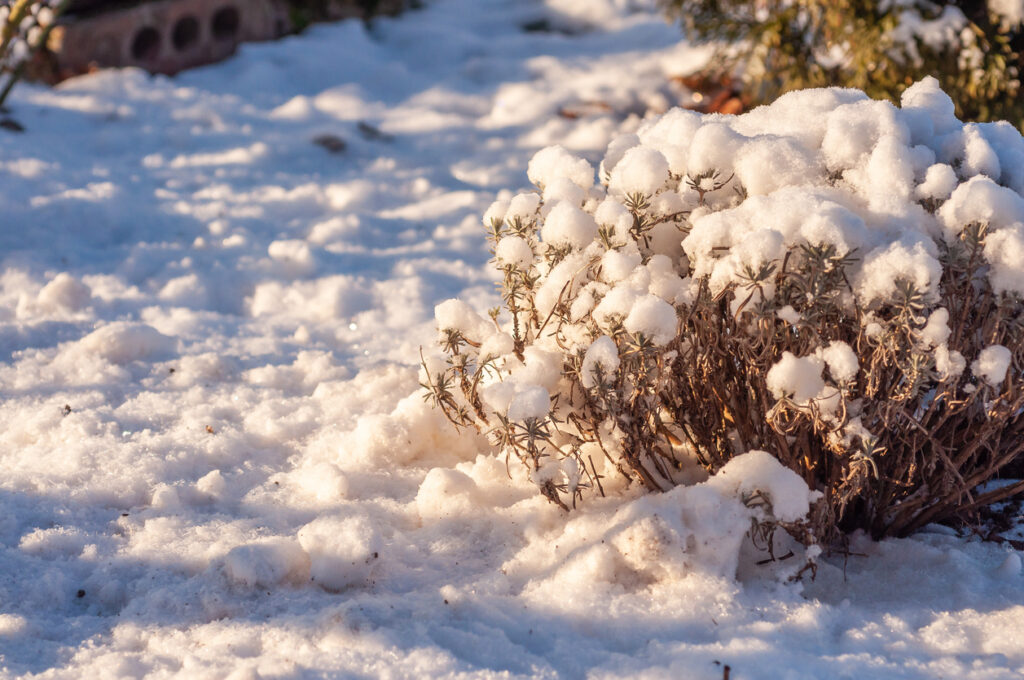
Plants use far less water in winter, and soggy soil can quickly lead to root rot. Only water when the soil feels dry a few centimetres down, and do it in the morning so moisture has time to drain before nightfall. Indoor plants also suffer from overwatering at this time of year. Make sure their pots have good drainage, and avoid letting them sit in saucers of standing water.
Shield from cold winds.
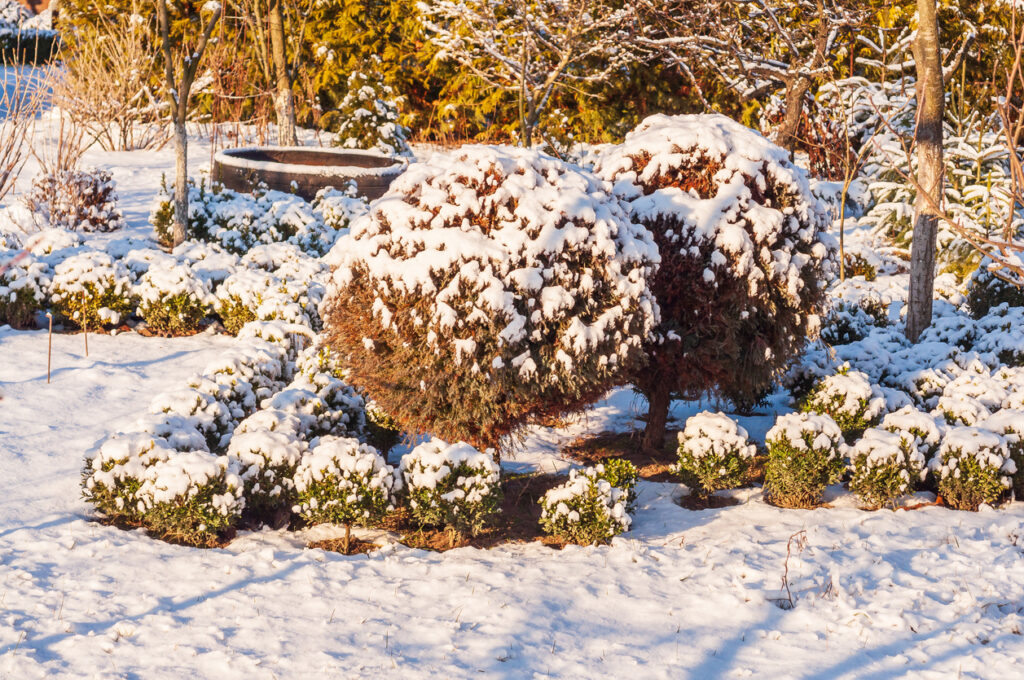
Wind can dry out leaves and roots even when temperatures are not that low. Setting up simple windbreaks using garden screens, bamboo, or wooden pallets can create a calmer environment for your plants. If your garden faces open fields or the coast, consider planting evergreen shrubs as natural wind barriers. They will protect delicate plants while adding structure and greenery all year round.
Do not rush to tidy everything.

It is tempting to cut everything back once plants die down, but a little untidiness can actually help. Dead stems and leaves act as natural insulation and shelter for insects and wildlife during the coldest months. Leave ornamental grasses, seed heads, and dense shrubs as they are until late winter or early spring. They protect the soil and even provide food for birds and pollinators when other sources run low.
Use greenhouses and cold frames wisely.
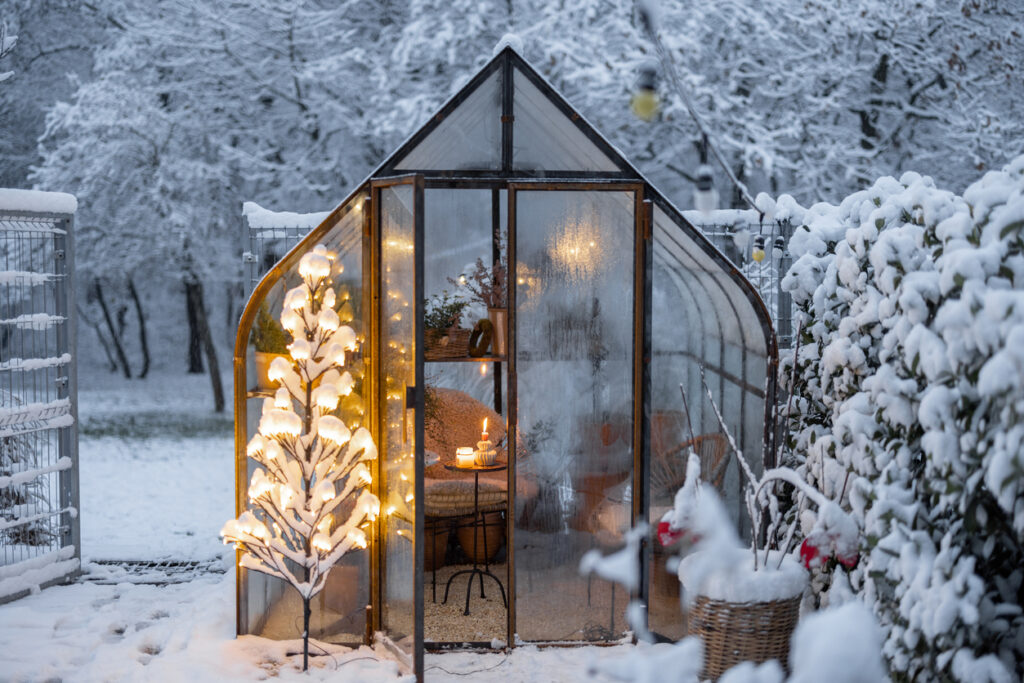
If you have a greenhouse or cold frame, make full use of it. Keep vents slightly open on mild days to prevent mould, and close them before nightfall to retain warmth. Try adding water bottles or bricks inside to absorb heat during the day and release it slowly overnight. Even without heating, these small steps can help stabilise temperatures and prevent frost damage.
Bring tender bulbs indoors.
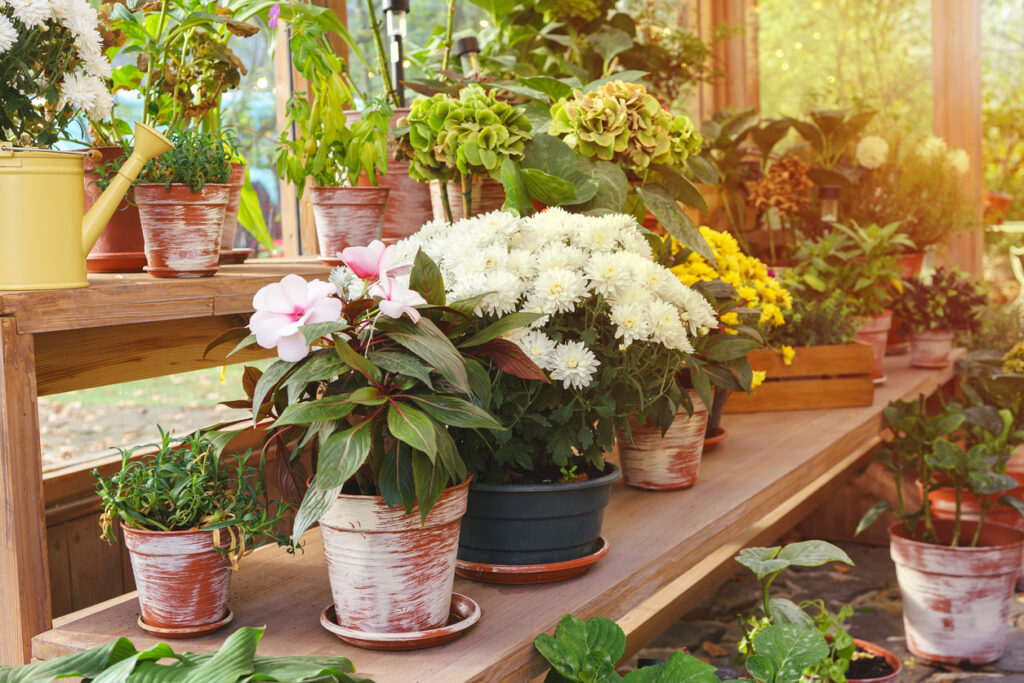
Some bulbs, like dahlias, gladioli, and begonias, will not survive freezing soil. Once their foliage dies back, dig them up gently, brush off the soil, and store them somewhere cool, dry, and frost free until spring. Paper bags or trays lined with dry compost work well. Label them clearly so you remember what is what when planting season returns.
Feed sparingly but do not neglect nutrients.
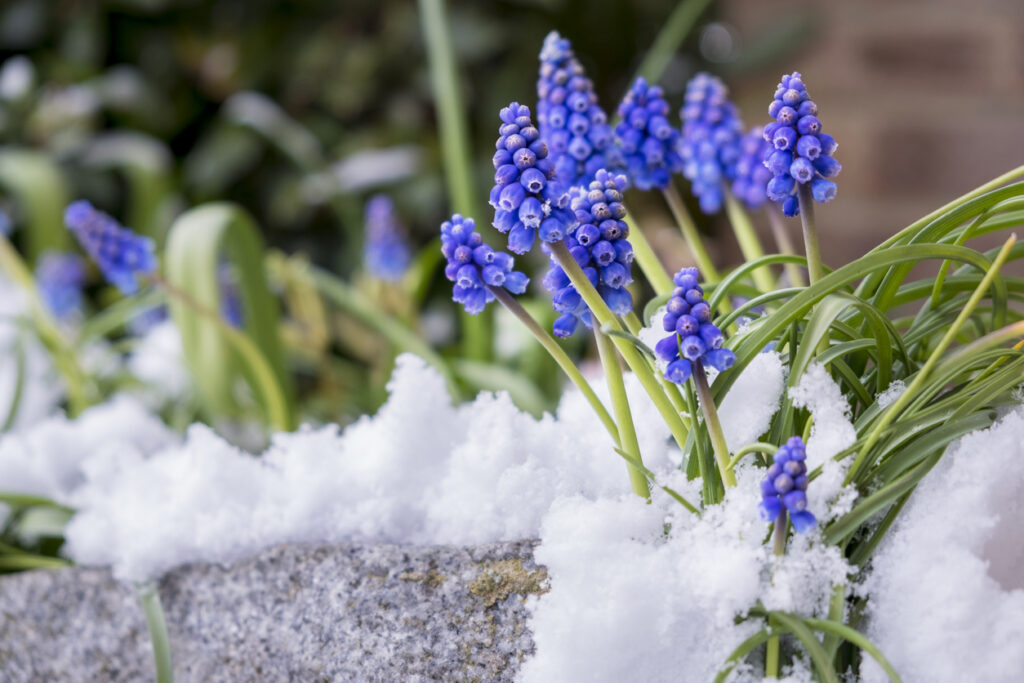
Winter is not the time for strong fertilisers, as plants are not actively growing. A light feed of seaweed solution or compost tea can help evergreens and hardy perennials stay healthy through the darker months. Think of it as a small nutritional boost rather than a full meal. Too much feed now can encourage soft new growth that will not cope with frost.
Watch out for pests seeking warmth.

Cold weather does not stop pests; it only sends them indoors or into greenhouses. Slugs, aphids, and spider mites can all take advantage of sheltered conditions when plants are weakened by winter stress. Inspect leaves regularly, especially the undersides, and remove pests by hand or use mild, natural deterrents such as soapy water or neem oil. Keeping things tidy around pots and benches also reduces hiding spots.
Plan ahead for next year.
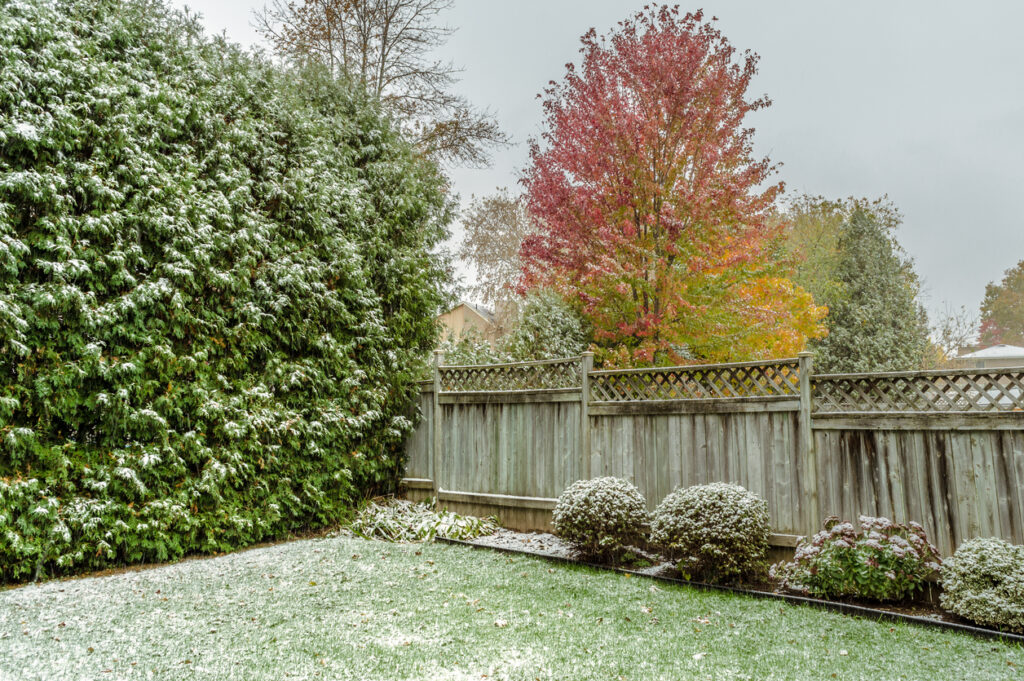
Winter is the perfect time to reflect on which plants coped best and which struggled. Use what you learn to plan your garden more strategically for next year, choosing hardier varieties or adjusting where tender plants live. Preparing in autumn, observing through winter, and making small changes in spring will save you effort in the long run and help your garden come back stronger every year.