The UK might not have jungles or deserts, but it still manages to surprise us with the odd rare sighting.
While most of us are used to seeing foxes, pigeons, and the occasional bold squirrel, there’s a whole list of animals you’d be genuinely lucky to catch a glimpse of. Whether they’re shy, elusive, or down to their last few hundred, these are the creatures that turn a normal countryside walk into something a bit special.
Pine marten
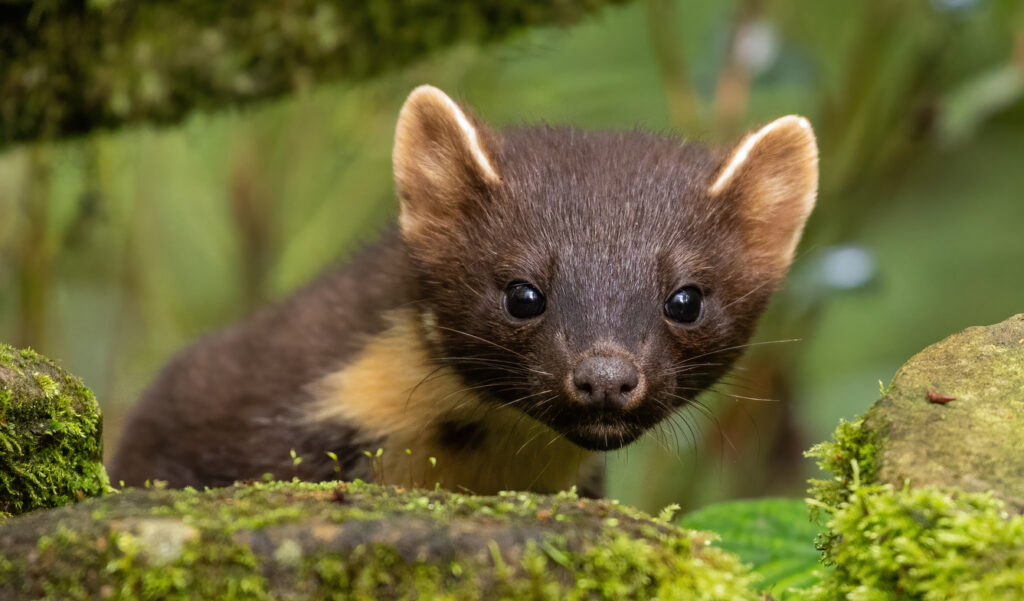
Once almost extinct in England, pine martens are making a slow comeback, but they’re still hard to spot. With their bushy tails and cat-like bodies, they’re mostly active at night and prefer quiet woodland areas. You’re most likely to see one in parts of Scotland or Northern England, but even then, it takes a fair bit of luck and probably a lot of standing still in the cold.
Eurasian lynx (possibly!)
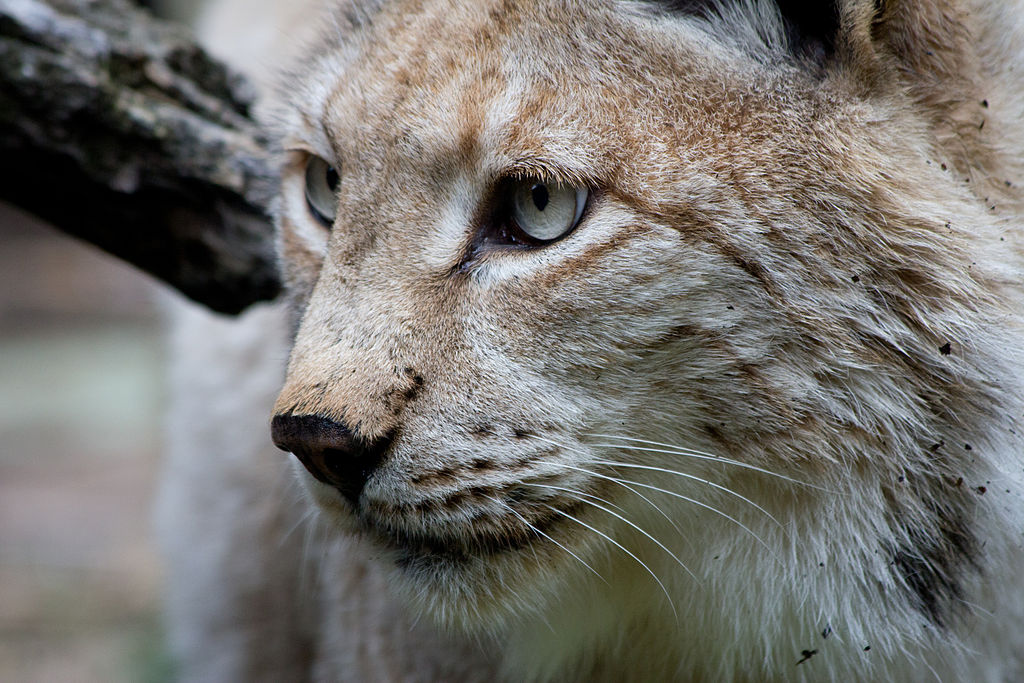
There’s no confirmed wild population of lynx in the UK… yet. However, there have been murmurs, sightings, and debates about whether they should be reintroduced to help control deer numbers. If they ever do return properly, they’ll be the ultimate elusive sighting—stealthy, solitary, and the kind of cat that makes even a brief glimpse feel legendary.
Bottlenose dolphins
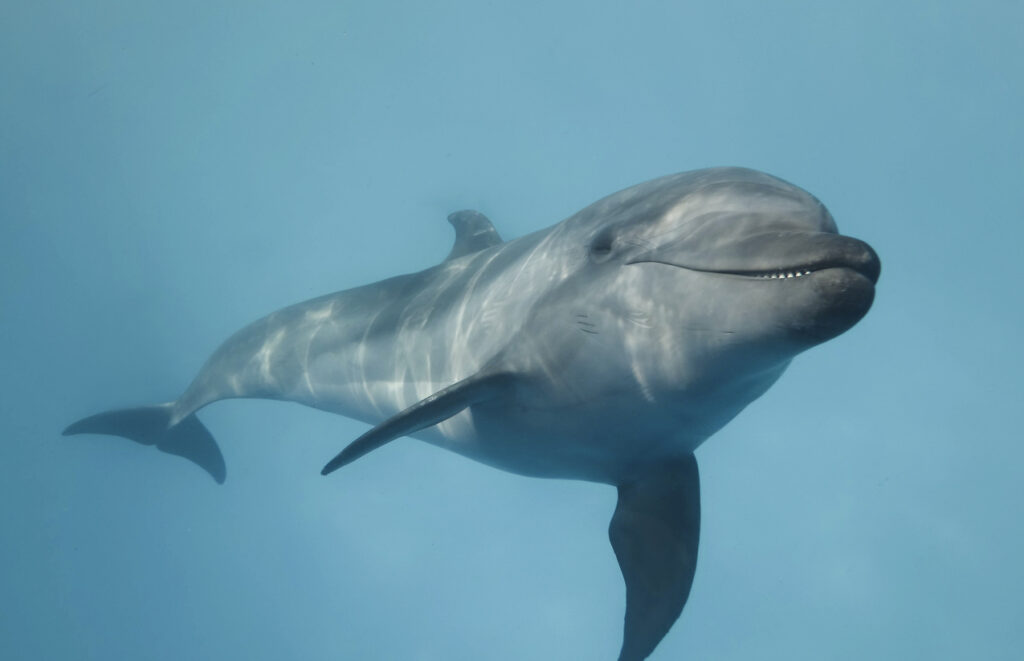
Yes, we have dolphins, and not just way out at sea. Bottlenose dolphins regularly visit UK coasts, especially around Cardigan Bay and the Moray Firth. If you’re standing on the right cliff edge on the right day, you might just catch them leaping in the distance. No binoculars? Squint hard and believe.
Golden eagle
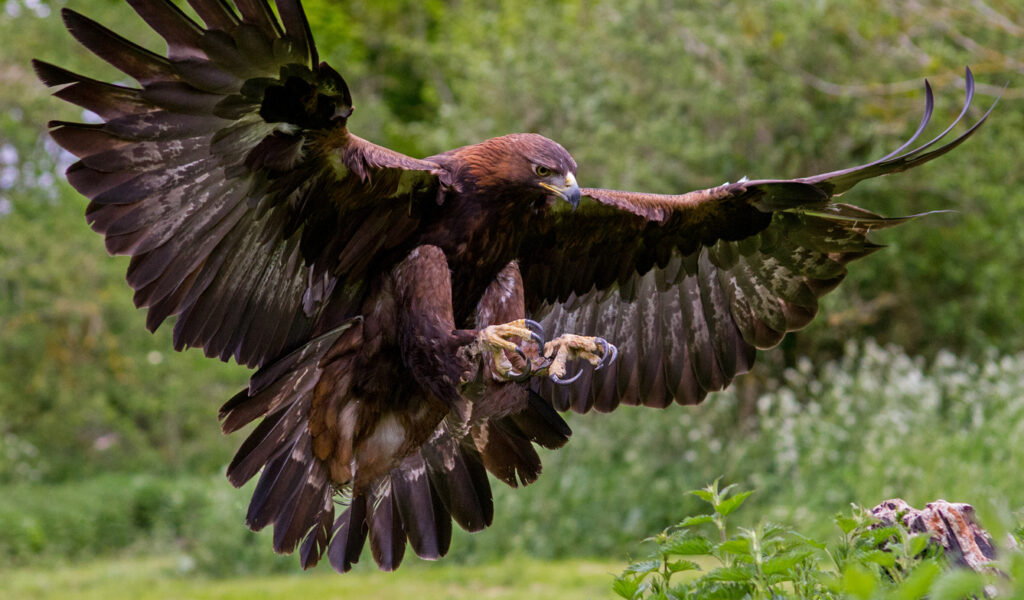
With a wingspan pushing 2 metres, you’d think they’d be easier to spot. However, golden eagles stick to the wildest, remotest parts of Scotland, and they’re not fans of crowds. If you do manage to see one soaring over a mountain ridge, it’s the kind of moment that stays with you. Massive, majestic, and very much not a buzzard.
Wild boar
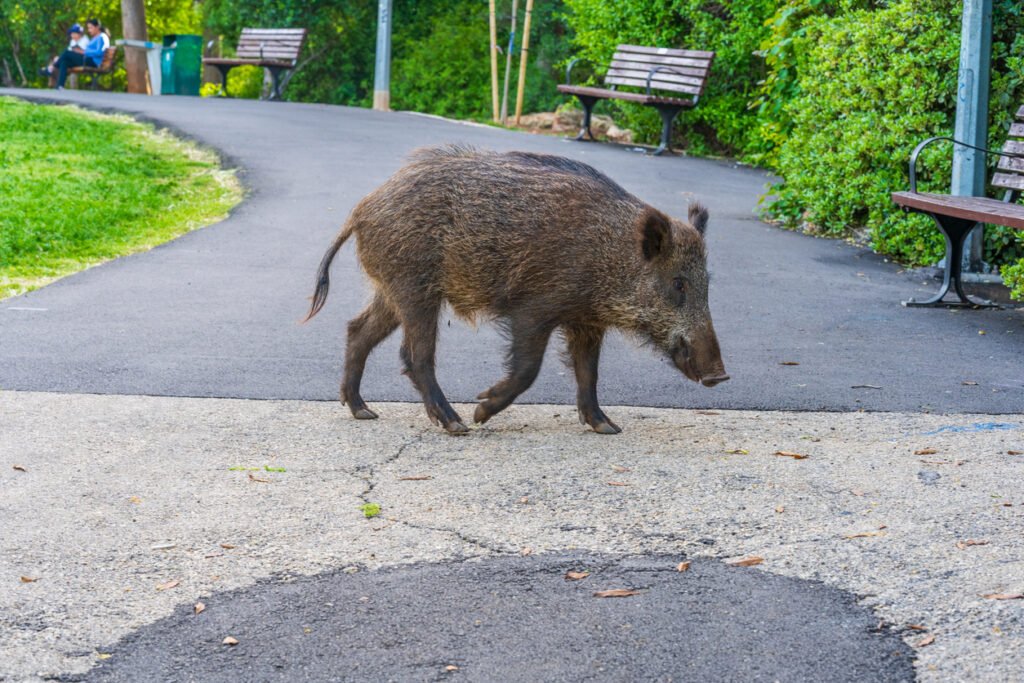
They were wiped out centuries ago, but wild boar are now roaming parts of the UK again, mostly thanks to escapees from farms or enclosures that decided to go rogue. You’ll find them in places like the Forest of Dean or parts of Kent, but they’re surprisingly stealthy for something built like a tank.
Beavers

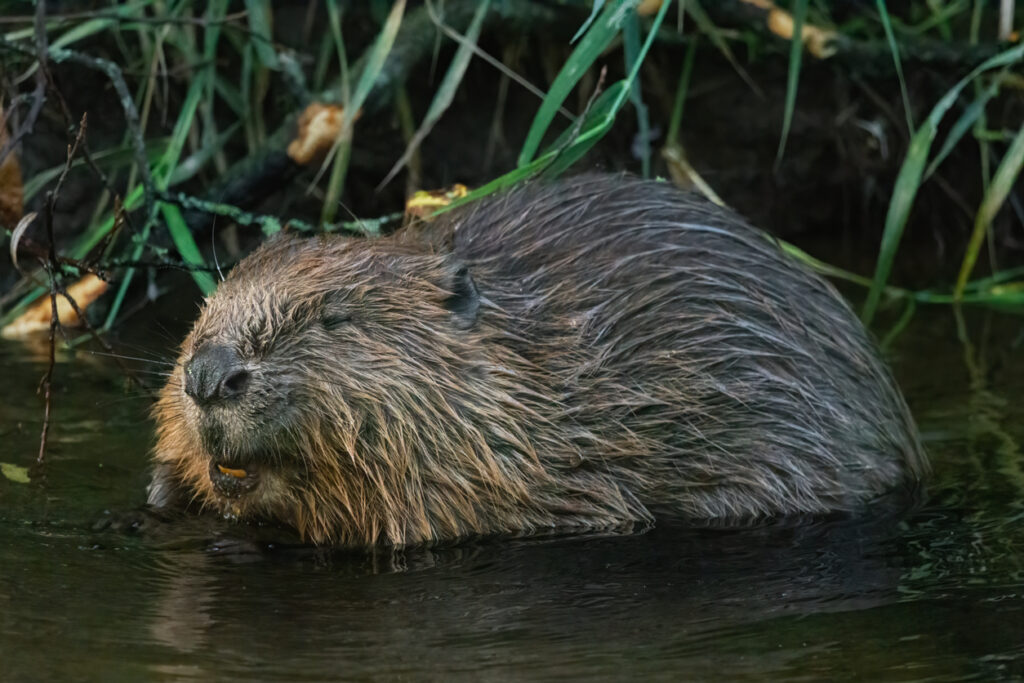
After being extinct in the UK for 400 years, beavers are back and busy. Reintroduction projects have brought them to parts of Devon, Scotland, and even London (sort of). However, they’re still a rare sight. Look out for dams, gnawed tree stumps, and signs of watery engineering. If you see the beaver itself? That’s jackpot territory.
Adder
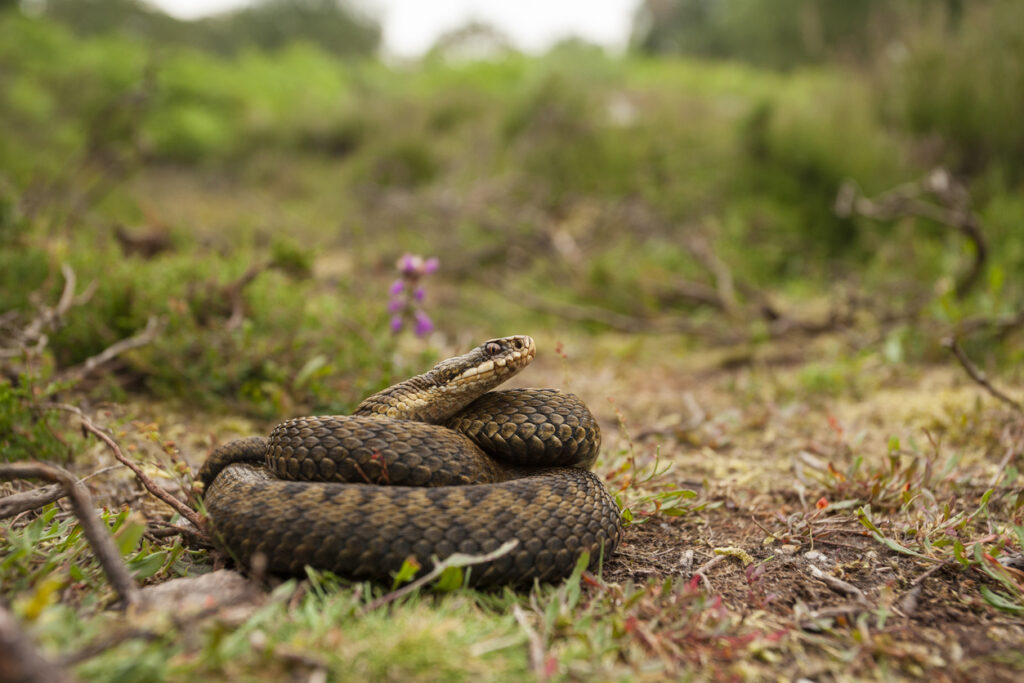
The UK’s only native venomous snake is shy, sun-loving, and often mistaken for a stick. You’re more likely to scare one off than spot it sitting still. Despite the bite reputation, they’re not aggressive, and if you do manage to see one, it’s a reminder that British wildlife still has its dramatic side.
Water vole
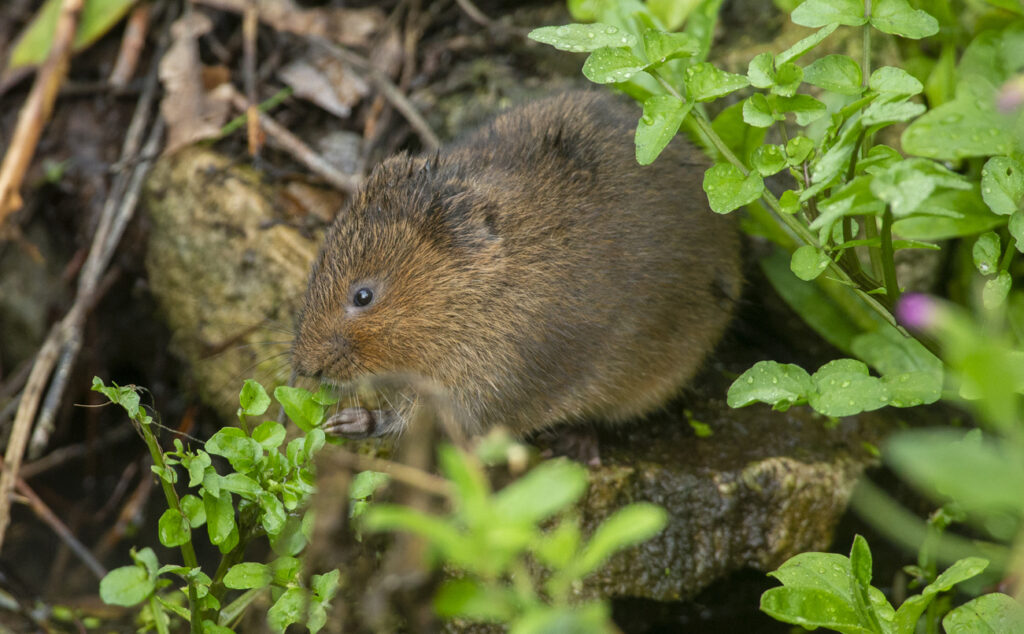
Once a common sight along UK riverbanks, water voles have declined massively. They’re gentle, furry, and often confused with rats, though they’re chunkier, cuter, and way more elusive these days. If you hear a splash and catch sight of a chocolate-brown blur diving for cover, you might’ve just had a classic Ratty moment.
White-tailed eagle
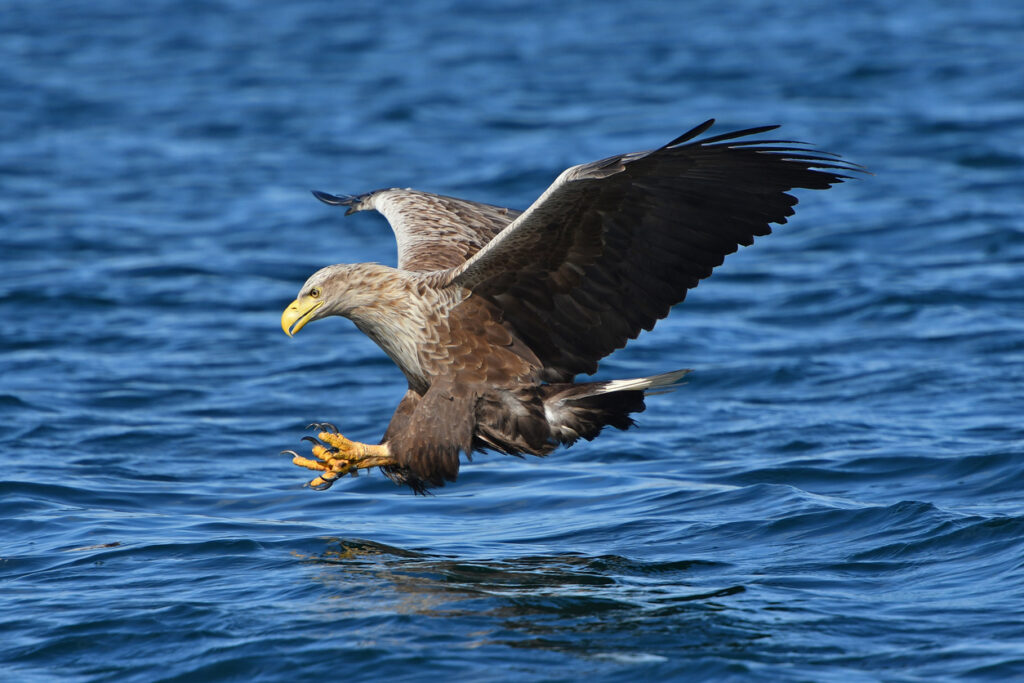
Nicknamed the “flying barn door” because of its enormous wings, this bird was missing from the UK for decades but has now been reintroduced in parts of Scotland and the Isle of Wight. They’re huge, impressive, and still rare enough to stop people in their tracks. If you see one circling high above, it’s not just you being dramatic. It really is a big deal.
Red squirrel
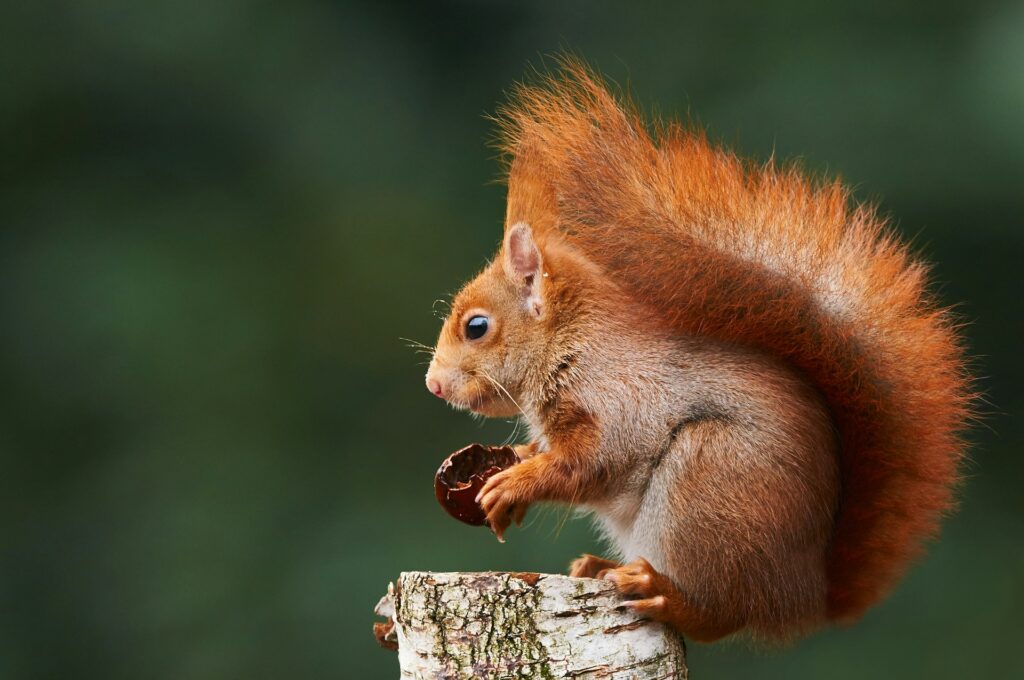
The grey squirrel takeover pushed reds out of most of England and Wales, but they’re still holding on in parts of Scotland, the Lake District, and some carefully managed areas. Seeing a red squirrel feels like spotting a character from an old storybook. They’re smaller, quicker, and way more camera-shy than their greyer cousins.
Wildcat
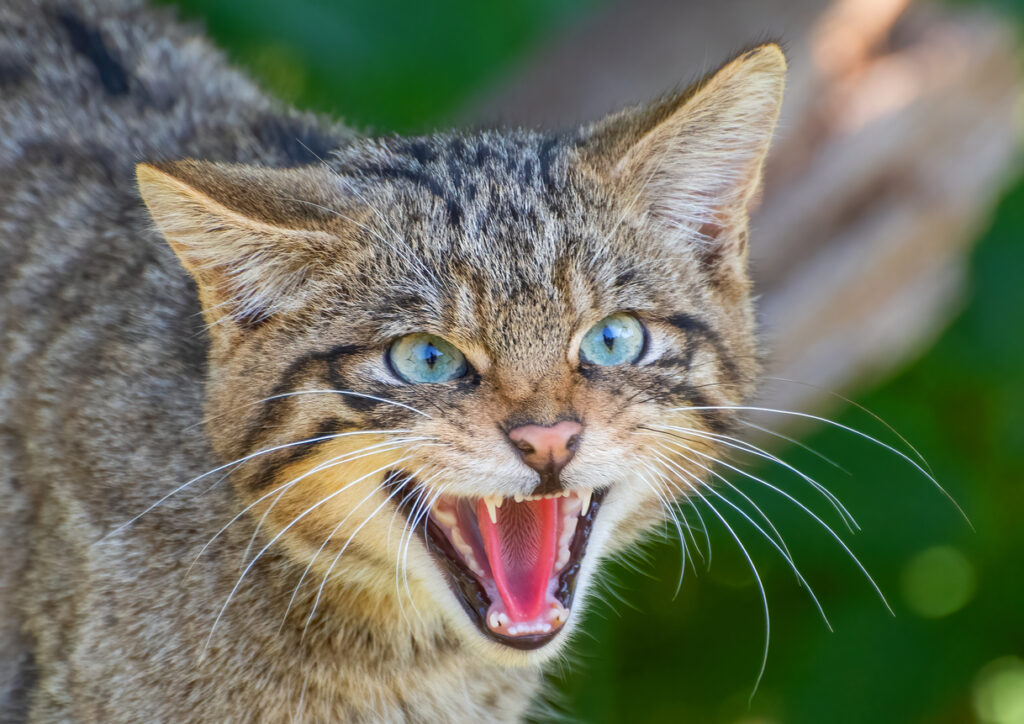
The Scottish wildcat is one of the rarest mammals in the UK—so rare, in fact, that it’s sometimes called a “ghost cat.” It looks like a bulky tabby, but is fully wild and totally untameable. Conservationists are working hard to save them, but actually seeing one in the wild? You’d need serious patience, a lot of silence, and probably a bit of luck from the wildlife gods.
Nightjar
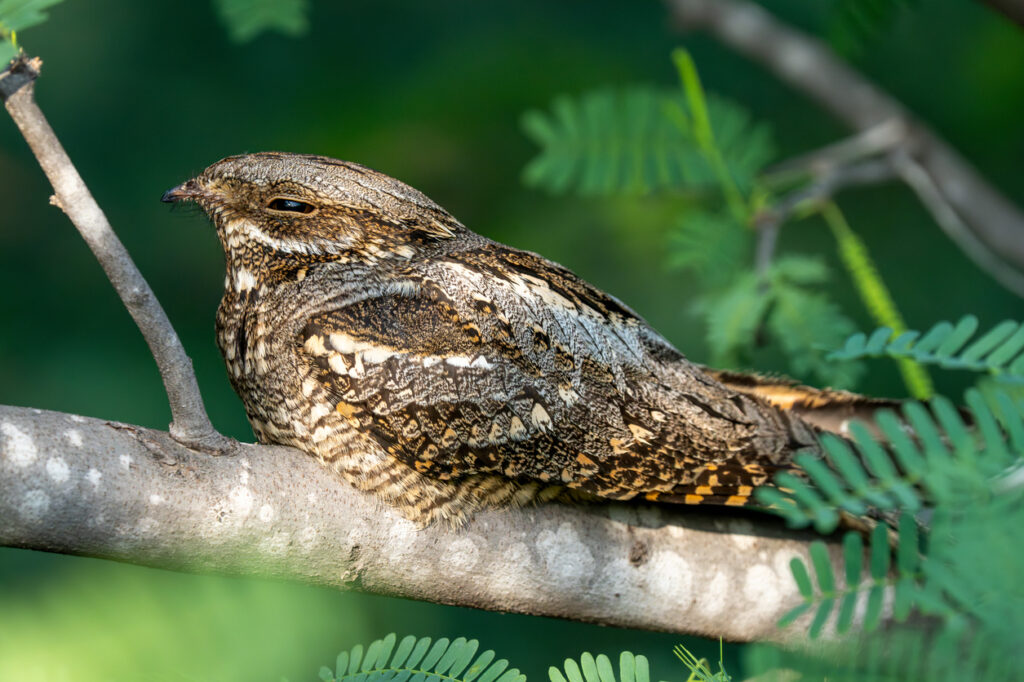
They’re nocturnal, they don’t sing—they churr, and they nest on open ground. Nightjars are masters of camouflage and usually spotted by sound before sight. Look for them in heathlands at dusk in summer. If you hear something that sounds like a cross between a frog and a purring engine, that’s your cue to start scanning the trees.
Harvest mouse
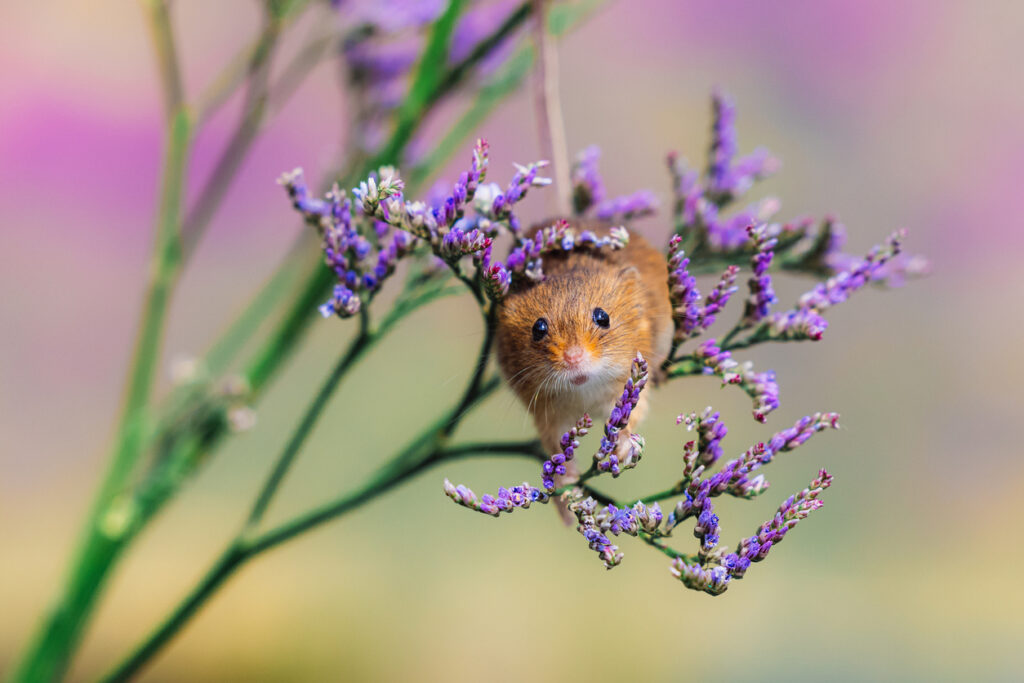
The UK’s tiniest rodent weighs less than a 2p coin and is rarely seen unless someone’s doing a wildlife survey. They live in long grass, climb like tiny gymnasts, and vanish in seconds. If you ever spot one in the wild, frame the moment in your memory, it’s like finding a fairy in the hedgerow.
Humpback whale
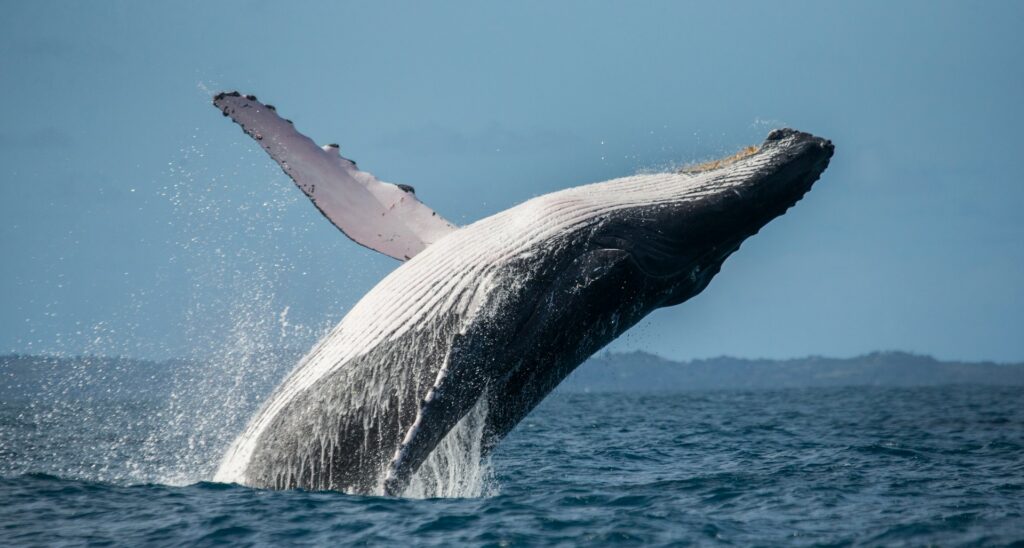
Yes, really. Humpbacks have started making more appearances off the UK coast in recent years, especially around Scotland and Cornwall. They’re not guaranteed, but they’re turning up more than you might expect. They’re huge, majestic, and remind you that even around our little island, the oceans still hold plenty of surprises.
Glow-worm
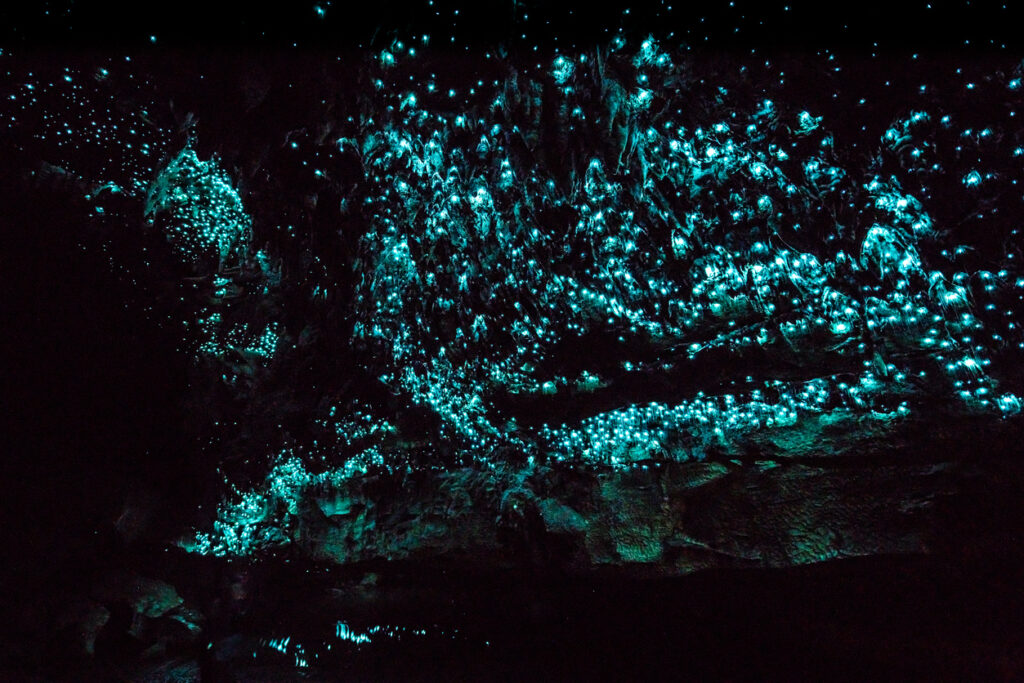
They’re not worms, and they don’t exactly glow like lightbulbs, but on a warm summer night in the right spot, you can spot the faint green glow of a female glow-worm trying to attract a mate. These natural fairy lights are becoming harder to find due to habitat loss, so if you see one, count yourself lucky, and maybe tell someone before they mow the verge.
Natterjack toad

Unlike common toads, natterjacks are smaller, have a yellow stripe down their back, and make a surprisingly loud rasping call. They live in coastal dune systems and sandy heathlands. They’re extremely localised, mostly in parts of Cumbria, Norfolk, and the Merseyside coast. You’ll probably hear them before you see them, if you’re lucky enough to cross paths at all.