It’s a common mix-up:someone spots a small, scuttling creature with a long tail and instantly goes, “Ooh, look, a lizard!” only to find out it’s actually a newt.
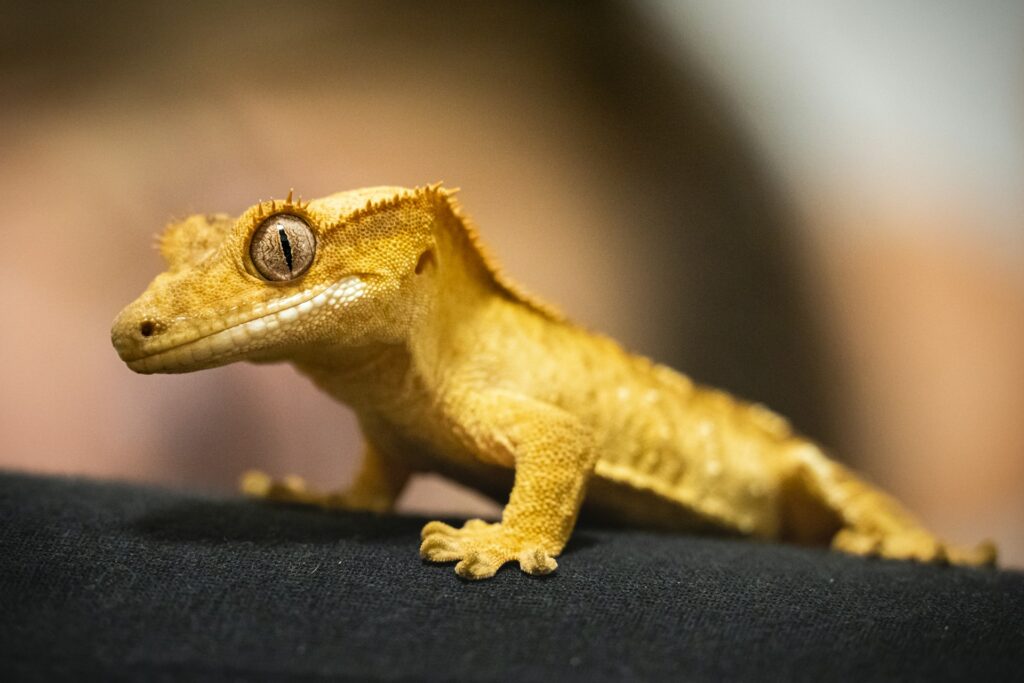
To be fair, they do look vaguely similar at first glance. Of course, once you have a closer look, they’re completely different animals. One’s more at home in the water, the other on warm stones. One has smooth skin, the other’s scaly. Of course, there’s more to it than that. Here are some other characteristics that sets these two creatures apart.
Newts are amphibians; lizards are reptiles.
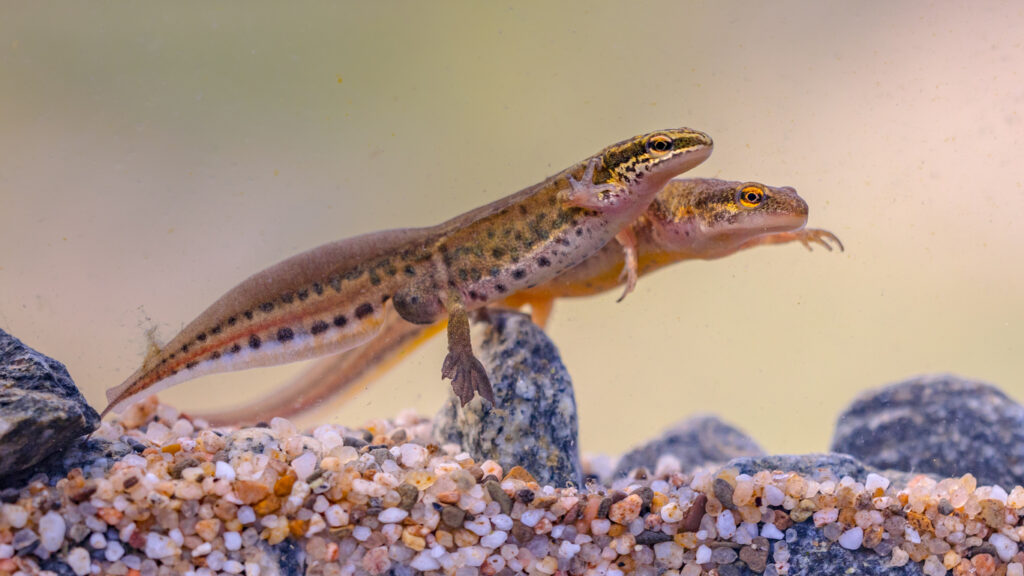
This is the most important difference. Newts belong to the amphibian family, along with frogs and toads. Lizards, on the other hand, are reptiles, just like snakes and turtles. That means they’re part of two totally separate biological groups, with different needs and behaviours.
Amphibians generally need damp environments and often have aquatic life stages, while reptiles are land lovers with tougher, drier bodies that can handle the heat. It’s not just a cosmetic difference—it shapes how they live and what they need to survive.
Newts have soft, moist skin, but lizards are dry and scaly.
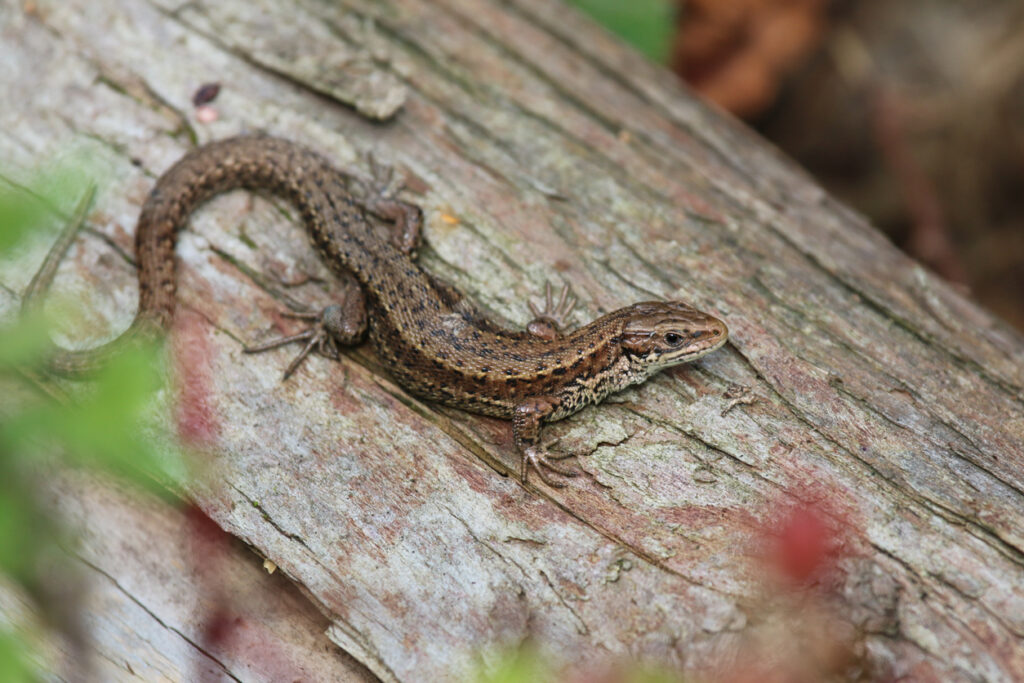
If you get close enough, the skin tells you everything. Newts have smooth, often slightly shiny skin that feels soft and damp. It helps them absorb oxygen and stay hydrated, which is why they need moist environments.
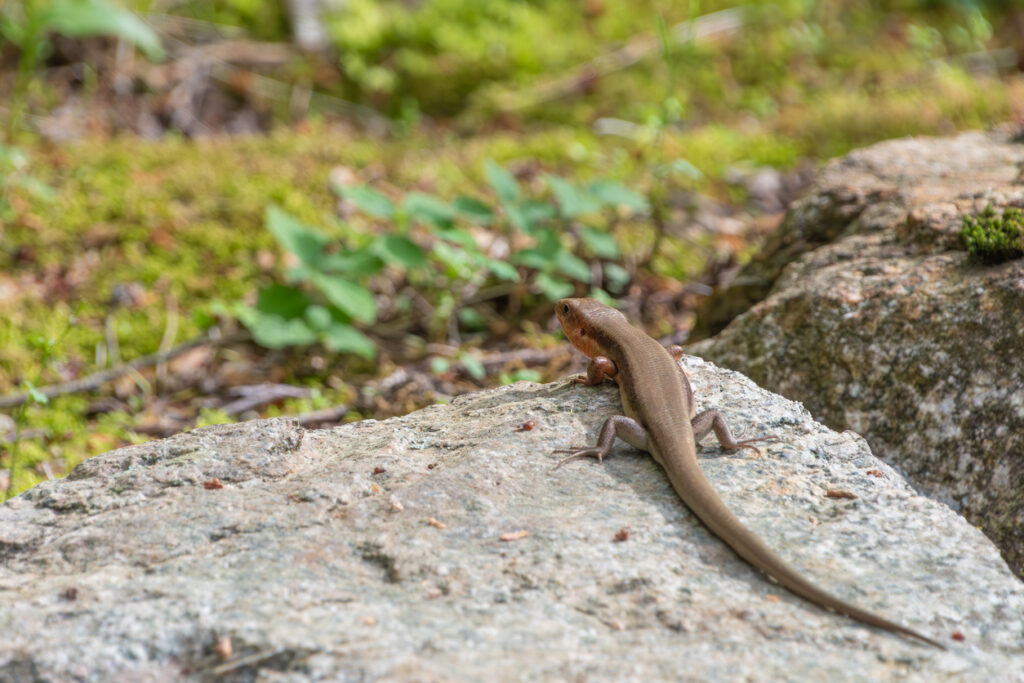
Lizards, on the other hand, have rough, dry, scaly skin. It’s built for sunbathing and holding in moisture, which means they’re more suited to dry grasslands, sand dunes, or sun-warmed rocks. The difference in texture is usually clear even from a short distance.
Newts spend a lot of time in water, but lizards don’t.
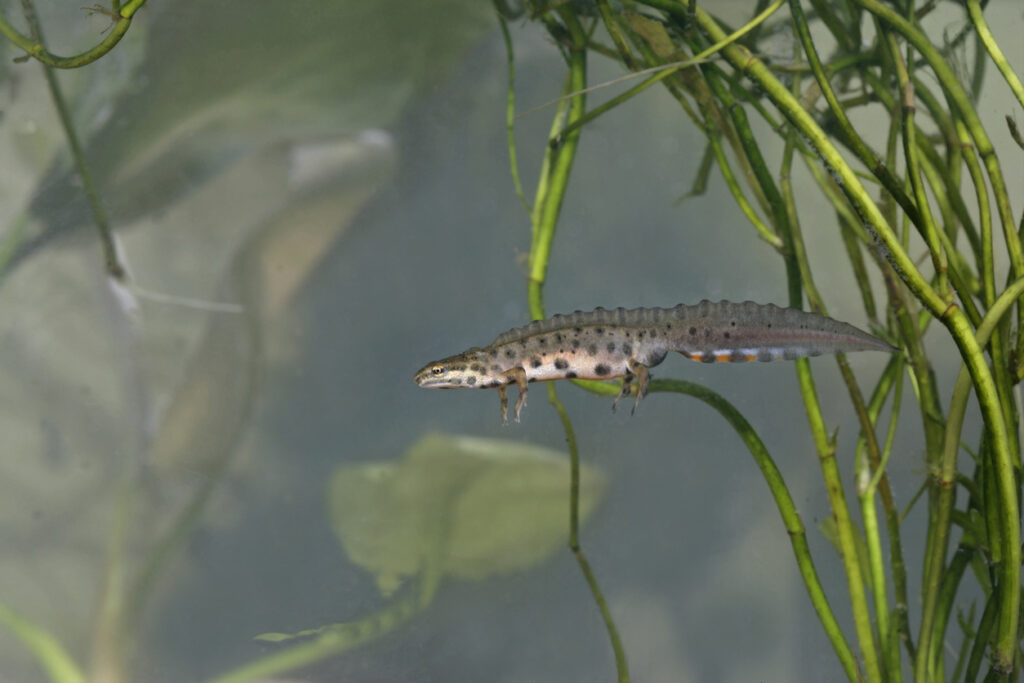
Newts are semi-aquatic. They breed in ponds and can often be found in or near water throughout the warmer months. Their young develop in water, and they’ll often return to the same spot each year to mate. Lizards, by contrast, are land-dwellers through and through. You won’t find them swimming around in a pond. They prefer dry, open areas where they can bask, forage, and dart into cover if startled.
Their young develop in totally different ways.
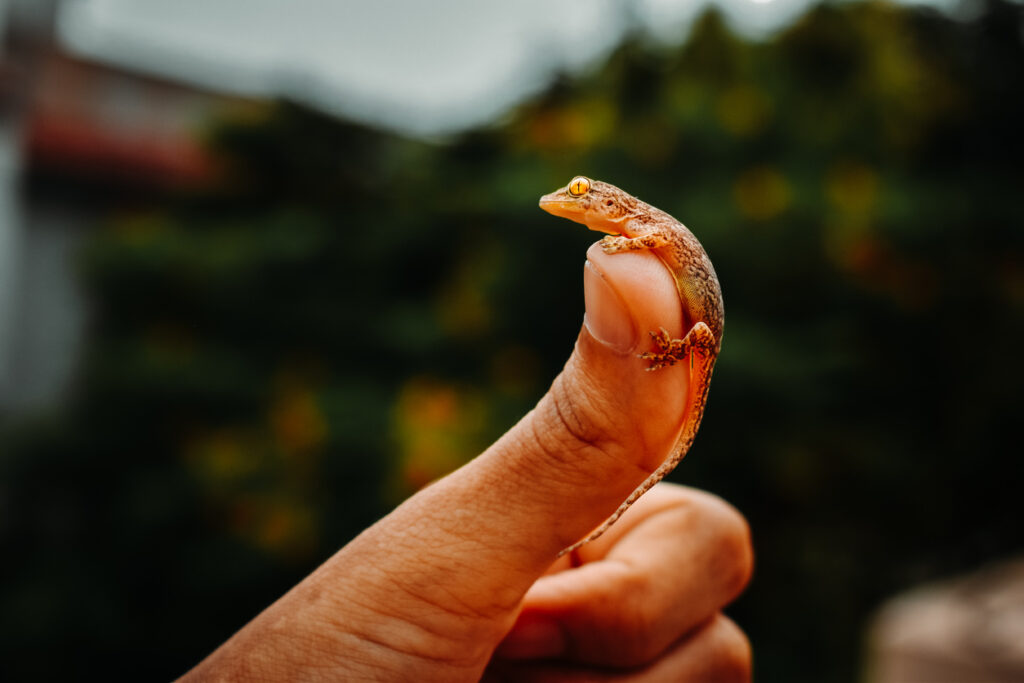
Newts lay soft, jelly-like eggs in water. These hatch into tiny larvae (a bit like tadpoles) that grow legs over time and eventually move onto land. Their transformation is dramatic, and it’s one of the classic traits of amphibians. Lizards lay leathery eggs on land, usually hidden under rocks or in sandy soil. When the eggs hatch, the baby lizards look like miniature versions of the adults, fully formed and ready to scurry off on their own.
You’re more likely to see a newt in your garden.

Newts are actually quite common in parts of the UK, especially if you have a pond nearby. They’re active at night and often show up in spring when they’re on the move to breed. Gardeners sometimes spot them hiding under flowerpots or stones. Lizards are much fussier about where they live. You’ll only find them in warm, dry spots like heathlands or coastal dunes. If you live in the middle of a busy town, chances are you’ll see a newt long before you see a lizard.
Lizards move quickly, while newts tend to plod.
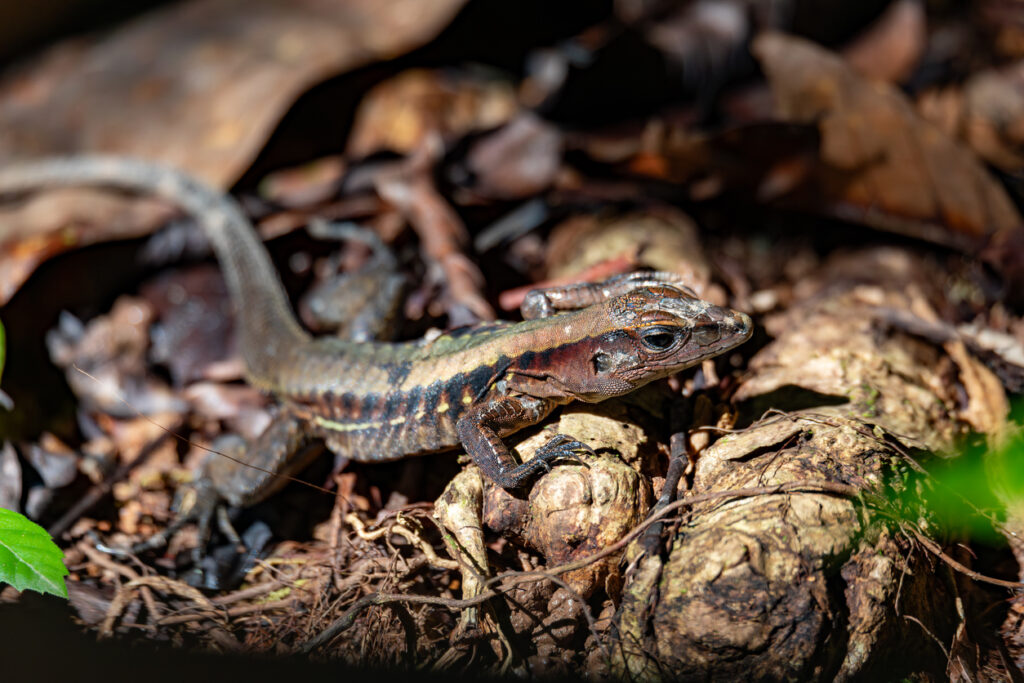
Lizards are known for their speed. If you’ve ever tried to catch a glimpse of one, you’ll know they can vanish in a blur. They’re twitchy, agile, and built for fast sprints when danger appears. Newts move much more slowly and deliberately. On land, they look a bit like a lizard in slow motion. Their movements are steady and measured, and they’re much less likely to dart off in a panic.
Newts can regenerate limbs, but lizards usually can’t.

One of the newt’s most fascinating tricks is its ability to regenerate lost limbs, tails, and even parts of internal organs. If one gets injured, it can slowly grow back the damaged part over time. Lizards are a bit more limited. While many can drop their tail as a defence mechanism (and sometimes regrow it), it’s not quite the same. The regrown tail is often shorter or a different texture, and they definitely can’t regenerate things like legs.
Lizards are more likely to bask in the sun.
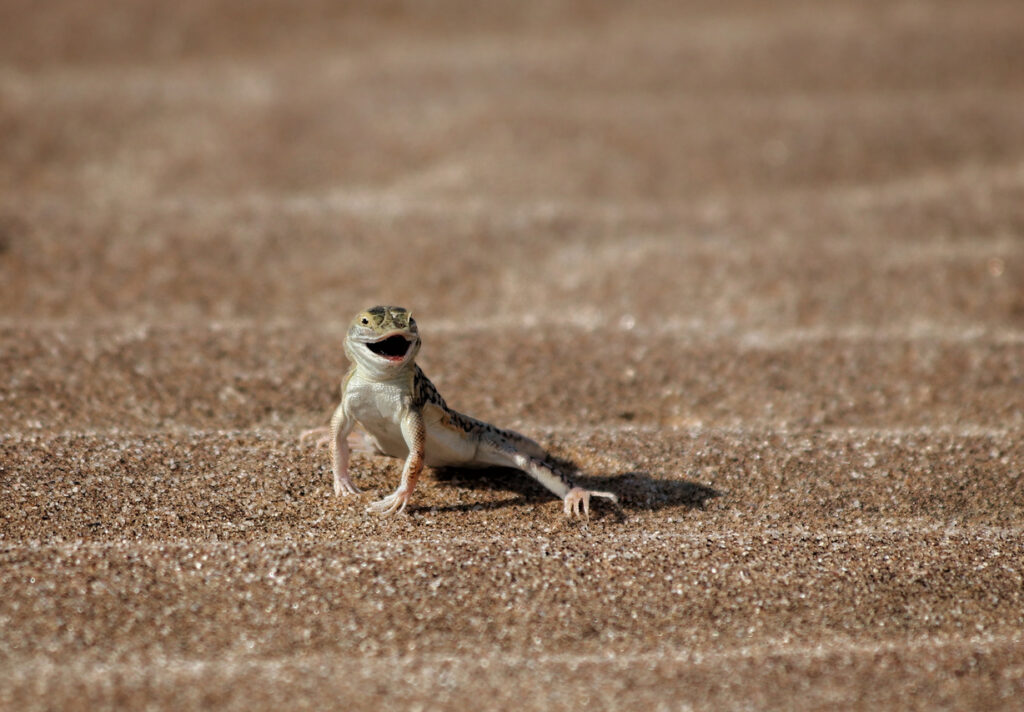
Because they’re cold-blooded reptiles, lizards rely on the sun to warm up. You’ll often see them basking on stones, fence posts, or logs—especially in the morning or late afternoon when the sun is gentle. Newts don’t sunbathe in the same way. They prefer cool, damp environments and are more likely to be found in shaded spots, under logs, or lurking in ponds. If it’s baking hot and dry, they’ll probably be hiding somewhere dark and moist.
Their body shape gives them away.
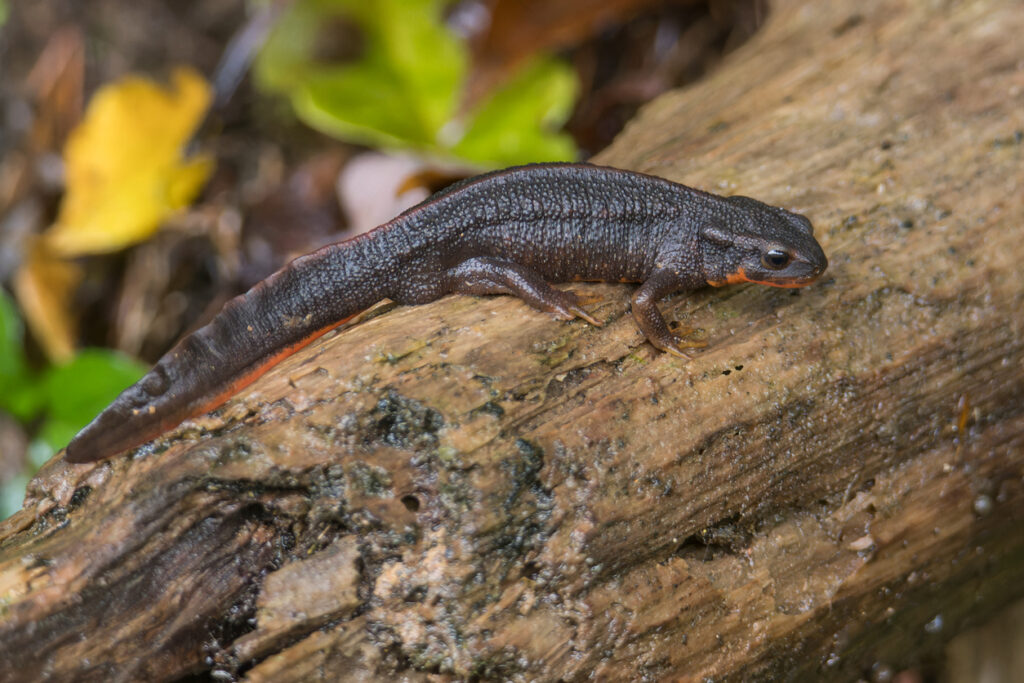
Newts tend to have a more flattened, paddle-like tail that’s great for swimming. Their limbs are shorter, and their bodies are slightly softer and more flexible, especially around the middle. Lizards usually have stockier legs, a rounder body, and a tail that tapers evenly. They look more “sturdy” and rigid, built for scrambling over dry terrain rather than paddling through a pond.
They come from very different lineages.
Newts have been around for millions of years, evolving from ancient amphibians. Their life cycle, moisture needs, and breeding habits reflect that lineage. They’re closely tied to water and seasonal rhythms. Lizards evolved separately as reptiles, and they’ve followed a very different path. They’ve adapted to hot climates, dry environments, and entirely land-based lifestyles. So while they might look vaguely alike at a glance, they’ve got completely different backstories written into their DNA.