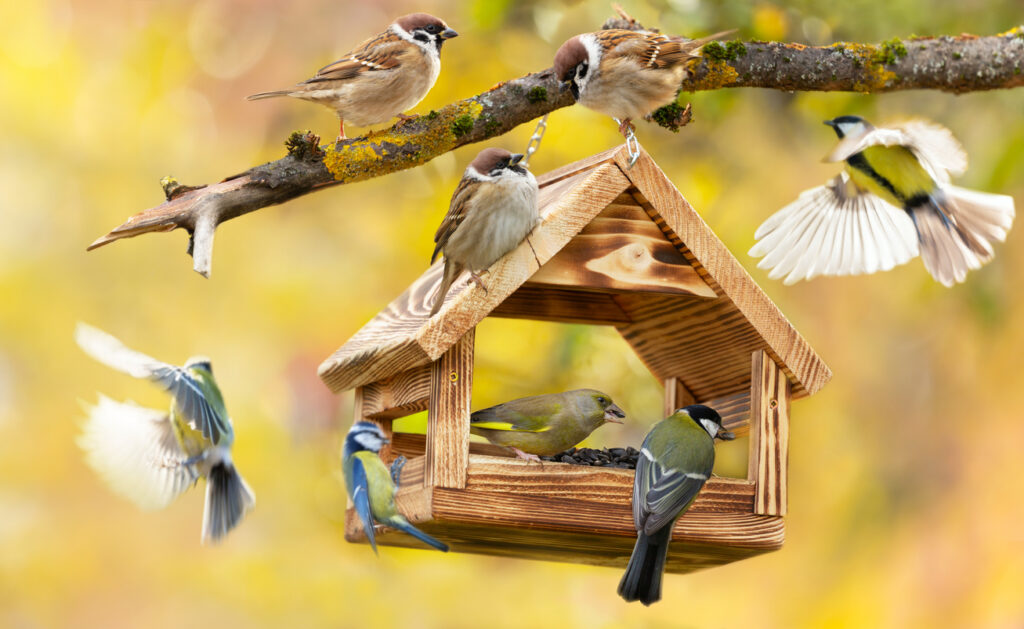
If you’ve already ticked off your robins, blue tits, and blackbirds, and you’re ready for something a little more special, it might be time to up your garden game. Attracting rarer birds isn’t just about throwing out a few seeds and hoping for the best. It takes a bit of planning, some patience, and a garden setup that tells birds they’re welcome to hang around. Here’s how to make your patch of green irresistible to the rarer guests.
Offer a variety of high-quality food.
Rarer birds tend to be picky, and cheap seed mixes just won’t cut it. Go for black sunflower seeds, nyjer seed, mealworms, and unsalted peanuts to appeal to a wider range of species. The more diverse your food options, the more likely you are to draw in something unusual. And once word spreads, birds tend to remember where the good stuff is.
Create multiple feeding zones.
Instead of crowding all your feeders in one spot, try spacing them out. Some rarer species prefer to feed away from the hustle of more common garden birds. This helps shyer birds feel safe enough to visit and gives everyone a bit of space, reducing territorial scuffles and encouraging repeat visits.
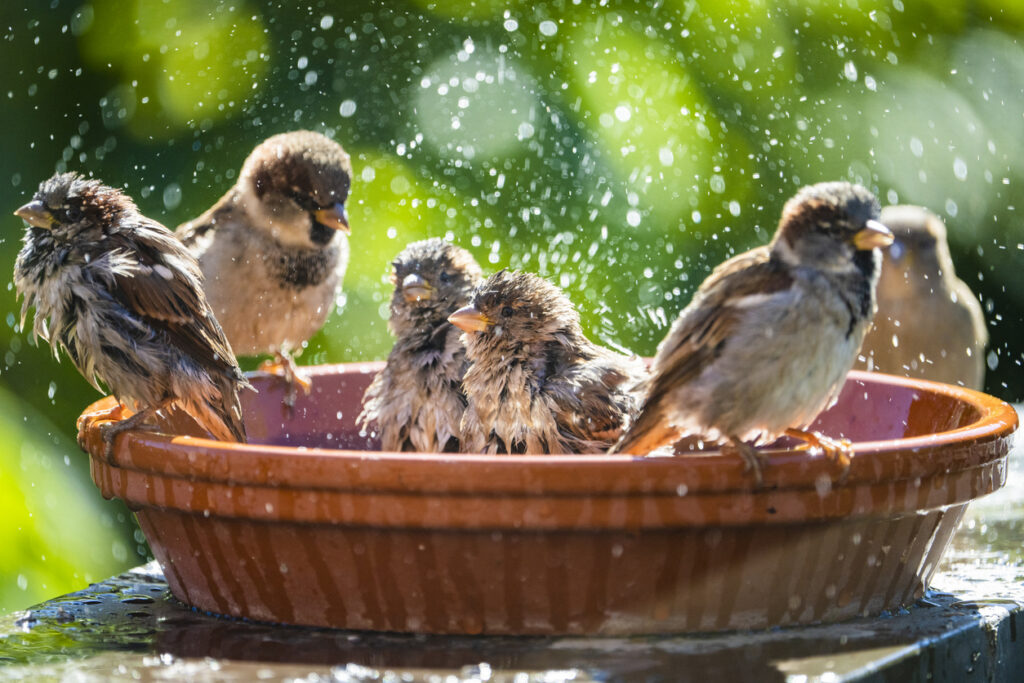
Add a water feature.
A shallow birdbath or small water fountain can be more effective than you’d think. Birds need a clean, reliable source of water for drinking and bathing. Moving water (like a bubbler or solar fountain) can be even more attractive, as it catches their attention and stays cleaner for longer.
Go native with your plants.
Rarer birds are often more habitat-specific, so planting native shrubs, trees, and flowers can help recreate the kind of environment they prefer. Things like hawthorn, rowan, and elder offer natural food and shelter, especially important during nesting season or colder months.
Don’t obsess over tidiness.
Leaving parts of your garden a little wild—think log piles, overgrown corners, or leaf litter—creates natural foraging spots and hiding places. That messiness is gold for insects, too, which in turn attract insectivorous birds that won’t go near a standard feeder.
Install nest boxes in quieter areas.
Many birds prefer to raise their young in peaceful spots. Installing well-placed, species-appropriate nest boxes can make your garden feel like a safe place to stay longer-term. Different birds like different entrances and sizes, so it’s worth researching what suits the species you’re hoping to attract.
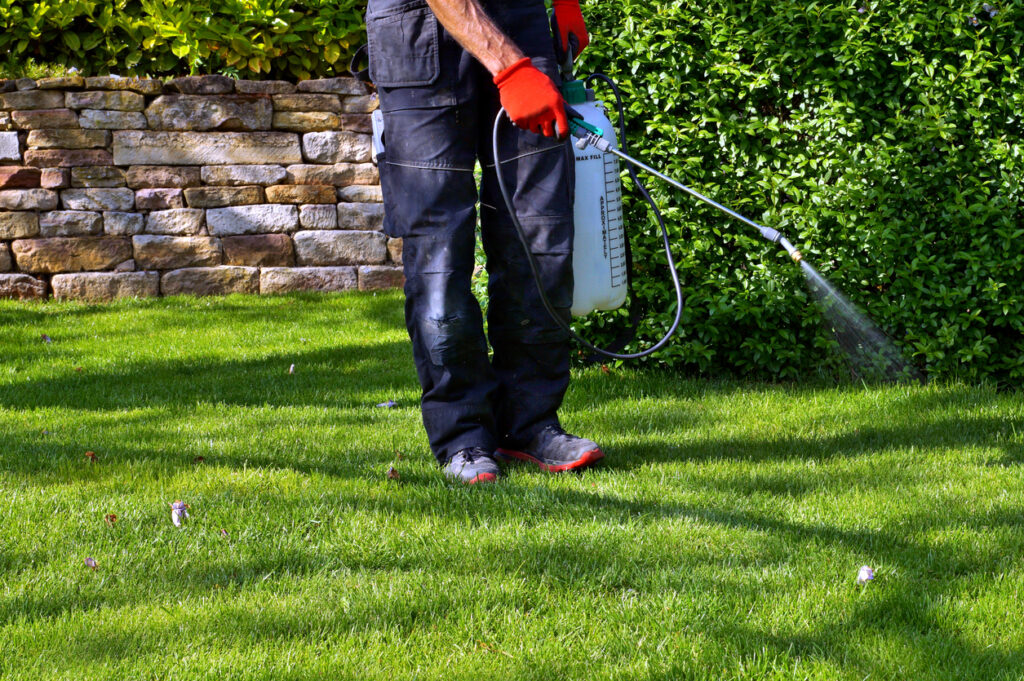
Avoid pesticides completely.
If you’re using any kind of chemical in your garden, you’re probably wiping out exactly the kind of insect life birds depend on for food. Switching to a pesticide-free space makes a big difference over time—not just for the birds, but for bees, butterflies, and everything else too.
Offer food in less obvious places.
Some rarer birds aren’t fans of busy, exposed feeders. Try putting food closer to hedgerows, on ground feeders, or under shrubs where they’ll feel more protected. It’s about mimicking their natural habits—many aren’t comfortable perching out in the open, especially with predators nearby.
Use seasonal planting to keep interest year-round.
If you want birds to stick around beyond a quick fly-by, give them a reason to visit in every season. That means having something in bloom, fruiting, or seeding all year round. It’s not just about aesthetics. It’s about providing a constant source of nourishment and shelter through every seasonal change.
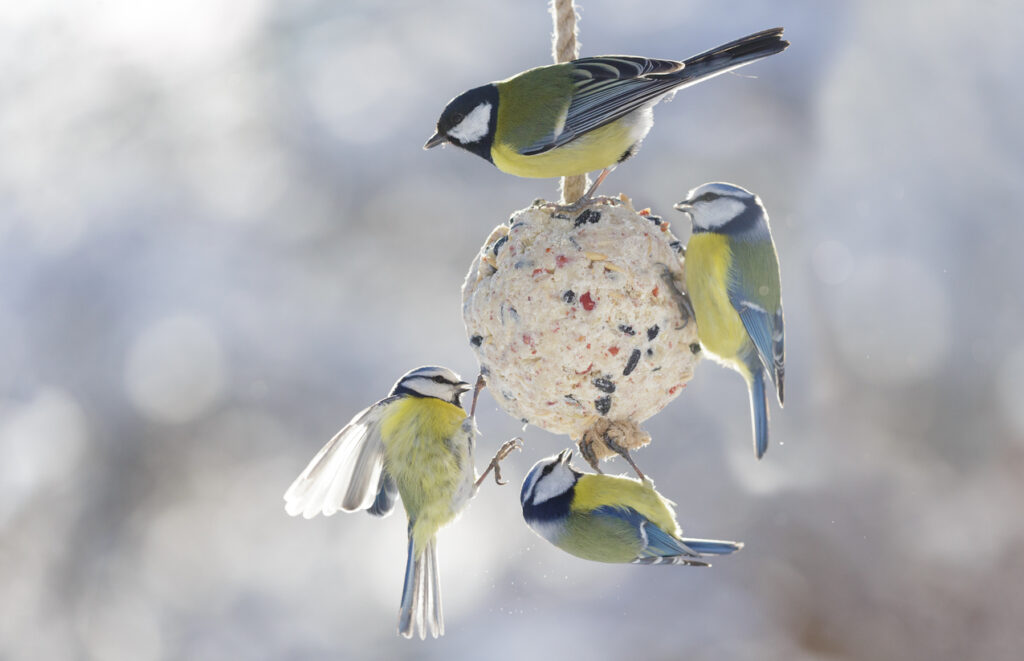
Keep feeders clean.
Dirty feeders can carry disease, and rarer birds are often more sensitive to poor hygiene. A grubby bird table could actually repel the very species you’re trying to attract. Give your feeders a proper scrub every week or so and keep an eye on any soggy or mouldy food that needs clearing away.
Stay consistent with feeding.
Birds are creatures of habit. If you go weeks without putting anything out and then suddenly start again, they won’t know you’re back in business. Try to feed regularly, especially in harsh weather. That reliability builds trust, and trust brings more birds over time.
Keep cats and disturbances to a minimum.
If your garden has prowling cats or lots of sudden noise, rarer birds will likely steer clear. They tend to be more cautious than the usual gang of sparrows and starlings. Consider putting up a fence topper to deter cats, and place feeders away from fences or low shrubs where predators might hide.
Make use of hedges and layered planting.
Birds love cover, and hedges offer just that—safety from predators, shelter from wind, and a place to forage or nest. Even a mixed row of shrubs can do the job. Layered planting also gives you vertical interest in the garden, which mimics the natural habitat birds would usually flock to.
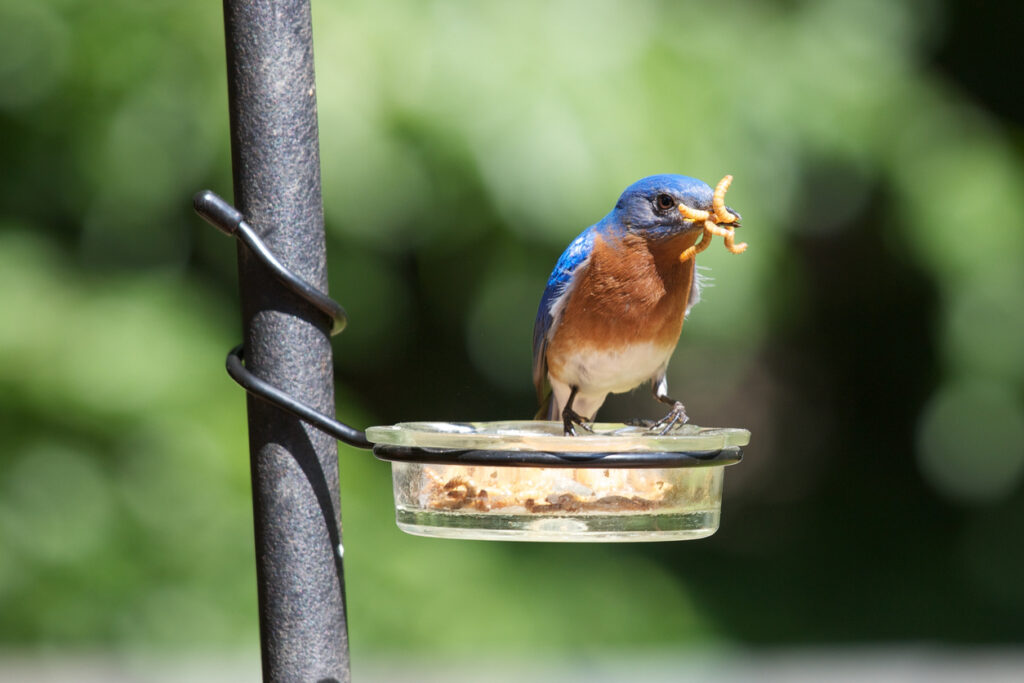
Provide live food when possible.
If you’re really serious about attracting rare species, especially in spring and summer, try offering live mealworms or waxworms. They’re a high-protein treat that many insect-eating birds can’t resist—and they’ll often return daily once they know where to find them.
Keep a notebook or camera nearby.
Once rarer birds start visiting, it’s easy to forget who came and when. Keeping a little record helps you track patterns and appreciate how much your efforts are paying off. And let’s be honest, when that lesser spotted woodpecker finally shows up, you’ll want proof to show your bird-loving mates.