Nature is full of tricksters, and some of the most impressive are the animals hiding right under our noses.
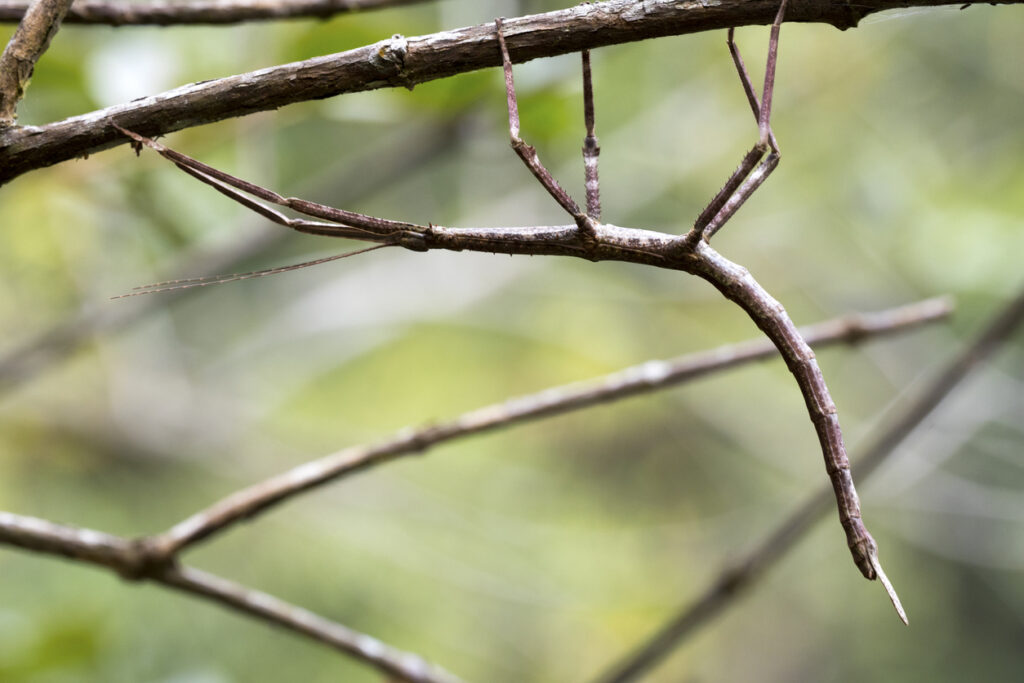
From insects that look exactly like twigs to fish that vanish against coral, camouflage is one of evolution’s most astonishing survival skills. These creatures have turned blending in into an art form, disappearing into bark, sand, or shadow so convincingly that even experienced wildlife experts can miss them.
It’s not just about looks; it’s about survival. For predators, it’s a way to sneak up undetected. For prey, it’s a matter of life or death. Once you see how clever these disguises really are, you’ll never look at a still landscape the same way again.
1. The leaf-tailed gecko
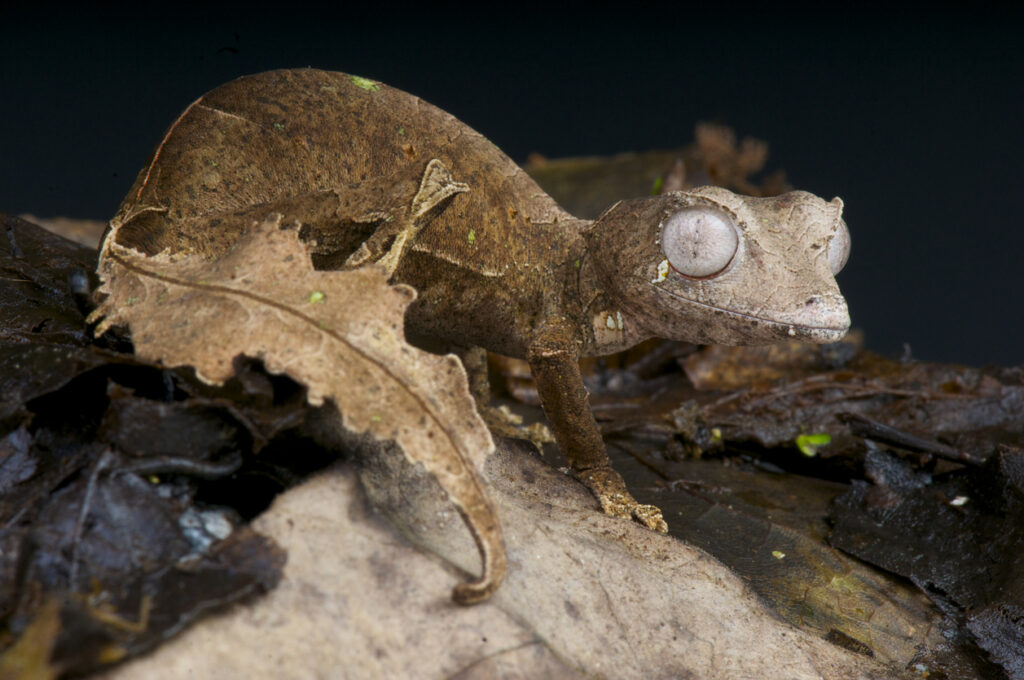
Found in Madagascar, this gecko looks exactly like a dead leaf. Its body mimics the shape, colour, and even the tiny notches of leaves on the forest floor. It’ll even flatten itself against bark to blend in better. When it’s still, it’s almost impossible to spot. Predators like birds and snakes pass by without noticing, which makes its disguise life-saving. It proves that staying still can be as powerful as running away.
2. The stick insect
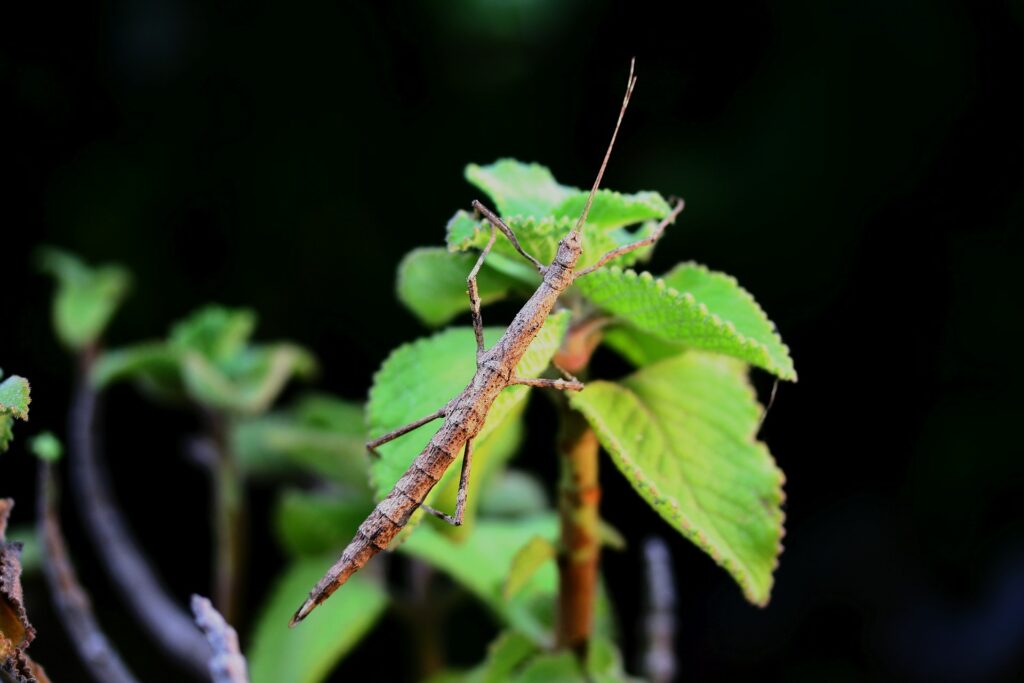
Stick insects take mimicry to another level. Their long, twig-like bodies match branches so perfectly that you could stare at one without realising it’s alive. They even sway gently, copying how real twigs move in the breeze. Some species have evolved spikes and rough textures that match the plants they live on, which means even close-up inspection can fool you completely.
3. The owl butterfly

This butterfly’s wings have huge spots that look like an owl’s eyes. When it rests, those “eyes” scare off predators that think they’re facing a much larger animal. The pattern’s so realistic that it triggers instant fear responses in birds. It’s a clever example of using imitation as protection, proving that camouflage isn’t always an attempt to disappear. Sometimes it’s a way of pretending to be something scarier.
4. The common potoo
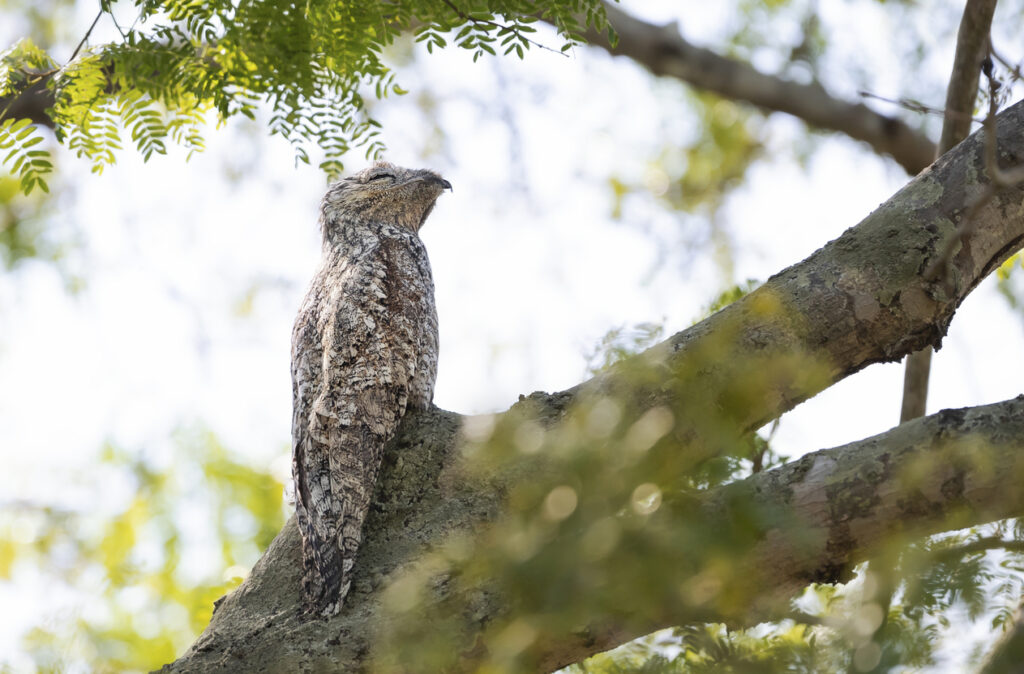
The potoo bird is a master of pretending to be wood. It perches on top of tree stumps and freezes, matching the texture and colour of the bark. Its grey feathers have subtle streaks that mimic cracks in wood grain. It can hold its pose for hours, eyes barely open, until night falls, and it finally moves to hunt.
5. The snow leopard

High in the mountains of Central Asia, snow leopards vanish into their surroundings. Their pale grey coats are patterned with soft rosettes that blend perfectly with rock and snow. This camouflage helps them sneak up on prey like ibex and mountain goats. Even experienced wildlife photographers say spotting one in the wild feels almost impossible without a guide.
6. The leaf insect
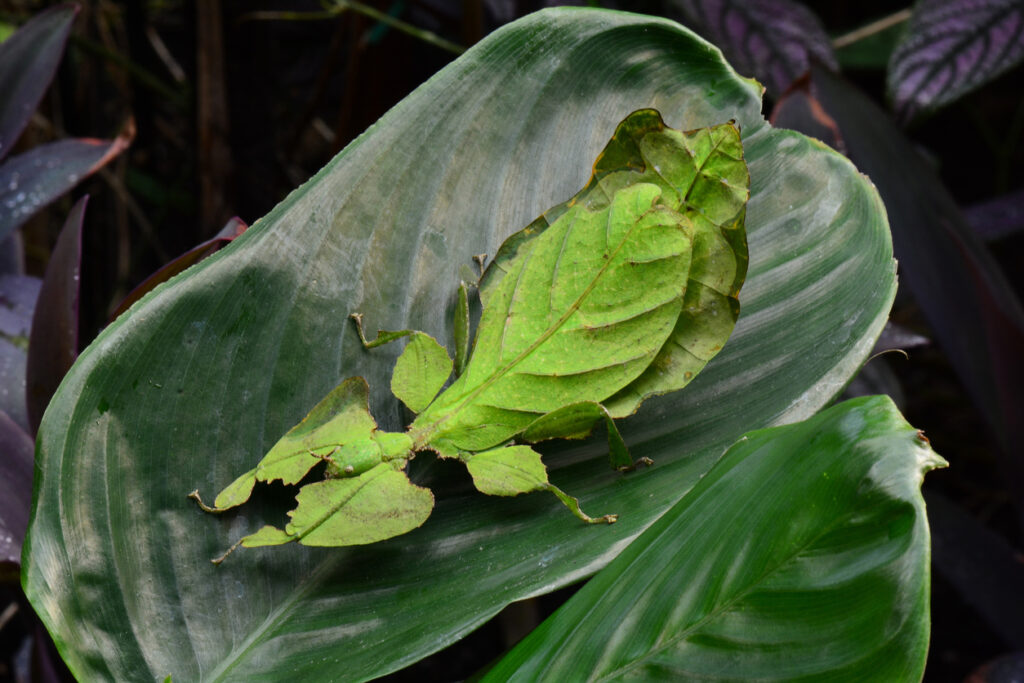
Leaf insects look like fresh green leaves, right down to the veins running through their wings. Some even have brown specks that mimic the marks of insect bites or rot. When they move, they rock slightly to copy how leaves move in the wind. It’s one of the most perfect examples of mimicry in the animal world, both beautiful and functional.
7. The pygmy seahorse
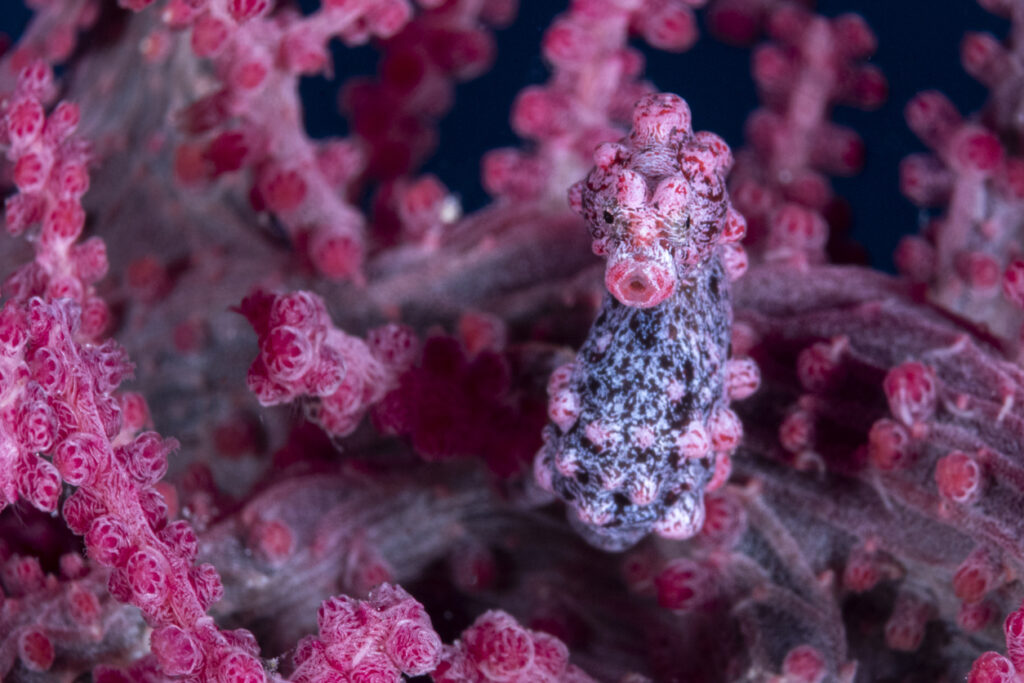
Barely the size of a fingernail, pygmy seahorses hide among coral that matches their colour exactly. They come in shades of pink, orange, or purple depending on where they live. Their skin even grows tiny lumps that look like coral buds. They were first discovered by accident, proving how convincing their disguise is. Without the coral, they wouldn’t survive long, especially since their camouflage is their only real defence.
8. The arctic fox
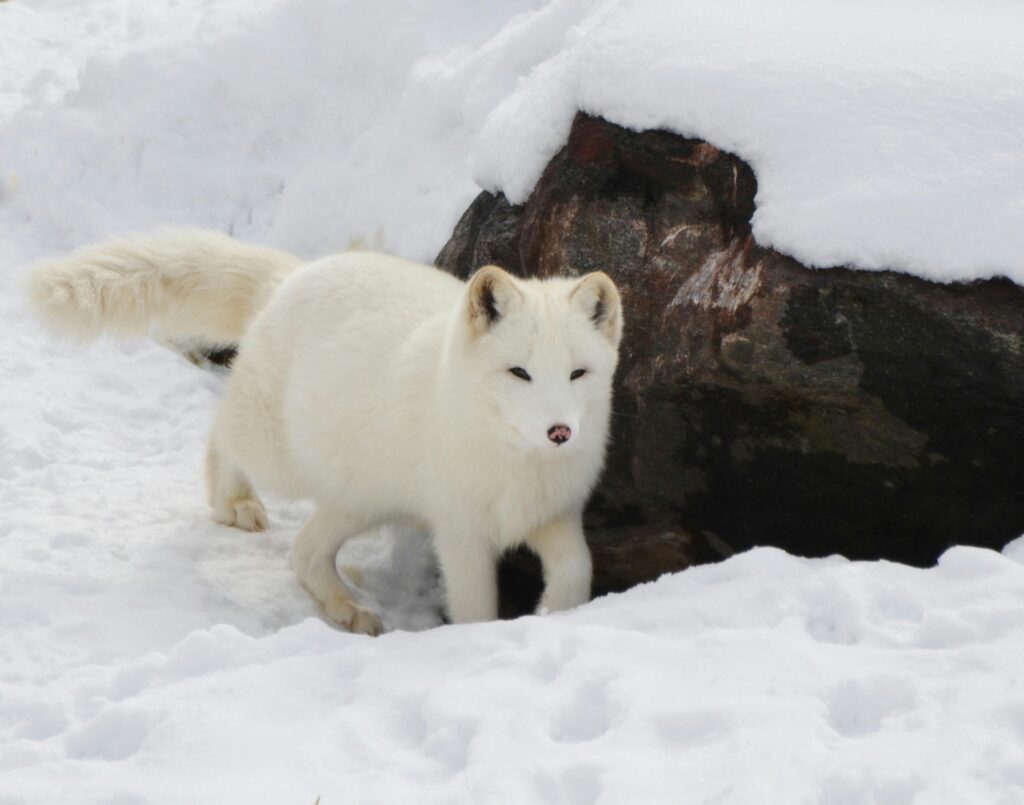
In winter, the arctic fox turns pure white to disappear into the snow. When summer comes, its fur darkens to brown or grey, blending in with rocks and soil. That seasonal change means it’s protected all year round. It hunts quietly across frozen landscapes, its soft coat and matching colour keeping it almost invisible until the very last second.
9. The stonefish

The stonefish is one of the ocean’s most dangerous masters of disguise. It looks like a lump of coral or rock sitting on the seabed, its body rough and mottled to match. Divers often swim right over it without noticing, which can be dangerous because its spines are venomous. It’s a chilling reminder that in nature, the best hiders aren’t always harmless.
10. The tawny frogmouth
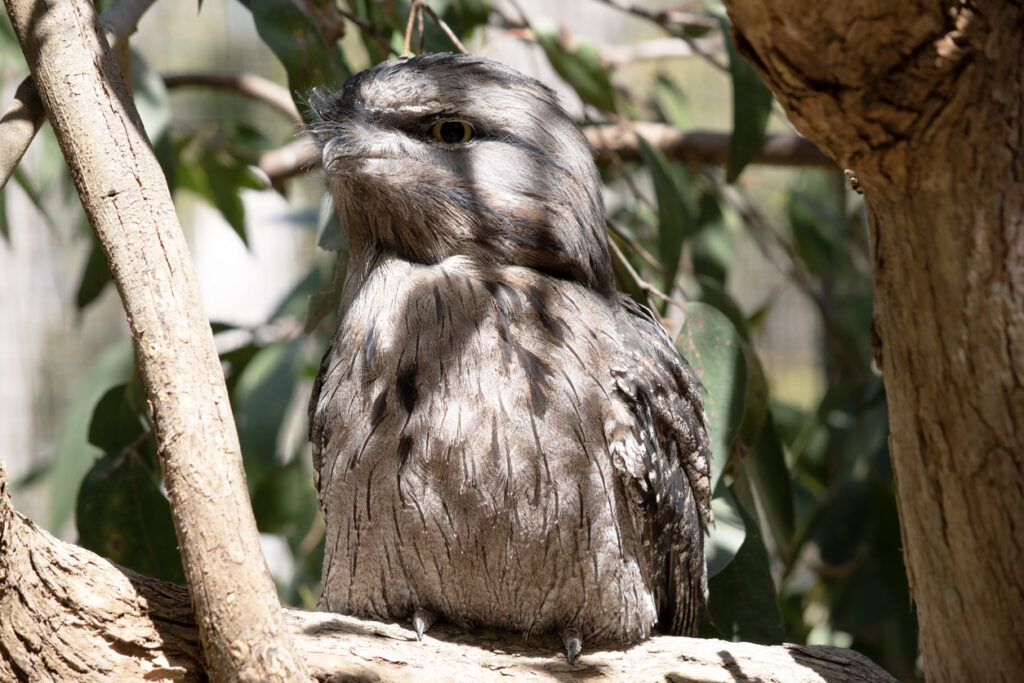
This Australian bird often gets mistaken for a broken branch. Its feathers are streaked grey and brown, matching the bark perfectly, and it holds its body completely still during the day. Even its chicks copy the pose while they’re young. When danger approaches, the whole family freezes and waits until it passes. Unless it blinks, you’d never realise it’s alive.
11. The orchid mantis
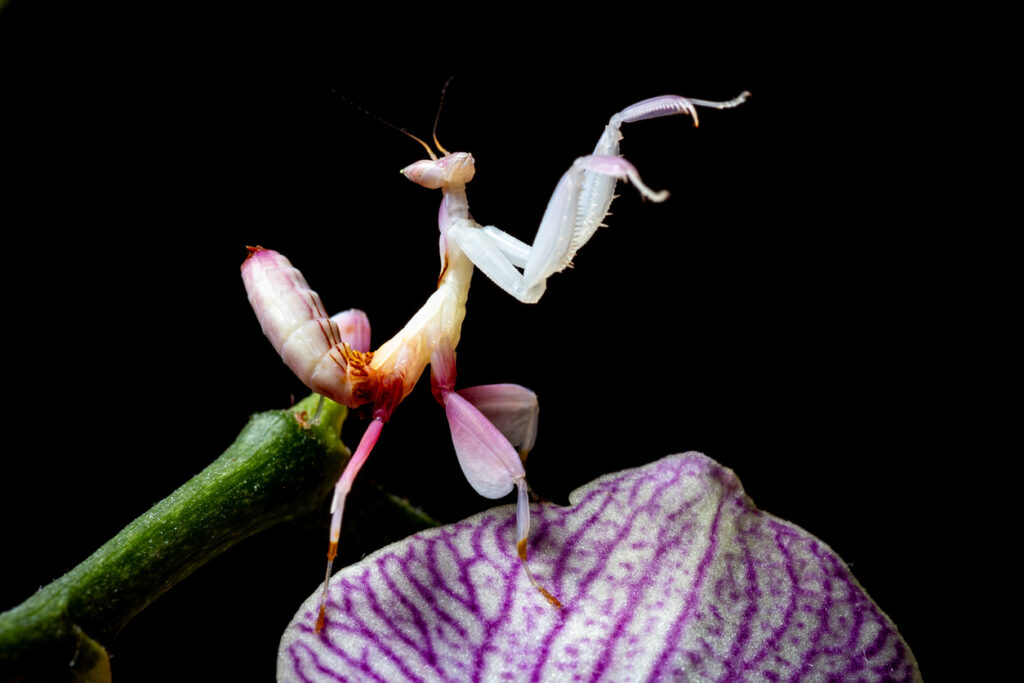
This insect looks exactly like a pink orchid flower. It uses its colour and shape to lure in curious pollinators like butterflies, which land right on it without realising their mistake. It’s both predator and artist. From a distance, it looks delicate and harmless, but up close it’s one of the smartest ambush hunters in the insect world.
12. The cuttlefish

Cuttlefish can change both colour and texture in seconds. Using special skin cells called chromatophores, they can copy sand, rocks, coral, or seaweed instantly. It’s more than hiding. They use it to communicate and hunt. Scientists study cuttlefish to understand how their skin could inspire new materials for humans. It’s camouflage as technology in action.
13. The walking leaf katydid
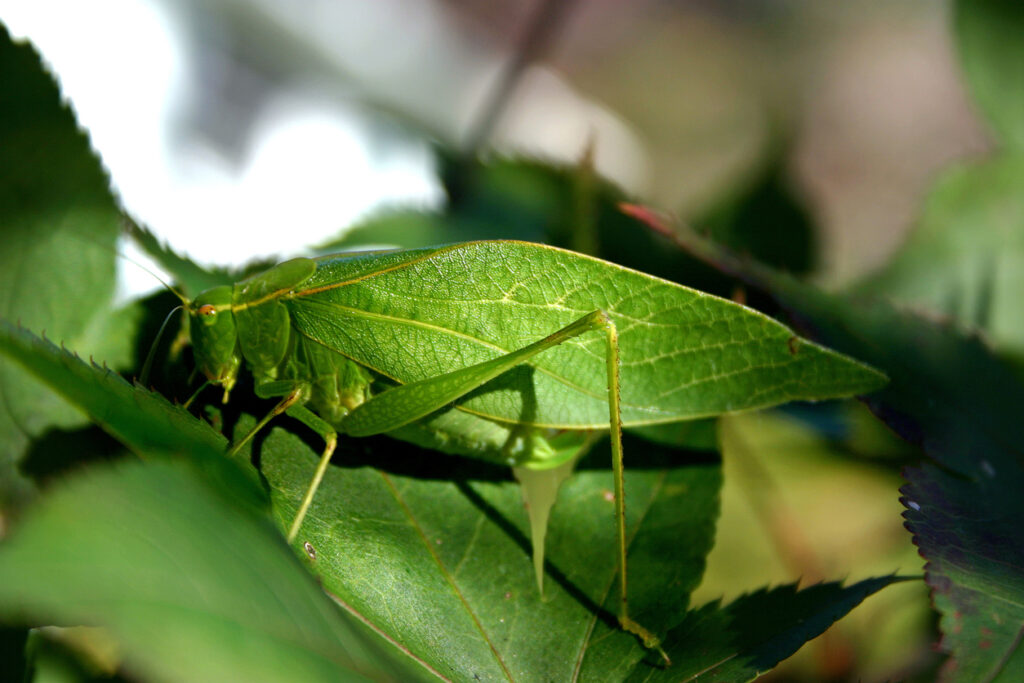
This insect takes mimicry to extremes. Its wings have tiny veins, ragged edges, and even fake holes that make them look damaged. Every detail matches a real leaf. They use their disguise not just to hide, but to confuse predators. Birds might spot them, but hesitate for a second, unsure if it’s food or foliage. That hesitation is often enough to escape.