Cannibalism in the animal kingdom is actually far more common than most people realise.

That being said, it’s not usually as gruesome or dramatic as it sounds. For many species, eating their own kind is simply a practical survival strategy, whether it’s removing competition, recycling nutrients, or ensuring the strongest offspring survive to adulthood. It may be a bit off-putting or upsetting to us humans, but it’s just the circle of life, as they say.
1. Praying mantises start married life with a bang.
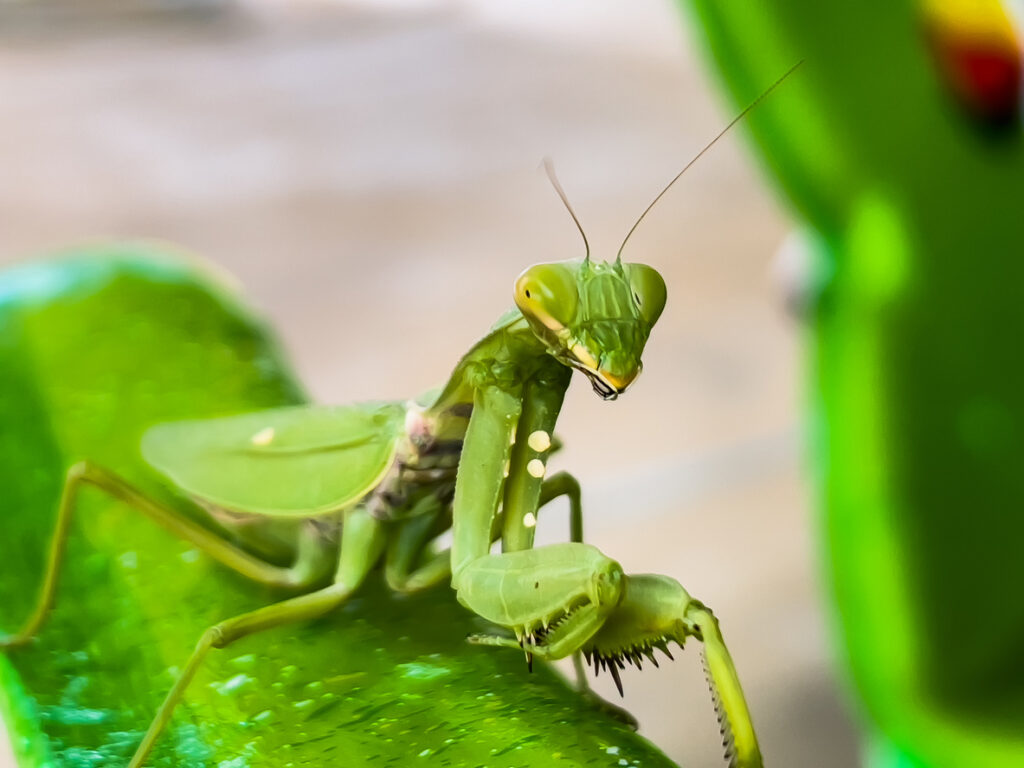
The female praying mantis is famous for occasionally eating the male’s head during mating, though this doesn’t happen as often in the wild as people think. When it does occur, it’s because the female needs extra protein to produce healthy eggs, and the male’s sacrifice actually improves the chances of their offspring surviving.
The male can sometimes continue mating even after losing his head because his reproductive organs are controlled by a separate nerve centre. From an evolutionary perspective, it’s the ultimate sacrifice for ensuring the next generation gets the best possible start in life.
2. Sand tiger sharks practice sibling rivalry in the womb.
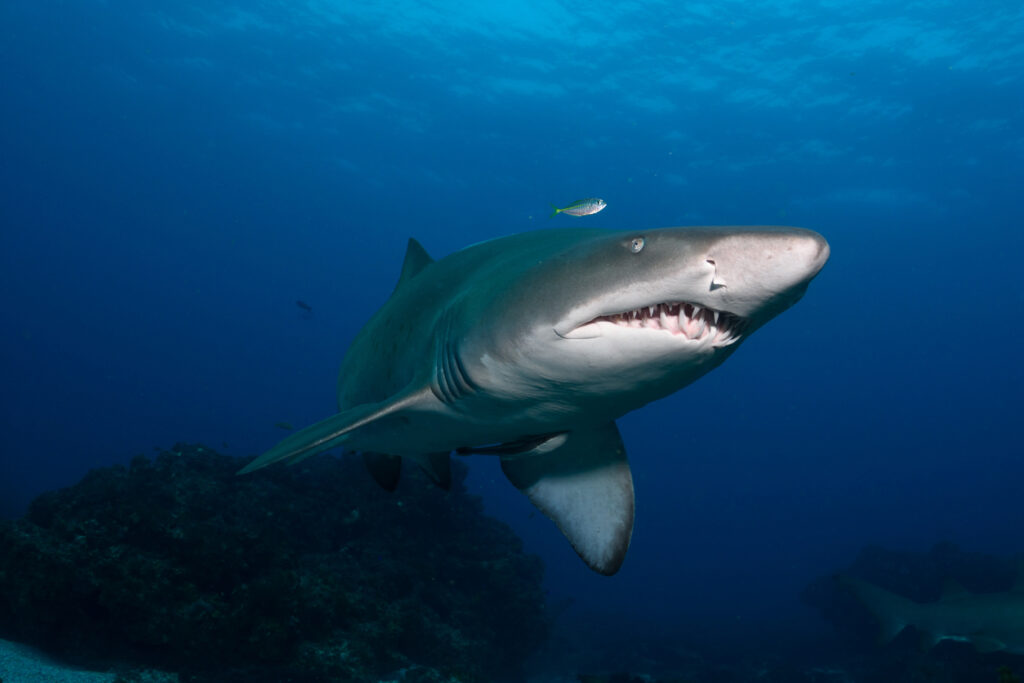
Sand tiger shark pups eat their smaller siblings before they’re even born, with the largest embryo in each uterus consuming the others in a process called intrauterine cannibalism. This ensures that only the strongest, most developed pup survives to birth.
The winning pup then feeds on unfertilised eggs, growing large and strong before entering the dangerous ocean. It’s brutal, but it gives sand tiger sharks one of the best survival rates of any shark species by guaranteeing only the fittest make it to the starting line.
3. Black widow spiders got their name for a reason.
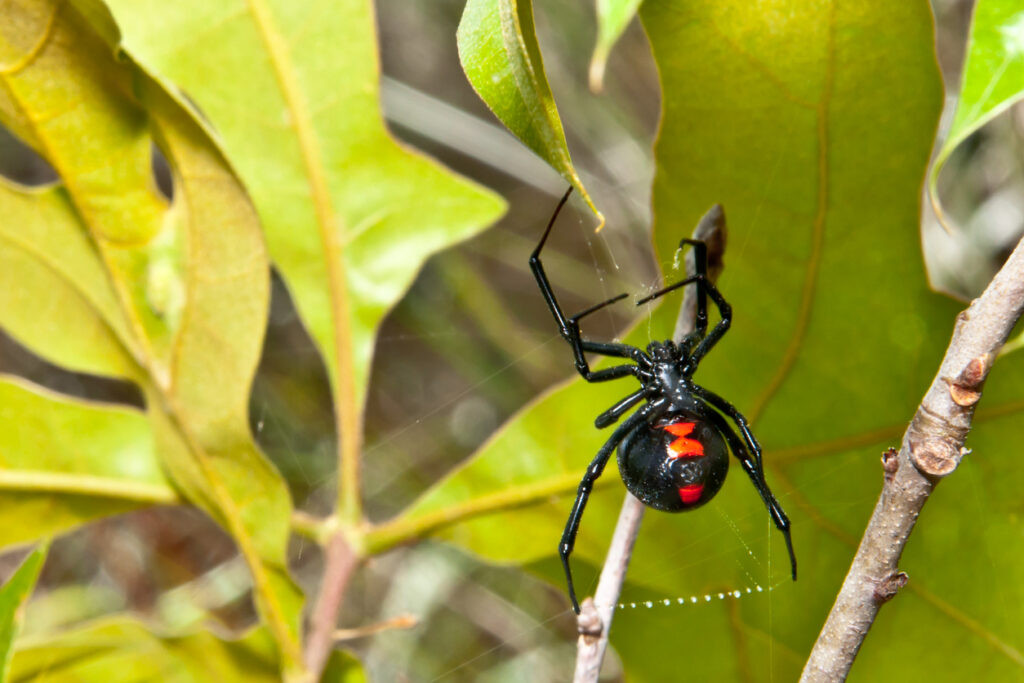
Female black widow spiders sometimes eat their mates after reproduction, providing themselves with valuable nutrients needed for egg production, whilst removing a potential competitor for resources. This behaviour is actually more common in laboratory settings than in nature.
Males have evolved strategies to avoid becoming dinner, including choosing well-fed females who are less likely to be hungry, or bringing nuptial gifts of wrapped prey to distract their potential brides. It’s all about timing and reading the room correctly.
4. Hamsters sometimes eat their babies under stress.
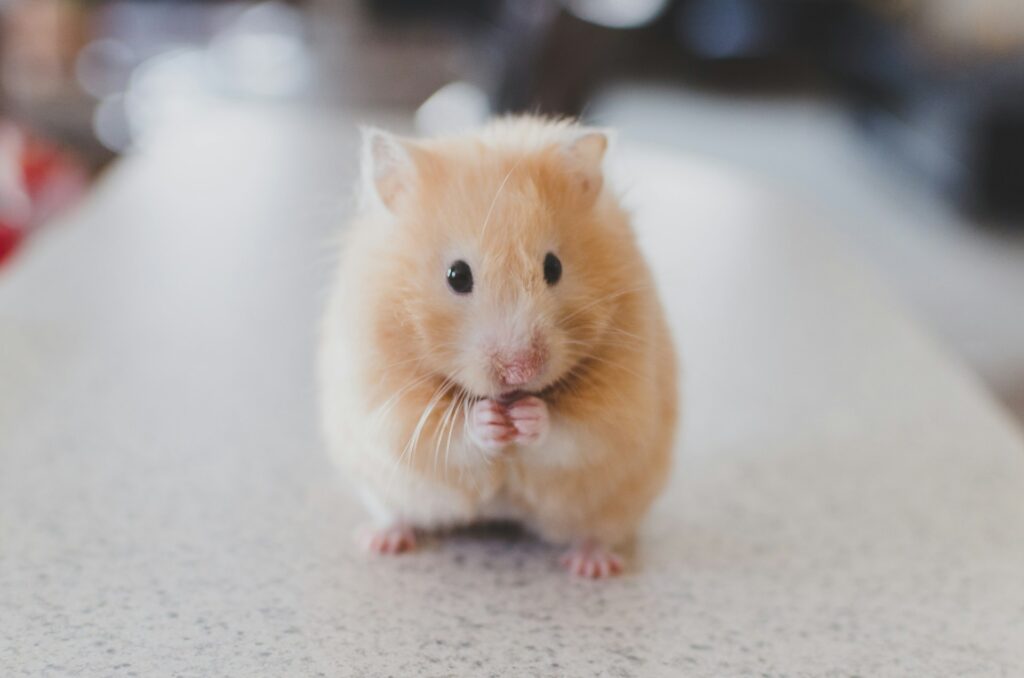
Mother hamsters occasionally consume their own offspring if they’re stressed, feel threatened, or detect that a baby is sick and unlikely to survive. This behaviour conserves the mother’s energy and resources for healthier offspring that have better chances of making it to adulthood.
Environmental factors like overcrowding or frequent disturbances can trigger this response in captive hamsters. It’s why new mother hamsters need to be left completely undisturbed for the first few weeks, despite how tempting it is to peek at the babies.
5. Polar bears practice harsh Arctic economics.
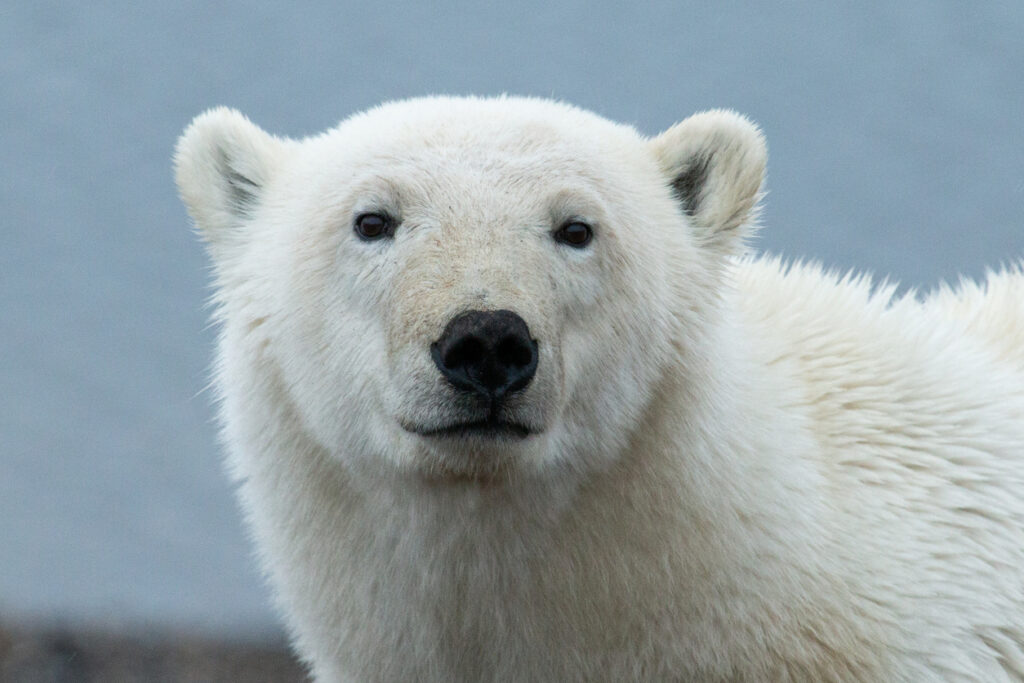
Male polar bears will kill and eat cubs that aren’t their own to eliminate competition and bring females back into breeding condition. Very rarely, stressed mothers might consume their own young during particularly harsh conditions when food is extremely scarce.
This behaviour is becoming more common as climate change shrinks sea ice, making it harder for polar bears to find enough seals. What seems cruel is actually a survival mechanism in one of Earth’s harshest environments where every calorie counts.
6. Chickens turn to cannibalism when overcrowded.
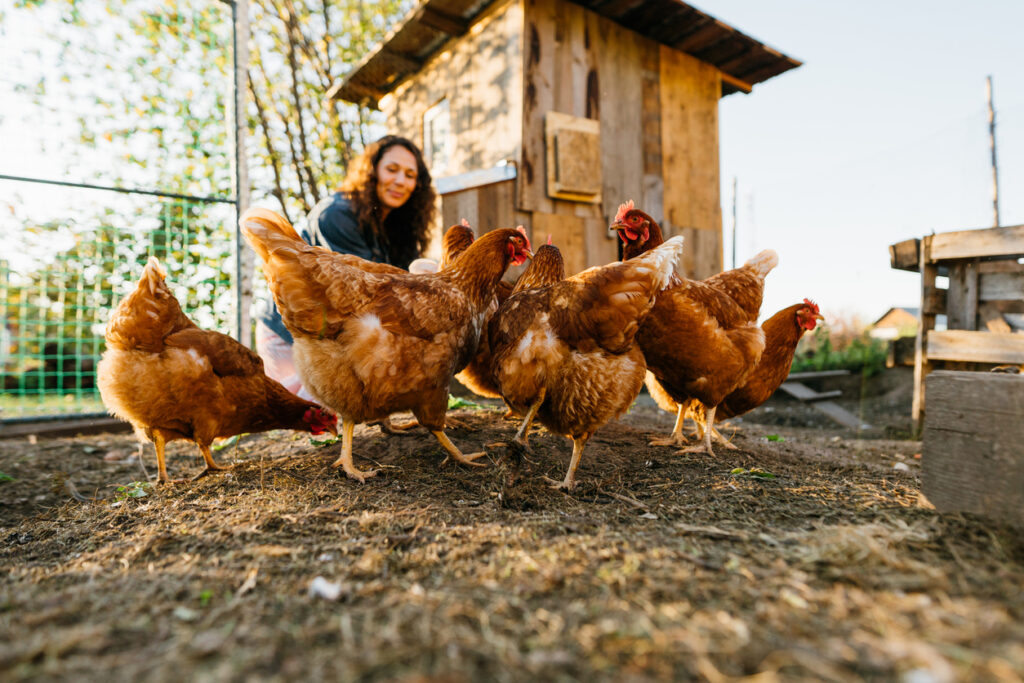
Domestic chickens will peck and eat weaker flock members, particularly when kept in overcrowded or stressful conditions. This behaviour often starts with pecking at small wounds and can escalate if the underlying stress factors aren’t addressed.
The cannibalism serves to eliminate weak individuals who might attract predators or consume resources without contributing to the group’s survival. Providing adequate space, proper nutrition, and environmental enrichment significantly reduces this behaviour in both commercial and backyard flocks.
7. Chimpanzees engage in organised warfare.
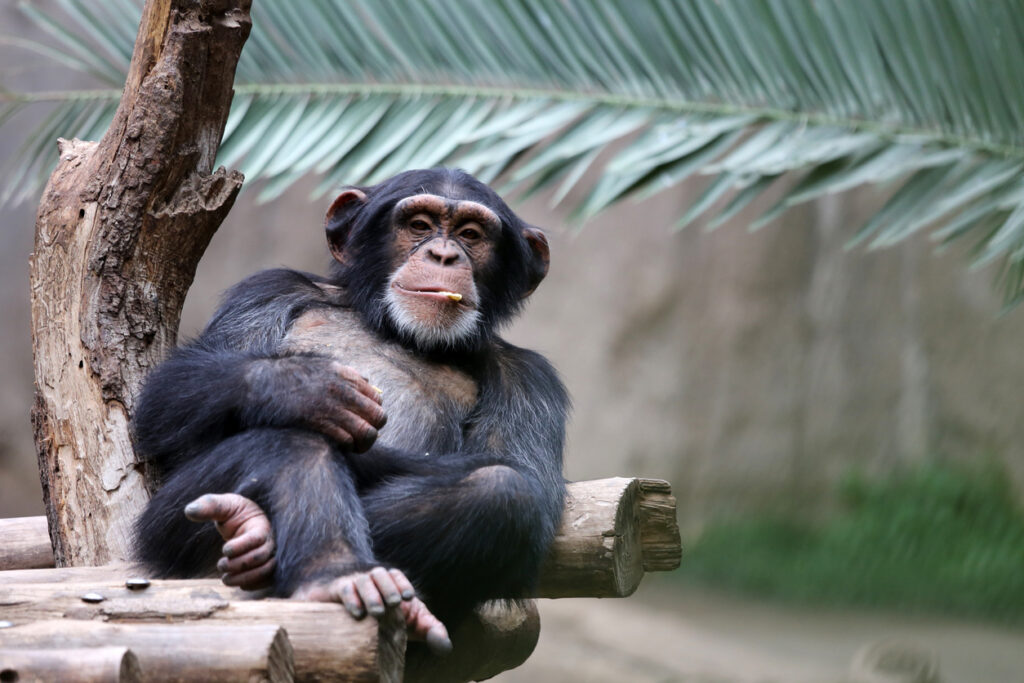
Chimpanzees sometimes kill and eat members of rival groups during territorial disputes, and occasionally mothers within the same group might consume other females’ infants. These attacks eliminate competition for resources and territory whilst strengthening social bonds within the attacking group.
This strategic cannibalism provides insight into the aggressive tendencies humans share with our primate cousins. However, such incidents are relatively rare and most chimpanzee interactions are peaceful, making these behaviours all the more striking when they occur.
8. Wolf spiders carry their young, then sometimes eat them.
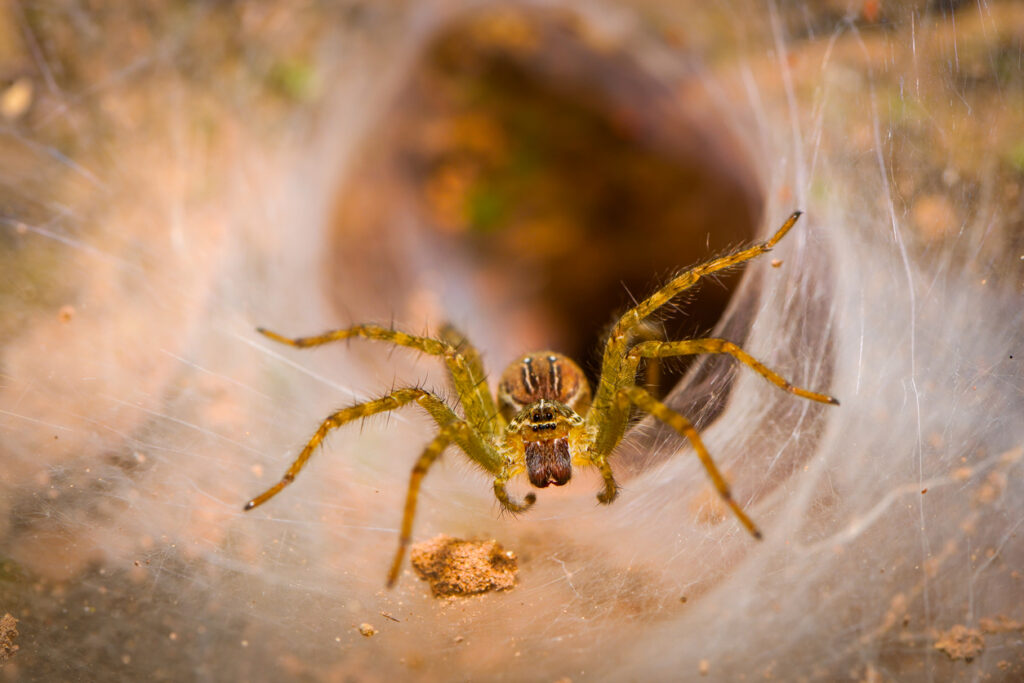
Female wolf spiders are devoted mothers who carry their babies on their backs, but sometimes end up eating their own offspring when food becomes scarce. This ensures that at least the mother survives to potentially reproduce again, rather than the entire family starving together.
The sacrificed spiderlings essentially keep their mother alive through their deaths, which makes evolutionary sense, even though it seems contradictory. It’s a harsh calculation in the unpredictable world of small predators, where survival often comes down to difficult choices.
9. Guppies eat their own babies immediately after birth.
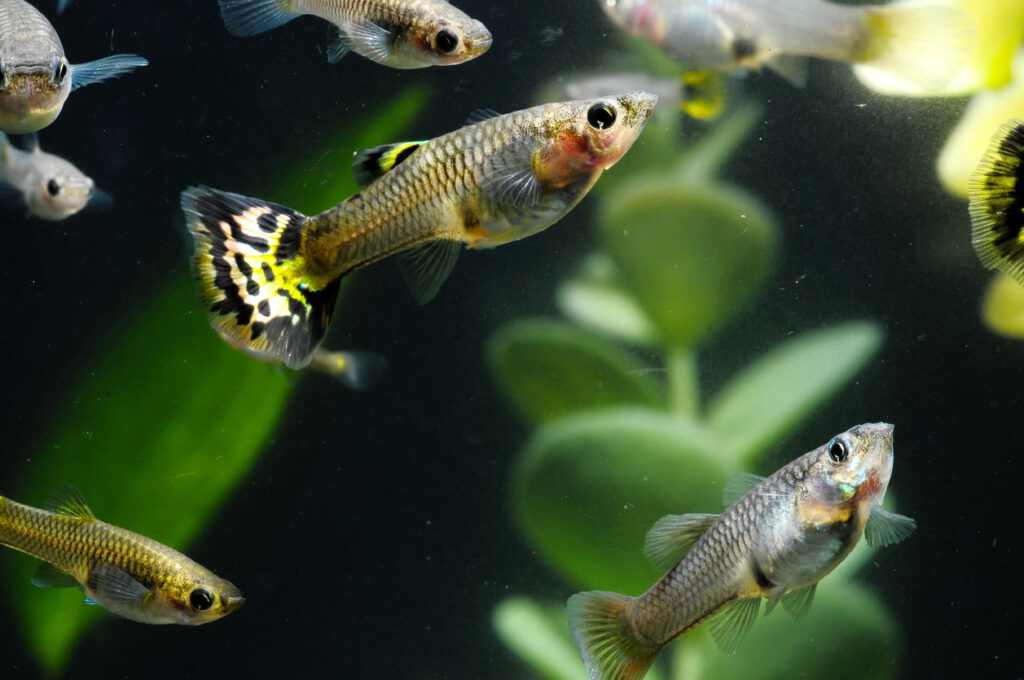
Guppy mothers often consume their fry moments after birth, especially if they’re stressed, hungry, or lacking adequate hiding places for the babies. This provides immediate nutrition to the mother and prevents wasted energy if the environment can’t support additional fish.
This cannibalistic behaviour helps maintain population balance in the wild and ensures only the quickest, most resourceful fry survive. Aquarium owners use breeding traps or heavily planted tanks to give babies places to hide from their hungry parents.
10. Cane toads are eating their own tadpoles.
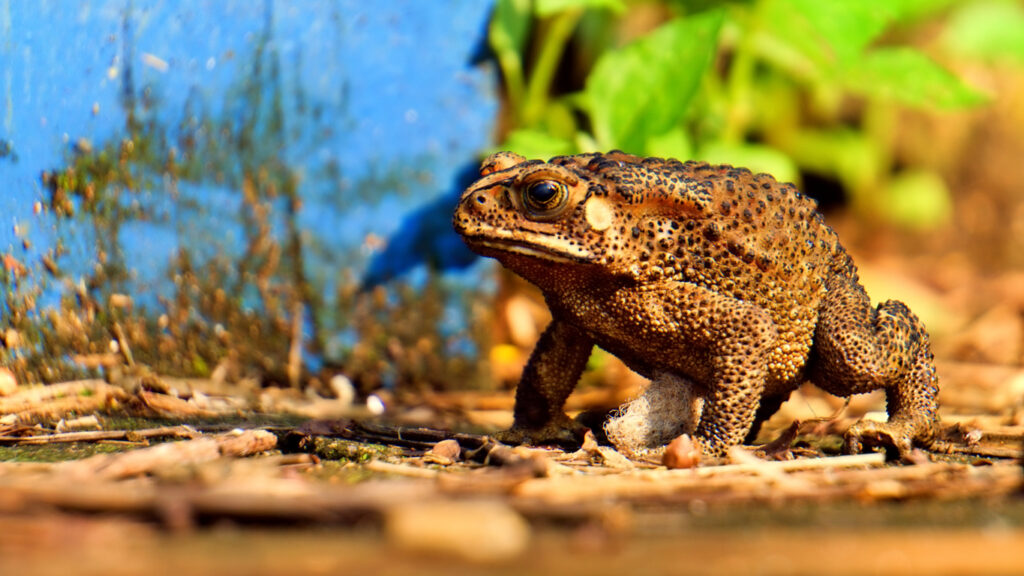
Adult cane toads and larger tadpoles eat smaller tadpoles of their own species, which creates a natural population control mechanism. This behaviour has actually become useful for conservation efforts trying to control these invasive pests through species-specific poison baits.
The cannibalism explains why cane toad populations boom and bust so dramatically, with periods of high reproduction followed by intense predation pressure that reduces numbers back to sustainable levels. It’s nature’s own population management system.
11. Lions take over prides with deadly consequences.

When male lions take over a new pride, they kill existing cubs to bring females back into breeding condition more quickly. This ensures the new males’ genes get passed on rather than wasting energy raising unrelated offspring.
Whilst the males don’t usually eat the cubs they kill, other pride members sometimes consume them opportunistically. It’s brutal but efficient, allowing lions to maximise their reproductive success in the short time they typically control a pride.
12. Tadpoles turn to cannibalism when ponds dry up.
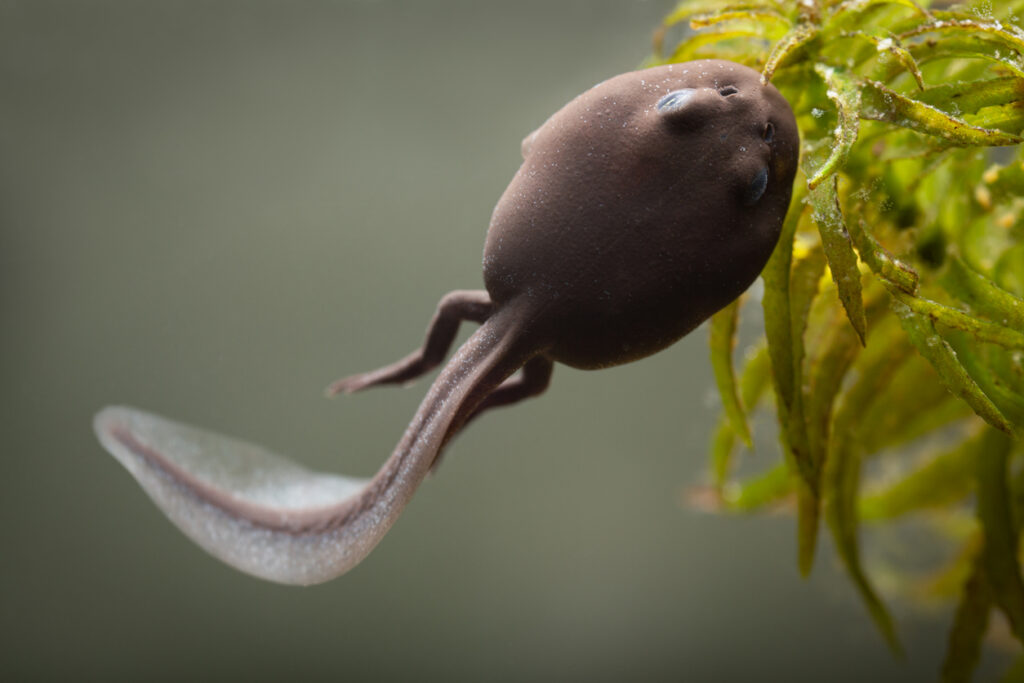
Many frog species produce tadpoles that eat smaller siblings when pond conditions become crowded or food scarce. Some species even produce two types of tadpoles: normal ones and larger cannibalistic morphs with bigger mouths designed specifically for eating other tadpoles.
This flexible strategy allows populations to adjust to changing conditions, with more cannibalistic forms appearing when resources are limited. It’s a fascinating example of how animals can adapt their behaviour and physical form to survive challenging circumstances.