If you’ve got the time and space, you can’t beat growing your own fruit and veg.
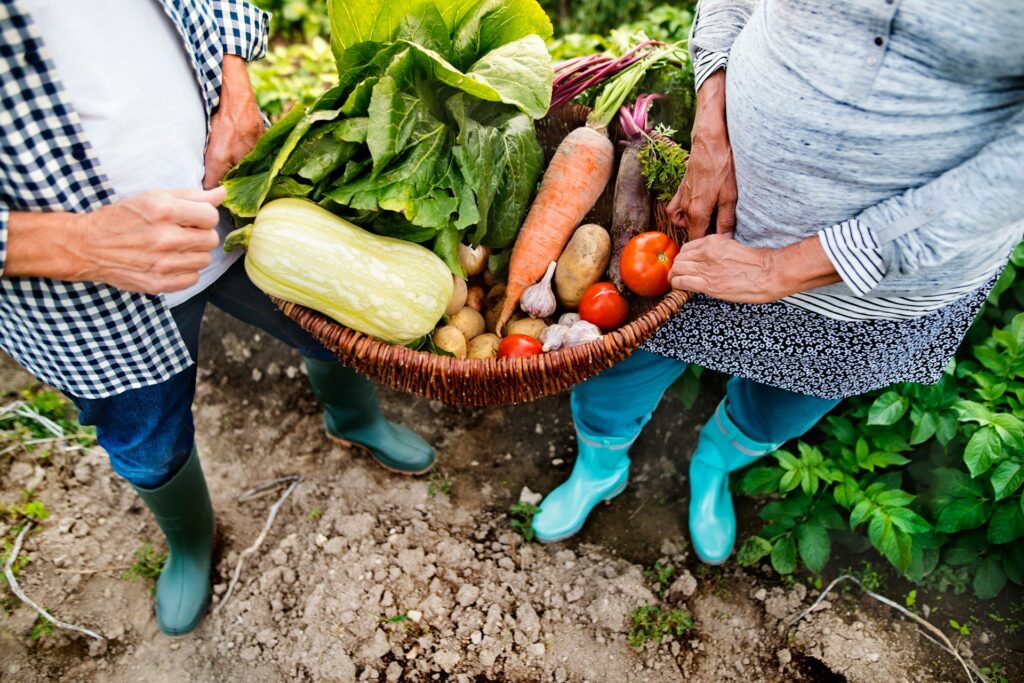
Sure, it might seem like a lot of effort when you can just pop to Tesco, but there’s something genuinely magical about eating a tomato that you’ve watched grow from a tiny seed to a juicy red fruit in your own garden. Plus, once you taste the difference between shop-bought produce and something you’ve grown yourself, it becomes pretty obvious why more people are digging up their lawns to plant vegetables.
1. The taste difference is absolutely mind-blowing.

Shop-bought vegetables are often picked weeks before they’re properly ripe so they can survive transport and storage, which means they never develop their full flavour potential. When you grow your own food, you can pick things at peak ripeness when they taste exactly as nature intended them to.
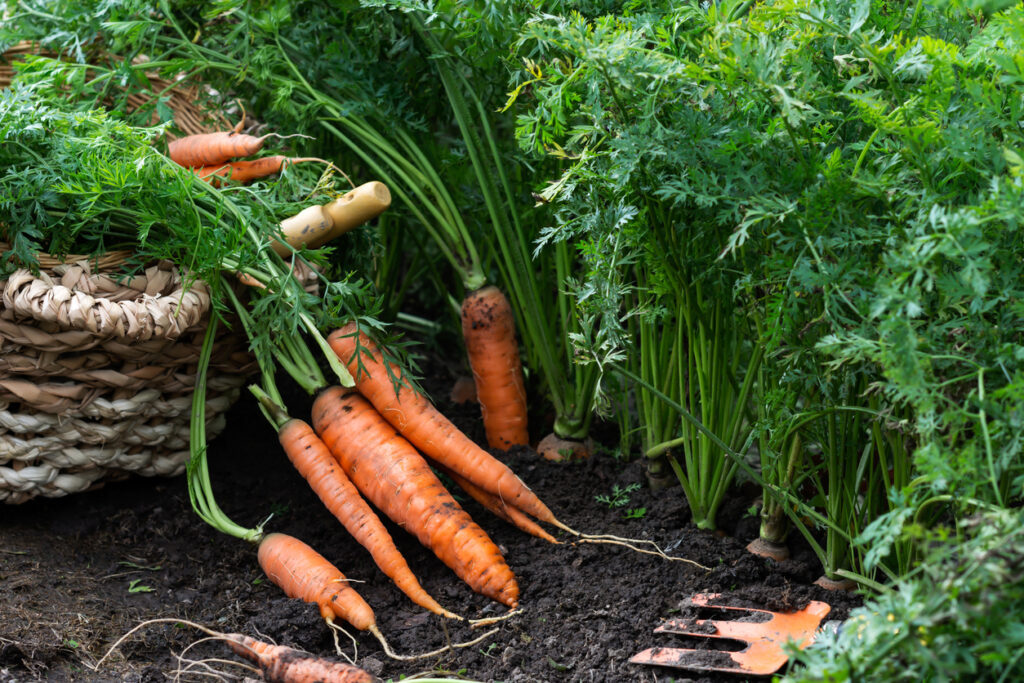
That supermarket tomato that tastes like water? It’s got nothing on a sun-warmed tomato picked straight from the vine in your garden. The same goes for everything from carrots to strawberries, homegrown produce simply tastes better because it’s fresh, ripe, and hasn’t been bred primarily for shelf life and appearance.
2. You know exactly what’s been used to grow your food.
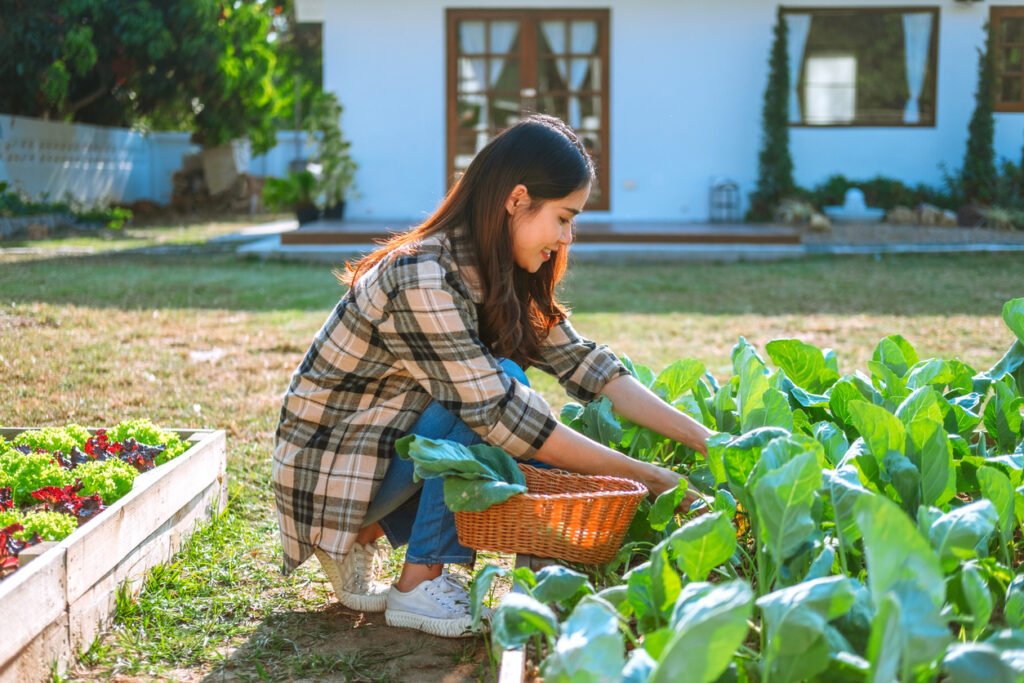
When you grow your own vegetables, you have complete control over what goes on and in them, from the seeds you choose to the fertilisers and pest control methods you use. There’s no wondering about pesticide residues, mysterious chemicals, or questionable growing practices.
You can choose to grow organically, use natural pest control methods, and feed your soil with homemade compost, knowing that everything your family eats is as clean and natural as possible. This peace of mind is particularly valuable if you have children or family members with chemical sensitivities.
3. It’s significantly cheaper once you get started.
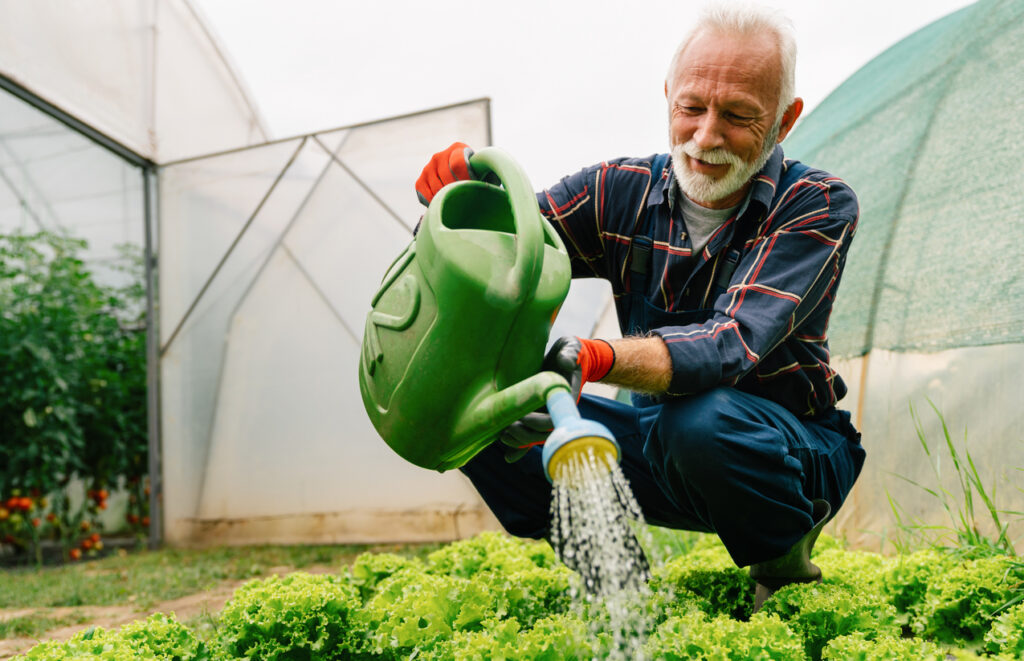
The initial setup costs for growing your own food can seem daunting, but the ongoing costs are minimal compared to buying fresh produce, especially organic vegetables that can be expensive in shops. A packet of seeds costing £2 can provide vegetables worth £20 or more.
Once you have basic tools and have improved your soil, the main ongoing costs are seeds and perhaps some organic fertiliser. Many gardeners find they save hundreds of pounds per year on their grocery bills, plus they often have surplus to share with neighbours.
4. Your carbon footprint shrinks dramatically.
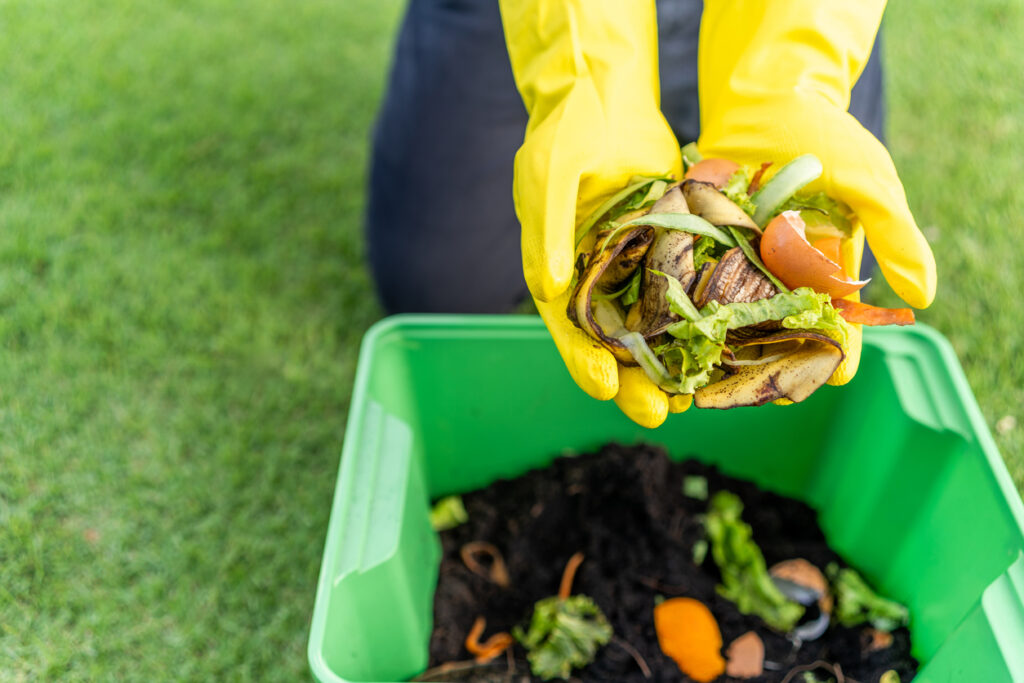
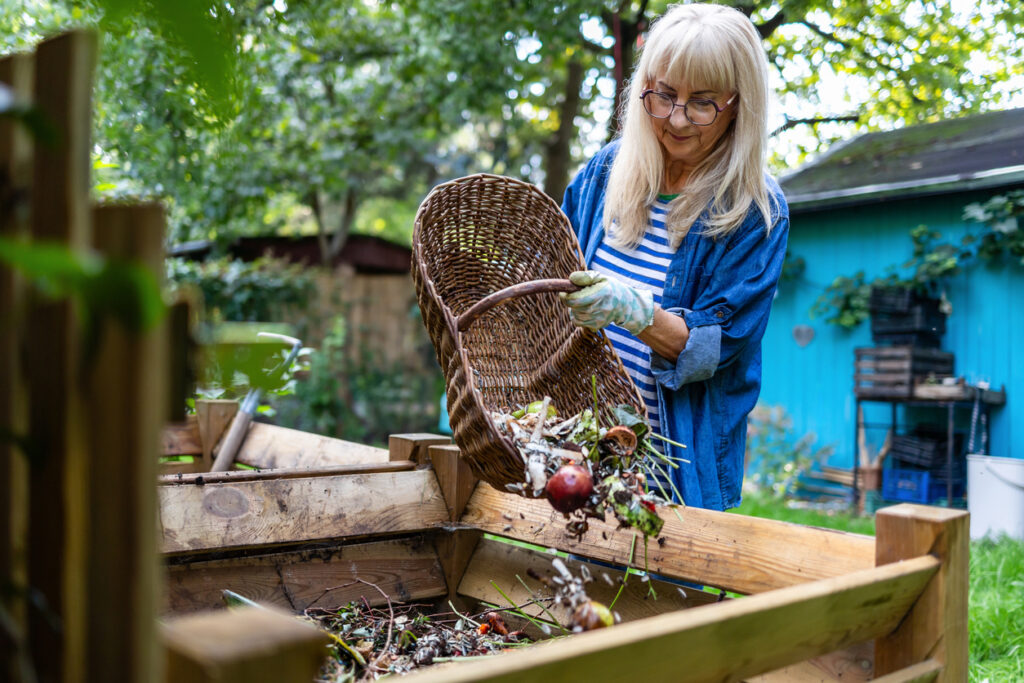
Most supermarket vegetables travel hundreds or thousands of miles to reach your plate, using fossil fuels for transport, refrigeration, and packaging along the way. Growing food in your garden eliminates all this transport, and if you compost kitchen scraps to feed your soil, you’re creating a lovely closed-loop system.
Even if you can’t grow everything you need, reducing your reliance on imported produce makes a real difference to your environmental impact. Plus, homegrown vegetables don’t need plastic packaging, which further reduces waste and your household’s environmental footprint.
5. The nutritional value is at its peak.
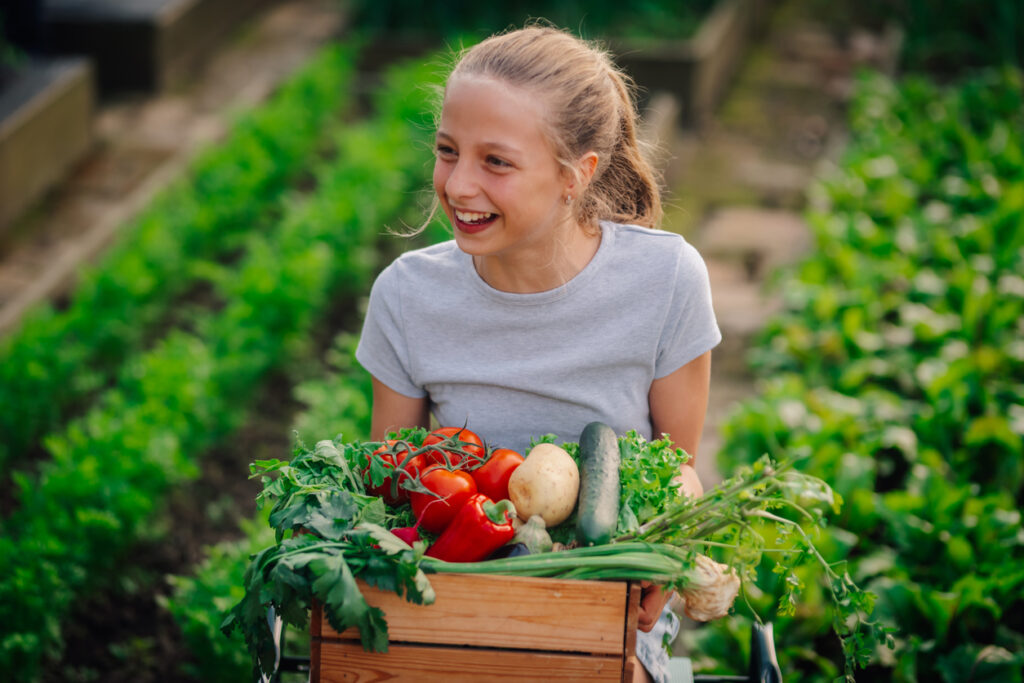
Vegetables start losing nutrients the moment they’re harvested, so the fresher they are when you eat them, the more nutritional value they retain. Shop-bought vegetables might have been sitting in storage or transport for weeks before reaching your kitchen.
When you pick vegetables from your garden and eat them the same day, you’re getting maximum nutritional benefit from your food. This is particularly important for delicate nutrients like vitamin C that degrade quickly after harvesting.
6. You can grow varieties that shops don’t stock.
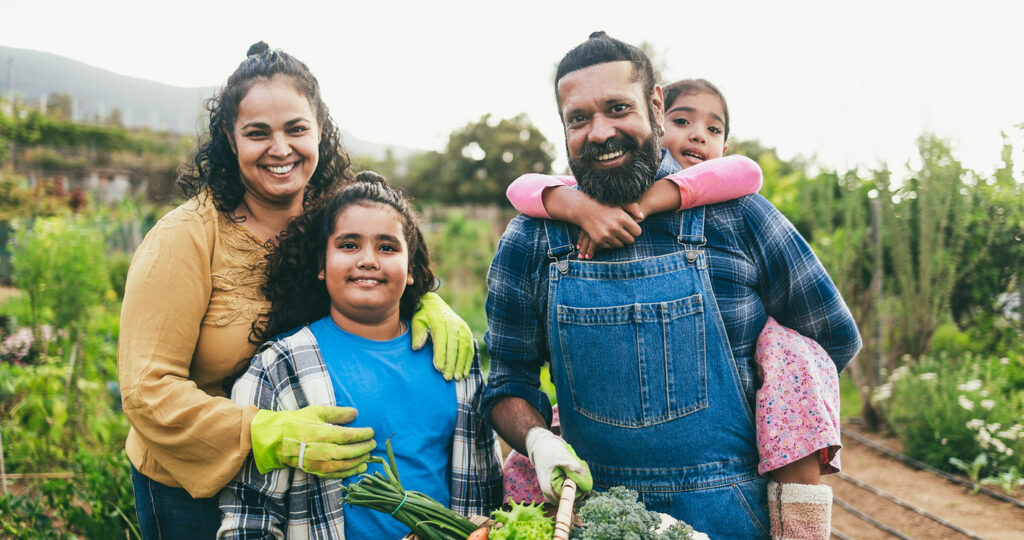
Supermarkets stick to vegetable varieties that transport well and look uniform, which means you’re missing out on hundreds of interesting and delicious varieties that don’t meet commercial requirements. Growing your own opens up a world of unusual colours, shapes, and flavours.
You can grow purple carrots, yellow beetroot, striped tomatoes, or heritage varieties that disappeared from commercial production decades ago. Seed catalogues are full of exciting varieties you’ll never find in shops, and many taste far superior to their commercial cousins.
7. Gardening provides genuine stress relief and mental health benefits.
There’s something deeply satisfying and therapeutic about working with soil, watching plants grow, and nurturing living things that helps reduce stress and improve mental wellbeing. Gardening gets you outdoors, provides gentle exercise, and connects you with natural cycles.
Many people find that time spent in their vegetable garden becomes a form of meditation, helping them disconnect from work stress and digital overwhelm. The sense of achievement from successfully growing your own food also boosts confidence and provides a healthy sense of accomplishment.
8. You’re building valuable life skills.
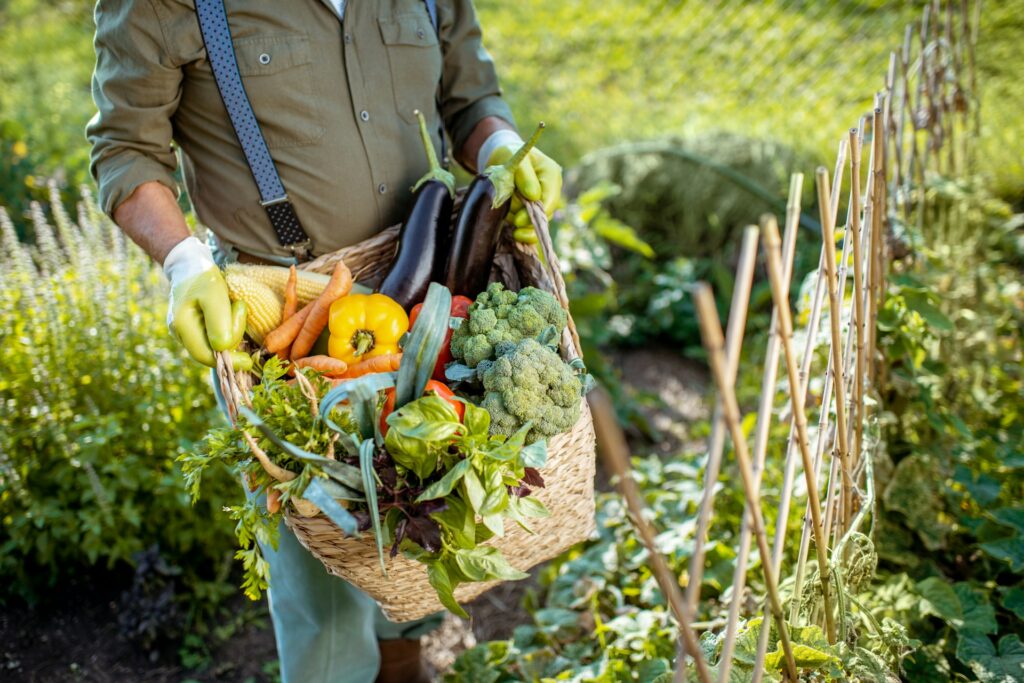
Growing your own food teaches practical skills that connect you more deeply with where food actually comes from, and these skills become more valuable as people become increasingly disconnected from food production. You learn about soil health, plant biology, and natural pest management.
These skills also provide a sense of self-sufficiency that can be incredibly empowering, knowing that you could feed yourself and your family at least partially from your own efforts. In an uncertain world, having some food production skills feels like a sensible backup plan.
9. The physical exercise is gentle but effective.
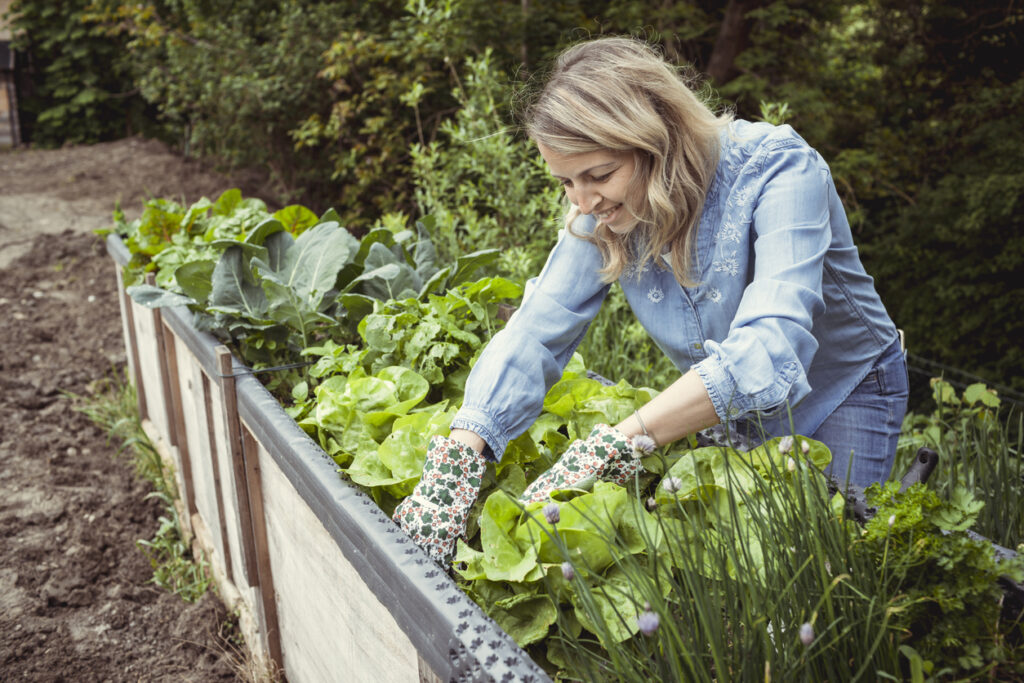
Gardening provides a fantastic form of low-impact exercise that doesn’t feel like a chore because you’re focused on the plants rather than the physical effort. Digging, planting, weeding, and harvesting all provide different types of movement that help maintain flexibility and strength.
Unlike gym workouts that some people struggle to maintain, gardening exercise comes naturally as part of caring for your plants, and you can adjust the intensity based on your fitness level. Plus, you get something delicious to eat as a reward for your efforts.
10. You reduce packaging and food waste significantly.
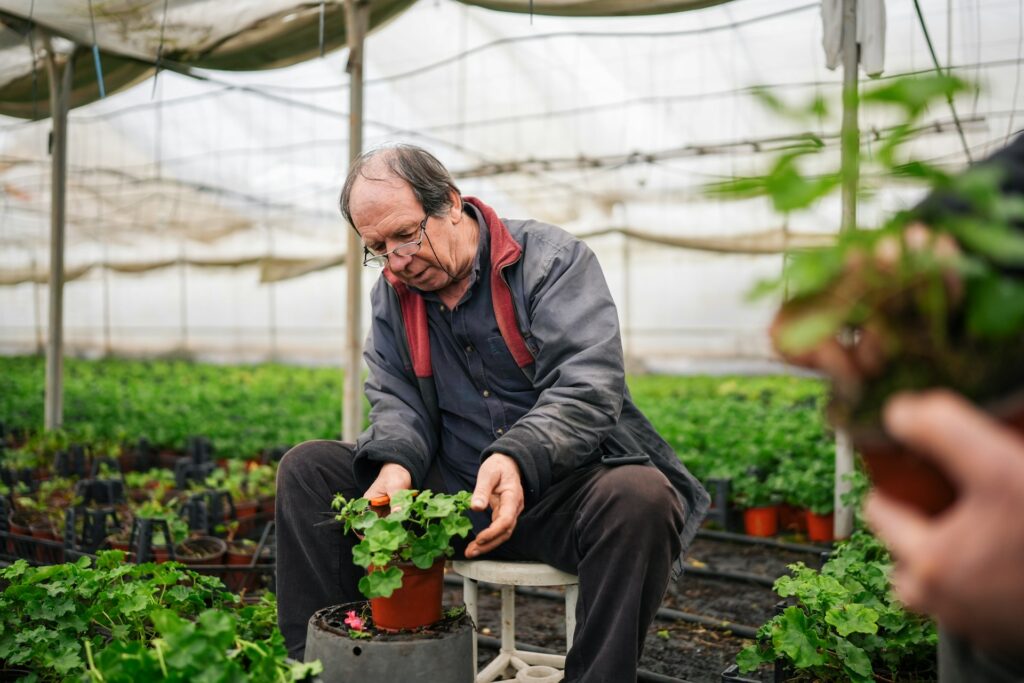
Homegrown vegetables come without any packaging, eliminating the plastic bags and containers that contribute to household waste. You can also harvest exactly what you need, rather than buying predetermined quantities that might go off before you use them.
When you have a glut of produce, you can preserve it or share it with neighbours, ensuring that very little goes to waste. Many gardeners find their overall food waste drops dramatically when they grow their own produce.
11. Fresh herbs transform your cooking.
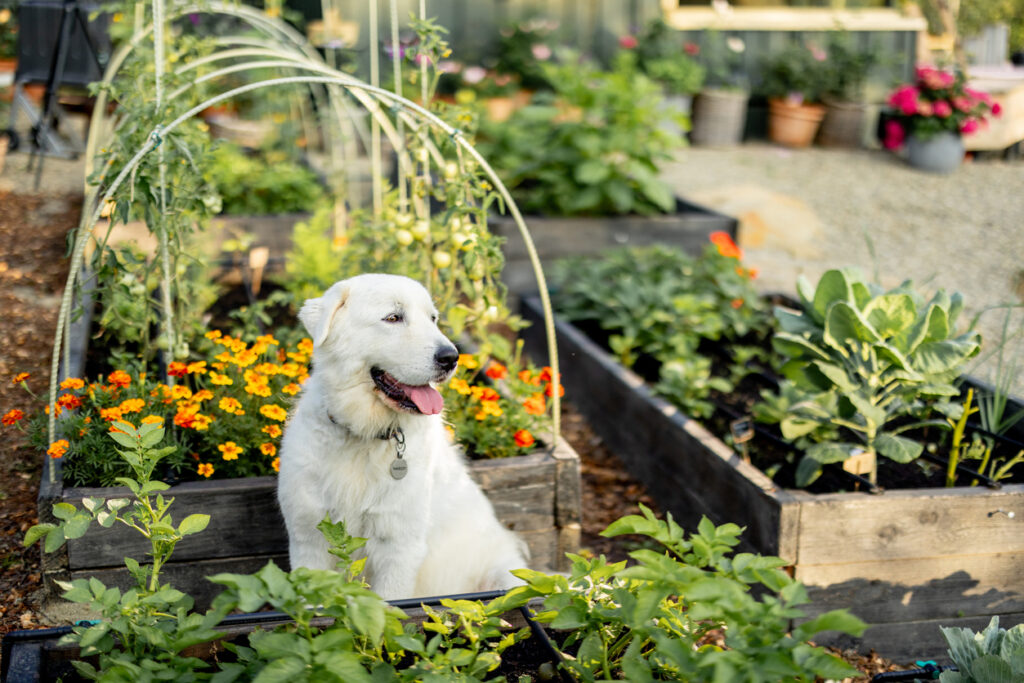
Having fresh herbs growing outside your kitchen door completely changes how you cook, making it easy to add fresh flavours to meals without the expense of buying packets that often go off before you use them all. Fresh herbs are expensive to buy, but incredibly cheap and easy to grow.
You can step outside and snip exactly what you need for each dish, ensuring maximum flavour whilst encouraging you to experiment more with different herbs and cuisines. Many cooks find that growing their own herbs dramatically improves their cooking and makes meal preparation more enjoyable.
12. It’s incredibly satisfying and rewarding.
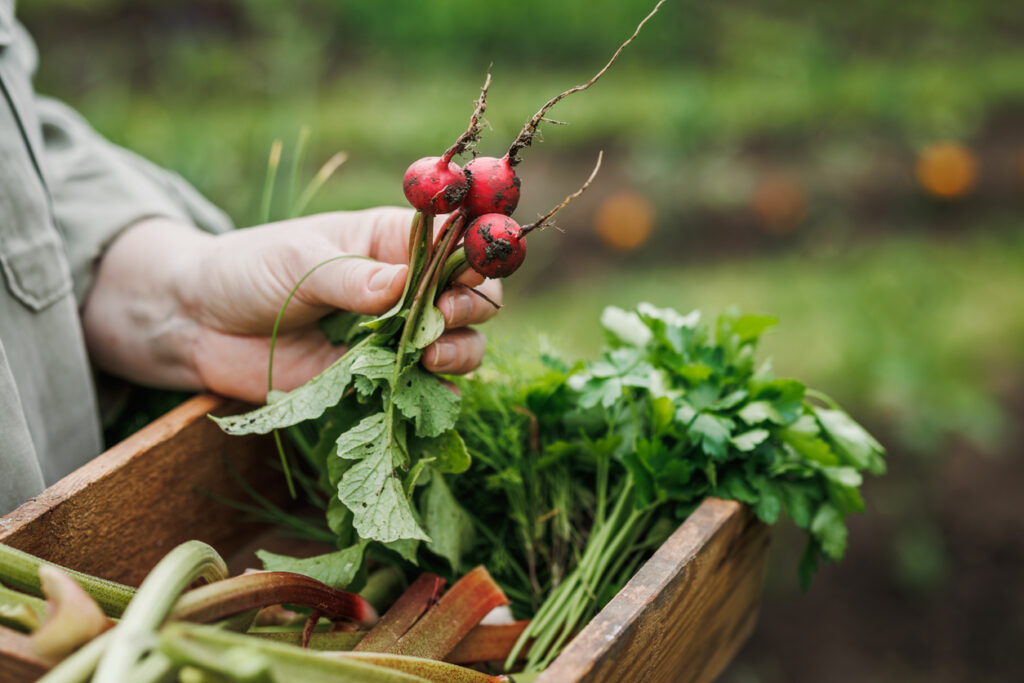
There’s a deep sense of satisfaction that comes from eating food you’ve grown yourself, from planting the first seed to the final harvest. This satisfaction goes beyond just having free vegetables, it’s about connecting with the fundamental process of growing food.
Children particularly benefit from this connection, learning where food actually comes from and developing an appreciation for fresh vegetables when they’ve been involved in growing them. Many families find that homegrown vegetables are the only way they can get their kids to eat their greens willingly.
13. You’re contributing to local ecosystems.
Garden spaces that include food plants, especially when grown organically, provide habitat and food sources for beneficial insects, birds, and other wildlife that support local ecosystems. Even small gardens can make a meaningful contribution to urban biodiversity.
Growing heritage varieties also helps preserve genetic diversity in our food system, which has become worryingly narrow as commercial agriculture focuses on just a few high-yielding varieties. Every gardener who grows unusual varieties is helping maintain resources that future food security depends on.