Species that disappeared from Britain generations ago are finally returning, and the change is more significant than most people realise.

For decades, the landscape has felt emptier. Many of the animals that shaped British forests, rivers, and coastlines were hunted out of existence or pushed aside as land was taken for farming and industry. Now, scientists, conservation groups and even local communities are working to bring them back. Not as a romantic gesture, but because restoring native wildlife could help repair ecosystems, strengthen biodiversity, and even protect us from flooding and soil erosion.
These reintroductions are not happening in remote reserves behind locked gates. They are happening on farmland, along rivers, in woodlands and sometimes right next to towns. The return of certain animals is changing how land behaves, how water flows, and how other species survive. A single reintroduction can set off a chain reaction that benefits insects, birds, mammals, and even the quality of soil and water. Here are some of the creatures making their way back into the country.
1. Beavers are building dams again.
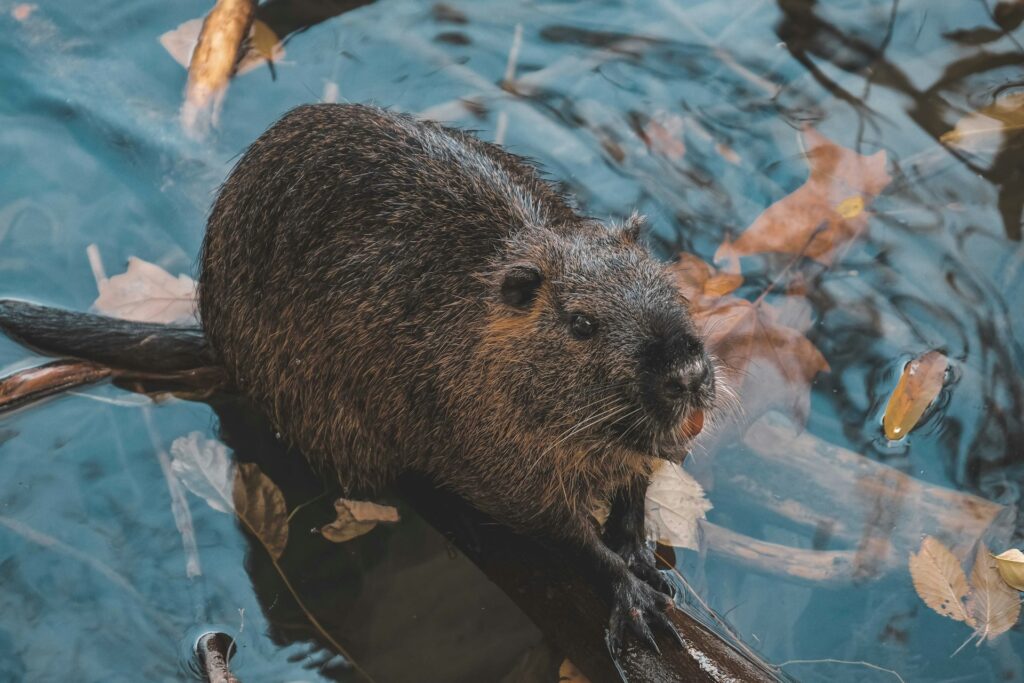
Beavers were once widespread across Britain. They disappeared around the 16th century due to overhunting. Today, carefully managed reintroductions are showing what we lost when they vanished. Beavers build dams that create ponds and slow down rivers. This reduces flooding downstream and creates habitats for amphibians, insects, and fish.
Water held behind a beaver dam sinks into the ground, restoring wetlands and improving water quality. Farmers living near trial sites in Devon and Scotland have seen heavier rain events cause less damage than before because beavers naturally spread and slow the water.
2. White-tailed eagles are soaring over English coasts.
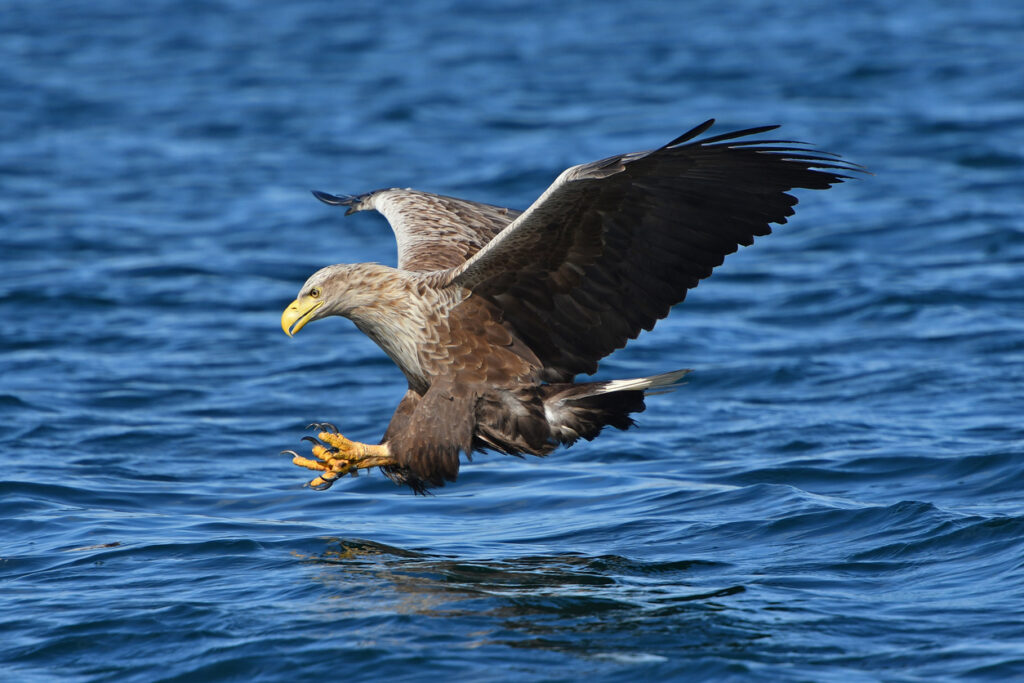
Often called sea eagles, these enormous birds were driven out by persecution. Their wingspan can reach nearly two and a half metres. After a successful reintroduction to Scotland, they are now appearing over the Isle of Wight and other parts of the south coast. They bring something more than a comeback story. Their return increases tourism in those areas, and they help keep ecosystems balanced by preying on sick or weak animals. Seeing one glide overhead leaves people quiet in a way that few modern experiences can.
3. Pine martens are reclaiming English woodlands.
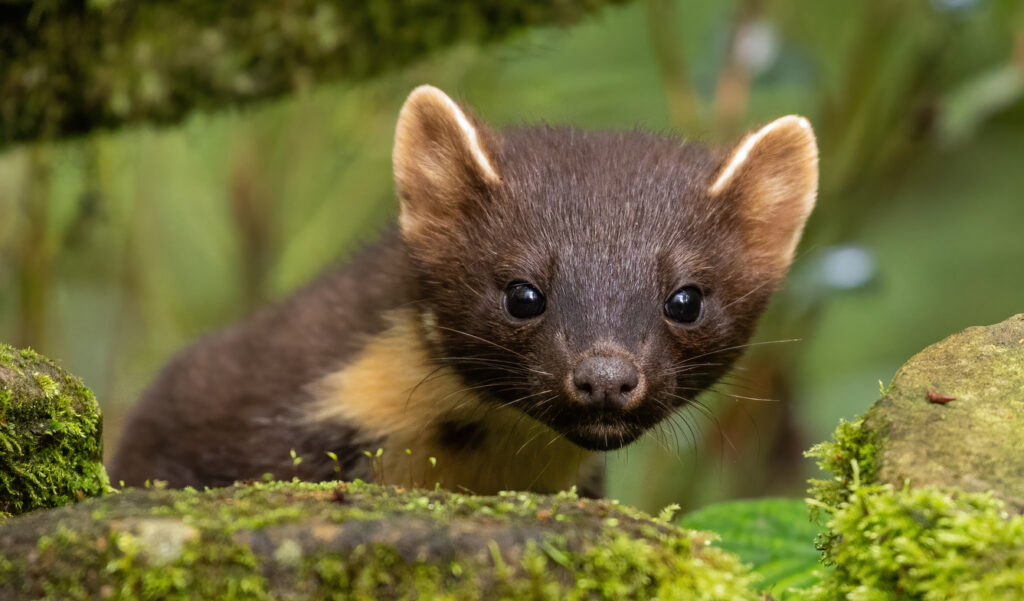
These cat-sized members of the weasel family were nearly wiped out by Victorian gamekeepers. They survived in small pockets of Scotland and Wales, and are now being reintroduced to England. Pine martens help control grey squirrel populations, which could benefit native red squirrels. Their comeback is quietly reshaping forest ecosystems across the country.
4. Red kites are circling above towns and cities.

Once so rare they nearly vanished completely, red kites are now common sights over much of England and Wales. Reintroduction programmes in the 1980s and 90s brought them back from the brink. You can spot these fork-tailed raptors soaring over motorways and suburban areas. They’ve gone from one of Britain’s rarest birds to one of its biggest conservation success stories.
5. Cranes are nesting in British wetlands again.
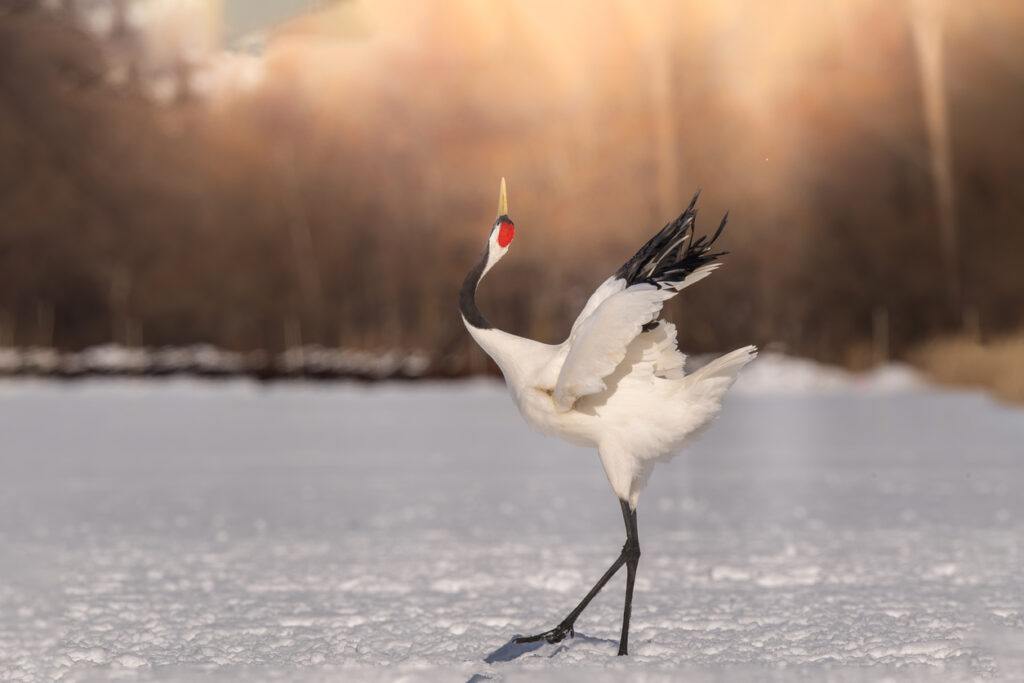
Common cranes disappeared as breeding birds in the 1600s when their wetland habitats were drained. They started returning naturally in the 1970s, and releases have boosted their numbers. These elegant, tall birds are now breeding in several locations across England. Their haunting calls are being heard in places that haven’t known cranes for 400 years.
6. Wild boar are rooting through forests.

Britain’s wild boar were hunted to extinction centuries ago, but escapees from farms have established breeding populations in several areas. The Forest of Dean now has a thriving wild boar community. They’re controversial because they dig up gardens and farmland, but they also help forests by turning soil and spreading seeds. Whether people want them back or not, they’re here.
7. Large blue butterflies are flying in the Cotswolds.
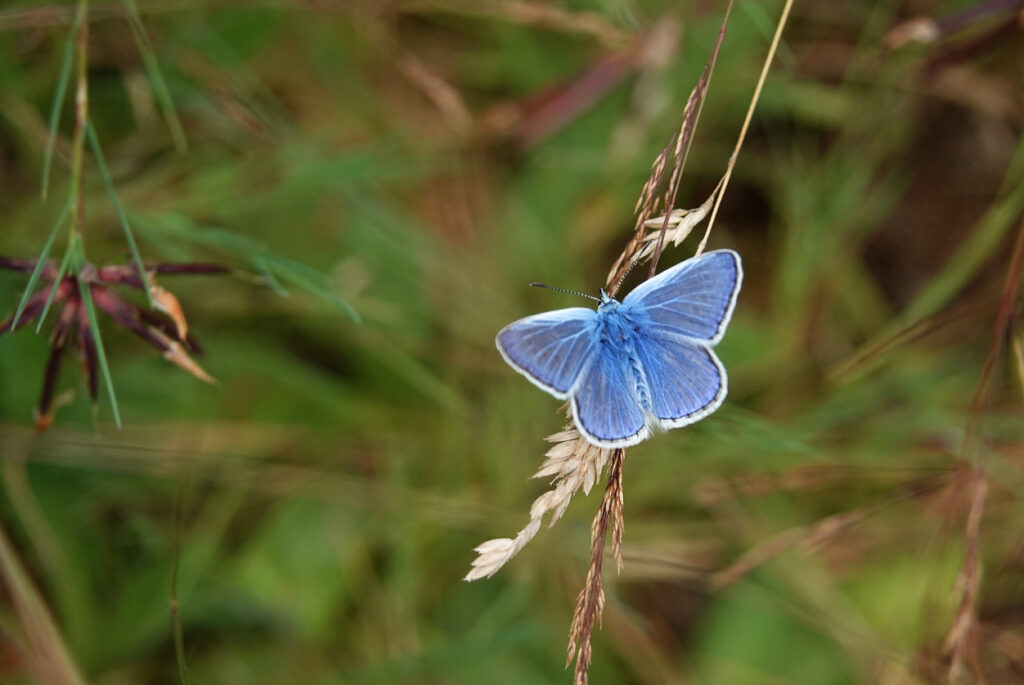
This butterfly went extinct in Britain in 1979 when its very specific habitat needs weren’t understood. Scientists figured out its complex lifecycle and successfully reintroduced it from Sweden. Large blues need wild thyme plants and particular ant species to survive. Their return proves that even species with complicated requirements can recover with proper knowledge.
8. Water voles are reappearing along riverbanks.
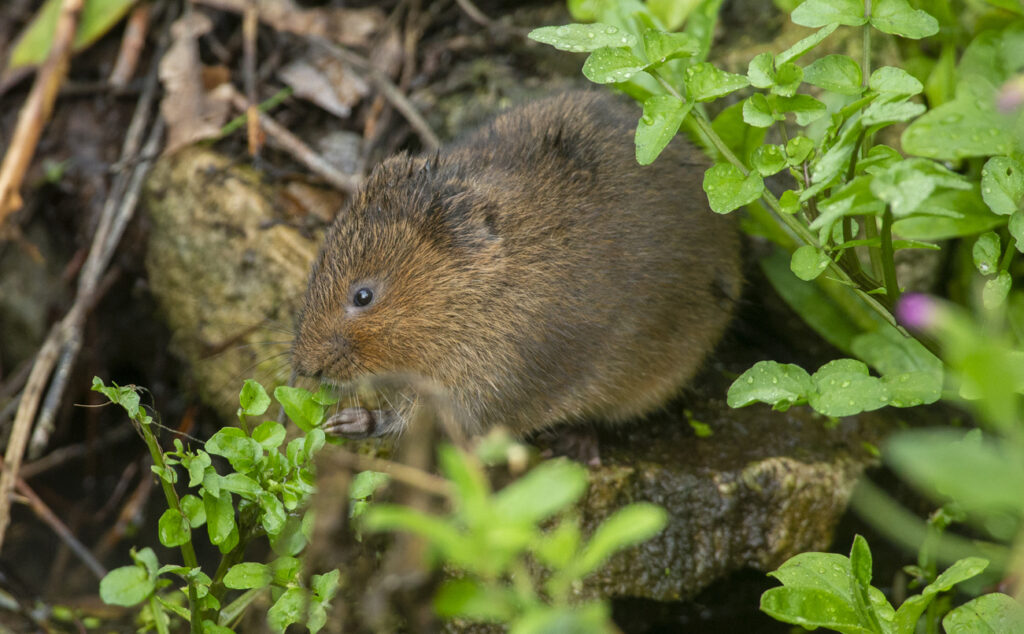
Made famous by Ratty in Wind in the Willows, water voles declined by over 90% due to habitat loss and American mink predation. Targeted conservation work is bringing them back. Projects that control mink and restore riverbanks are seeing water voles return. In some areas, these characterful little mammals are thriving again after years of absence.
9. Short-haired bumblebees are buzzing in Kent.

This bee became extinct in Britain in 1988 as wildflower meadows disappeared. Conservationists brought queens from Sweden and released them in areas where wildflowers had been restored. The project took years of preparing habitat before reintroduction could even be attempted. It shows that bringing species back requires fixing the reasons they disappeared first.
10. Pool frogs are croaking in Norfolk.
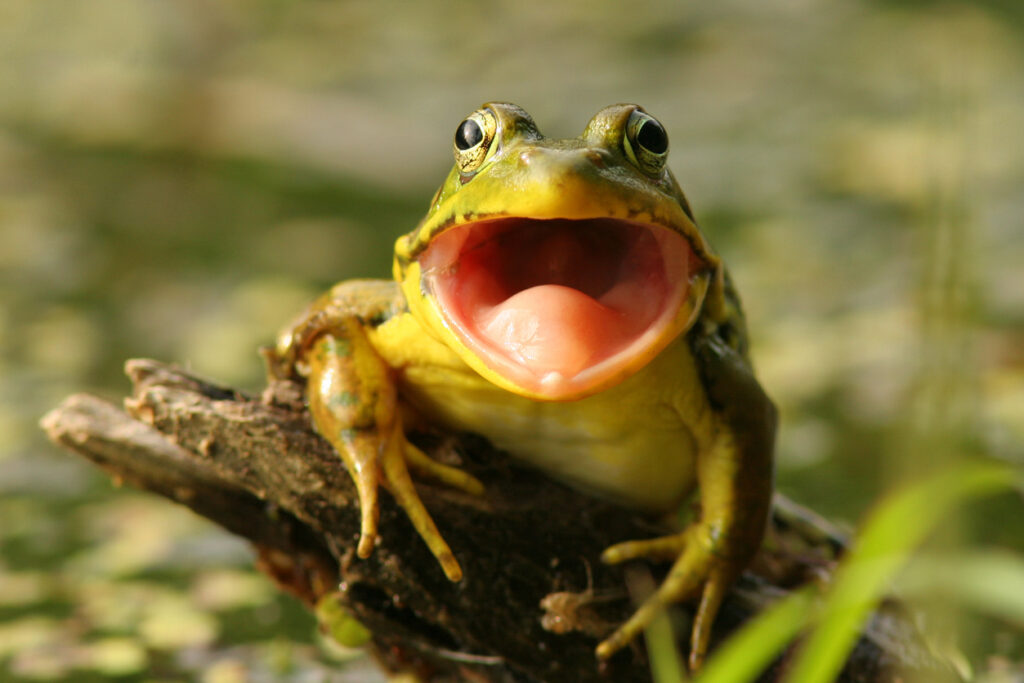
Britain’s only native pool frogs died out in the 1990s. DNA studies revealed that Swedish pool frogs were genetically identical to Britain’s lost population, allowing for reintroduction. They’re now breeding successfully in carefully managed ponds. This small frog’s return demonstrates that even species extinct for decades can make comebacks.
11. Ospreys are fishing in English rivers.
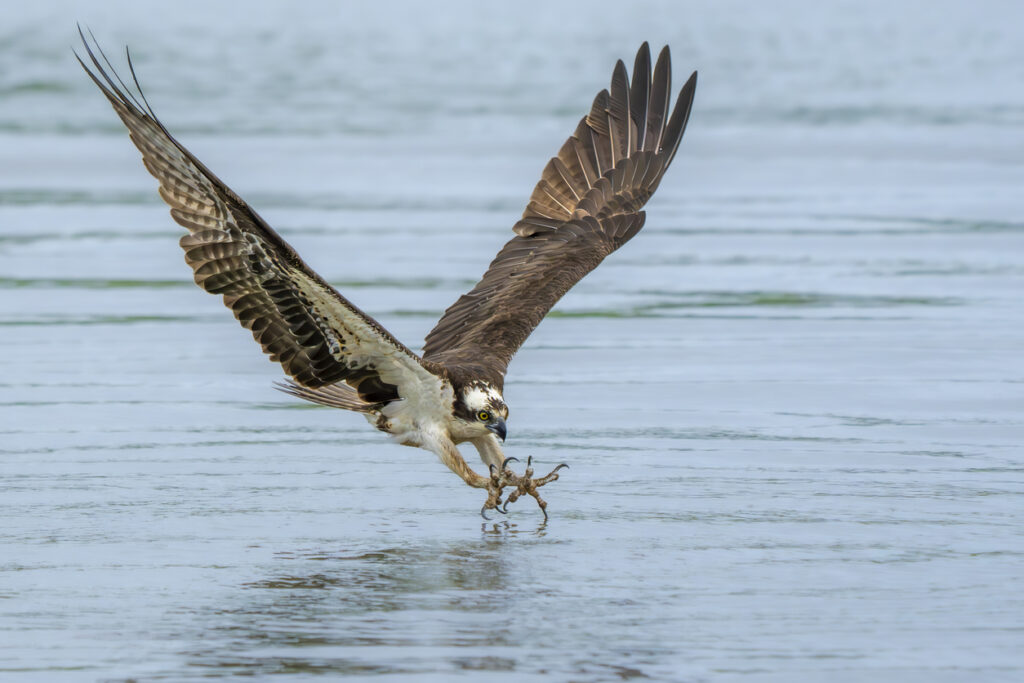
These fish-eating raptors were persecuted to extinction in England by the early 1900s. They naturally recolonised Scotland, and have slowly been spreading south again. Ospreys now nest in several English locations and are spotted regularly during migration. Their spectacular diving catches are becoming a more common sight over British lakes and rivers.
12. White storks are nesting in Sussex.
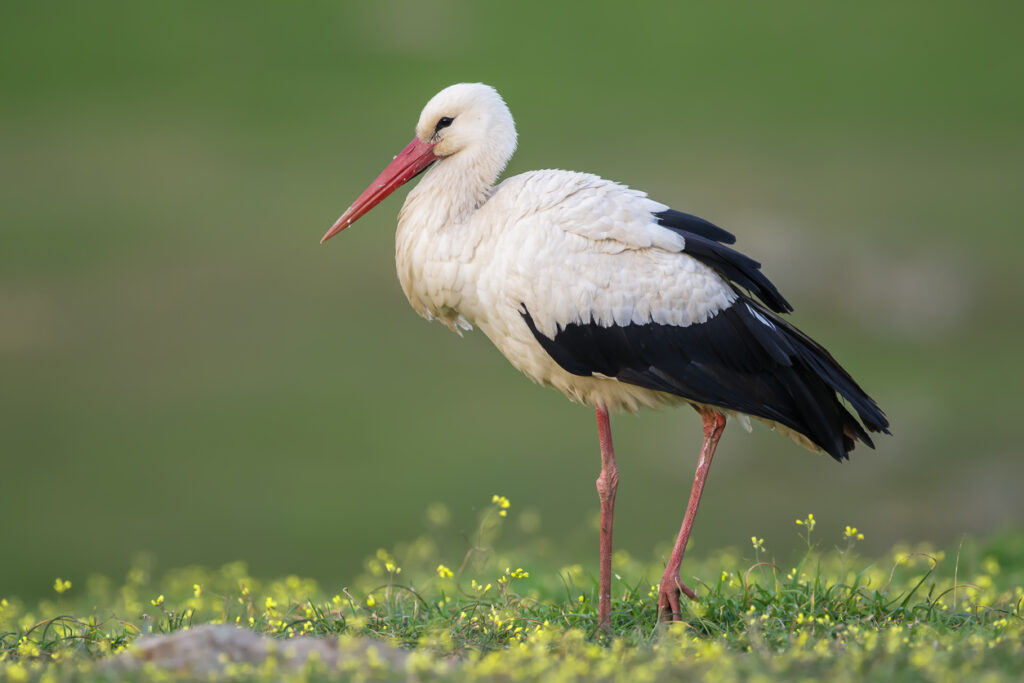
Storks last bred in Britain in the 1400s, when they nested on rooftops and church towers. A project at Knepp Estate in Sussex is establishing a breeding population using birds from Poland. Young storks are already migrating to Africa and returning, just as their ancestors did centuries ago. Britain could soon have regular breeding storks for the first time in 600 years.
13. Wildcat genes are surviving in Scottish Highlands.
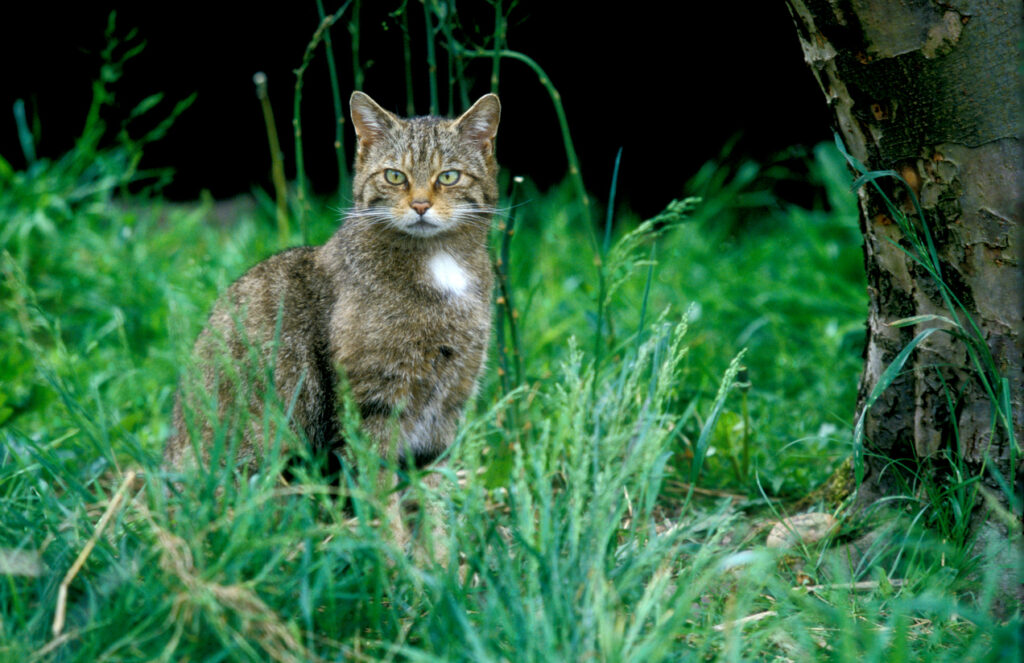
Scottish wildcats are nearly extinct, with only a handful of pure individuals left. They’ve interbred heavily with domestic cats, diluting their unique genetics. Conservation breeding programmes are trying to save pure wildcats by carefully managing genetics and releasing cats into protected areas. It’s a last-chance effort to prevent Britain losing its only native cat species entirely.