
Ben Nevis might sound like a gentle Scottish hill compared to Everest, but this 4,413-foot mountain in the Scottish Highlands has a death rate that would shock most people who think height equals danger. The deceptively friendly looking peak kills more climbers per year than the world’s tallest mountain, proving that underestimation can be far deadlier than obvious extreme conditions. Here are just some of the fascinating facts about UK’s most beloved mountain.
1. Ben Nevis looks harmless but hides lethal conditions.
From the bottom, Ben Nevis appears like a manageable day hike that anyone in decent shape could handle. Its friendly appearance lures unprepared hikers who treat it like a walk in the park rather than a serious mountaineering challenge that can turn deadly within hours.
Never judge a mountain’s danger by its height or initial appearance. Ben Nevis’s relatively modest elevation compared to Alpine peaks creates false confidence that has cost many climbers their lives when conditions deteriorate rapidly.
2. The weather changes from pleasant to deadly in minutes.
Scottish weather is notoriously unpredictable, and Ben Nevis sits directly in the path of Atlantic storm systems that can bring hurricane-force winds, blizzards, and zero visibility without warning. Climbers start in sunshine and find themselves in life-threatening conditions before they can retreat.
Always check weather forecasts and be prepared to turn back at the first sign of deteriorating conditions. The mountain will be there tomorrow, but you might not be if you push forward into dangerous weather just to reach the summit.
3. The tourist path becomes a death trap in winter.
The standard “tourist path” up Ben Nevis is well-marked and relatively safe in summer, but winter transforms it into a technical mountaineering route requiring ice axes, crampons, and advanced skills. Many climbers attempt the same summer route in winter conditions and get into serious trouble.
Understand that winter climbing on Ben Nevis is completely different from summer hiking. If you’re not trained in winter mountaineering techniques and properly equipped with technical gear, wait for better conditions or choose a different mountain.
4. Rescue services can’t always reach you in time.
Ben Nevis’s remote location and frequently harsh conditions often prevent helicopter rescues or quick ground evacuations. Mountain rescue teams are excellent, but they’re dealing with extreme terrain and weather that can delay rescue efforts for hours or even days.
Carry emergency equipment and know how to use it because help might not arrive quickly enough to save you. Self-rescue skills and proper gear are your primary safety net, not the assumption that someone will come get you if things go wrong.
5. Hypothermia kills faster than altitude sickness.
While Everest climbers worry about oxygen levels and altitude sickness, Ben Nevis kills through hypothermia and exposure. The combination of wind, cold, and wet conditions can cause rapid heat loss that impairs judgment and leads to fatal decisions.
Learn to recognize early signs of hypothermia in yourself and others, and carry proper insulation and emergency shelter. Getting cold and wet on Ben Nevis can progress to life-threatening hypothermia much faster than most people realize.
6. Navigation becomes impossible when visibility drops.
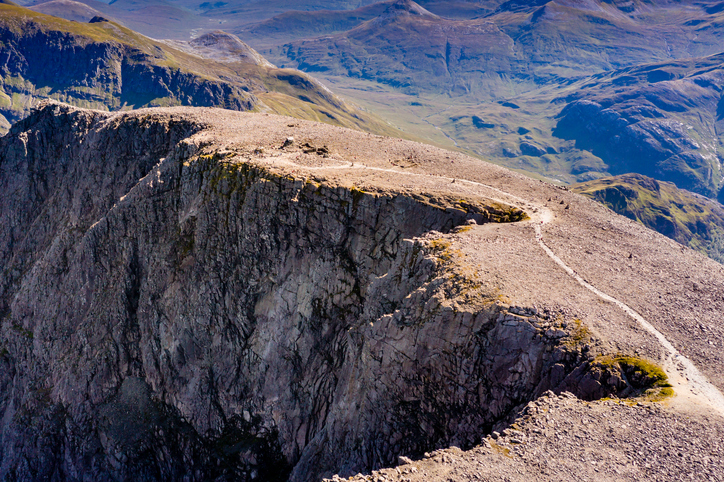
Ben Nevis is notorious for sudden cloud cover that reduces visibility to just a few feet, making it easy to walk off cliffs or become completely lost. The plateau near the summit is particularly dangerous because there are few landmarks and several cliff edges.
Master navigation with map and compass before attempting Ben Nevis, and practice in poor visibility conditions. GPS can fail or run out of battery, but traditional navigation skills will always work if you know how to use them properly.
7. Overconfidence from easy access proves deadly.
Unlike remote peaks that require expedition planning, Ben Nevis is easily accessible by car, creating a false sense that it’s not a serious mountain. This easy access encourages spontaneous attempts by unprepared climbers who underestimate the risks.
Treat Ben Nevis with the same respect and preparation you’d give to any serious mountain. Easy access doesn’t mean easy climbing, and the mountain doesn’t care how you arrived at its base when conditions turn dangerous.
8. The descent claims more victims than the ascent.
Most accidents on Ben Nevis happen during descent when climbers are tired, weather has deteriorated, and daylight is fading. People focus on reaching the summit and don’t save enough energy or time for a safe return trip.
Plan your climb so that reaching the summit is only halfway done, not the finish line. Turn back early if conditions are marginal because the descent requires just as much attention and energy as the way up.
9. Summer conditions can still be life-threatening.
Even in summer, Ben Nevis can experience snow, freezing temperatures, and severe storms that catch unprepared hikers off guard. The summit is often 20-30 degrees colder than the base, and weather can change dramatically with elevation.
Always pack winter gear even for summer climbs, including warm clothes, waterproofs, and emergency equipment. The difference between a great day out and a survival situation often comes down to having the right gear when conditions deteriorate.
10. Prevention beats heroic rescue attempts.
Most Ben Nevis fatalities are preventable through proper preparation, appropriate gear, realistic assessment of conditions, and willingness to turn back when necessary. Heroic summit pushes in marginal conditions account for many of the mountain’s casualties.
Accept that sometimes the best climbing decision is not to climb. Turning back when conditions are questionable might feel disappointing, but it’s far better than becoming another statistic on Britain’s deadliest mountain.