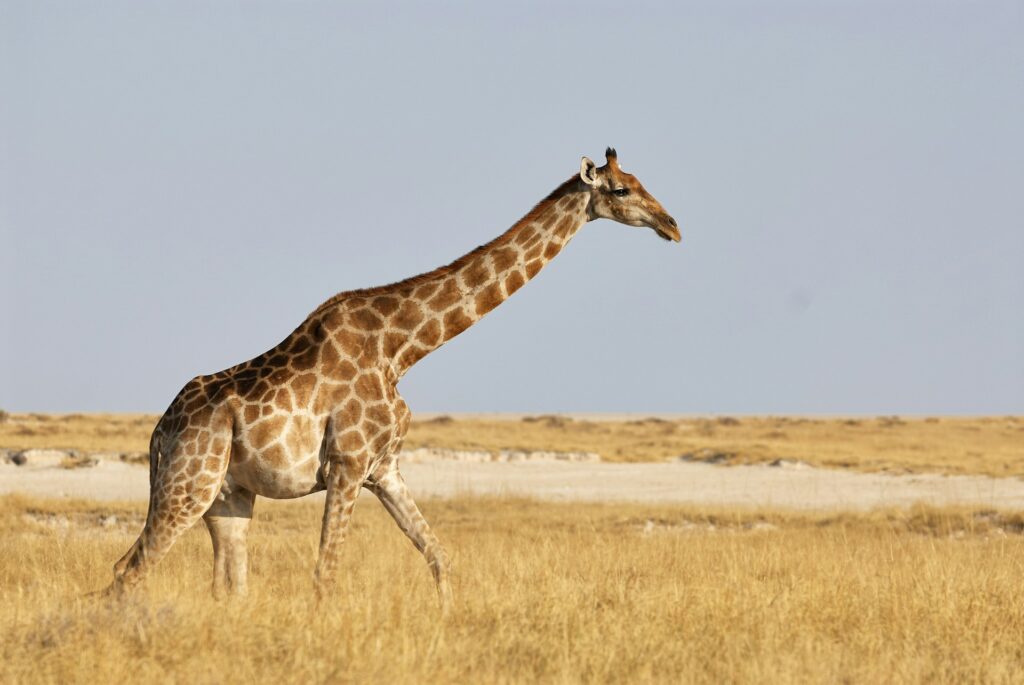
Giraffes might look like a design experiment that got out of hand, but every inch of their towering bodies is built for survival. From their extra-long necks to their gravity-defying blood pressure, giraffes have evolved into some of the most specialised mammals on the planet. Living high above the savannah gives them plenty of advantages, but it also comes with serious challenges. Here’s how they’ve figured out not just how to live tall, but how to absolutely own it.
Their hearts are seriously powerful.
A giraffe’s heart has to work overtime just to pump blood all the way up that long neck and into the brain. It’s about 2 feet long and weighs around 11 kg, with thick walls and high pressure that would make a human’s head spin. This pressure system means their blood moves efficiently, but it also means they need special valves and tight skin in their legs to stop it from pooling downward. It’s like a built-in compression system, designed to beat gravity at its own game.
Their necks are long, but not ridiculously flexible.
Giraffes have seven neck vertebrae, just like humans, but each one can be over 10 inches long. That gives them their iconic reach, but it also limits certain movements. They can’t twist or bend like smaller animals can. That said, their necks are still powerful tools for reaching high leaves, spotting predators, and even battling other giraffes in dramatic neck-swinging duels known as “necking.”
They’ve got a clever way of bending down without fainting.
When giraffes lower their heads to drink water, they’re fighting gravity in reverse. The sudden drop in head height could cause blood to rush dangerously, but their bodies have adapted with a network of valves to control flow and prevent a blackout. This system keeps their brains safe while they take a drink, though they still do it quickly and cautiously, since bending down leaves them vulnerable to predators.
Their long legs aren’t just for running. They also help regulate heat.
Being tall means more surface area, and giraffes use that to their advantage. Their long limbs help them release heat and stay cooler in the scorching savannah sun. They’ve also got patches of skin that work like thermal windows, where blood can circulate closer to the surface to cool down. Basically, their whole body helps them cope with intense heat.
Their tongues are built for browsing.
Giraffes use their 18–20 inch prehensile tongues like a second hand. They’re tough, flexible, and dark-coloured (usually black or purple) to protect against sunburn during long stretches of leaf-pulling. They mainly eat acacia leaves, which are spiky and tough, but their tongues and lips are tough enough to handle the thorns. It’s slow eating, but highly efficient.
Their height gives them the best seat in the house.
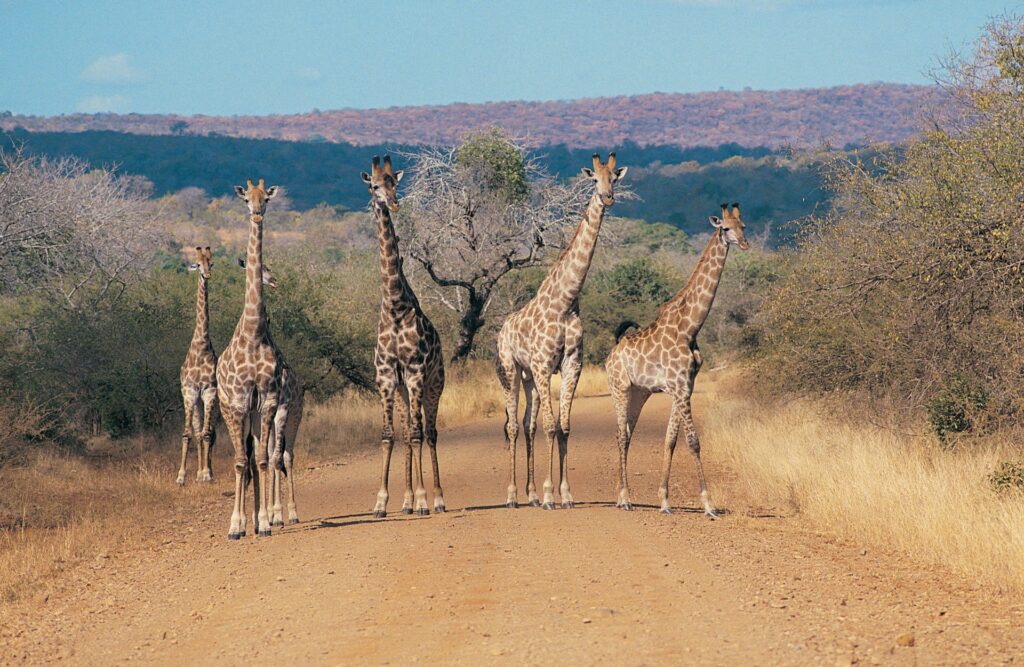
From up high, giraffes have a wide view of the landscape, which is ideal for spotting predators from a distance. Their eyesight is excellent, and they often act as an early-warning system for other animals. Their height also means they can reach food few others can, which reduces competition. It’s a risky build, but it pays off in access and awareness.
They sleep less, and usually standing up.
Giraffes only sleep about 4–5 hours a day, often in short bursts. They’ve adapted to rest while standing, especially when they’re in the open, to make a quick getaway if danger approaches. They do sometimes lie down, especially young giraffes or when they feel safe, but it’s rare. Sleeping upright isn’t ideal, but in the wild, staying alive comes before comfort.
Calves are born already 6 feet tall.
Baby giraffes don’t ease into life slowly; they drop into it. Literally. They’re born standing, and the fall from mum’s womb to the ground can be over 5 feet. Within an hour, most calves are up and walking. Their height from day one helps them blend into tall grass and spot danger early. It’s a survival game from the start, and they’re physically equipped to jump right in.
They use their height to fight—yes, fight.
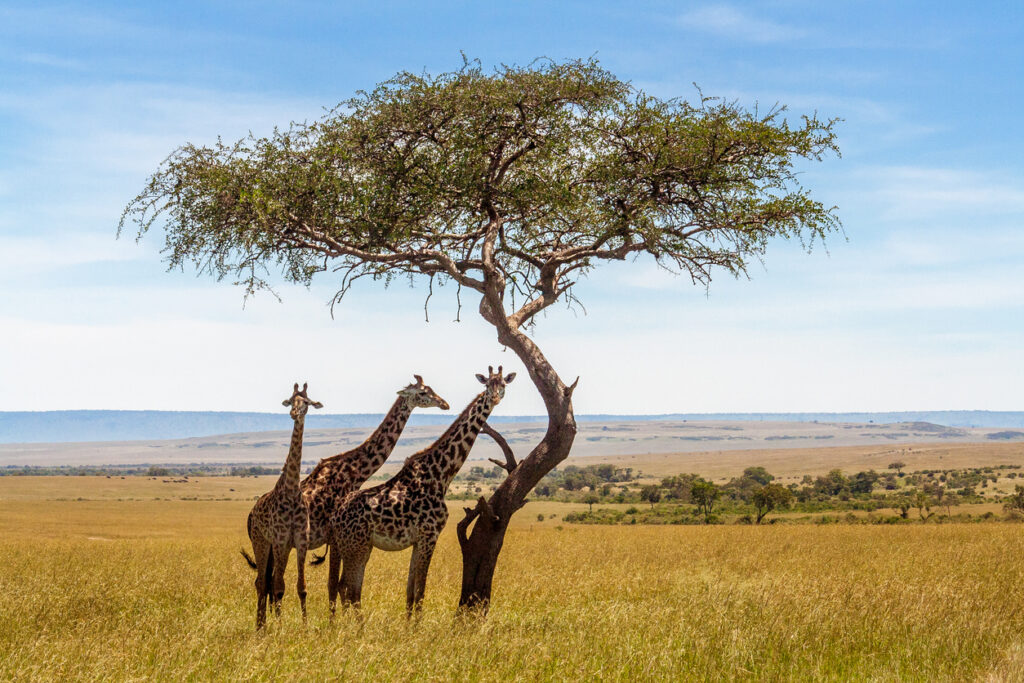
Male giraffes don’t just tower around peacefully. When competing for mates, they use their long necks as weapons, swinging them into each other in powerful, slow-motion battles that look like nature’s version of jousting. These fights can be surprisingly intense, with winners earning higher status and better mating opportunities. Despite the drama, they rarely result in serious injury.
Their bodies are gravity geniuses.
Standing over 18 feet tall means dealing with constant gravitational pressure. Giraffes manage this with a combination of tight skin on their legs, specialised valves, and a circulation system that adjusts fast to sudden movement. It’s the result of millions of years of evolution fine-tuning a body that shouldn’t really work, but somehow does, brilliantly. They don’t just survive at towering heights—they thrive.