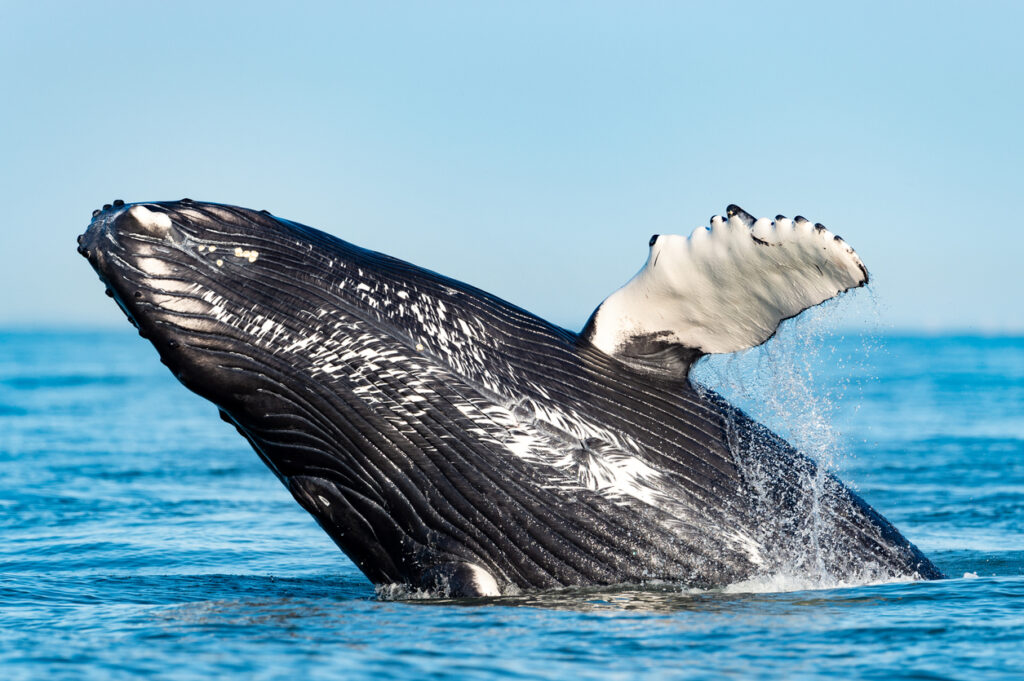
It’s not exactly glamorous, but whale poo might just be one of the most underrated forces in nature. While most of us don’t give a second thought to what comes out of the back end of a blue whale, marine scientists have found that it plays a surprisingly powerful role in keeping oceans healthy, and even helping fight climate change. Yep, it turns out that a giant floating cloud of whale waste can do a lot more than raise eyebrows. Here’s why it matters way more than you’d think.
1. It fertilises the ocean.
Whale poo isn’t just waste. It’s packed with nutrients, especially iron and nitrogen. These are things that microscopic plants in the ocean, known as phytoplankton, absolutely thrive on. When whales release their poo near the surface, it acts like a natural fertiliser, helping entire ecosystems bloom. It’s the marine equivalent of spreading compost across a hungry garden.
2. It boosts phytoplankton growth (which helps all of us).
Phytoplankton are tiny, but they’re kind of a big deal. They’re the base of the ocean’s food chain, and they’re also one of the planet’s biggest oxygen producers—yes, even more than rainforests. Whale poo helps phytoplankton multiply, which supports marine life and boosts oxygen output for us humans. So in a roundabout way, breathing easy has a bit to do with whales doing their business.
3. It helps trap carbon.
When phytoplankton grow, they absorb carbon dioxide. When they die, they sink, taking that carbon with them to the ocean floor. This process locks carbon away, preventing it from entering the atmosphere. More whale poo means more phytoplankton, which means more carbon captured naturally. It’s one of the ocean’s quietest, strangest climate heroes.
4. It feeds an entire chain of marine life.
Some parts of whale waste don’t just dissolve. Instead, they hang around, and plenty of smaller creatures are quick to take advantage. Zooplankton, fish larvae, and other tiny ocean dwellers feed directly on the nutrients or the organisms that grow from them. So that one pooping whale can trigger a cascade of life, feeding everything from jellyfish to fish to, eventually, larger predators. It’s like a slow-release buffet for the ocean.
5. It keeps nutrients in circulation.
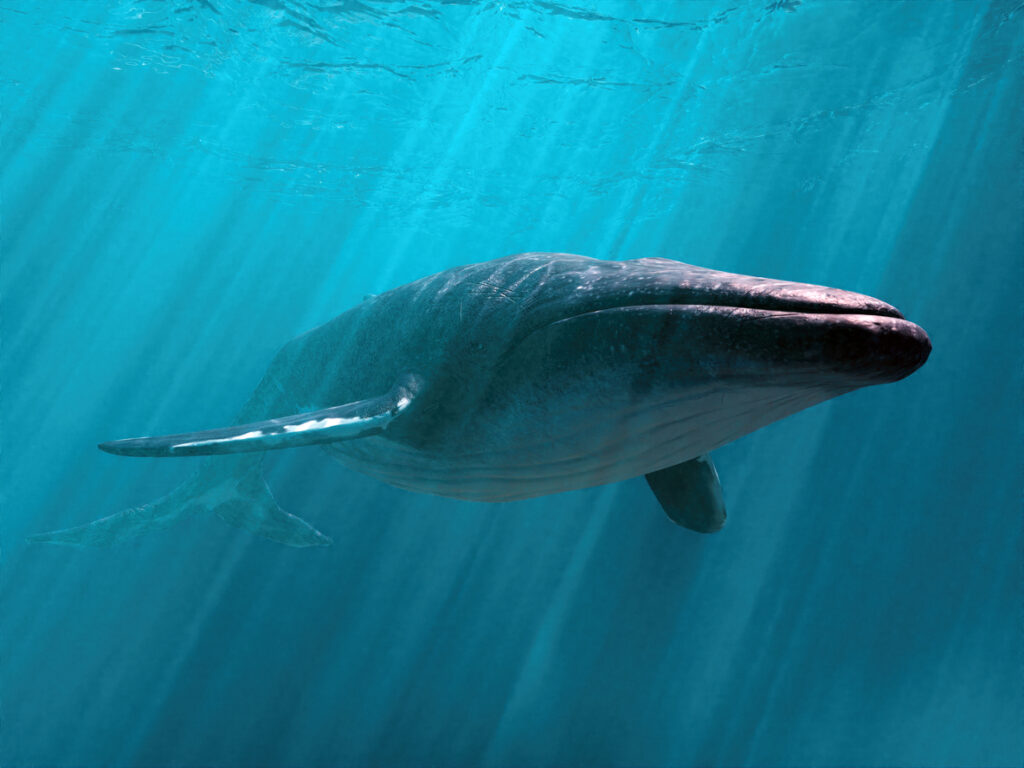
Many ocean nutrients sink quickly, ending up far below, where most marine life lives. But whales dive deep to feed and then come back up to the surface to breathe, and, conveniently, to poo. This movement helps bring nutrients back to the upper ocean layers, where sunlight powers most of the marine food chain. Without whales constantly stirring things up, those nutrients could stay locked away out of reach.
6. It connects ecosystems.
Whales migrate over thousands of miles every year. That means their poo isn’t just fertilising one spot; it’s spreading nutrients across vast ocean regions, connecting distant ecosystems in a way few animals can. They act like massive ocean gardeners, redistributing natural resources with every swim, every dive, and every… well, bowel movement.
7. It highlights how little we understand.
Whale poo has only recently started to get the attention it deserves. Scientists are still studying just how much of an impact it has on marine ecosystems, but early findings show it’s far from insignificant. It’s a reminder that nature has systems within systems, and sometimes, the bits we’d rather not think about turn out to be the most essential of all.
8. It strengthens the case for whale conservation.
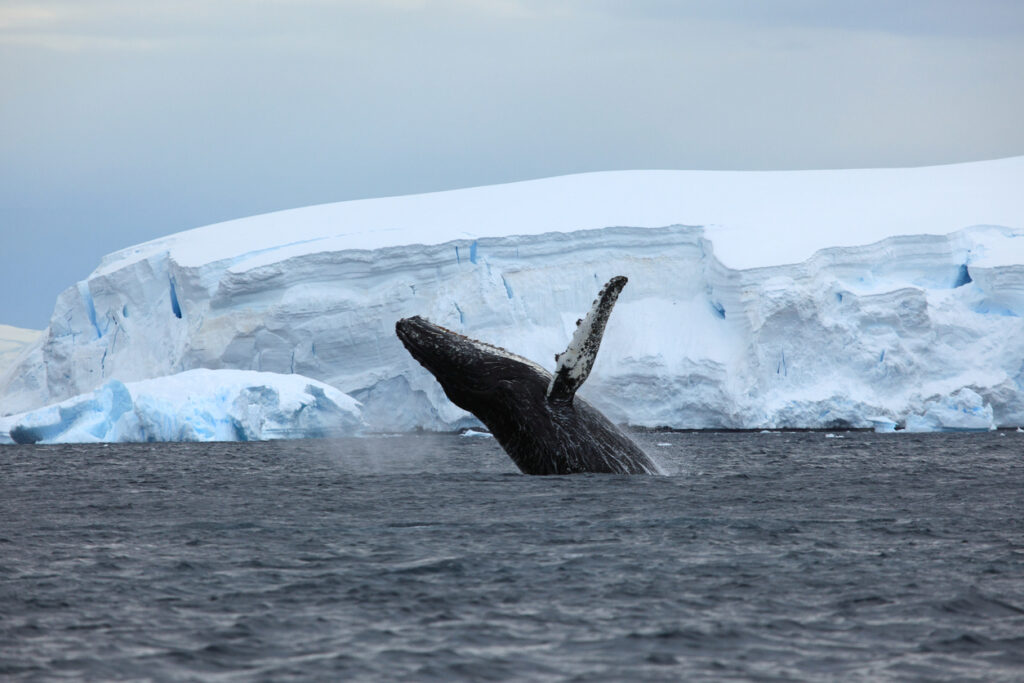
Whales were once hunted to near extinction, and their numbers are still recovering. But now that we know they also help regulate the climate and support marine life through their poo, protecting them becomes even more important. More whales means more nutrients, more phytoplankton, and better-balanced oceans. They’re more than just awe-inspiring creatures. They’re ecosystem engineers.
9. It’s a natural, sustainable system.
There’s no human invention needed, no synthetic product, just a whale doing what whales do. And yet, the impact ripples across food webs, climate systems, and global oxygen levels. In a world obsessed with high-tech climate solutions, whale poo is a brilliant reminder that nature already knows what it’s doing. We just have to stop interfering and let it work.
10. It’s a weird but wonderful symbol of interconnection.
It’s easy to forget how everything on this planet is connected. But then you learn that whale poo helps us breathe, stabilises the climate, and supports whole ecosystems, and it kind of stops you in your tracks. Something so ordinary, so often dismissed, turns out to be vital. And if that doesn’t capture the messy, brilliant logic of nature, nothing does.