There’s a common bit of butterfly wisdom that goes something like this: if you touch their wings, they’ll die.
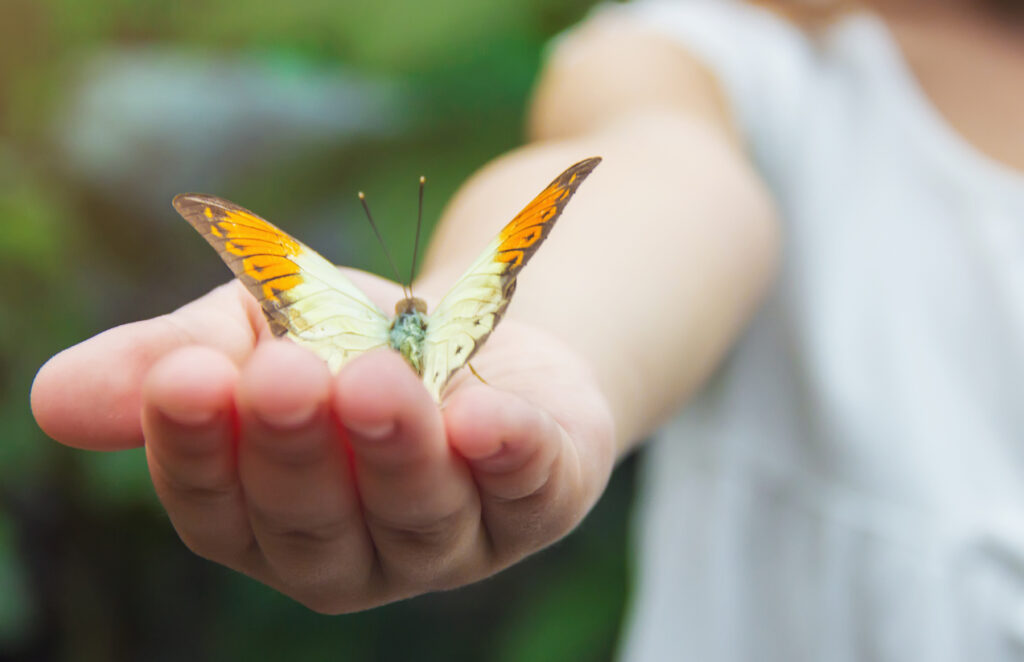
It’s often said with a mix of awe and guilt, and while the intention behind it is good (it teaches kids to be gentle), it’s not entirely accurate. Butterflies are delicate, yes, but they’re not quite that fragile. Here’s what’s really going on when you touch a butterfly’s wings, and why it matters more how than if you do.
Butterfly wings are covered in tiny scales.
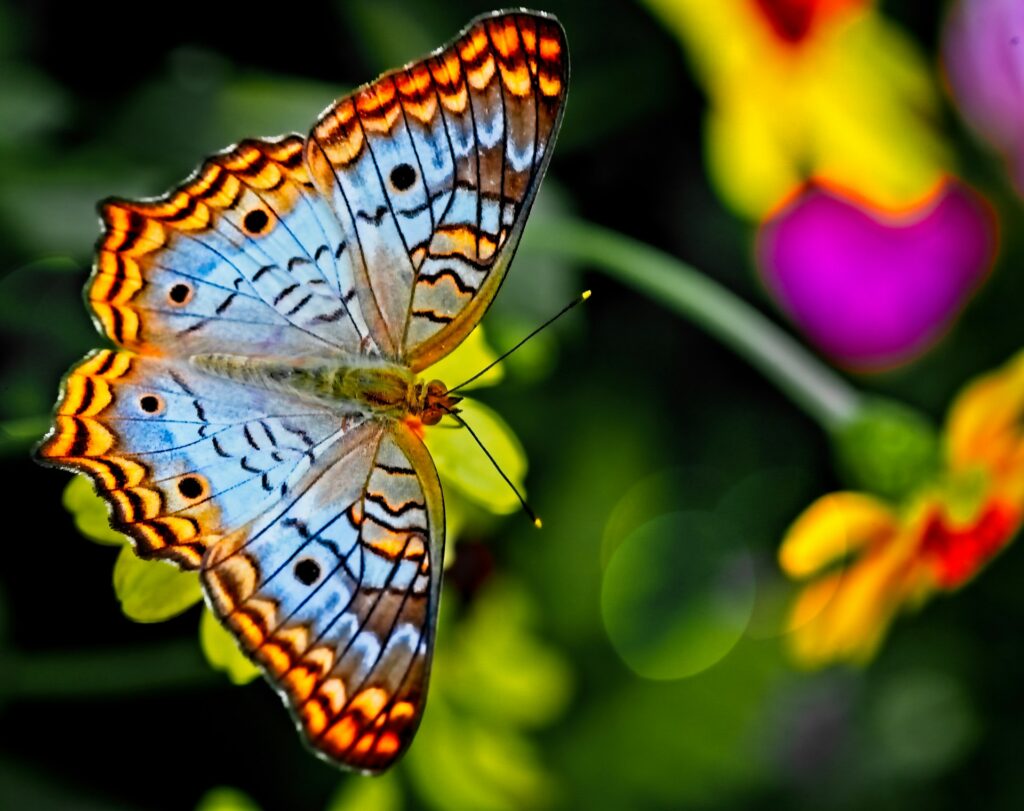
What you’re actually touching when you brush a butterfly’s wings isn’t the wing surface itself, it’s the scales. These microscopic, tile-like structures overlap like roof shingles and give butterflies their colour and patterns. They’re also what come off as that powdery residue on your fingers.
When these scales are disturbed, it can affect the butterfly’s ability to regulate temperature, blend into its surroundings, or attract a mate. But losing a few scales won’t kill it outright. It’s more of a minor setback than a death sentence. The real danger comes from how rough or careless the touch is.
No, one gentle touch won’t kill it.
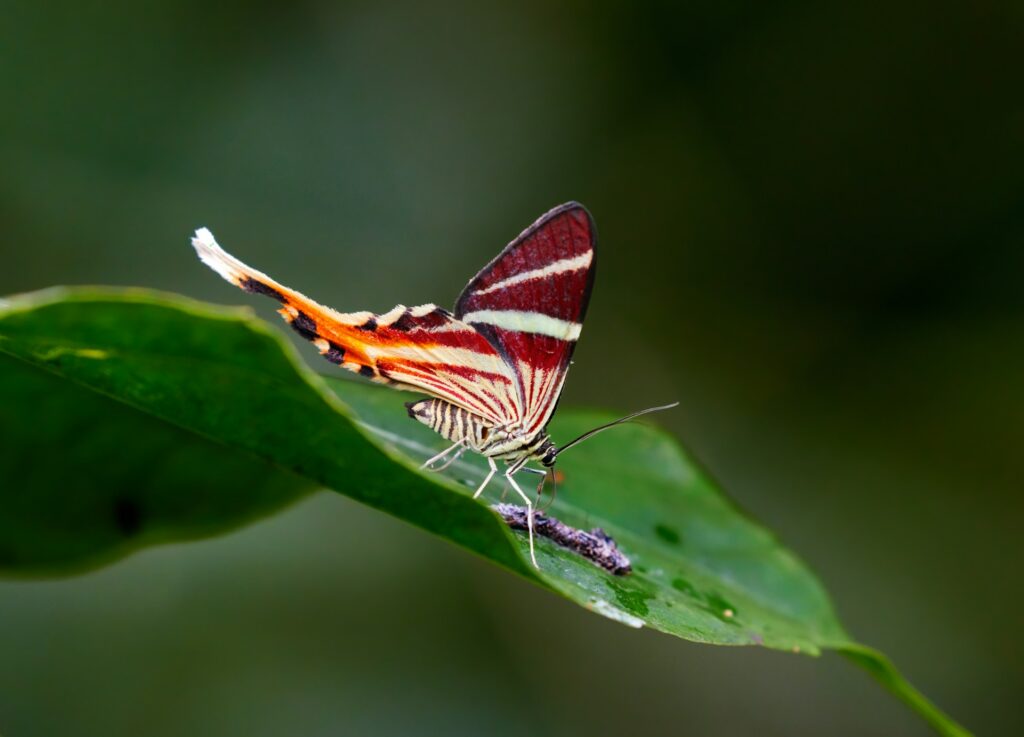
Despite the myth, simply touching a butterfly’s wings won’t cause instant death. If your fingers are clean, and you’re gentle, it might lose a few scales, but the butterfly will most likely fly away unharmed. The real risk comes from squeezing, bending, or tearing the wing membrane beneath the scales.
Think of it like bruising a leaf. A bit of contact doesn’t destroy it, but too much pressure or careless handling can cause real damage. The wing’s structure is delicate, but not instantly doomed by human skin unless there’s force or moisture involved.
Moisture from fingers can do more harm than touch alone.
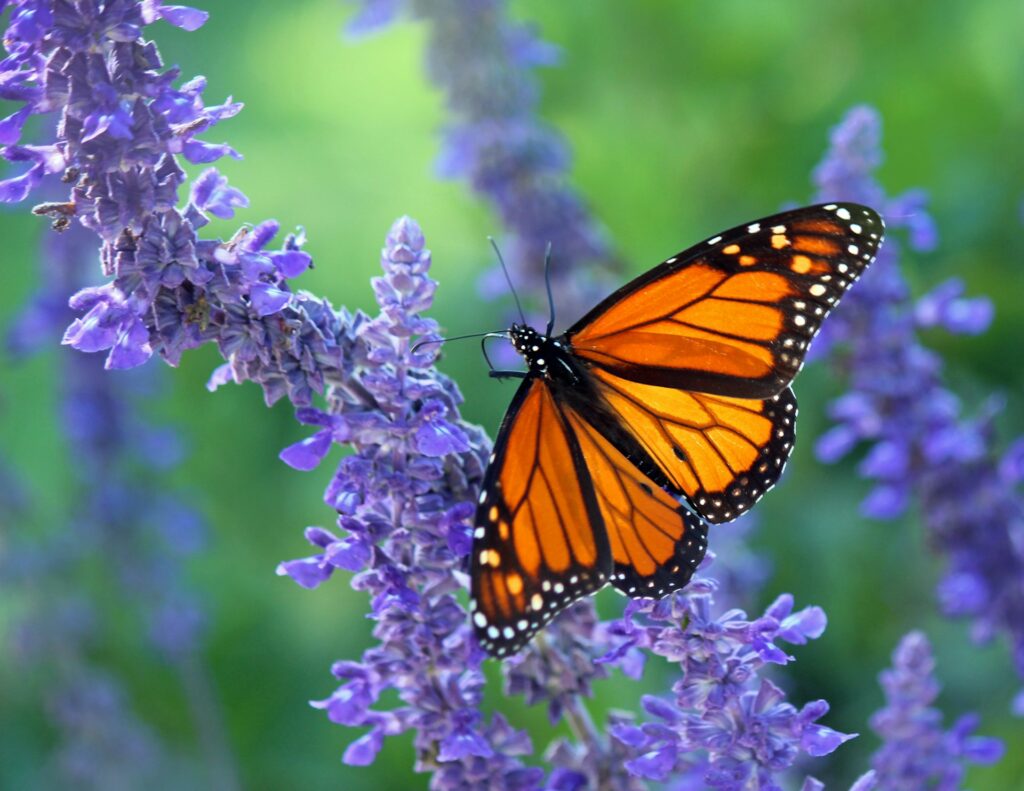
One thing that can cause issues is moisture. If your fingers are sweaty, wet, or greasy, that dampness can cause the wing’s scales to clump or stick, making flight harder. This is especially true for freshly emerged butterflies, whose wings haven’t fully hardened yet.
Dry hands are safer, but again, it’s not just about being dry, it’s about being careful. Avoid pinching or pressing. If you absolutely need to handle a butterfly, try to let it crawl onto you rather than grabbing it. That gives it more control and reduces the chance of damage.
Their wings are actually part of their skeleton.
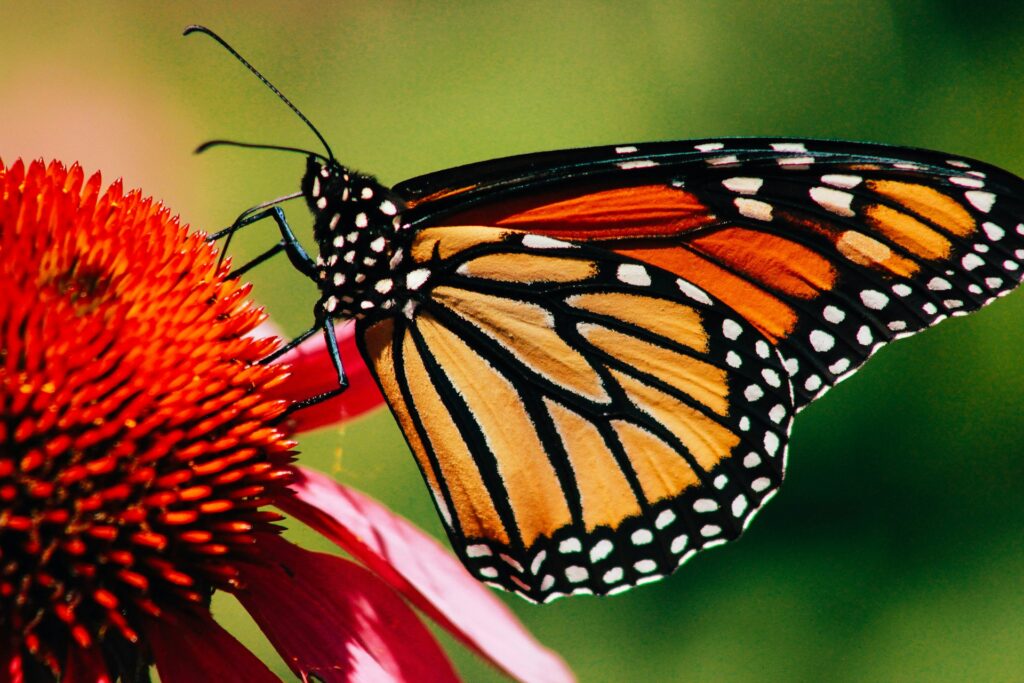
Butterfly wings aren’t just flappy bits. In reality, they’re extensions of the insect’s exoskeleton. They’re made of thin layers of chitin with internal veins that help with both structure and circulation. These veins are what give wings their shape and help distribute nutrients during development.
Damaging these veins or bending the wings can mess with their ability to fly properly. So while a lost scale or two might not matter, a crumpled or snapped vein could leave the butterfly grounded for life. It’s one of the reasons their wings need to stay smooth and flexible, not bent or folded unnaturally.
Newly emerged butterflies are most vulnerable.
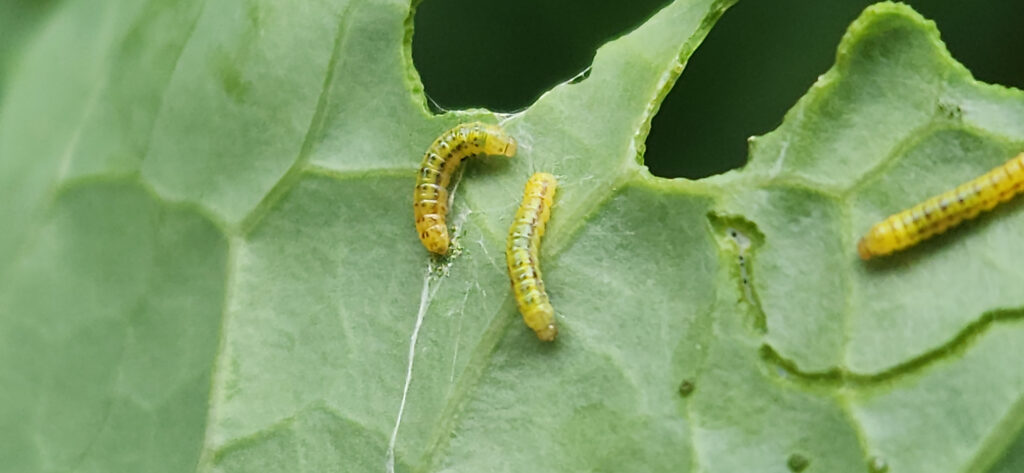
When a butterfly first emerges from its chrysalis, its wings are soft, crumpled, and wet. It has to pump fluid through the veins to expand and harden them before it can fly. Touching a butterfly during this stage is risky, even small contact can distort how the wings form.
If you’re ever helping a butterfly that’s just hatched, it’s best to avoid the wings completely and let it climb onto a stick or leaf. Once the wings are dry and open, it’s much more robust. But that initial window is delicate, and handling it at the wrong time can leave it permanently flightless.
Butterflies can fly with damaged wings, but not well.
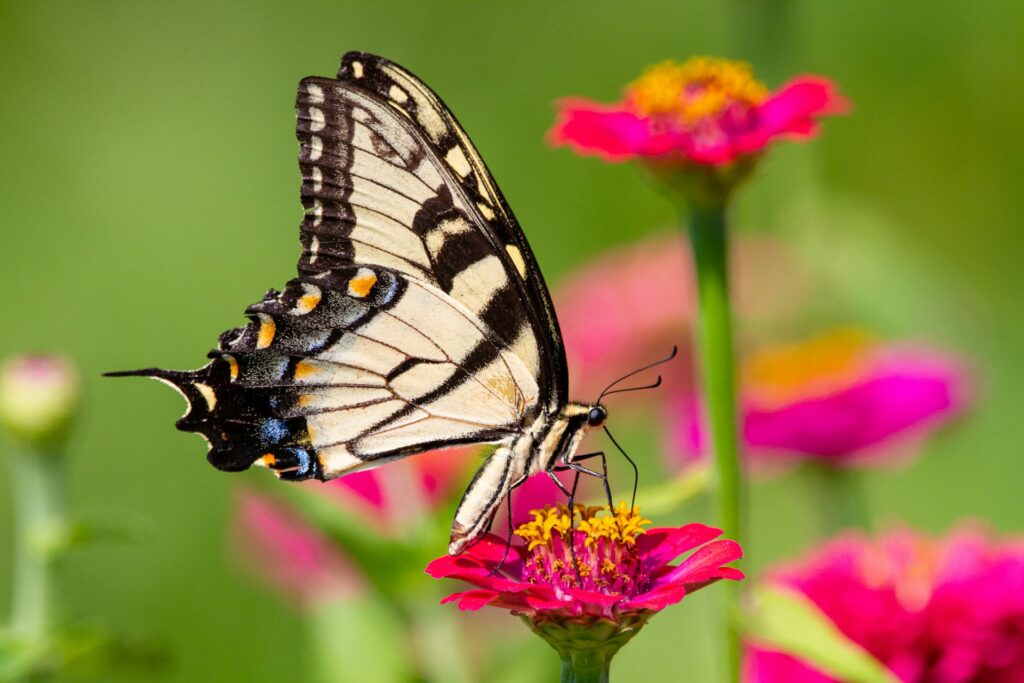
Butterflies don’t need perfect wings to fly. Many survive just fine with nicks, tears, or missing pieces. Predators, weather, and normal wear-and-tear often leave them looking a bit ragged, but they manage as long as the damage isn’t too severe or uneven.
That said, badly damaged wings can throw off balance, make takeoff difficult, or shorten their lifespan. So while it’s not instantly fatal, it can impact everything from feeding to escaping threats. A butterfly with one good wing and one mangled one is at a clear disadvantage.
Children are often told the myth to teach gentleness.

The idea that touching a butterfly will kill it likely came about as a well-meaning way to discourage rough handling, especially among kids. It’s easier to say “don’t touch, or you’ll kill it” than to explain all the nuance about scales and wing structure.
And honestly, that message does help prevent a lot of accidental harm. However, as people get older, it’s useful to swap the myth for the truth: butterflies aren’t that fragile, but they are delicate enough to deserve careful treatment if they ever do land on you.
Butterflies sometimes land on people voluntarily.

If you’ve ever had a butterfly land on your arm or hand, it probably wasn’t a coincidence. They’re attracted to salts in sweat and may stop to take a sip. In those moments, they’re choosing to be there, and as long as you stay still, you’re not hurting them.
It’s when people try to grab them mid-flight or hold them too long that problems arise. Letting them rest and fly away on their own terms is the safest way to enjoy the moment without doing harm. In fact, it’s often a sign that you’re in a peaceful enough state to be considered safe by something so vulnerable.
Butterfly conservation groups handle them safely.

People who work in butterfly houses, breeding programmes, or conservation projects do sometimes touch or move butterflies, but they’re trained to do it properly. They often handle them gently by the body and avoid the wings unless absolutely necessary.
If you see someone picking up butterflies during research or rescue efforts, it’s not necessarily a bad thing. The key difference is skill and purpose, whether it’s tagging for migration studies or helping a stuck butterfly out of a bad spot, they know how to reduce the risk of harm.
If you must move one, use a leaf or twig.
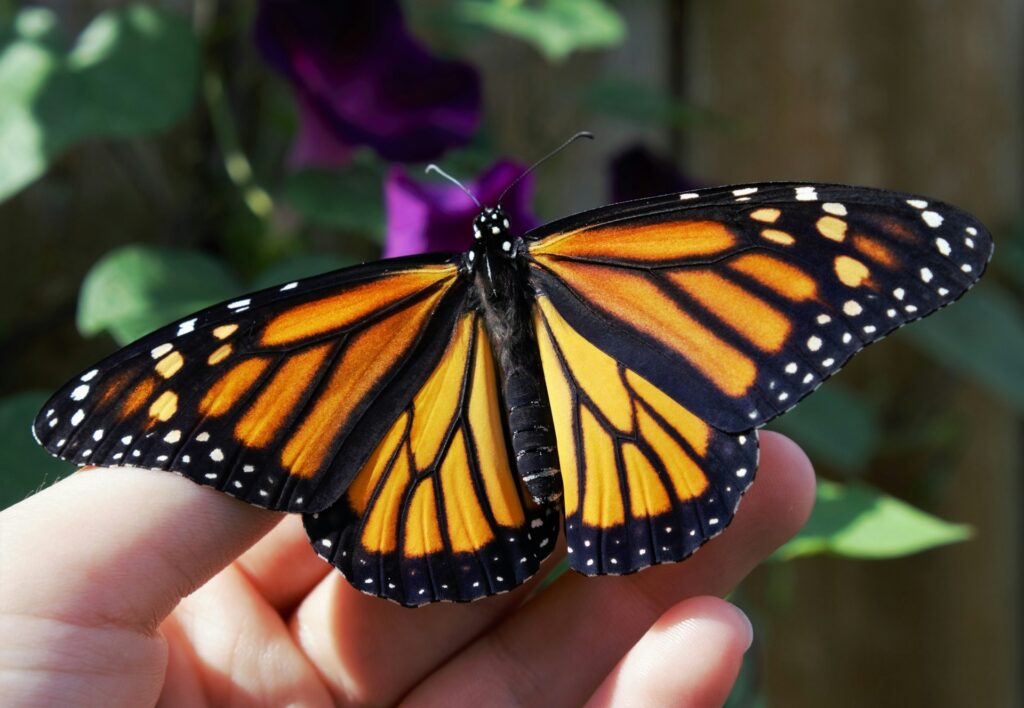
If a butterfly’s in danger—say, stuck indoors or on a path where it might get trampled—you can help, but it’s better to let it crawl onto a stick, leaf, or piece of paper rather than touching the wings directly. Most butterflies will happily step onto a stable surface if given a moment.
This reduces the risk of scale loss and wing damage, and also avoids transferring oils or moisture from your hands. Once it’s safely moved to a better spot, you can leave it to take off on its own when ready. Sometimes a gentle nudge is all it needs to recover its bearings.
Some butterflies have evolved to lose scales easily.
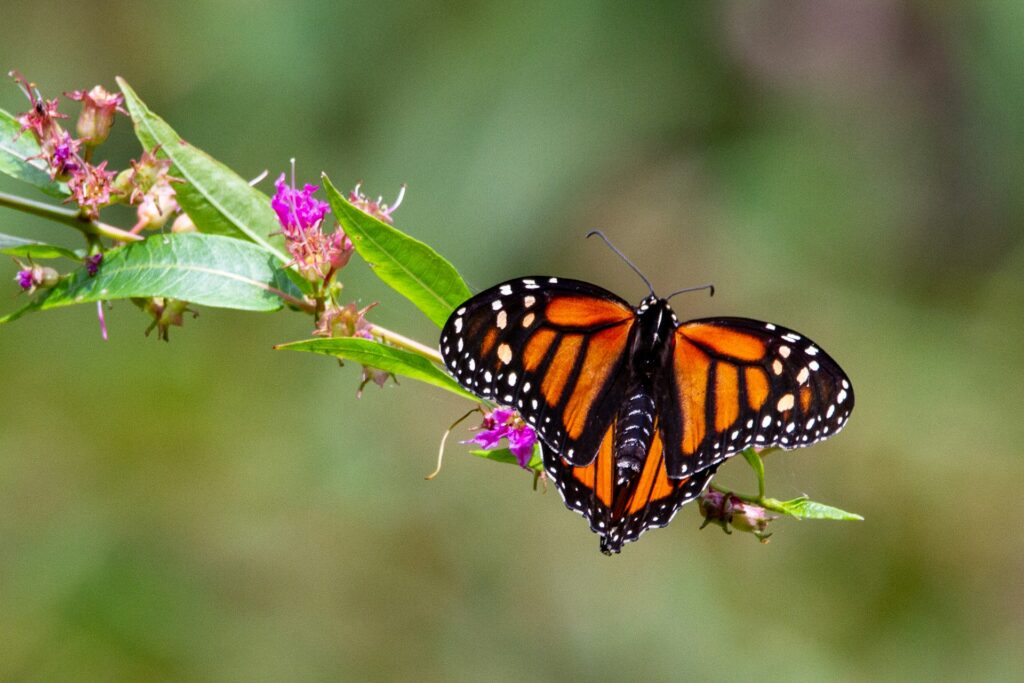
It sounds odd, but shedding scales is actually a survival tactic for some butterflies. In the wild, scales can help them escape spider webs by making it easier to slip free. The powdery residue left behind means they escape, while the web still looks like it caught something.
So if you do end up with a bit of dust on your fingers, it might not be the tragedy you’ve been led to believe. Butterflies are built with some wiggle room for damage, especially in environments where escaping predators means occasionally losing a few parts.
The best thing you can do is create a safe space.
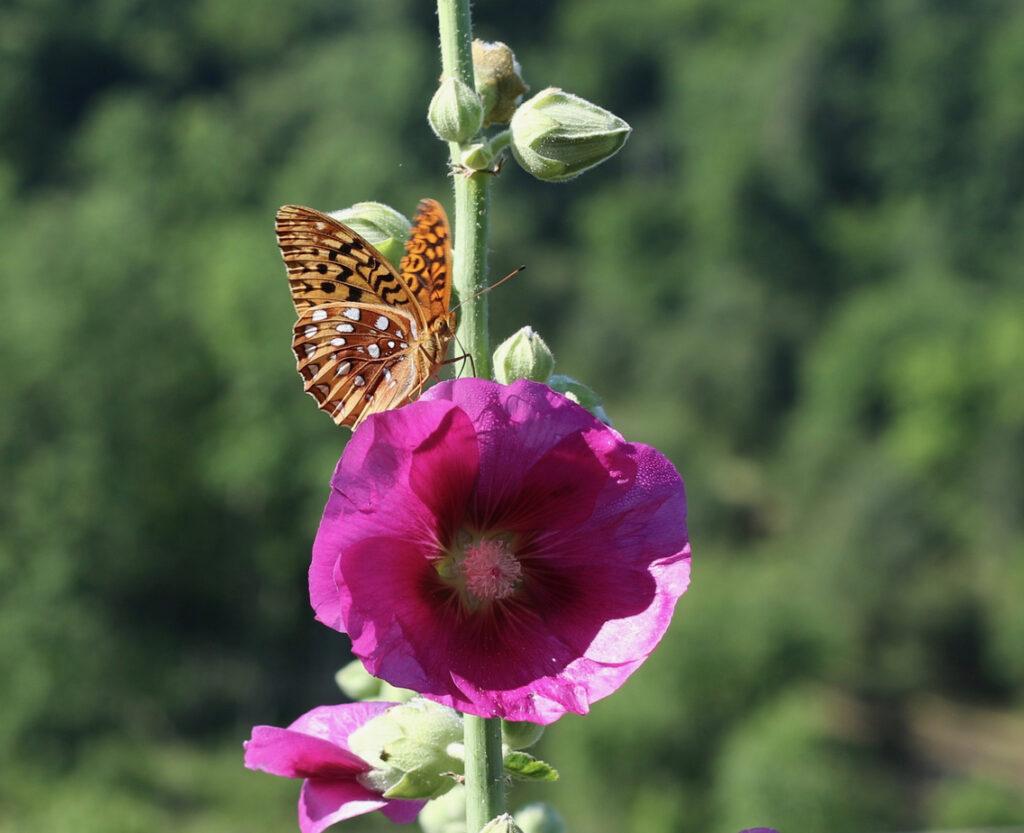
Rather than worrying too much about whether you can touch a butterfly, focus on giving them somewhere safe to land. Planting butterfly-friendly flowers, avoiding pesticides, and giving them a peaceful garden will do far more good than anything else. That way, they’ll come to you on their own terms, and you won’t feel the urge to grab or interfere. And if one lands on your sleeve or hand? Enjoy the moment, stay still, and let it be. No harm done, and no myths required.