Most of us think we know the difference between fruits and vegetables… until gardening proves us wrong.
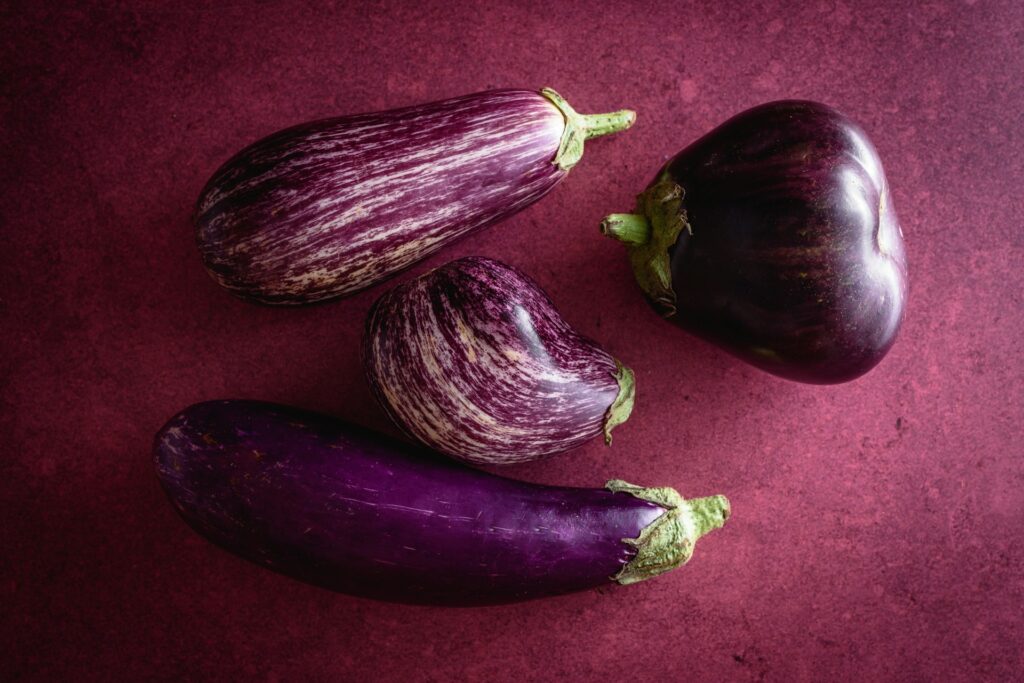
Plenty of plants we call vegetables are, technically speaking, fruits. And while this might sound like a pointless technicality, it actually matters when it comes to how they grow, what they need, and how to care for them. If you’re growing your own food, these are the so-called “vegetables” that are actually fruits, and what that means for your garden.
1. Tomatoes
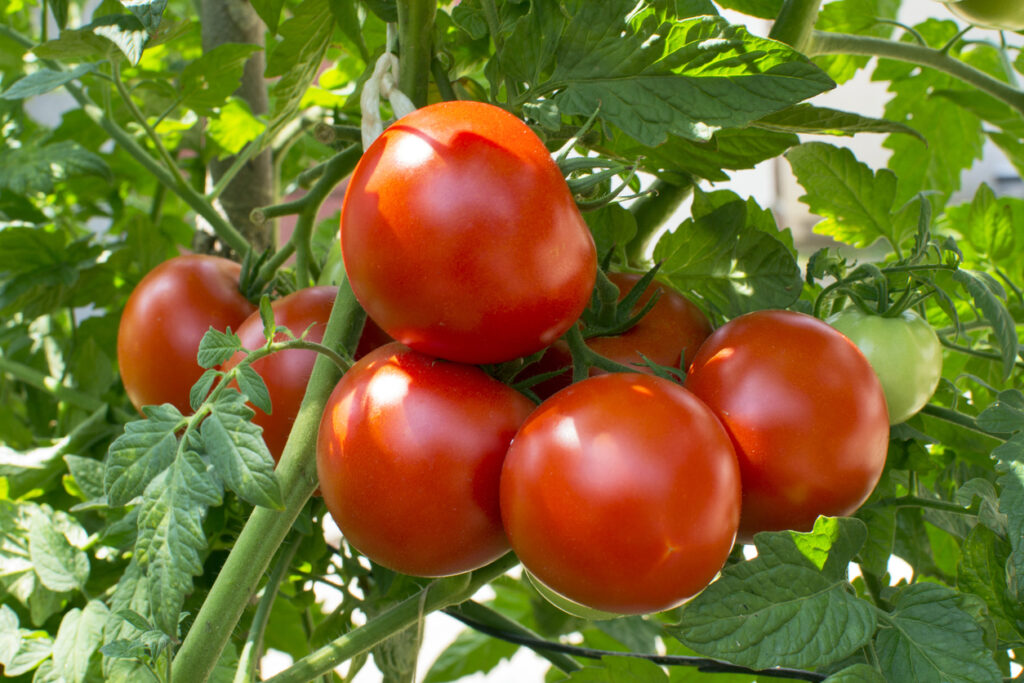
Tomatoes are probably the most well-known example of a fruit masquerading as a vegetable. Scientifically, a fruit is anything that develops from the flower of a plant and contains seeds, which describes tomatoes perfectly. Still, because we tend to cook them in savoury dishes, they’ve long been lumped into the vegetable category.
In the garden, knowing tomatoes are fruits helps explain why they need a lot of sun, warmth, and feeding to develop their flowers and produce properly. They’re not leafy greens; they’re fruiting plants, like strawberries or apples. That means they benefit from regular potash-rich fertiliser and consistent pollination, especially if you’re growing them indoors or in a greenhouse.
2. Peppers (bell, chilli, and sweet)
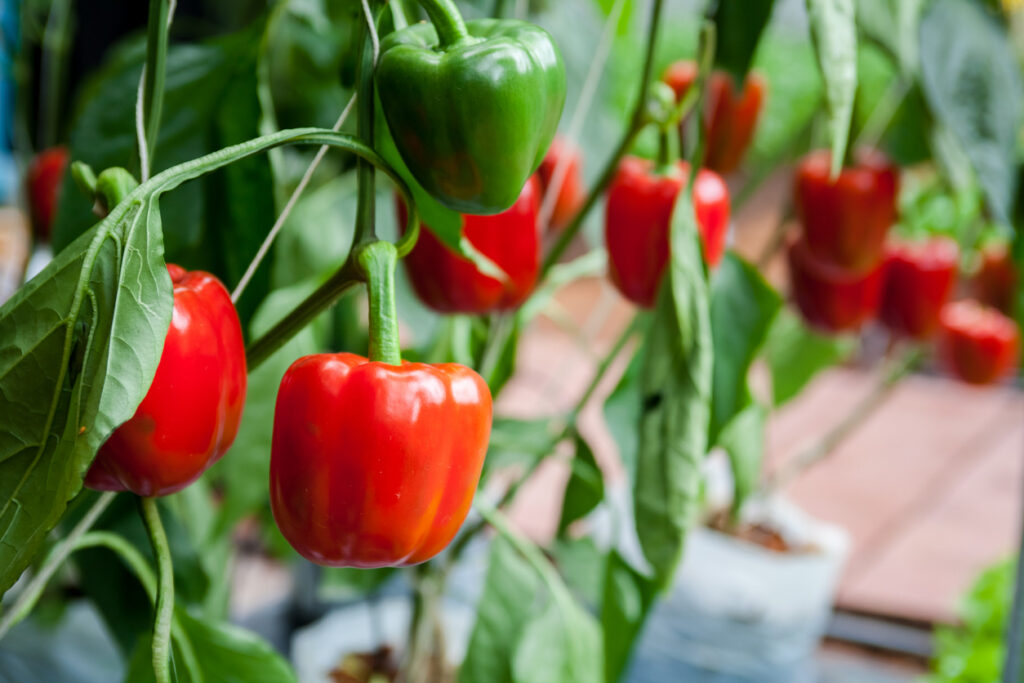
Whether it’s a sweet red pepper or a fiery chilli, all peppers are fruits. They form from the flower of the plant and carry seeds inside, ticking all the boxes for fruit status. But because we associate their flavour with savoury meals, we rarely think of them that way.
In practice, growing peppers like fruiting plants means focusing on sunlight, warmth, and balanced feeding from the moment they flower. They’re slower to ripen than most leafy crops, so giving them that extra time and warmth helps ensure you get full-colour, fully developed fruit instead of bland, underripe ones.
3. Courgettes
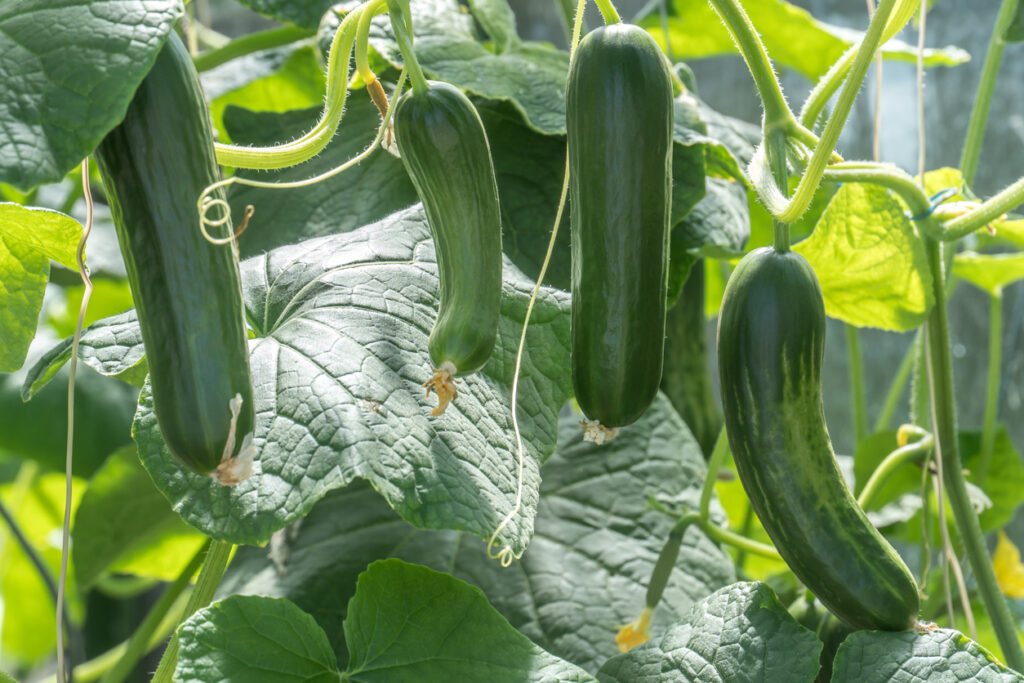
Courgettes are one of those crops people love growing in abundance—sometimes too much abundance. But they’re also fruits, not vegetables. Each courgette grows from a pollinated flower, and if left on the plant, it will eventually become a marrow. That whole growth process qualifies it as a fruit.
From a gardener’s perspective, the fact that courgettes are fruiting plants means they rely heavily on pollinators and consistent watering to produce well. If you find lots of flowers but no fruit, it’s usually a pollination problem. Hand-pollination or encouraging bees into your garden can make all the difference in harvest success.
4. Cucumbers
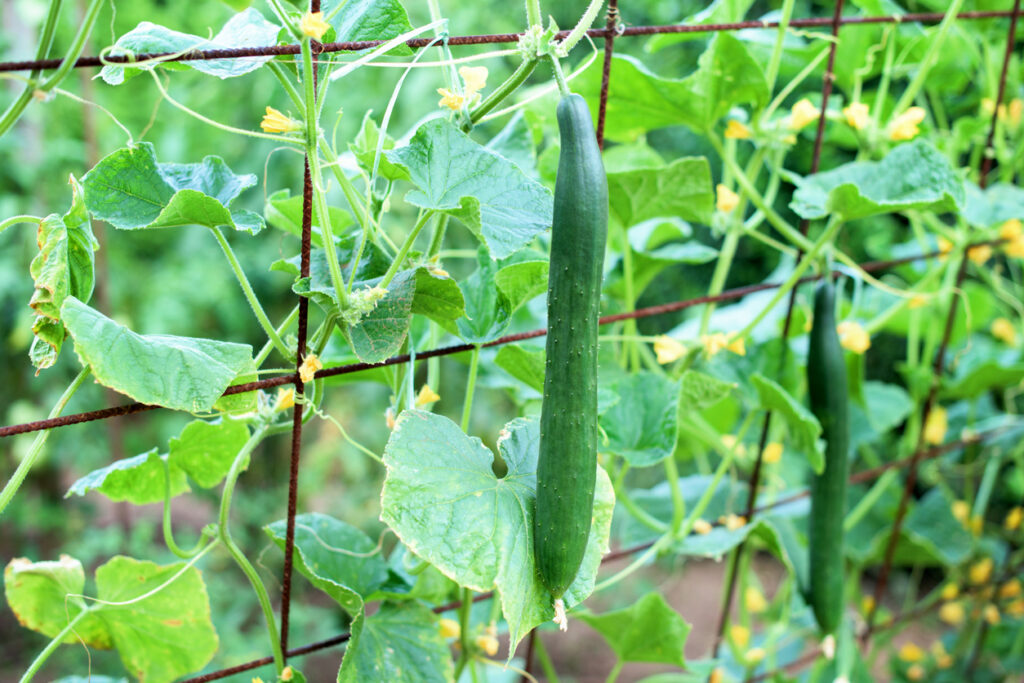
Cucumbers look and taste more like a classic vegetable, but botanically, they’re right there in the fruit category. They form after the cucumber flower is fertilised, and they contain seeds. So yes, fruit. They’re actually close relatives of melons, which might help explain their watery crunch.
Understanding cucumbers as fruit helps explain why they love warmth and tend to sulk when it’s cold or overly wet. They need proper feeding once they start flowering and plenty of consistent watering to stop them from turning bitter. It’s also why support structures are helpful, just like with climbing beans or vining tomatoes, the fruit needs room to hang and grow.
5. Aubergines
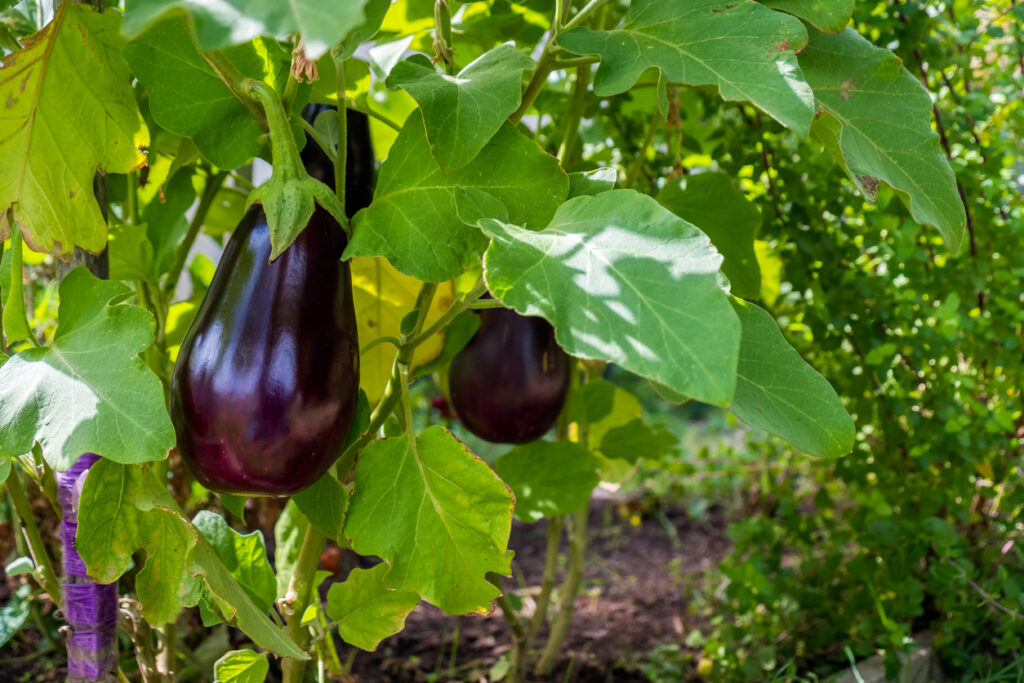
Aubergines often get bundled in with the veg patch, but they’re technically fruit. Like tomatoes and peppers, they come from flowers and develop around seeds. Their meaty texture might feel more like a vegetable, but botanically speaking, they’re in the same family as tomatoes and deadly nightshade.
Knowing this helps explain why they’re fussy in cooler climates and need plenty of warmth, sunshine, and time to mature. If you’re growing them in the UK, a greenhouse or polytunnel is usually best. Treat them as fruiting crops; feed for flowers, support their stems, and pick regularly to encourage more growth.
6. Pumpkins
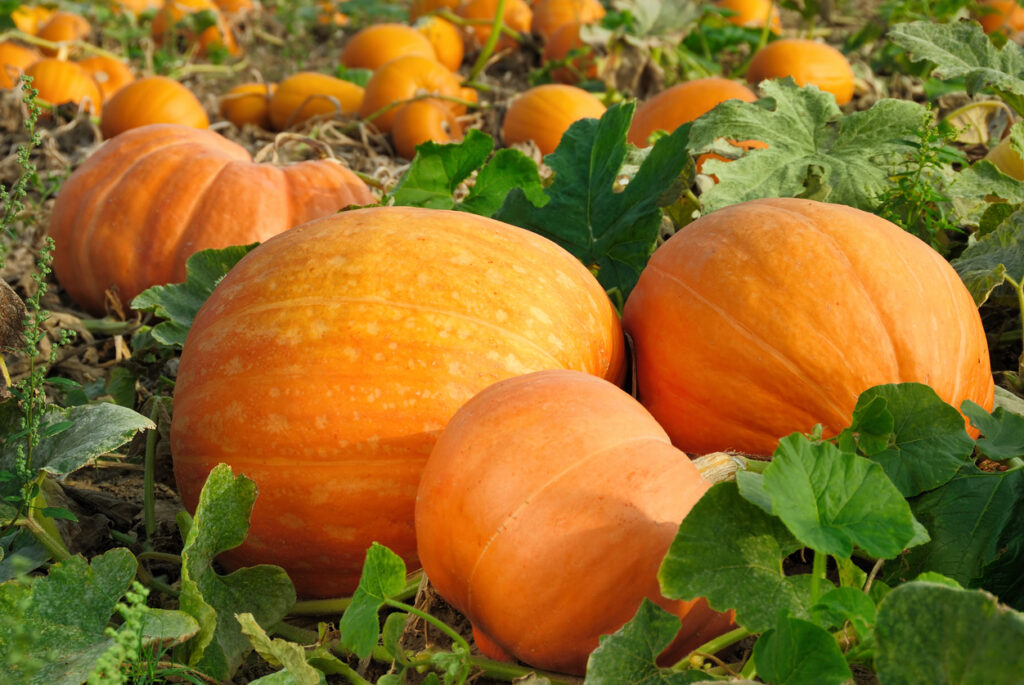
It probably won’t surprise anyone to learn pumpkins are fruit. After all, they’re full of seeds and grow from the plant’s flowers. Still, they’re often treated like vegetables when it comes to cooking and planting. But understanding them as fruit helps make sense of their growing demands.
Pumpkins need long, warm growing seasons, lots of space to spread out, and good pollination. If the fruits aren’t developing, it’s often a lack of bees or fertilisation early on. Giving them room and feeding them regularly like you would other heavy fruiting plants can make a big difference in both size and yield.
7. Squash (butternut, acorn, spaghetti)
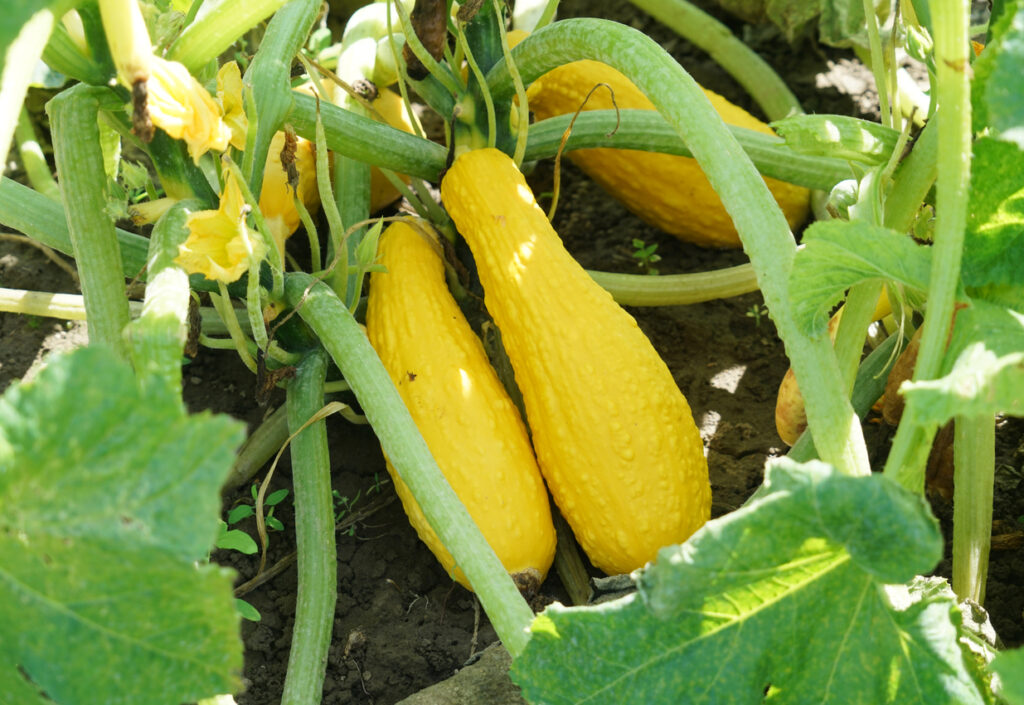
All types of squash are fruits, even though we roast them, mash them, or spiralise them like veg. Their seed-filled centres and flower-based origins put them squarely in fruit territory. The trick for gardeners is to treat them accordingly. Think more like melons than leafy greens.
They need good drainage, lots of sun, and careful spacing so their vines don’t compete. And because they’re such heavy feeders, they benefit from compost-rich soil and regular liquid feeding during fruit set. Once you change your mindset from veg to fruit, it’s easier to anticipate what these plants actually need.
8. Sweetcorn (kind of)
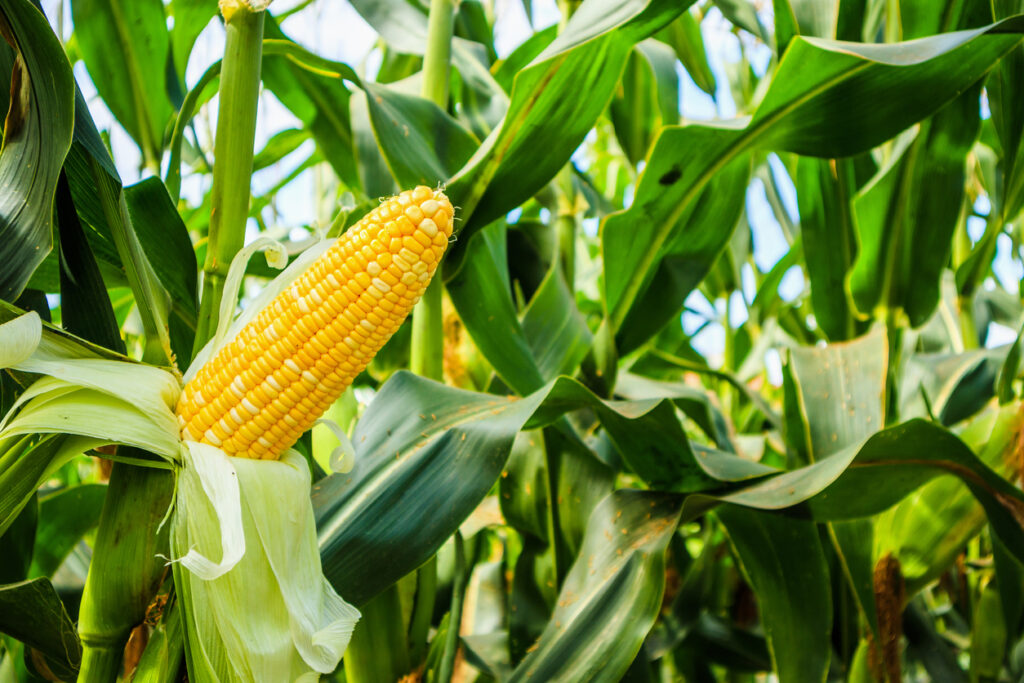
This one’s a bit of a curveball. Sweetcorn is technically a grain, which is a type of fruit called a caryopsis. It forms from the flower of the plant, with each kernel developing from its own tiny flower, so while it doesn’t look fruity, it still fits the criteria.
Growing sweetcorn well requires pollination above all. Because it’s wind-pollinated, it does best when planted in blocks rather than rows. That allows the pollen to fall directly from the tassels to the silks of each cob. It’s not a fruit in the usual sense, but knowing how it reproduces makes you a better grower.
9. Beans and peas
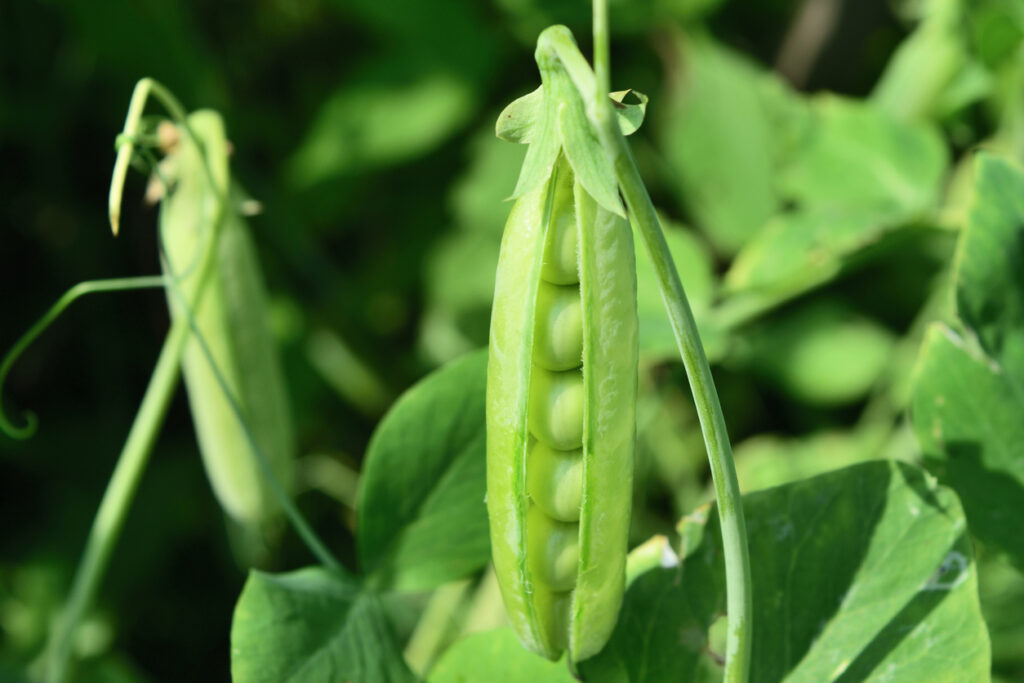
Beans and peas are technically fruits too; every pod that develops from a flower and holds seeds fits the bill. They’re part of the legume family, but that doesn’t change their fruit status. They’re just another example of how the kitchen vocabulary doesn’t always line up with the botanical facts.
This matters most when it comes to harvesting. If you want tender green pods, you’ll need to pick regularly before they mature fully into dry beans or peas. Left too long, the pod goes tough and woody. So treat them like fruit, and keep picking to encourage new ones and get the best from your plants.
10. Okra
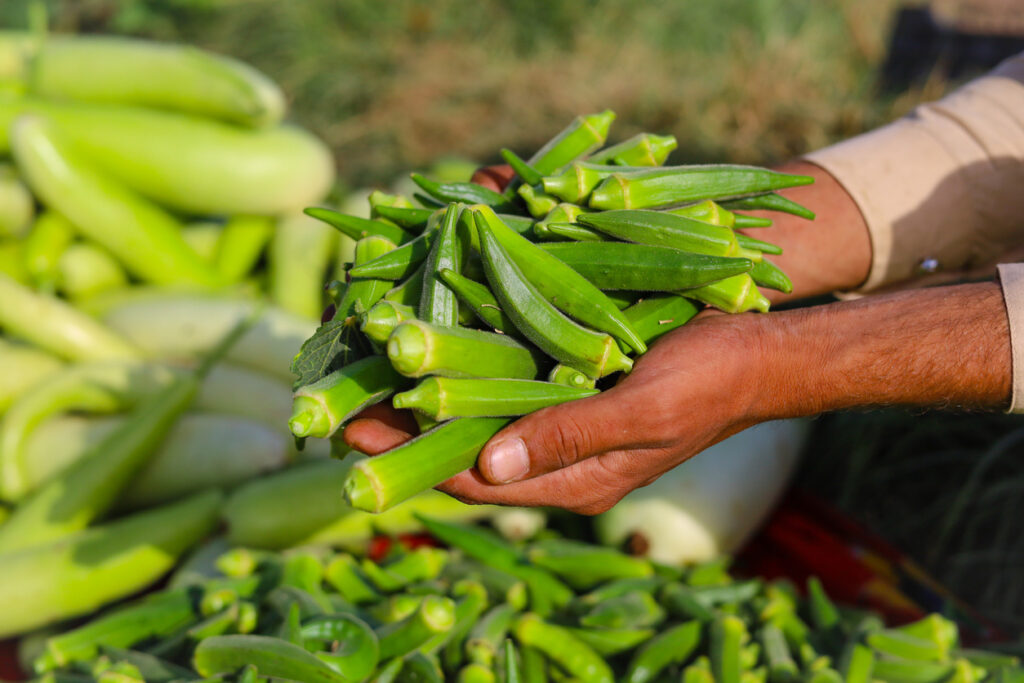
Okra might not be as common in UK gardens, but if you’re growing it, it’s worth knowing it’s a fruit. The pods grow from fertilised flowers and are full of seeds, just like a pepper or courgette. Their texture might not scream “fruit,” but botanically, that’s exactly what they are.
In terms of care, okra thrives in warm, sunny spots and benefits from the same feeding and watering schedule as other fruiting plants. The trick is to harvest the pods while they’re still small and tender. Leave them too long and they’ll get stringy and tough—less enjoyable, even if they’re still technically a fruit.