Not all flowers just sit there looking pretty, though many certainly accomplish that.
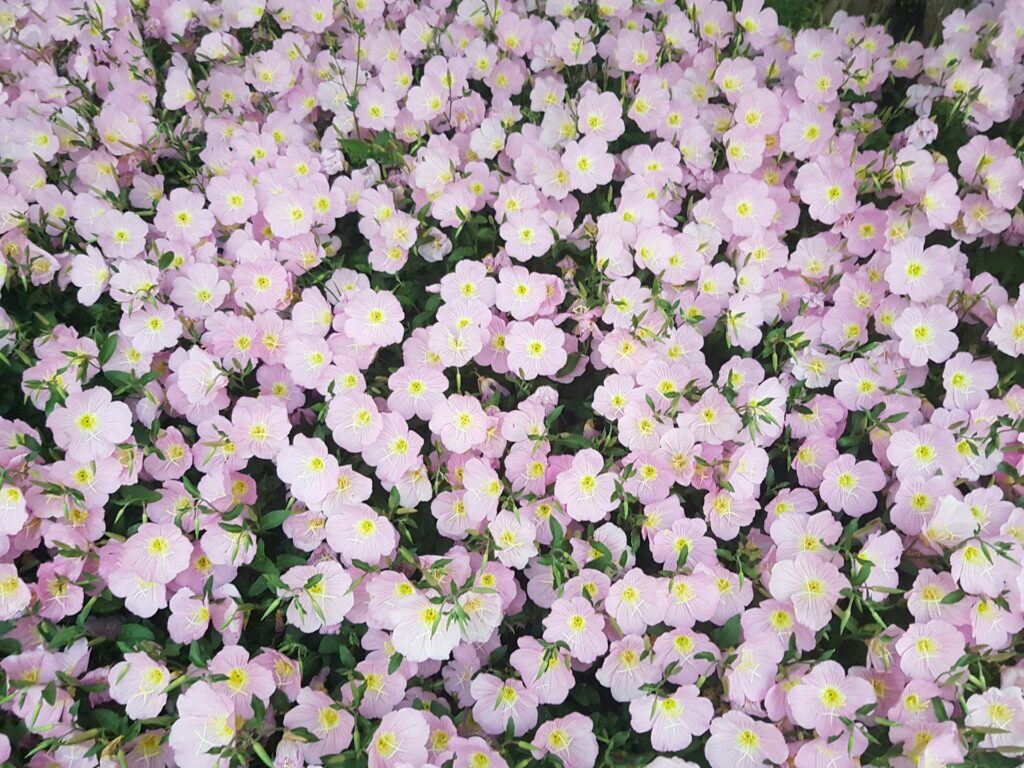
Some are incredibly reactive, adjusting their behaviour depending on what’s happening in the sky. In particular, certain species open their petals wide in bright sunlight, only to close up when the clouds roll in or the skies turn dim. It’s a clever move that helps them conserve energy, protect their pollen, and avoid disappointment from wasted pollinator visits. And yes, quite a few of these sunlight-sensitive blooms can be spotted across Britain.
1. Dandelions

Dandelions are more than just scruffy lawn intruders. In fact, they’re smart little sun-followers. These bright yellow flowers open up during sunny parts of the day, especially in the morning, and close when it’s cloudy or nearing dusk. They don’t bother putting on a show when the pollinators aren’t likely to be out and about.
This clever behaviour helps them conserve energy and avoid letting rain or damp air damage their delicate reproductive parts. You’ll often notice that a field full of dandelions can seem to vanish under cloudy skies, only to pop right back up the moment the sun returns.
2. Lesser celandine
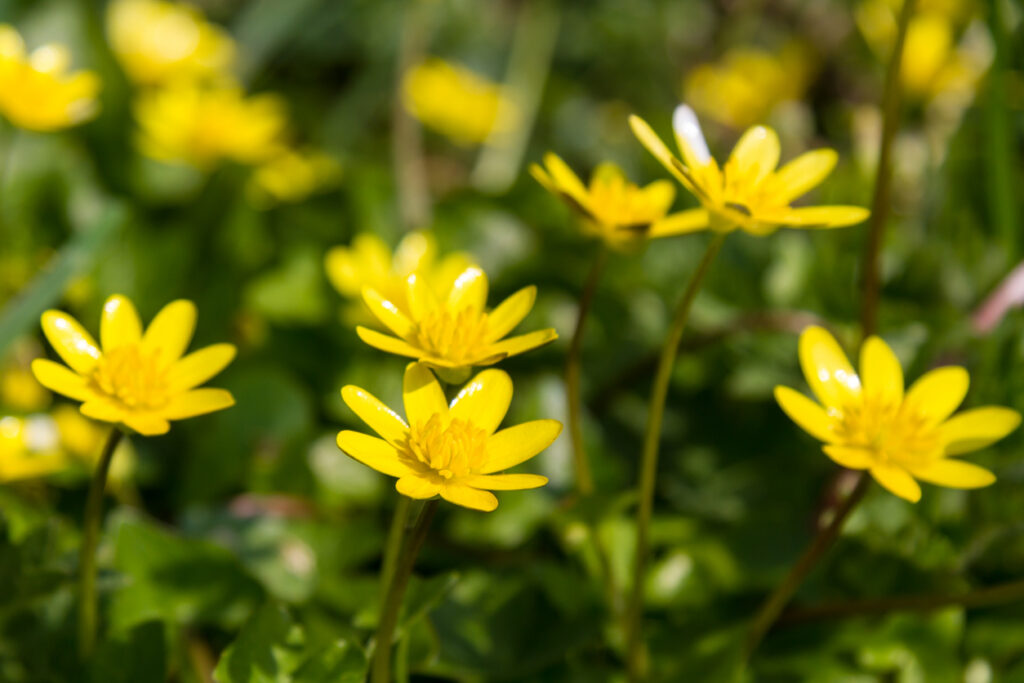
Lesser celandine, with its glossy yellow petals, is one of the early signs that spring has properly arrived. However, it’s a fair-weather flower because it opens only when it’s sunny and promptly closes when it gets overcast. That makes it quite a handy little indicator of changing light levels.
In the wild, it tends to grow in damp woodlands, meadows, or even garden borders, and it relies on sunny spells to draw in pollinators like hoverflies and bees. Once the sky dims, the flowers fold inwards to protect their inner parts, keeping everything safe until the next bright spell.
3. Daisy
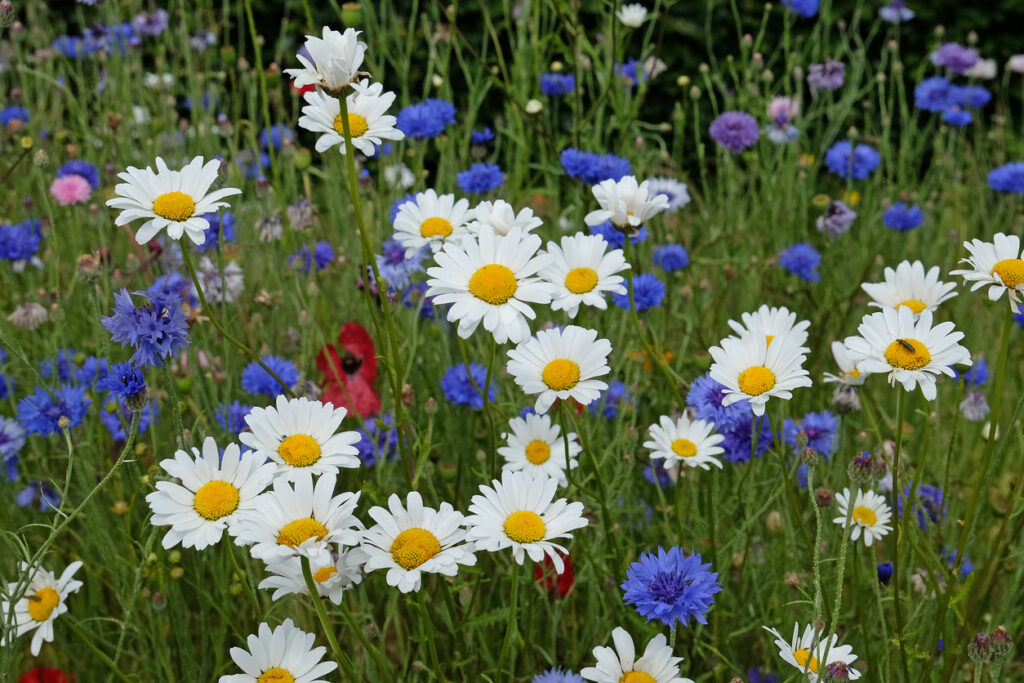
The classic daisy, with white petals and a yellow centre, is another flower that opens in sunlight and closes when it’s dull. You’ll usually find them scattered across lawns, verges, and fields across Britain, cheerfully opening when the sun’s out and tucking themselves in when it’s not.
They’re low-growing, so they’re especially at risk from rain and foot traffic, which may be why they’ve evolved to be so responsive. The name “daisy” even comes from “day’s eye,” referring to how it opens with the sun and closes at night or in gloom.
4. Goat’s beard (Jack-go-to-bed-at-noon)
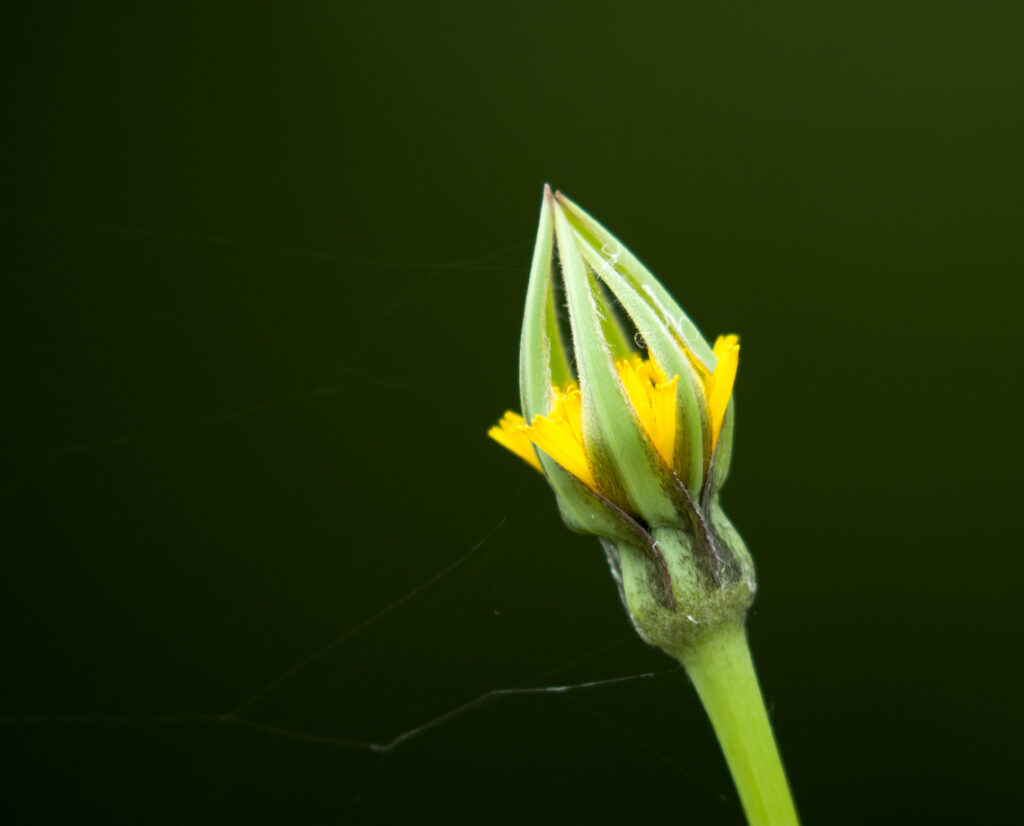
This wildflower has one of the most charming nicknames in British botany—“Jack-go-to-bed-at-noon”—because its flowers typically close by midday, especially if the weather turns cloudy. The bright yellow blooms open early in the morning, soaking up sun and offering pollen to insects while it’s available.
If the skies cloud over or the light dims, the flowers close up shop fast. It’s a protective measure that limits exposure to dampness and stops energy being wasted. You’ll spot goat’s beard along roadsides, meadows, and grassy banks across much of the UK in late spring and early summer.
5. Chicory

Though a little rarer in the wild parts of Britain, chicory has gained popularity in gardens and wildflower mixes. Its electric blue blooms only open in full sunlight and will close up at the first sign of overcast skies or as the afternoon wears on. They don’t mess about when it comes to conserving effort.
Chicory tends to follow a strict schedule: it opens early, peaks mid-morning, and shuts down soon after. This helps ensure it gets pollinated when bees and hoverflies are at their most active. In gloomier weather, it simply doesn’t bother, making it one of the more dramatic weather-reactive plants in the mix.
6. Evening primrose
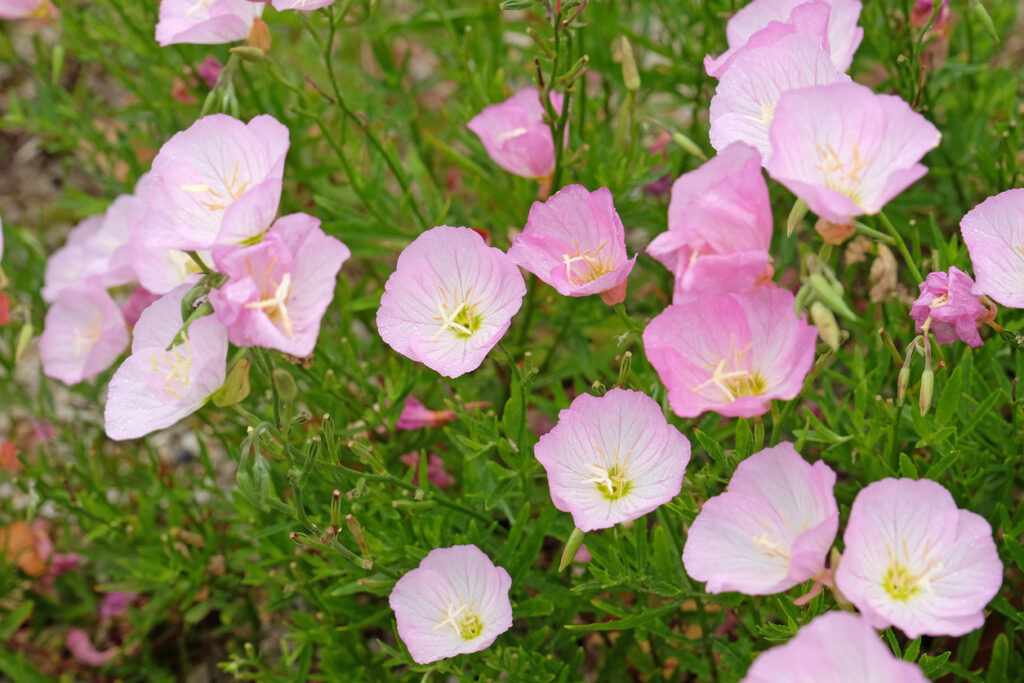
While most sun-sensitive flowers open during the day, evening primrose takes the opposite approach. It blooms at dusk, but only if the sky’s clear enough. On overcast days or during cold snaps, the buds may stay tightly closed until conditions are just right, usually at sunset.
This timing matches the habits of night-pollinators like moths, but the plant is still influenced by weather patterns. In a cloudy British summer, blooms may open later than usual or stay closed entirely, saving their efforts for the next proper window of opportunity.
7. California poppy
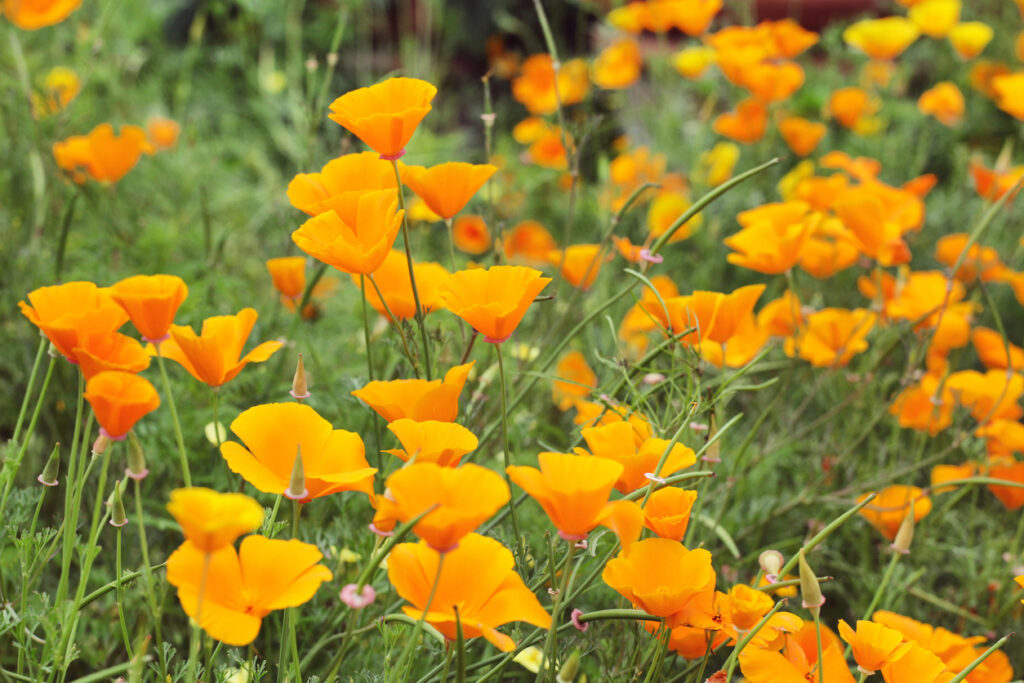
While native to the west coast of the US, California poppies are now widely grown in UK gardens for their bold orange petals and low-maintenance appeal. Of course, these petals have a mind of their own. They open wide in full sunlight and clamp shut when it’s cloudy or windy.
Their petal response is all about protecting the delicate pollen inside. You’ll often see them completely closed on an overcast afternoon, which can make an otherwise colourful border look like it’s gone dormant. Then, with a bit of brightness, they’ll all bounce back open at once.
8. Crocus
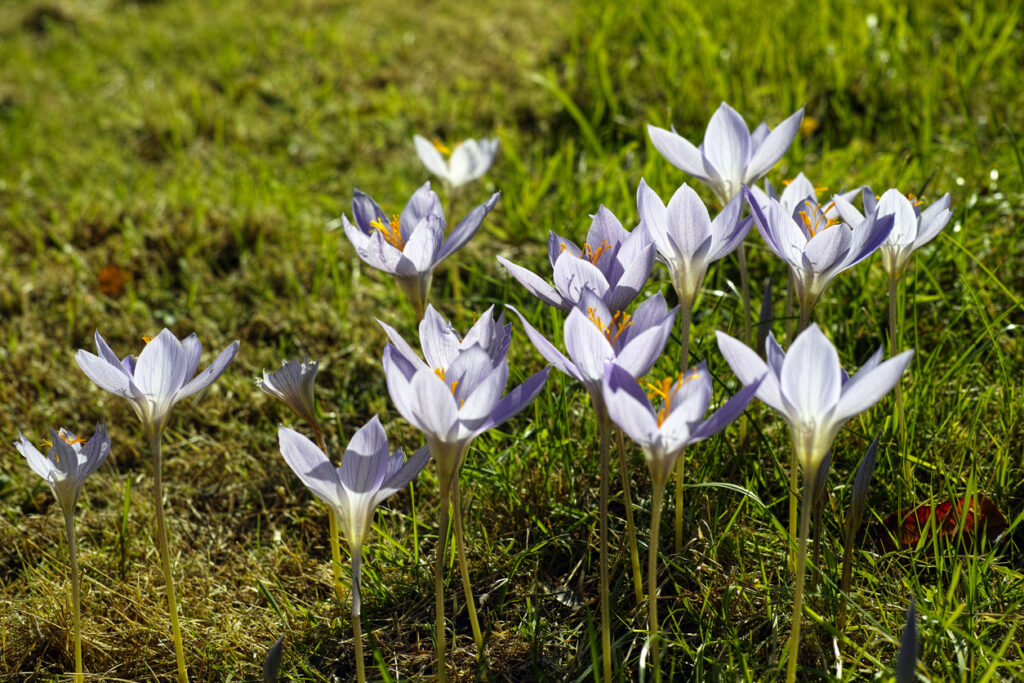
As one of the first spring bloomers, crocuses are a welcome sight after a long winter. But they only put on their best show when there’s proper sunlight. On cloudy days, the cup-shaped flowers tend to stay closed, protecting their bright centres and keeping bees from wasting a trip.
For gardeners, this means crocuses can look quite different from one day to the next. A sunny spell transforms them into bursts of colour across the lawn. But under a thick British sky, they’ll retreat into themselves until it passes, like tiny weather forecasters in floral form.
9. Oxeye daisy

Bigger than the common lawn daisy, oxeye daisies behave in a similar way when it comes to cloud cover. Their large white petals and yellow centres respond to sunlight, opening fully in bright conditions and folding in when it’s dark or overcast.
This response helps them avoid rain damage and keeps their pollen dry for when it’s actually useful. You’ll find them blooming along roadsides and in wildflower meadows throughout late spring and summer, but only when the sun’s in a generous mood.
10. Gazania

Gazania is technically more of a bedding plant than a native British wildflower, but it’s popular in pots and containers across the UK. These daisy-like flowers are bold, colourful, and fully dependent on sunshine to open. On dull days, they stay clamped shut, making entire containers look asleep.
This sensitivity to light makes them a bit hit-and-miss in a British summer, but when they do open, they’re showstoppers. Their petals act almost like solar panels, responding quickly to changing light levels, so if you want that full pop of colour, you’ll need a bit of luck from the weather.