The Romans didn’t just bring roads, baths, and Latin to Britain.

They also brought a surprising number of plants that have stuck around ever since. Some of the greenery we now think of as completely British is actually the result of Roman colonisation, gardening habits, and food preferences. These plants weren’t here before the invasion, but they took root quickly, both literally and culturally. Here are some familiar favourites that owe their presence in the UK to Roman influence.
1. Parsley
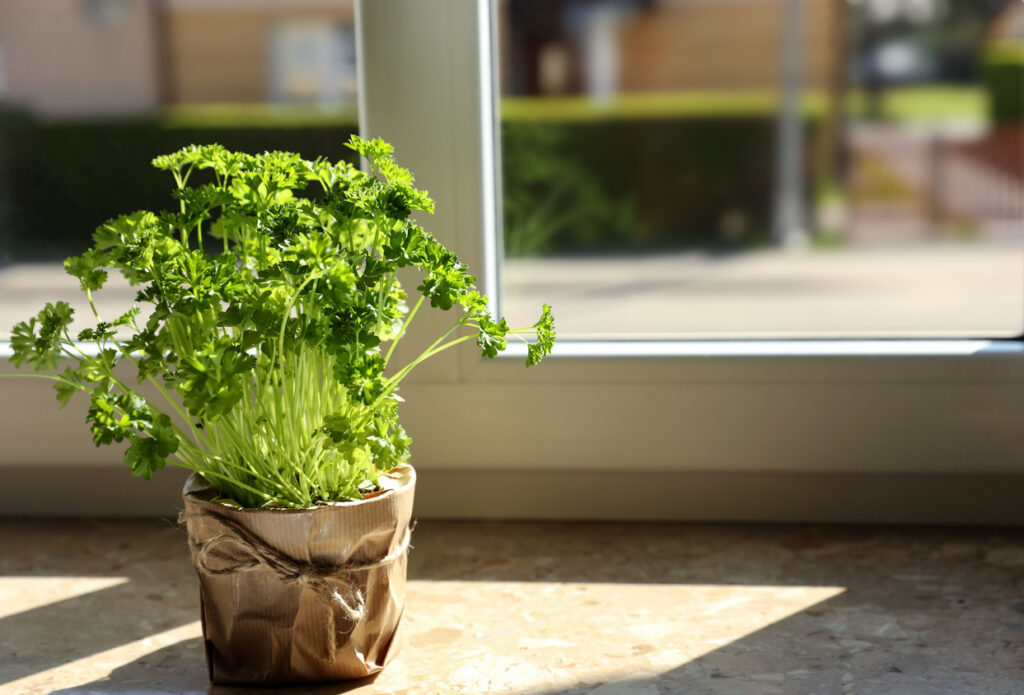
Parsley might be a staple in modern British kitchens, but it didn’t start out that way. The Romans introduced this herb for both culinary and medicinal use. They saw it as more than just a garnish. For instance, parsley was believed to aid digestion and freshen breath, which made it a common feature at feasts and public meals.
It’s now one of the most widely grown herbs in the UK, especially in home gardens and allotments. But before the Roman occupation, parsley wasn’t part of the local diet or landscape at all. Its lasting popularity is a quiet sign of how deeply Roman influence has rooted itself in British soil.
2. Garlic
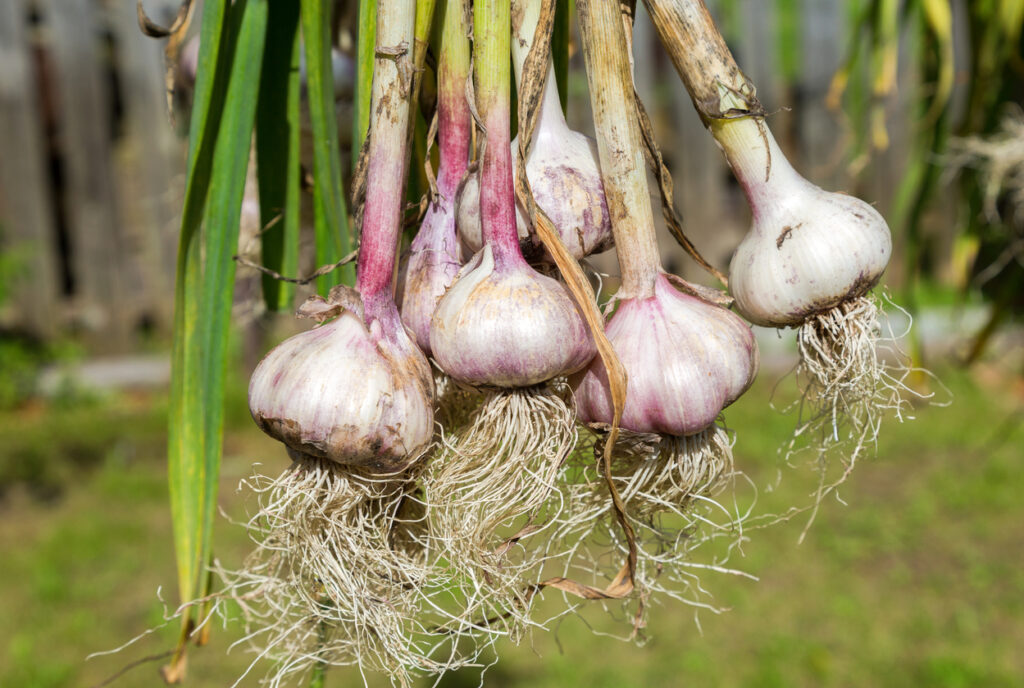
Garlic was another Roman favourite that quickly caught on in Britain. Used as both food and medicine, garlic was thought to ward off illness and boost strength, which made it particularly appealing for Roman soldiers and workers. They brought bulbs with them and planted them wherever they settled.
Today, garlic grows well in the UK climate and is a staple in cooking, but it’s easy to forget it’s not originally native. It’s one of those plants that feels like it’s always been here, yet its presence is directly linked to Roman trade routes and their love for strong flavours.
3. Fennel
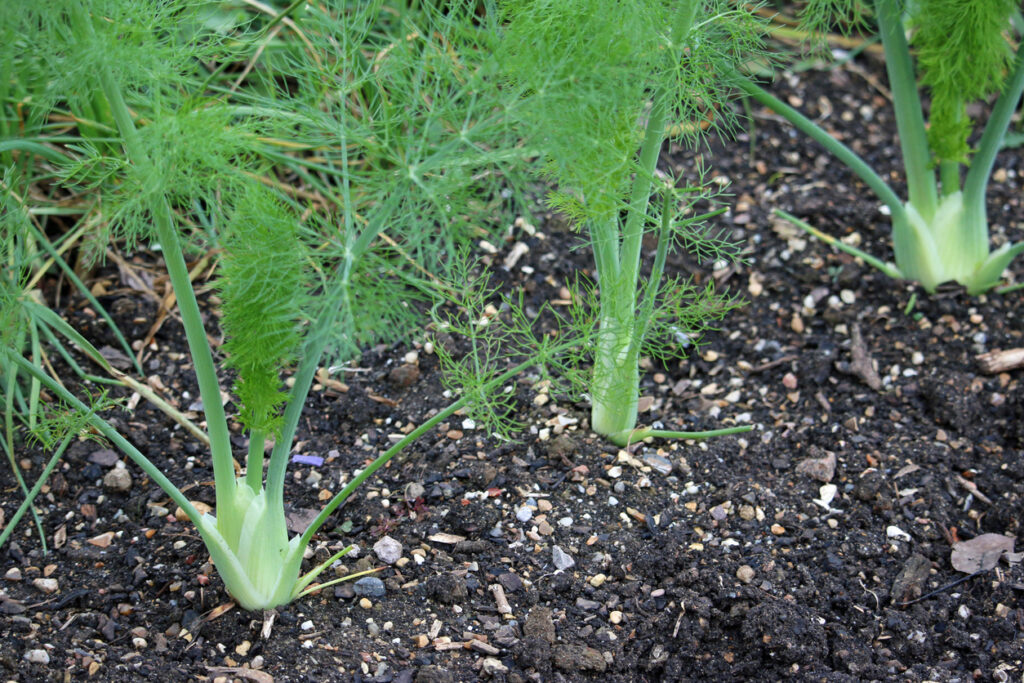
Fennel has a long history of cultivation across the Mediterranean, and it was brought to Britain by the Romans for both food and medicine. Its feathery fronds and licorice-like flavour made it popular in Roman cooking, especially in sauces and stews. They also believed it could help with digestion and even improve eyesight.
These days, fennel grows wild in some parts of southern Britain and is a common sight in herb gardens. Its seeds and leaves are still used in everything from teas to roasts, showing how this ancient plant has fully integrated into the British food scene since its Roman arrival.
4. Coriander
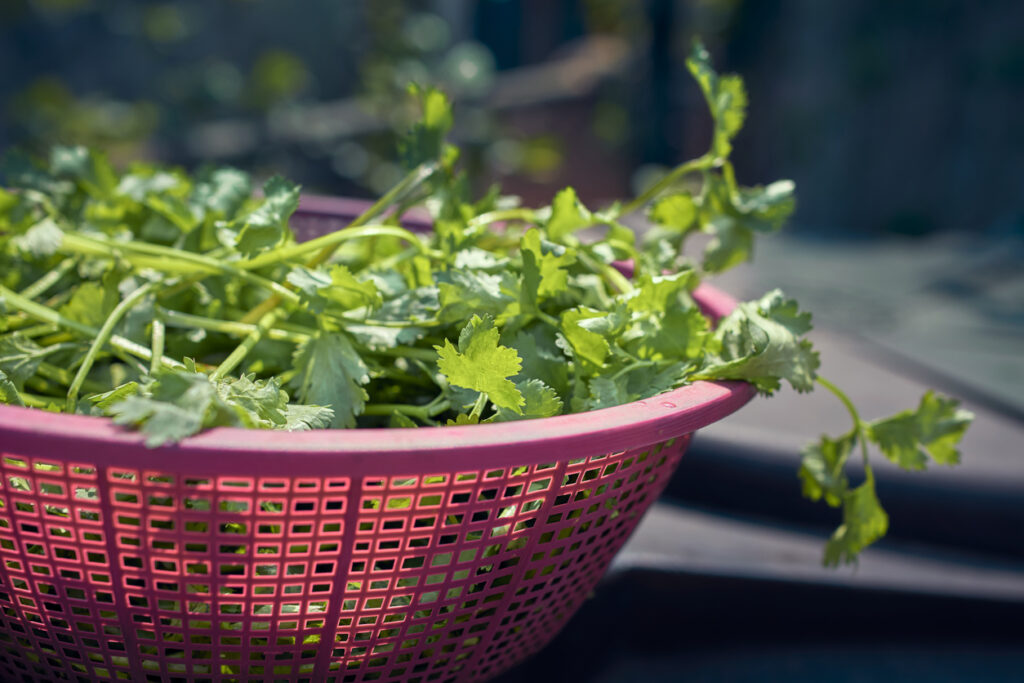
Coriander, also known as cilantro in some parts of the world, was another Roman import. They used both the leaves and the seeds, and it was one of the herbs they carried with them for flavouring food on the move. It was particularly useful for spicing up bland grains or meats.
Today, it’s a divisive herb in British cooking. People tend to either love it or hate it, but its origins as a Roman introduction are rarely mentioned. It’s now naturalised in many parts of Britain and easy to grow from seed in both home gardens and window boxes.
5. Apples (cultivated varieties)

While wild crab apples are native to Britain, the sweet, juicy apples we know today were brought over by the Romans. They introduced cultivated apple varieties with better taste and texture, and began the process of grafting and selective breeding to improve the fruit.
That introduction changed the way people thought about fruit growing in Britain. Roman apple orchards set the stage for what would eventually become a rich apple-growing culture, with the UK now home to hundreds of unique varieties. Without the Romans, we might still be stuck with tiny, sour crab apples.
6. Walnuts

Walnut trees didn’t grow naturally in Britain before the Romans brought them over. They valued the nuts for their high energy and nutritional content, and the trees for their shade and timber. Walnuts were seen as a sign of civilisation and agriculture done right.
Although they never became as widespread as apple trees, walnuts can still be found in British gardens and parklands, especially in the south where the climate suits them better. Their presence is a living reminder of how Roman tastes shaped the landscape in long-lasting ways.
7. Mulberries
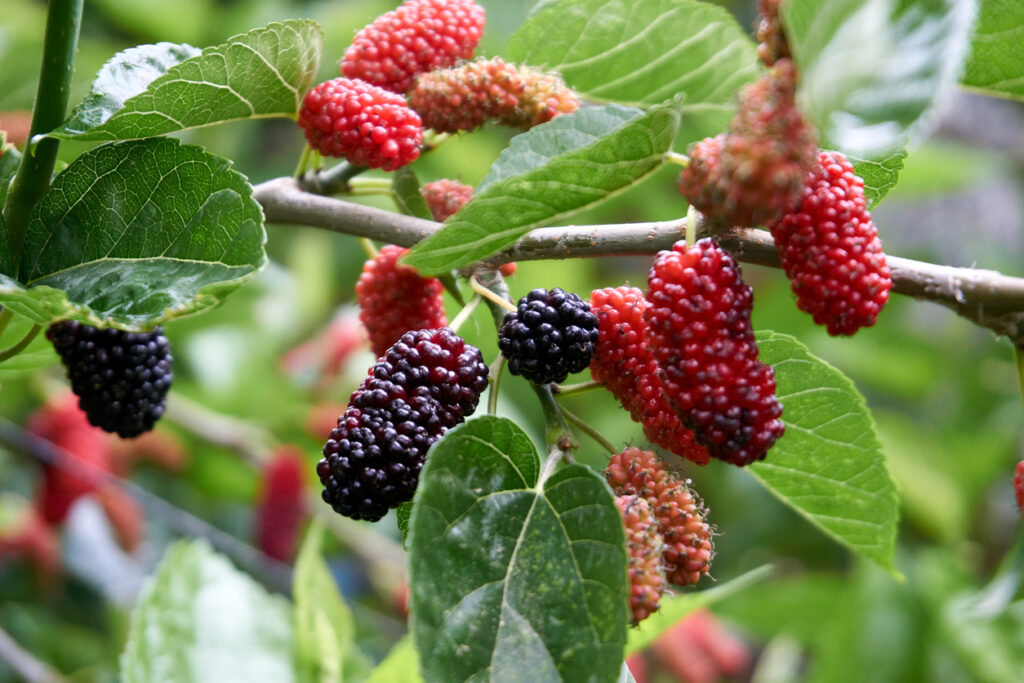
Mulberry trees, especially the black mulberry, were introduced to Britain by the Romans for their fruit and potential use in silk production. While the silk industry never really took off in Roman Britain, the trees did. Their dark, sweet berries were a delicacy at the time.
Many old estates and gardens in Britain still have ancient mulberry trees, and they’re now considered a traditional (if underused) fruit. Even though the silk dream didn’t pan out, the Romans’ botanical experiments left a legacy in the form of shady, fruit-bearing trees still going strong today.
8. Lovage
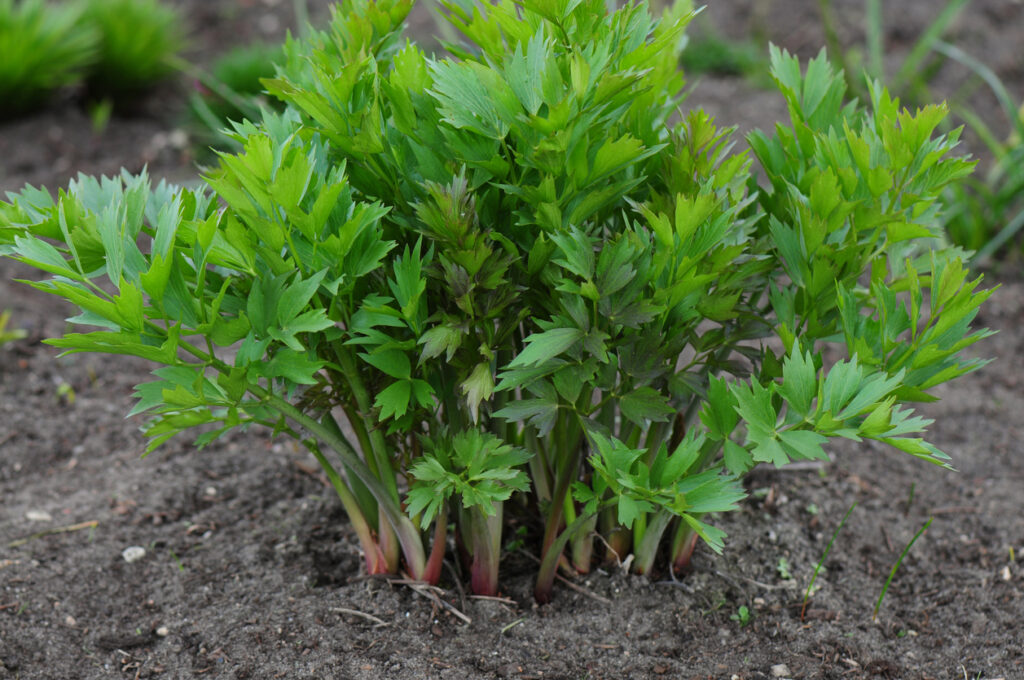
Lovage is one of those herbs that’s fallen a bit out of fashion, but was once widely used for both cooking and medicine. The Romans brought it over and used it in broths, stews, and as a digestive aid. It has a strong, celery-like flavour that was ideal for flavouring bland food.
It still grows well in the UK and is often found in older cottage gardens and herb borders. Its tall height and bold taste make it a standout plant, even if it’s not as popular now as it once was. But again, it’s a reminder that Roman gardening wasn’t just practical. It was flavour-driven too.
9. Cherries
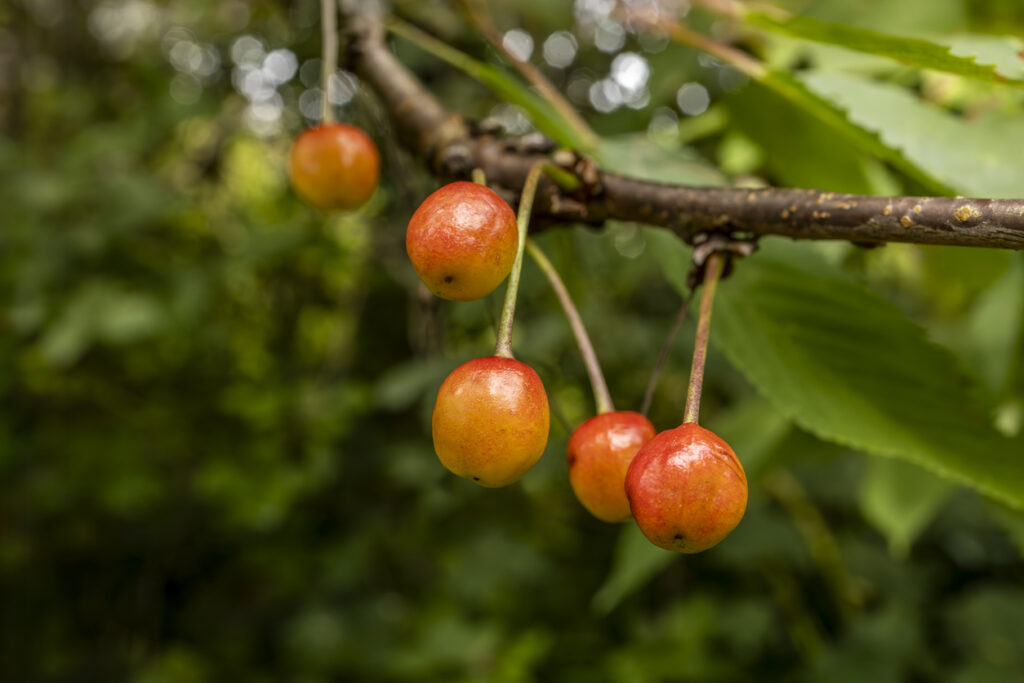
Sweet cherries were brought to Britain by the Romans, who already had a long tradition of cherry cultivation. They planted orchards across their settlements, and cherry trees quickly caught on thanks to their fast growth and attractive fruit. It’s said they were first planted in Kent, which is still known for cherries today.
Now, cherry trees are a familiar sight in British gardens, parks, and hedgerows. While wild cherries did exist in parts of Europe, the tastier varieties we associate with pies and desserts have Roman roots. Their cultivation changed the landscape in both visual and edible ways.
10. Rosemary
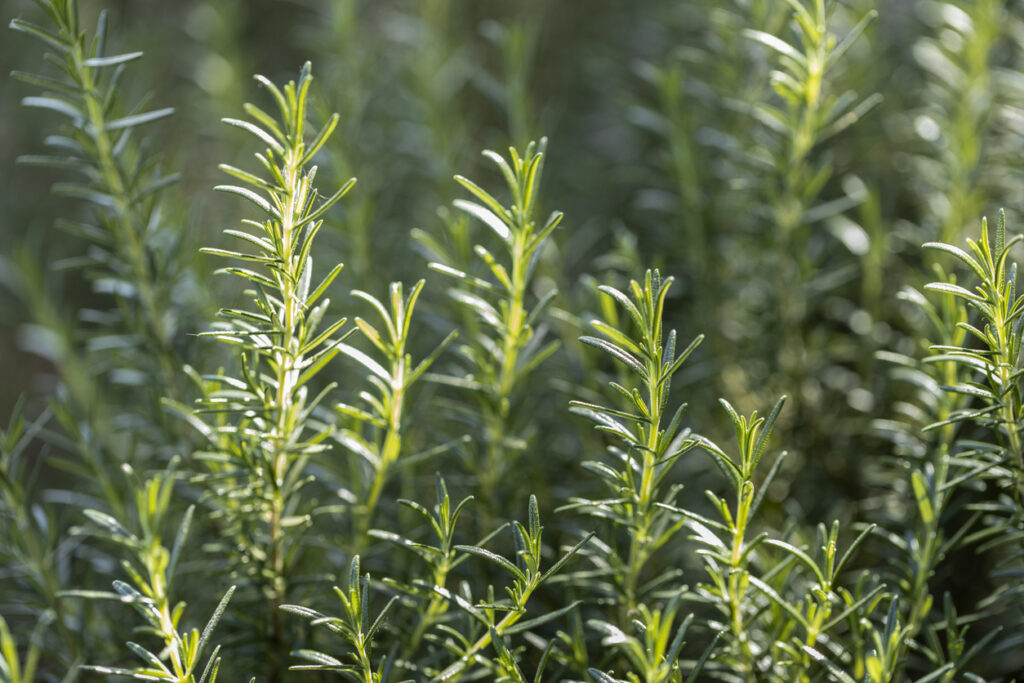
Rosemary’s piney scent and hardy nature made it a favourite with Roman settlers, who brought it along for culinary, medicinal, and even symbolic uses. It was used in cooking, added to wine, and burned as incense during rituals. The plant’s association with remembrance also comes from Roman tradition.
Though it originally came from the Mediterranean, rosemary now grows easily in UK gardens, especially in milder regions. It’s one of those plants that has naturalised so well it’s easy to forget it wasn’t always here. Its long-standing presence adds flavour to both meals and memories.