
We’re not exactly known for heatwaves in Britain, but in recent years, sizzling summer spells have become more common, and they’re not just uncomfortable for humans. From hedgehogs to herons, wildlife all across the UK feels the pressure when the heat cranks up. These creatures have adapted to our usual temperate climate, so when things start tipping into extreme territory, it throws their routines, health, and survival into chaos. Here’s what really happens when UK wildlife tries to cope with rising temperatures.
Ponds and streams start drying up.
In a heatwave, small bodies of water are often the first to vanish. Ponds, puddles, and shallow streams evaporate quickly, leaving amphibians like frogs and newts stranded or exposed. Without water, many can’t breed, hydrate, or escape predators.
For creatures that rely on moisture for survival, like dragonfly larvae or water beetles, it’s a disaster. These habitats dry out long before most people even realise there’s a problem, and by the time they do, entire micro-ecosystems may already be lost.
Birds struggle to keep cool and hydrated.
Birds can’t sweat, so they rely on shade, panting, and access to water to regulate their body temperature. During a hot spell, even common garden birds like robins or blackbirds can start to overheat and show signs of stress. Parents may abandon nests if conditions become too intense, and fledglings can suffer dehydration quickly. Bird baths and shaded feeders become essential lifelines when natural sources start to disappear.
Food becomes harder to find.
While summer might seem like a season of plenty, extreme heat can dry out the very plants and insects many species rely on. Grass stops growing, flowers wilt, and the insects that depend on them vanish just when they’re needed most. For species like bats, which feed on flying insects, or hedgehogs that depend on beetles and worms, a heatwave can feel more like a famine. The ripple effect through the food chain can be swift and brutal.
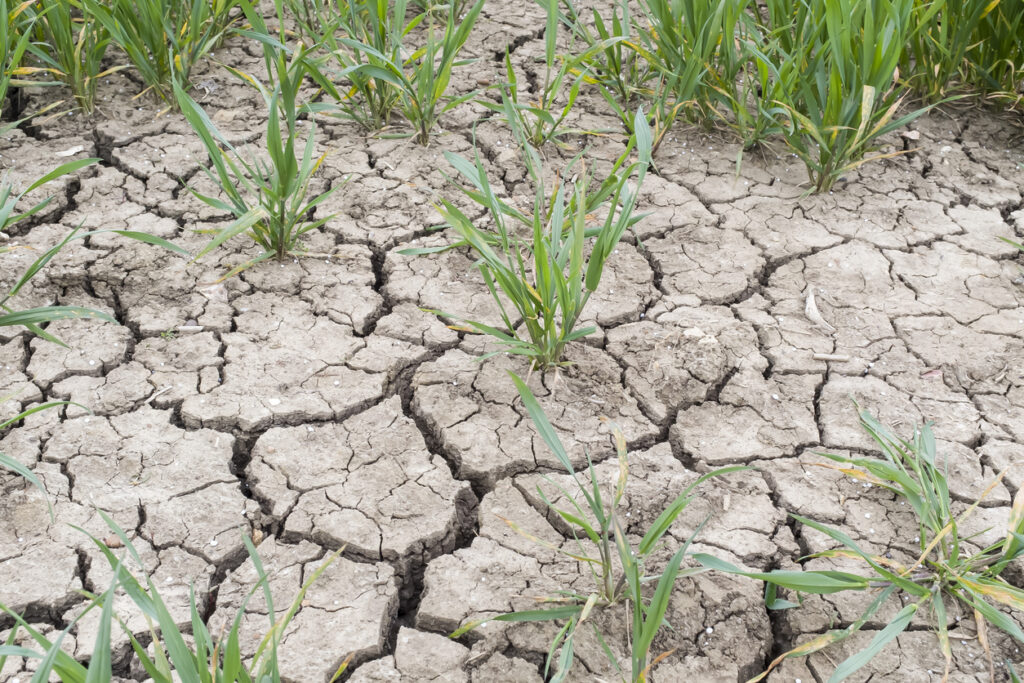
Soil hardens and cracks.
When the ground dries out and bakes in the sun, it becomes like concrete. That’s bad news for animals like earthworms, moles, or toads that live underground, as it disrupts their shelter, feeding, and moisture levels. For birds that feed on soil insects, such as thrushes or blackbirds, the baked ground becomes impossible to probe. Even gardening favourites like robins struggle to find a meal when their usual patch of lawn turns rock solid.
Heat exhaustion affects mammals too.
Foxes, badgers, and hedgehogs often forage at dawn and dusk, but in extreme heat, even those hours can become stifling. They may spend more time resting or hiding, missing key feeding opportunities and using more energy just to stay cool. Hedgehogs in particular suffer quickly. Their small bodies dehydrate fast, and without easy access to water, many won’t make it through a prolonged heatwave. Wildlife rescues often report spikes in calls during hot spells.
Fish are at risk in shrinking rivers.
As water levels drop, rivers and lakes warm up, and oxygen levels plummet. Fish need that oxygen to breathe, so when the temperature rises, they start to suffocate, especially in shallow or stagnant areas. Species like trout and salmon, which prefer cooler water, are hit hardest. In some rivers, fish kills can happen within days. Add pollution or algae blooms into the mix, and entire aquatic communities are in serious trouble.
Heat triggers harmful algae blooms.
Warm, stagnant water creates ideal conditions for blue-green algae, which can bloom quickly in ponds, lakes, and slow-moving rivers. These blooms aren’t just unsightly; they’re toxic to fish, dogs, and other wildlife that come into contact with them.
Birds and mammals can become seriously ill from drinking contaminated water, and the algae itself starves the water of oxygen, choking out other species. It’s a vicious cycle that can escalate rapidly once the weather tips into heatwave territory.
Reptiles may overheat despite loving warmth.
Reptiles like adders, grass snakes, and slow-worms rely on sunbathing to regulate their temperature, but they still have a limit. If they can’t find adequate shade, they risk overheating, which can lead to stress or even death. Overexposure to hot surfaces can cause burns or disrupt mating behaviour, especially in areas with little ground cover. While reptiles are better equipped for heat than most UK wildlife, extreme spikes still push them to their limits.
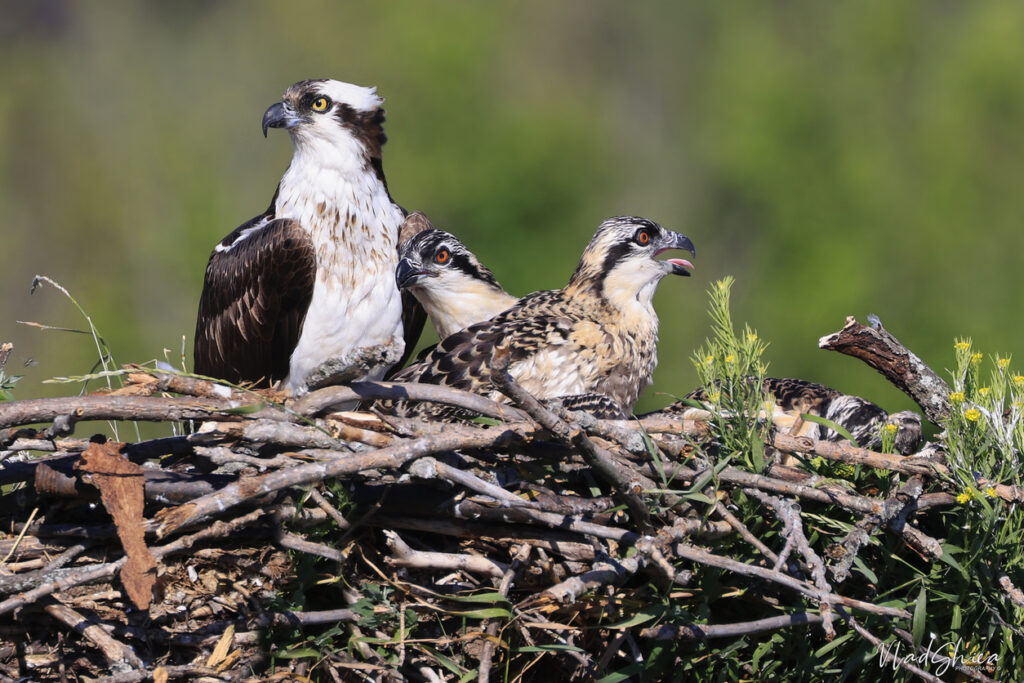
Nestlings and eggs overheat in their nests.
Nests tucked away in hedges, trees, or roof spaces can become dangerously hot in summer. Young birds or chicks can’t regulate their temperature well and often rely on parents to shade or cool them down. When temperatures soar, some birds abandon nesting attempts altogether, while others lose chicks to dehydration or overheating. The longer and more frequent the heatwaves, the harder it becomes for birds to breed successfully.
Pollinators face a hydration crisis.
Bees, butterflies, and hoverflies need water just as much as nectar, but during a heatwave, their usual sources can dry up. Puddles disappear, moist soil evaporates, and even the flowers they rely on for food wilt or shut down to conserve energy. This leads to widespread stress among pollinators, many of which already struggle with habitat loss. Offering shallow water dishes or planting drought-tolerant native flowers can give them a vital boost in heatwaves.
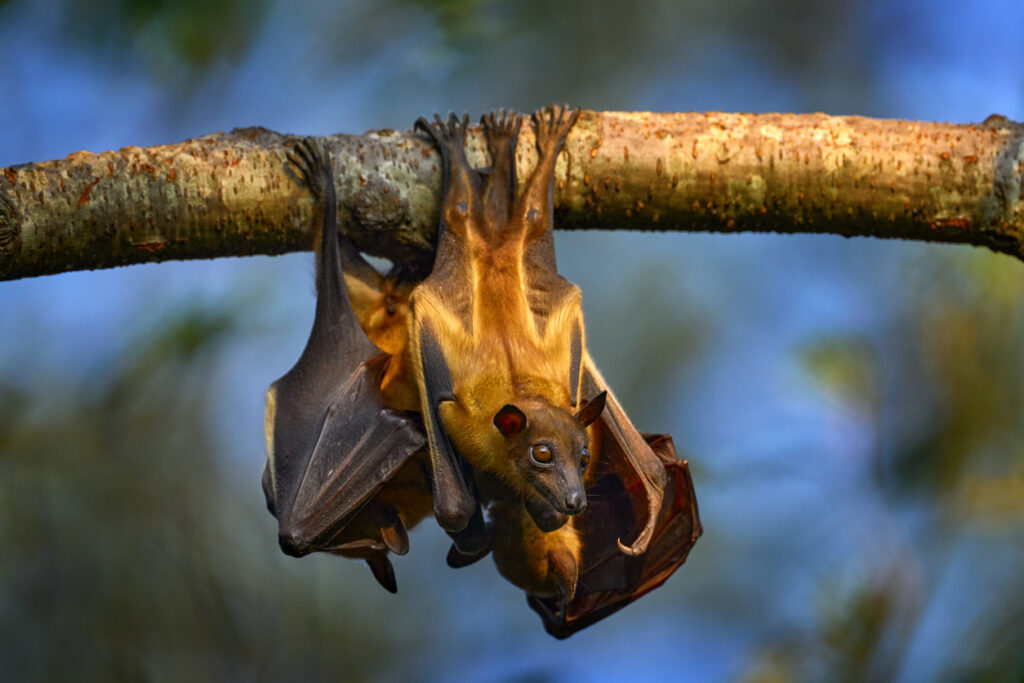
Bats suffer from dehydration and lack of insects.
Bats are incredibly sensitive to temperature and rely on a steady supply of flying insects to fuel their nighttime flights. In hot, dry conditions, both of those factors take a hit. Insect populations plummet, and bat roosts, often in hot attics or roof spaces, can become dangerously warm. Young bats are particularly at risk, and rescues often report pups falling from overheated roosts. Offering water dishes and protecting natural feeding grounds like ponds or meadows can help support these fragile species.
Wildfires threaten entire ecosystems.
Dry heathlands, moors, and grasslands become tinderboxes during prolonged heat. When fires break out, they don’t just burn plants; they wipe out nesting birds, burrowing animals, and entire insect populations in their path. Even if wildlife escapes the flames, the smoke, heat, and habitat destruction have lasting consequences. Recovery from these fires can take years, especially in ecosystems already under pressure from human activity.
Young animals are especially vulnerable.
Juvenile wildlife doesn’t regulate body temperature as effectively as adults. Whether it’s a leveret curled in the grass or a fledgling left alone in a nest, young animals are far more likely to suffer from dehydration, exhaustion, or heatstroke. Without enough shade or access to water, their survival rates drop dramatically. Sadly, many won’t make it through prolonged heat unless they happen to be in a garden or space where someone’s put out help.
Small changes from people can make a big difference.
While we can’t stop a heatwave once it’s here, we can make things easier for the wildlife around us. Putting out shallow water dishes, planting native shrubs for shade, and avoiding garden strimming during hot spells can all have a huge impact.
It’s also a good time to rethink our outdoor spaces. Even a small patch of garden or a balcony can become a refuge in the heat. And when we plan for wildlife, we’re not just helping them survive the summer. We’re making sure they can come back stronger next year too.