If you love flowers but don’t love the yearly faff of sowing, potting on, and planning fresh displays, self-seeding plants are your low-effort dream.
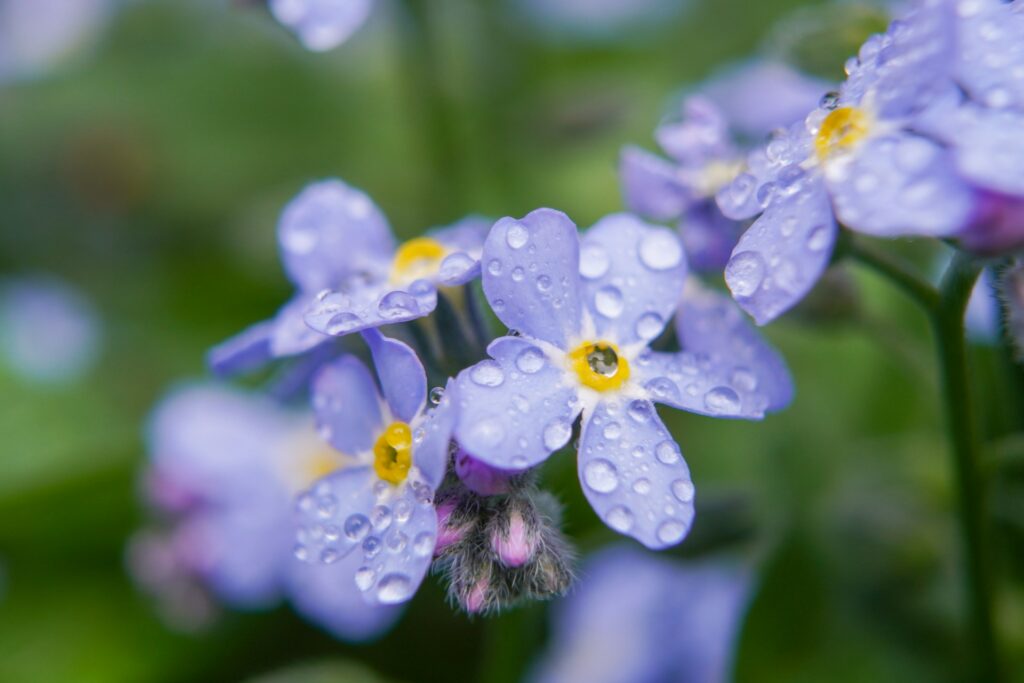
These clever blooms take care of the hard part for you by dropping their own seeds, popping up again next season, and slowly turning your garden into a blooming haven with minimal input. All you really need to do is let them do their thing (and maybe avoid deadheading too early). These self-seeding flowers can keep your beds colourful without you lifting more than a finger. Viva laziness!
1. Nigella (Love-in-a-Mist)
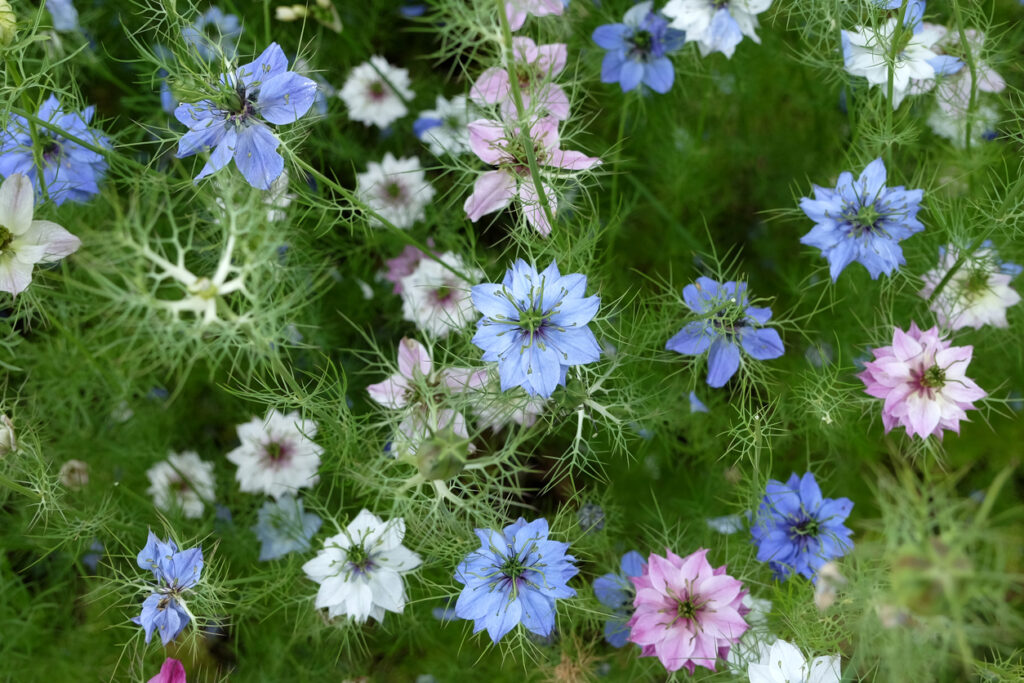
Nigella is one of those plants that feels almost magical. With its delicate blue, white or pink blooms and soft, feathery foliage, it fits into cottage gardens like it’s always belonged there. And once it’s bloomed, it leaves behind quirky, balloon-like seed pods that dry beautifully, and scatter freely.
Let those seed pods do their thing, and you’ll find little Nigella seedlings popping up the following spring, often in charmingly random places. It doesn’t crowd out other plants, grows fast, and keeps coming back year after year with very little effort on your part.
2. Calendula (Pot Marigold)
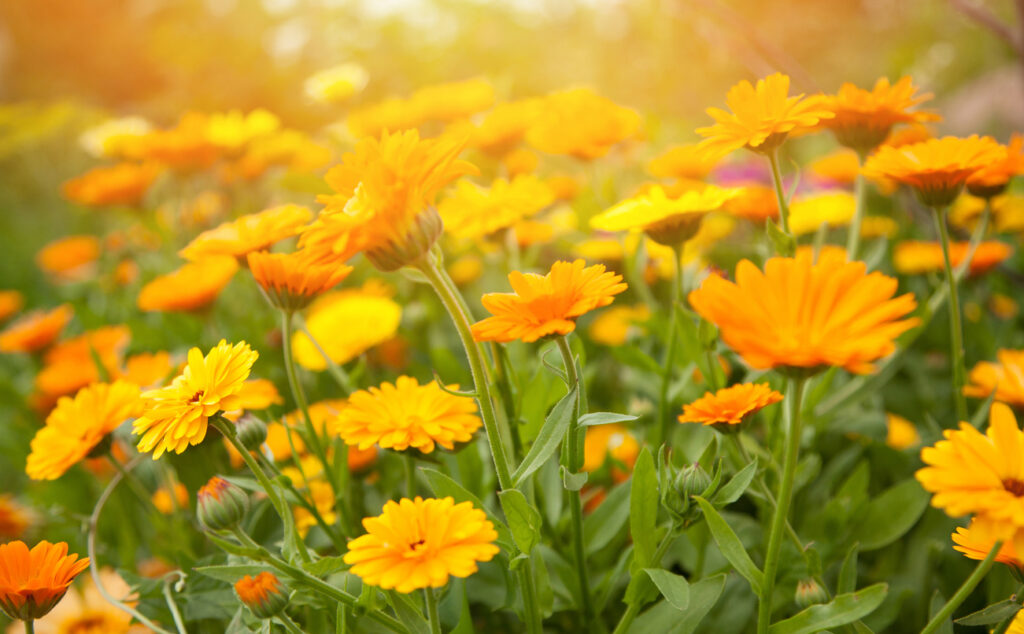
Calendula is cheerful, bright, and as fuss-free as it gets. The golden-orange daisy-like flowers bloom for ages, and if you leave a few to go to seed, they’ll happily drop into the soil and grow again next season. It’s also a useful plant because pollinators love it, and its petals are edible too. Even better, it doesn’t mind poor soil or patchy sun. Just scatter some seeds once, and let the garden take it from there.
3. Foxglove

These dramatic spires of bell-shaped blooms are a classic of any wildlife-friendly or woodland-style garden. Foxgloves are biennials, meaning they bloom in their second year, but once they’ve done so, they drop enough seed to keep the cycle going without your help.
They’ll spread gently throughout your space, often choosing spots with partial shade or where other plants struggle. Letting a few go to seed each year ensures you’ve always got new ones coming through, even if they don’t always bloom in the same place.
4. Poppies (especially the opium and field types)
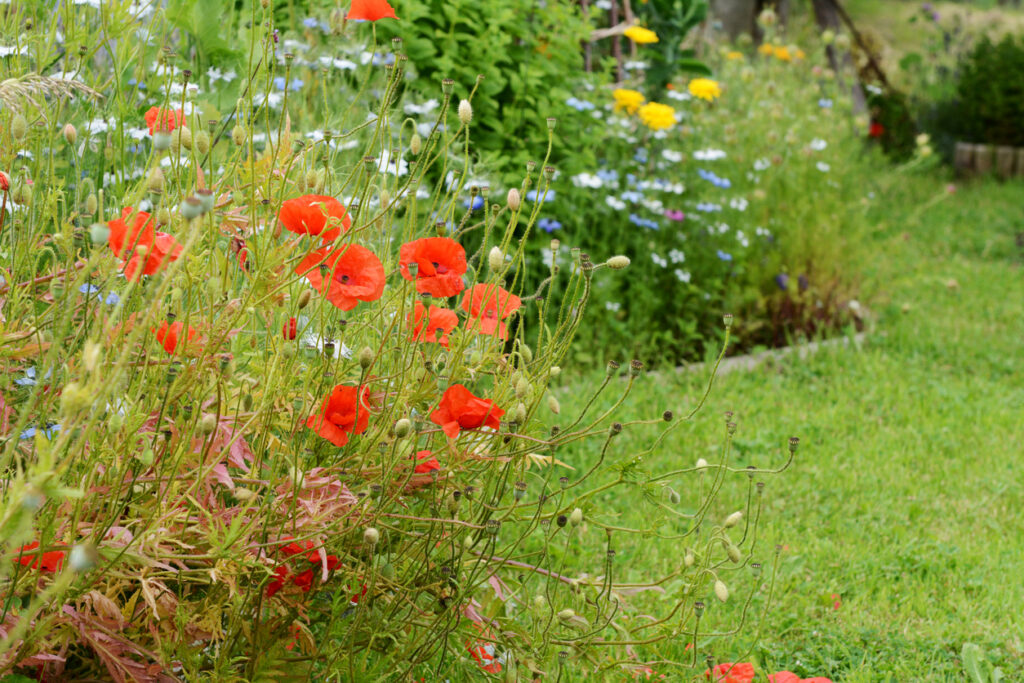
Poppies are pros at self-seeding. Whether it’s the delicate red field poppy or the fancier opium-style ones with big frilly petals, these flowers scatter their seeds liberally after flowering, and they don’t need much encouragement to sprout again. They tend to prefer disturbed ground, so you might see them appearing in gravel paths, bare soil, or wherever you’ve been digging. Once they’re in, they often become part of the permanent garden picture without any help at all.
5. Verbena bonariensis
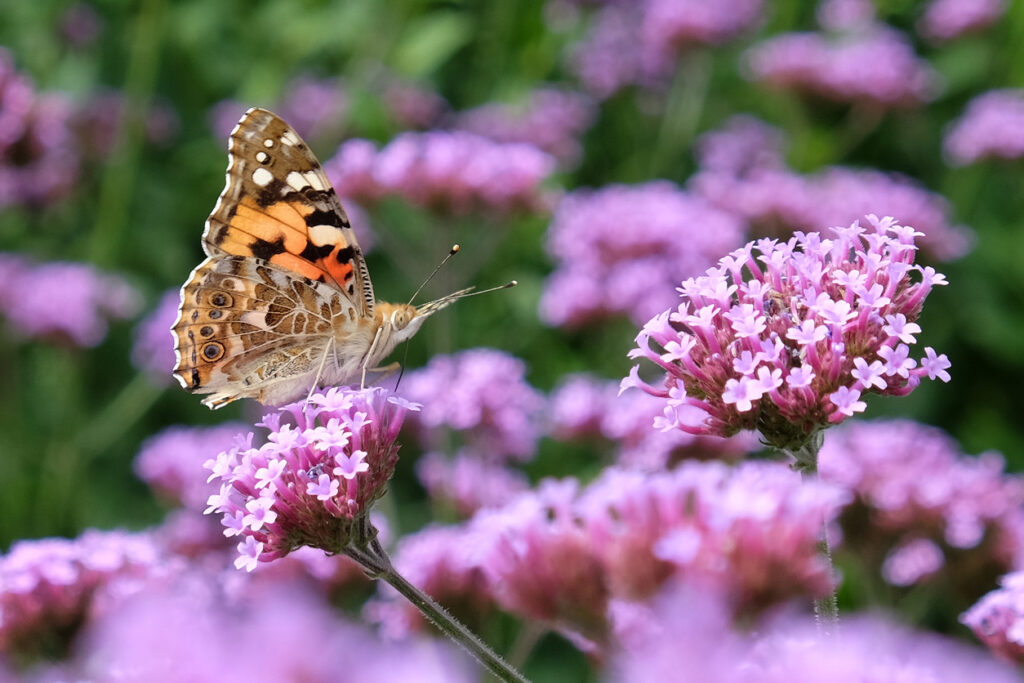
Tall, wispy and airy, Verbena bonariensis adds a graceful touch to borders and attracts pollinators like no other. It’s one of those plants that weaves between others without overwhelming them, making it a great companion plant.
Once it’s bloomed and set seed, it will drop seeds around its base and often further afield, depending on the wind. It’s common to find little verbenas sprouting up the following spring in places you never expected, but usually right where they belong.
6. Cornflower
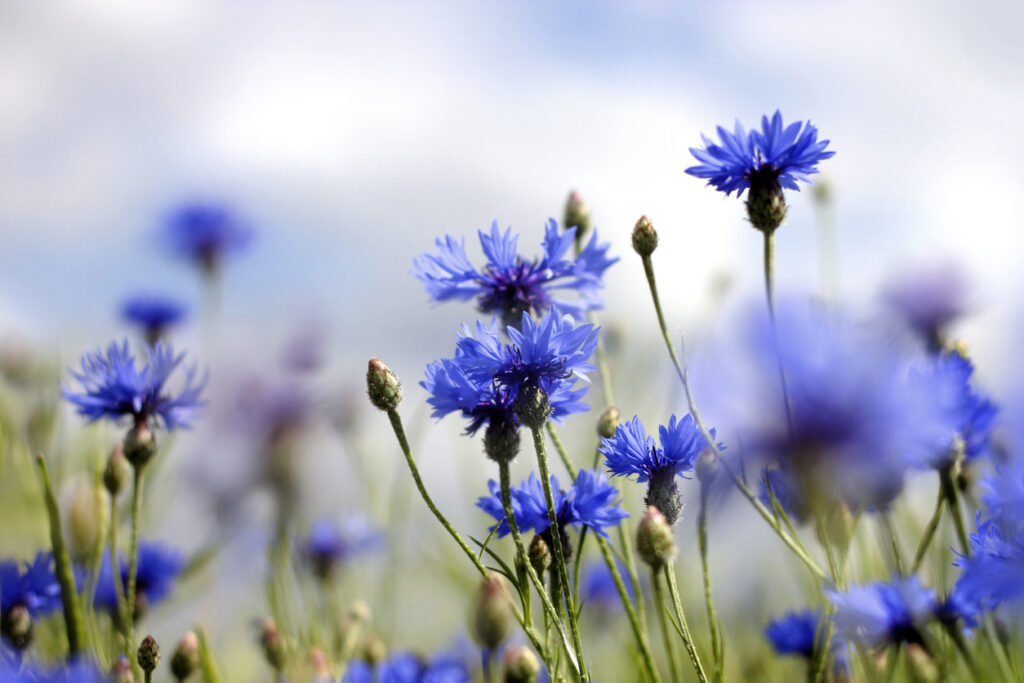
Cornflowers give that classic meadow look with their vivid blue petals and upright stems. Originally a wildflower, they’re made for self-seeding and will happily set up a return appearance year after year. If you want a bit of a naturalised look, cornflowers are ideal. Let the flowers dry on the stem and shake out their seeds where you want them next year. Or, you can just leave them to it, and they’ll take care of the rest.
7. Aquilegia (Columbine)
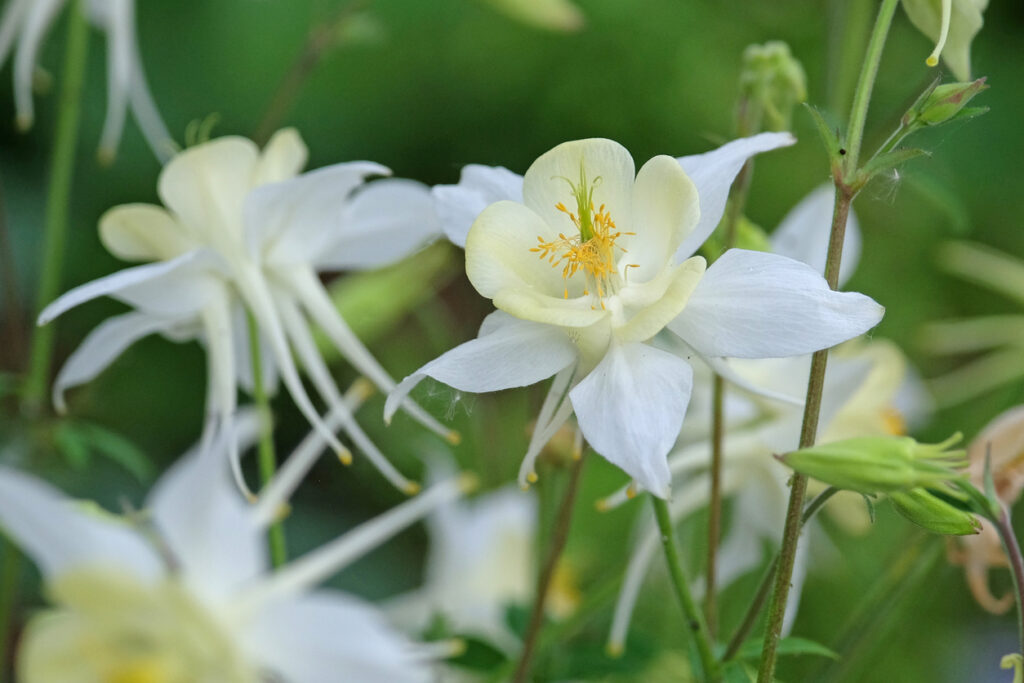
Aquilegia is a cottage garden favourite that self-seeds almost too well in some spots. With its elegant nodding flowers and ferny foliage, it blends easily into most planting schemes without needing much space or fuss. It cross-pollinates easily, so over time you’ll find new colour variations cropping up: pink, purple, white, and sometimes even blends of all three. It’s the kind of plant that keeps evolving, making your garden look like it’s been growing itself for years.
8. Honesty (Lunaria)
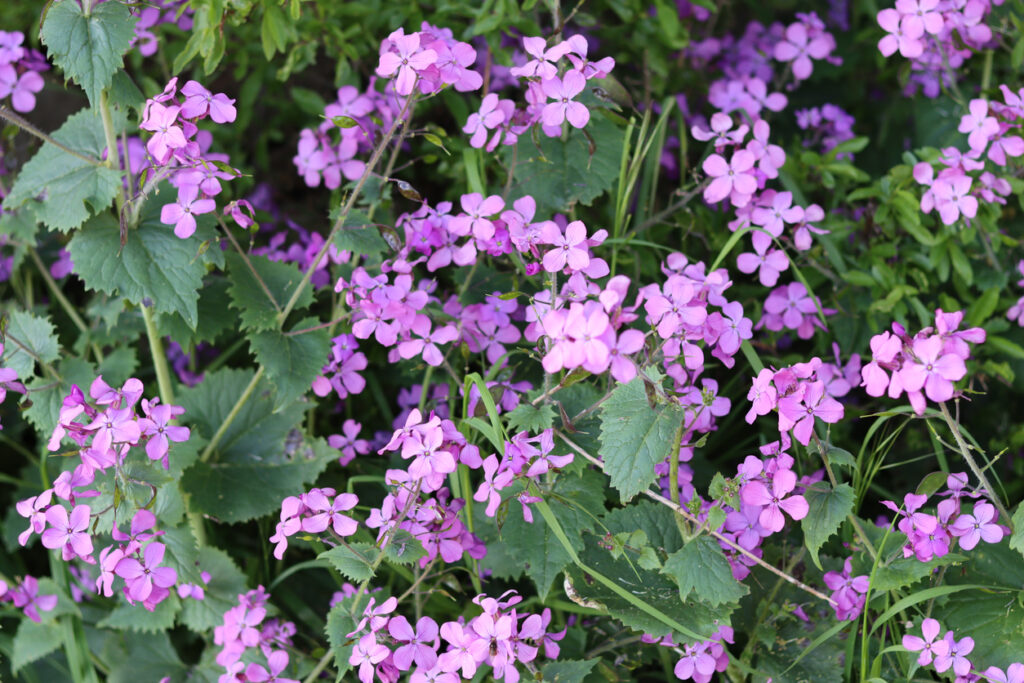
Honesty has understated spring flowers, but it’s most loved for the shiny, silver seed pods that follow. These papery discs look beautiful in dried arrangements and scatter seeds generously if left in place through autumn. It’s biennial like foxglove, but once it’s in your garden’s rhythm, it keeps going with little input. Let the seed pods ripen, drop naturally, and you’ll have new plants coming up quietly each spring without any extra sowing.
9. California poppy
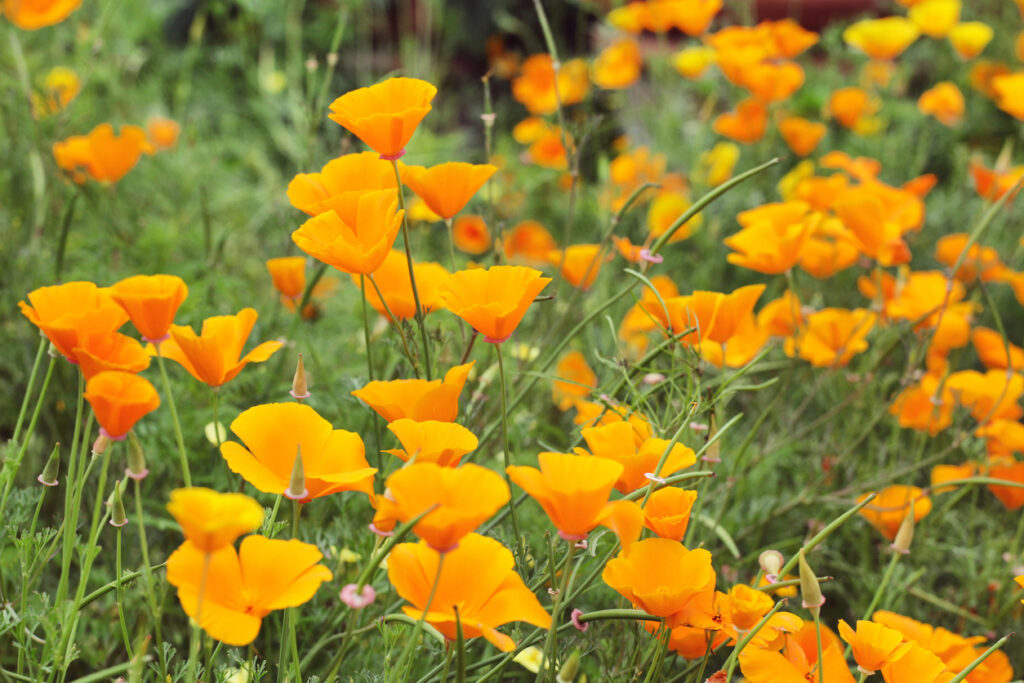
California poppies thrive in poor soil and hot sun, making them great for tough spots. Their silky, orange blooms close up at night and open again with the sun, and they reseed with ease once the blooms fade. The seeds are tiny and fall quickly, often nestling into cracks or gravel. The result? Bright bursts of colour that pop up in unexpected places—no compost, watering schedule, or seed trays required.
10. Wallflowers (Erysimum)
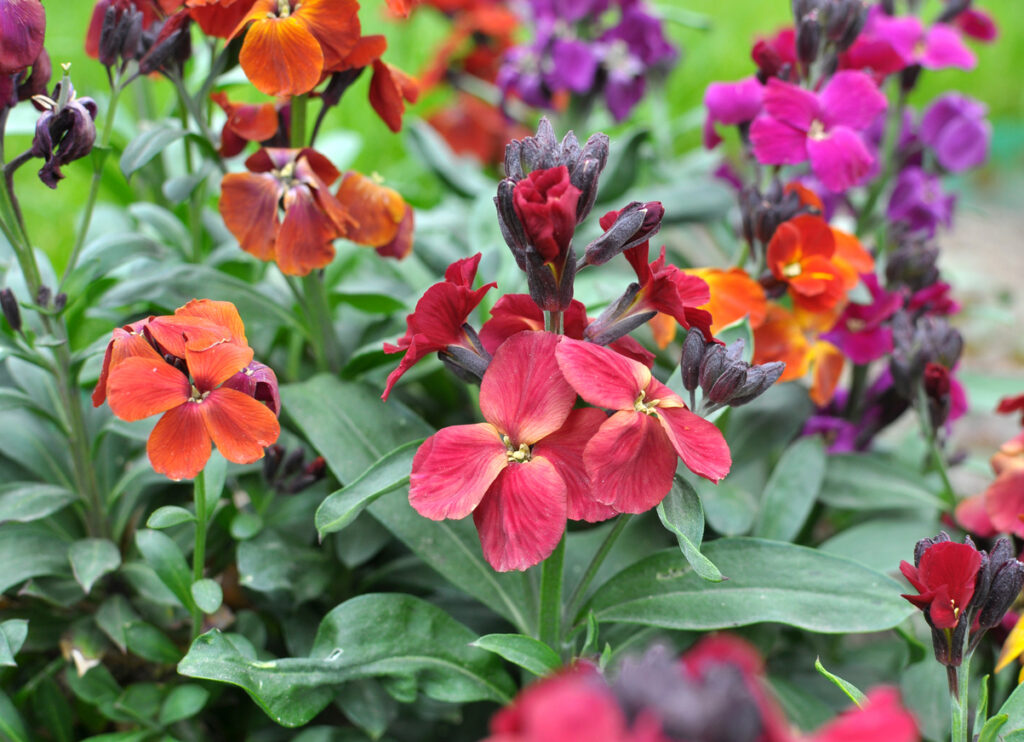
Wallflowers are old-fashioned in the best way. Their rich, spicy scent and long-lasting blooms make them a favourite for spring borders. And when left to their own devices, many varieties will happily drop seeds and regrow in the same spot. They don’t always live long themselves, but the next generation often appears the following season without much encouragement. Once they get going, they tend to stick around in your garden’s background, ready to flower again and again.
11. Forget-me-nots
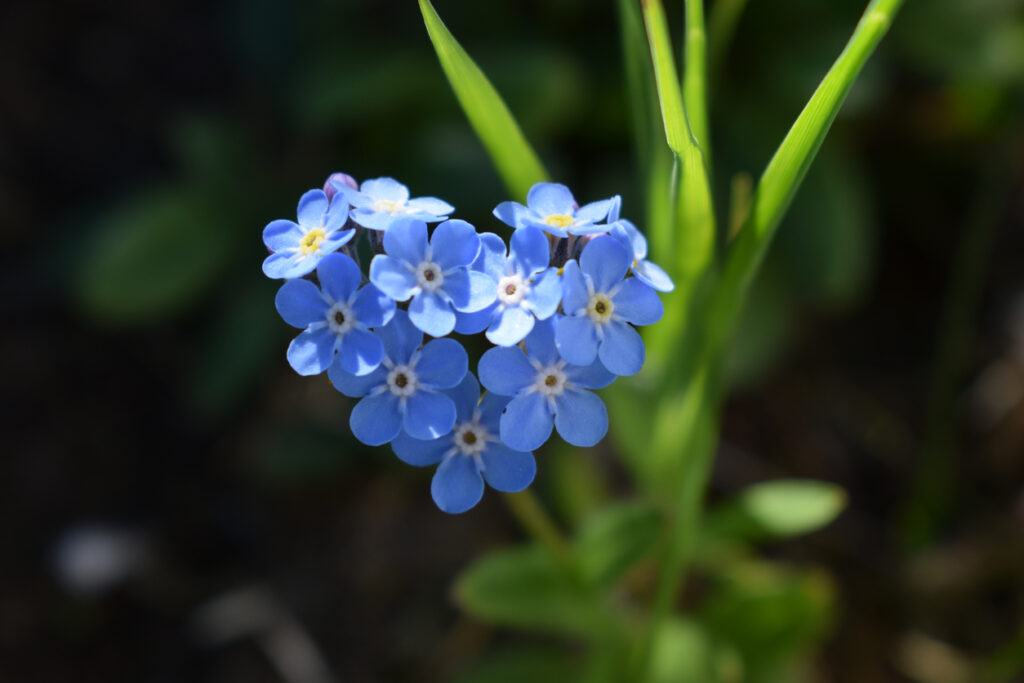
Forget-me-nots are small but mighty when it comes to self-seeding. These sweet little blue blooms spread quietly and can fill gaps in your borders with soft colour each spring. They do most of the work while you’re not looking by dying back, dropping seeds, and coming back in early spring with little fanfare. If you don’t mind the odd stray plant popping up between paving stones or beside the compost bin, they’re an ideal no-effort bloomer.
12. Centaurea montana (Perennial cornflower)
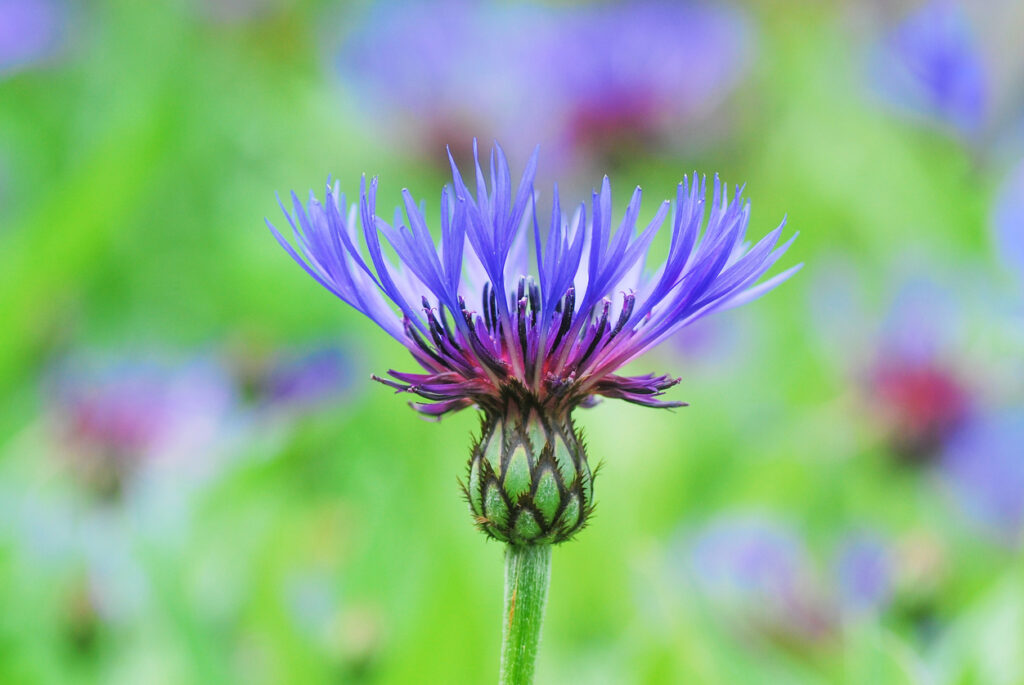
Unlike annual cornflowers, this perennial version is a bit tougher and sticks around in clumps, but it’ll also self-seed nearby when left alone. Its shaggy blue flowers and low-fuss nature make it a good option for informal beds and borders. The seedlings are easy to spot and move if needed, but many gardeners just let them spread naturally. Once established, they create a soft, meadow-like vibe that gets better each year.
13. Alchemilla mollis (Lady’s mantle)
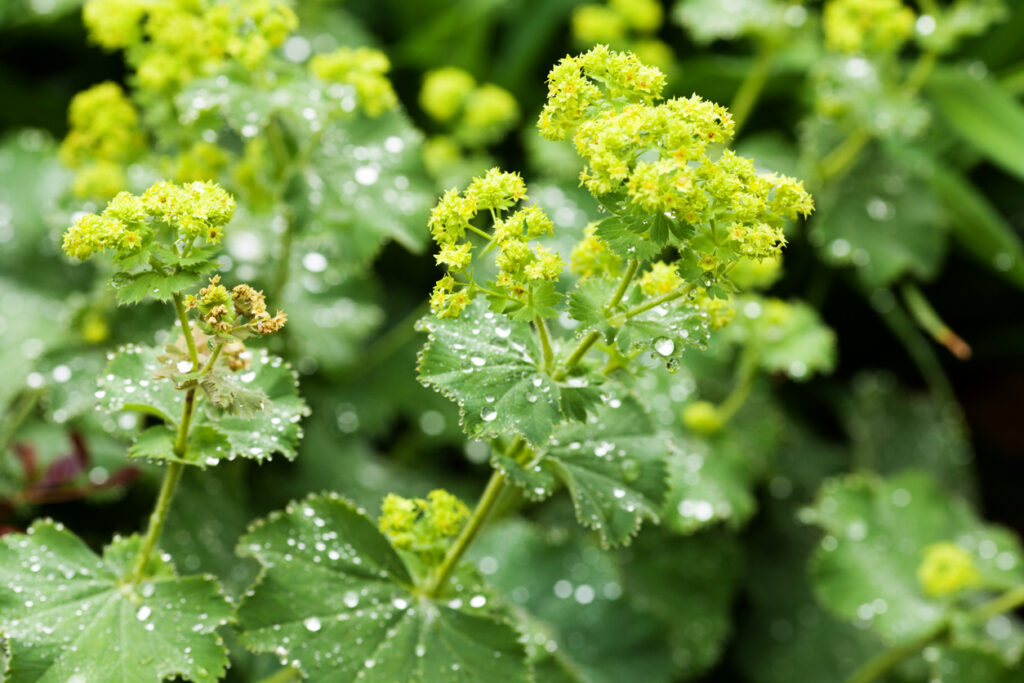
Lady’s mantle is known for its ruffled, scalloped leaves and frothy lime-green flowers. It’s also known for popping up just about everywhere if you don’t cut it back after flowering. It’s one of the more enthusiastic self-seeders. If you let a few flower heads stay on the plant, they’ll drop seed freely and take root in cracks, corners, and bare soil. The result is a soft, understated green filler that holds moisture well and looks lovely with just about everything.
14. Verbascum
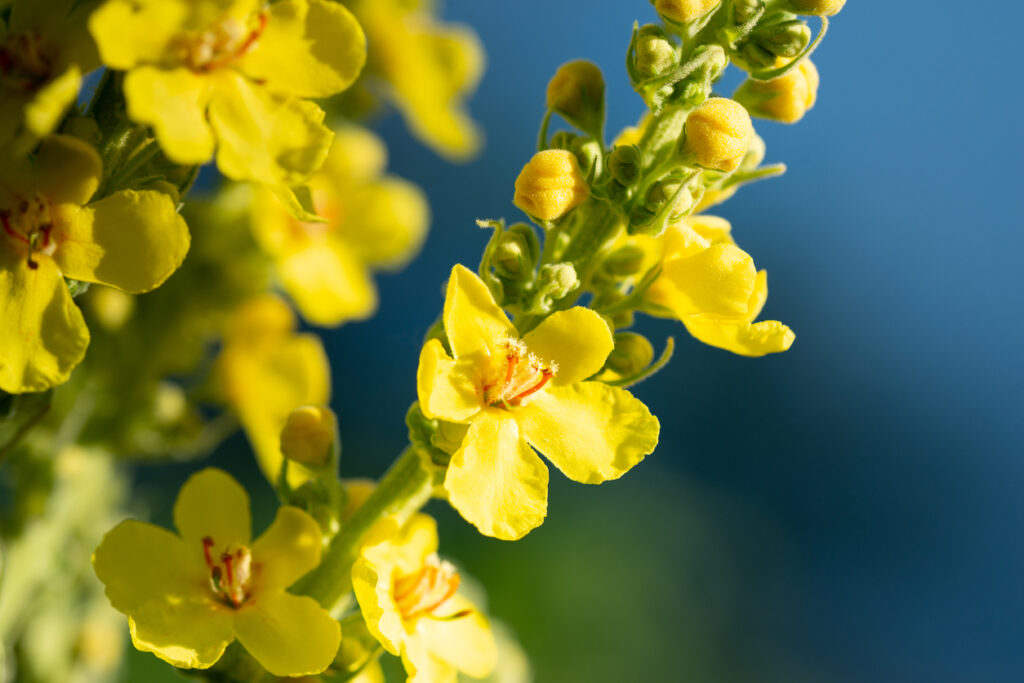
Verbascum, or mullein, sends up dramatic flower spikes that bees love, and while some species are short-lived, they make up for it by scattering seeds like pros. Once established, you’ll often find rosettes appearing the following season, ready to launch into another tall bloom. They handle poor soil and dry spots well, making them ideal for awkward areas where other flowers give up. Leave the seedheads up through autumn, and they’ll do the reseeding work all on their own.