Going away on holiday is meant to be a break, but if you’re into plants, it’s also a bit of a guilt trip.

You start wondering if your houseplants will be shrivelled to husks by the time you get back, or if your tomatoes will go full drama queen the second your back’s turned. The good news is you don’t need a complicated setup or a plant-sitter on speed dial. A few clever tweaks before you head off can keep things green, hydrated, and alive until you’re back in action. Here’s how.
1. Give them a deep drink just before you leave.
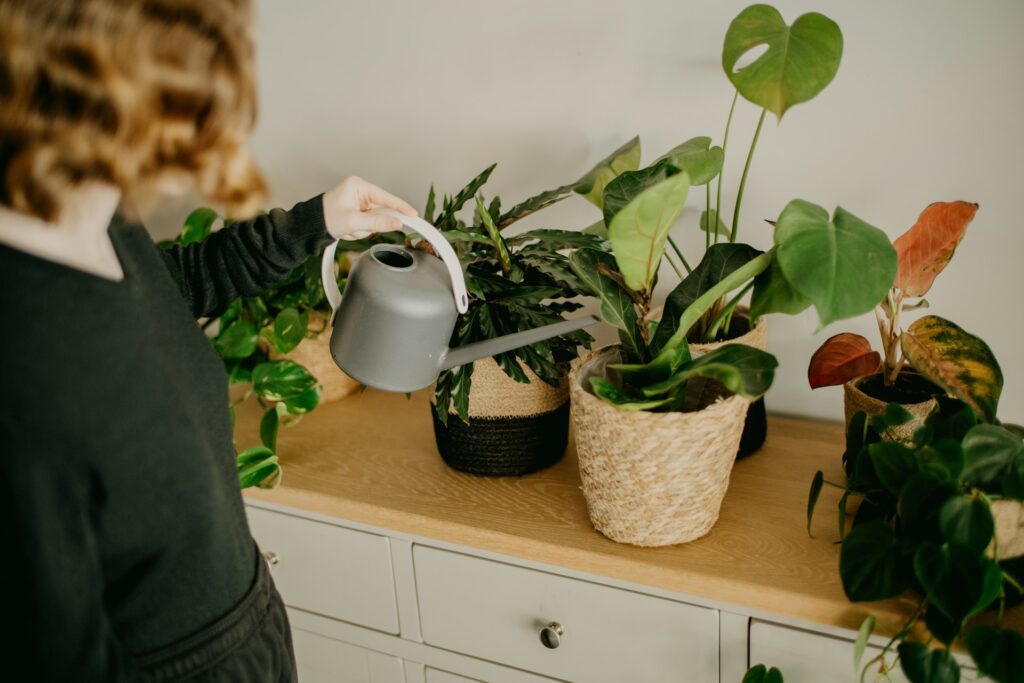
This one’s simple but essential. Don’t just splash some water on top. Really soak them so the moisture reaches the roots. For most houseplants, that means watering until you see it drain out the bottom of the pot. Doing this the day before you go gives the soil time to absorb everything it can, and it gives your plants the best shot at staying hydrated while you’re off enjoying yourself.
2. Move them out of direct sunlight.

Even if they normally love the sun, leaving plants baking in a south-facing window for days without water is just asking for disaster. When you’re away, less light equals less stress and slower evaporation. Move them somewhere bright but indirect, like a north-facing room, or a table that still gets daylight without the intense heat. Think of it as a temporary spa break for your plants.
3. Group them together to boost humidity.

Putting your plants close together helps create a humid microclimate. They’ll naturally share moisture through the air, meaning each plant dries out a little more slowly. This trick is especially useful for leafy tropicals like ferns, peace lilies, or calatheas. Just be sure there’s still a bit of airflow since cramming them in tight with no breathing room can invite mildew.
4. Set up DIY self-watering systems.
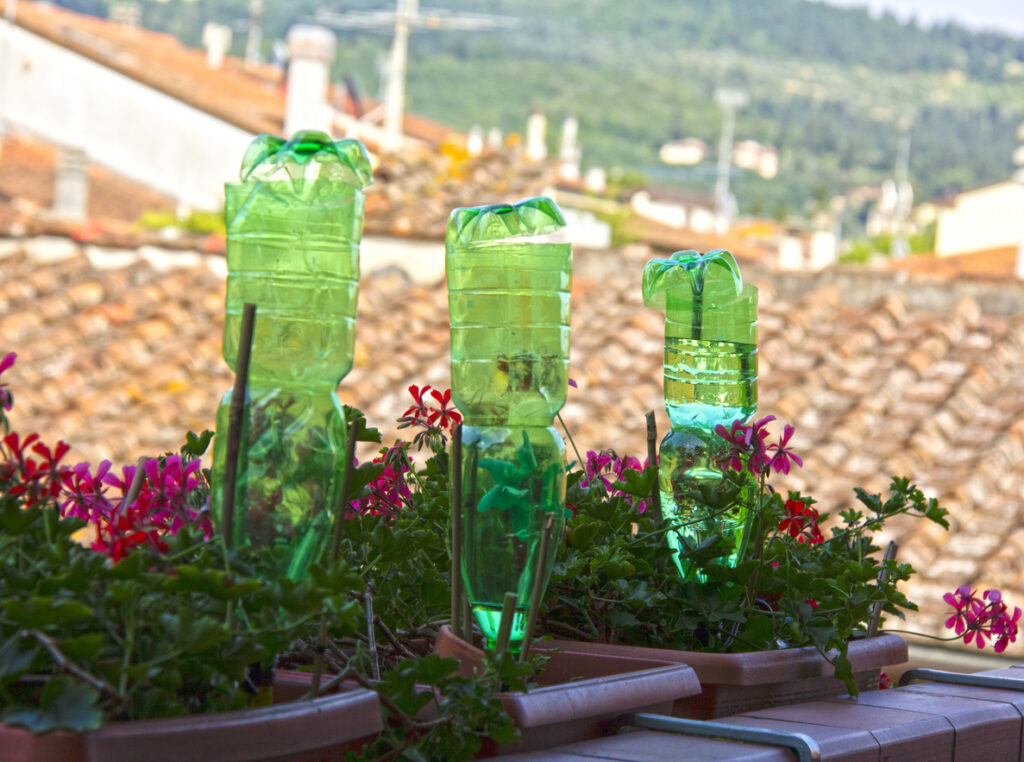
You don’t need fancy gear to keep your plants watered. A water bottle with a hole in the cap, a length of cotton string dipped in water, or even an old wine bottle inverted into the soil can keep moisture levels steady. If you’re feeling slightly more prepared, clay watering spikes or self-watering globes do the job well too. The key is a slow, steady release, not flooding the roots.
5. Use trays or saucers for backup moisture.
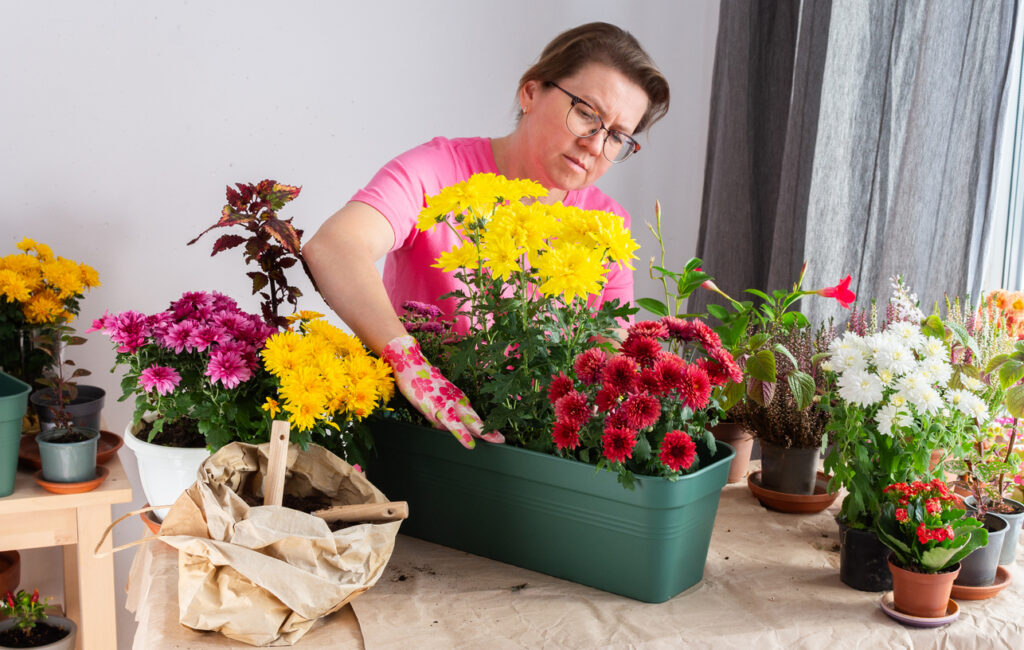
Set pots on trays lined with pebbles and a bit of water. As the water evaporates, it boosts humidity around the plants, and for pots with drainage holes, it lets the roots sip what they need. Just make sure the pots aren’t sitting directly in water, or you risk root rot. This is a solid backup plan for when you’re only gone a few days and want a bit of insurance.
6. Don’t fertilise right before you go.
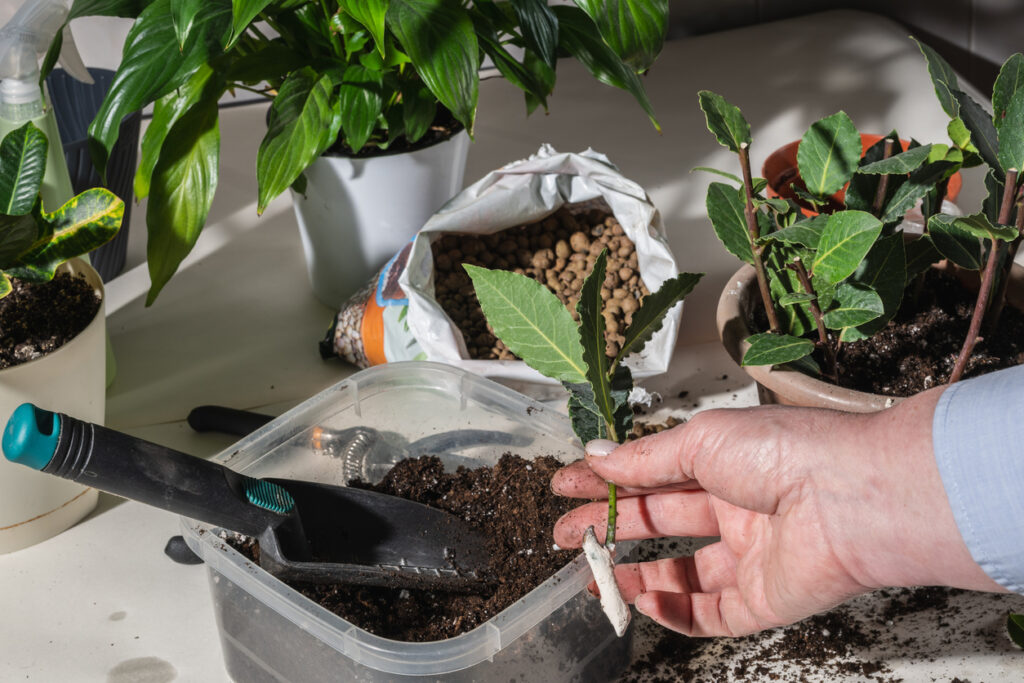
Feeding plants right before a break might seem kind, but it can backfire. Fertiliser encourages new growth, which uses up water faster and adds stress if you’re not around to care for them properly. Skip the feed until you’re back home and able to support that fresh growth with regular watering and care. Holidays are for slowing down, plants included.
7. Give them a light trim.

If your plants have any dead leaves or scraggly bits, snip them off before you go. It means less water going to parts that don’t need it and helps reduce the risk of pests or mould while you’re gone. Don’t go wild with the pruning—just tidy things up so they’re not wasting energy on parts that aren’t helping them survive.
8. Sink them in the bath (or a washing-up bowl).
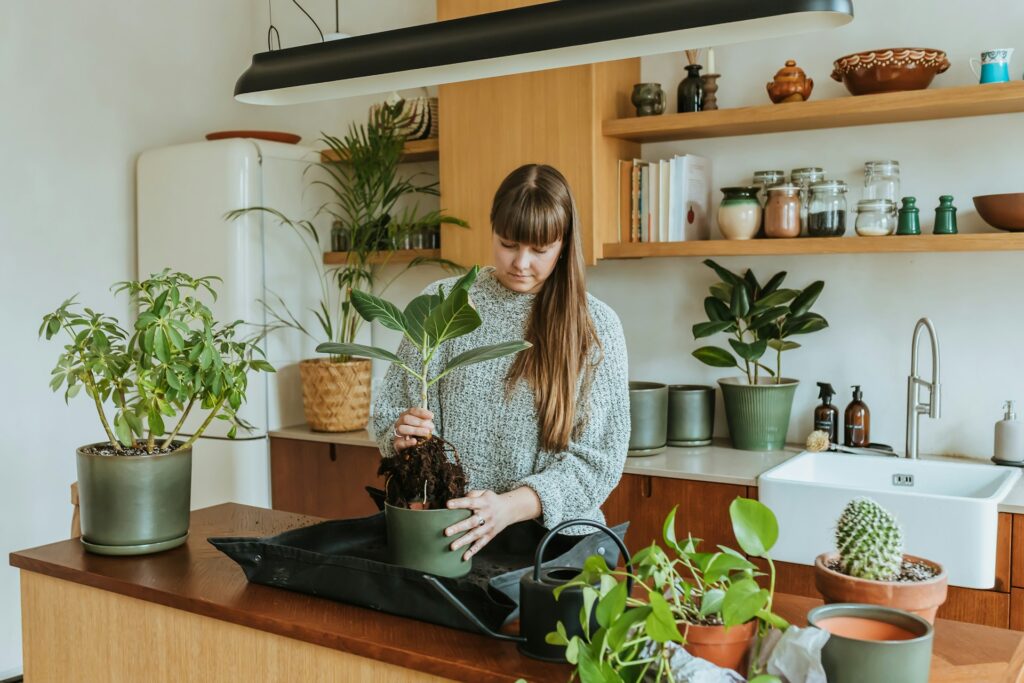
For small to medium plants, the bathtub trick is an old classic. Place them in the bath on a damp towel or shallow water tray, out of direct light, and let them soak up what they need from below. This is ideal if you’ve got a bunch of plants and only a few minutes to spare. It works best with terracotta pots, which naturally wick moisture upward from the base.
9. Use the wick method for longer breaks.
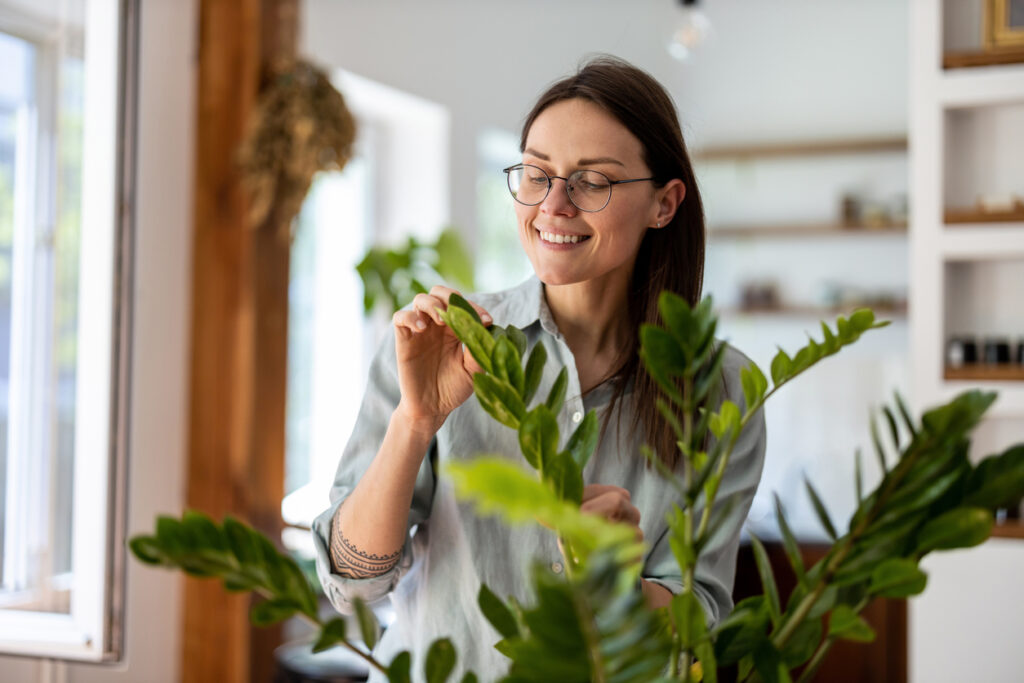
Cut a strip of cotton fabric or string, place one end in a jug of water and the other a few inches into your plant’s soil. The wick will slowly draw water across as needed, like a drip-feed system. This works surprisingly well for individual pots and can keep soil lightly moist for over a week, depending on plant size and temperature. Just test it once before relying on it completely.
10. Leave blinds or curtains slightly open.

Shutting everything up tight might protect your privacy, but it also traps heat and cuts off light. If your plants are indoors, make sure they still get a bit of natural daylight while you’re gone. Leave sheer curtains drawn or tilt your blinds slightly so it’s bright without being scorching. They still need a bit of a day/night cycle to keep them steady.
11. Ask someone to pop in, but make it foolproof.

If you’re lucky enough to have a friend or neighbour who’ll check in, don’t overcomplicate things. Leave a simple note, group similar plants together, and label anything that needs special care. A watering can left nearby, a short thank-you, and clear instructions go a long way. If all they need to do is give everything a quick glug every few days, they’re more likely to say yes again next time.
12. Water from the bottom for longer impact.

If you normally water from the top, try bottom watering before you go. It gets water deep into the root zone, and the soil holds onto it longer than when you just water the surface. To do it, sit pots in a tray or sink filled with a few inches of water for 30–60 minutes, then let them drain. It’s like giving your plants a proper drink before you set off.
13. Know which plants will be totally fine.

Cacti, succulents, ZZ plants, and snake plants won’t even notice you’re gone for a week or two. They’re built for drought and actually prefer being left alone for a bit. So don’t stress over them. Focus your effort on thirstier types, especially herbs, tropicals, or anything in a small pot that dries out quickly.
14. Expect a little wilting, and don’t panic.

Even with prep, some plants might droop or look sulky when you get back. That doesn’t mean they’re done for. A bit of rehydration, fresh air, and recovery time usually perks them right up. Give them a few days before you write anything off. Most plants are more resilient than they look. They just need a moment to bounce back, just like you after your flight home.