You don’t need to be crafty, rich, or well-stocked in garden centre gear to help the birds out.
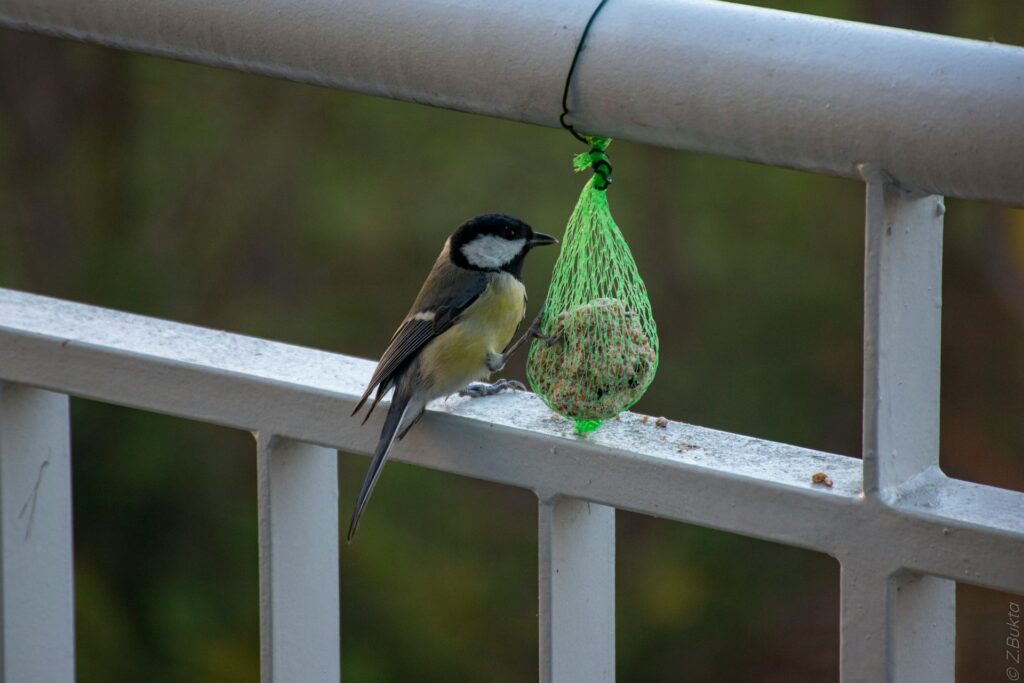
A decent bird feeder can be made with stuff most of us already have lying around: empty bottles, toilet rolls, mugs, string, and a bit of leftover food. The best bit is that once you hang one up, you’ll start spotting visitors you probably didn’t realise were in your area. Here’s how to knock together a bird feeder with what you’ve got at home, no need to buy anything fancy.
1. The loo roll classic
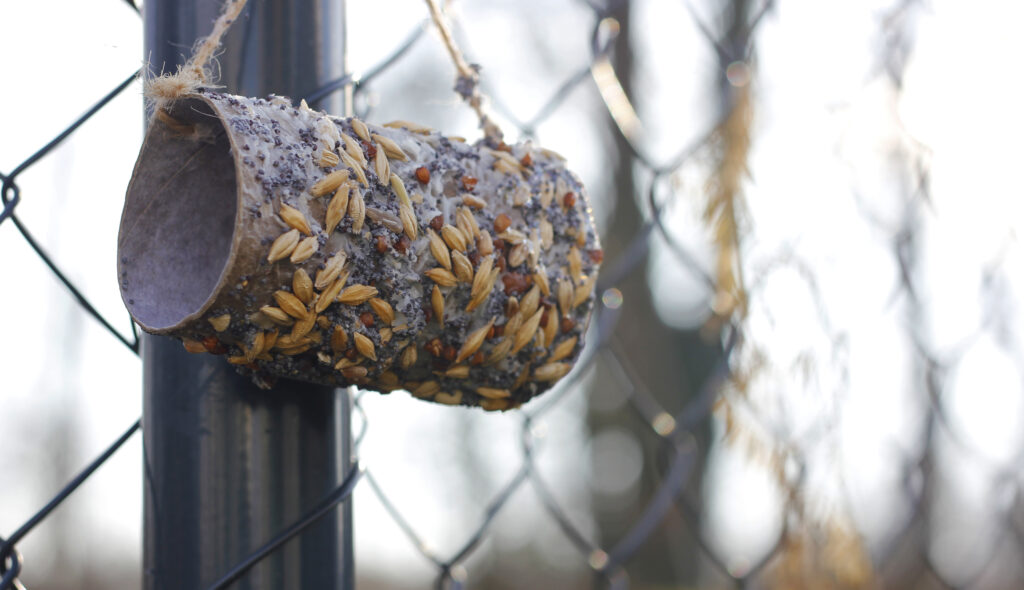
Grab an empty toilet paper roll, smear it with peanut butter (the unsalted, no-added-sugar kind), and roll it in bird seed until it’s fully coated. Then just thread a bit of string through the middle and hang it from a branch or balcony rail. It’s quick, it’s messy in the fun way, and birds love it, especially tits and finches. Kids can help too, which makes it a solid little afternoon project.
2. Use an old mug
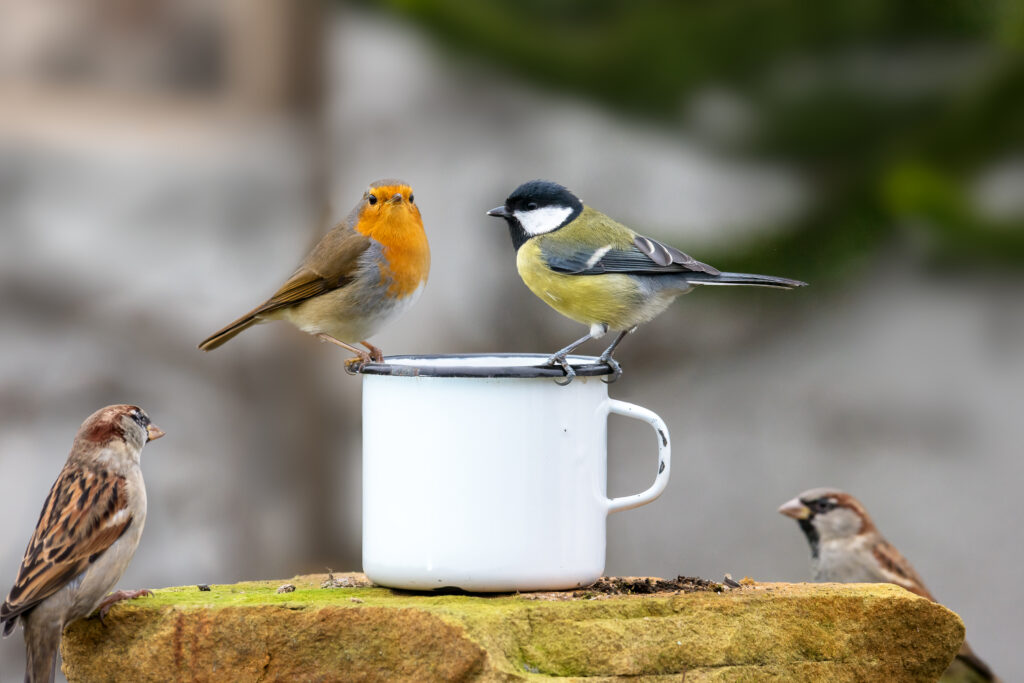
Got a chipped mug you never use? Fill it with a mixture of melted fat (lard or suet) and bird seed. Let it set, then tie some string around the handle and hang it somewhere sturdy, tilted slightly forward, so the birds can perch on the rim. This one works well in colder months when birds are after fat-rich food, and it gives new life to a cup you probably would’ve binned otherwise.
3. The plastic bottle version
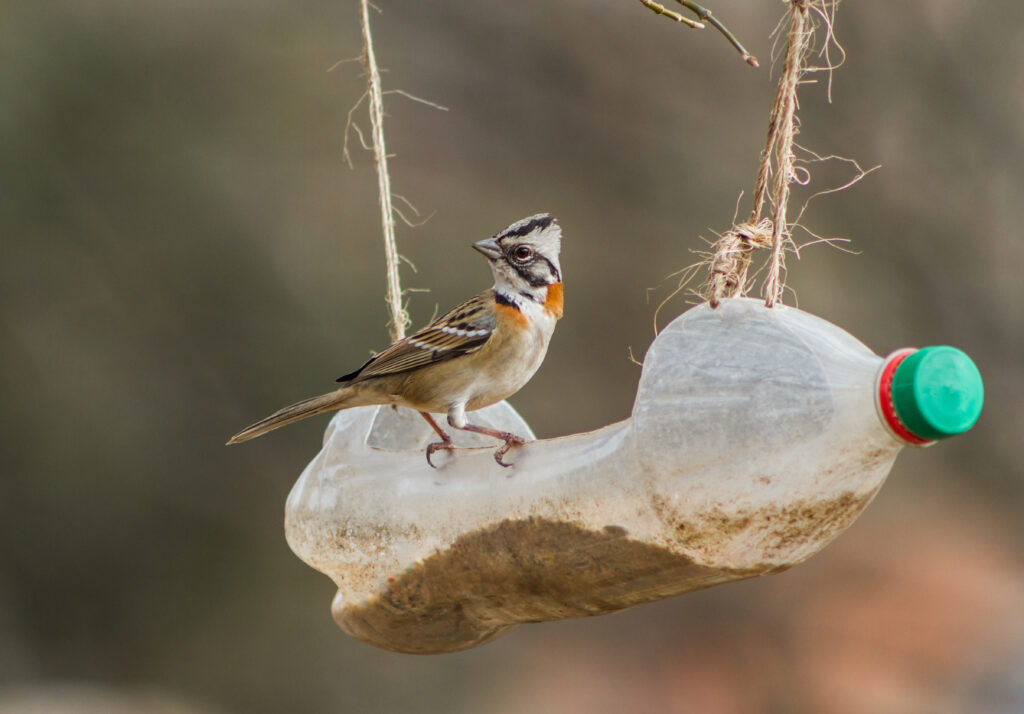
Take a clean plastic drinks bottle, poke a couple of holes near the base, and push sticks or pencils through to act as perches. Then cut two small holes just above each perch for the birds to access the seed inside. Fill the bottle with seed, screw the lid back on, and hang it up with string or wire. It’s basic but effective, and surprisingly long-lasting if you keep it in the shade.
4. Pine cone feeder
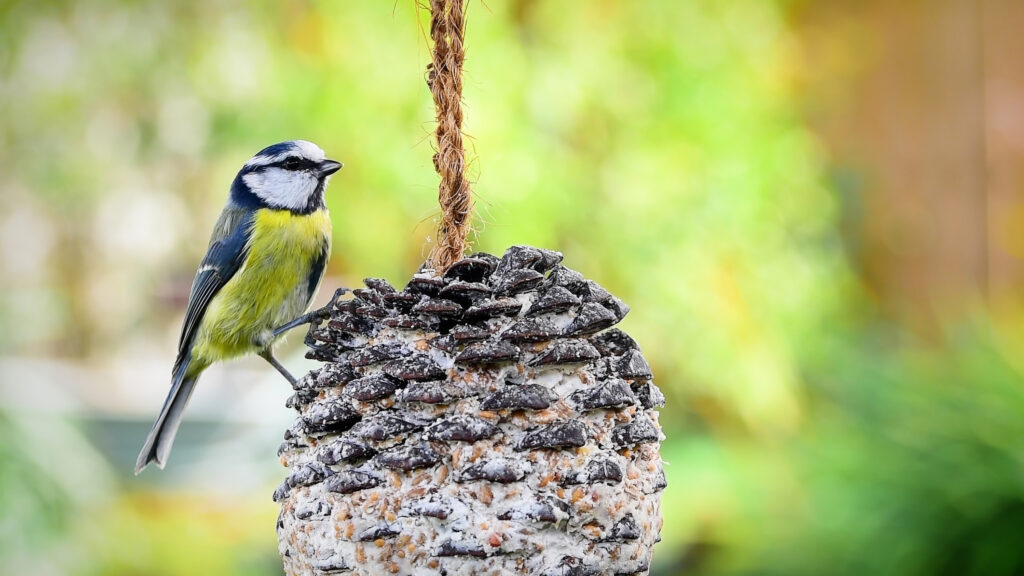
If you live near a park or woodland, grab a few pine cones. Tie string to the top, spread them with peanut butter, and roll them in seed. Shake off the excess and hang them up. They’re lightweight, blend in with the surroundings, and attract robins, sparrows, and the occasional great tit if you’re lucky. No pine cones around? A stick works in a pinch.
5. Repurpose a yoghurt pot
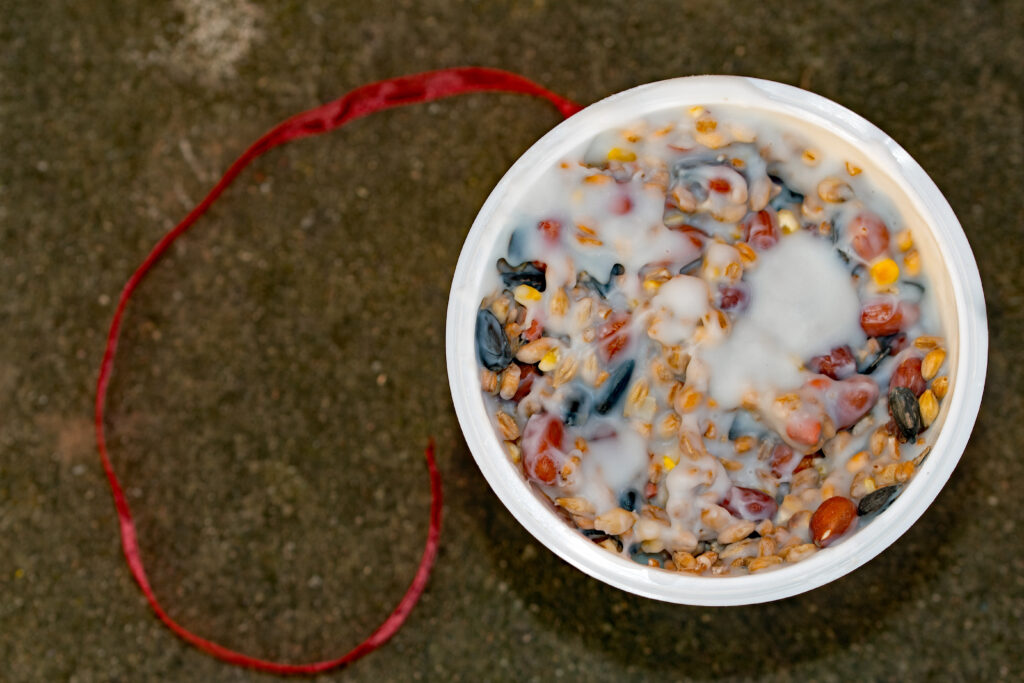
Cut a small hole in the base of a clean yoghurt pot, thread some string through and knot it so you’ve got a hanging loop. Fill the pot with suet and seeds, then leave it in the fridge to set. Once solid, hang it outside upside down (so the fat faces downward). The birds cling to the rim and peck at the seed mix, which is great for small species like blue tits or dunnocks.
6. Egg carton feeder
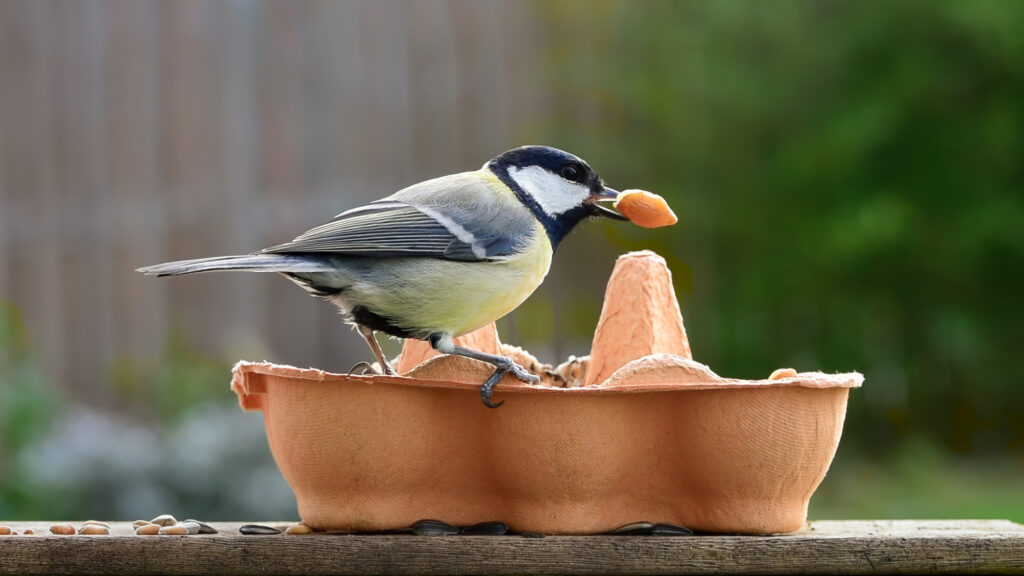
Snip a cardboard egg box in half, punch a hole in each corner, and thread string through to make a hanging tray. Fill each section with seed or oats, then hang it flat somewhere sheltered. It won’t last forever in the rain, but it’s a quick, biodegradable option, and birds tend to appreciate the open space for hopping and pecking.
7. Hang out old crusts or apple cores
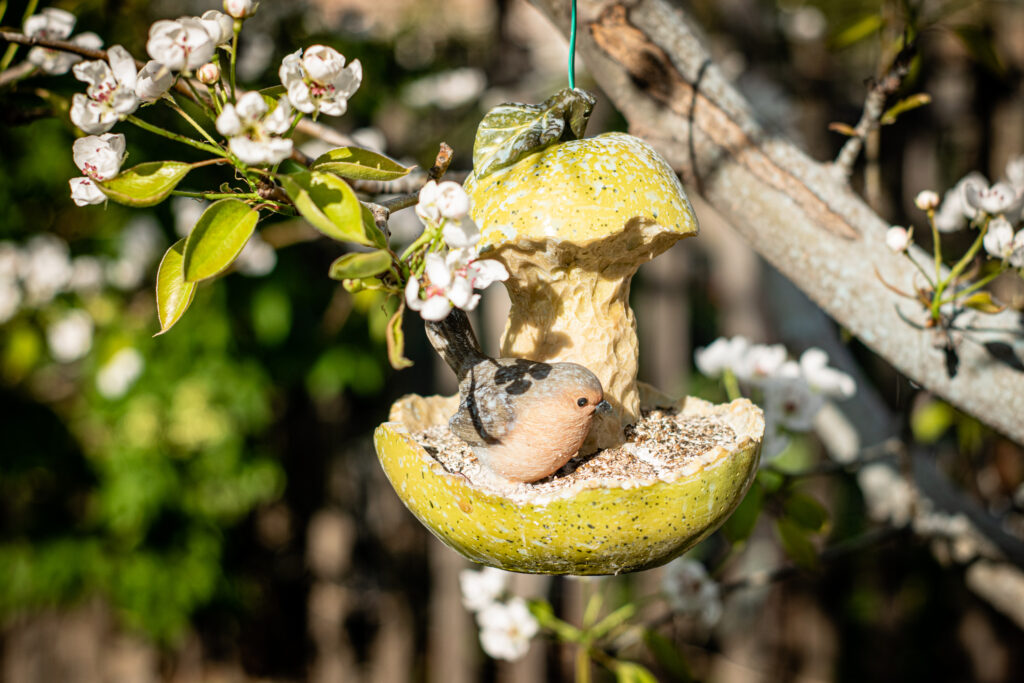
If you’ve got stale bread (not mouldy), apple cores, or even halved oranges, string them up or place them on a garden wall. Some birds will happily pick away at bits we’d usually toss. Just keep it balanced. Don’t overdo bread, and avoid anything salted or processed. Natural, unseasoned leftovers are best, and they disappear quickly with hungry birds around.
8. Make a window tray
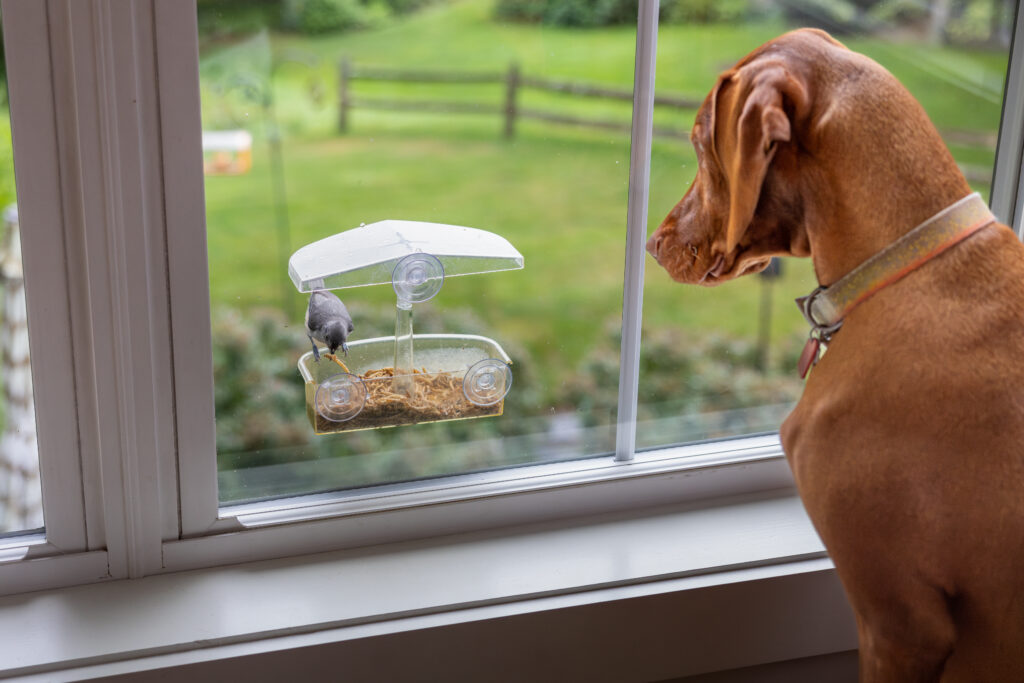
No garden? No problem. Stick a shallow plastic container to your windowsill using strong double-sided tape or suction hooks. Add a bit of birdseed or oats, and you’ve got yourself a front-row seat. It’s not squirrel-proof, and you’ll want to clean it regularly, but it’s brilliant for spotting birds up close, especially if you live in a flat or don’t have outdoor space.
9. Use old mesh fruit bags
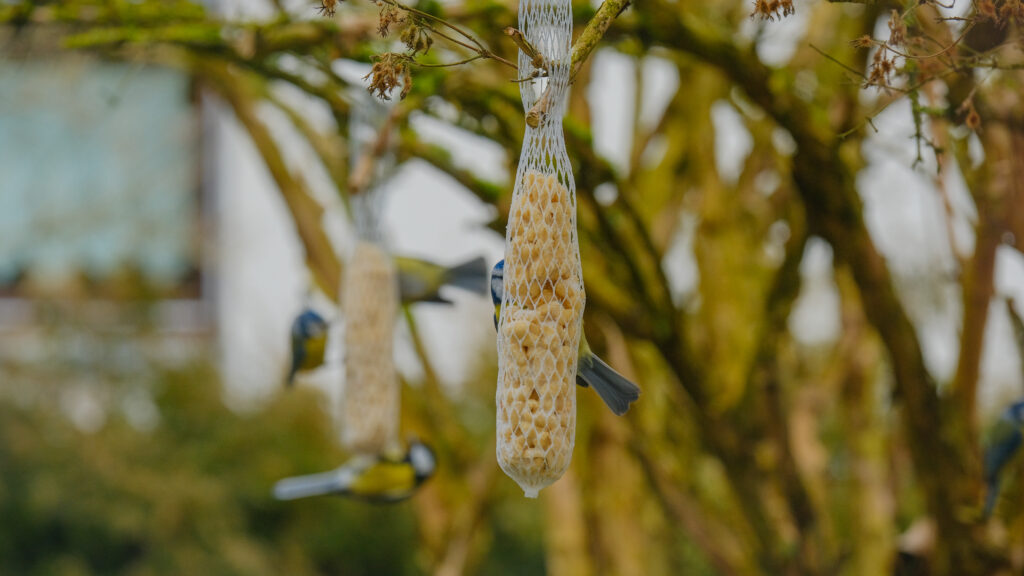
You know the netting that oranges or garlic often come in? Rinse it out and fill it with suet balls or old crusts, then tie it off and hang it somewhere safe. Instant feeder. Just make sure the mesh holes are big enough for birds to peck through, but not so loose that they get stuck. Check it now and then for any signs of wear or snagging.
10. Turn a coconut shell into a feeder
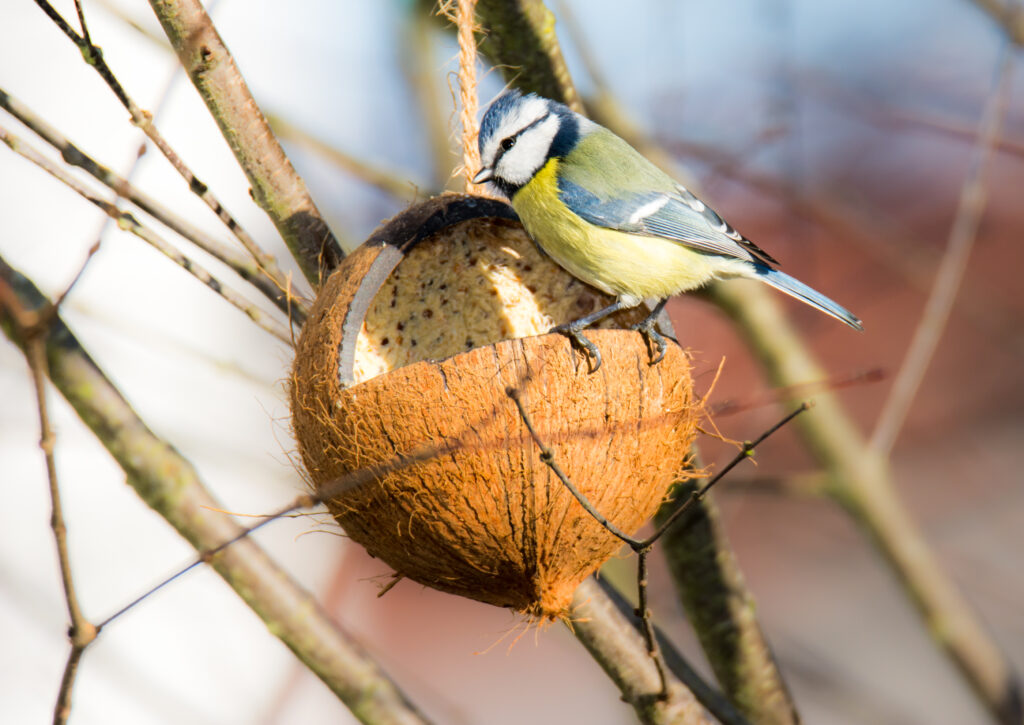
If you’ve got half a coconut from cooking or the shop, scoop out the inside, drill a hole in the top (carefully), and string it up. Fill it with suet, seeds, or even soaked raisins. It lasts for ages, looks good, and can handle the weather better than cardboard or plastic. It’s also loved by clinging birds like long-tailed tits and nuthatches.