Scorching summer days might be lovely for sunbathing, but your garden probably isn’t loving it.
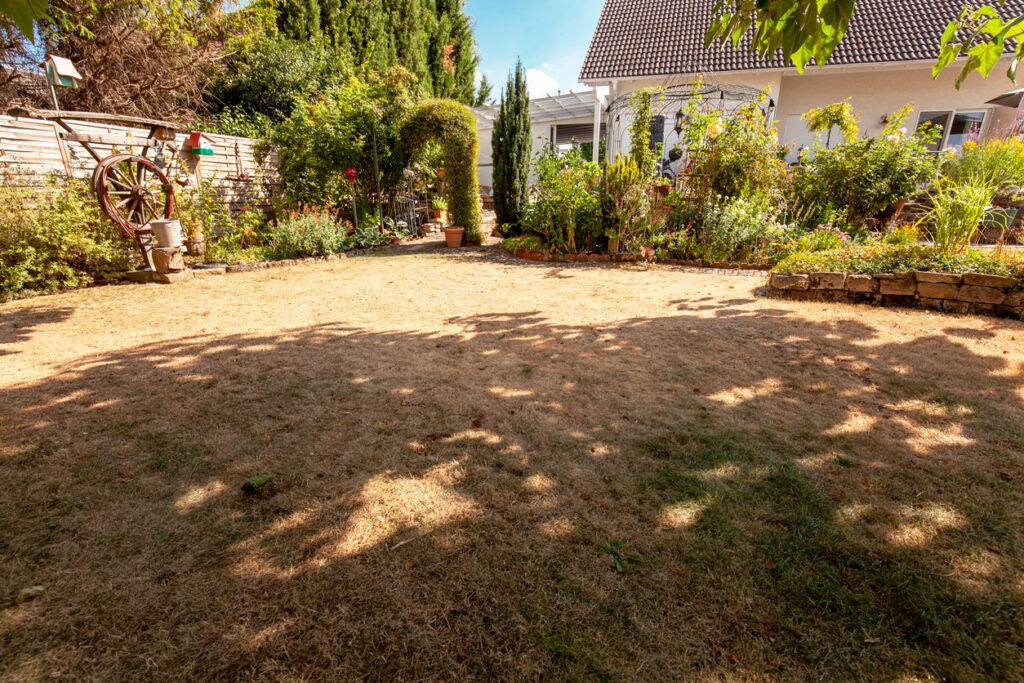
Wilting leaves, cracked soil, faded flowers—heat stress hits plants harder than most people realise. Even drought-tolerant types can struggle if the weather turns harsh for too long. However, with a few simple changes in how you care for things, you can give your garden a fighting chance. Here’s how to spot heat stress, and what to do when your plants start waving the white flag.
1. Water early or late, not midday.

Midday watering does more harm than good. Most of it evaporates before it hits the roots, and wet leaves in full sun can get scorched. Stick to mornings or evenings when the soil has time to absorb the moisture properly. If you water in the morning, plants can stay hydrated through the heat. If you water at night, just avoid soaking foliage, especially in humid conditions, as that can invite mildew.
2. Prioritise your most vulnerable plants.
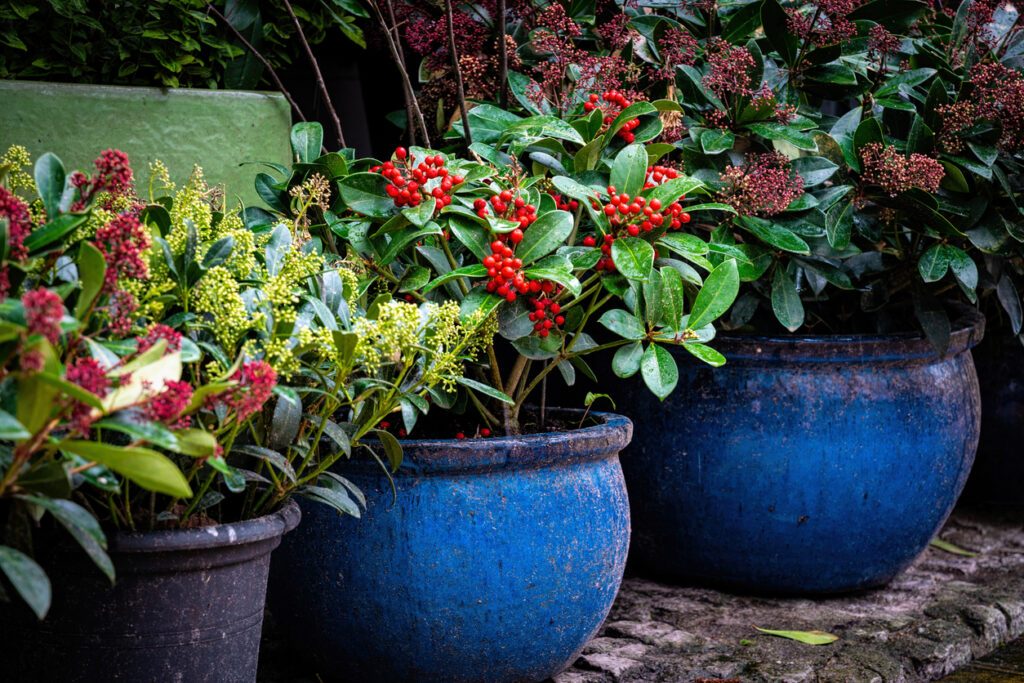
When water’s limited or time is short, focus on what really needs the help. Newly planted seedlings, container plants, and anything fruiting or flowering should be first on your list. They’re the most likely to dry out fast. Established shrubs and perennials often bounce back, but younger or shallow-rooted plants won’t last long without a bit of support. Don’t feel guilty for being selective; it’s strategic, not neglectful.
3. Add mulch if you haven’t already.
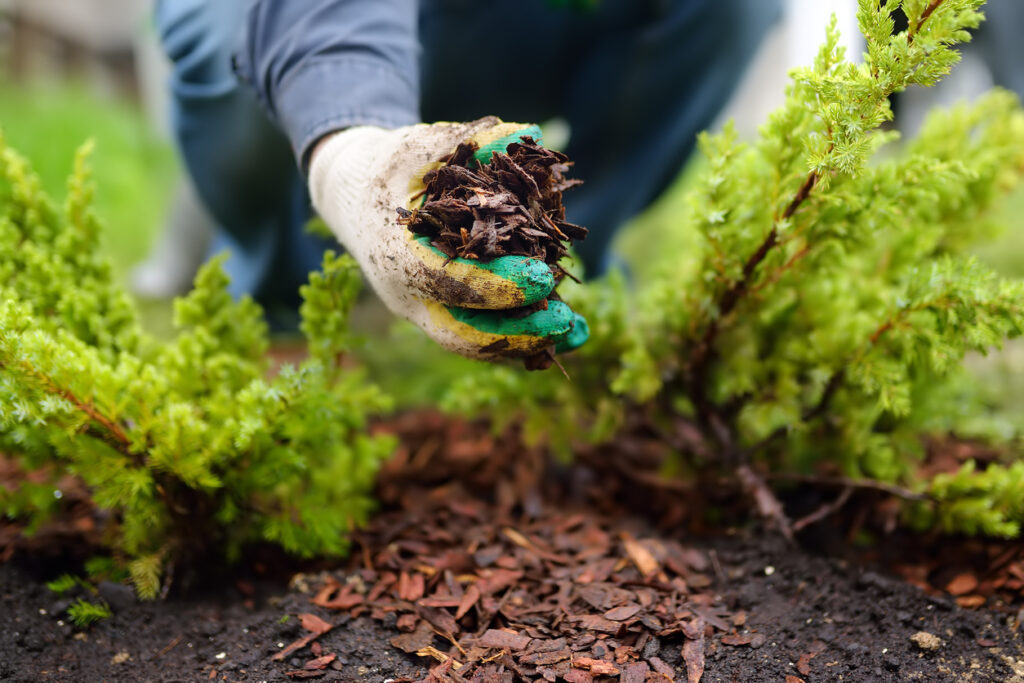
A good mulch layer keeps soil cool and moist for longer. Use bark chips, compost, straw, or even grass clippings if you’ve nothing else. It helps lock in water and shields the roots from baking sun. It also slows down weeds, which compete for moisture. Just make sure not to pile it too close to the plant stems, or you’ll risk rot or fungal issues.
4. Don’t feed heat-stressed plants.
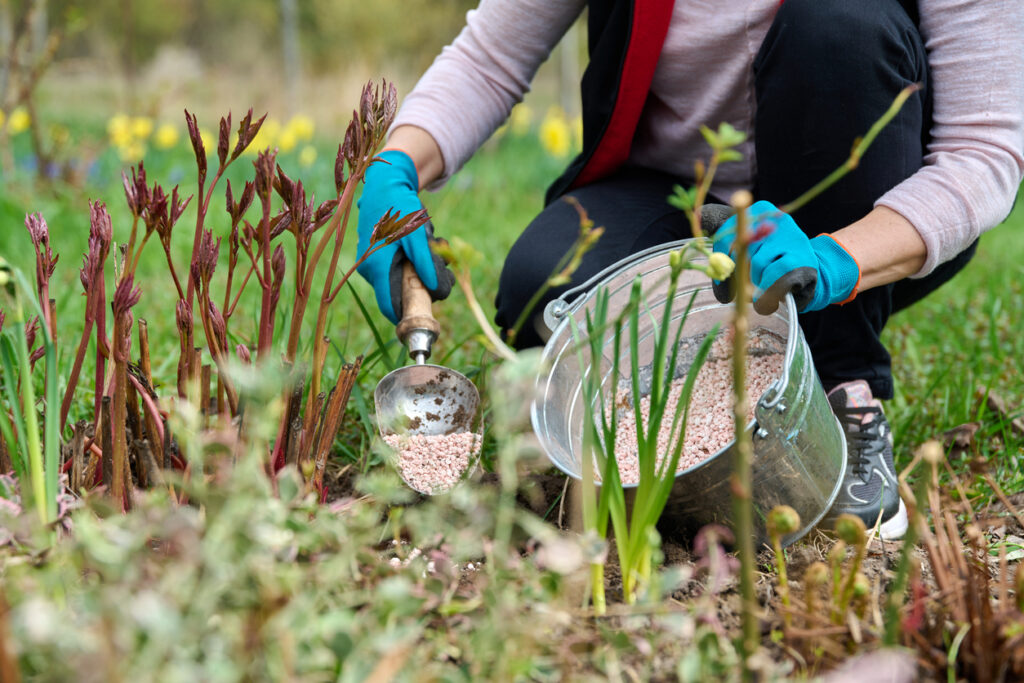
It’s tempting to chuck on fertiliser to perk up tired-looking plants, but don’t. Heat-stressed plants can’t process nutrients properly, and feeding can do more harm than good during a heatwave. Wait until the weather cools and they’ve recovered a bit. In the meantime, water well and let them rest rather than trying to push more growth out of them.
5. Shade delicate plants if possible.
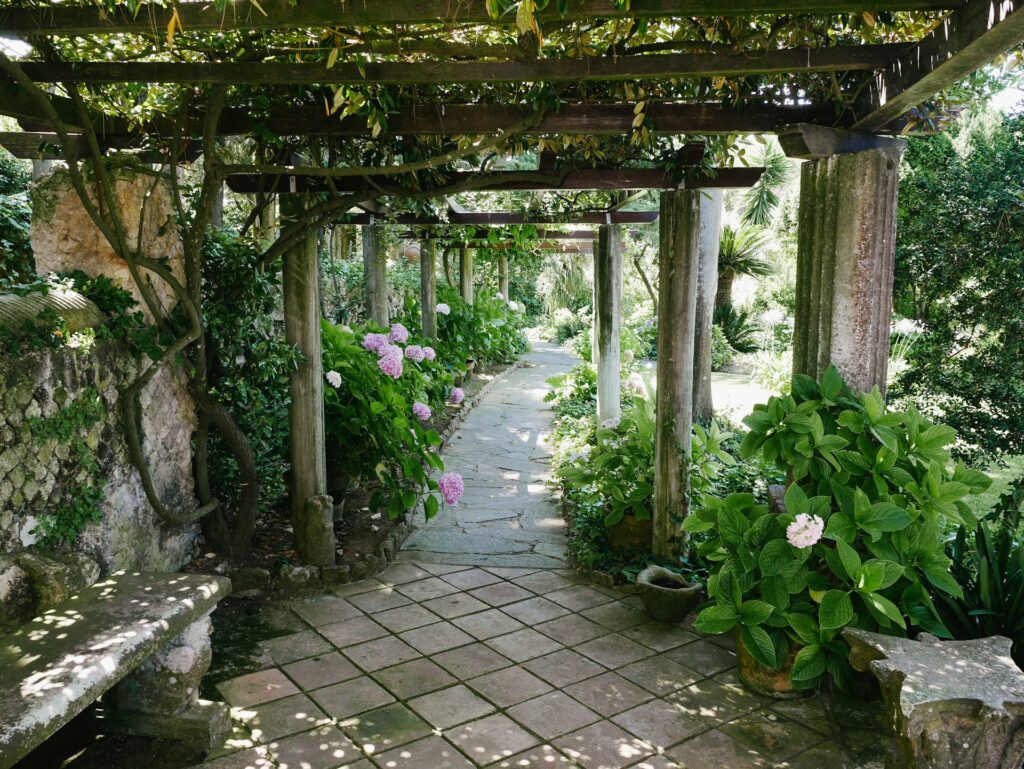
If you’ve got seedlings, veg beds, or delicate flowers suffering in direct sun, give them some temporary shade. Use shade cloth, an old sheet, or even an umbrella. It doesn’t have to look pretty to do the job. Move pots into partial shade if they’re portable, especially during the hottest part of the day. Even a few hours out of direct sun can make a huge difference in survival rates.
6. Keep an eye on leaves, not just the soil.

Soil might look dry on the surface and be damp underneath, or the other way around. What the leaves are doing is a better giveaway. Drooping, scorched, or curling leaves are clear signs your plant is under pressure. If you spot pale patches or crispy edges, it’s usually heat or sun damage rather than disease. Adjust watering and shade, and give them time to bounce back.
7. Deadhead regularly.
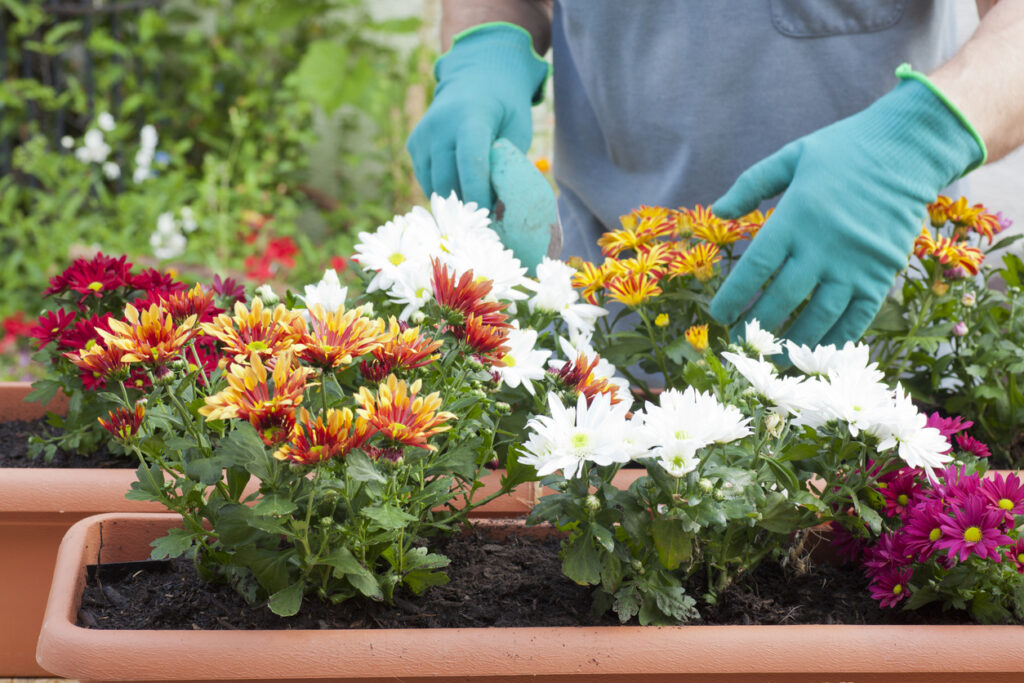
Removing spent flowers helps the plant save energy and directs it into staying alive, not producing seeds. It also encourages more blooms once things cool down again. Don’t go overboard pruning, but gently trimming back what’s clearly past its best can help plants reset and reduce overall stress.
8. Check pots and containers more often.

Container plants dry out far quicker than anything in the ground. During a heatwave, they might need watering twice a day, especially if they’re in terracotta pots, which absorb heat and lose moisture faster. Move pots into shade if you can, and consider grouping them together to create a mini humid microclimate. It helps reduce water loss and makes daily watering easier.
9. Don’t assume all wilting means thirst.
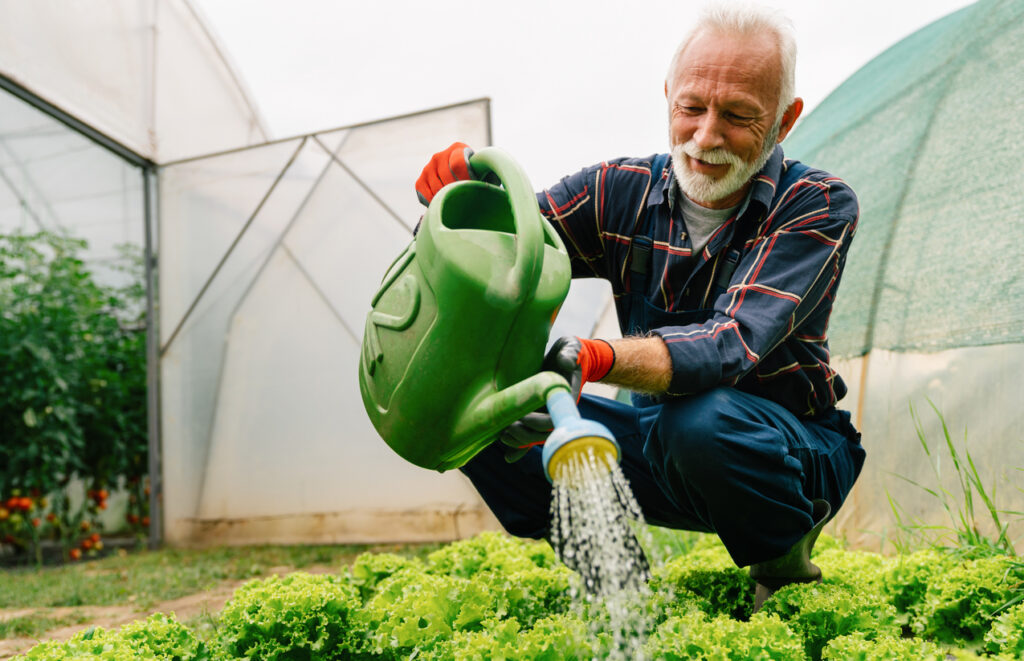
Sometimes plants wilt not because they need water, but because they’re trying to conserve it. In intense heat, they collapse temporarily to reduce evaporation through their leaves. If the soil is already damp, don’t overwater just because the plant looks floppy. Check the roots and top few inches of soil first, as too much water can cause root rot in already stressed plants.
10. Rethink mowing.
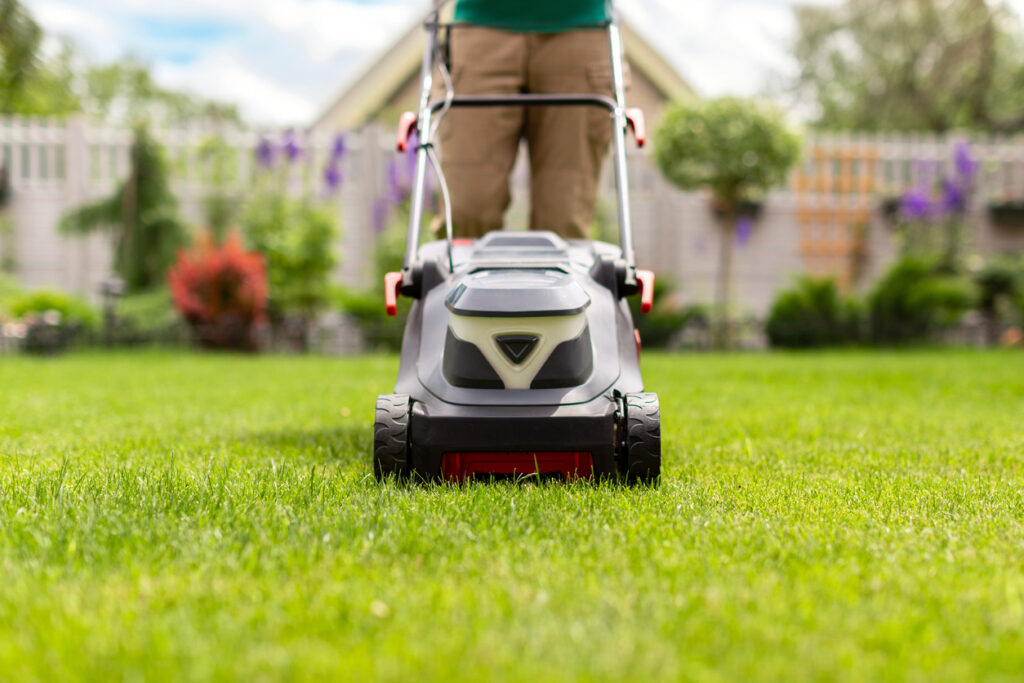
If your lawn’s gone brown, leave it alone. Short, freshly cut grass is more vulnerable to drying out. Raise the mower blade or skip mowing altogether until cooler days return. It might not look lush now, but it’s just gone dormant. Most lawns bounce back when the rain comes, especially if you don’t stress them out further.
11. Top up bird baths and wildlife spots.
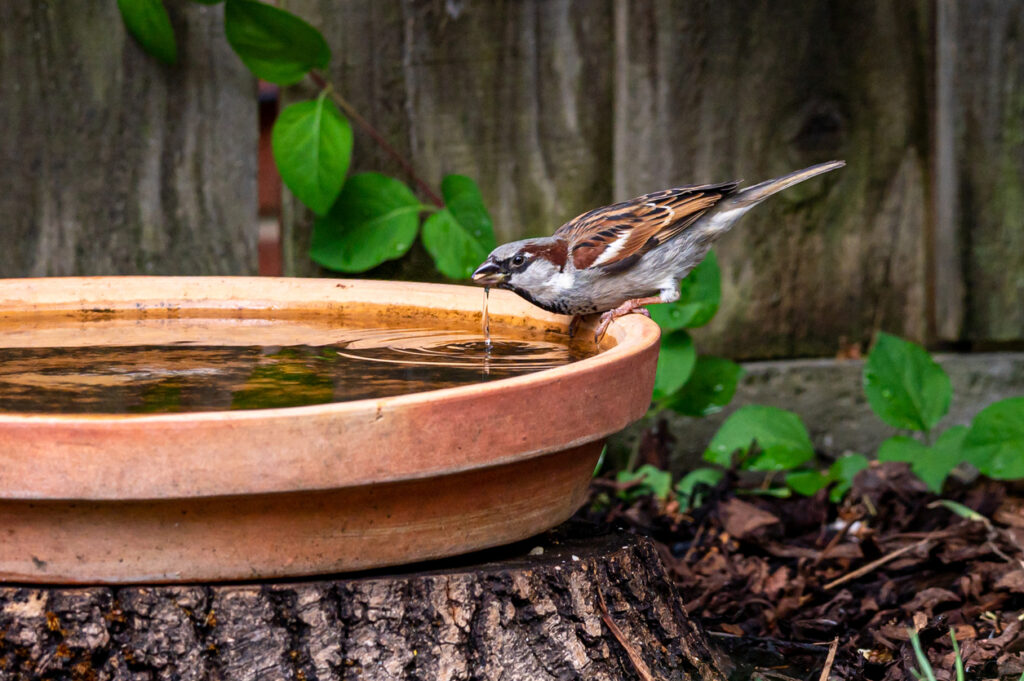
It’s not just the plants struggling. Birds, insects, and hedgehogs all need water too. Keep shallow dishes of clean water around the garden—out of direct sun and topped up often. It helps with pest control too, as birds eat aphids and caterpillars that thrive in heat. A healthy wildlife presence is one of the best garden helpers you can have.
12. Pause major planting jobs.
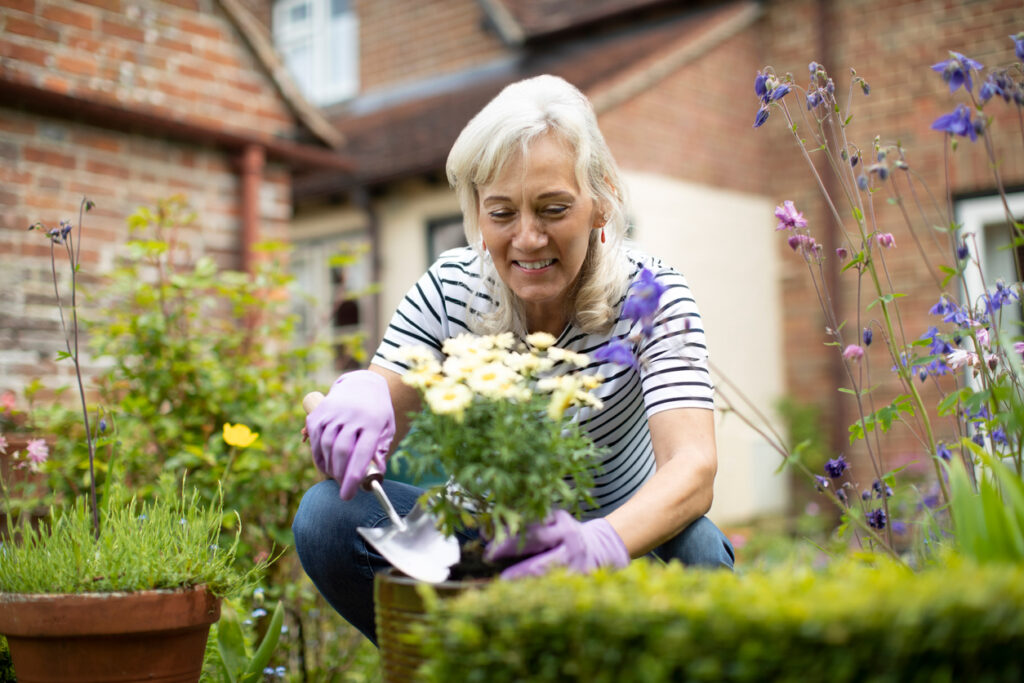
Heatwaves aren’t the time to dig new beds, transplant seedlings, or split perennials. The shock of moving plus the heat can wipe out even healthy plants. Wait until the weather breaks. If you must plant something urgently, do it in the evening and water thoroughly before and after. Otherwise, hold off and let your garden catch its breath.
13. Accept that some losses are normal.
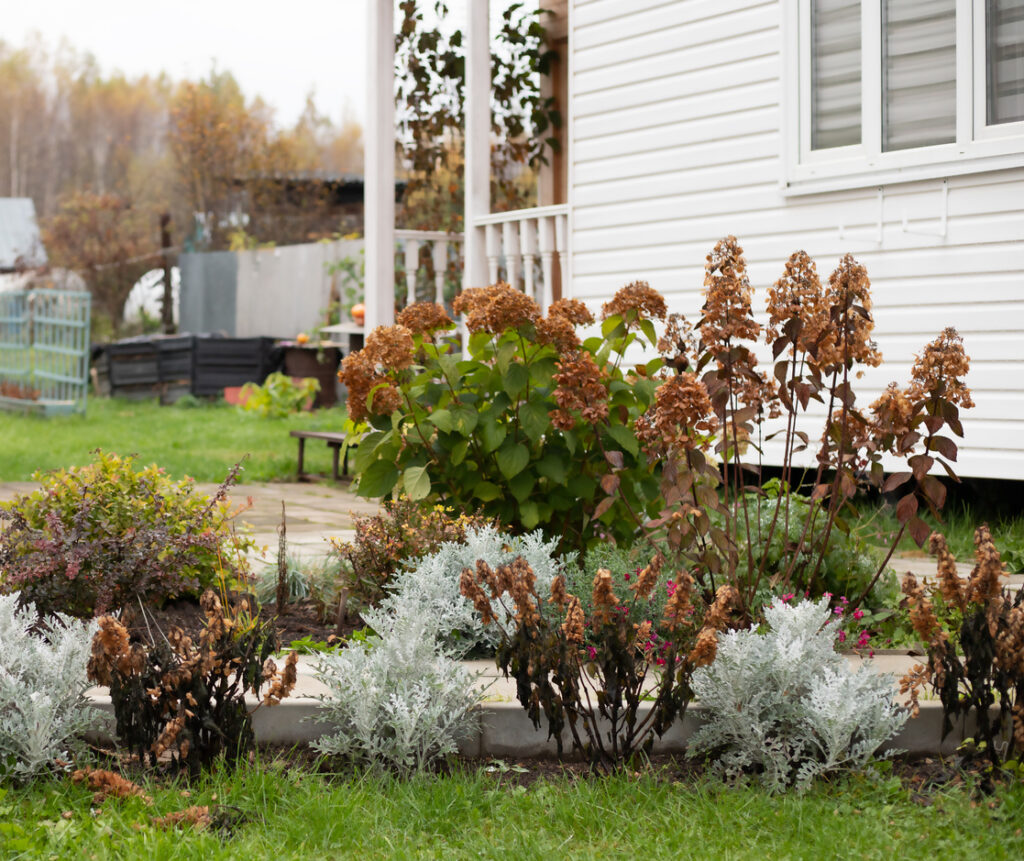
Even with all the care in the world, some plants might not make it through a brutal hot spell. It’s frustrating, but it’s part of gardening. Don’t take it as a personal failure. Use it as a chance to rethink what thrives in your space. Maybe next year it’s time to add more drought-resistant plants or mulch-heavy beds. Your garden’s always evolving, and that’s the point.