You don’t need to trek through the Amazon to find animals using camouflage.
As it turns out, it’s happening right here in the British countryside, gardens, hedgerows, and even your local park. While most people walk right past it, UK wildlife is chock full of shape-shifters and masters of disguise. Some do it for safety, some for hunting, and others because blending in is just how they survive. Here are some of the surprisingly clever ways British wildlife hides in plain sight.
1. Tawny owls look exactly like tree bark.
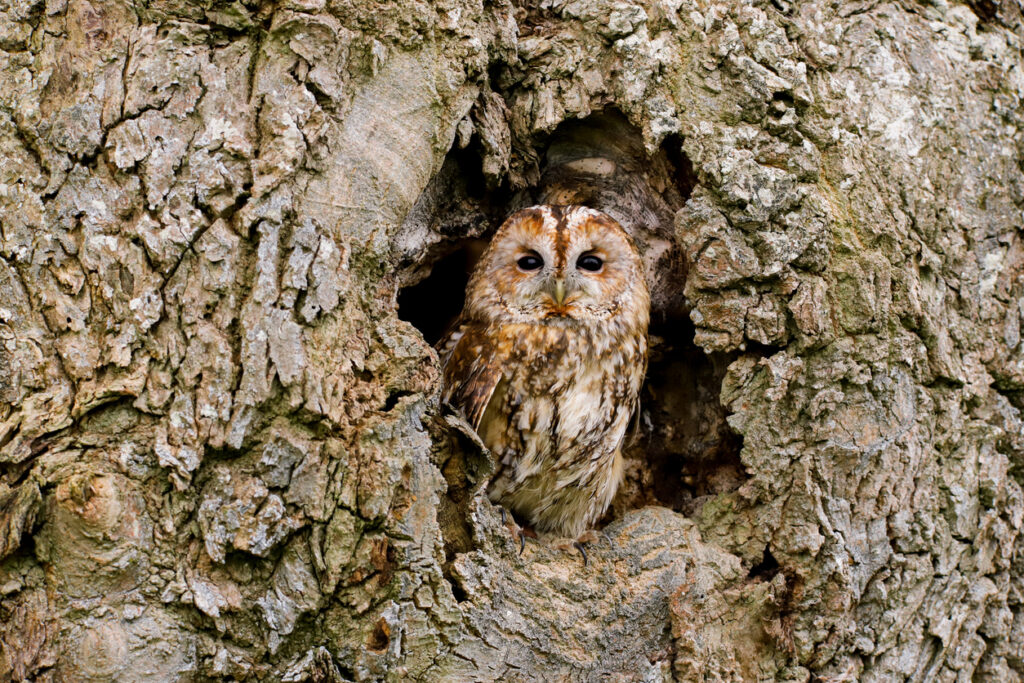
If you’ve ever stood beneath a tree and missed the fact that an owl was right above you, you’re not alone. Tawny owls are masters of blending in with their surroundings—especially old trees. Their mottled brown-and-grey feathers match bark so well it’s almost eerie. During the day, they perch silently and don’t move a muscle. Unless they blink—or unless you’re incredibly lucky—they’re practically invisible. And they like it that way.
2. The common toad is basically a living clump of mud.

Toads aren’t graceful or speedy, but they survive because they don’t stand out. Their bumpy, earth-coloured skin blends in with damp leaf litter and soil, especially in woodlands or shaded gardens. They’ll often stay completely still if they sense danger, which makes them even harder to spot. It’s not flashy, but it works, and it means predators often walk right by without noticing.
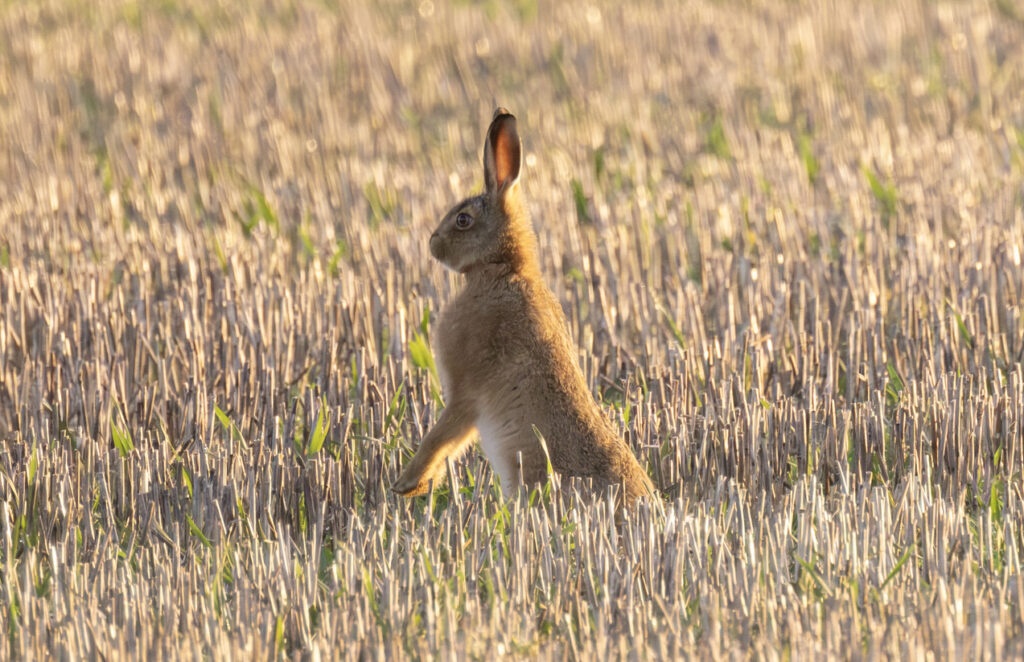
3. Brown hares vanish into long grass.
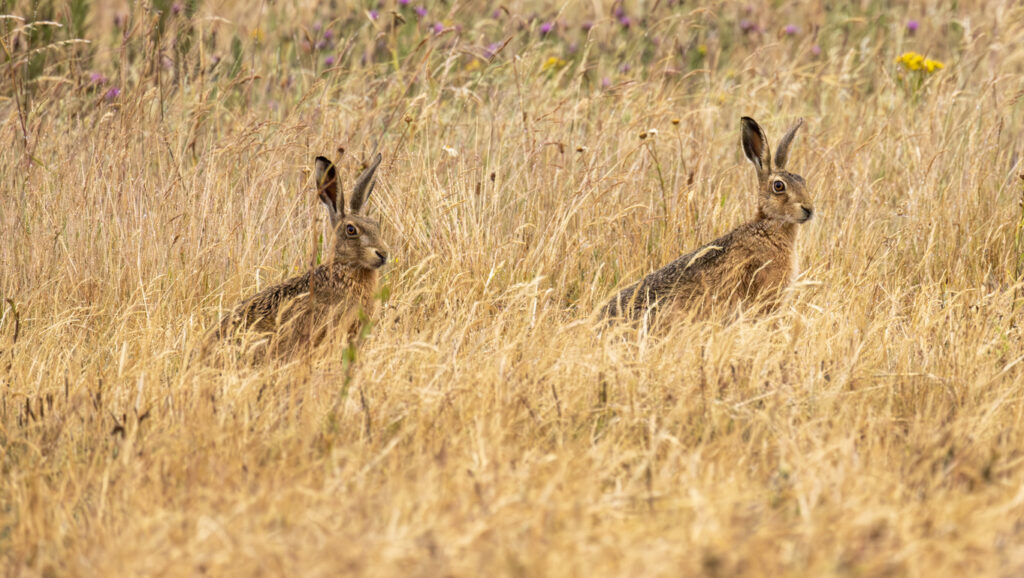
Brown hares are bigger than rabbits and can sprint like lightning when they need to, but most of the time, they rely on being unseen. Their sandy fur blends into dry fields, moorland, and overgrown grass, especially in spring and summer. They’ll lie low and flatten themselves against the ground rather than run. Unless you know exactly where to look, you might never spot one until it bolts right in front of you.
4. The buff-tip moth mimics a twig.
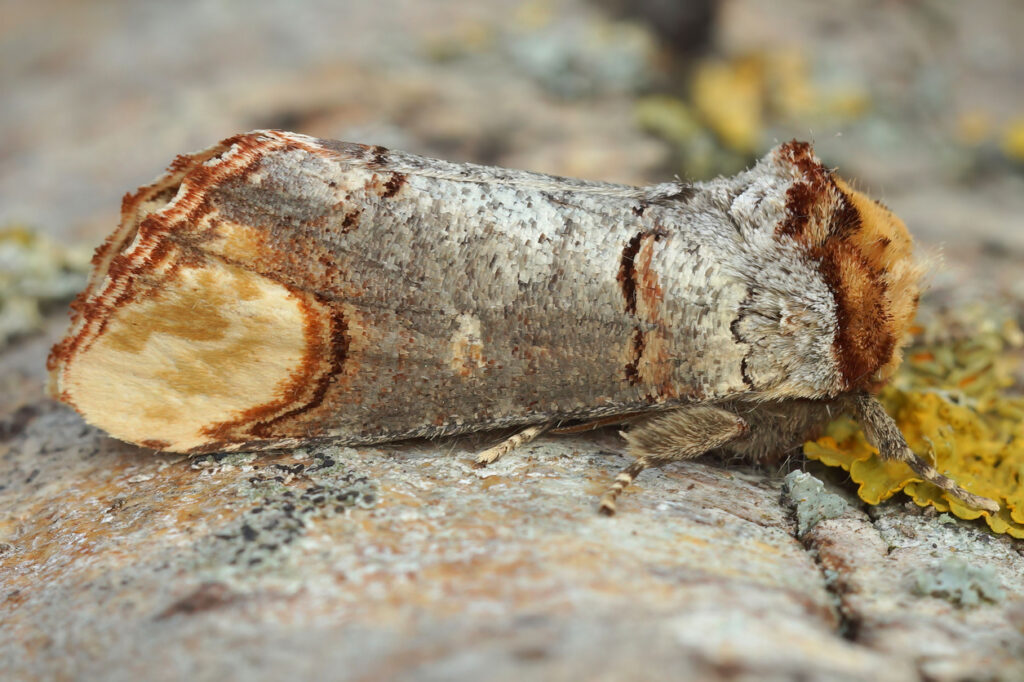
This one feels like nature’s practical joke. The buff-tip moth, when resting with its wings closed, looks exactly like a snapped twig. Its brownish-grey body has a pale tip that perfectly mimics where wood might splinter. It’s the kind of camouflage that’s easy to walk past a hundred times, especially on fences, logs, or low branches. A reminder that moths aren’t just drawn to lightbulbs; they’ve got some serious survival tricks up their sleeves.
5. Deer spots double as natural camouflage.
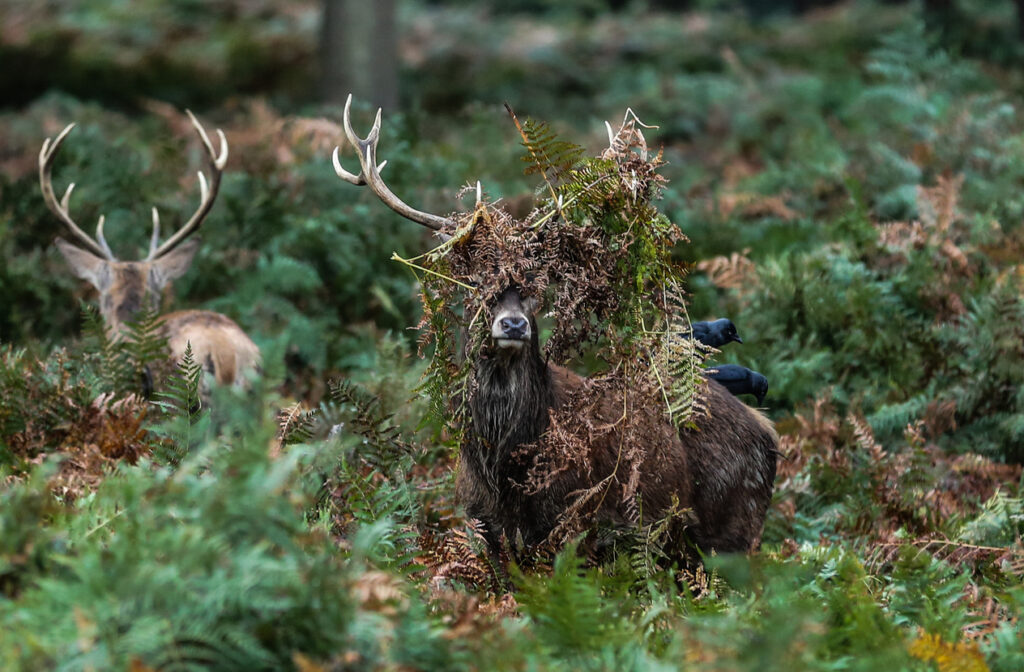
Fallow deer, especially the younger ones, have dappled spots that help them blend in with speckled sunlight coming through tree canopies. It’s the same trick leopards use, just with a more British flavour. In a patch of woodland, these spots break up their outline, making it harder for predators, and humans, to see the full shape of the animal. It works so well, you can walk within metres of one without clocking it.
6. Stick insects are hiding in southern England.
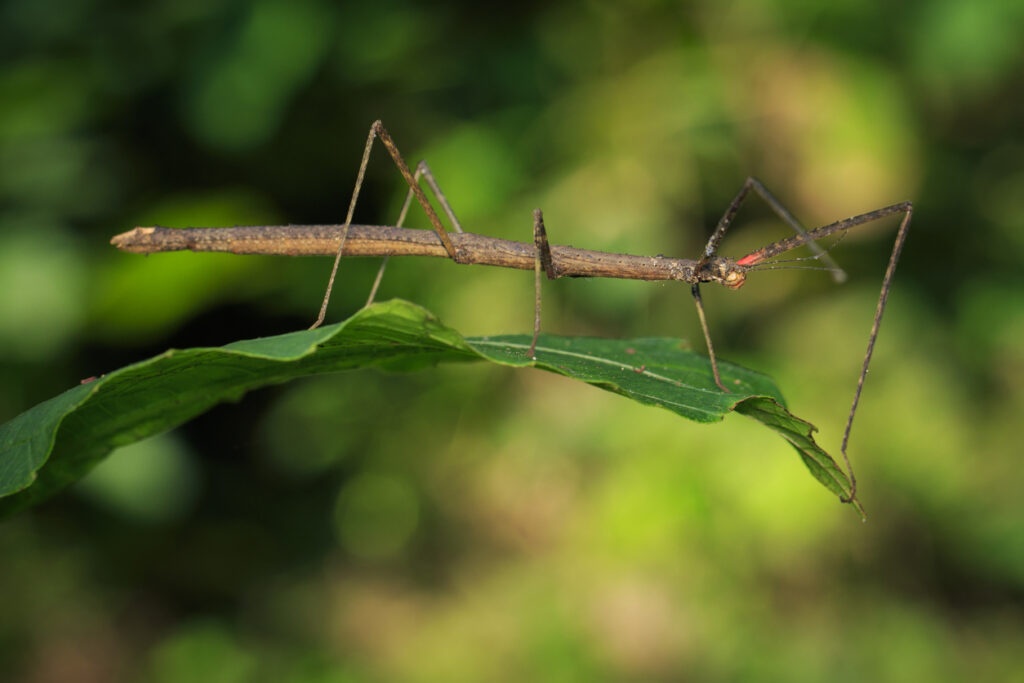
Not many people know the UK has wild stick insects, but it does, mainly in Cornwall and parts of the south-west. They look exactly like the name suggests: sticks. They’re masters of stillness and disguise, hanging out in gardens or shrubs, often on non-native plants. Unless one moves (and they barely do), you’re not likely to spot them. They blend in so well they’ve survived in the wild since the 1940s without most people noticing.
7. Hedgehogs tuck themselves into the landscape.
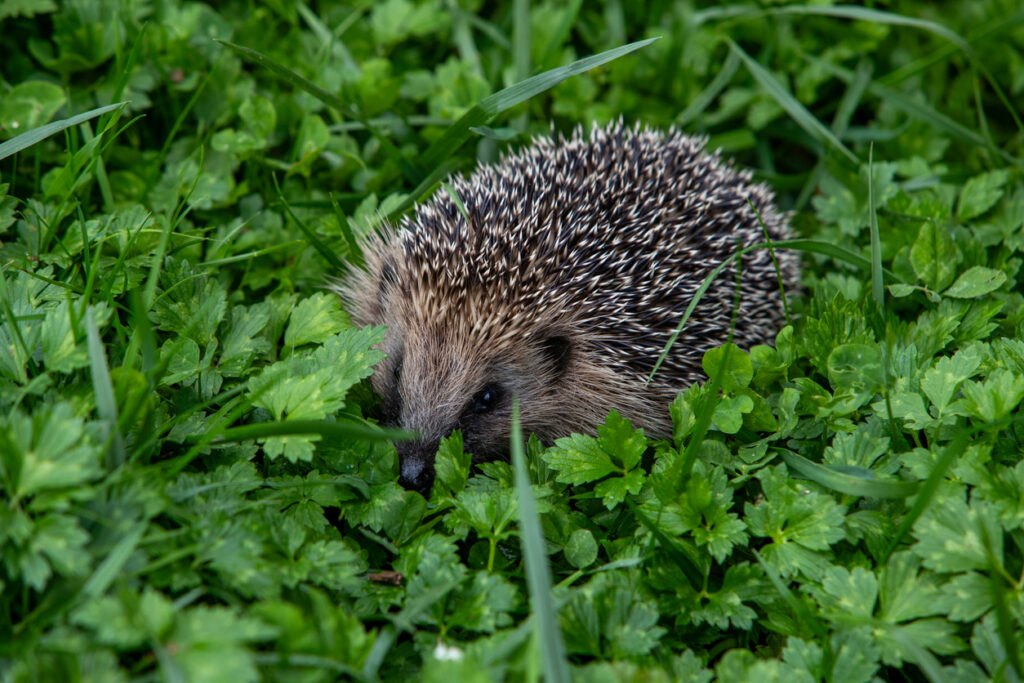
Hedgehogs don’t really use visual camouflage, but they are excellent at disappearing. Their low profile, quiet rustling, and habit of curling up under logs, leaves, or garden sheds makes them nearly impossible to spot in daylight. By the time you realise a hedgehog is nearby, it’s either already scuttled off or hidden itself so well that even a dog might miss it. Their natural shyness does most of the work for them.
8. Green shield bugs look like leaves.
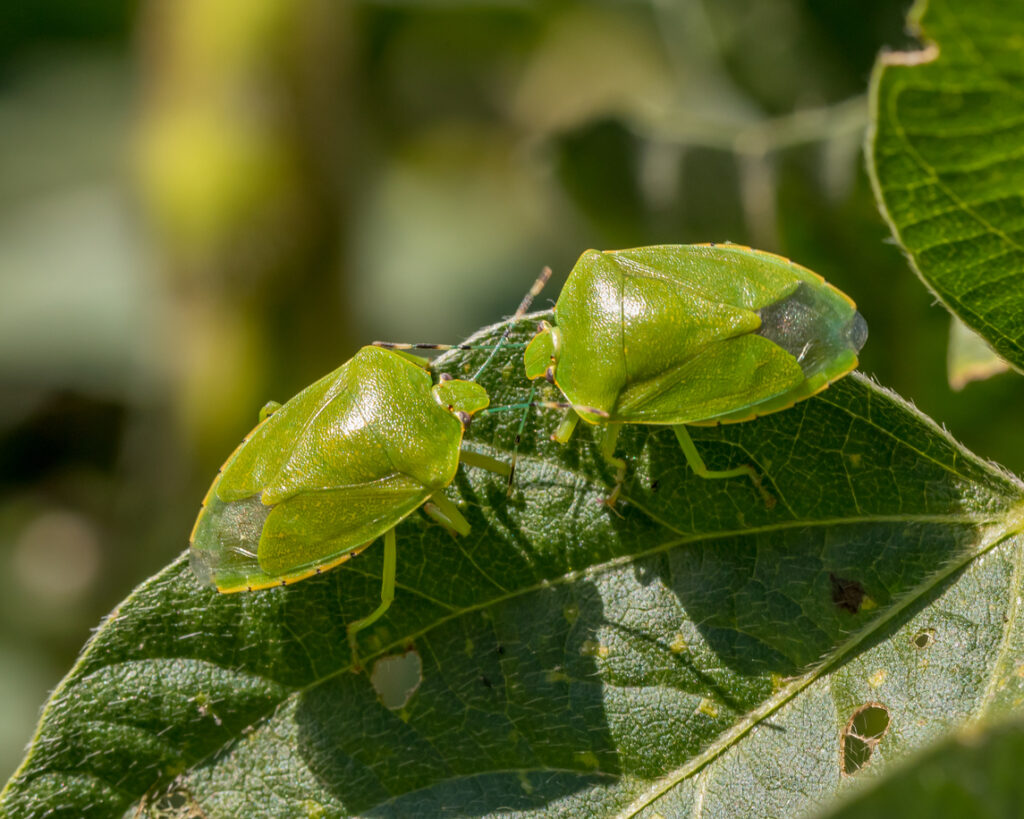
These little beetles are common in UK gardens, especially on fruit trees or shrubs, but you’d be forgiven for never seeing one. Their bright green bodies blend perfectly with foliage, right down to the texture. Unless they’re moving, they can pass for a new leaf, a bit of moss, or even a curled edge. It’s a simple trick, but incredibly effective at keeping predators at bay.
9. Roe deer melt into the forest.
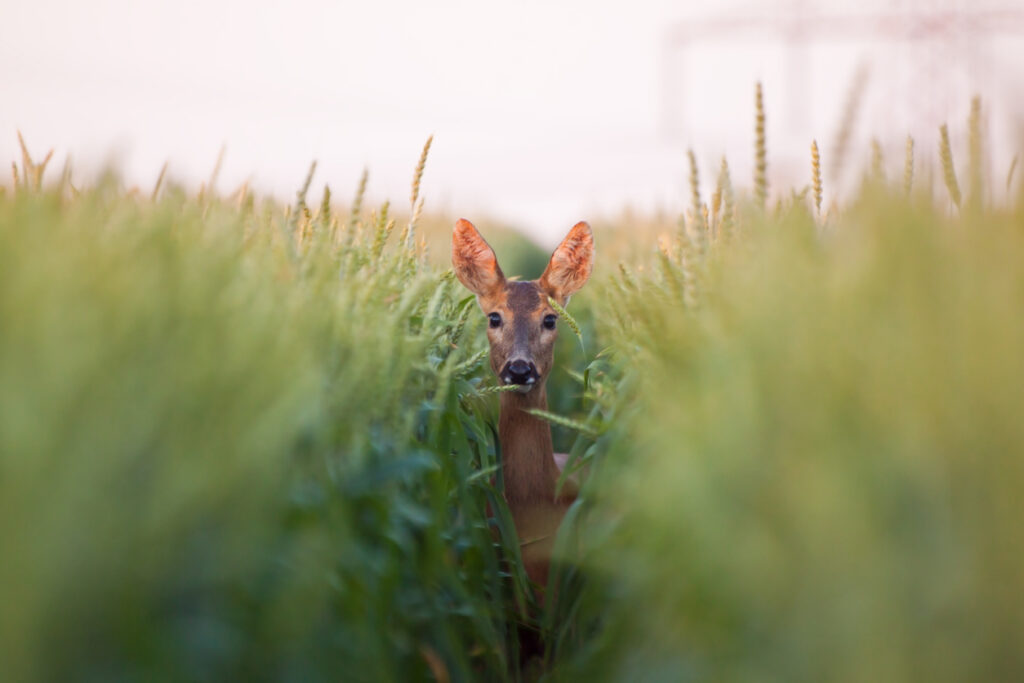
Roe deer are small, reddish-brown deer that live in woods and farmland across the UK. In summer, their colouring lets them vanish into the shadows and undergrowth almost completely. They’re naturally quiet and cautious, and they freeze when startled. If you do spot one, chances are it saw you long before you saw it, and you’re only catching a glimpse because it allowed it.
10. Nesting birds choose the best hiding spots.
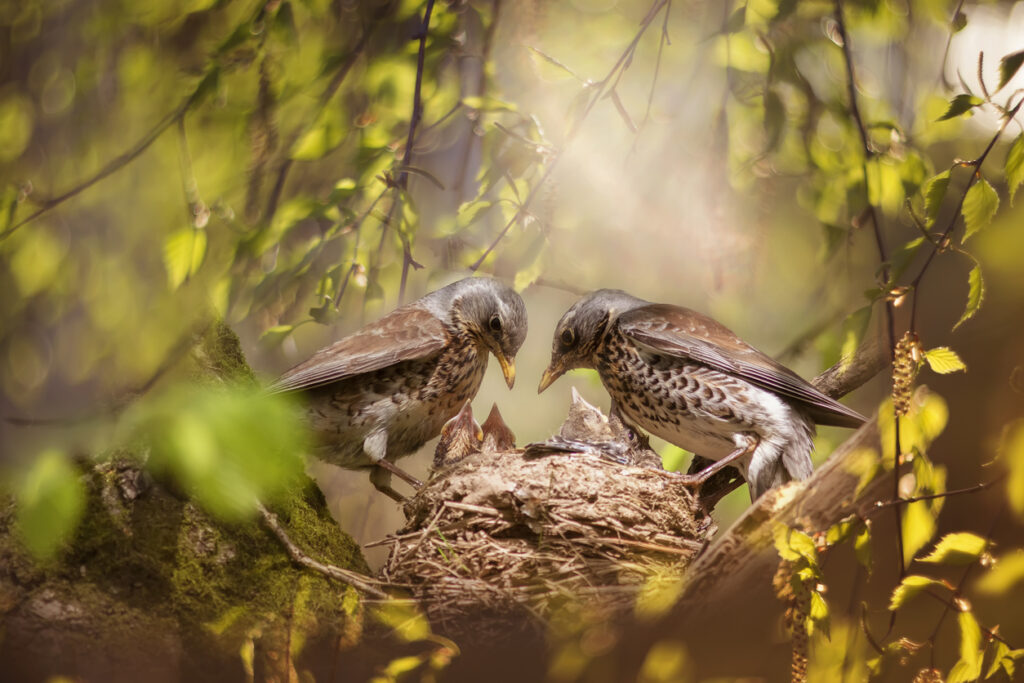
Many UK birds, like wrens, robins, and blackbirds, are clever about where they build their nests. They’ll choose thick hedges, ivy-covered fences, or even the underside of garden furniture to keep eggs hidden. Some camouflage the nest itself using moss, leaves, or lichen. It’s so subtle, you could walk past a nest dozens of times and never realise it’s there until a chick starts peeping or a parent bird flits out in alarm.