Shady spots in the garden can feel like a dead zone: damp, dark, and seemingly impossible to fill with life.
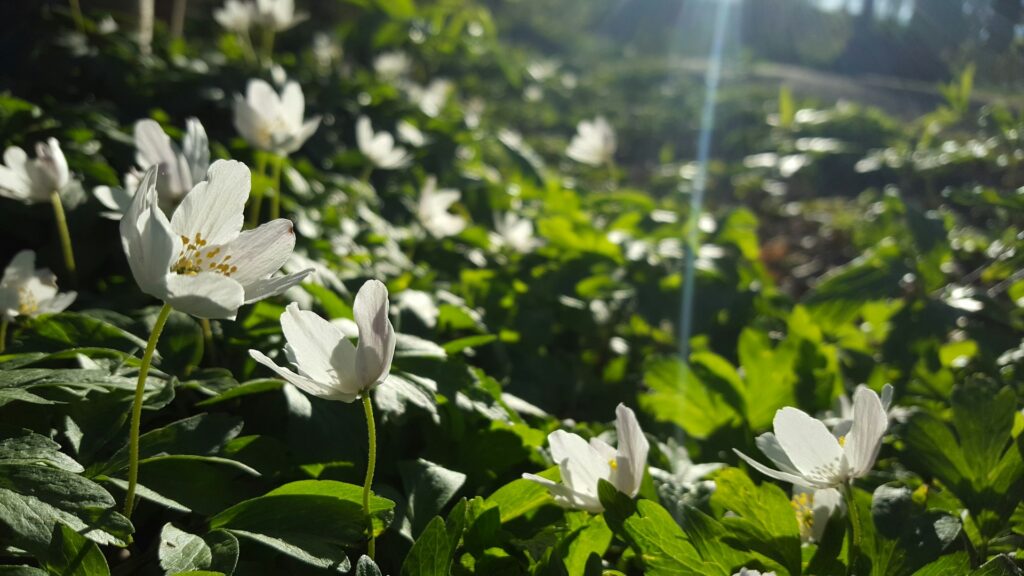
Luckily, not every plant needs bright light to thrive. Some species are built for low-light conditions and can bring colour, texture, and structure to even the gloomiest corners. Whether you’re working with the north side of a fence, under a dense tree canopy, or a narrow, shadowy passage, these plants don’t just tolerate shade, they actually flourish in it.
Hart’s tongue fern (Asplenium scolopendrium)
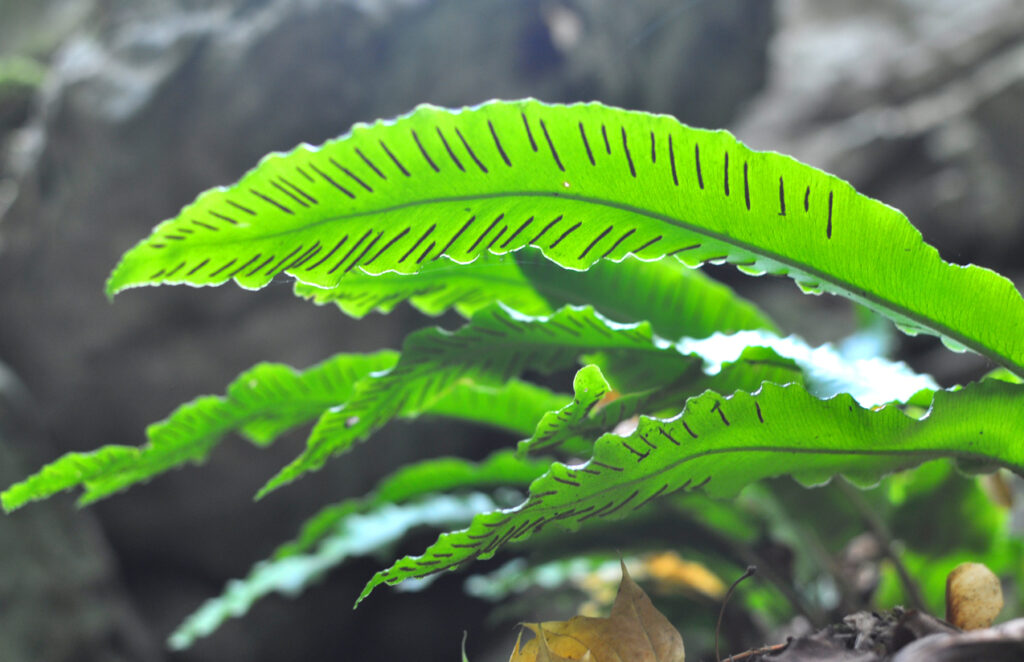
This glossy, bright-green fern thrives in damp, dark areas and is a staple of old woodlands and shady garden spots. Its strap-shaped fronds bring a tropical feel, even in deep shade, and it’s completely unfazed by low light. It’s evergreen, hardy, and needs very little maintenance—just keep the soil moist and rich in organic matter. It’s perfect for under trees or shady borders that stay cool all year round.
Foxglove (Digitalis purpurea)

Foxgloves are classic shade-lovers, especially in partial to full shade beneath trees or tall hedges. Their tall flower spikes bring height and drama, and the bees adore them. While they’re biennial, they self-seed easily and will return year after year in the right spot. Just be mindful that all parts of the plant are toxic, so plant with care if you have pets or small children around.
Wood anemone (Anemone nemorosa)
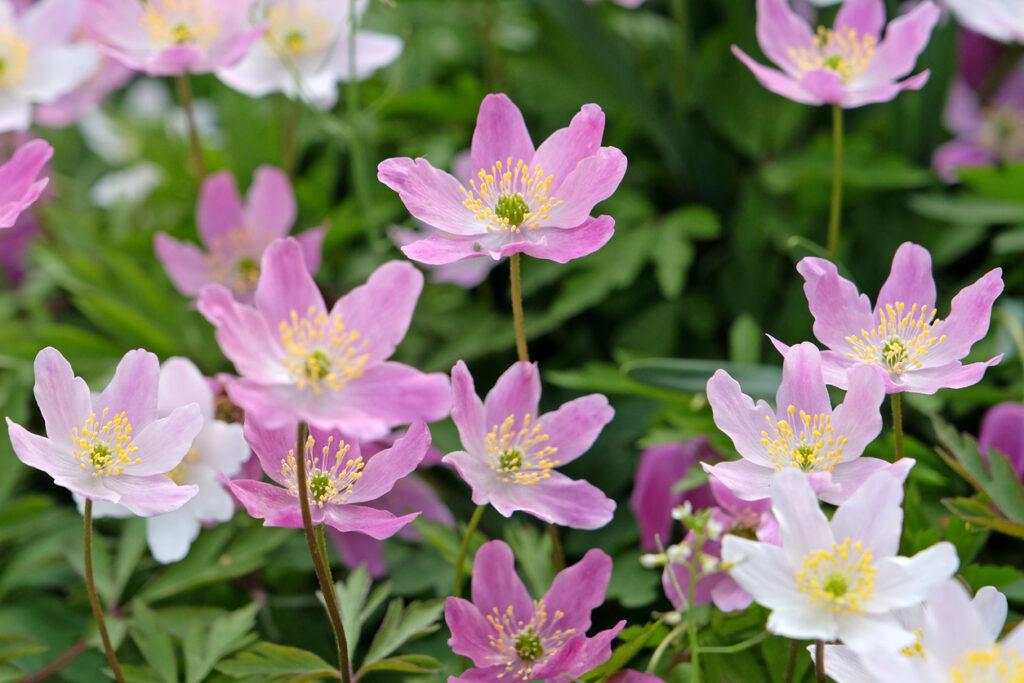
This delicate little native wildflower carpets ancient woodland in spring with starry white or pale pink blooms. It dies back quickly after flowering but makes an early-season impact in shaded areas. Once it settles in, it spreads slowly and naturally, which is ideal for under deciduous trees where early spring sun gives it a head start before the leaves come in. It needs moist, humus-rich soil to really thrive.
Lungwort (Pulmonaria)
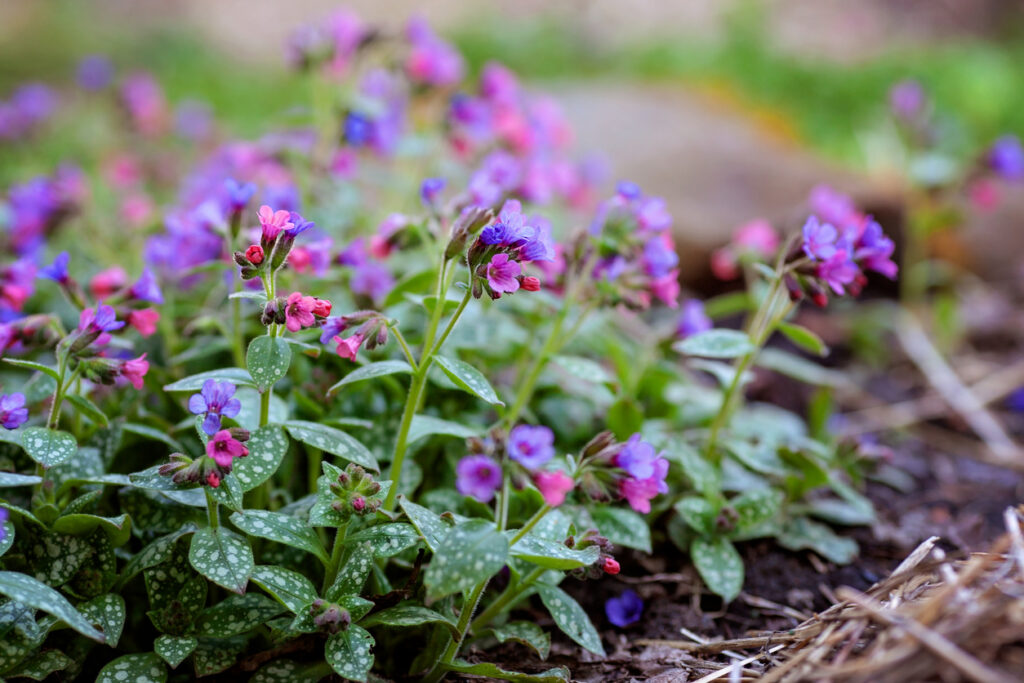
Lungwort is one of the first perennials to flower in spring, often blooming in purples, blues, and pinks before most other plants wake up. Its silver-speckled leaves add visual interest long after the flowers fade. It does especially well in full shade, and the foliage holds up beautifully through summer, even in tricky corners. It prefers moist but well-drained soil and makes a great groundcover companion.
Sweet woodruff (Galium odoratum)
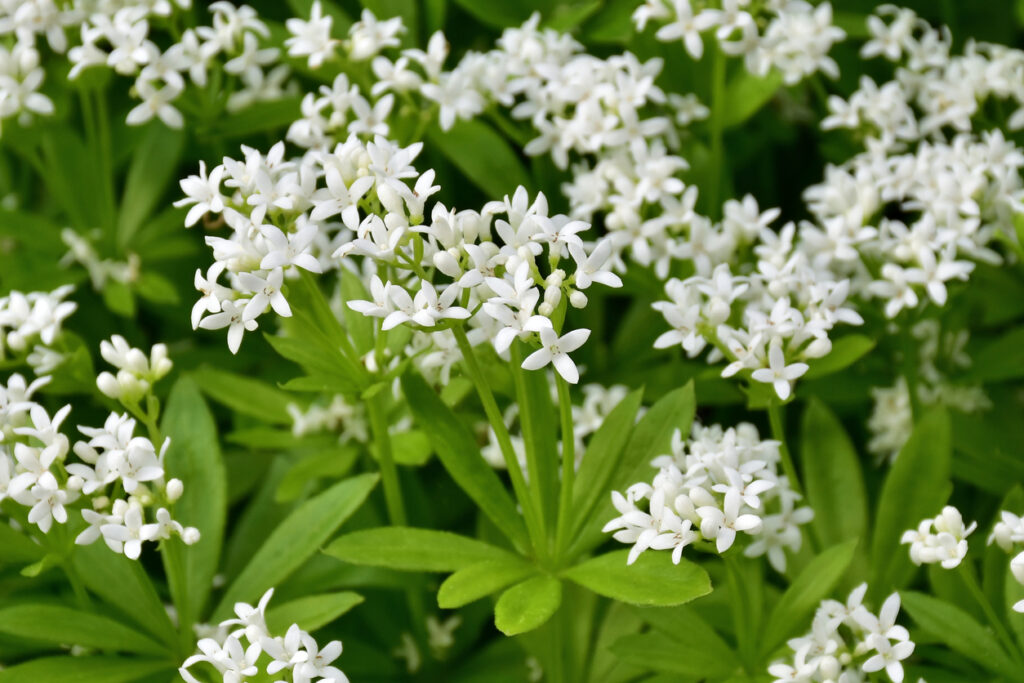
This low-growing plant forms a soft green mat beneath trees and shrubs, blooming with tiny white star-shaped flowers in spring. It’s scented too—the leaves give off a lovely hay-like aroma when dried. It’s excellent for naturalising shady areas and works well under larger plants or along pathways. Once established, it spreads quickly, so it’s best placed where it can gently take over.
Japanese forest grass (Hakonechloa macra)
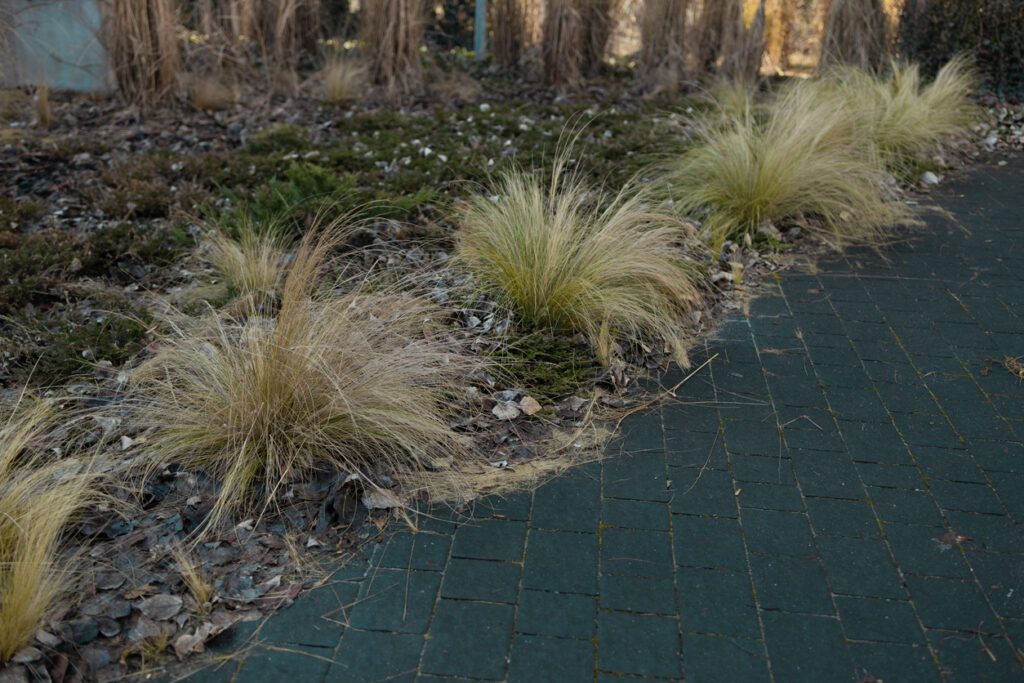
This ornamental grass is a rare gem that actually prefers full shade and brings a softness to dark corners. Its graceful arching blades sway in the breeze and look particularly striking in golden or variegated varieties. It’s slow growing and loves moisture-retentive soil. Use it in drifts near shady patios or under trees to create movement and contrast in otherwise still, green-heavy spaces.
Solomon’s seal (Polygonatum multiflorum)
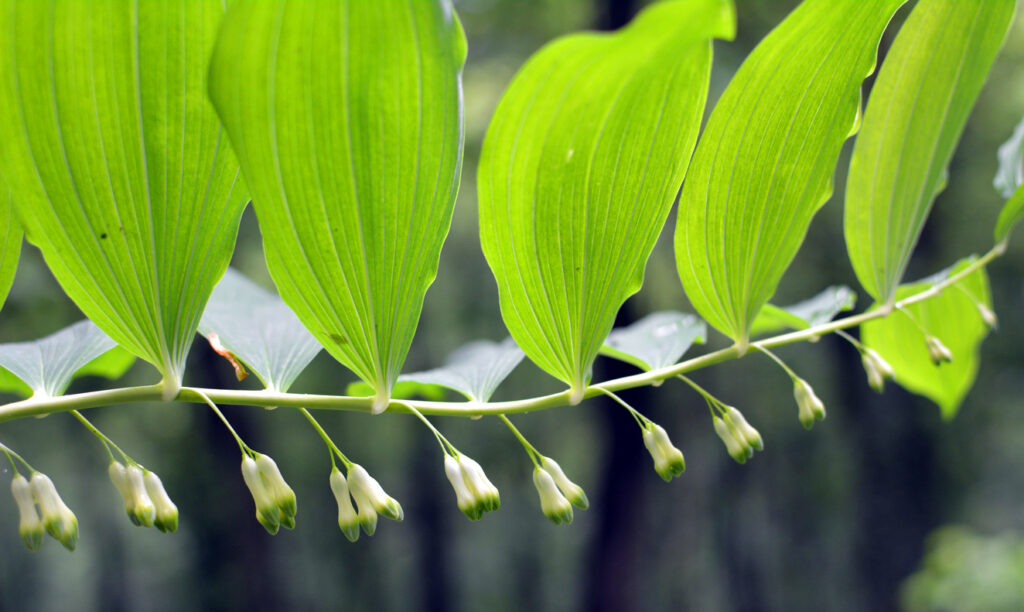
With its arched stems and rows of dangling bell-shaped flowers, Solomon’s seal brings elegance to shaded areas. It thrives under trees or along north-facing walls where few other plants flourish. In autumn, its leaves turn buttery yellow, adding seasonal interest before dying back. It prefers moist, rich soil and does well in woodland-style gardens or informal planting schemes.
Epimedium (Barrenwort)
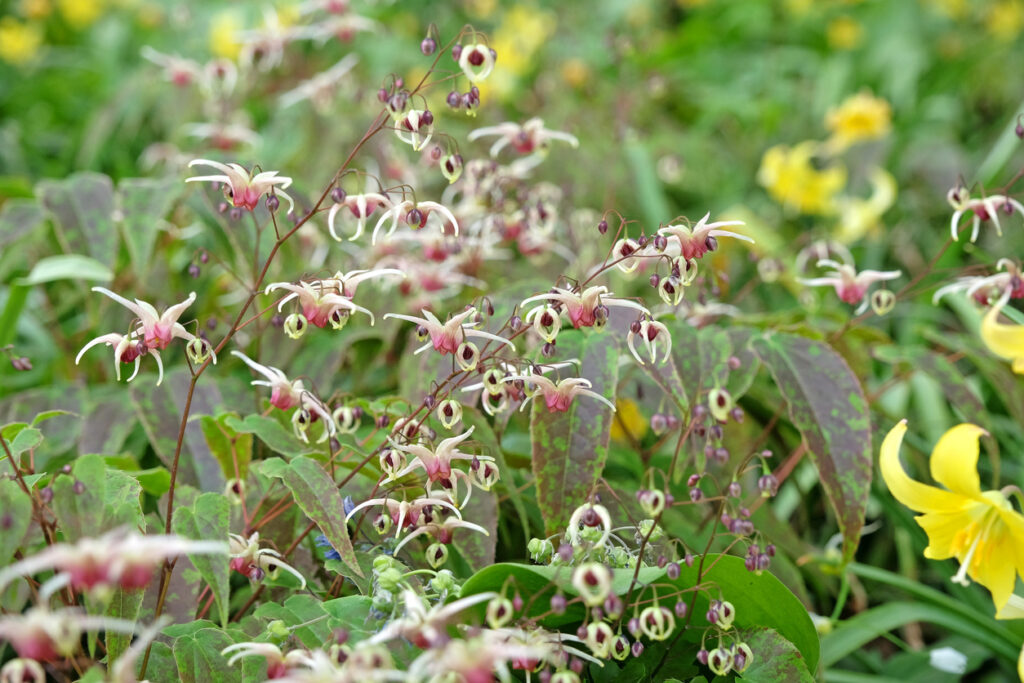
Often overlooked, Epimedium is a hardy shade-loving perennial with delicate heart-shaped leaves and spidery spring flowers in soft pinks, yellows, and whites. It’s a slow but steady ground cover plant. It’s particularly useful under shrubs or trees where roots dominate and light is scarce. Once established, it copes well with dry shade and can handle the awkward transition zones between sun and deep shade.
Fern-leaved bleeding heart (Dicentra formosa)
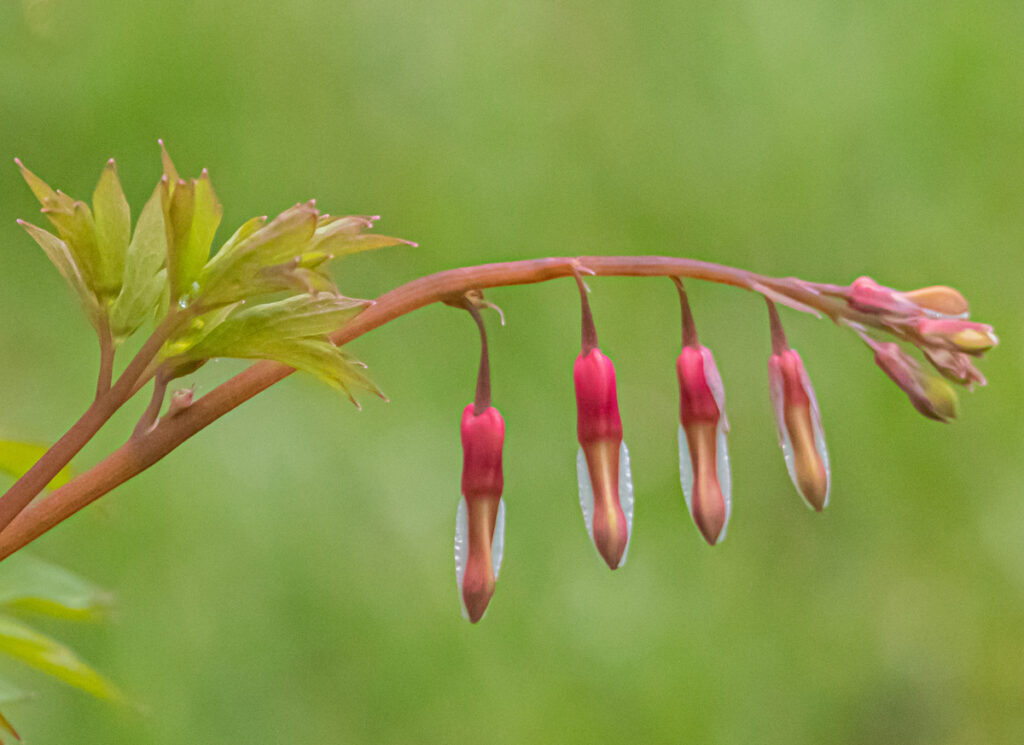
Unlike the larger bleeding heart, this fern-leaved version is compact and better suited for shady, cooler spots. It blooms in late spring with soft pink, heart-shaped flowers that seem to float above its finely cut leaves. It does best in damp, well-drained soil and offers a romantic woodland feel in shaded beds. It’s also more tolerant of prolonged shade and will often re-bloom if conditions stay mild.
Ivy (Hedera helix)
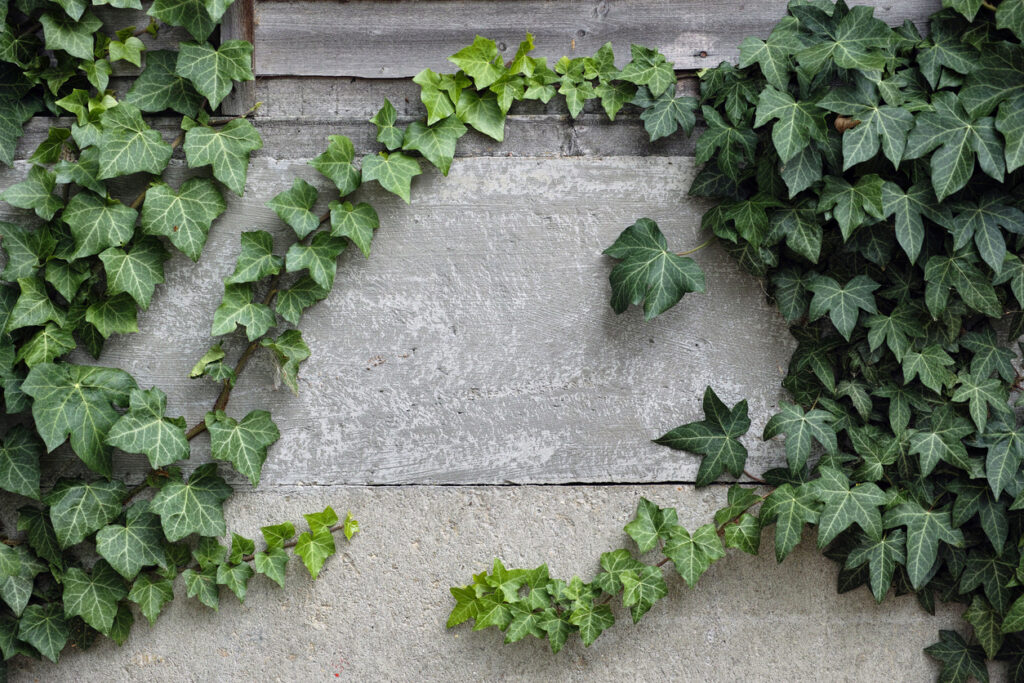
While often considered invasive, ivy is unbeatable in deep shade and difficult spots. It will climb, crawl, and fill in where almost nothing else will grow, especially around tree bases or shaded fences. For control and beauty, choose a variegated variety and prune regularly. It supports a lot of wildlife too, providing shelter and late-season food for birds and insects.
Bugle (Ajuga reptans)
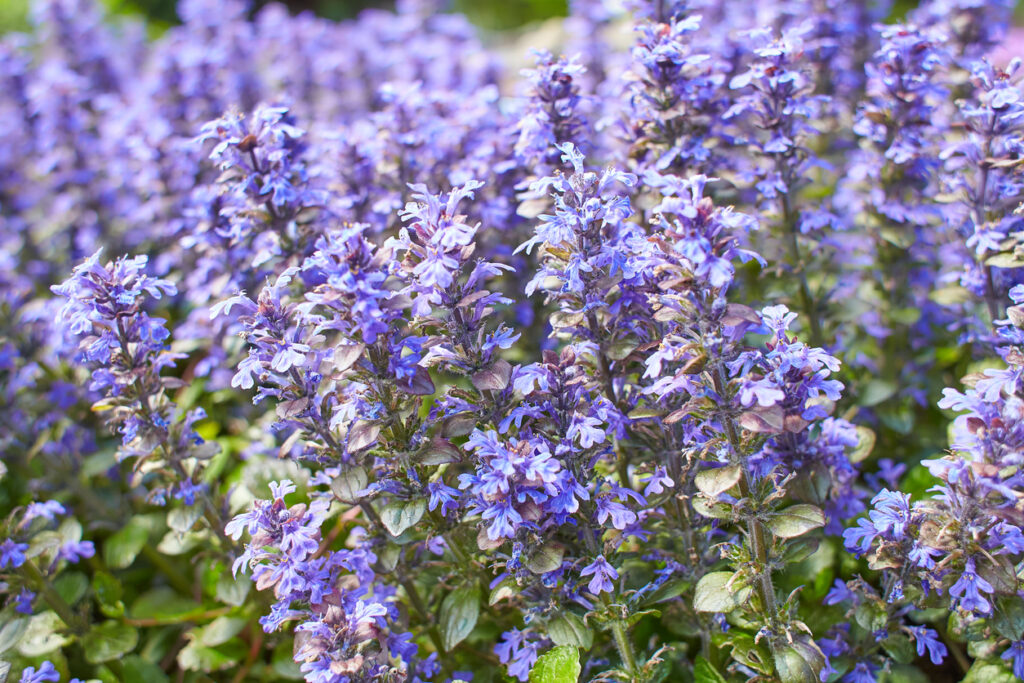
Bugle is a tough, spreading groundcover that can survive in the darkest, dampest patches. Its blue flower spikes appear in spring and are a favourite of bees and other pollinators. It forms dense mats that suppress weeds and tolerates foot traffic reasonably well. Ideal for under shrubs or along shady paths, it’s a solid choice where other plants fail to thrive.
Snowdrops (Galanthus nivalis)
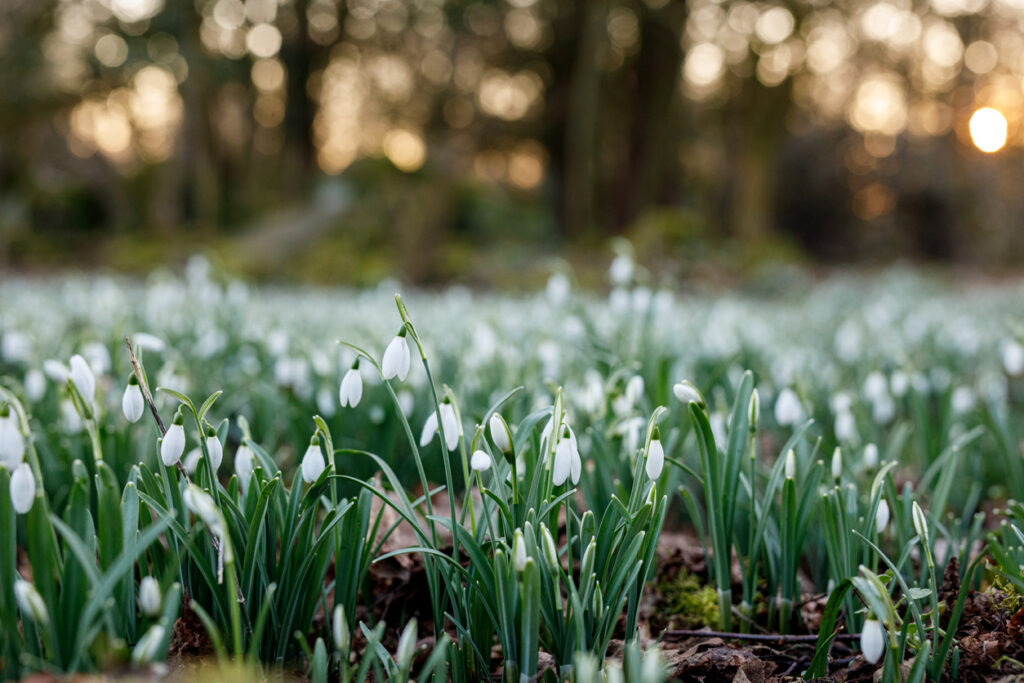
Snowdrops are among the first signs of life at the end of winter, and they’re more than happy in shaded woodland settings. Their dainty white flowers bring hope to otherwise bare corners. They multiply over time and naturalise beautifully, especially under deciduous trees where they get early spring light. Plant them ‘in the green’ for better success and let them spread at their own pace.
Hostas
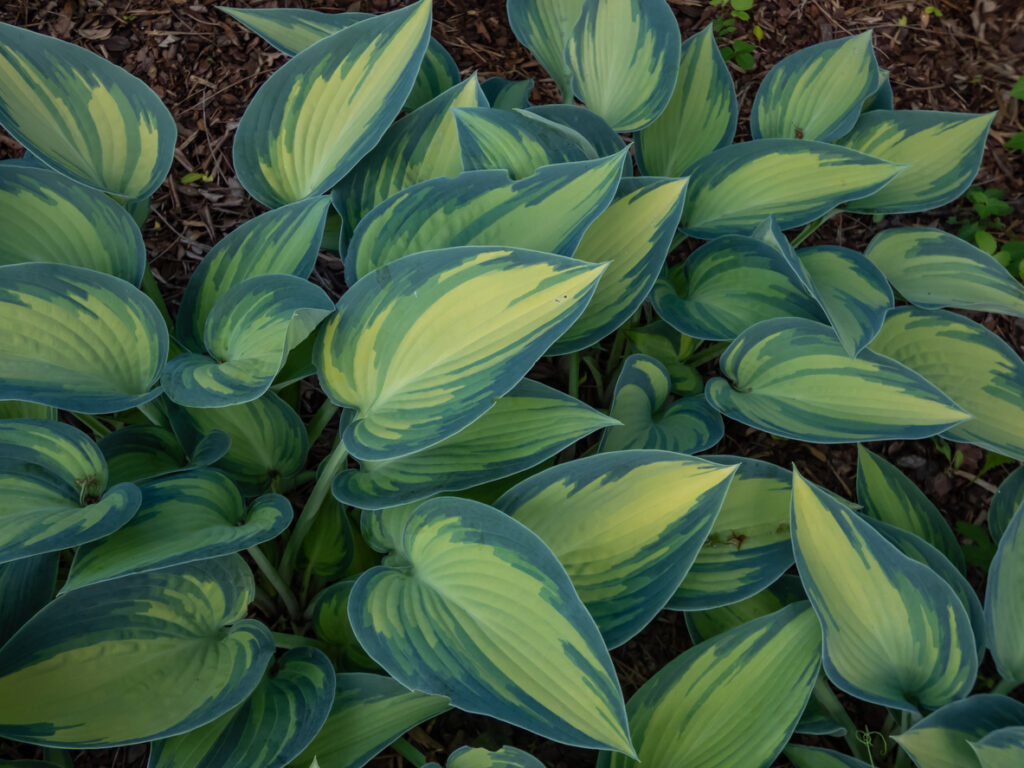
Hostas are the go-to shade plant for a reason. Their lush, sculptural leaves fill space quickly and come in a huge range of colours, sizes, and patterns, from cool blues to creamy variegated edges. While they’re famous for attracting slugs, they’re worth the extra care in shaded borders and containers. Choose thicker-leaved varieties for better resistance, and mulch well to keep soil moist.
Dog’s tooth violet (Erythronium)
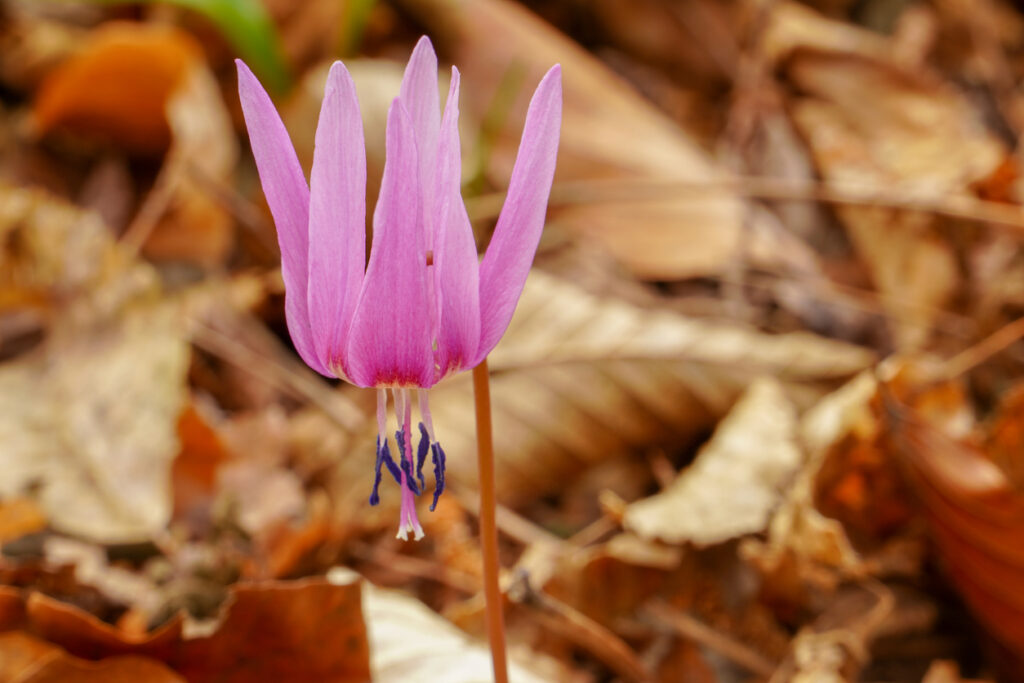
This spring bulb offers elegant, reflexed flowers in soft yellows, pinks, or whites and does well in damp, shady woodland conditions. Its mottled leaves add extra visual interest. Plant it in dappled or full shade with rich, humusy soil. It pairs well with ferns and other spring woodland flowers and brings a touch of delicacy to shady planting schemes.