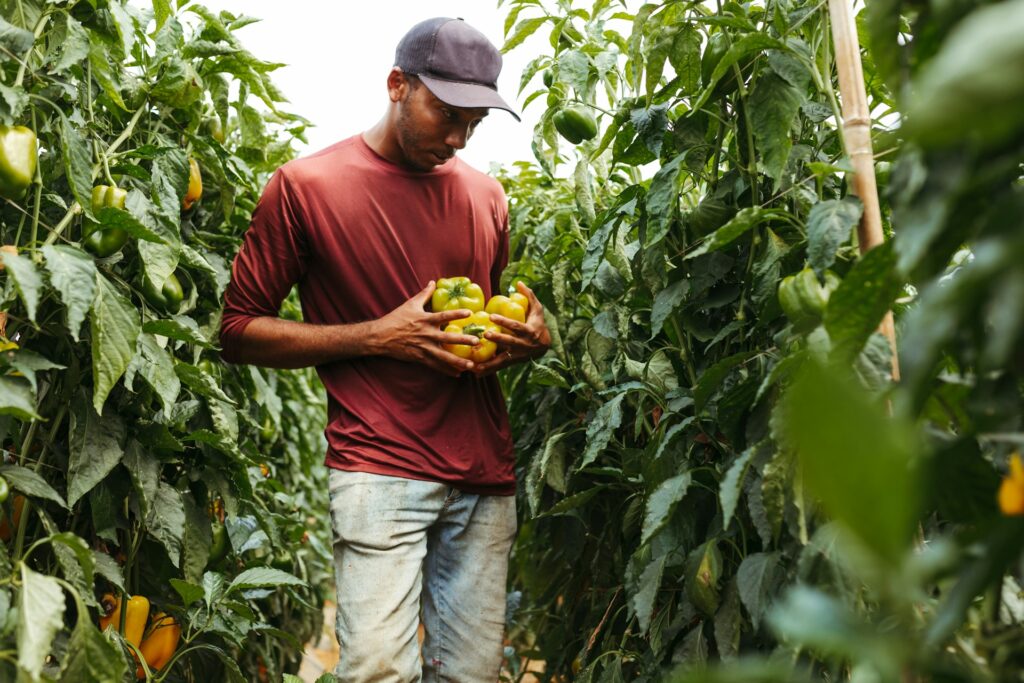
Gardeners who grow their own veggies would love if every harvest was a success, but that’s not always the case.
However, while it might sound like something out of a sci-fi film, but scientists and gardeners alike have been asking whether electricity from the sky, especially lightning, can actually help plants grow bigger. It’s not just a quirky, nonsensical question, either. There’s real curiosity about whether electrical energy in storms or artificially zapped soil can affect vegetables. So, can lightning or electricity really supercharge your carrots and cabbages? Here’s what we know so far.
Plants do respond to electricity.
It turns out plants aren’t totally passive when it comes to electrical energy. Their cells use tiny electrical signals all the time, kind of like nerves in animals. These help with things like opening pores, transporting nutrients, and reacting to their environment.
Basically, the idea that outside electricity could influence growth isn’t as far-fetched as it sounds. In fact, plants naturally respond to changes in electrical fields, especially during storms. The big question is whether that response actually makes them grow bigger or better.
Lightning can change the soil.

When lightning strikes the ground, it doesn’t just flash and vanish. It actually changes the chemistry of the soil. One key change is how it breaks apart nitrogen in the atmosphere and helps form nitrates, which are a crucial nutrient for plant growth. That burst of nitrogen can act like a natural fertiliser. However, the effect is usually localised, meaning the soil right near the strike might get a boost, but it’s not exactly a widespread garden trick.
Static electricity might boost seed growth.
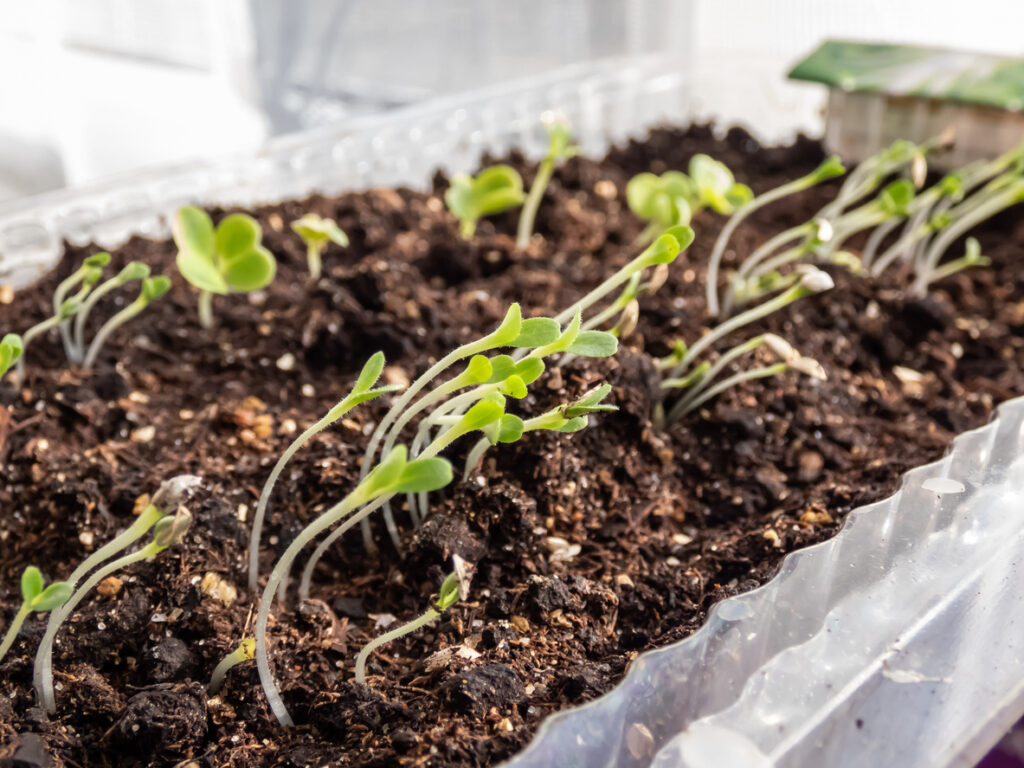
Some experiments have shown that applying tiny amounts of static electricity to seeds before planting can actually help them germinate faster or more effectively. It doesn’t mean the seeds get zapped; it’s more like giving them a little wake-up call. This isn’t a guaranteed method, and it’s still being explored. However, it hints at a bigger picture: plants might be more receptive to electrical stimulation than we once thought.
High-voltage farming has been tested.

Believe it or not, some researchers have created growing environments where plants are exposed to low levels of electric current on purpose. These setups have shown mixed results, but some have found increased root growth and bigger harvests. It’s not something most gardeners can easily recreate at home, but in controlled settings, it shows that electricity, if done right, might nudge plants into growing a little stronger or faster.
Thunderstorms might energise more than just the soil.
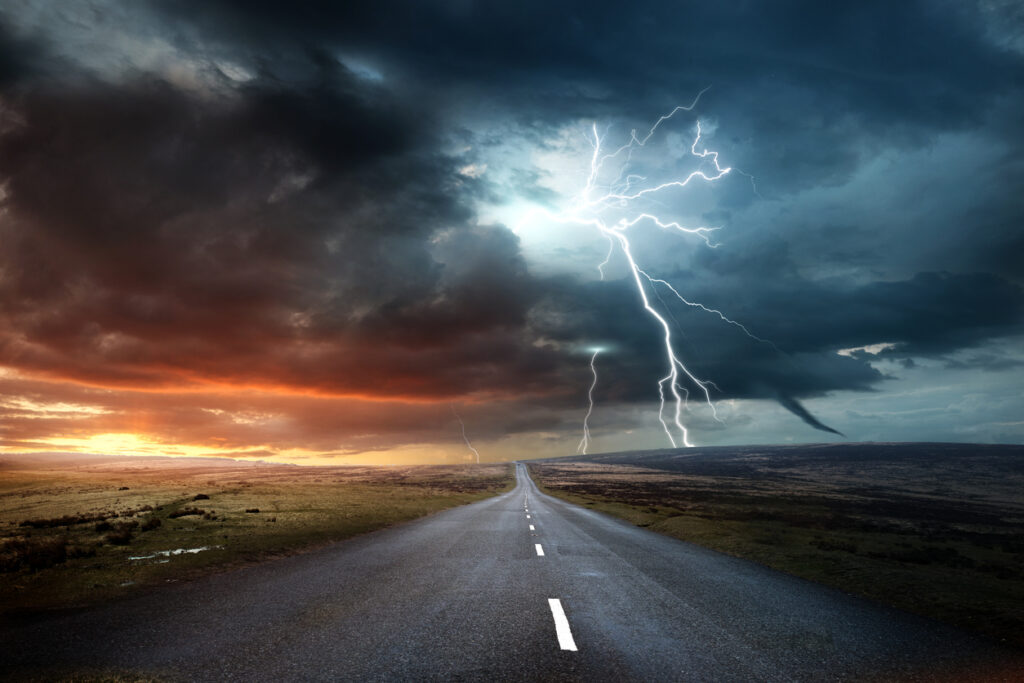
Some scientists think that the full storm package—lightning, rain, pressure changes, and sudden electric fields—might briefly stimulate plant growth. The theory is that these changes give plants a sort of “shock” that temporarily boosts their internal processes. While the effect might not turn your courgettes into giants overnight, it could explain why plants sometimes look extra green and lively after a big storm rolls through.
Not all electrical exposure is good.
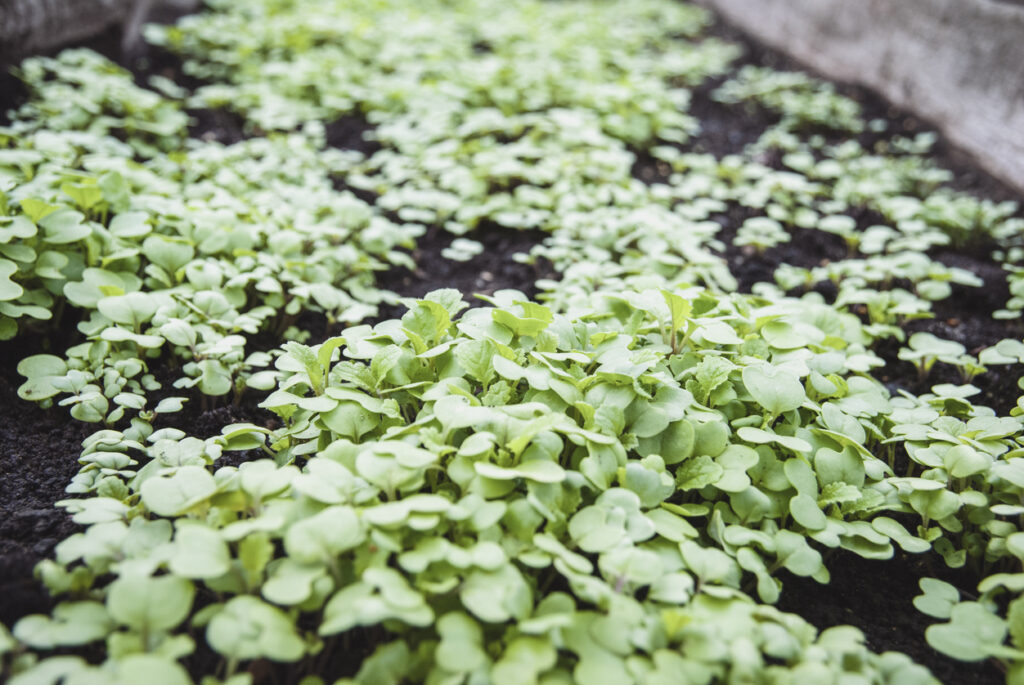
Just like too much sun or water can harm plants, too much electricity can, too. High-voltage or uncontrolled exposure can damage roots or interfere with delicate growth processes. This is why most experiments use very low levels of current. Zapping your garden with a DIY lightning rod won’t do the trick. It’s more likely to roast your soil than grow super spuds.
Soil microbes might be the real winners.
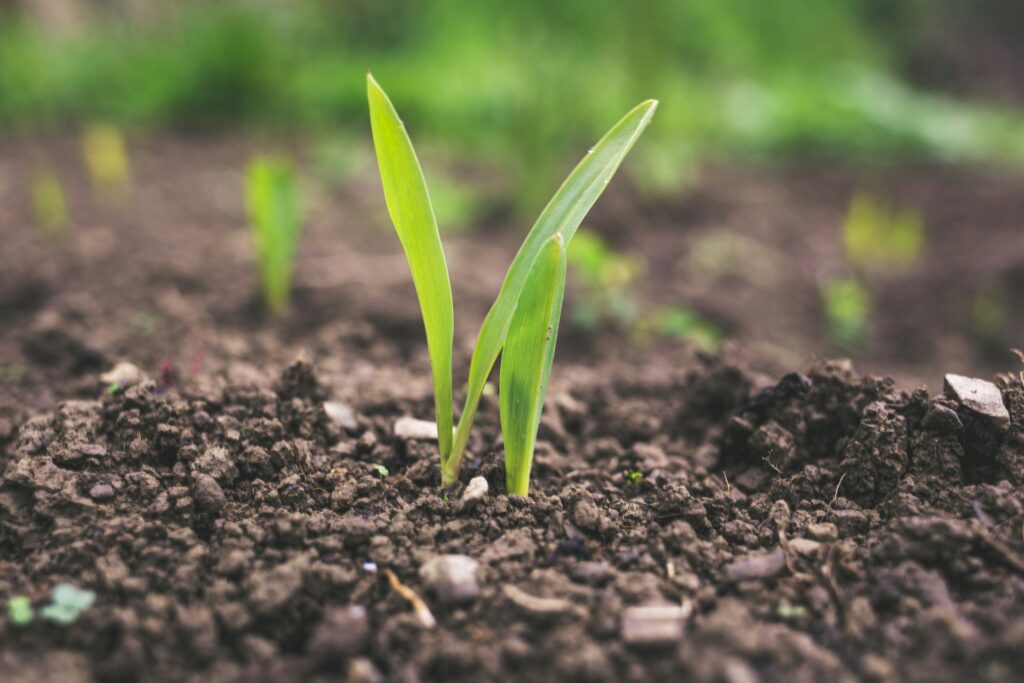
One interesting theory is that it’s not the plants themselves, but the microbes in the soil, that benefit most from electric energy. Healthy microbes help break down nutrients, protect roots, and create better growing conditions. If electricity makes those microbes more active or efficient, plants naturally benefit too. It’s kind of like feeding the helpers who keep your garden in shape.
Atmospheric electricity is always around us.
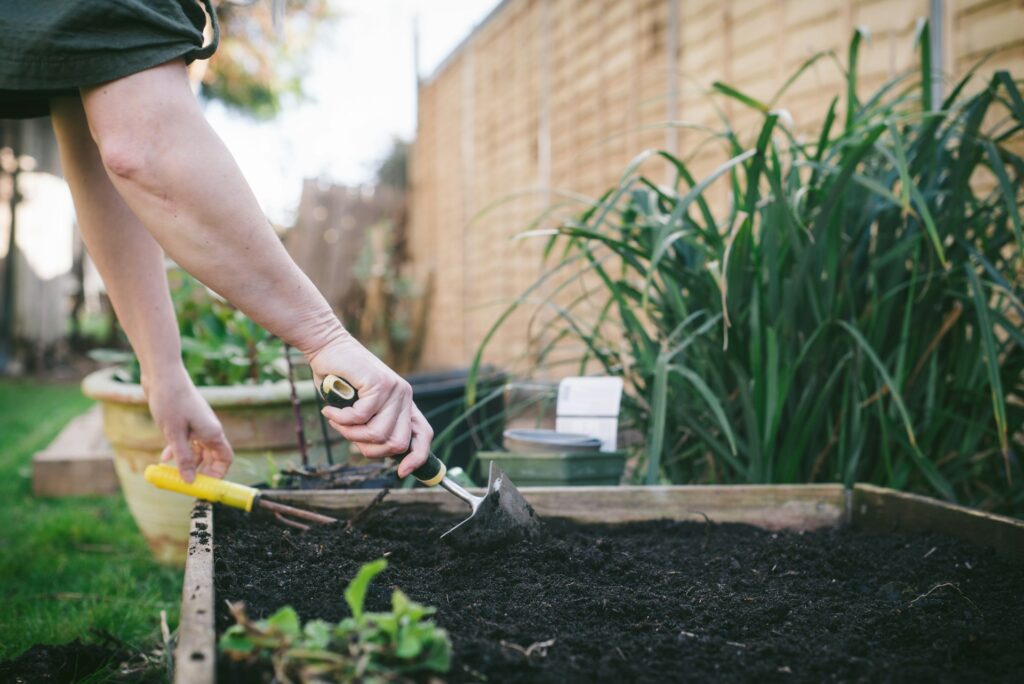
Even when there’s no storm, the earth’s surface and the atmosphere are constantly carrying a low level of natural electricity. Some researchers believe this subtle field plays a quiet but constant role in plant behaviour. We’re still figuring out exactly how this ambient energy affects growth, but it shows that plants aren’t growing in a vacuum. They’re constantly interacting with the world around them, including its unseen electric pulses.
Ancient farmers may have noticed something.

Historical records and farming folklore often talk about crops thriving after thunderstorms. Some believe early farmers even planted during certain moon phases or after storms based on how plants seemed to respond. While these ideas weren’t backed by modern science at the time, it’s possible they were noticing real effects, like that nitrogen boost or microbial kickstart we now understand better.
It’s a fascinating field, but not magic.

Electricity from the sky isn’t a miracle grow method, but it might have a subtle influence on how plants behave. Between changes in soil chemistry, microbial activity, and plant signals, there’s a lot more going on than meets the eye. So yes, in small and natural ways, lightning and electricity might help vegetables grow a little stronger. However, for now, water, soil health, and sun are still doing most of the heavy lifting. No need to plug in your potatoes just yet.