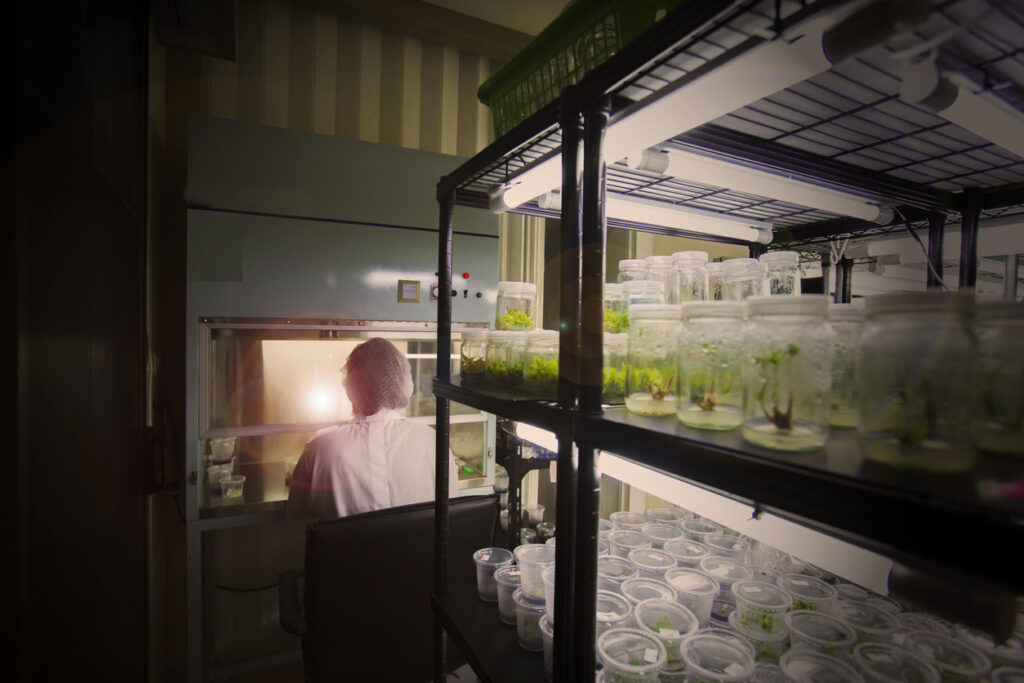
Seed banks might not sound exciting at first glance, but they quietly play a huge role in protecting the future of food, nature, and even entire ecosystems. These facilities act like vaults for the planet’s plant life, storing seeds from all over the world so that we can regrow what’s lost to disaster, disease, or climate change. Here’s what seed banks are, how they work, and why they’ve become one of the most important tools we have in the fight for biodiversity.
It’s exactly what it sounds like.
At its core, a seed bank is a place where seeds are collected, dried, and stored for long-term preservation. Just like a financial bank holds onto money, a seed bank holds onto genetic wealth, in this case, plant diversity that could be crucial in the future. The goal is to keep these seeds viable for decades or even centuries, so they can be used to regrow plants that have been lost or damaged in the wild. In many cases, it’s a safety net for crops, forests, and native species alike.
Seeds are stored in cold, dry conditions.
For seeds to stay alive over long periods, they need to be kept at low temperatures and in very low humidity. Most seed banks use freezers or refrigerated vaults to create the right environment for longevity. This prevents mould, decay, or premature germination. Some of the more advanced facilities, like the Svalbard Global Seed Vault in Norway, store seeds at around -18 °C, helping to slow down all biological activity to nearly a standstill.
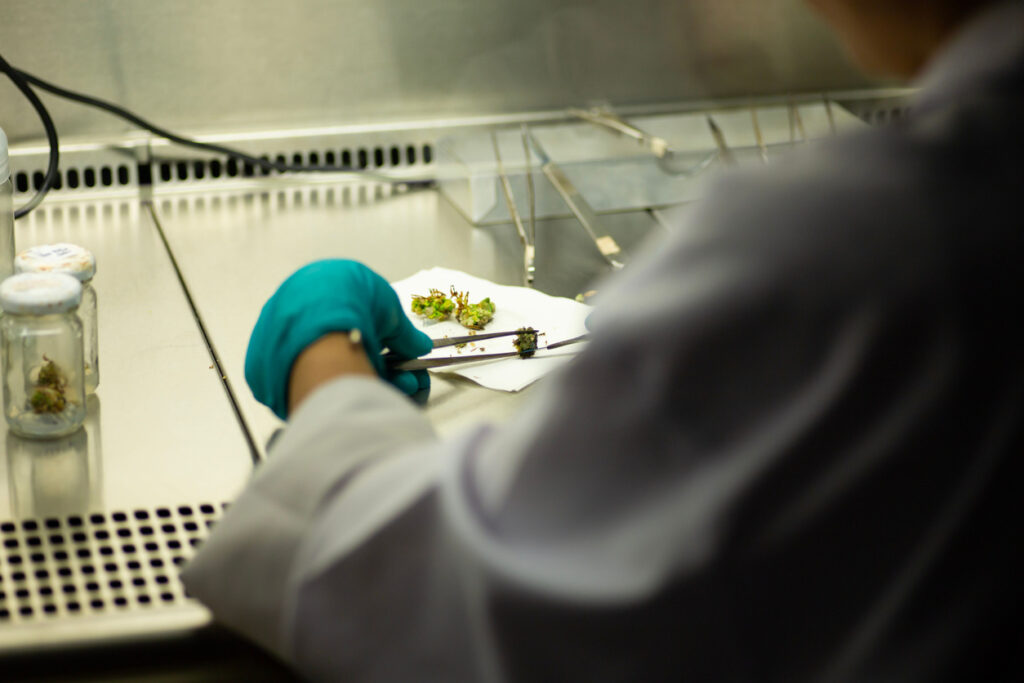
Seed banks help protect biodiversity.
As plant species are lost due to deforestation, pollution, or changing climate conditions, seed banks offer a way to protect what’s left. They act as a backup system for nature, preserving rare or endangered species that might not survive in the wild. Without this safety net, we risk losing entire plant families forever. In some cases, a species may already be extinct in the wild, but still exists in storage thanks to seed banks, and can be reintroduced later.
They’re crucial for global food security.
Seed banks don’t just store wild plants, they also preserve agricultural crops. From ancient grains to climate-resilient vegetables, these stored seeds could help feed future generations if modern crops fail due to pests or environmental changes. This is especially important as monoculture farming (relying on just a few crop varieties) leaves global agriculture vulnerable. A diverse seed bank allows scientists and farmers to go back and find alternatives that might handle disease or drought better.
Some seed banks are global, while others are local.
There are massive seed banks that serve the whole planet, like Svalbard, which acts as a backup for other seed banks in case of disaster. However, there are also smaller, regional banks that focus on native plants or crops specific to their climate and culture. For example, Kew’s Millennium Seed Bank in the UK focuses on conserving wild plant species, while community seed banks in countries like India or Kenya help preserve traditional crops and local farming knowledge.
Seeds are carefully tested before storage.
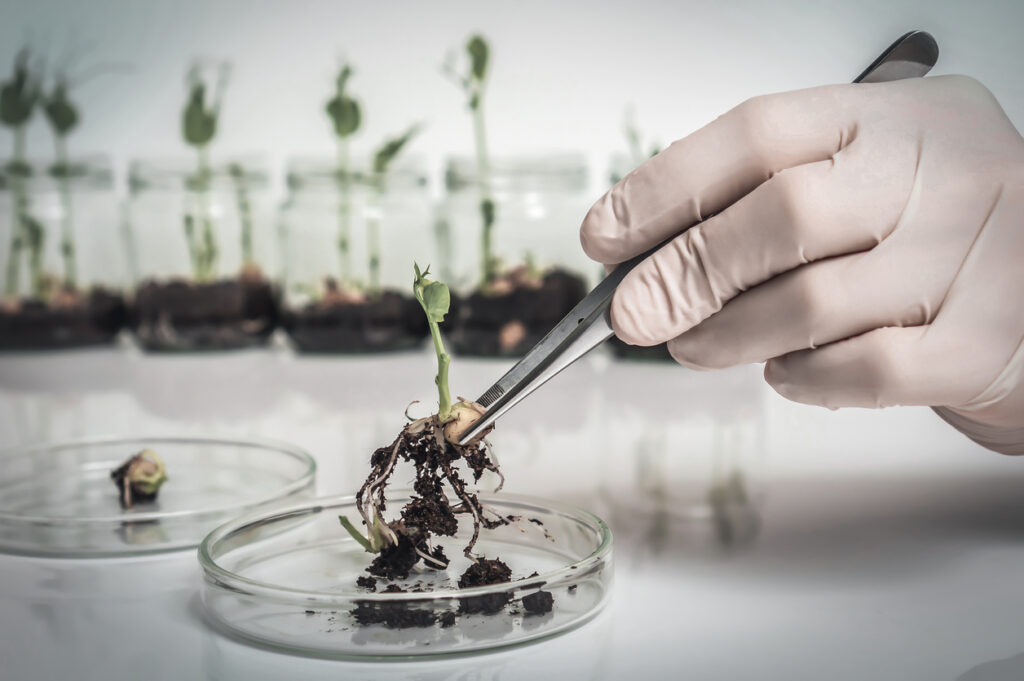
Before a seed goes into storage, it has to be cleaned, dried, and tested for viability. Not all seeds are suited to long-term freezing, so seed banks do germination trials to see how likely it is that the plant can grow later on. If the seeds are too old or damaged, they might not make it into the vault. This ensures that only the strongest, most viable seeds are stored because when we need them, they have to work.
Not all seeds can be frozen.
Some plants produce what’s called “recalcitrant seeds,” which means they can’t survive the drying and freezing process. These include things like cocoa, avocado, and rubber tree seeds, which makes them trickier to store long-term. For these species, researchers have to use different methods, like cryopreservation (freezing in liquid nitrogen) or growing the plants in living collections like botanic gardens. Seed banks are still evolving to deal with these challenges.
They’re used in disaster recovery.
When natural disasters, war, or disease wipe out local crops, seed banks can step in to help rebuild. They provide the original seed varieties to farmers or communities who’ve lost their food sources. This has already happened in places like Syria, where conflict damaged local agricultural systems and scientists had to retrieve seeds from international vaults to help restore farming. It’s one of the clearest examples of how seed banks offer hope in crisis.
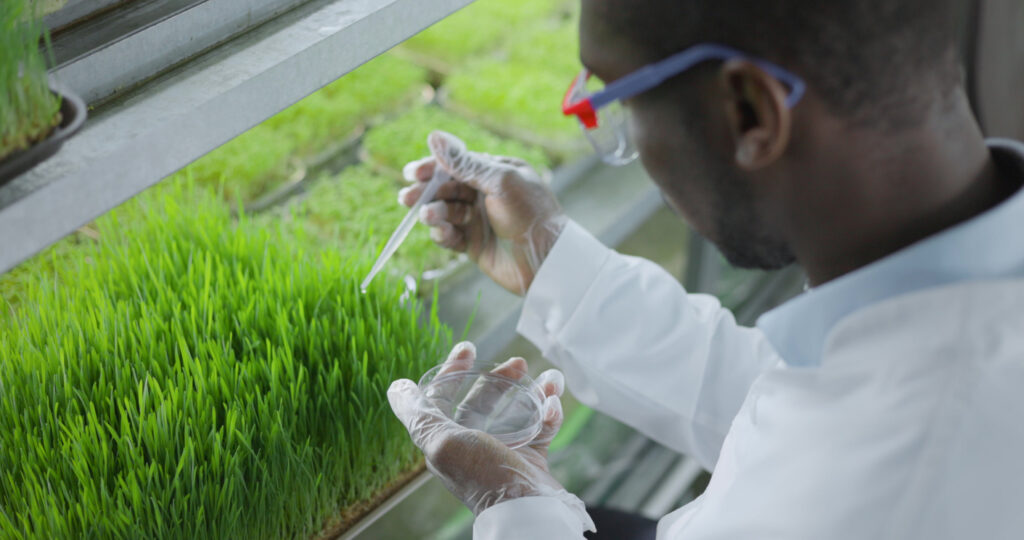
Anyone can support seed banking.
While the big operations are run by scientists and governments, many smaller seed banks are supported by everyday people, including gardeners, schools, or local conservation groups. Saving and swapping seeds is a powerful way to preserve local biodiversity. Community seed banks help keep traditional crops alive, reduce dependency on big seed companies, and foster food resilience. You don’t need to be a scientist to play a part in protecting plant life.
Seed banks protect our future choices
We don’t always know what crops or plants the future will need. Maybe climate change will demand new varieties that tolerate heat or poor soil. Maybe we’ll need to bring back forgotten foods to feed a growing population. Seed banks keep those options open. By storing today’s diversity, we’re investing in tomorrow’s survival—not just for humans, but for all the species that rely on plants. It’s one of the quietest, most forward-thinking acts of environmental care we’ve got.