Even if your veg patch isn’t picture-perfect, a little daily attention can make all the difference.
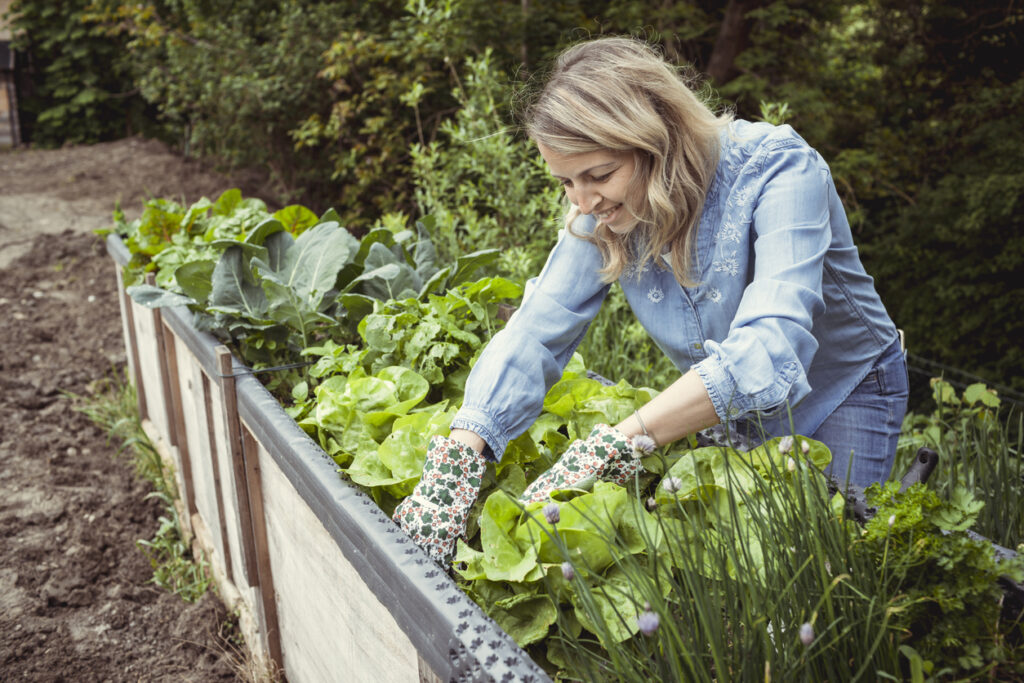
More importantly than just spending hours hunched over the soil, it’s about checking in, noticing what’s changed, and doing a few small things that keep everything ticking over. Here are some everyday tasks that’ll help your vegetable garden stay healthy, productive, and full of life.
1. Have a quick walk around.
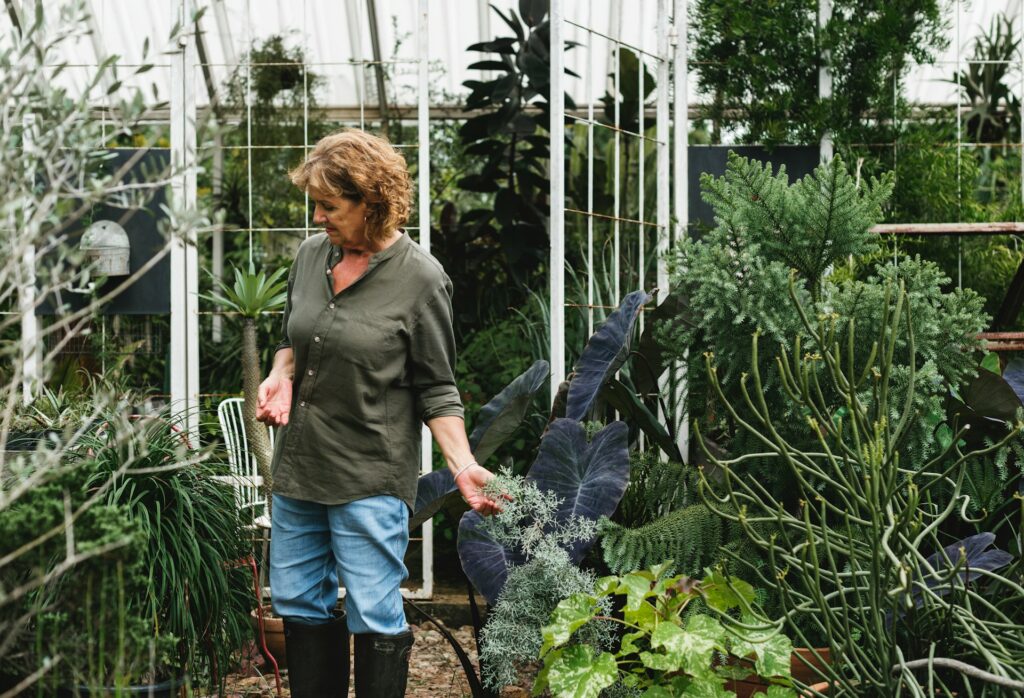
Start with a casual stroll through your garden. This is less about being productive and more about getting your bearings. What’s grown overnight? Any surprises popping up? A few minutes of observation helps you spot problems early and appreciate the progress. It’s also a great way to wake up with your garden. A quiet wander in the morning air, coffee in hand if you like, sets the tone for the day and lets you catch any pests, wilting, or strange goings-on before they escalate.
2. Check the soil moisture.
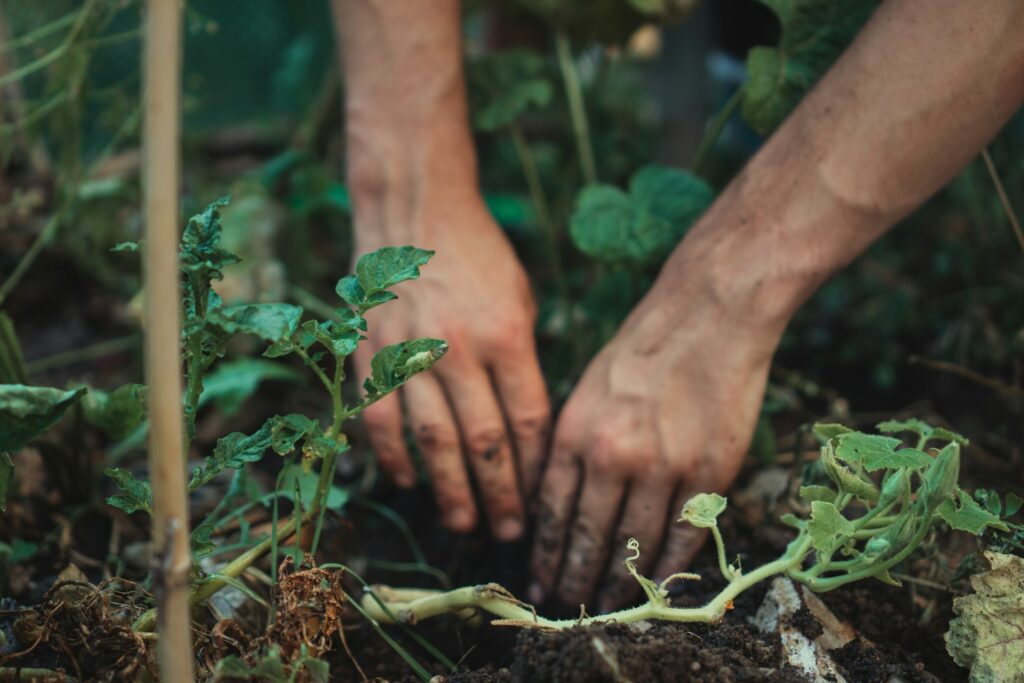
Dig your fingers into the top few inches of soil—does it feel dry, damp, or soggy? Getting to know your soil’s moods will help you avoid overwatering or leaving things parched, especially during heatwaves or dry spells. Watering is best done early in the day, so checking the soil in the morning gives you time to act if needed. Don’t rely on yesterday’s weather. You’d be surprised how fast things dry out with wind or sun exposure.
3. Water where it matters.
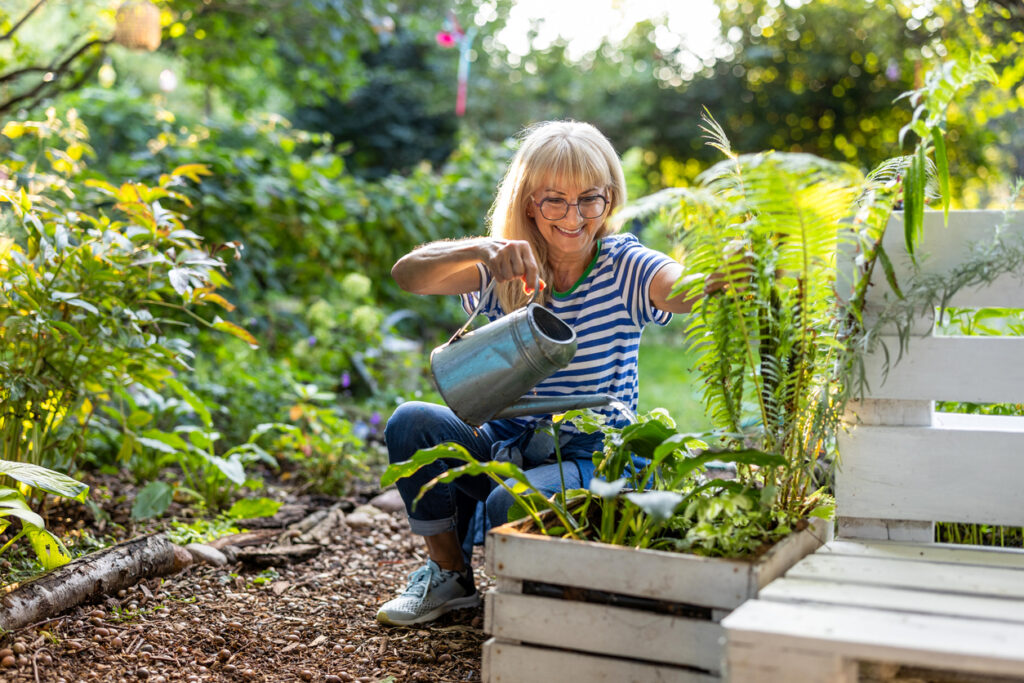
If things do need a drink, water the base of each plant rather than just hosing the whole bed. Targeting the roots helps the plant where it needs it most and avoids soaking leaves, which can invite disease. A watering can works well for precision, and early morning is the sweet spot. It gives time for the water to soak in before the heat of the day, and avoids encouraging slugs overnight.
4. Pinch out or prune where needed.
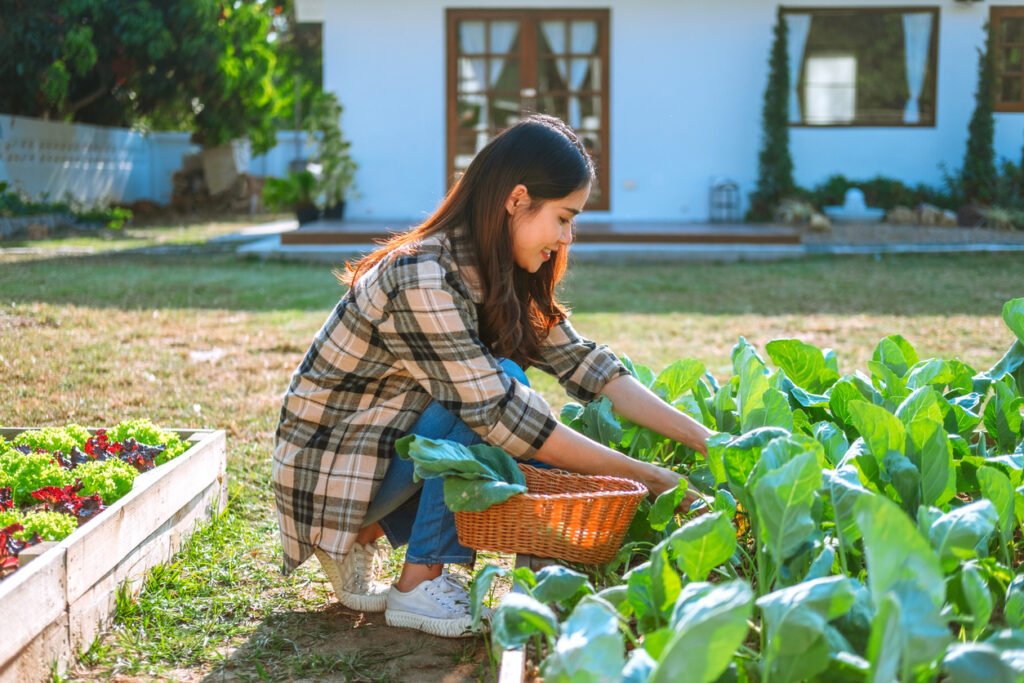
Some veg, like tomatoes or basil, benefit from regular pinching or pruning. Removing side shoots or overgrown bits helps the plant focus its energy on producing better fruit or leaves. You don’t have to get fancy with secateurs every time. Sometimes it’s just a quick finger-and-thumb job as you walk by, giving things a tidy up while you check the beds.
5. Keep an eye out for pests.
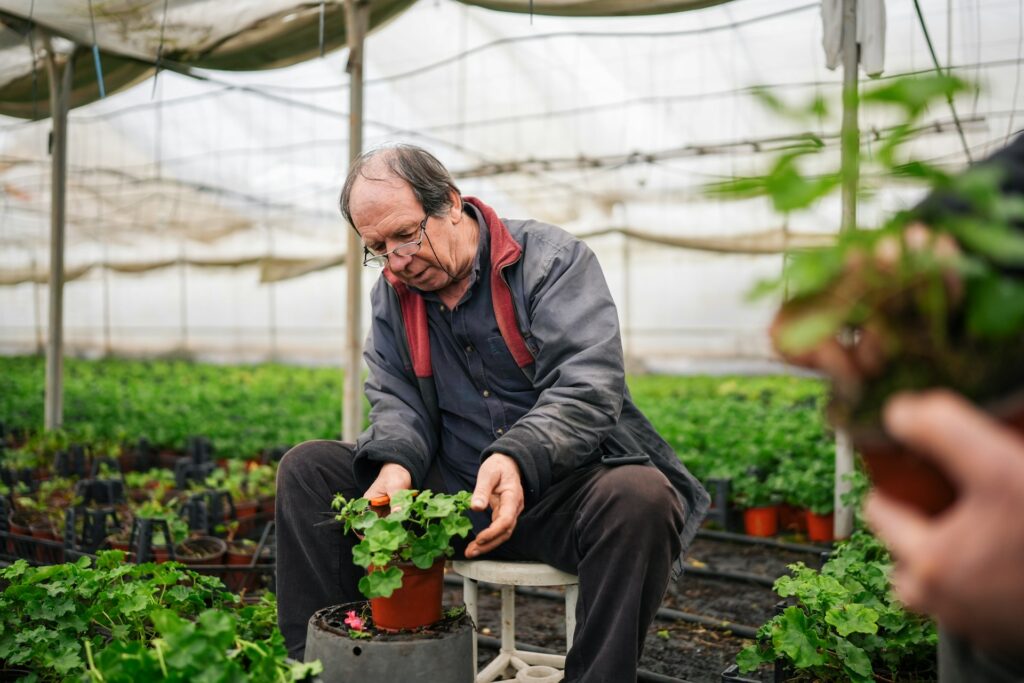
Slugs, aphids, caterpillars—you know the usual suspects. A quick daily glance under leaves and along stems can help you spot them before they take over. If you catch them early, you’ve got more options, whether it’s picking them off, spraying with a natural mix, or adding companion plants to deter them. Daily checks mean fewer surprises (and fewer nibbled lettuces).
6. Look for signs of disease.
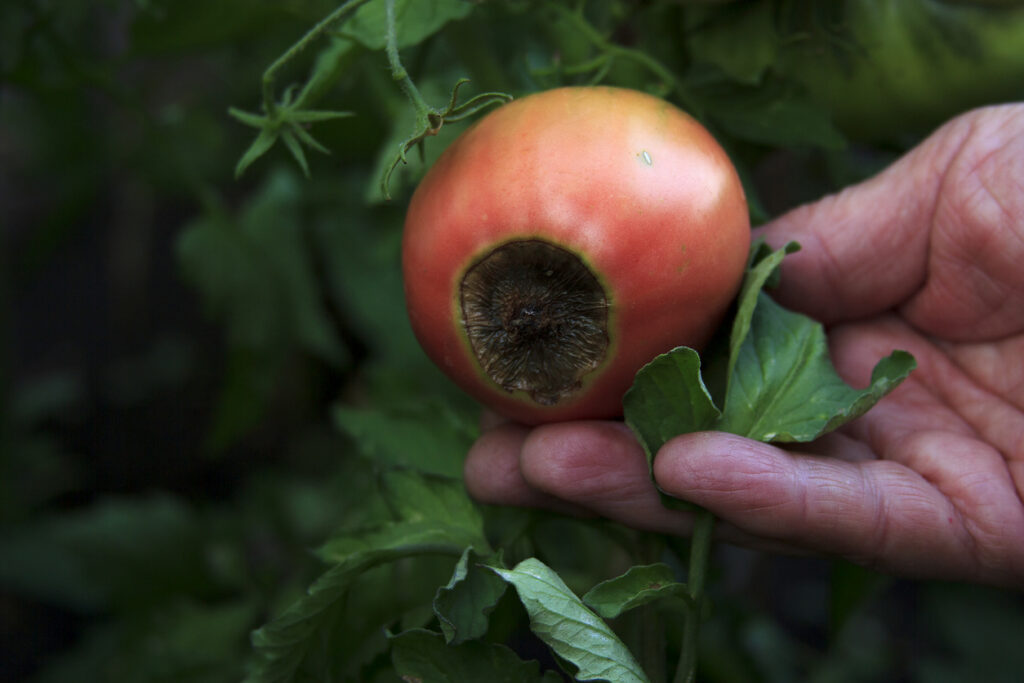
Fungal spots, discoloured leaves, or strange textures can be early signs of plant disease. Catching these things early gives you time to cut back the affected areas or treat them before they spread. You don’t need to become a plant pathologist overnight—just trust your instincts. If something looks off, it probably is. A bit of regular attention can save whole beds down the line.
7. Harvest anything that’s ready.
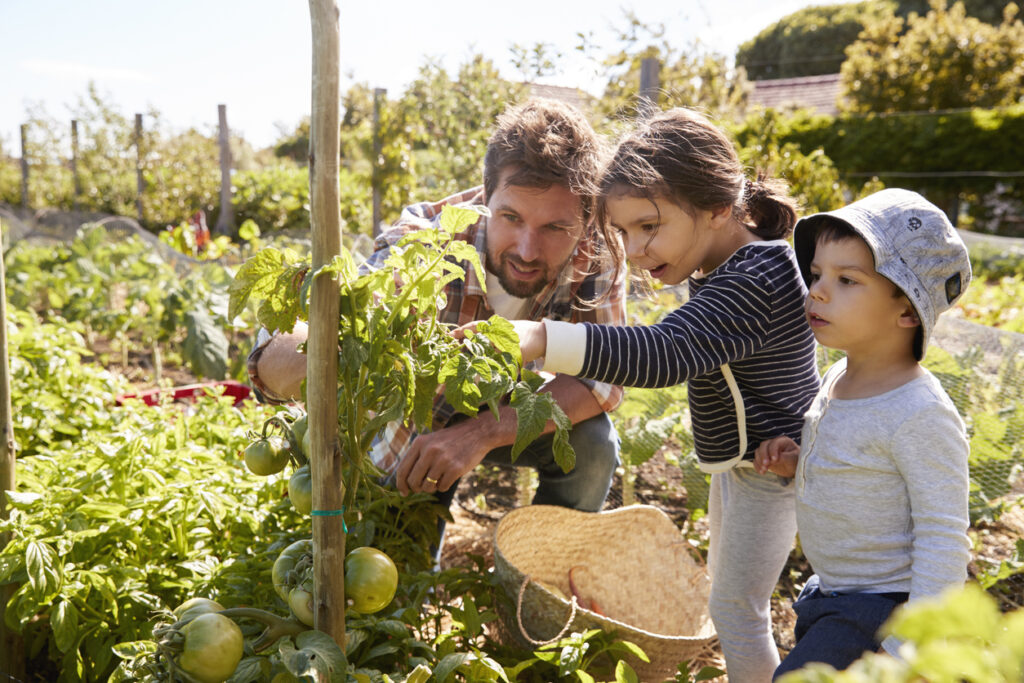
Don’t wait until everything’s bursting at the seams. Picking veg as it ripens encourages the plant to keep producing, and often tastes better when picked young and fresh. Even if it’s just a handful of beans or one perfect courgette, harvesting daily means less waste, fewer overgrown monsters, and more satisfaction from your hard work.
8. Re-secure any floppy plants.
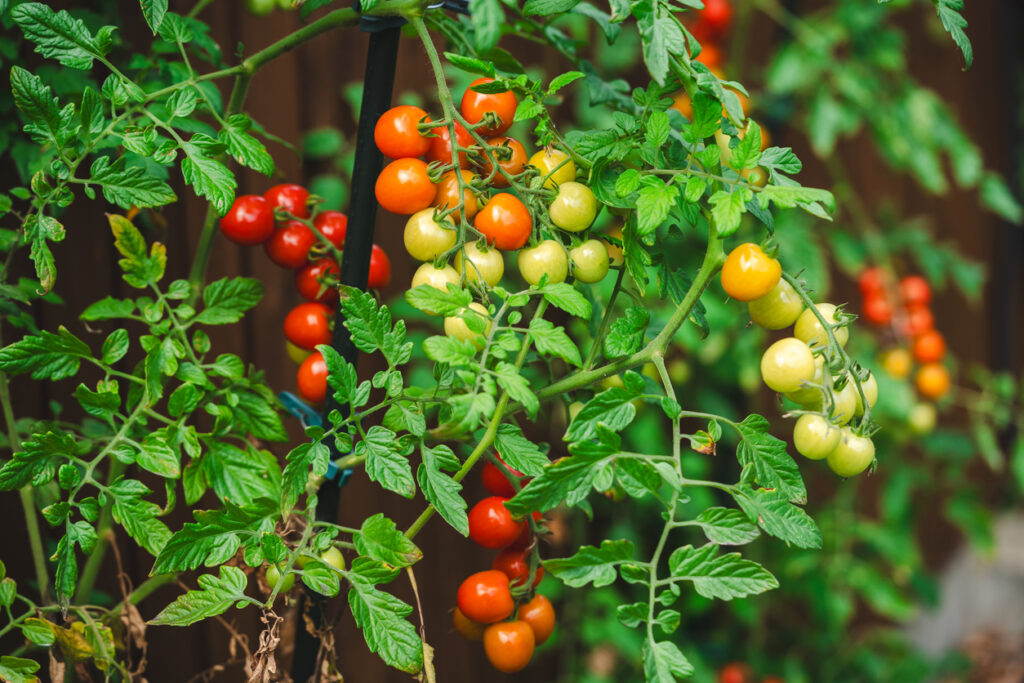
Climbing beans, tomatoes, peas—they all need a bit of support. Daily checks help catch when something’s leaning too far or has outgrown its current setup. A quick re-tie with soft string or a bit of repositioning keeps plants from snapping or falling over, especially if wind or rain’s been through the night before.
9. Top up mulch if needed.
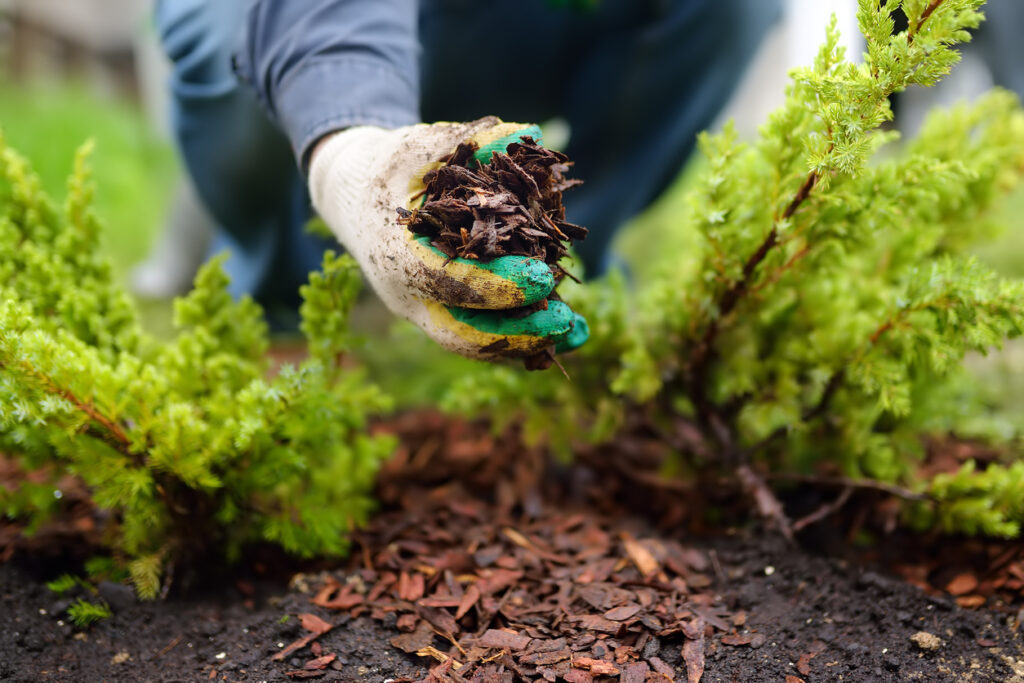
Mulch helps retain moisture and keep weeds down, but it can move or thin out over time, especially after rain or watering. A quick top-up in spots where the soil’s getting exposed helps keep everything balanced. You don’t need to do a full re-mulch every day, but just noticing where it’s wearing thin can help you act early and keep things tidy and protected.
10. Check for weeds (just a few!).
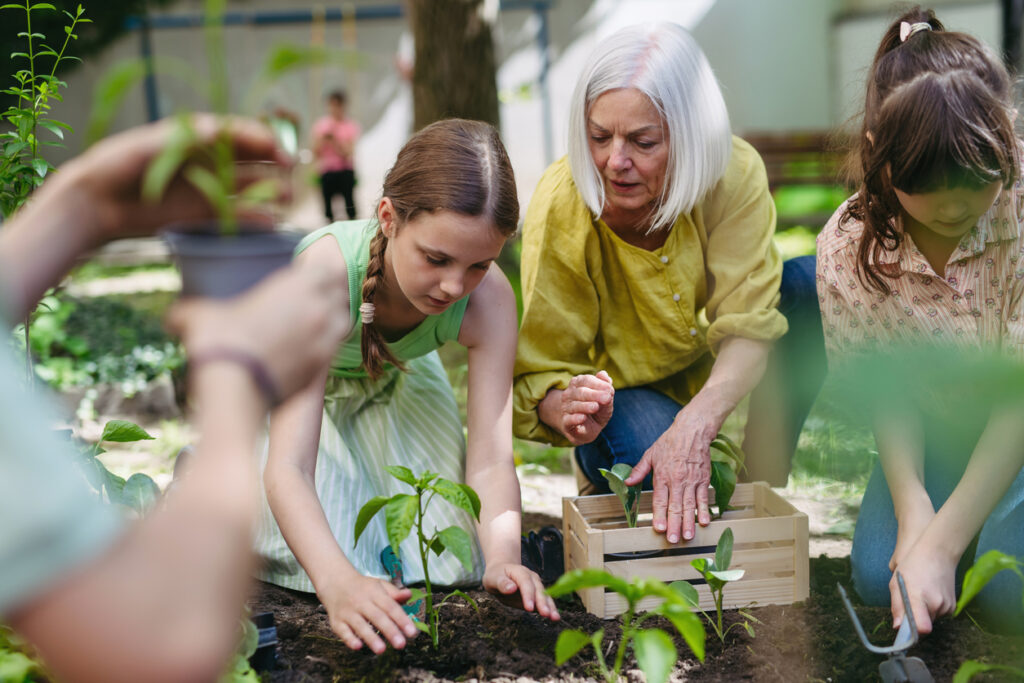
Weeding can be a pain if it builds up, but pulling one or two a day is much more manageable. A quick tug here and there during your walkaround saves a big weeding session later on. Catch weeds early, and they won’t get a chance to steal water or nutrients from your crops. Plus, let’s be honest—yanking a weed out by the root is strangely satisfying.
11. Note anything that needs attention later.
You won’t be able to do everything at once, and that’s fine. However, noting things like “need to stake the tomatoes” or “start seeds for autumn salad” helps keep your garden ticking over without overwhelm. Jot it in your phone or scribble it on a post-it—whatever works. Gardening doesn’t need to be perfect, just gently consistent.
12. Give the compost a stir.
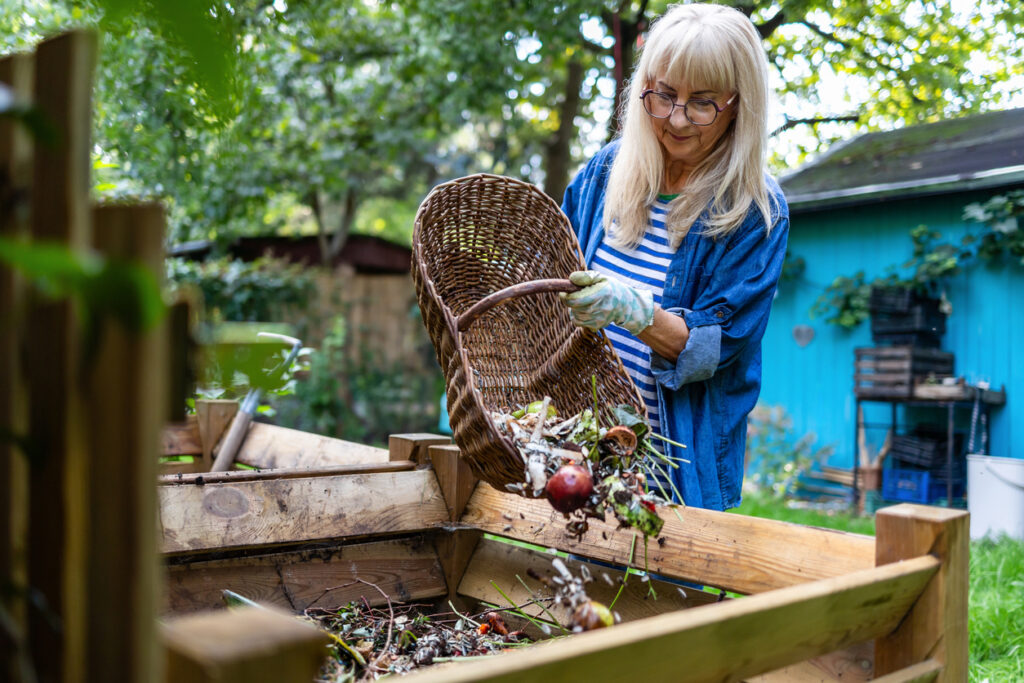
If you’re composting kitchen scraps or garden waste, giving the pile a quick turn helps it break down evenly and stay aerated. It doesn’t have to be a workout; just a few forkfuls every now and then helps. And while you’re there, it’s a good time to chuck in any trimmings or spent leaves from today’s garden tidy-up. Little and often makes for lovely compost later in the season.
13. Take a moment to enjoy it.

It’s easy to treat gardening like a to-do list, but don’t forget to pause and take it in. Notice the bees, admire a new flower, or enjoy the smell of fresh earth—these small moments are half the reason you’re doing this in the first place. Even five minutes of quiet appreciation can lift your mood and remind you that growing things, especially food, is something really special. Let your garden be a place you enjoy, not just another chore.