Not every insect in your garden is a pest.
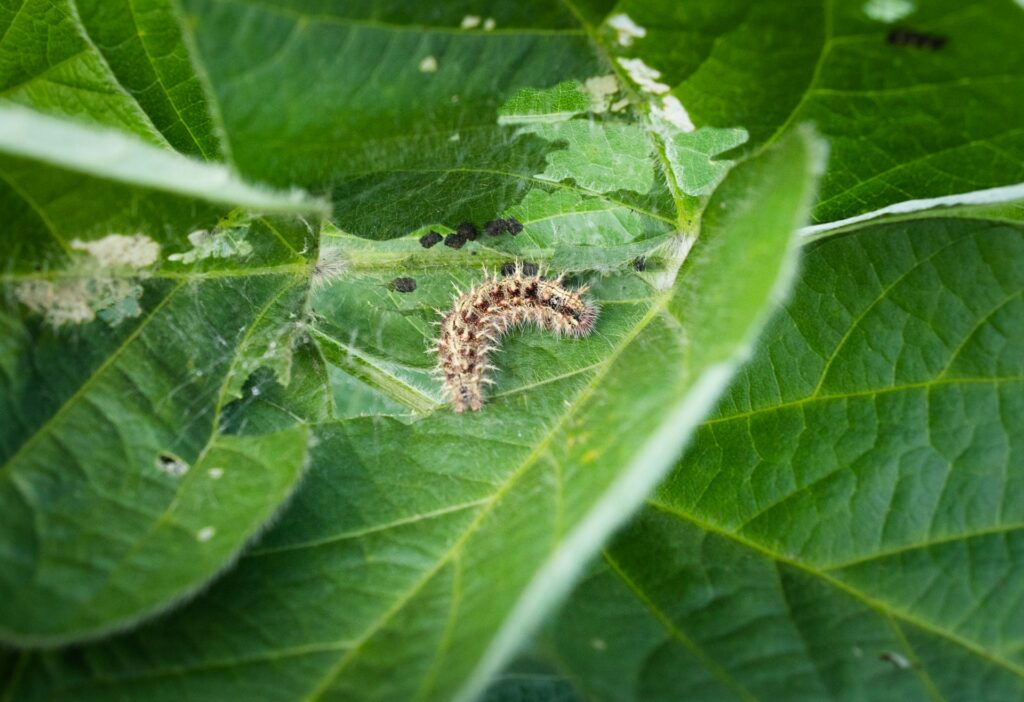
In fact, some of the smallest creatures crawling or flying around are doing the most important work, including pollinating crops, eating the bugs that destroy your plants, and helping your garden stay balanced without much effort on your part. The key is knowing who’s doing what, and how to make your garden a place they want to stick around in. Here are some garden-friendly insects you actually want, and how to make sure they find your patch inviting.
Ladybirds
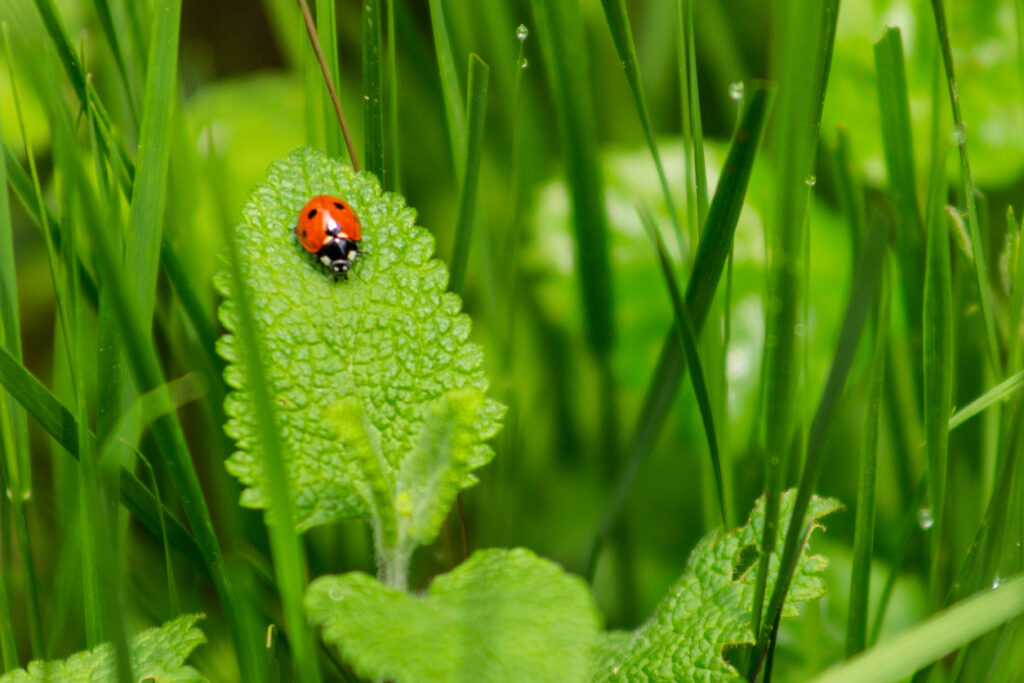
Ladybirds aren’t just cute, they’re one of your best defences against aphids. Both the adults and larvae eat huge numbers of them, along with other soft-bodied pests like whiteflies and mites. To attract them, plant things like dill, fennel, and yarrow, which offer good nectar sources. Also, go easy on pesticides, as ladybirds won’t hang around if the food’s been poisoned or wiped out completely.
Lacewings
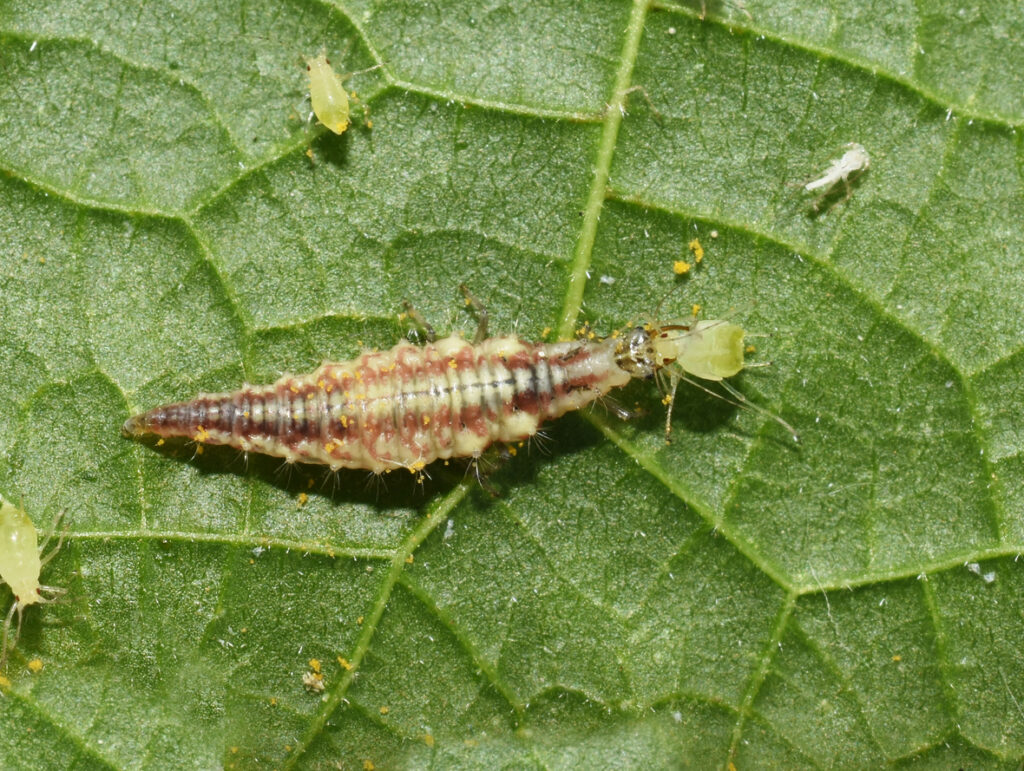
Lacewings might look delicate, but their larvae are little predators. They munch on aphids, thrips, and mealybugs with impressive enthusiasm. One lacewing larva can eat hundreds of aphids in its lifetime. Grow plants with tiny flowers, like coriander, cosmos, or sweet alyssum. These help feed the adults, which in turn lay their eggs right where you want those larvae to hatch—in the middle of a pest problem.
Hoverflies
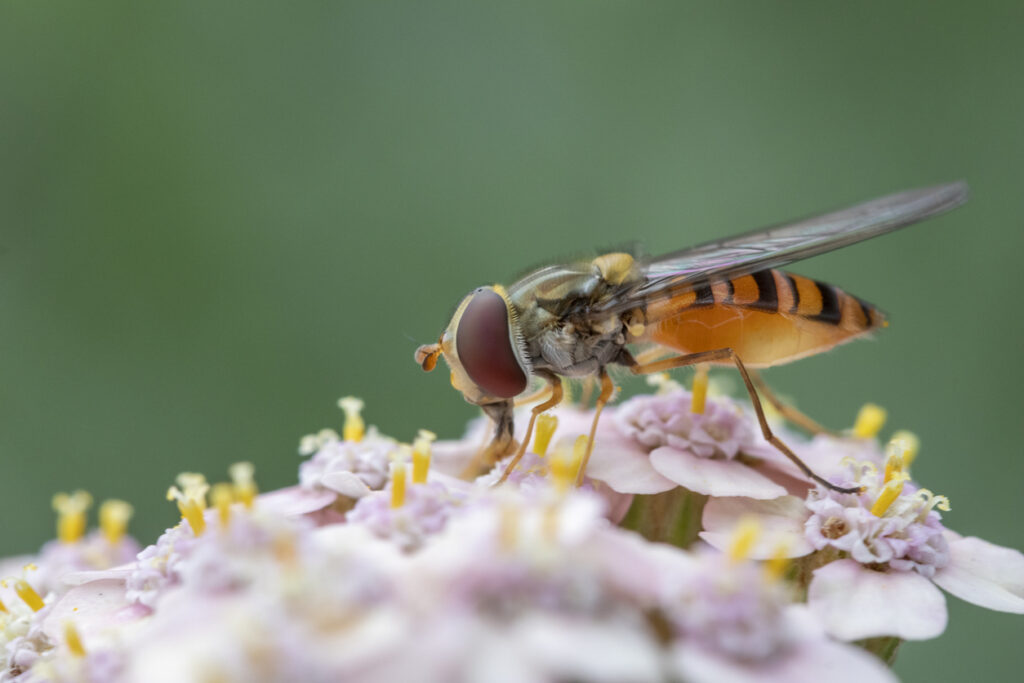
Hoverflies are brilliant little pollinators, and their larvae are aphid-eating machines. They often get mistaken for bees or wasps, but they’re harmless and far more helpful than they look. To bring them in, grow things with easy-access flowers like marigolds, calendula, and dill. They’re particularly fond of sunny, open spaces with plenty of nectar-rich plants.
Ground beetles

These nocturnal hunters stay low to the soil and feed on all sorts of garden pests—slugs, caterpillars, and even weed seeds. They’re nature’s little pest control officers, working the night shift while you’re asleep. To keep them happy, leave some mulch or stones around where they can hide during the day. They love shady, damp areas where they can stay cool and protected.
Parasitic wasps
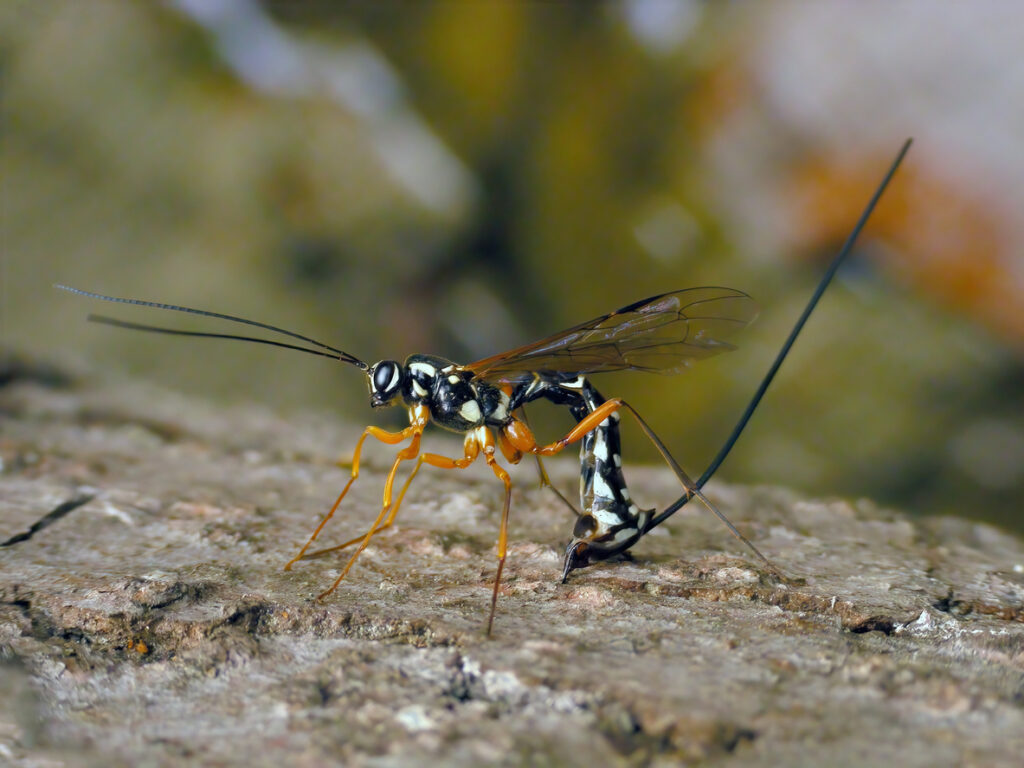
Parasitic wasps sound terrifying, but they’re tiny and incredibly useful. They lay eggs inside pest insects like aphids, caterpillars, and even whitefly. The larvae then feed from the inside, stopping the pest in its tracks. You’ll attract them by growing nectar-rich flowers like dill, coriander, marigolds, and chamomile. Keep the blooms coming through summer to give them a steady reason to stick around.
Bees
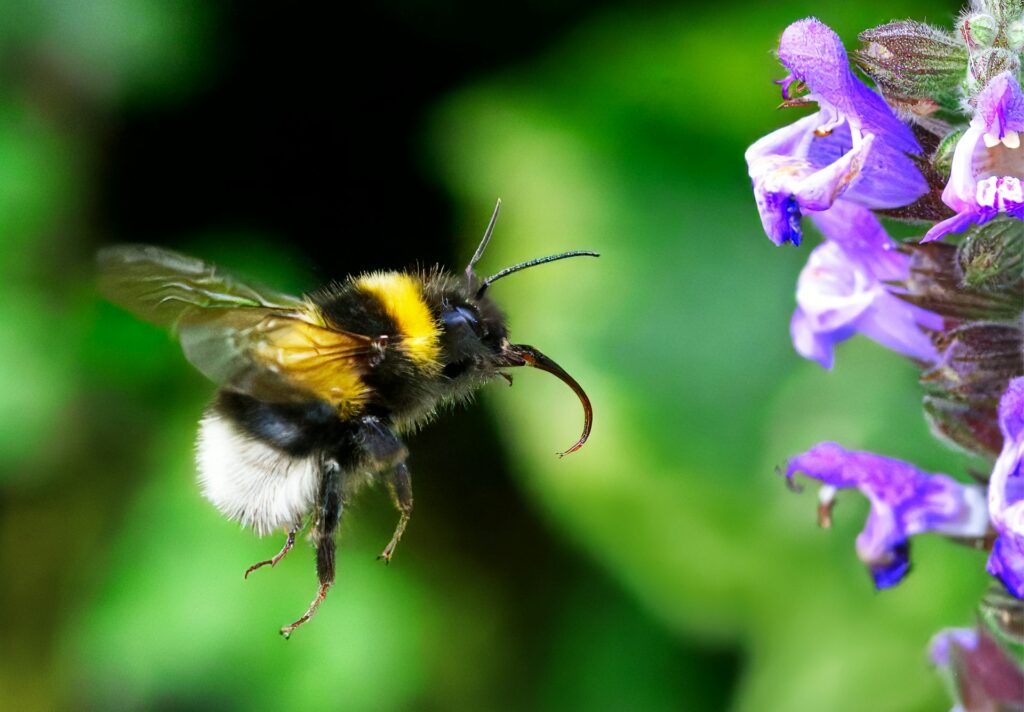
Everyone knows bees are vital pollinators, but they’re also important for keeping fruit and veg yields high. More bees mean more successful pollination, which means more tomatoes, courgettes, apples—everything. Plant plenty of flowering herbs like thyme, oregano, and lavender. Avoid spraying during the day, and leave a few wild corners or deadwood piles for solitary bees to nest in.
Spiders

They’re not everyone’s favourite, but spiders are natural pest control experts. They catch flies, gnats, and beetles in their webs, keeping insect populations in check without lifting a finger. If you can stomach them, let a few webs be. Avoid clearing away all the leaf litter and tall grasses because they provide shelter. Spiders thrive in slightly messy, undisturbed corners.
Soldier beetles

These red and black beetles are often seen clambering over flowers in mid to late summer. They eat aphids, caterpillars, and other soft-bodied insects, but also help out with pollination. Grow goldenrod, milkweed, and other open flowers that give them access to pollen and nectar. They’ll repay you by helping keep pest numbers low as they go about their business.
Braconid wasps
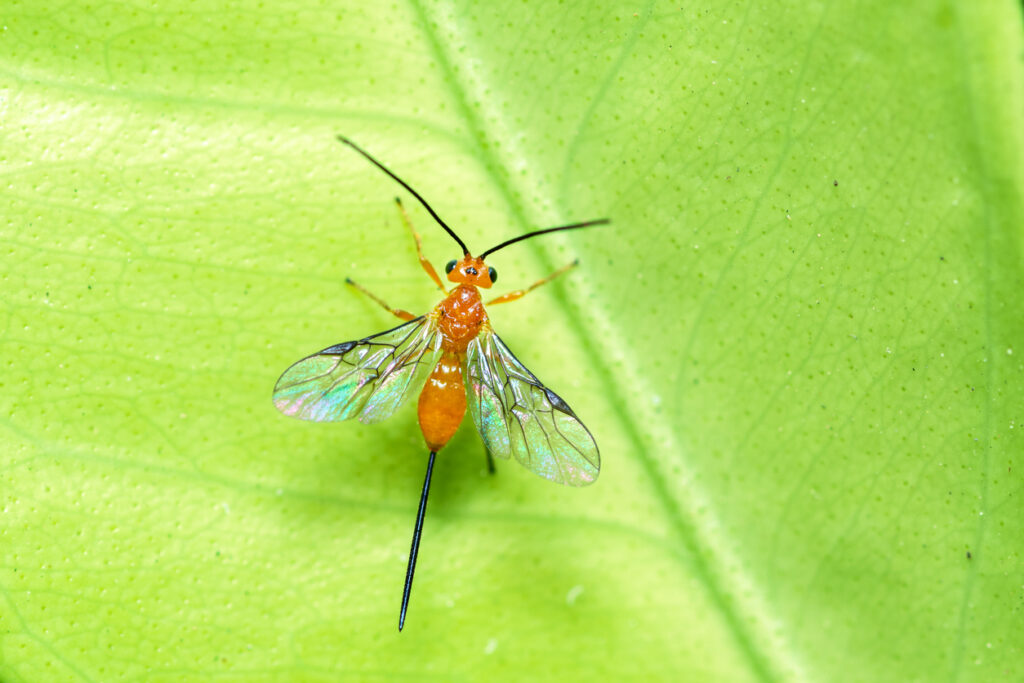
These are a type of parasitic wasp that’s especially fond of tomato hornworms and caterpillars. If you’ve ever seen a caterpillar covered in tiny white cocoons, that’s braconid larvae doing their job. To attract the adults, plant nectar sources like yarrow, fennel, or buckwheat. They’re drawn to gardens where they have both shelter and hosts to parasitise—which, if you’ve got caterpillars, you definitely do.
Predatory mites
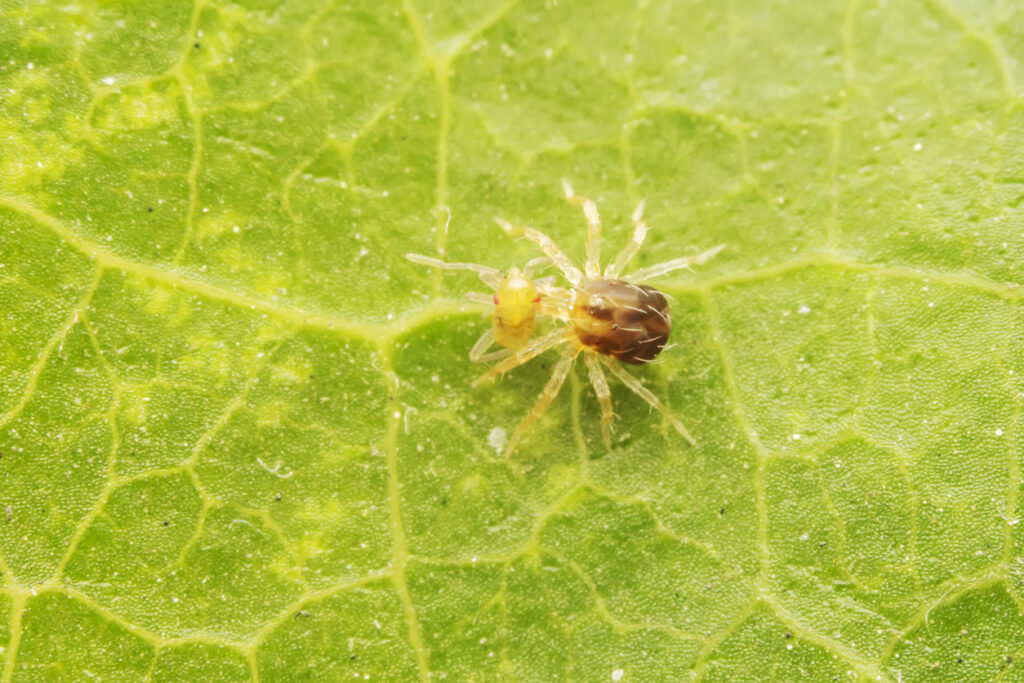
Not all mites are bad; some, like predatory mites, are actually garden allies. They feed on pest mites, thrips, and other tiny nuisances that attack your plants’ leaves and flowers. To attract or sustain them, keep the environment humid and avoid using broad-spectrum sprays. Adding compost or mulch can create the right conditions for them to thrive naturally.
Tachinid flies
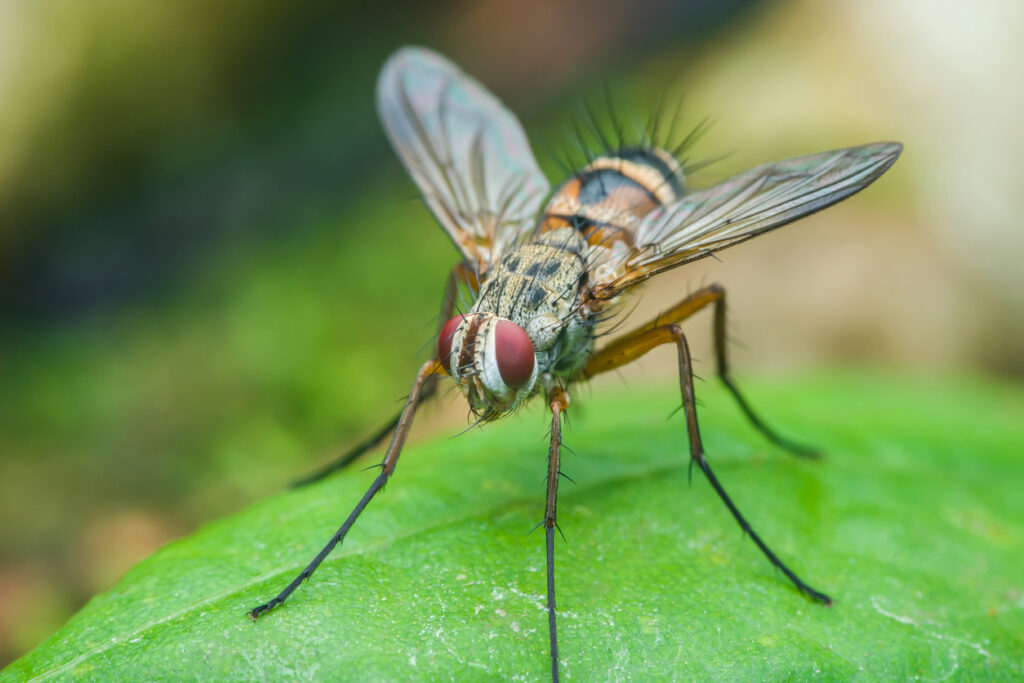
These odd-looking flies lay their eggs on caterpillars and beetle larvae. When the eggs hatch, the young feed on the host, reducing pest populations the natural way. Grow flowering plants like dill, parsley, and Queen Anne’s lace to provide nectar for the adults. They’re especially handy in gardens with big caterpillar problems on brassicas or tomatoes.
Ants (sometimes)
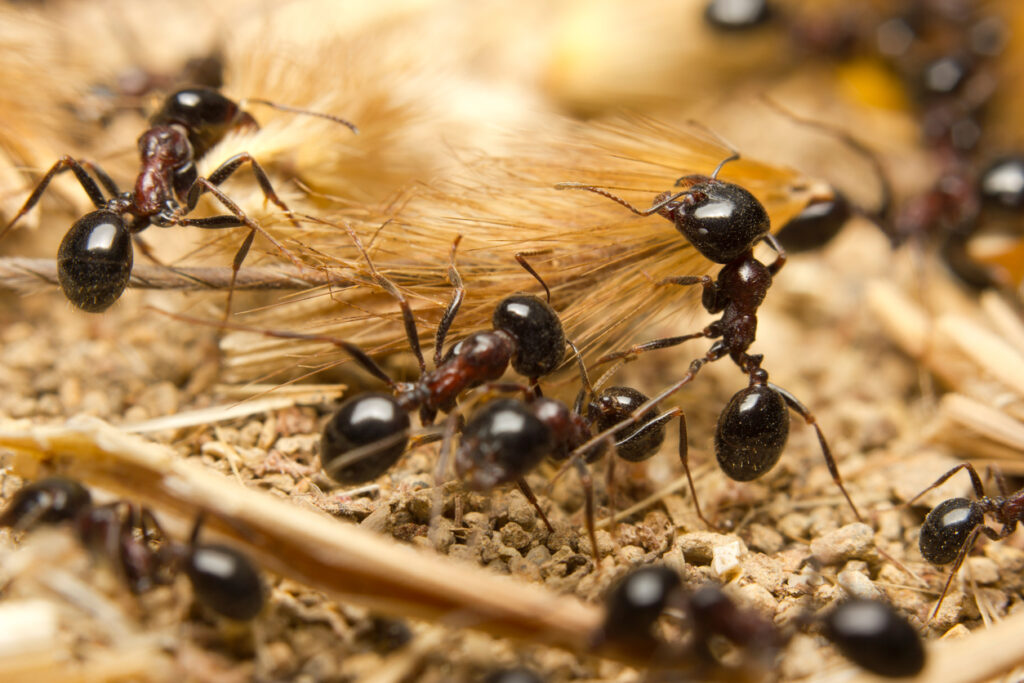
Ants get a bad rap, but in moderation, they’re helpful. They prey on small insects and help with pollination while moving through your plants. Some even protect beneficial insects like aphid-eating larvae. That said, they’ll also farm aphids if left unchecked. The trick is balance. Encourage ants by planting nectar-rich ground covers, but keep an eye on how they’re interacting with your other insects.
Butterflies (and their caterpillars—sometimes)
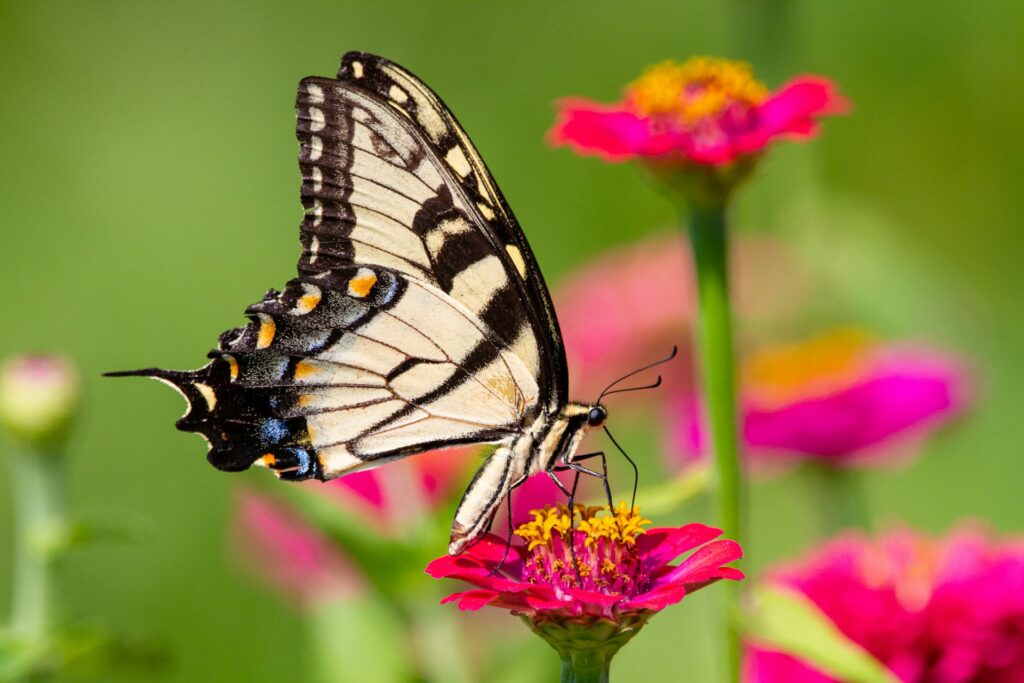
Butterflies aren’t just pretty. They also help with pollination, especially among wildflowers and herbs. Their presence also shows you’ve got a healthy, well-balanced ecosystem in your garden. To bring them in, plant nectar favourites like buddleia, verbena, and wild marjoram. Accept a bit of nibbling from their caterpillars; it’s part of the trade-off, and a few holes are worth it for a flutter of colour.