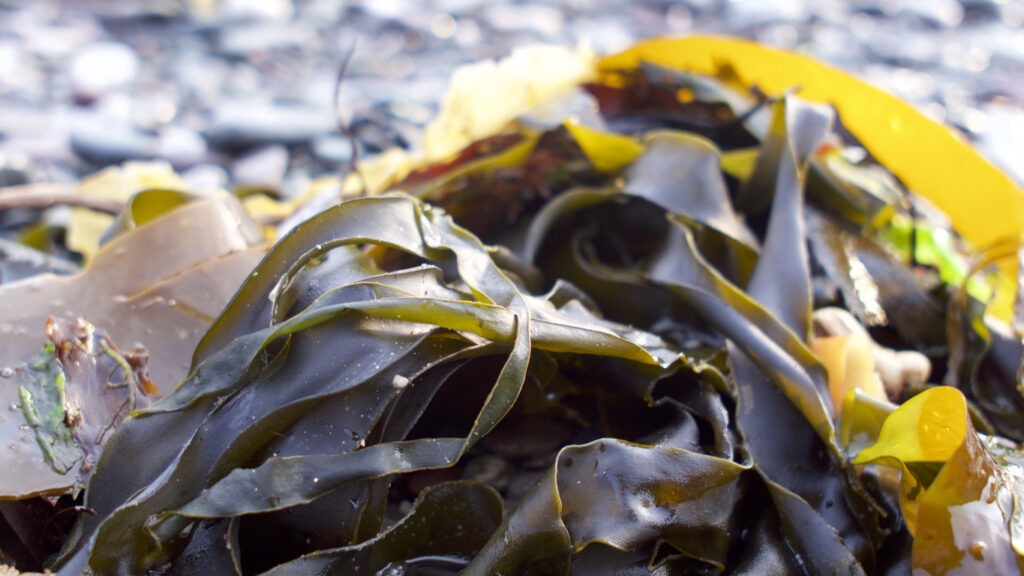
Seaweed might not look like much when it’s washed up in tangled heaps along the beach, but it’s actually one of the most impressive organisms on the planet. From its surprising nutritional value to its role in cleaning the ocean and even fighting climate change, seaweed is doing more for us than most people realise. Whether you’re into food, nature, or just like fun facts from the sea, here’s what you might not know about this slippery, versatile plant.
Seaweed is incredibly nutritious.
Seaweed is packed with vitamins, minerals, and antioxidants. Depending on the variety, it can offer iodine, iron, calcium, magnesium, and vitamins A, C, E, and several B vitamins. Some types are even good sources of protein and fibre.
Because it absorbs nutrients from the seawater around it, seaweed can be a surprisingly dense source of nourishment, especially useful in places where other crops don’t grow easily. It’s one reason seaweed has been a staple in Asian diets for centuries.
It’s not actually a plant in the traditional sense.
While we often lump seaweed in with regular land plants, it actually belongs to a group called algae. It doesn’t have roots, stems, or leaves in the same way a garden plant does, but it still photosynthesises and grows using sunlight and nutrients in water.
There are three main types of seaweed: red, green, and brown. Each has different properties and uses, and you’ll often find them used in everything from sushi to skincare depending on the type and where it’s harvested.
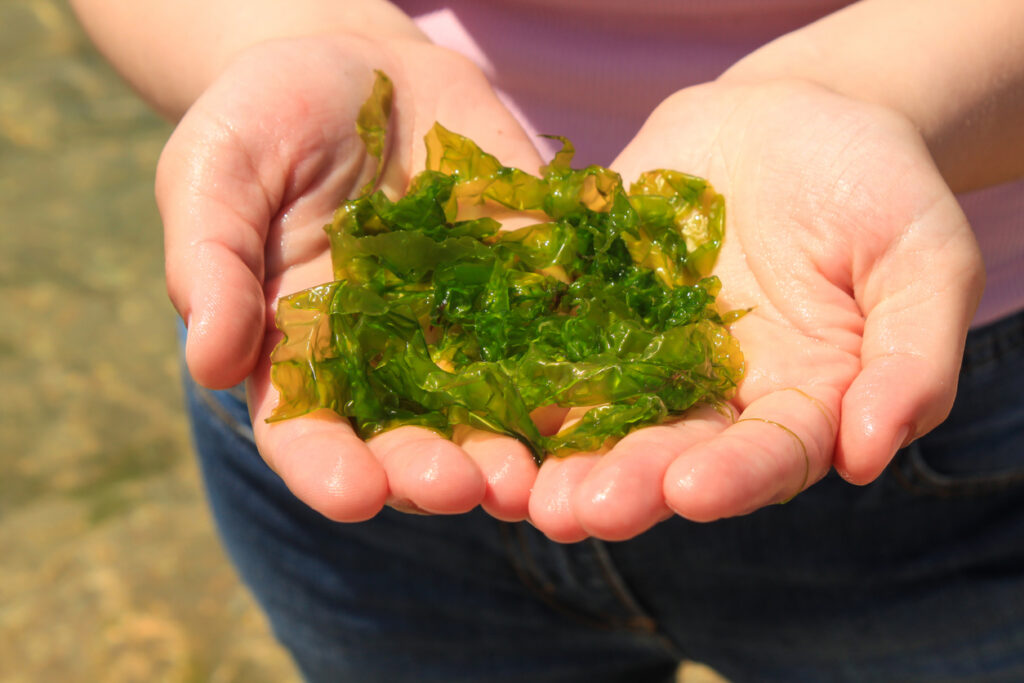
3. Seaweed is a natural source of iodine.
Iodine is essential for a healthy thyroid, but many people don’t get enough of it from their everyday diets. Seaweed, especially brown varieties like kelp, is one of the best natural sources you can eat.
That said, too much iodine can also be a problem, so it’s worth eating seaweed in moderation unless advised otherwise. A sprinkle of dried seaweed on food or a few sheets of nori now and then is plenty for most people.
It plays a major role in marine ecosystems.
Seaweed forests, like giant kelp beds, create habitats for thousands of marine species. They offer food, shelter, and protection from predators, making them vital underwater nurseries for fish, crustaceans, and other sea life.
When these seaweed ecosystems decline due to pollution or warming seas, the effects ripple out across the food chain. Healthy seaweed beds are a sign of a thriving ocean environment and play a much bigger role in marine health than most people realise.
It can absorb more carbon than trees.
Some types of seaweed are incredibly efficient at pulling carbon dioxide out of the atmosphere. In fact, researchers believe that certain fast-growing seaweeds could absorb more CO₂ per acre than most forests on land.
This makes seaweed farming an interesting option in the fight against climate change. Not only does it store carbon, but it does so without needing fertiliser, fresh water, or land, making it one of the most sustainable crops we’ve got.
It helps clean polluted water.
Seaweed acts like a natural filter in the ocean, absorbing excess nutrients like nitrogen and phosphorus. In places where agricultural run-off causes algal blooms and oxygen-depleted zones, seaweed can help restore balance.
Some conservation projects now involve planting seaweed specifically to clean up coastal waters. It’s a low-maintenance, chemical-free way to tackle pollution while also creating food and habitat for marine life.

Seaweed is already in your kitchen, whether you know it or not.
Even if you don’t eat sushi or snack on seaweed crisps, you’ve probably eaten seaweed without realising. It’s often used as a thickener or stabiliser in foods like ice cream, yoghurt, sauces, and even beer.
Ingredients like carrageenan, agar, and alginate all come from different types of seaweed. They’re what help keep certain foods smooth, creamy, or shelf-stable, and are listed on lots of everyday ingredient labels.
It’s edible, but not all types are safe to eat.
While many varieties of seaweed are safe and healthy to eat, not every type is food-friendly. Some can contain high levels of heavy metals or be hard to digest if not prepared properly.
If you’re foraging seaweed yourself, make sure you know what you’re picking and avoid harvesting near sewage outlets or polluted water. Buying from reputable sources or supermarkets is the safest route if you’re unsure.
Seaweed farming is on the rise.
With rising interest in sustainable food sources, seaweed farming has been expanding around the world. It’s fast-growing, doesn’t need fertiliser, and doesn’t compete with crops for space, making it incredibly efficient.
In coastal communities, it’s also providing new jobs and economic opportunities. From Ireland to Indonesia, farmers are now cultivating seaweed not just for food, but for use in everything from animal feed to packaging.

It has skincare and health uses too.
Seaweed’s antioxidant and anti-inflammatory properties have made it a popular ingredient in skincare. It can help soothe irritated skin, improve hydration, and even promote healing thanks to its mineral content.
You’ll often find seaweed extracts in face masks, body scrubs, and bath products. Some cultures have also used seaweed topically for centuries as a remedy for wounds, sunburn, or skin conditions like eczema.
It’s been used for centuries in coastal cultures.
From Japanese nori to Welsh laverbread, seaweed has long been a staple in diets near the coast. It’s been dried, pickled, roasted, and boiled into soups depending on local traditions and seasonal availability.
Its history goes beyond food too; seaweed was once used for fuel, insulation, and even fertiliser. In some fishing communities, seaweed was layered onto soil to boost its nutrients before planting crops.
Seaweed can be made into packaging and textiles.
New innovations are turning seaweed into eco-friendly alternatives to plastic. From biodegradable packaging films to algae-based fabrics, seaweed is showing up in the world of sustainable design and materials.
These seaweed-based products break down more easily than traditional plastics and don’t leave harmful microplastics behind. It’s still a developing field, but the potential for seaweed as a green resource is massive.
You can grow it at home if you’ve got the setup.
Growing seaweed at home isn’t as simple as planting a seed in soil, but if you’ve got access to clean seawater (or a well-set-up tank), it’s possible. Some people grow edible varieties like sea lettuce or dulse in controlled aquariums or off private docks.
It’s not exactly a beginner gardening project, but if you’re passionate about sustainable food or marine life, it can be a fascinating experiment. Just make sure you follow local regulations if you’re harvesting from the sea.