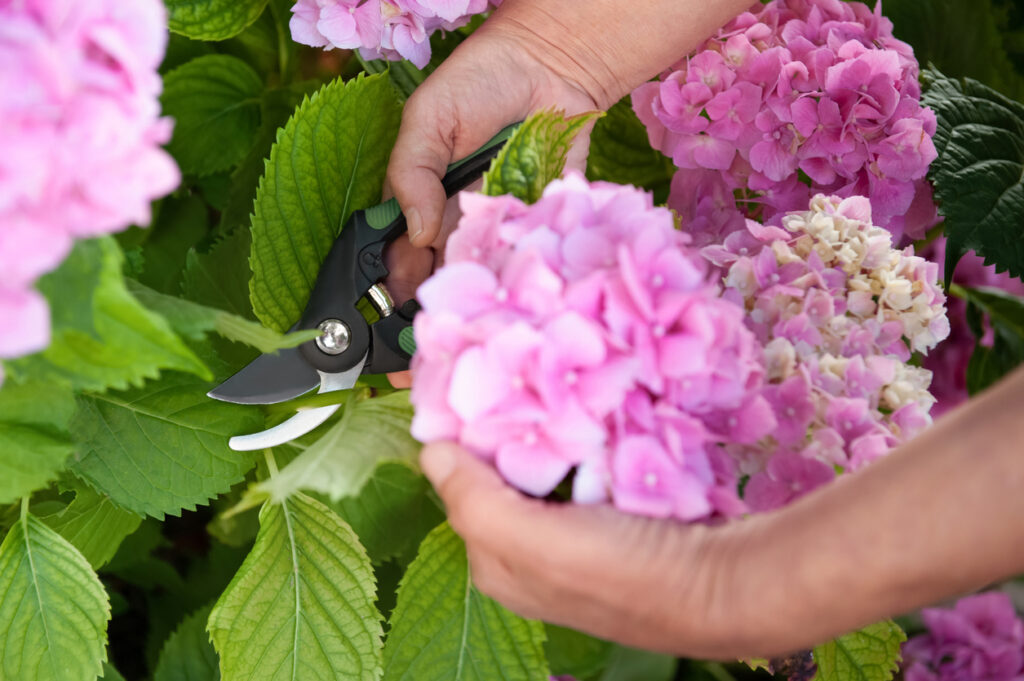
Hydrangeas are some of the most rewarding garden plants, but when it comes to pruning them, things can get a bit confusing. Different types need different treatment, and the last thing you want is to cut off next year’s blooms by mistake. The good news is that once you know which type you’ve got, pruning gets a whole lot simpler. Here are some no-fuss ways to keep up wth pruning hydrangeas so they keep blooming beautifully year after year.
First, figure out which type you have.
This is the most important step. Different hydrangea varieties bloom on either old wood (last year’s growth) or new wood (this year’s growth), and that totally changes when and how you prune. The main types are mophead, lacecap, panicle, smooth, and oakleaf.
If you’re not sure, mophead and lacecap are most common in UK gardens and usually bloom on old wood. Panicle and smooth types tend to flower on new wood. Look at the shape of the flowers and stems, or search the variety name if you have it from a label or plant order.
Mophead and lacecap hydrangeas bloom on old wood.
These are the classic big, round-headed types (mophead) and the flatter, delicate ones (lacecap). They form their flower buds at the end of summer for the following year, so if you prune them too hard in spring, you’ll likely lose that season’s flowers.
For these types, pruning is minimal. Just remove dead flower heads in spring and cut back any obviously dead or weak stems. Leave the rest alone, so the buds can bloom when summer rolls around.
Panicle and smooth hydrangeas bloom on new wood.
Panicle types (like ‘Limelight’) and smooth types (like ‘Annabelle’) flower on new growth made in spring. That means you can prune them hard without losing blooms, and in fact, they often look better when you do.
Cut these back in late winter or early spring before new growth starts. Reduce stems to a healthy pair of buds 30 to 50 cm from the ground. This helps control the shape and encourages fuller, sturdier blooms.
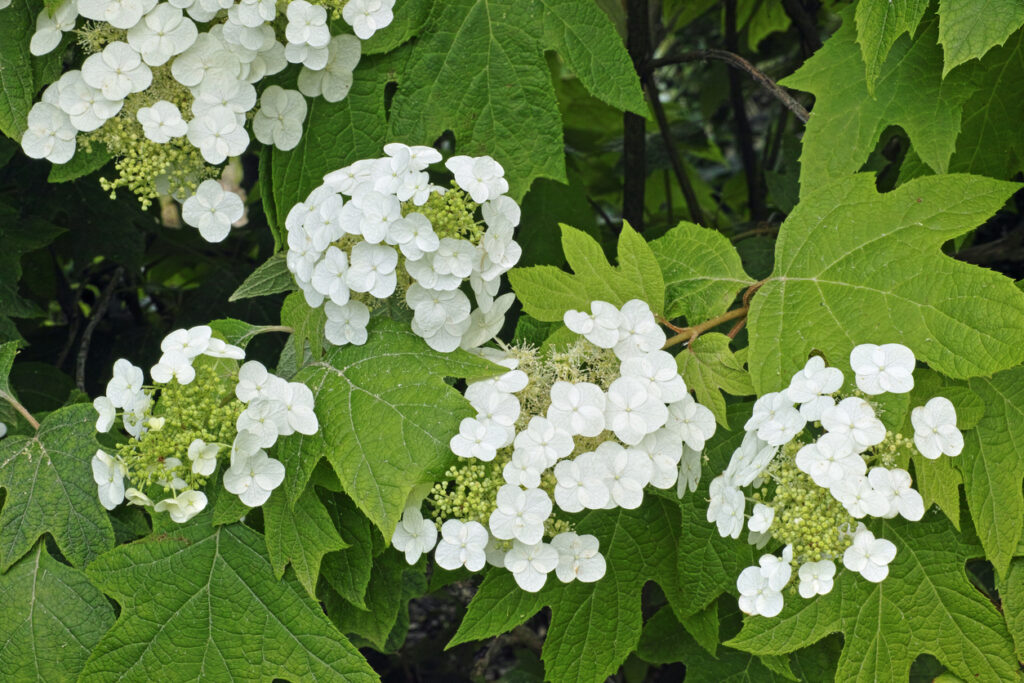
Oakleaf hydrangeas need a gentle approach.
Oakleaf hydrangeas bloom on old wood, so you should treat them like mophead or lacecap types. Avoid cutting them back hard in spring, or you’ll lose the flower buds that formed the previous year.
Only remove spent blooms and damaged or crossing branches. These plants have a natural, slightly wild shape, so don’t try to tidy them too much. Just let them do their thing with a light touch.
Don’t prune hydrangeas in autumn.
It might be tempting to tidy up at the end of the season, but autumn pruning can do more harm than good. It exposes fresh cuts to frost damage and removes buds that are already forming for next year’s flowers.
Instead, leave the spent flowers on the plant over winter. They act as natural insulation, protecting developing buds below them. Wait until spring to do your tidy-up when frosts are less of a risk.
Deadhead spent blooms carefully.
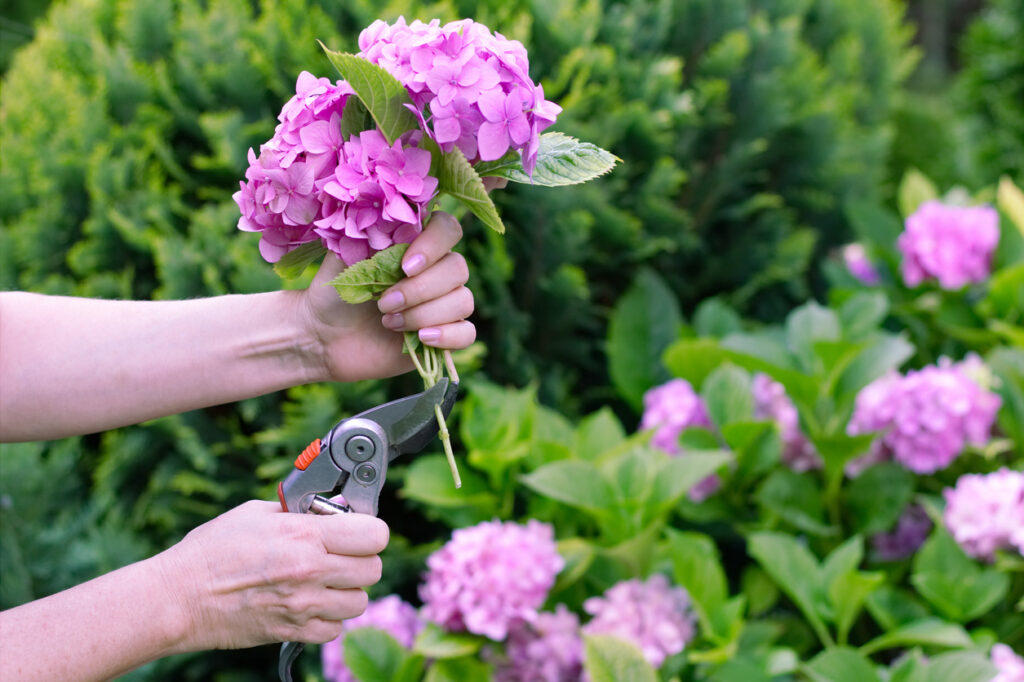
For old-wood bloomers, you can remove dead flower heads in spring once the worst of the frost has passed. Use secateurs to snip just above a pair of healthy buds lower down on the stem.
Don’t cut too far down because those buds are your future flowers. Aim to remove only the old bloom and a short bit of stem, and your plant will reward you with new growth and colour in summer.
Remove dead or damaged wood in early spring.
No matter the type, you can always remove dead, damaged, or diseased stems. These don’t contribute to flowering and can invite problems like mould or pests if left unchecked.
Use clean, sharp secateurs and cut right down to the base or to a healthy outward-facing bud. This improves air circulation and helps the plant focus its energy on new growth.
Thinning out older stems can boost blooms.
If your hydrangea is getting a bit woody and tangled, you can selectively remove a few of the oldest stems right down to the ground. This is especially helpful for mopheads and lacecaps that have been neglected for a few years.
Do this in early spring and only remove a third of the old stems at most. This encourages fresh shoots to grow from the base, which means better flowering and a healthier-looking plant overall.
Timing really matters, so don’t guess.
Pruning at the wrong time is the main reason hydrangeas don’t flower. For old-wood bloomers, prune after they flower in summer (but only lightly). For new-wood types, prune in late winter or very early spring.
If you’re unsure and don’t want to risk cutting off buds, it’s better to leave the plant be and just remove dead growth. Hydrangeas are forgiving, but they do need timing on your side.
Don’t worry too much about shape.
Hydrangeas don’t need to be pruned into strict shapes. In fact, they tend to look their best when left a bit loose and natural. Over-pruning for symmetry often leads to fewer flowers and a stiffer appearance.
Focus on health, not symmetry. As long as you’re removing old blooms and dead wood, your hydrangea will keep its charm. Let it fill its space naturally. It’s part of their relaxed beauty.
Use clean, sharp tools.
It sounds obvious, but blunt or dirty secateurs can damage stems and spread disease. Always clean your blades before and after pruning, especially if you’re cutting away diseased material.
Sharp cuts heal faster, reduce the risk of infection, and make the job easier on your hands too. A little maintenance on your tools goes a long way in keeping your plants healthy.
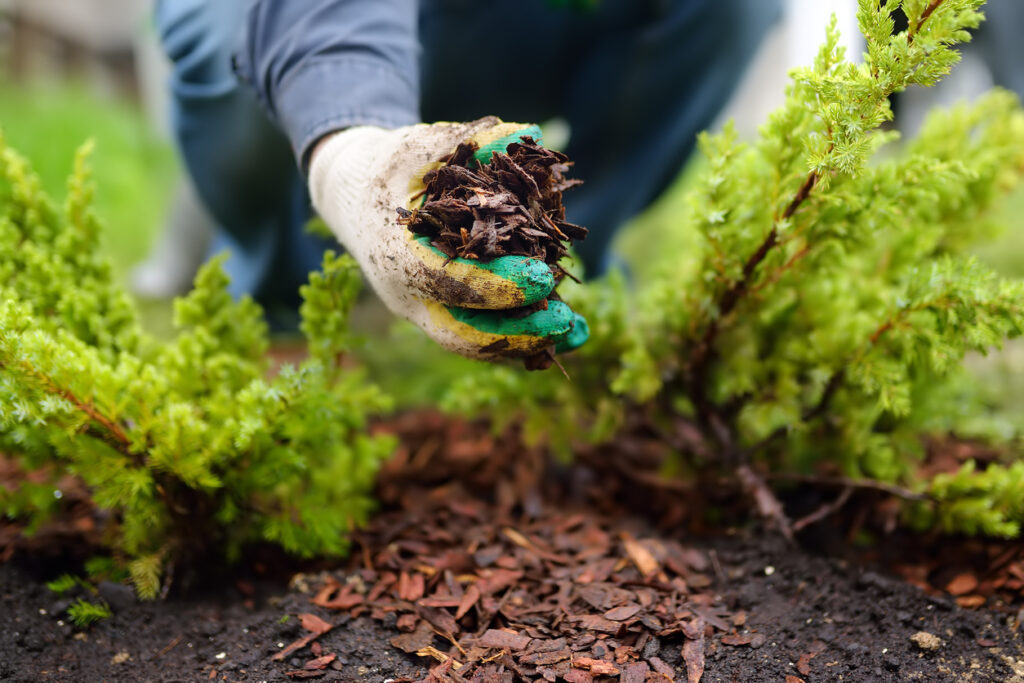
Mulch after pruning to support new growth.
Once you’ve finished pruning, give your hydrangeas a helping hand by adding mulch around the base. This keeps moisture in, improves soil quality, and feeds the roots as they prepare for new growth.
Use compost, leaf mould, or well-rotted manure—whatever you’ve got to hand. Just keep the mulch a few inches away from the main stems to avoid rot, and your plant will get off to a strong start.
Don’t panic if you’ve pruned it wrong.
Most hydrangeas will forgive a less-than-perfect pruning job. Even if you accidentally cut off this year’s buds, the plant will usually survive just fine and try again the following season.
Give it time, feed it well, and avoid repeating the same mistake next year. Gardening’s full of trial and error, and hydrangeas are more resilient than they look, even when you’ve gone a little overboard.
A little pruning goes a long way.
You don’t need to do much to keep hydrangeas happy. Just understanding your plant type and sticking to the right timing can make a huge difference to how well they bloom.
Once you’ve got the hang of it, pruning hydrangeas becomes second nature, and a satisfying seasonal ritual. A quick annual tidy-up will keep them healthy, shapely, and packed with blooms year after year.