Most of us think about what soil can do for our plants, but not always about what plants can do for our soil.
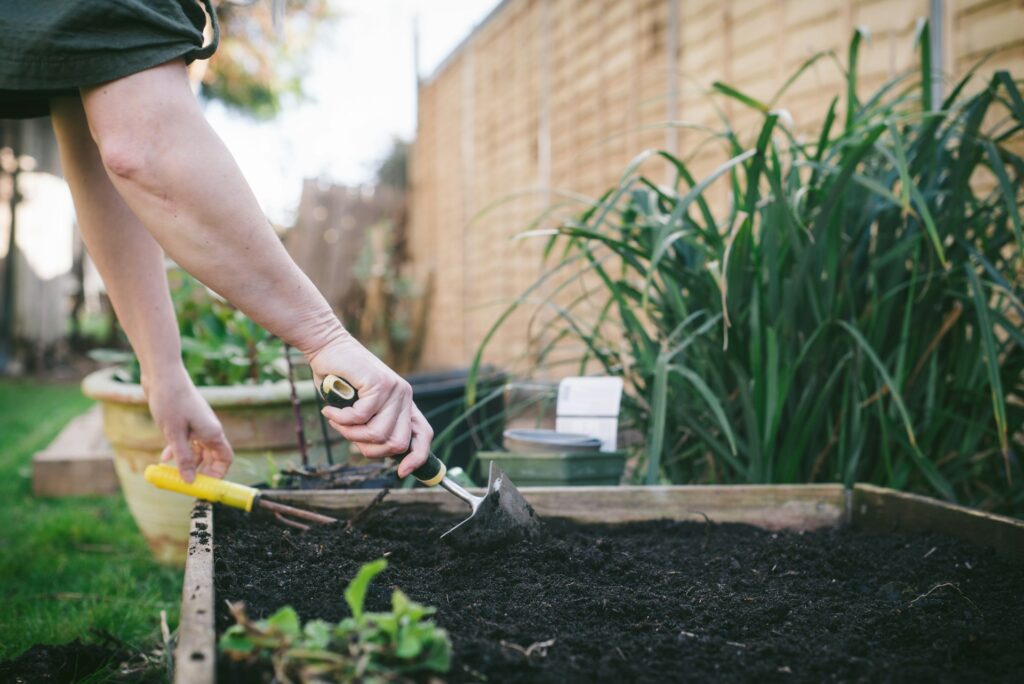
The truth is, some plants actively improve the ground they grow in, whether by fixing nutrients, breaking up compacted earth, or supporting beneficial microbes. These plants can make your garden healthier over time without you needing to dig, fertilise, or overthink it. Here are 15 brilliant choices that quietly help your soil while doing what they do best: growing.
1. Clover
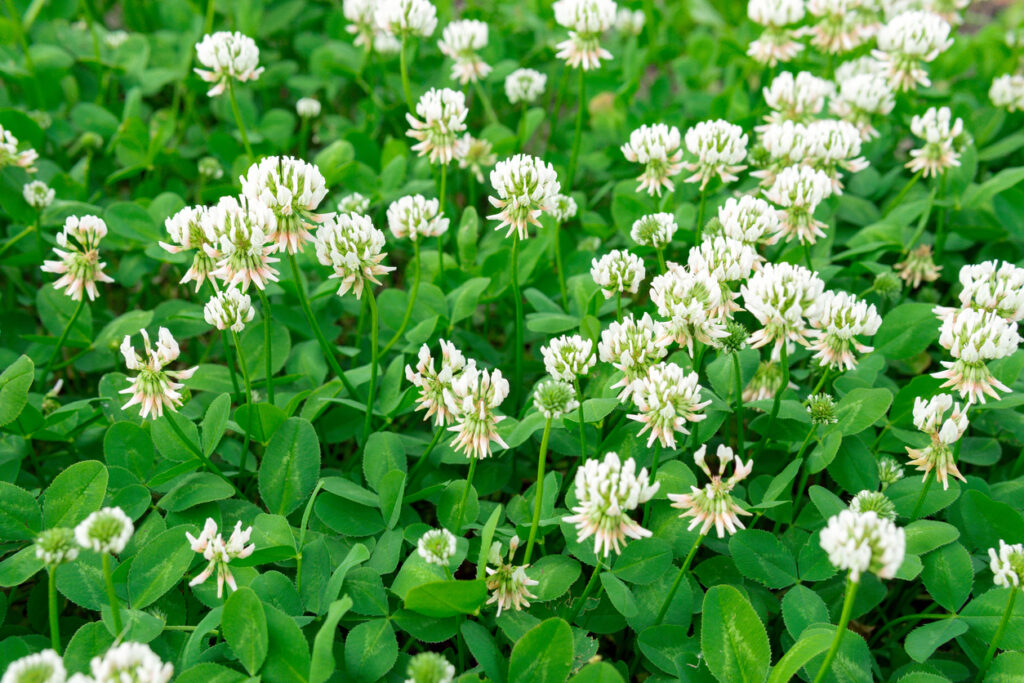
Often thought of as a weed, clover is actually one of the best plants you can grow to improve soil health. It’s a nitrogen fixer, which means it pulls nitrogen from the air and stores it in the soil, making it available for other plants. It’s great as a lawn alternative, a green manure, or a living mulch between crops. White clover in particular stays low, covers bare ground well, and improves soil fertility without needing much from you in return.
2. Comfrey
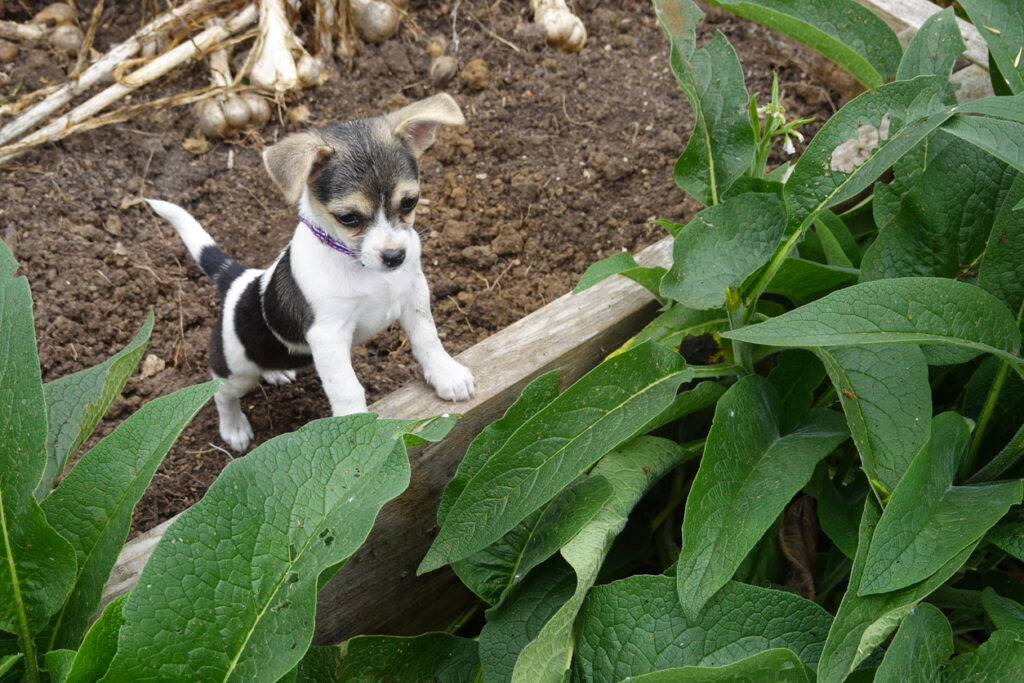
Comfrey’s long taproots mine nutrients from deep down in the soil, pulling up potassium, calcium, and magnesium. Its leaves are rich in these minerals, and when chopped and dropped, they decompose into a brilliant natural fertiliser. You can also use comfrey to make a liquid feed or compost activator. Just be warned—it spreads fast, so grow the ‘Bocking 14’ variety if you want a non-invasive option that won’t take over your whole garden.
3. Borage
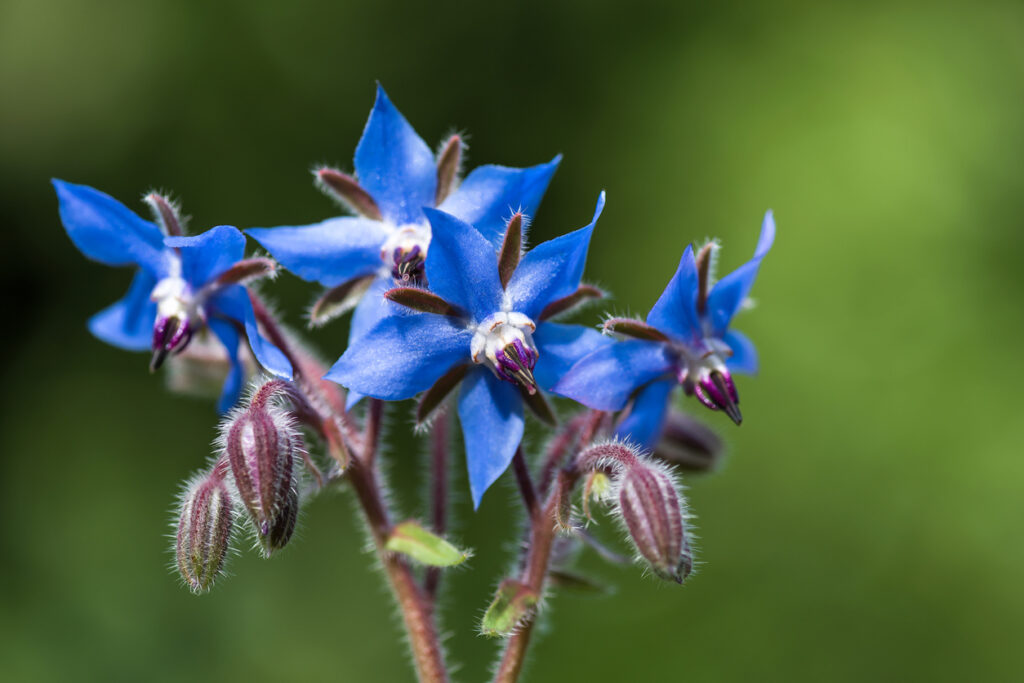
Borage not only attracts pollinators, but it also helps condition the soil. Like comfrey, it has deep roots that draw up minerals, and its large, fast-decomposing leaves break down easily to enrich the soil surface. This makes borage a great companion plant, especially near fruiting crops like tomatoes or strawberries. As a bonus, its edible flowers make a nice touch in summer drinks or salads.
4. Vetch
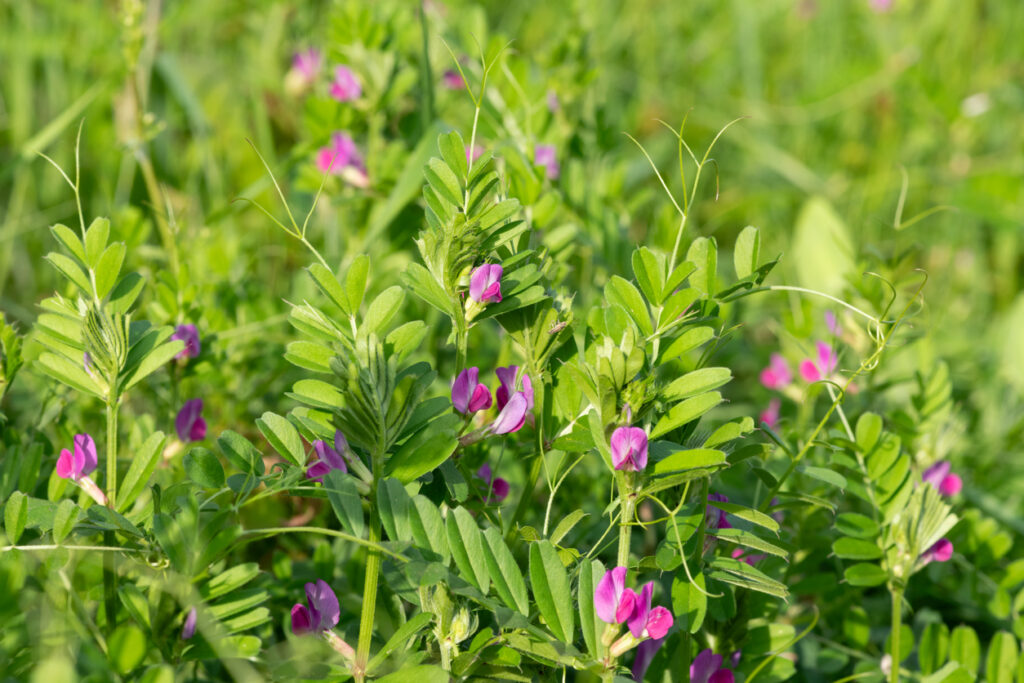
Vetch is a classic green manure and another nitrogen fixer that thrives in cooler months. It’s often sown in autumn to protect soil over winter and improve its structure and fertility for spring planting. It grows quickly and thickly, helping suppress weeds and reduce erosion. When cut down before flowering, it decomposes into the soil beautifully, feeding future crops with minimal effort.
5. Lupins
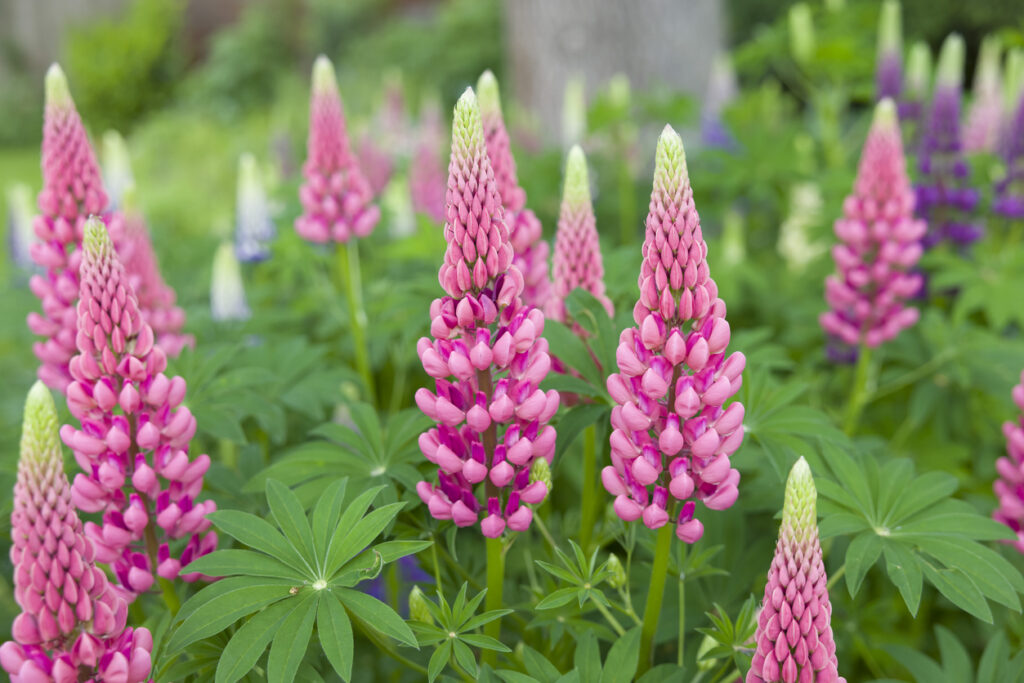
These vibrant, spiky flowers are also part of the legume family, meaning they enrich soil by fixing nitrogen at the root level. They’re ornamental and beneficial, which is ideal for flower beds that need a boost without looking messy. Lupins also help loosen compacted soils with their strong root systems. Plus, they’re drought-tolerant once established, making them a low-maintenance way to build better soil health in sun-baked areas.
6. Phacelia
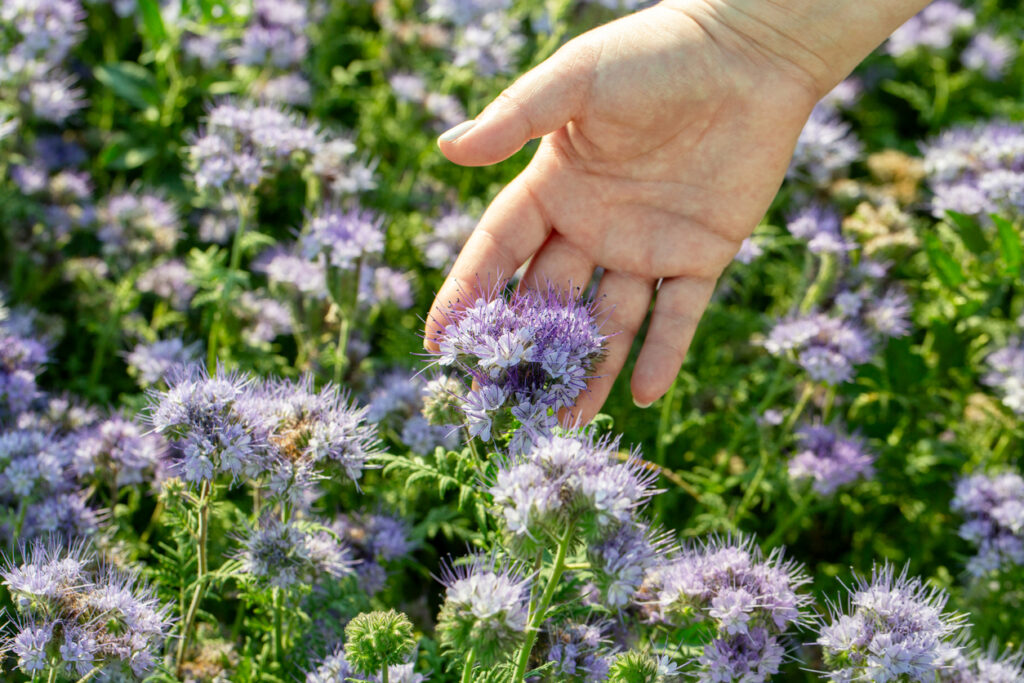
Phacelia is often used as a cover crop or green manure. It grows fast, produces beautiful purple flowers, and attracts bees in droves, while its roots help condition the soil and its foliage breaks down into rich organic matter. It’s easy to pull up or cut back before flowering to prevent reseeding, and it’s excellent for short-term soil improvement between growing seasons. Gardeners love it for both its beauty and usefulness.
7. Alfalfa

Alfalfa has deep roots and is another legume that adds nitrogen to the soil. Its roots also help break up compacted areas, improving water flow and aeration below the surface. Often grown as a green manure or mulch, alfalfa also brings up trace minerals from the subsoil. It’s especially handy in worn-out beds or tired patches of earth that need reviving over a season or two.
8. Mustard
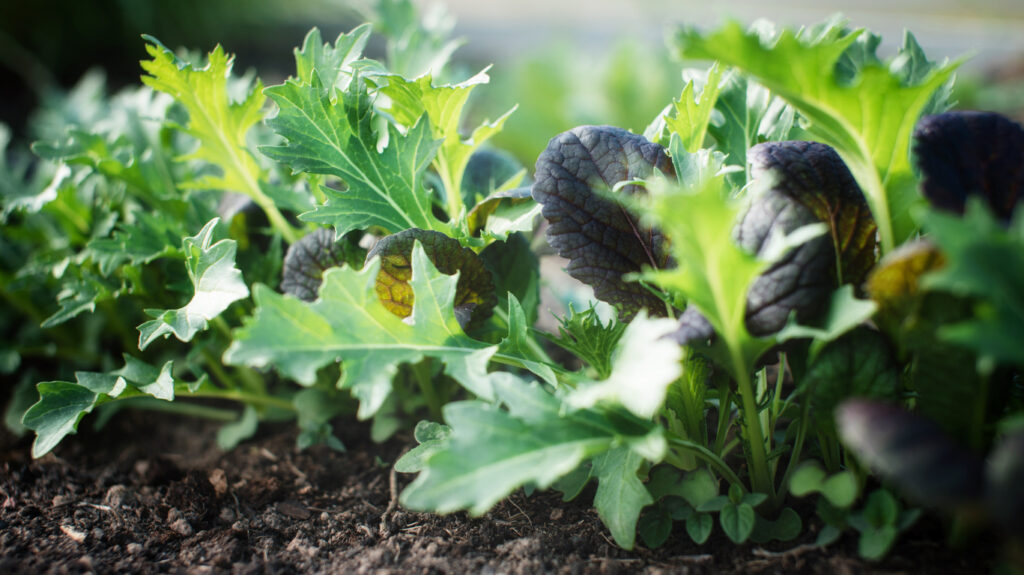
Mustard is a fast-growing brassica that’s brilliant at conditioning soil between crops. Its roots help loosen heavy soil, and when chopped and turned in before flowering, it breaks down quickly and adds bulk organic matter. Some varieties of mustard also have mild biofumigant properties, meaning they can reduce soil-borne pests and diseases. It’s a great option for refreshing overused veg beds before the next planting season.
9. Yarrow
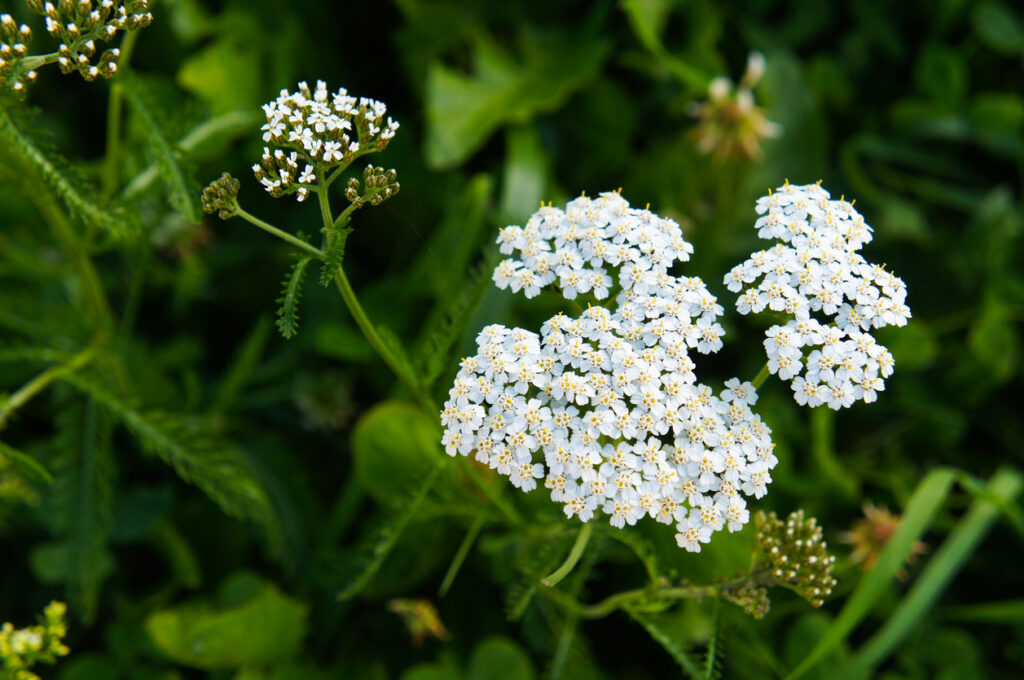
Yarrow improves soil health in several quiet ways. Its roots help stabilise soil and prevent erosion, while its leaves and flowers feed compost heaps and attract beneficial insects that help with pest control. It’s also known to boost nutrient availability for surrounding plants. If you’ve got tired borders or rocky spots, planting yarrow can help bring life back without much maintenance needed on your part.
10. Nasturtiums
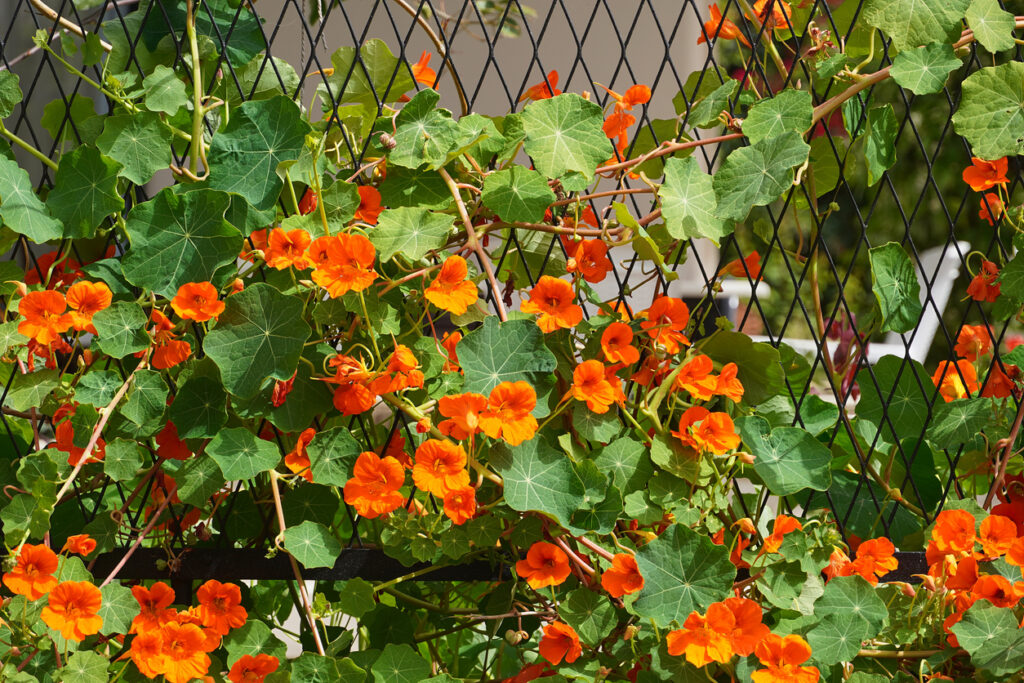
While they’re not traditional soil fixers, nasturtiums contribute to overall garden health. They attract pollinators, repel certain pests, and their leaves break down quickly into organic matter when used as mulch or compost. They also shade soil and act as a living ground cover, which can help retain moisture and prevent erosion. They’re especially handy under taller plants like beans or sweetcorn, making the most of every bit of space.
11. Daikon radish (or tillage radish)
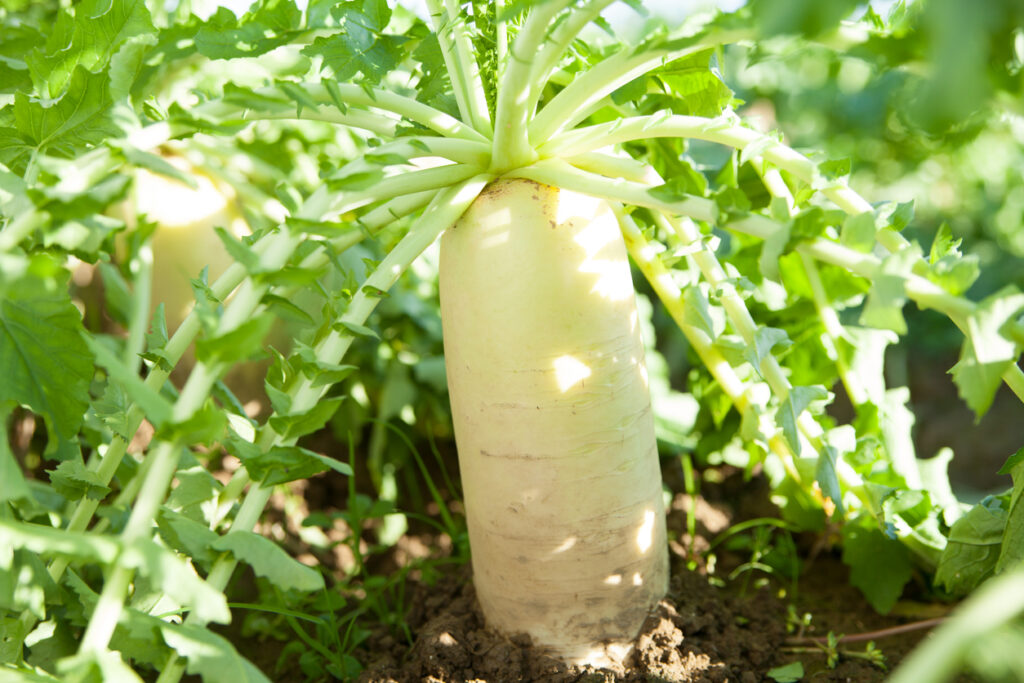
These giant-rooted radishes are soil heroes. They punch deep holes into compacted soil, allowing air, water, and nutrients to penetrate further. When the roots die back, they leave behind channels that improve drainage and structure. They’re particularly useful in clay-heavy soils or neglected patches that need breaking up without heavy digging. Plus, the leafy tops can be composted to return even more nutrients to the soil.
12. Chickpeas
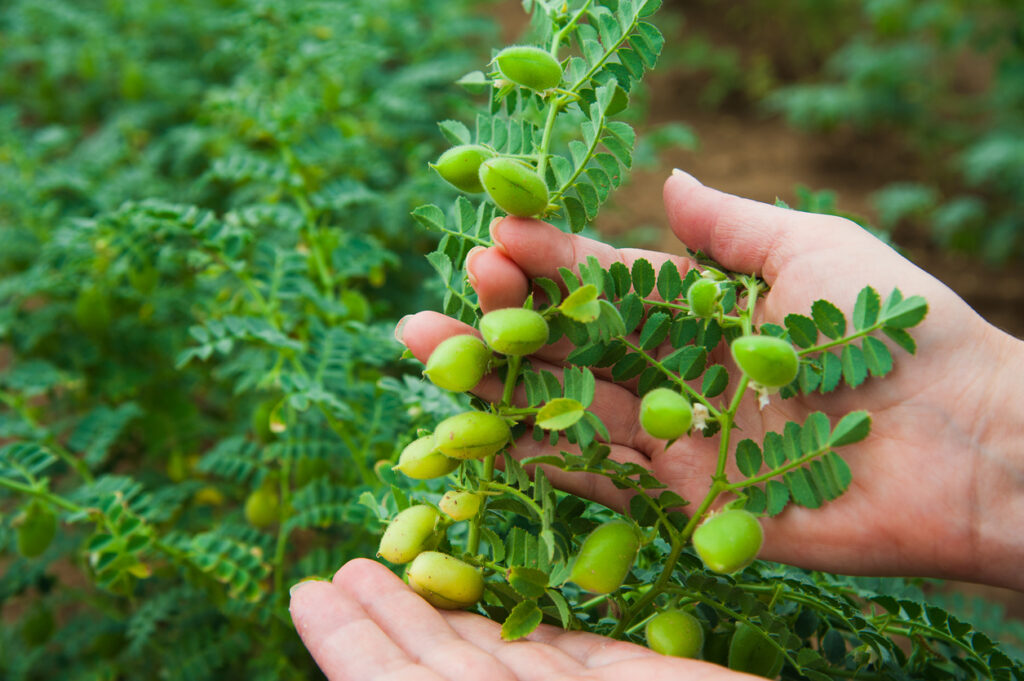
Chickpeas, like many legumes, fix nitrogen and leave behind richer soil after harvest. They’re a good choice for gardeners wanting edible crops that also help future planting efforts without extra work. They don’t need rich soil to begin with and tend to improve what’s already there. Growing them as a summer crop helps rebuild tired veg beds and contributes to a more self-sustaining cycle.
13. Buckwheat
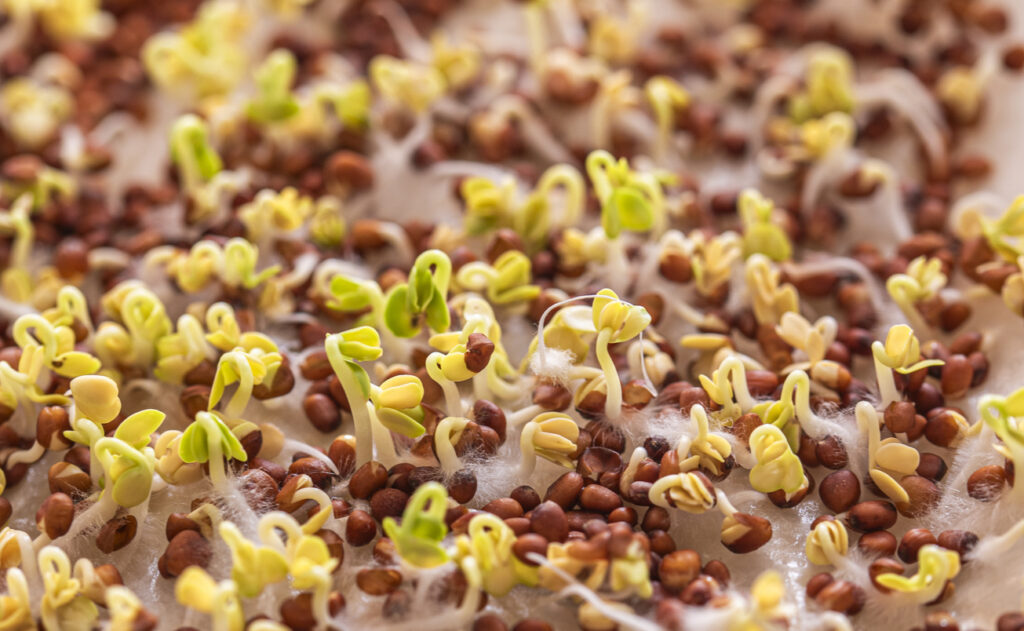
Buckwheat grows quickly, smothers weeds, and adds organic matter to the soil when chopped down. Its roots also help release phosphorus, which is important for flowering and fruiting in many crops. It’s not frost-hardy, but that makes it ideal for fast soil improvement during warmer months. Just sow, grow, chop, and mulch—it’s as simple as that, and your soil will be in better shape afterward.
14. Beans (runner, broad, or French)
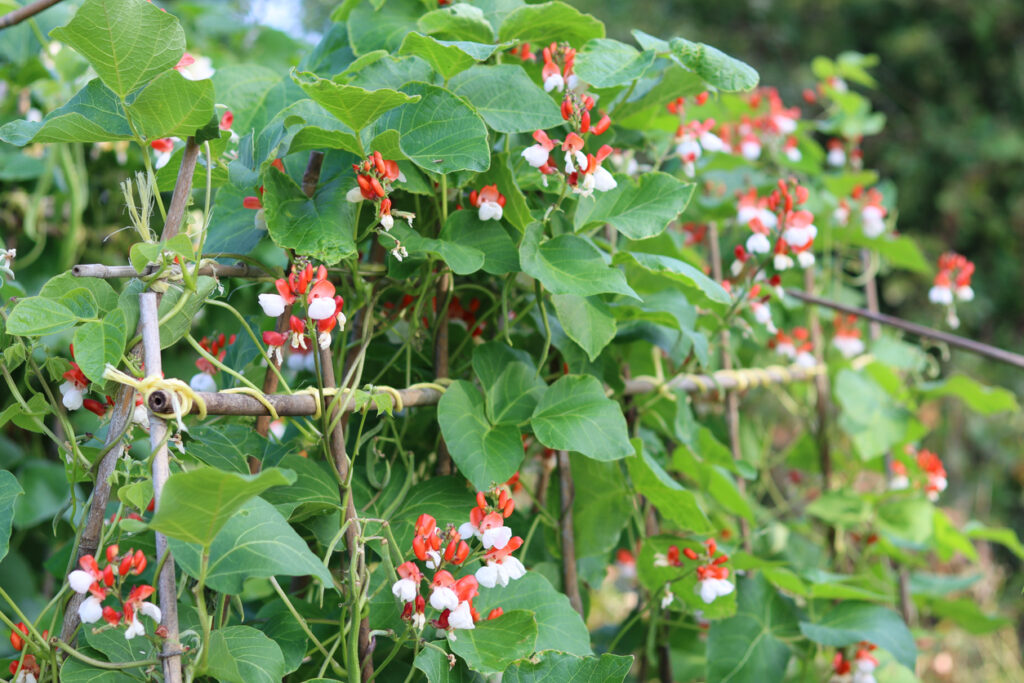
Beans are probably the most accessible nitrogen-fixing crops for home gardeners. As they grow, they host helpful bacteria in their root nodules, which convert nitrogen from the air into a plant-friendly form stored in the soil. Once you’ve harvested your beans, cut the plants off at ground level and leave the roots in place. That’s where the magic is. The next thing you plant there will benefit directly from the nutrients left behind.
15. Calendula
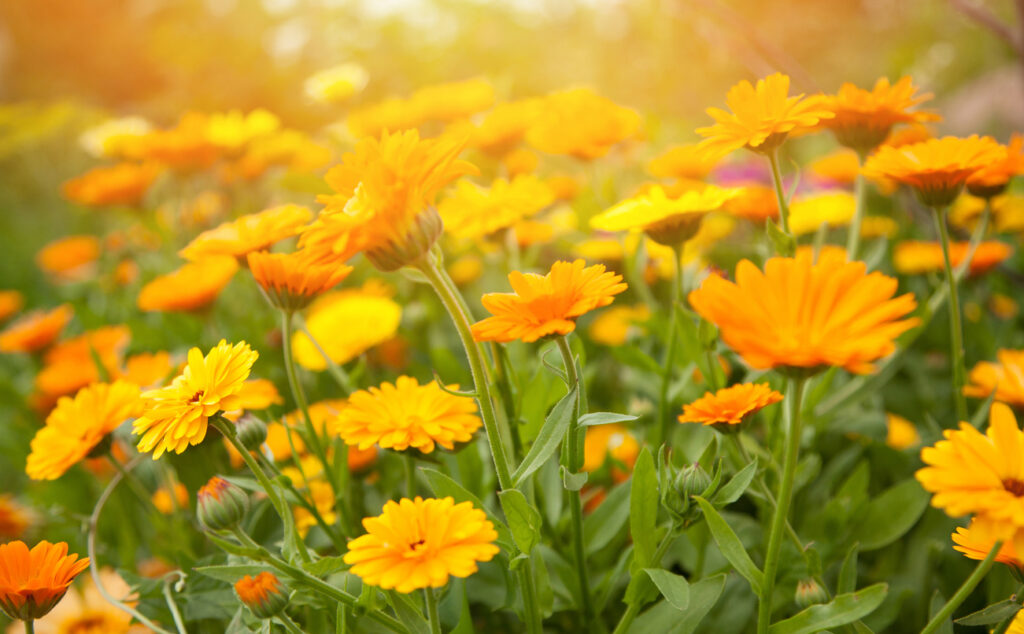
Calendula, or pot marigold, helps improve soil health in softer ways. It attracts pollinators and beneficial insects, shades bare soil, and adds organic matter when used as mulch or compost. It’s particularly good for companion planting, helping to keep pests away from veg crops while quietly improving the living conditions of the soil. Plus, it blooms for months on end—so your garden gets colour and fertility at once.