
If your garden’s become a bit of a jungle, or you’ve just moved somewhere where the weeds are taller than the shed, it can be hard to know where to begin. Neglected gardens feel intimidating at first glance, but with a bit of structure (and a forgiving mindset), you can turn chaos into something green and genuinely enjoyable. Here’s where to start when everything feels a bit too far gone, and how to get your outdoor space back on track, one step at a time.
Start with a walkaround, but don’t touch anything yet.
Before you reach for tools or start yanking things out, take a slow walk around the garden. Make some mental (or physical) notes of what’s there—what’s dead, what’s overgrown, and what might actually be salvageable. You’ll be surprised how much reveals itself once you really look.
This first step is all about getting familiar. There may be plants worth keeping buried under the brambles, or structures hidden under ivy. Resist the urge to dive straight in. You’ll waste less energy and avoid ripping out anything that could be part of your future plan.
Take photos before you do anything.
It might not seem important, but documenting your starting point gives you something satisfying to look back on. It also helps you spot things you didn’t notice while standing in the middle of it all. Sometimes distance brings clarity.
Photos are also handy if you want to get advice from a garden centre, a friend, or an expert. They’ll help you track progress, but more than that. They’ll remind you how far you’ve come on the days when it feels like nothing’s changed.
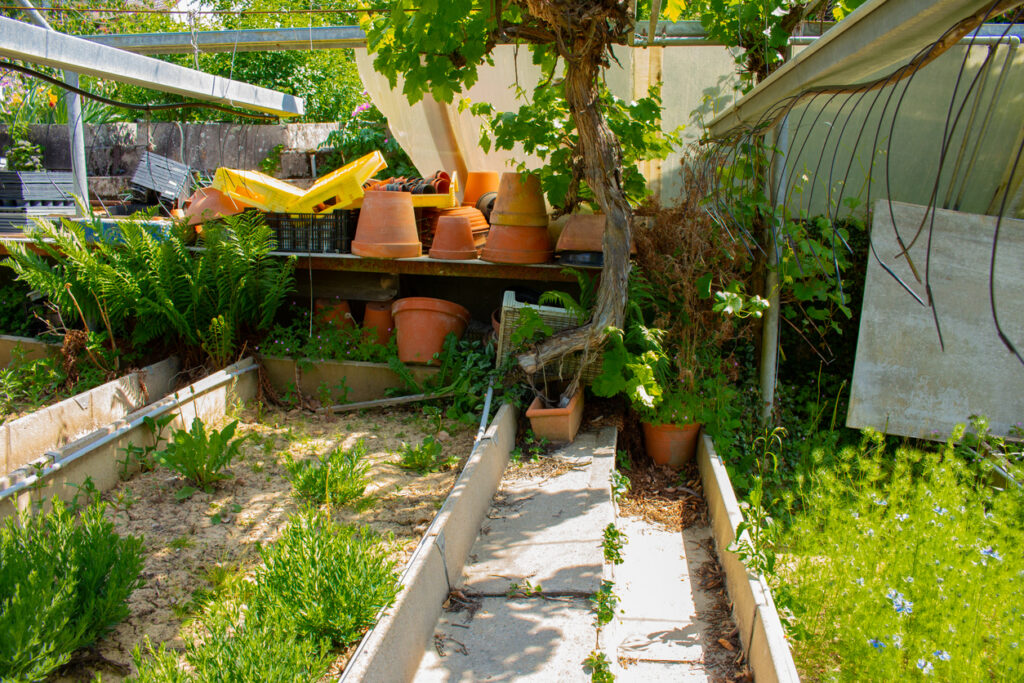
Tackle the rubbish and clutter first.
Old plant pots, broken furniture, rusted tools, forgotten toys—it’s amazing how much stuff builds up in a neglected garden. Before you touch the plants or soil, get rid of anything that doesn’t belong. Clearing space makes the next steps far easier.
Bag up rubbish, recycle what you can, and stack anything you’re unsure about out of the way for now. You’re creating breathing room. Once the space starts to feel a little less chaotic, you’ll have a better sense of what’s worth saving.
Cut back the biggest overgrowth.
Look for the tallest offenders, such as grasses, brambles, and invasive plants that have taken over. Start cutting them back so you can actually see the layout of the garden. Don’t worry about getting it perfect right now. This is about visibility, not final tidy-up.
A pair of loppers and a strimmer will go a long way here. Wear gloves, long sleeves, and proper shoes since you’ll be dealing with thorns, nettles, and who-knows-what. Once the major stuff is cleared, the garden will start to look less like a wilderness and more like a blank canvas.
Identify what’s actually growing.
Now that you can see the soil and the plants more clearly, it’s time to play detective. Some of the wild growth might be weeds, but some could be self-seeded flowers or plants that have just been left to fend for themselves.
Apps like PictureThis or even a trip to a local garden centre with a few cuttings can help you figure out what’s what. Don’t rip anything out until you know whether it’s worth keeping. You might have more going for you than you thought.
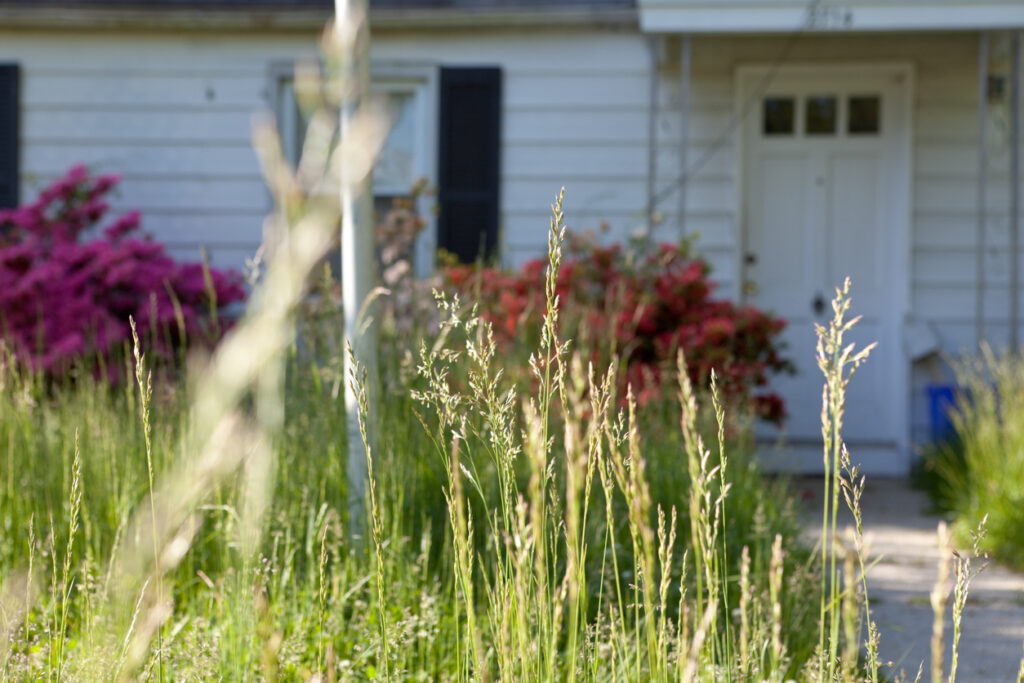
Don’t dig everything up just yet.
It’s tempting to get the spade out and just start over, but digging up the whole garden can do more harm than good. You risk damaging soil structure, disturbing dormant bulbs, and exhausting yourself unnecessarily.
Instead, start small. Choose one section or bed to focus on and work gradually. This lets you build momentum without burning out, and gives the rest of the garden time to show you what it’s capable of once the weeds are out of the way.
Look at the light and shade.
Sunlight matters, and every garden has different pockets of it throughout the day. Notice which parts get full sun, partial shade, or stay shaded most of the time. This will help guide what you plant later on, and stop you wasting money on things that won’t thrive.
If an area feels dark and damp, think about whether you can thin back branches or remove overhanging ivy to improve light. Understanding the light flow in your garden gives you a better shot at creating a space that actually grows well.
Improve the soil slowly.
Neglected soil is often compacted, depleted, or covered in weeds. But you don’t need to replace it or dig huge trenches. Start by gently turning the top few inches and adding compost or mulch to improve structure and nutrients.
Leave the deeper digging for later, or not at all; no-dig methods can be just as effective. The key is adding life back into the soil bit by bit, rather than trying to “fix” it all in one go. Plants will thank you by actually growing.
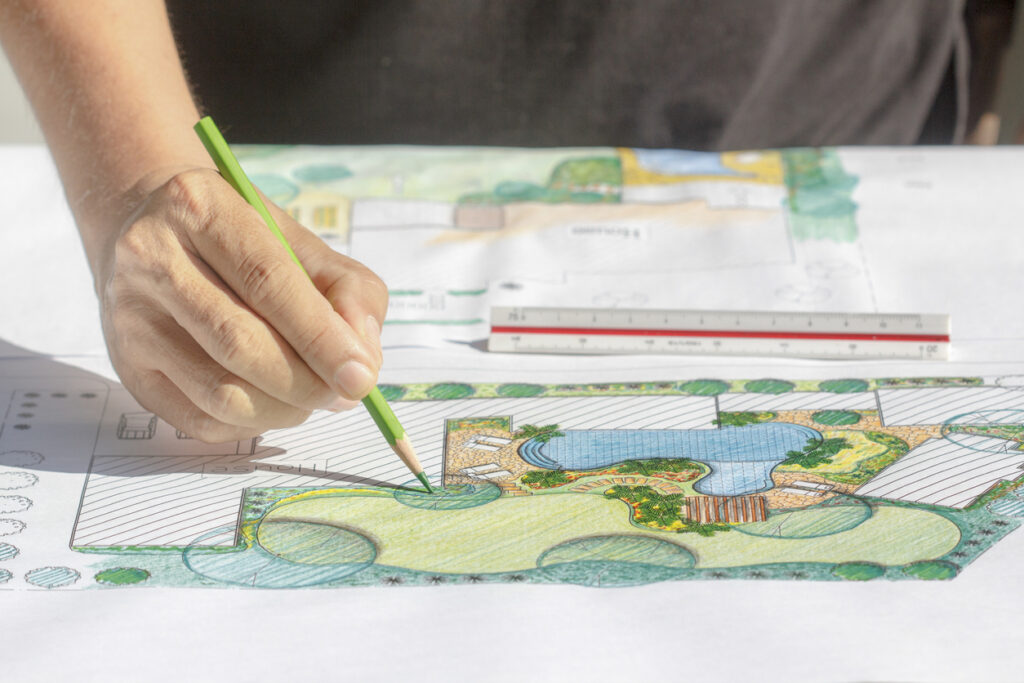
Make a rough plan, but don’t overthink it.
You don’t need a formal garden design. Just sketch out a rough idea of how you’d like to use the space. Do you want seating? A veg patch? Somewhere for wildlife? Getting it on paper helps you work out what should go where.
This also stops you from planting randomly and regretting it later. A simple plan saves time, energy, and money. Even if it changes down the line, having a basic layout gives you direction as you start to rebuild the space.
Create one ‘win’ space quickly.
Choose a small, manageable area to get into shape first, maybe near the kitchen window, or by the back door. Clear it, tidy it, and plant something easy like herbs, pots, or wildflowers. Give yourself one visible success early on.
Having one part of the garden that looks finished gives you motivation to keep going. It’s proof that the rest can look good eventually, too. And on tough days, you’ll have one spot to sit and enjoy while the rest takes shape.
Reuse what you already have.
Before you buy new tools or planters, check what’s salvageable. Old pots can be cleaned, broken paving slabs can be turned into stepping stones, and even leftover bricks might come in handy for edging beds or building compost bays.
Repurposing what’s already lying around helps you save money and gives the space some personality. Gardens don’t need to be expensive. They need a bit of creativity and patience more than anything else.
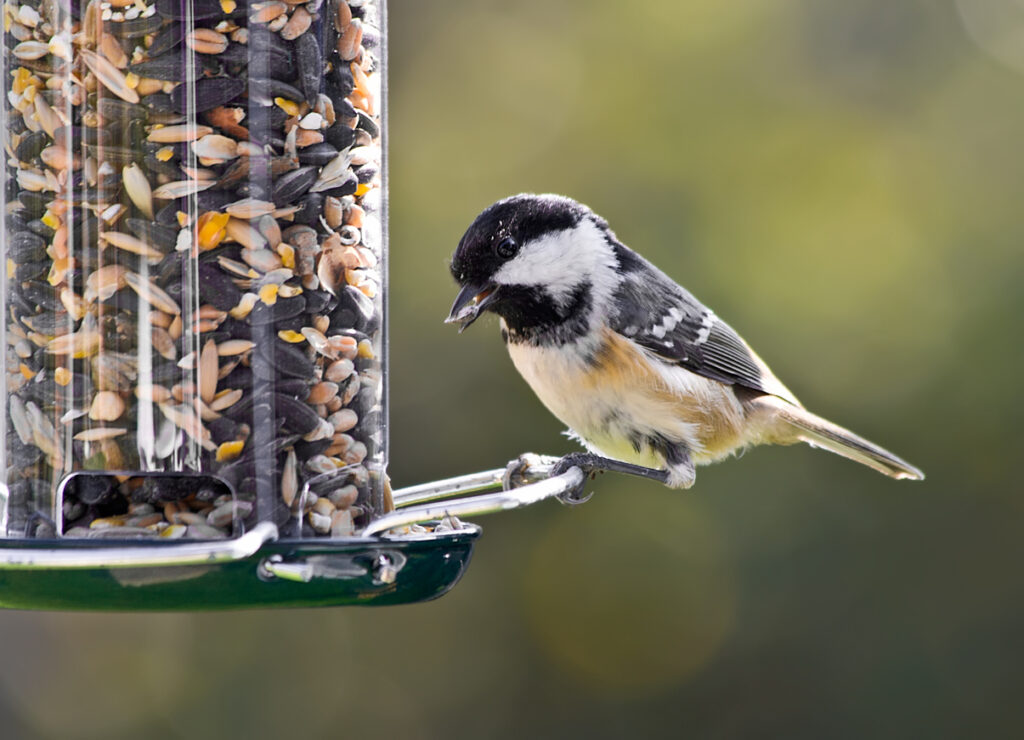
Let wildlife help out.
Leave a patch wild for a little longer to give bees, birds and bugs a space to shelter. You can also add bird feeders, a bug hotel, or even a small log pile to encourage natural balance as the garden recovers.
Wildlife doesn’t just make the garden feel more alive; it helps keep pests under control, improves pollination, and adds that sense of connection to nature that makes gardening feel so rewarding. Even the scruffiest garden has room for life.
Be patient with the big stuff.
If you’ve got trees, old hedges, or overgrown shrubs that need serious cutting back, take your time. You might need a professional for the trickier jobs, especially if ladders, chainsaws, or awkward root systems are involved.
Rushing this part can lead to injury, or you might accidentally remove something that could’ve been saved with a better plan. Live with these features for a while before making any drastic changes. They might grow on you, both literally and figuratively.
Celebrate progress, not perfection.
It’s easy to feel like you’ve done nothing when the garden still looks a bit rough. But every bag of weeds pulled, every bit of rubbish cleared, every flower bed tidied—it all counts. Take photos, share progress, and recognise the effort it takes to bring a garden back to life.
You don’t need a perfect lawn or a Pinterest-ready patio to feel proud. A neglected garden is just a space waiting to wake up again, and you’re the one bringing it back. That’s worth celebrating, even if there’s still a long way to go.