
When it comes to preserving healthy trees, especially during construction or landscaping, the bit you can’t see (i.e. underground) is often the most important. A Root Protection Area, or RPA, is a designated zone around a tree that’s meant to stay untouched to protect its roots from damage. But what actually counts as root damage? And why are these zones taken so seriously in planning and development? Here’s what a Root Protection Area really means, and why ignoring it can put trees (and projects) at risk.
It’s a protected zone around the base of a tree.
The Root Protection Area is the space around a tree that needs to be kept safe from disturbance. It’s a circle (or sometimes an adjusted shape) that starts at the trunk and stretches outwards, usually based on the tree’s size and age.
This area is where the tree’s most important roots are located. Damaging them—by digging, compacting the soil, or piling materials on top—can seriously affect the tree’s stability and health. That’s why RPAs exist: to keep development and nature from clashing.
The size is based on the tree’s trunk.
RPA size is usually calculated by measuring the trunk’s diameter at 1.5 metres above ground, then multiplying it by 12. The result gives you the radius (in metres) for the protected area. So, the bigger the tree, the bigger the no-go zone around it.
For example, a tree with a 50 cm diameter trunk would get a root protection radius of 6 metres. It might not look like much above ground, but underground, those roots can stretch further than you think, and they don’t recover easily once disturbed.
It’s about more than just the roots.
While roots are the focus, RPAs also take into account the soil structure, moisture levels, and fungi that trees rely on. Even if you don’t touch a root directly, compacting the soil or changing the drainage within that area can do serious harm.
Roots need air, water, and space to grow. If you drive over them repeatedly or dump heavy materials on the soil, you can suffocate those roots without even breaking ground. Keeping the RPA intact means preserving that entire underground ecosystem.
It’s legally recognised in planning rules.
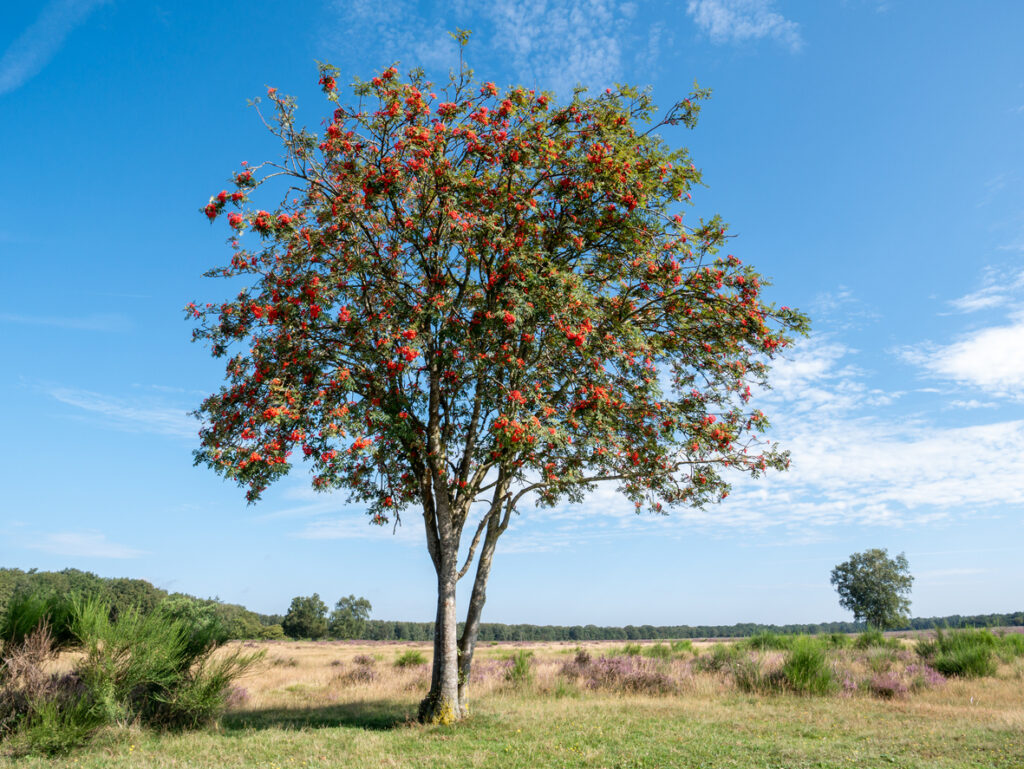
In the UK, Root Protection Areas are a standard part of planning applications and development projects involving trees. They’re used to decide where you can dig, build, or store materials, and where you absolutely can’t. If a tree has a Tree Preservation Order (TPO) or is in a conservation area, breaching its RPA can result in fines or even prosecution. It’s not just good practice; it’s a legal boundary in many cases, especially on protected land.
It applies during construction projects.
If you’re building a new extension, driveway, or fence near a tree, you’ll likely need a tree survey, and the arborist will mark out an RPA. It becomes part of the official plan and must be respected throughout the build. Contractors are usually required to fence off the RPA with protective barriers, and nothing should be stored or driven within that zone. It’s about giving the tree a buffer while nearby work is going on, so its root system isn’t stressed or injured.
It protects long-term tree health.
Trees are slow-growing, and while they can survive small knocks, root damage tends to show up years later. A tree might look fine at first, only to start declining slowly because key roots were disturbed long before symptoms appeared. The RPA is there to prevent this kind of delayed damage. Once roots are gone, they don’t grow back the same way, and a weakened root system can make a tree more prone to falling, drought, or disease in future years.
It can affect your garden plans.
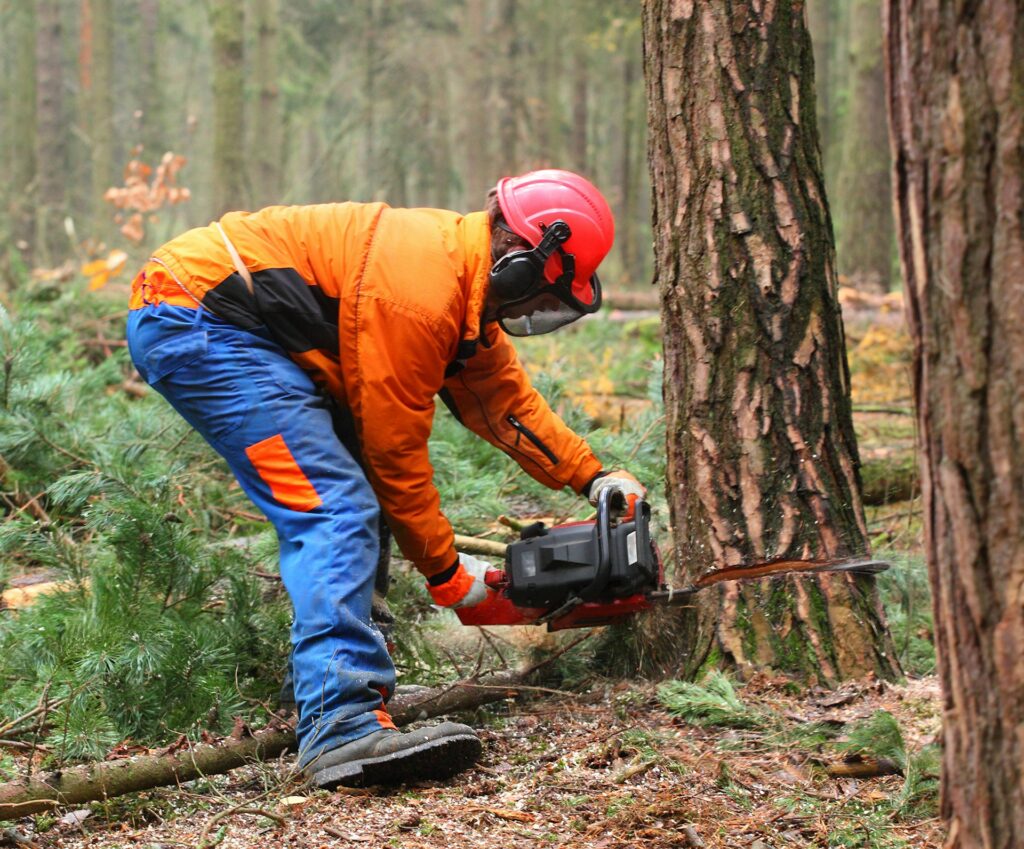
Even if you’re not doing major building work, digging within a Root Protection Area—like to put in decking, a new patio, or a garden structure—can still be risky. You might not need planning permission, but you could be harming a mature tree without realising it. If you’ve got a large tree in your garden, and you’re planning changes nearby, it’s worth getting advice from an arborist. They can help you adjust your plans so you don’t accidentally damage roots that are keeping the tree alive.
Tree roots aren’t just near the trunk.
One of the biggest misconceptions is that roots only grow deep and directly beneath the trunk. In reality, most of a tree’s feeding roots are close to the surface and can stretch far wider than the branches above. This is why RPAs cover such a wide area. Even shallow digging with a spade or post hole auger can hit important roots and cause long-term issues. It’s not just about big machines; it’s about respecting the full underground network.
Root damage can lead to tree instability.
It’s not just the health of the tree that’s at stake. Cutting or weakening major roots can also make a tree physically unstable. That’s especially risky in storms, high winds, or when the tree is tall and top-heavy. By keeping the RPA untouched, you’re helping to preserve the structural integrity of the tree. That matters for safety, especially near buildings, driveways, or places where people walk or play.

Some work within the RPA is possible, but with care.
In some cases, development can happen within a Root Protection Area, but only if it’s been carefully planned. That usually involves using techniques that avoid digging—like raised decking, no-dig paths, or hand tools only. All of this has to be approved and overseen by a qualified arborist. You can’t just decide to build inside an RPA because it’s “only a small job.” The risks to the tree are real, even if the changes seem minor at first glance.
RPAs are also used for new tree planting.
It’s not just mature trees that benefit from root protection. When new trees are planted, especially in urban developments or rewilding projects, RPAs are established to give them a fighting chance at growing well without early stress. Keeping people, vehicles, and materials out of these areas helps the young trees get properly established. It’s an investment in their future growth because disturbed roots early on can stunt their development for years.
Respecting the RPA is part of responsible development.
In the big picture, Root Protection Areas are about balance, allowing us to build, design, and shape outdoor spaces while still respecting the natural systems already in place. They’re not about red tape; they’re about longevity. If we want mature trees to survive in modern landscapes, we have to treat their underground space as sacred. RPAs give trees the quiet, undisturbed zone they need to keep standing tall, and when we honour that, everyone benefits.