Summer’s the season when gardens either flourish or flop, and a lot of that comes down to what you do (or don’t do) in those warm months.
From overwatering to forgetting your poor sun-scorched containers, it’s surprisingly easy to make small mistakes that snowball into sad-looking borders and limp veg. Whether you’re new to gardening or just need a refresher, here are 20 common summer gardening slip-ups to avoid, so your plants stay happy, your soil stays healthy, and your garden doesn’t quietly rebel by August.
1. Watering in the middle of the day

It might feel logical to water when the sun’s out, and you’ve finally got time, but midday watering is a fast track to wasting water. The heat makes it evaporate before your plants can drink it properly. Stick to early morning or late evening instead—it’s cooler, calmer, and your plants get to actually soak up what they need. Plus, you won’t be scorching leaves or turning your soil into steam.
2. Overwatering (yes, it’s a thing)
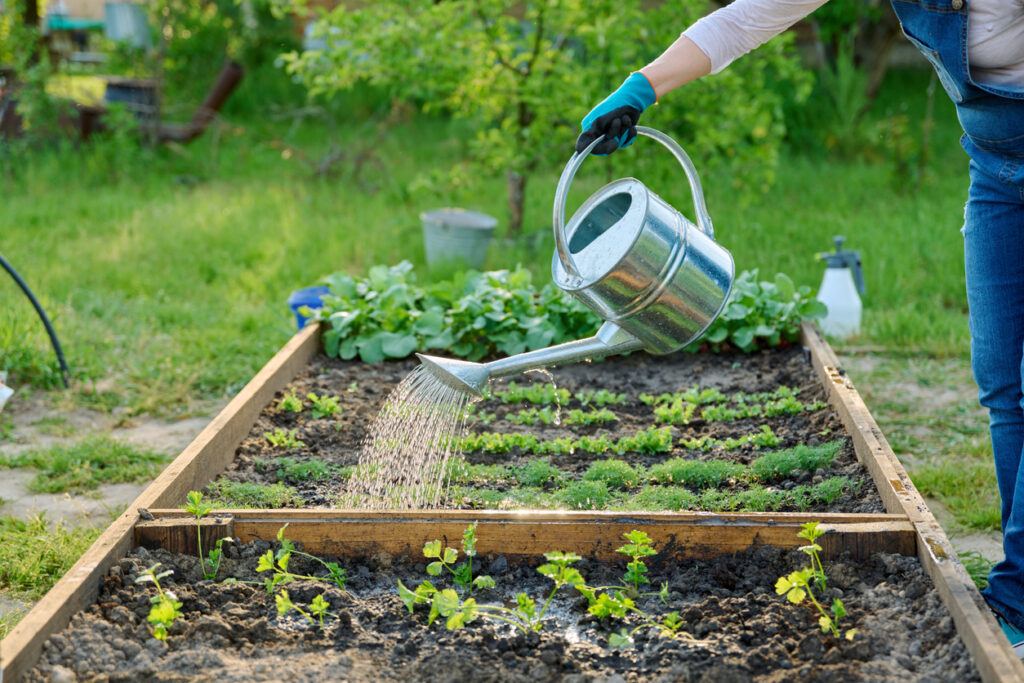
Hot weather doesn’t automatically mean your plants need a daily soak. In fact, too much water can suffocate roots and cause rot faster than you’d expect. Check the soil before you water. If it’s still damp an inch below the surface, hold off. Your garden isn’t trying to become a pond—less is often more.
3. Using too much fertiliser
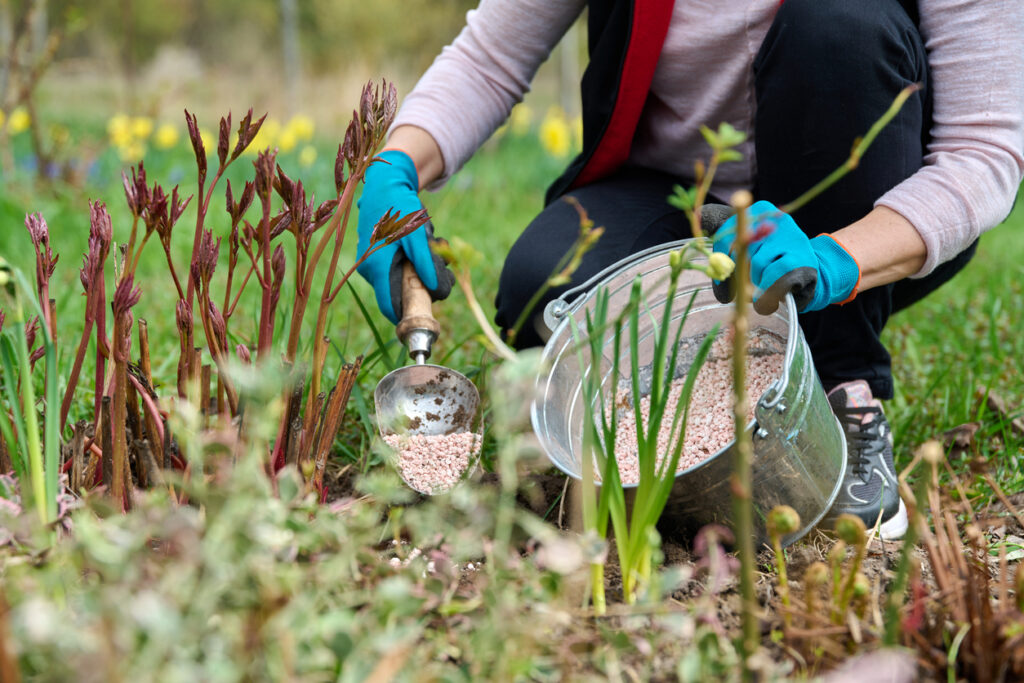
More feed doesn’t equal more flowers. In fact, overdoing it can lead to scorched roots, weak growth, or leafy plants that never actually bloom. Stick to the instructions and resist the temptation to “boost” things with an extra glug. A little consistency goes further than a nutrient overload.
4. Forgetting to mulch
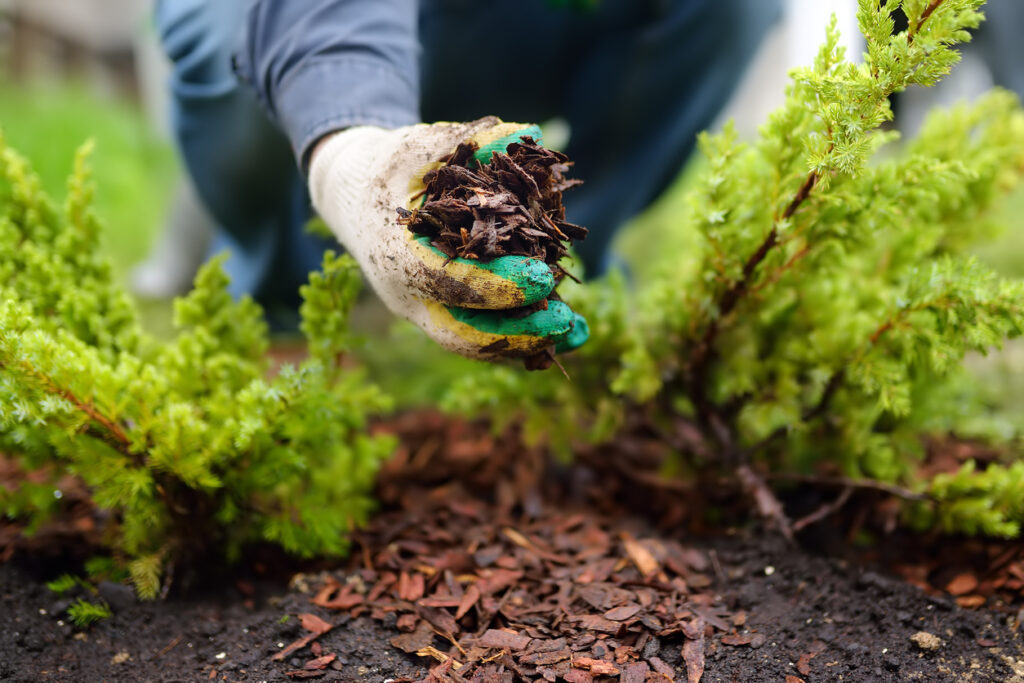
Skipping mulch might not seem like a big deal, but in summer, it’s one of your best defences against dry, cracked soil and persistent weeds. A layer of mulch locks in moisture, regulates temperature, and keeps the soil healthy. Think of it as suncream and a blanket all in one—for your garden.
5. Mowing the lawn too short
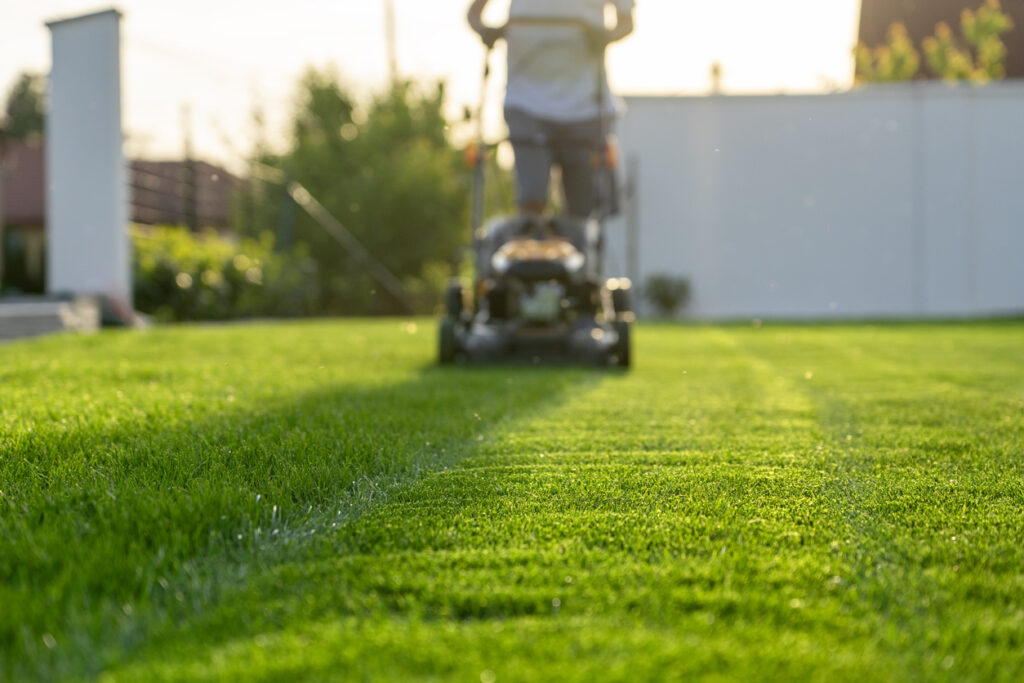
It’s tempting to give your grass a close shave when it’s growing fast, but cutting it too short in summer makes it dry out quicker and become patchy. Keep your mower blades higher to protect the roots and help the grass retain moisture. Longish lawns also handle heatwaves way better than buzzcuts.
6. Ignoring your pots

Pots and hanging baskets dry out fast in summer, and if you’re not checking daily, you might come home to crispy casualties. Water them regularly (sometimes twice a day in heatwaves), and make sure the pots have drainage holes. If it’s bone-dry, a slow soak works better than a splash-and-go.
7. Letting weeds run wild
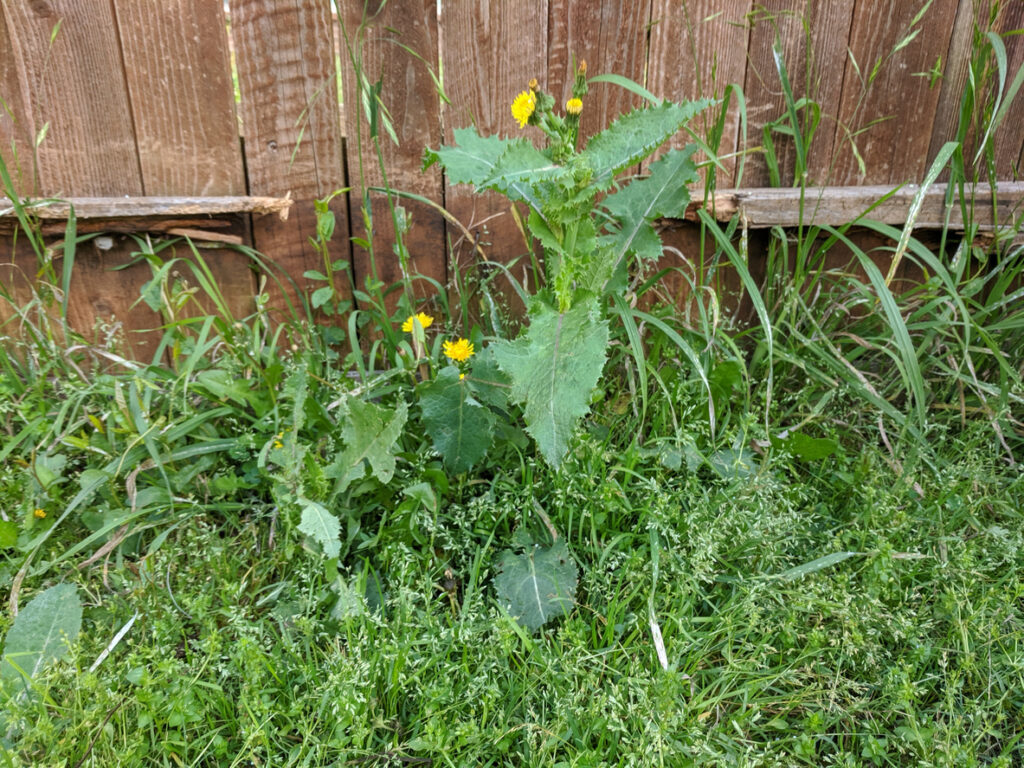
Summer is prime time for weeds to sneak in and take over while your back’s turned. They’ll happily steal water, nutrients, and sunlight from your actual plants. A quick weekly weed session keeps them in check. Don’t wait until it’s a full-on jungle—those little invaders move fast.
8. Planting heat-sensitive crops too late
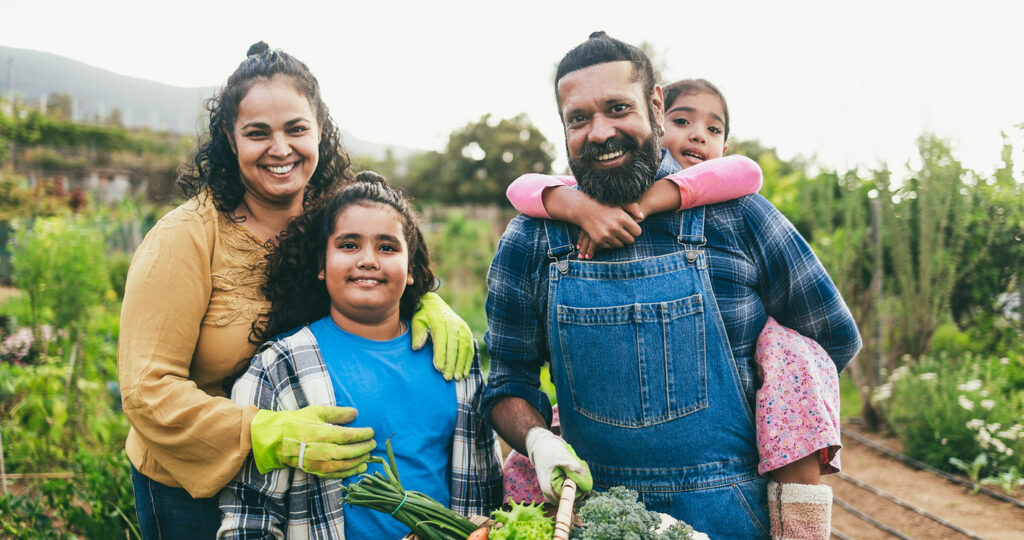
If you’re putting in lettuces, spinach or other cool-loving crops mid-summer, prepare for a short and dramatic life span—they tend to bolt or wilt under hot sun. Get them in early, or wait until late summer for a second, cooler crop. Some veggies just aren’t built for scorching afternoons.
9. Not deadheading your flowers
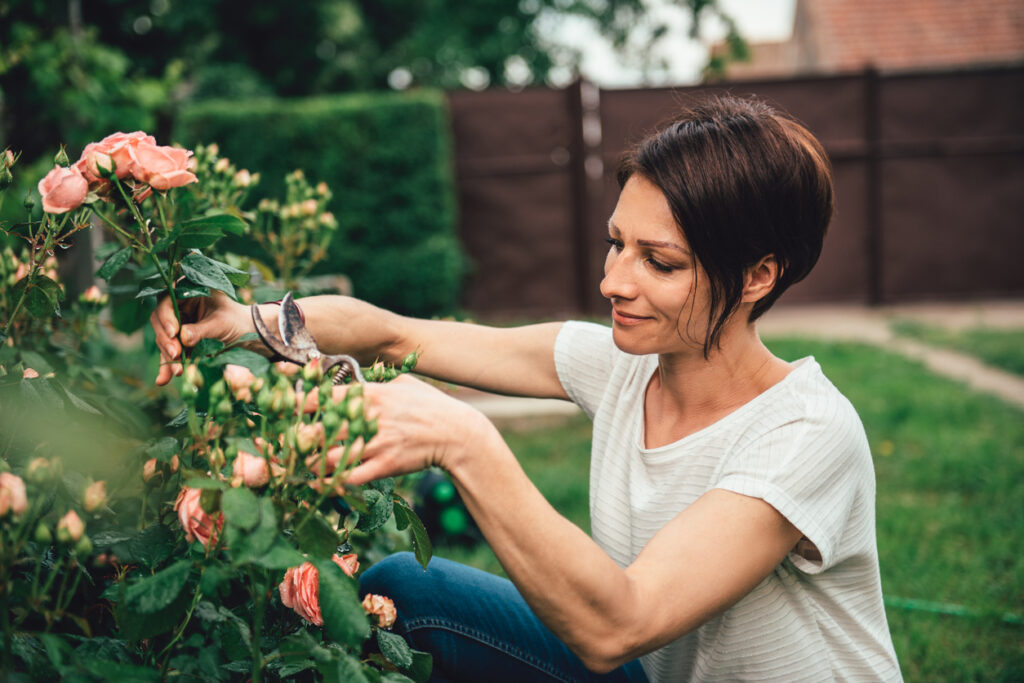
Letting spent blooms hang around might seem harmless, but it actually signals your plant to stop producing more. It thinks its job is done. Snip off the faded flowers and you’ll encourage more blooms to follow. It’s basically telling the plant, “More of that, please.”
10. Forgetting to stake tall plants
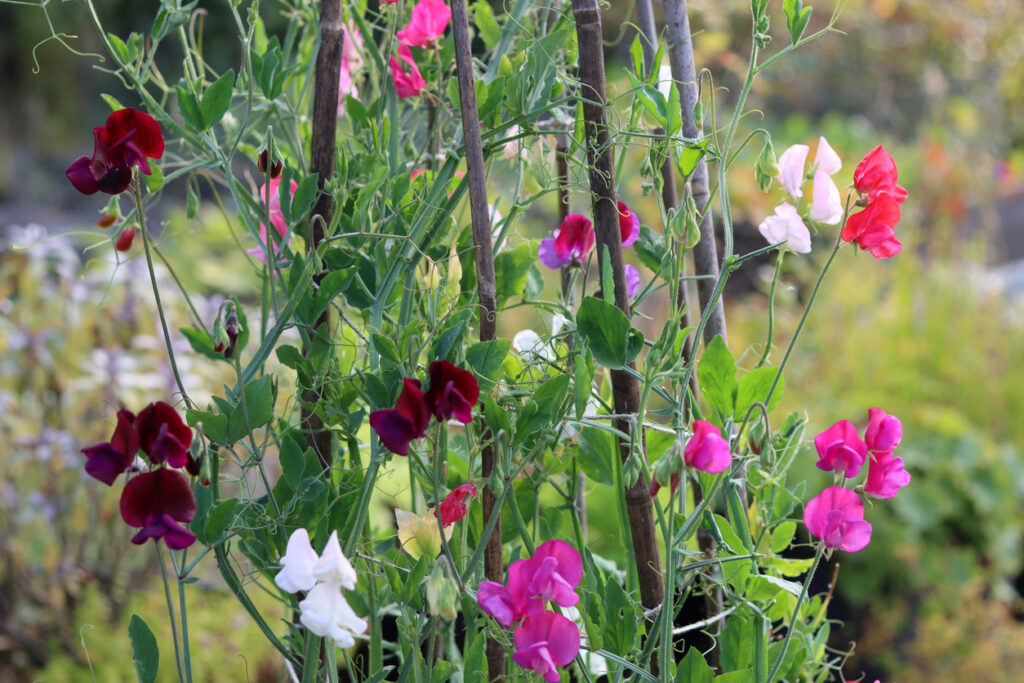
One gust of wind or an overloaded stem and boom—your delphiniums or tomatoes are flat on their backs. Summer storms are sneaky like that. A few simple stakes or supports can save you heartbreak later. It’s like giving your plants scaffolding before they go full drama queen in July.
11. Letting pests go unnoticed
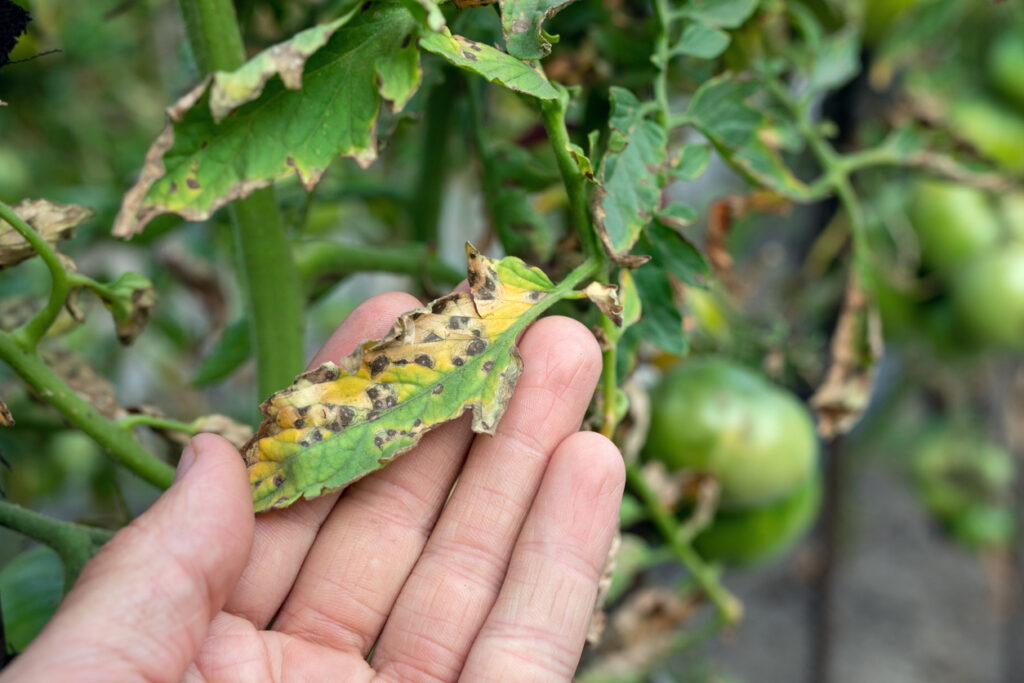
A few aphids can turn into a full-blown infestation faster than you’d think. Summer warmth speeds up their life cycles, and by the time you spot them, they’ve invited all their mates. Keep an eye out for nibbled leaves, sticky residue, or curled foliage. The earlier you act, the less hassle it is to fix.
12. Not pruning summer shrubs at the right time
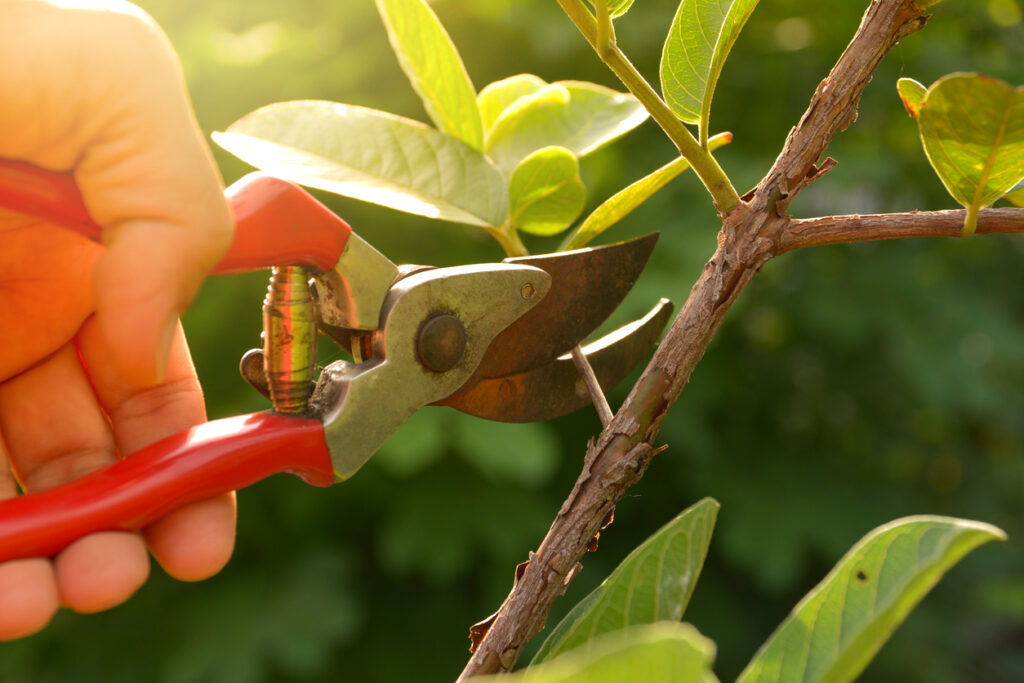
Some shrubs bloom on old wood, others on new, and chopping them at the wrong time means you might lose next year’s flowers before they’ve even formed. Learn which ones need a post-flower trim and which ones don’t. It’s a bit of a learning curve, but your garden will thank you with actual blooms.
13. Forgetting to feed your containers
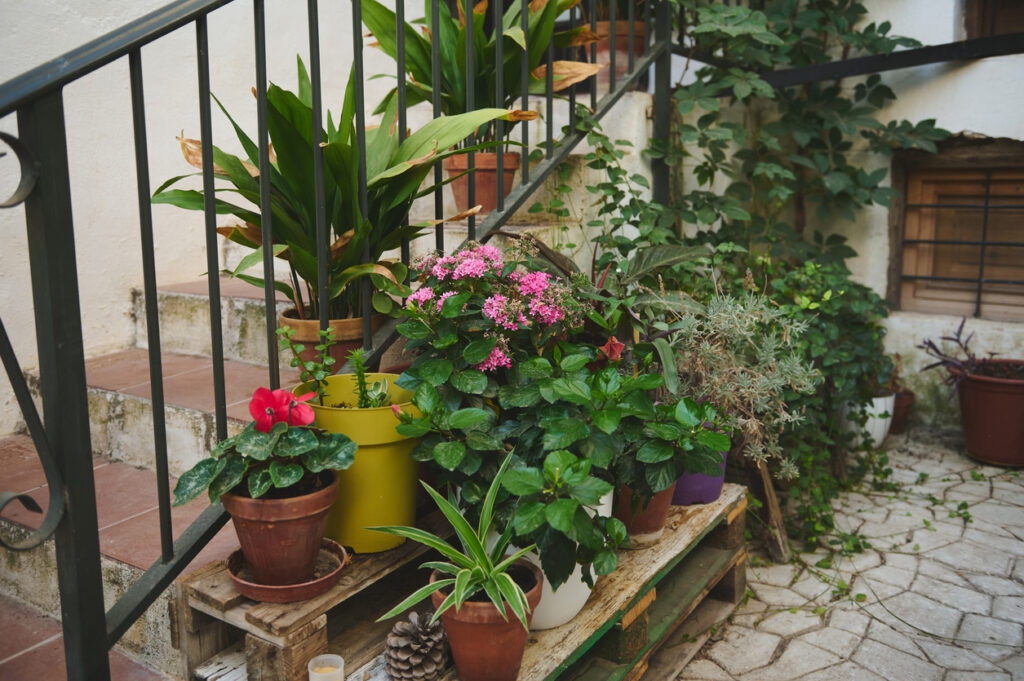
Potting soil runs out of nutrients quicker than ground soil, and summer growth is demanding. If your container plants are looking a bit tired, they might just be hungry. A weekly liquid feed keeps them blooming, fruiting, and generally not sulking. It’s like a weekly smoothie for your begonias.
14. Using the wrong type of compost
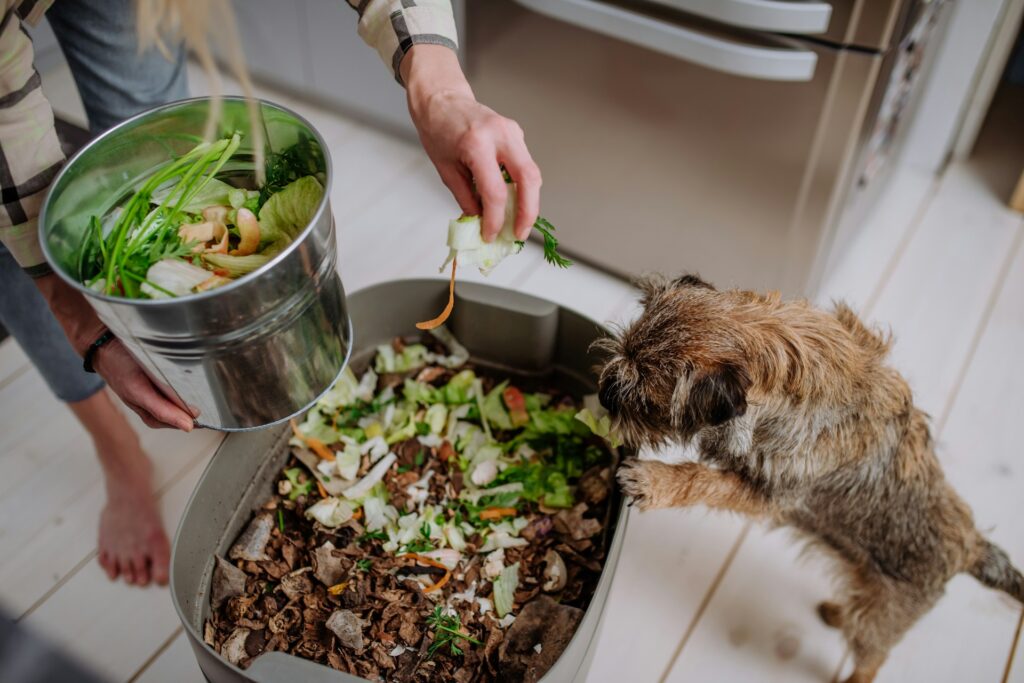
Not all compost is created equal. Some are too rich for seedlings, too light for veggies, or too poor for containers. Using the wrong one can lead to stunted plants or soggy messes. Check the label, or ask at your local garden centre. A little compost match-making goes a long way toward happy roots.
15. Letting soil dry out completely
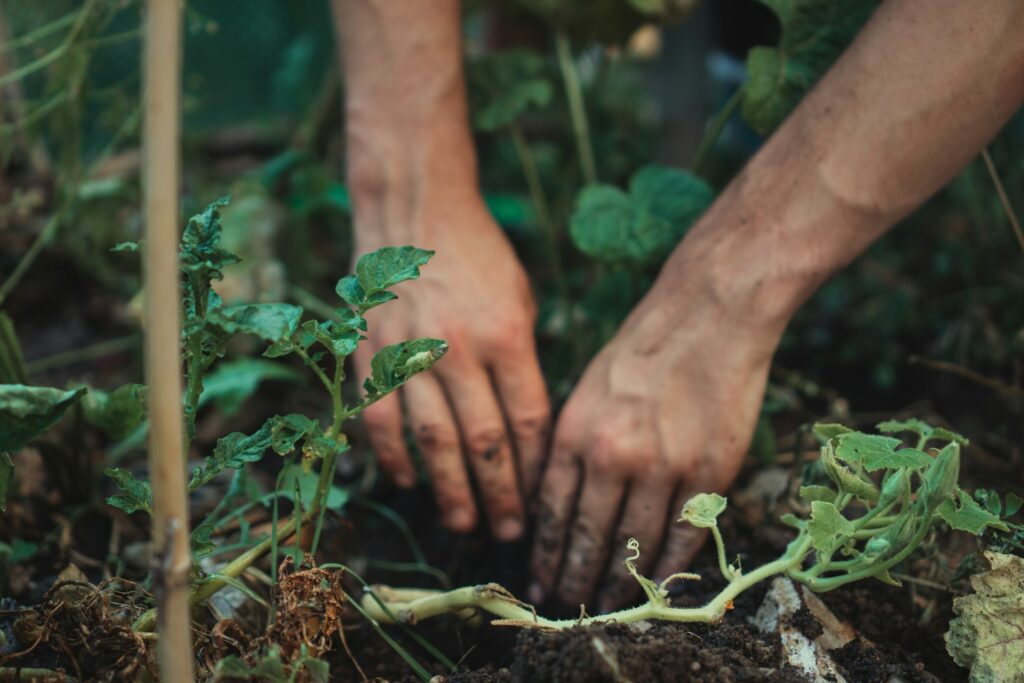
Once soil is bone-dry, it actually repels water. You can pour a whole can on, and it’ll just run off like it’s waterproof. If this happens, give your soil a slow soak or sit pots in a tray of water for a bit. Try not to let it get to dust-bowl levels in the first place—it’s much easier to maintain moisture than to fix it after the fact.
16. Crowding your plants
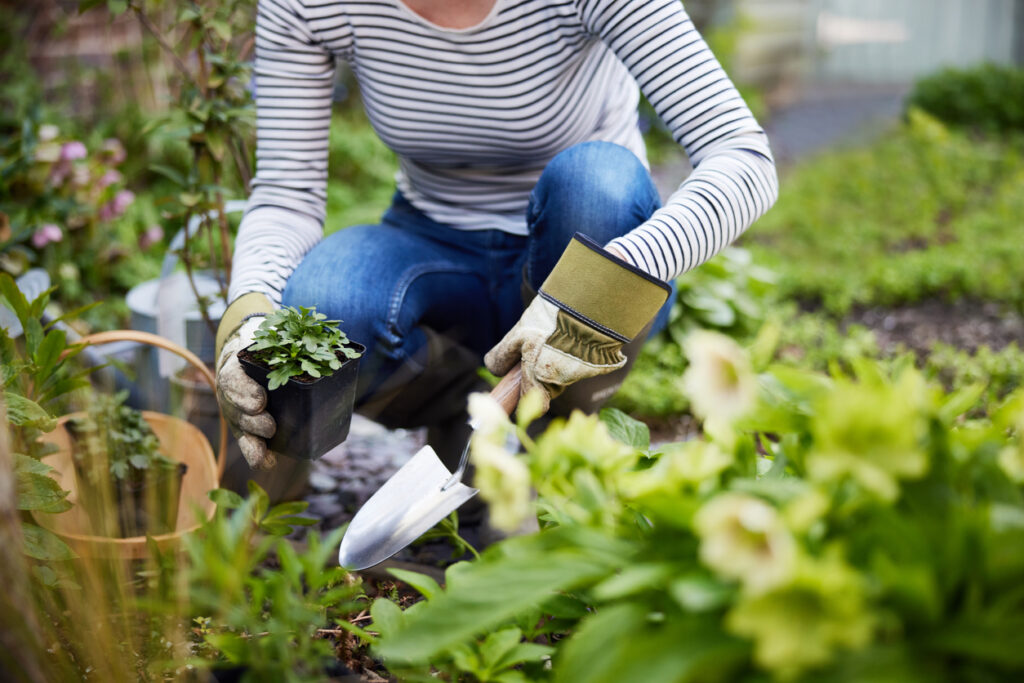
Overcrowding might look lush at first, but as summer heats up, it turns into a humidity trap. Fungal problems, poor airflow, and nutrient competition all kick in. Give your plants breathing room from the start. A little space now means fewer problems later (and bigger harvests if you’re growing food).
17. Forgetting to harvest regularly
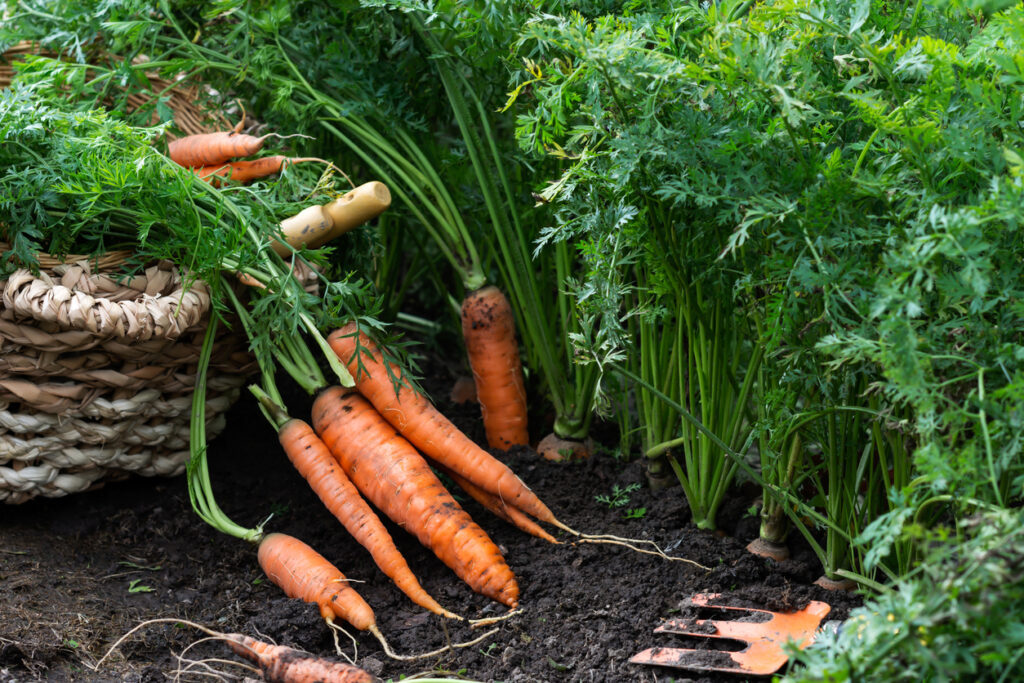
Leaving courgettes on the plant for too long turns them into blimps. Same goes for beans, lettuce, and cucumbers—they go from perfect to past it in days. Frequent harvesting keeps the plants productive and stops everything going tough or seedy. Pick little, pick often—it keeps you and your plants happy.
18. Using blunt tools
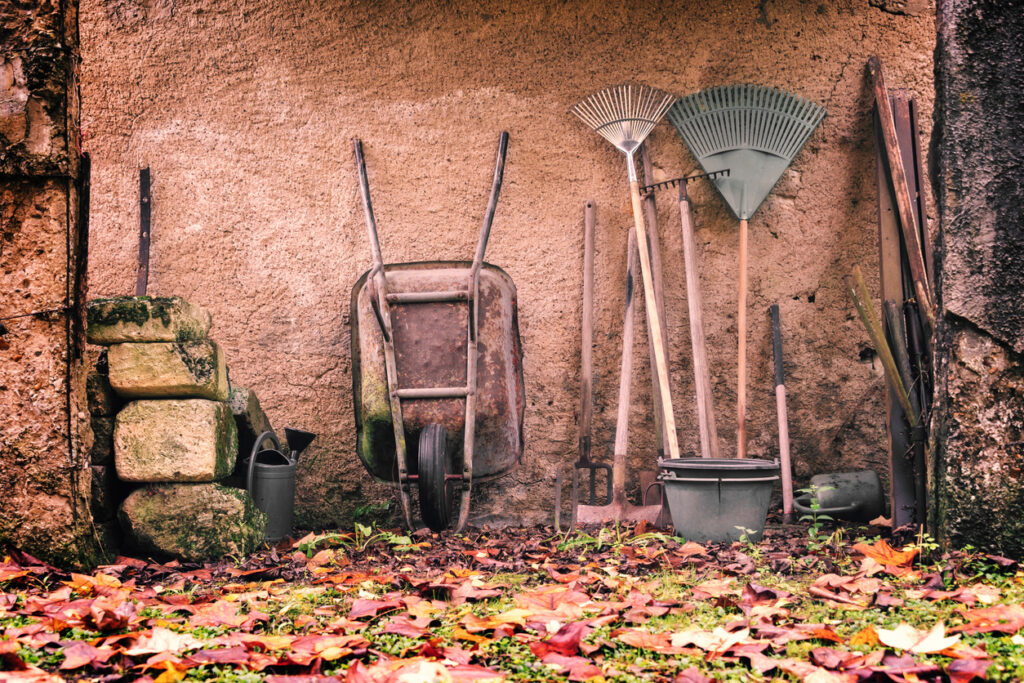
Blunt secateurs or shears can damage stems, spread disease, and make gardening way harder than it needs to be. Clean cuts heal faster—your plants will thank you. Give your tools a quick sharpen and wipe now and then. It takes five minutes and makes everything feel less like a chore.
19. Ignoring shade opportunities
Some plants just don’t cope in blazing sun all day. If your shade-lovers are wilting by midday, they’re in the wrong spot, or need some cover. A bit of repositioning, temporary shading, or even planting near taller companions can help keep them cool. Not everyone’s a sun-worshipper, even in the garden.
20. Waiting too long to start again
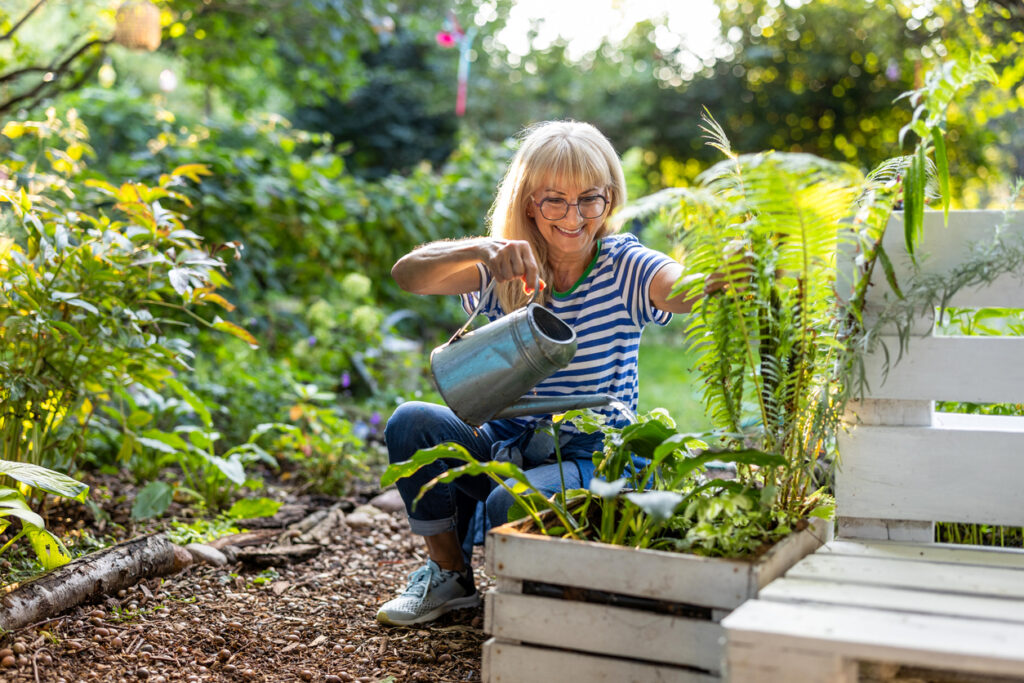
If something dies off or bolts, it’s easy to give up on that spot for the rest of the season. However, summer’s far from over, and there’s still loads you can plant. Beans, salads, herbs, even quick flowers like nasturtiums all thrive with a mid-season sowing. Don’t mourn the failure—replant and keep the momentum going.