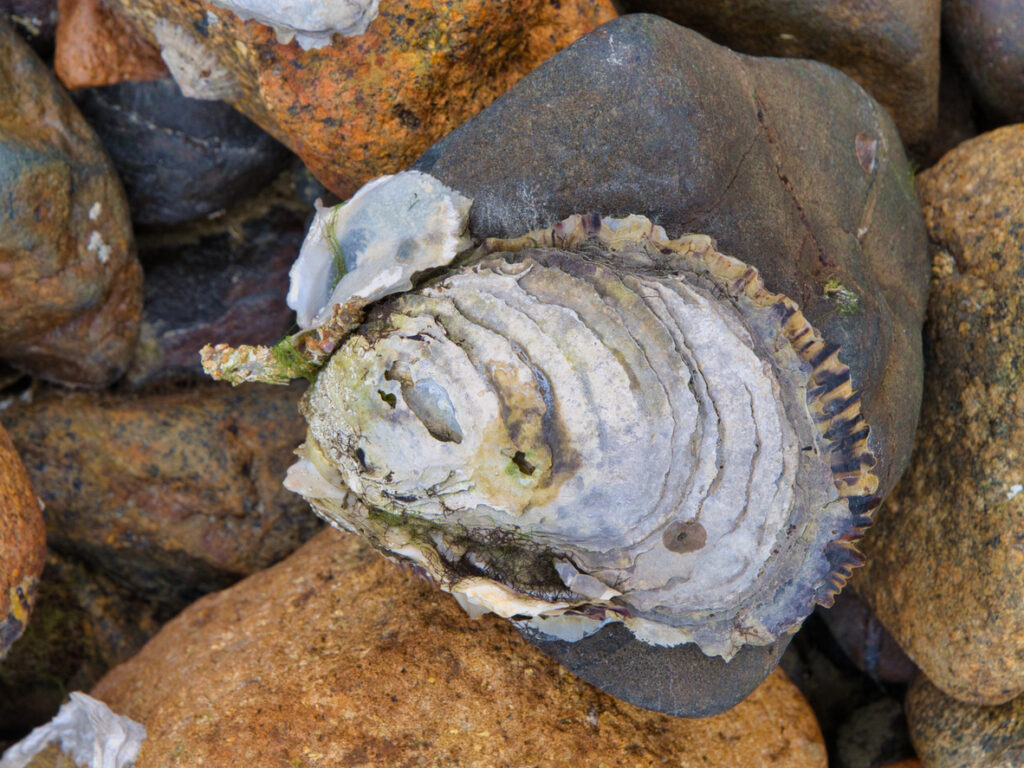
They might look like sea rocks with a shellfish PR problem, but oysters are quietly doing some incredible environmental heavy lifting. These little filter-feeders clean the water, protect coastlines, and build underwater cities that support marine life, all without needing any attention or applause.
However, overfishing, pollution, and habitat loss are putting oyster populations under serious pressure. If we want to keep reaping their benefits, it’s time to give something back. Here’s how oysters help the planet, and what we can actually do to return the favour.
They filter massive amounts of water.
Each adult oyster can filter around 190 litres of water a day, no fancy equipment required. As they feed, they pull in water, trap things like algae and pollutants, and release cleaner water back out. This natural filtration helps improve water clarity and quality, which benefits the whole ecosystem. In areas with healthy oyster beds, the water tends to be clearer, healthier, and more stable—just from the oysters doing their thing.
They build underwater habitats for other species.
Oysters don’t just float around solo. They cluster together to form reefs—sturdy, three-dimensional structures that create shelter for fish, crabs, anemones, and other marine life. These reefs act like underwater neighbourhoods, increasing biodiversity in places that might otherwise be barren. Without them, a lot of coastal ecosystems lose their structural backbone, and many species lose their homes.
They help prevent coastal erosion.
Oyster reefs don’t just sit in the water looking pretty—they break wave energy. By doing so, they help protect shorelines from erosion, storm surges, and rising tides. In areas facing climate change-related sea-level rise, oysters play a subtle but crucial role in buffering the coast. They act like living sea walls that grow and adapt over time, unlike man-made barriers that just sit there and crumble.
They lock away carbon.
Oysters build their shells from calcium carbonate, which uses carbon from the environment. Over time, their shell-building helps lock small amounts of carbon out of the atmosphere and into long-term storage. It’s not a silver bullet for climate change, but it’s part of the solution puzzle, especially when paired with large, thriving reefs that build up slowly over generations.
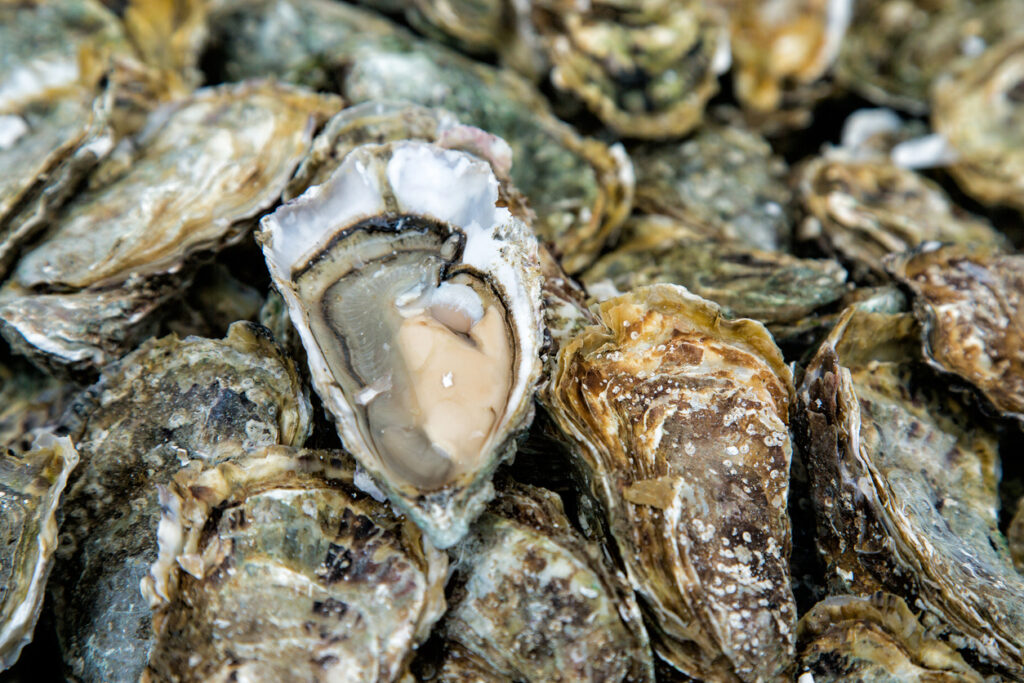
They stabilise the seabed.
Oyster reefs trap sediments and reduce the constant shifting of seabeds caused by currents and waves. This helps keep underwater ecosystems stable and prevents excess sediment from clouding the water. By anchoring everything down, oysters support clearer water and stronger habitats, making it easier for seagrass, coral, and other marine life to thrive nearby.
They support sustainable seafood systems.
When farmed responsibly, oysters are one of the most sustainable proteins around. They don’t need feeding, they don’t need freshwater, and they actually clean their environment instead of harming it. Buying from ethical oyster farms supports coastal economies and reduces pressure on wild stocks. It’s one of the rare times when “eating the thing” can help save the thing, as long as it’s done right.
They reduce harmful algal blooms.
Too much nitrogen in the water, usually from farm run-off or sewage, can trigger massive algal blooms that deplete oxygen and kill marine life. Oysters help mop up excess nutrients by filtering them out as they feed. Their constant filtering slows the growth of these blooms and gives struggling ecosystems a fighting chance to recover. Fewer toxic blooms mean healthier waters and fewer fish die-offs.
They’re natural water quality indicators.
If oysters in a region start dying off, it’s usually a red flag. They’re sensitive to pollution and changes in salinity, so sudden drops in oyster health can signal a larger problem in the ecosystem. In this way, they’re like canaries in the coal mine for marine environments. Keeping an eye on oyster beds can help scientists spot trouble early, and do something about it before it spreads.
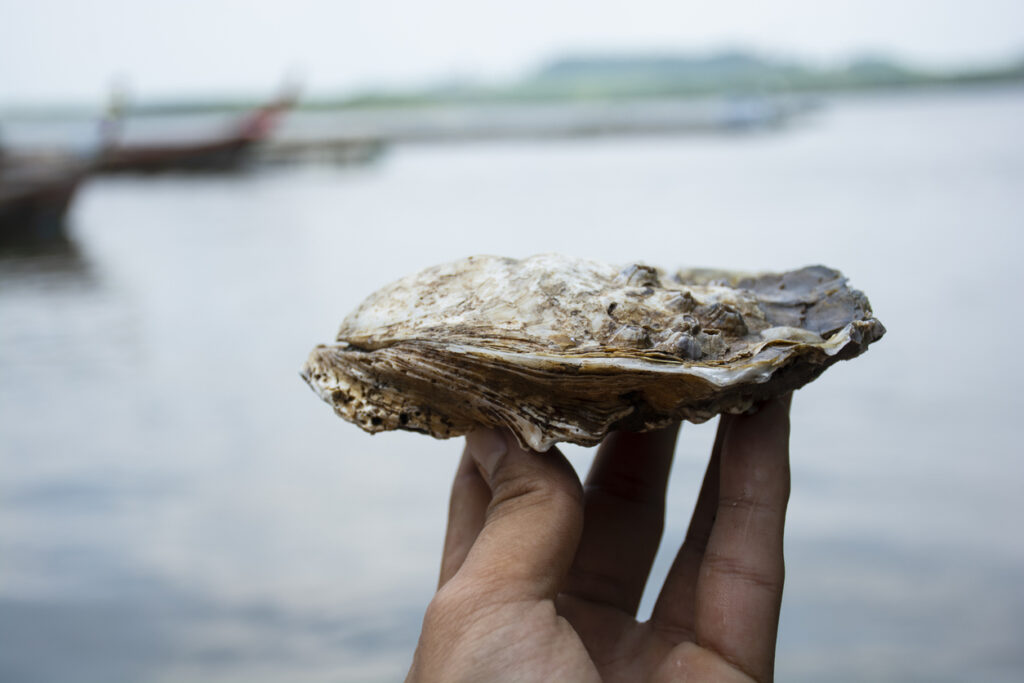
They’re making a comeback in urban waters.
Cities like New York and London have started reintroducing oyster reefs as part of urban regeneration and climate adaptation projects. The idea is to let oysters quietly do their thing and improve water quality in areas long considered too polluted to recover. These projects show how even damaged waterways can start to bounce back with the right support—and how oysters can be tiny but mighty allies in urban clean-up efforts.
You can support oyster restoration projects.
Across the UK and globally, projects are underway to rebuild lost oyster reefs. From community-led efforts to major environmental campaigns, there are loads of ways to get involved or donate. Supporting these programmes means more oysters in the water, more reef-building, and more ecosystem benefits for years to come. Even a small contribution helps keep the momentum going.
You can recycle your oyster shells.
Believe it or not, used oyster shells are vital for new oysters to grow. In some places, old shells are collected, cleaned, and returned to the sea to help build new reefs and restore habitat. If you’re eating oysters at a restaurant or event, look for ones that take part in shell recycling schemes. It turns your snack into something a lot more meaningful than just dinner.
Support better farming, not wild harvesting.
Wild oysters have been overharvested in many areas, especially in the last century. These days, the more sustainable option is usually farmed oysters from producers that follow good practices. Look for certifications or ask where your oysters are sourced. A good farm doesn’t just avoid damage—it often supports restoration, monitors water health, and acts as a mini-lab for better marine stewardship.
Don’t dump pollutants down the drain.
Everything from household cleaners to fertiliser run-off can end up in coastal waters. And while oysters can handle a lot, there’s a limit to what they can filter before it starts killing them off. Switching to eco-friendly products, limiting fertiliser use in gardens, and properly disposing of chemicals all help keep their waters cleaner, and give oyster reefs a better shot at surviving.
Support marine protected areas.
Oysters do best in places where they’re safe from overfishing, dredging, and constant disruption. Marine protected areas (MPAs) give them time and space to grow, and support the wider ecosystem in the process. Whether it’s campaigning for new MPAs or respecting existing ones when boating or fishing, protecting these areas gives oysters the breathing room they need to thrive.
Learn about your local oyster history.
In the UK, native oysters were once so abundant they were sold on street corners as cheap snacks. Centuries of exploitation nearly wiped them out—but they’re still hanging on in places like Essex, the Solent, and parts of Scotland. Supporting restoration means reconnecting with this heritage—and helping bring back something that was once a vital part of both the environment and local culture. Plus, you get bragging rights for being part of an environmental comeback story.