Even the best-kept gardens hit snags occasionally.
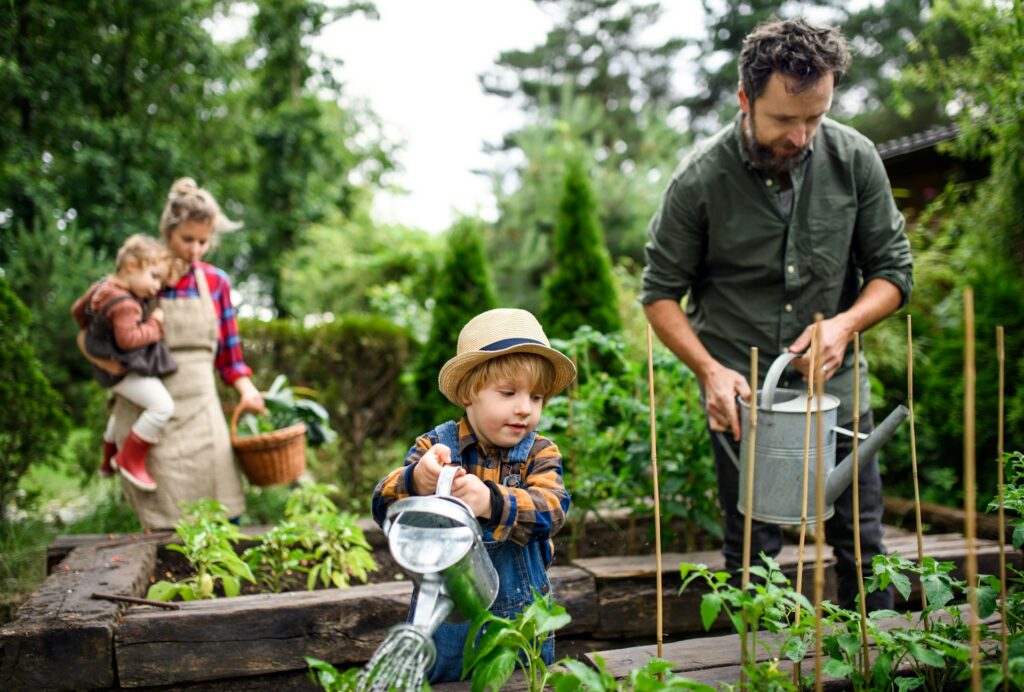
From tiny pests to unpredictable weather, there’s always something threatening to undo your hard work. Luckily, most common problems have simple fixes—once you know what you’re dealing with. Whether your plants are looking a bit sad or something’s chewing through your veg, here are some of the biggest issues UK gardeners face all the time, and how to get them under control before they take over your entire patch.
1. Aphid infestations

Aphids are those tiny green, black or white insects that love to gather on soft new shoots. They suck the sap out of plants, leaving leaves curled or sticky with honeydew, which can also attract mould. They reproduce quickly, too, so ignoring them can lead to a full-blown swarm.
Try blasting them off with water or using insecticidal soap. Encouraging natural predators like ladybirds and lacewings also helps. Companion planting with garlic or chives can deter them, and pinching off affected areas early can stop things from spreading.
2. Slugs and snails
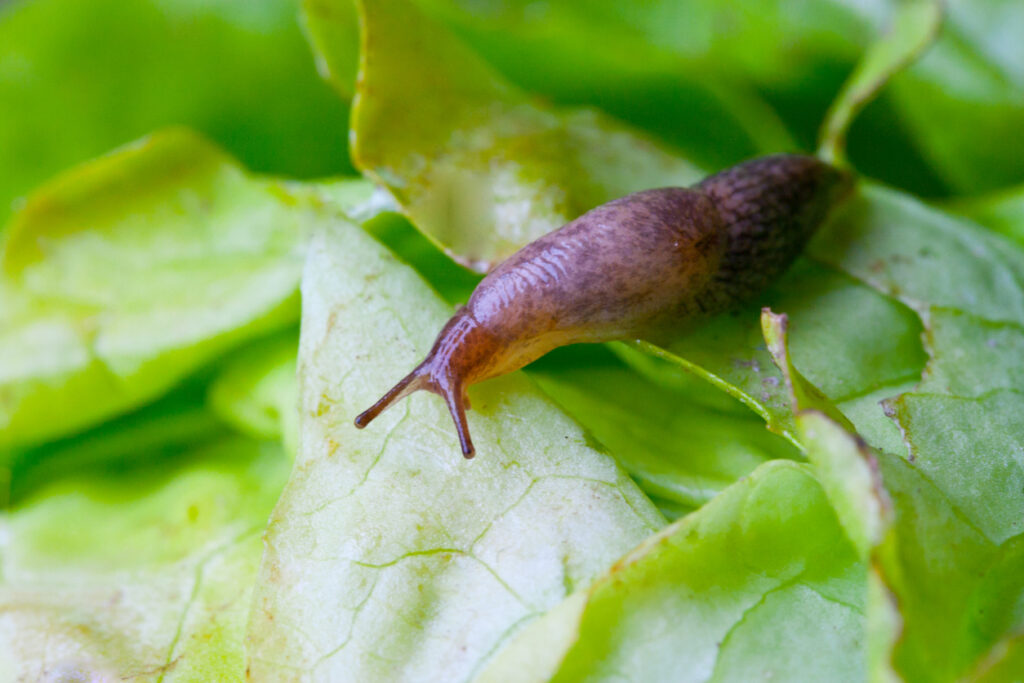
If your seedlings are disappearing overnight, there’s a good chance slugs or snails are to blame. These slimy pests love damp conditions and will munch through leaves and stems, especially of young, tender plants.
Use copper tape around pots, or beer traps to lure and drown them. Going out in the evening and hand-picking is surprisingly effective, especially after rain. You can also scatter crushed eggshells or horticultural grit around plants to make the terrain less inviting.
3. Powdery mildew

This fungal problem shows up as a white, dusty coating on leaves, and it often spreads fast in dry weather with high humidity. It affects everything from roses and courgettes to beans and cucumbers, weakening the plant and stunting growth.
Water plants at the base, not overhead, and improve air circulation by spacing things out or pruning. A mix of baking soda and water can help slow it down, and resistant varieties are worth considering if mildew is a regular issue in your patch.
4. Yellowing leaves
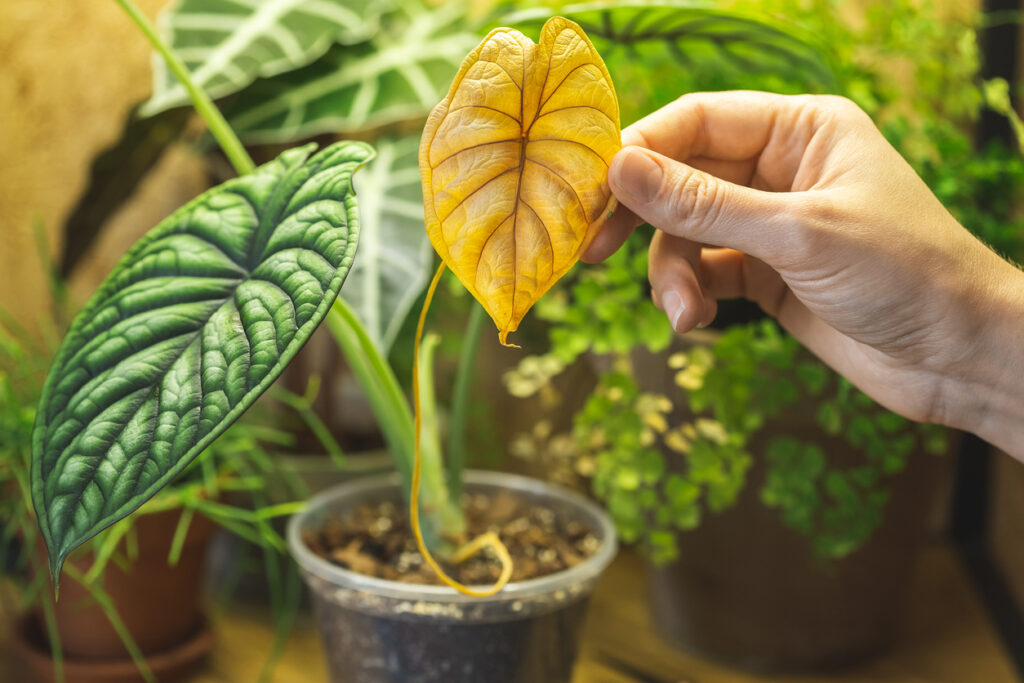
When leaves start turning yellow, it’s usually a sign of stress. The cause might be overwatering, poor drainage, or nutrient deficiencies—especially nitrogen or iron. It can affect all sorts of plants, from shrubs to indoor pots. Check the soil moisture first—if it’s soggy, ease off the watering and improve drainage. If dry, water deeply. A general-purpose feed might help, but if it’s persistent, a soil test can pinpoint what’s missing so you can feed more accurately.
5. Drought-stressed plants
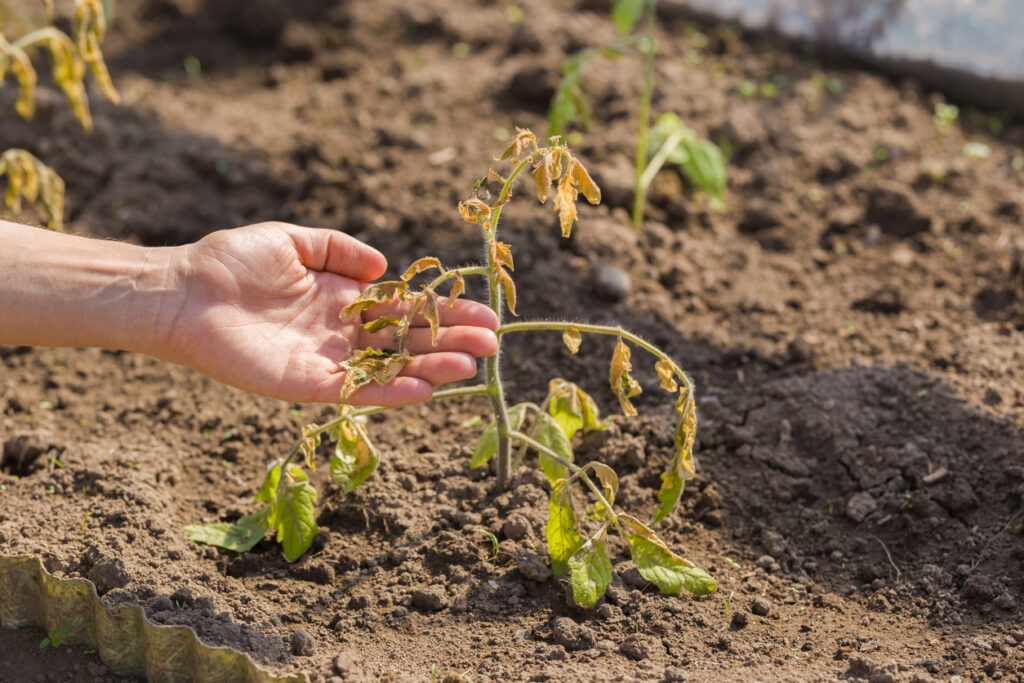
Hot spells can dry out soil quickly, especially in containers or exposed areas. Wilted, crispy leaves and dry, cracking soil are clear signs your plants aren’t getting the water they need. Some may bounce back, but not all.
Mulching is a game-changer here. A layer of bark, compost, or even grass clippings helps soil retain moisture. Water deeply in the early morning or evening and consider drought-tolerant varieties like lavender, rosemary, or sedum for tougher spots.
6. Black spot on roses
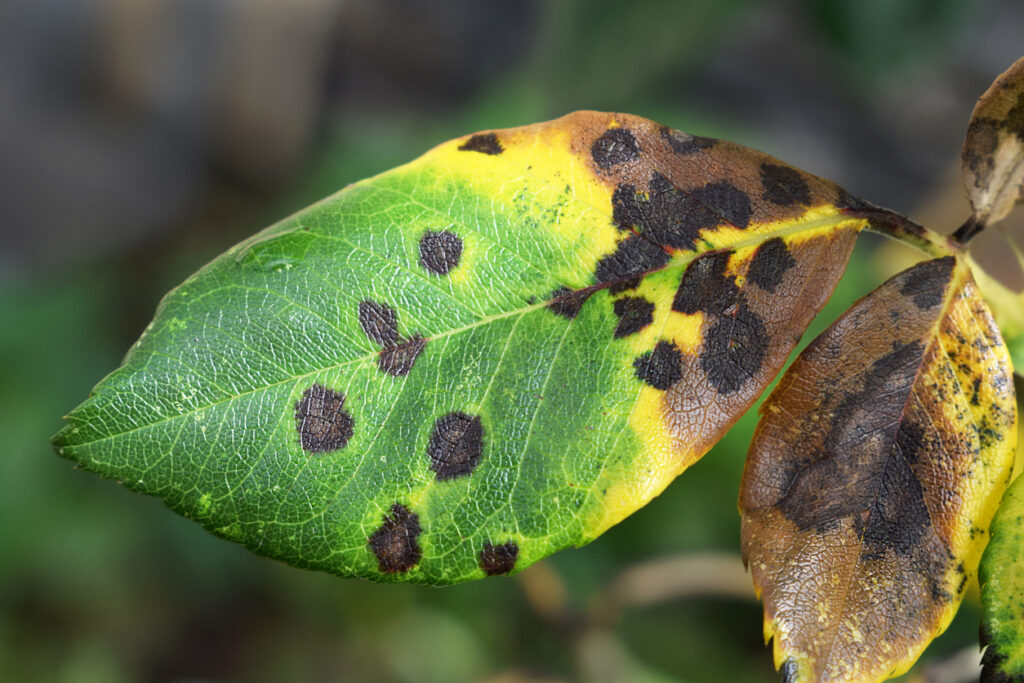
Black spot is a common fungal disease that causes round, black blotches on rose leaves, which eventually yellow and drop. It weakens the plant and makes it look pretty rough by midsummer if not treated.
Clear fallen leaves and prune affected stems in winter to reduce next year’s outbreak. A fungicidal spray helps control it, but air circulation and regular feeding also strengthen the plant’s ability to resist infection. Don’t water from above if you can help it.
7. Blossom end rot
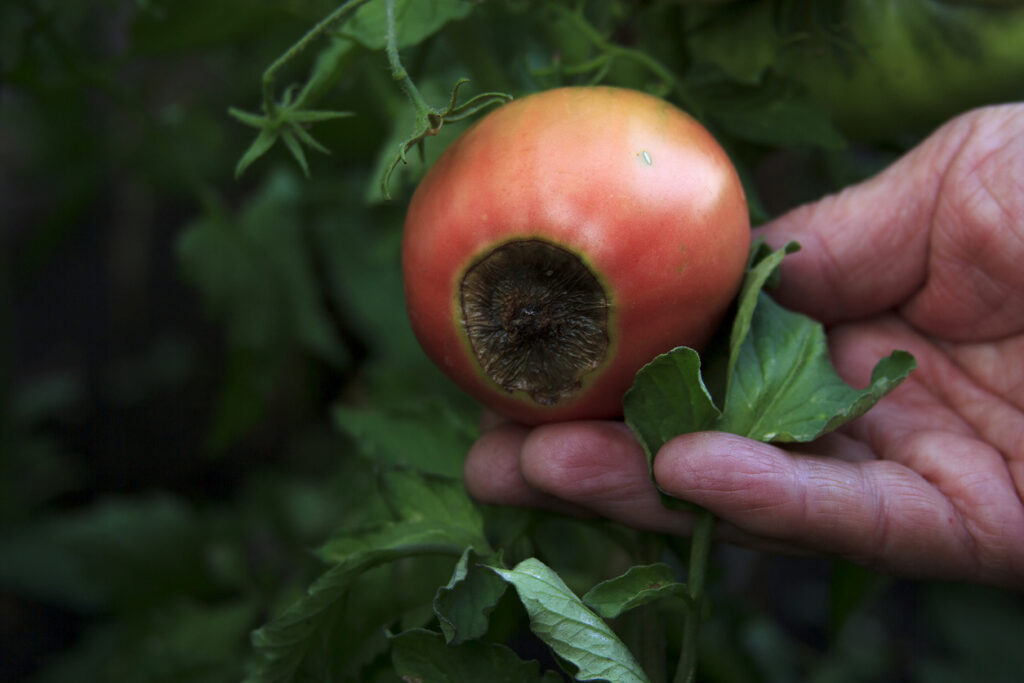
This one’s most often seen in tomatoes, peppers, and courgettes. You’ll notice the fruit looks fine at first, then a dark, sunken patch appears at the base. It’s caused by a calcium deficiency, usually made worse by inconsistent watering. To prevent it, keep soil moisture steady—don’t let it dry out completely, then overwater. Adding calcium (like crushed eggshells or lime) to your compost can help, but regular, even watering is the biggest fix for this issue.
8. Leggy seedlings
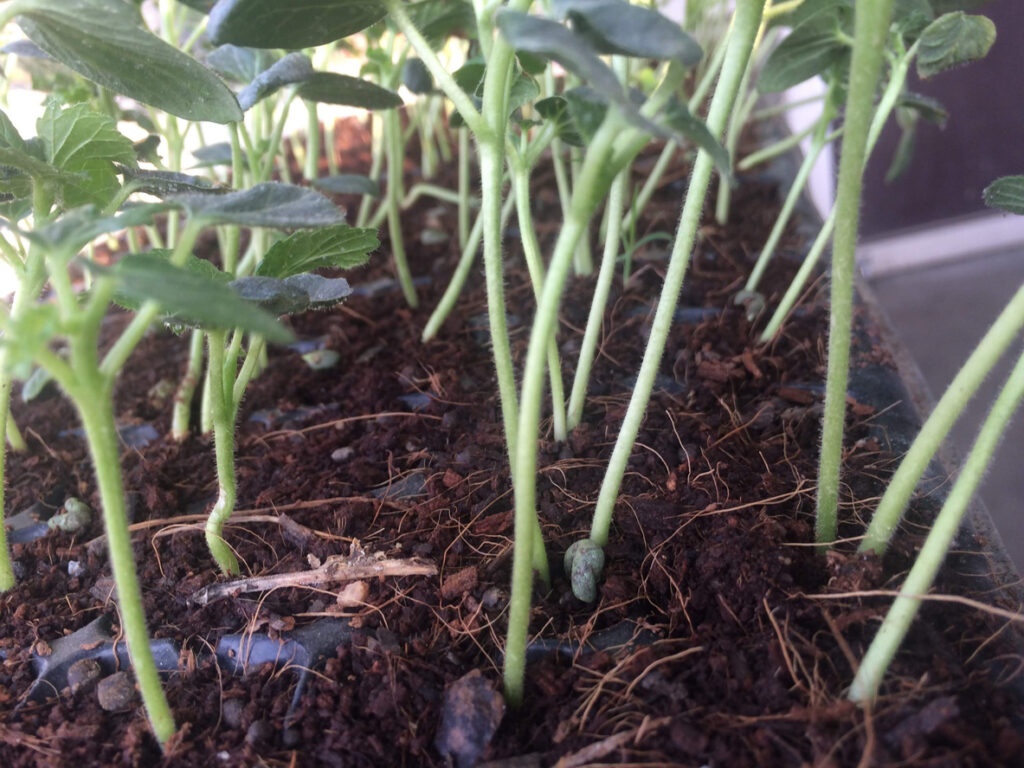
Seedlings that stretch too tall and thin are known as “leggy,” and they’re usually weaker and more prone to flopping or snapping. It’s almost always caused by not enough light, especially in early spring when days are still short. Move seedlings to a brighter spot, or use a grow light if needed. Turning trays daily can also help them grow straighter. If you’ve already got leggy ones, replant them deeper to help stabilise them as they grow.
9. Lawn bare patches
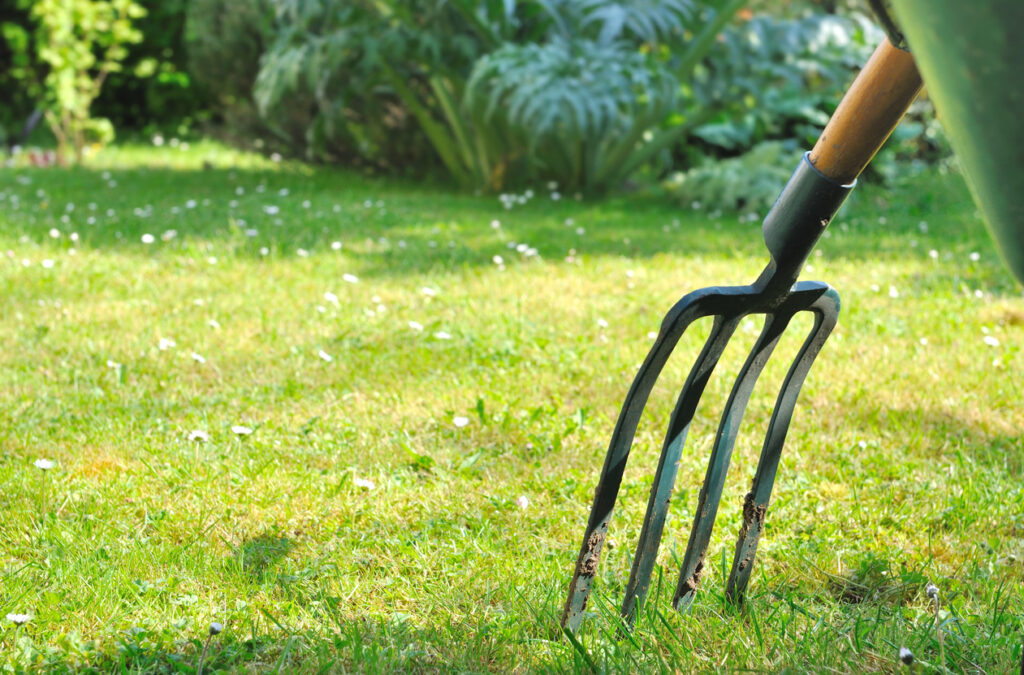
Bald spots in your lawn can come from heavy foot traffic, poor soil, shade, or dog urine. Once the grass is gone, weeds often move in, making it harder to recover naturally. Rake the area and reseed with a suitable grass mix—shady or tough, depending on the spot. Keep it moist while seeds germinate, and avoid walking on it. Feeding in spring and autumn helps strengthen the whole lawn so it’s less vulnerable next time.
10. Vine weevils
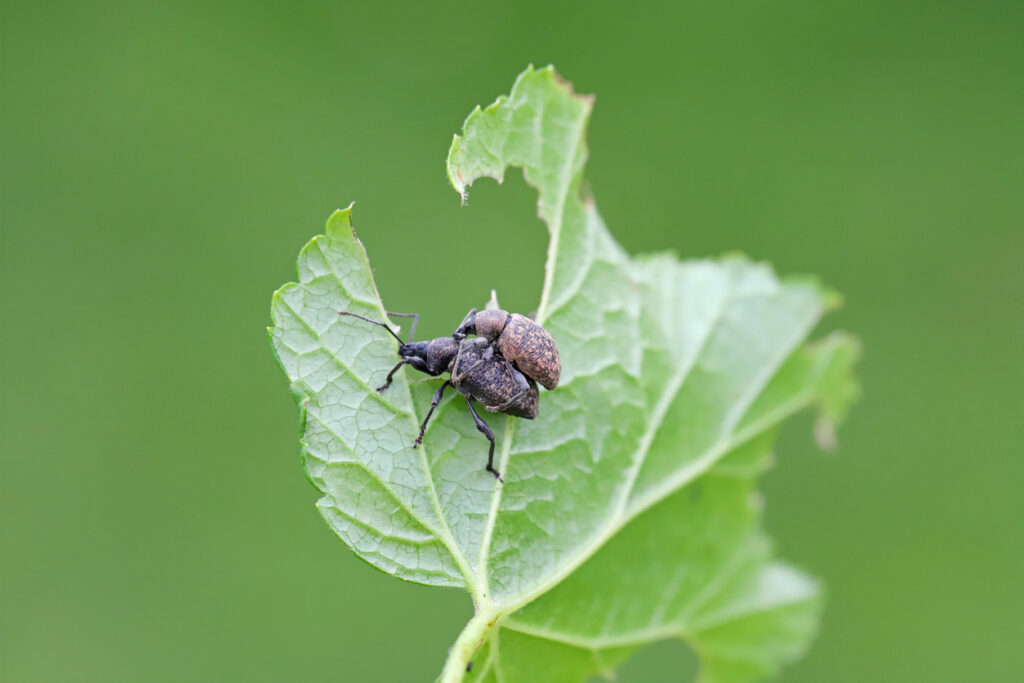
These sneaky pests are a nightmare for container plants. The adult weevils eat leaves, but it’s the larvae that cause real damage by chewing through roots underground. Plants often wilt suddenly or die off without much warning. You can use nematodes (a natural predator) watered into the soil to target larvae. Check for adults at night with a torch—they’re small, black, and hard-shelled. Shake plants over paper to spot them, then squash or trap them manually.
11. Cats digging in your beds

Neighbourhood cats love loose soil, especially if you’ve just planted something. They’ll scratch around, dig holes, or even use it as a toilet, none of which is good for seedlings or your mood. Try laying down netting, twigs, or chicken wire just under the surface to make it harder for them to dig. Scents like citrus peel, coffee grounds, or commercial repellents can also help. In most cases, making the space less appealing is more effective than scaring them off.
12. Ants farming aphids
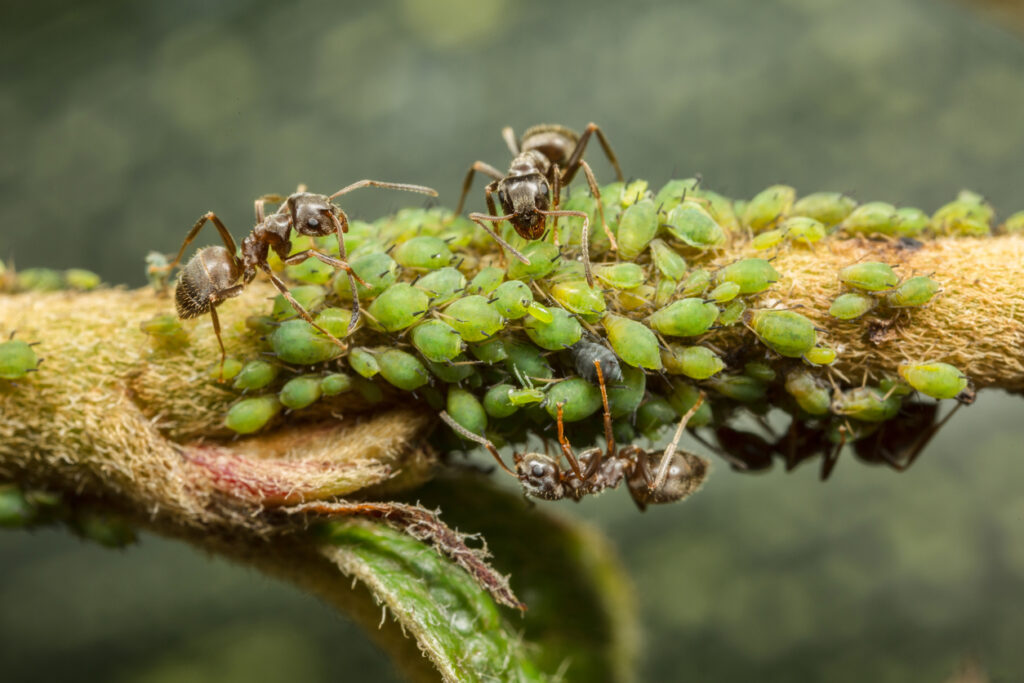
Sometimes you’ll notice a trail of ants around aphid-covered plants. That’s because ants protect aphids in exchange for their sugary honeydew. It’s an annoying alliance that lets the aphid problem spiral. You’ll need to tackle both the aphids and the ants. Use soapy water sprays or neem oil for the aphids, and disrupt the ants’ paths with diatomaceous earth or citrus oil. Keep checking back—this isn’t a one-and-done fix.
13. Moss taking over the lawn
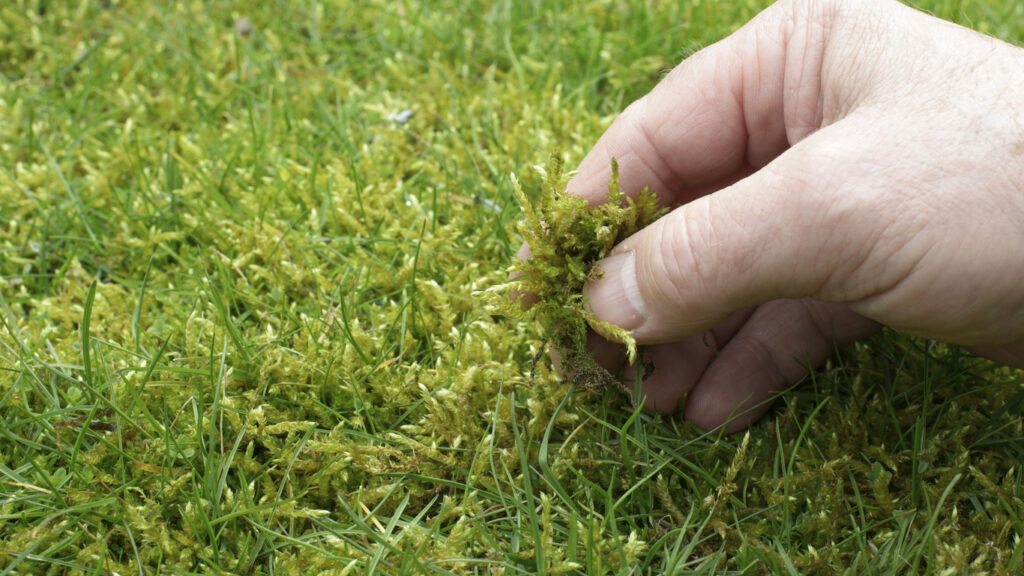
If moss is muscling out your grass, it usually means your lawn is too shady, damp, or compacted. Moss thrives where grass struggles, so treating it means improving the conditions for your turf. Rake out the moss, then aerate the lawn to loosen the soil. Feed the grass and reseed where needed. Long-term, trim back overhanging branches and improve drainage to stop it from creeping back in.
14. Leaf scorch
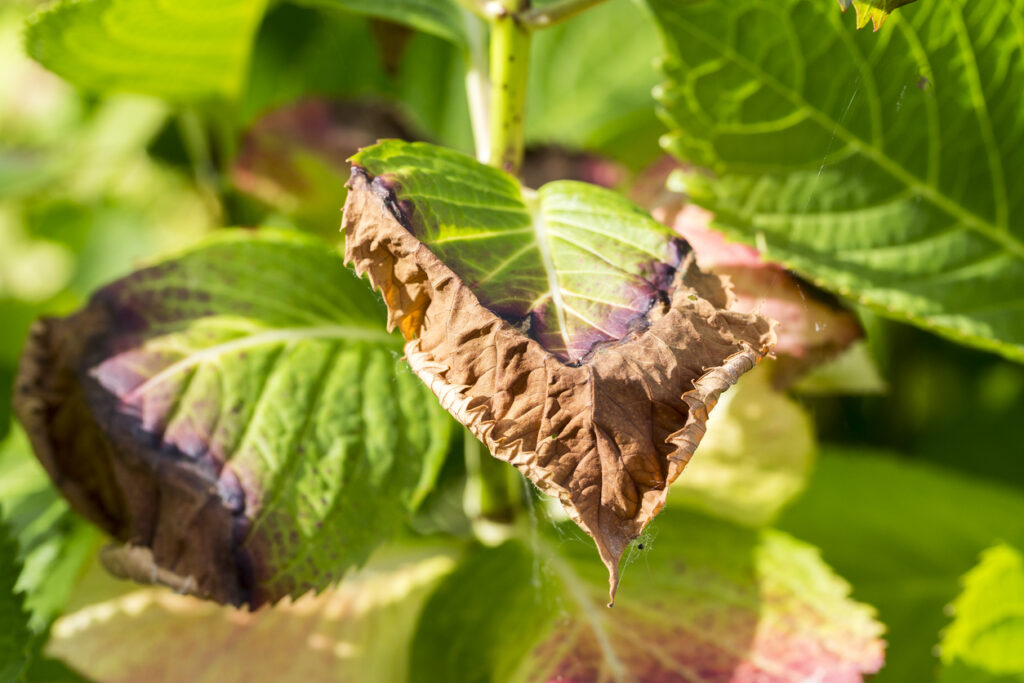
Leaf edges turning brown and dry can be a sign of scorch—often caused by hot sun, wind, or sudden dry spells. It’s not always fatal, but it does stress the plant and make it more vulnerable to other issues. Water deeply and mulch around the base to protect the roots. Avoid watering in the heat of the day, as droplets on leaves can intensify sun damage. Shade plants during heatwaves if you can, especially new ones still settling in.
15. Random holes in leaves
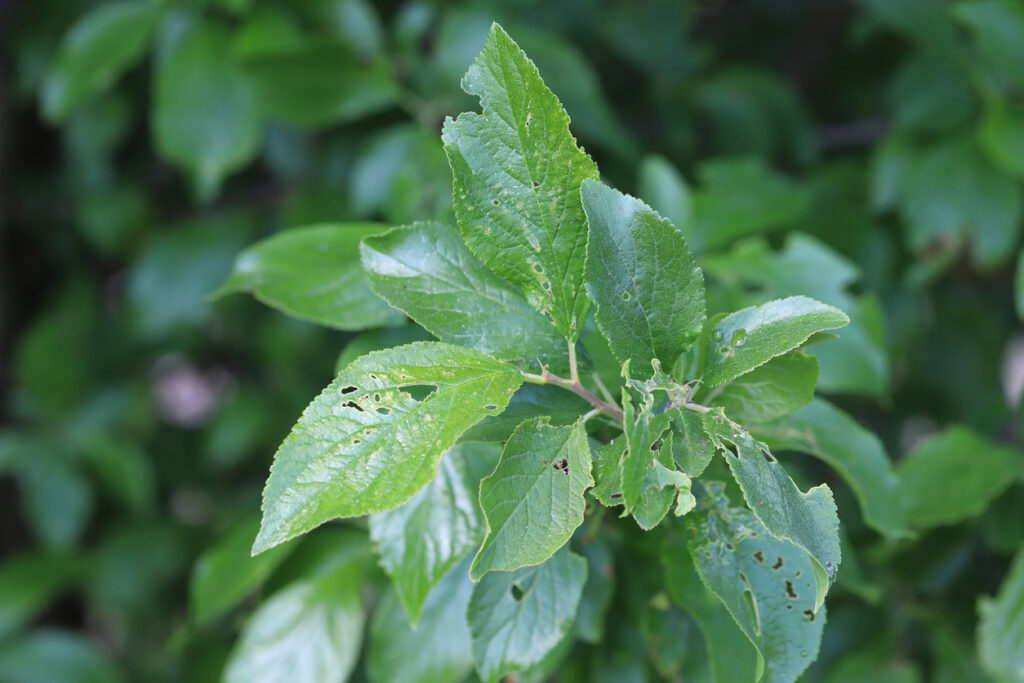
If your plants look like something’s been nibbling them, but you can’t see what, chances are it’s caterpillars, beetles, or even birds. Leaf damage doesn’t always mean disaster, but it can set plants back if left unchecked. Check under leaves and around stems for culprits. Hand-picking is effective, or you can try organic sprays. Birds can be deterred with netting or shiny objects, but some damage is normal—your garden isn’t supposed to be spotless.