The asteroid that wiped out the dinosaurs 66 million years ago was catastrophic, but not everything died out in the immediate aftermath.

Some ancient species actually survived the initial impact—enduring the fires, darkness, and sudden climate change, only to be wiped out later by different forces. From shifting ecosystems to evolving predators, here are some of the creatures that managed to dodge the asteroid, but still couldn’t escape extinction forever.
1. Champsosaurus
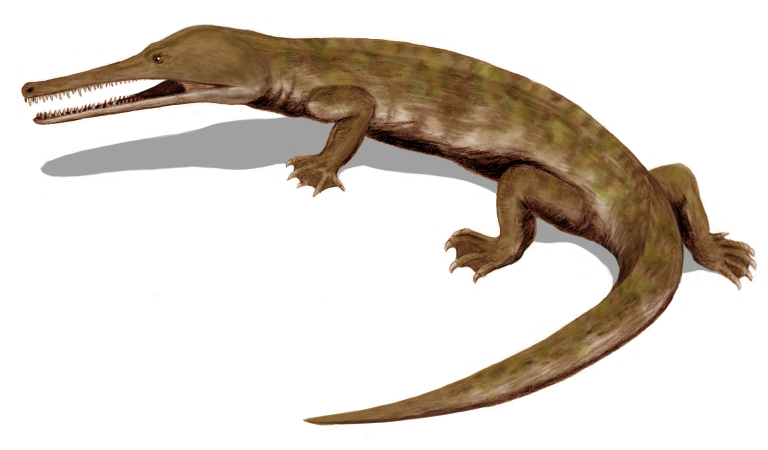
These crocodile-like reptiles lived through the mass extinction that ended the Cretaceous period. They were semi-aquatic, with long snouts full of sharp teeth, perfectly adapted to catching fish in freshwater environments. They even made it well into the Paleocene era, long after the dinosaurs vanished.
However, as mammal diversity exploded, champsosaurs started to struggle. Changes in freshwater habitats and increased competition likely contributed to their decline, and they eventually disappeared around 25 million years ago. For a group that outlasted a global extinction, it was a slow fade rather than a dramatic exit.
2. Gastornis
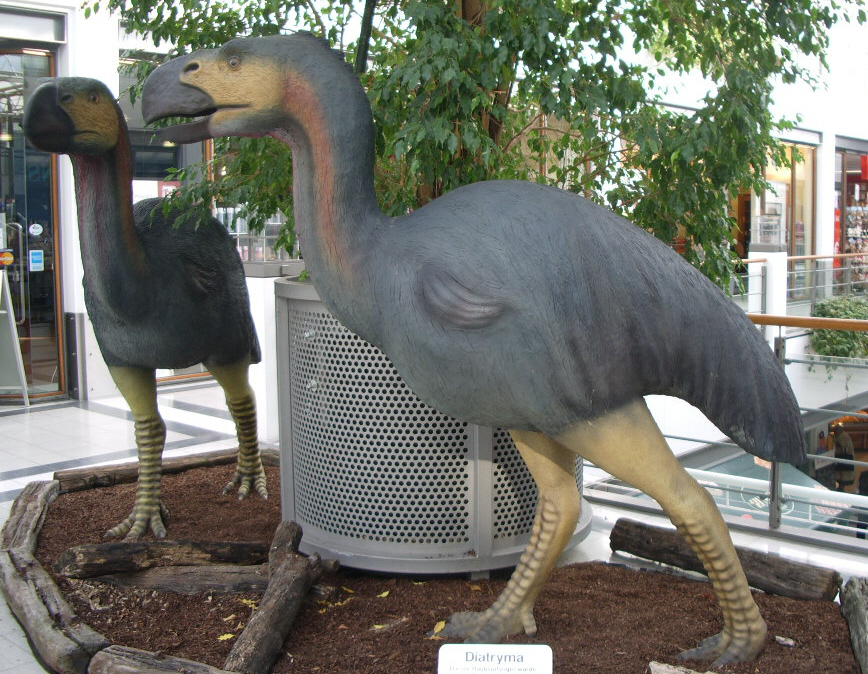
After the asteroid, giant flightless birds took over many roles left vacant by the dinosaurs, and Gastornis was one of the biggest. Standing over two metres tall, it had a massive beak that may have been used to crack tough vegetation or even small prey, depending on who you ask.
It thrived in the early Paleogene world, but eventually lost out as large mammals began dominating the landscape. As forests changed and new predators emerged, these towering birds couldn’t compete, and eventually vanished completely.
3. Ammonites’ cousins (Nautiloids)
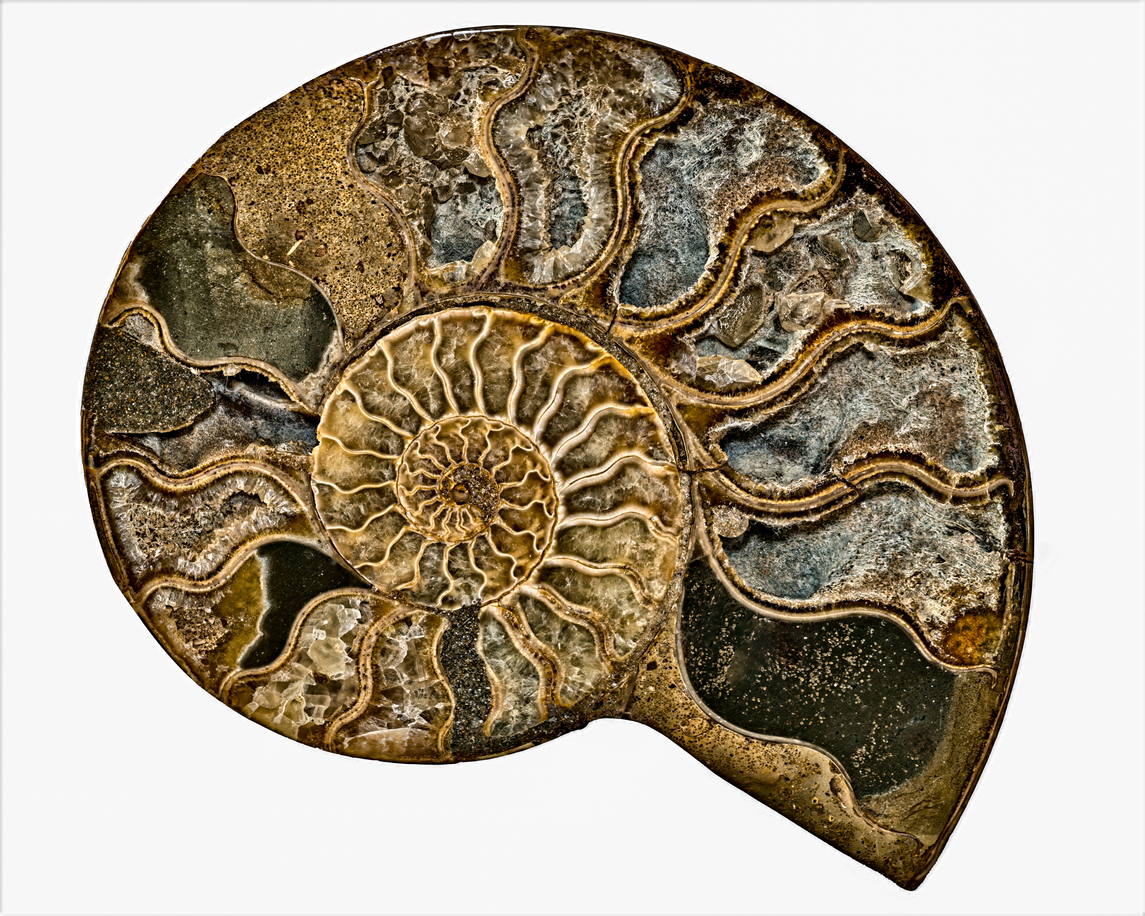
Ammonites didn’t make it past the asteroid, but some of their distant relatives, the nautiloids, did. These spiral-shelled marine creatures had survived multiple mass extinctions before and managed to keep going in the oceans for millions of years after the impact.
But over time, their numbers thinned dramatically due to competition from faster, more efficient predators like squid and fish. Today, only a few nautilus species remain, making them living fossils, and reminders of how tough it is to stay relevant in an evolving ecosystem.
4. Palaeosaniwa
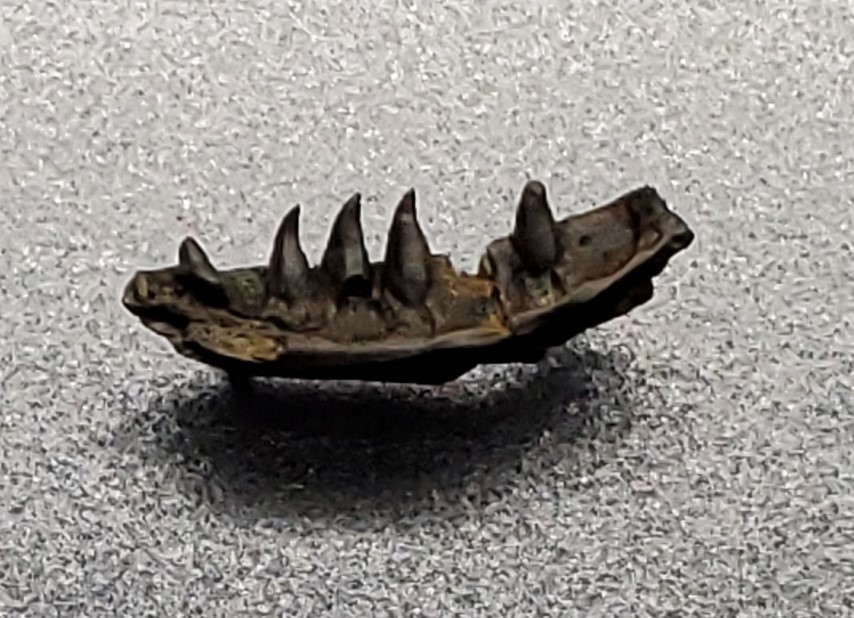
This giant monitor lizard lived alongside the last of the dinosaurs and kept going for a while after their extinction. It was a powerful predator, with sharp teeth and a strong build, probably feeding on smaller animals and carrion. But as new mammalian predators evolved and climates shifted, Palaeosaniwa lost its grip on survival. Eventually, more adaptable lizards and mammals took over, and this prehistoric hunter slipped out of existence quietly.
5. Enantiornithines

These were a group of toothed birds that were common during the Cretaceous period. They actually survived the immediate asteroid impact, with fossils suggesting a brief continuation into the post-dinosaur world—though that survival window was narrow.
Ultimately, enantiornithines were outcompeted by modern-style birds that were better at adapting to the radically changed planet. Toothless beaks, better flight adaptations, and more flexible nesting habits gave their feathered cousins the upper hand.
6. Sea reptiles like the Mosasaur relatives

Most mosasaurs were wiped out by the asteroid, but a few lineages of marine reptiles clung on just a bit longer. These were likely smaller, more adaptable species that lived in shallower coastal waters. But even they couldn’t withstand the rapidly changing ocean ecosystems. Deoxygenated waters, food shortages, and pressure from fast-evolving fish and sharks finally tipped the balance, and these survivors went the same way as their larger cousins.
7. Hesperornis

This ancient diving bird looked a bit like a cross between a penguin and a loon. It couldn’t fly, but it was perfectly suited for swimming and catching fish in prehistoric seas. Remarkably, some species may have lasted a little while past the extinction event. As oceans cooled and fish populations shifted, Hesperornis lost its niche. It also faced growing competition from more advanced marine birds and aquatic mammals, and over time, it simply faded out of the fossil record.
8. Multituberculates

These small, rodent-like mammals were around for over 100 million years and survived the asteroid impact with surprising resilience. They were early champions of the mammal world, living in trees, burrows, and everywhere in between.
So what did them in? It was mostly other mammals. As true rodents evolved and took over many of the same ecological roles, multituberculates couldn’t compete and were eventually pushed into extinction by the very animals they helped pave the way for.
9. Crocodylomorphs (now-extinct lineages)
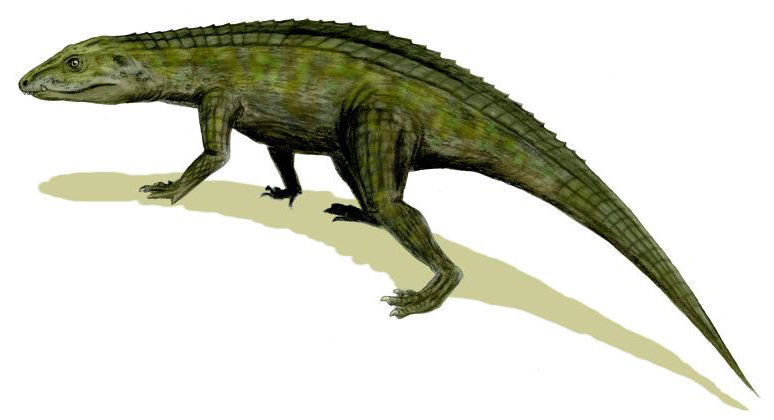
While crocodiles themselves survived and even thrived, several of their close relatives didn’t make it in the long run. There were many types of crocodylomorphs, some with unusual features and lifestyles, that didn’t go the distance. As environments changed and competition increased, only the most adaptable forms of crocodilians survived. Those with specialised diets or limited ranges were gradually filtered out, leaving behind the few tough species we still see today.
In the end, survival isn’t just about dodging disaster—it’s about evolving with what comes next. And some creatures, while tough enough to survive the blast, just didn’t have the long-term toolkit to handle the aftermath.