It’s easy to assume gardening is just about watering things and hoping they don’t die, but a healthy garden is more like a group of very different housemates.

Every plant has its own quirks, needs, and pet peeves. Some love baking heat, others sulk in the sun. Some thrive on being ignored, while others want regular fussing. If you’ve ever struggled to figure out why one section of your garden is thriving while another’s gone feral, here are some simple tips to help you care for your space properly, and understand why no two plants are ever quite the same.
Understand your garden’s light levels.
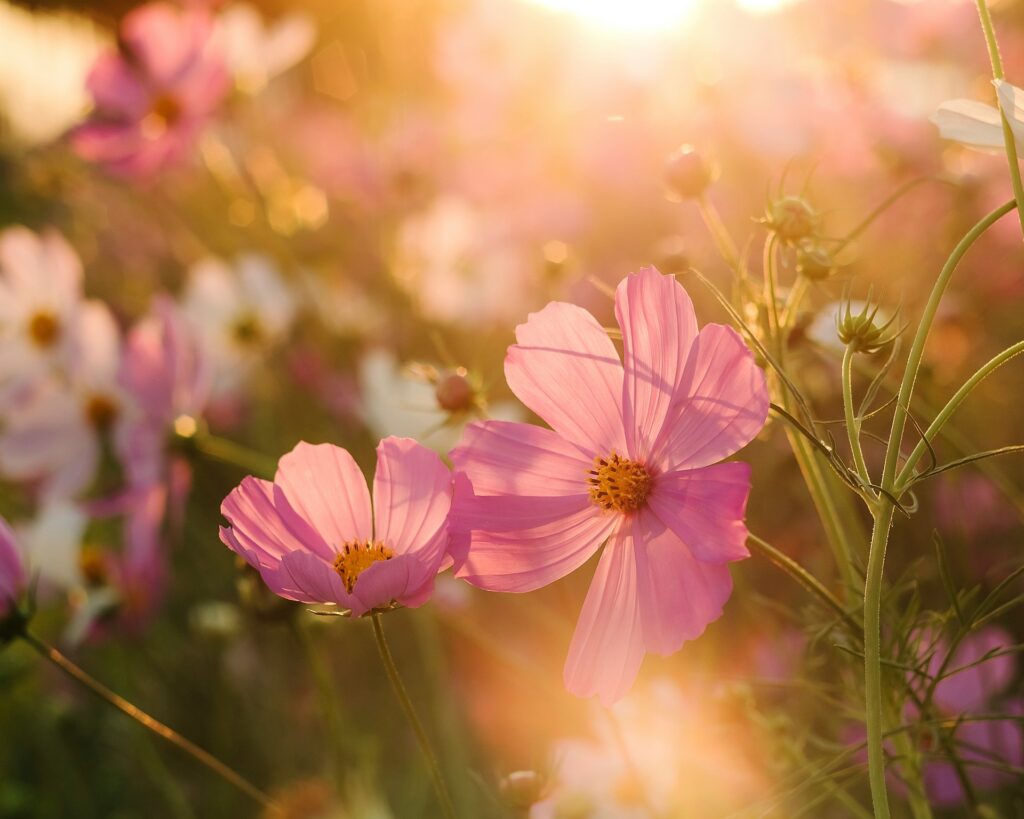
Before you plant anything, take time to figure out how much sun each part of your garden actually gets. Full sun, partial shade, dappled light—it makes a big difference to what will thrive where. Some plants, like lavender or tomatoes, want as much sun as possible. Others, like ferns or hostas, prefer cooler, shadier corners. Treating all your plants the same way just leads to stress for them and for you.
Don’t assume one watering rule fits all.
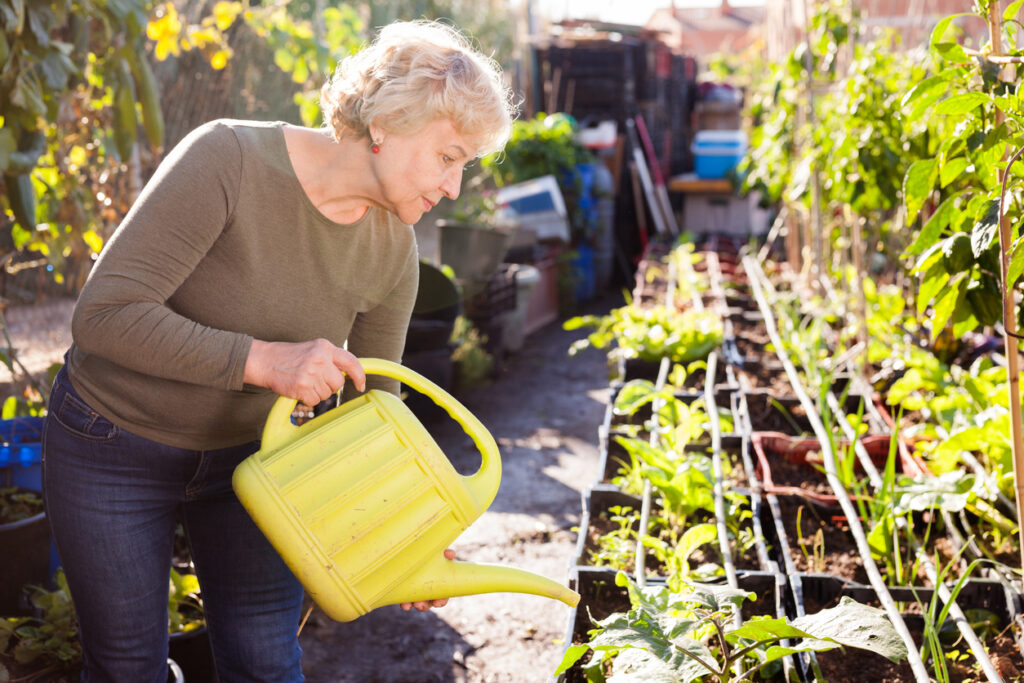
Not every plant wants a daily soak. Some, like succulents or herbs, prefer to dry out between watering. Others, like thirsty hydrangeas or veg beds, need consistent moisture to stay happy. Get used to checking the soil before you reach for the watering can. If the top couple of inches feel dry, it might be time. If it’s damp, leave it. Overwatering is just as risky as underwatering.
Group plants with similar needs.
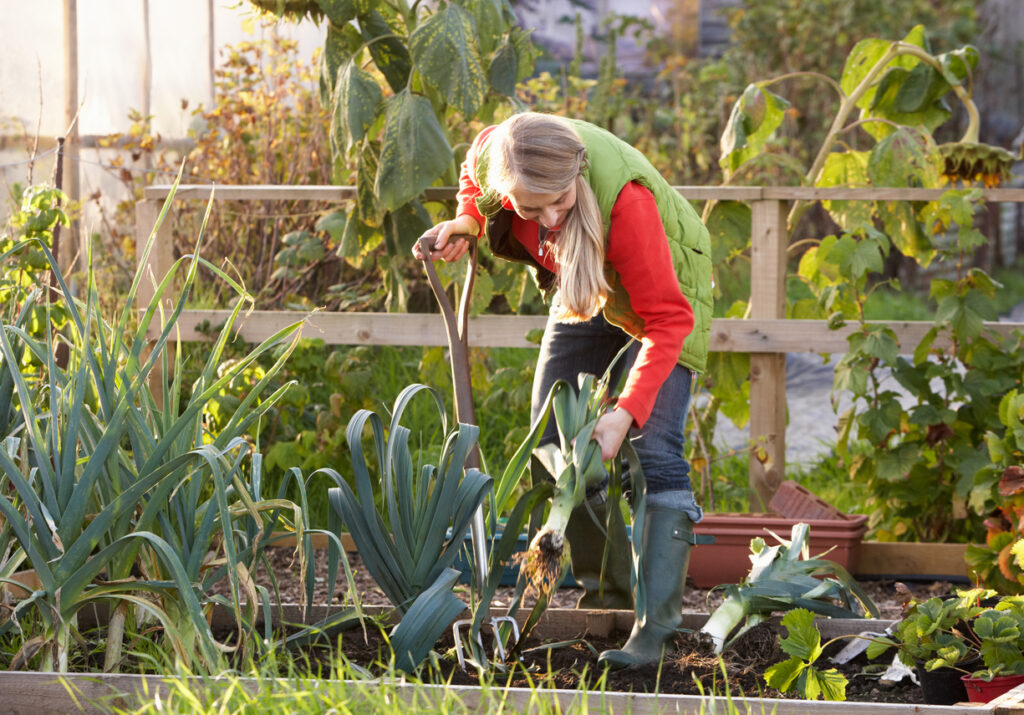
If you can, plant things that like the same conditions near each other. This makes it easier to water and feed them without accidentally upsetting half the bed. For example, Mediterranean herbs like rosemary, thyme and oregano love dry soil and full sun. Group them together, and you’ll avoid overwatering one while trying to keep the other alive.
Feed your plants the right way.
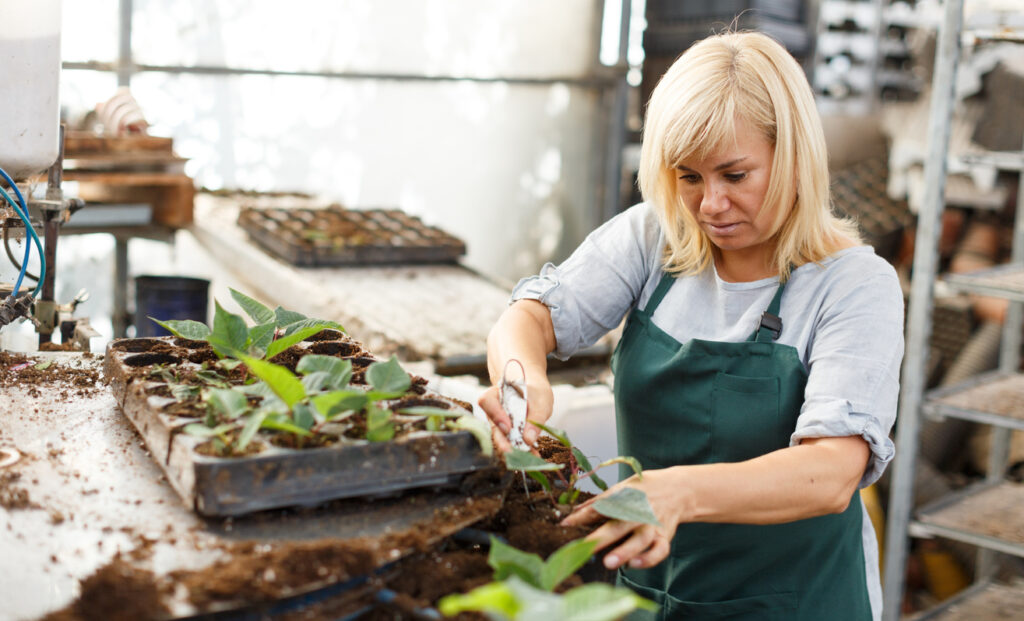
Plants need nutrients, especially if they’re in pots or growing in the same soil year after year. However, too much fertiliser—or the wrong type—can do more harm than good. Leafy plants like nitrogen. Flowering ones prefer a balanced or potash-rich feed. Veg like tomatoes or courgettes need regular feeding once they start producing. Read the label, and don’t go overboard.
Don’t ignore your soil.

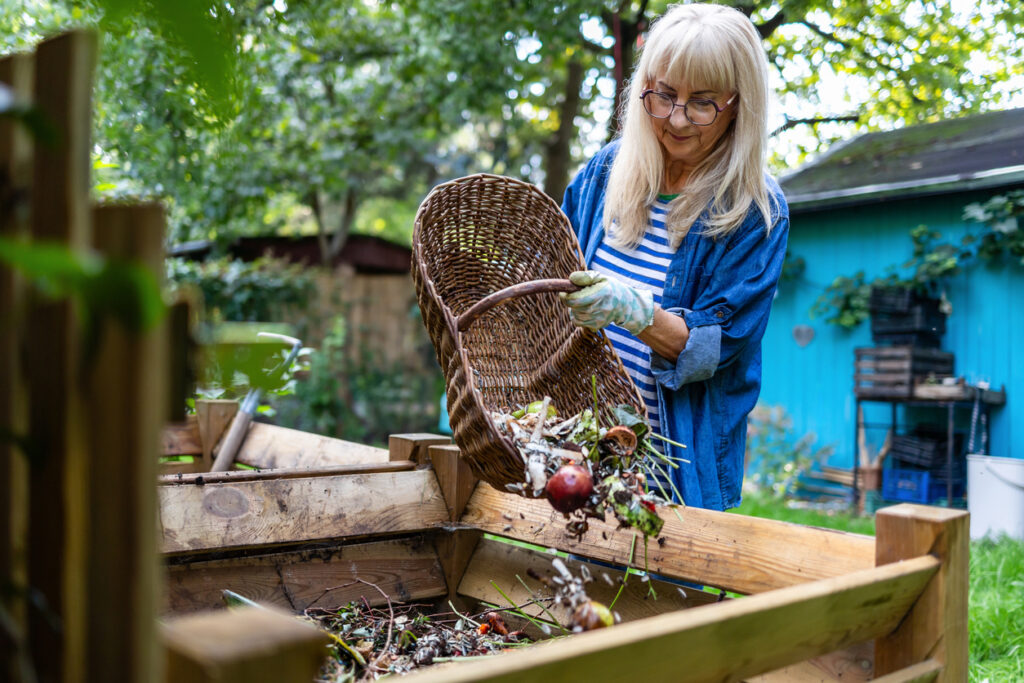
Healthy soil is the foundation of a thriving garden. If it’s heavy clay, it’ll hold water. If it’s sandy, it’ll dry out quickly. Knowing what you’re working with helps you pick plants that suit it, or amend it to suit your goals. Adding compost regularly can improve almost any soil type. It boosts structure, feeds beneficial microbes, and helps everything grow better. Happy soil = happy plants.
Get to know your plant’s natural habits.
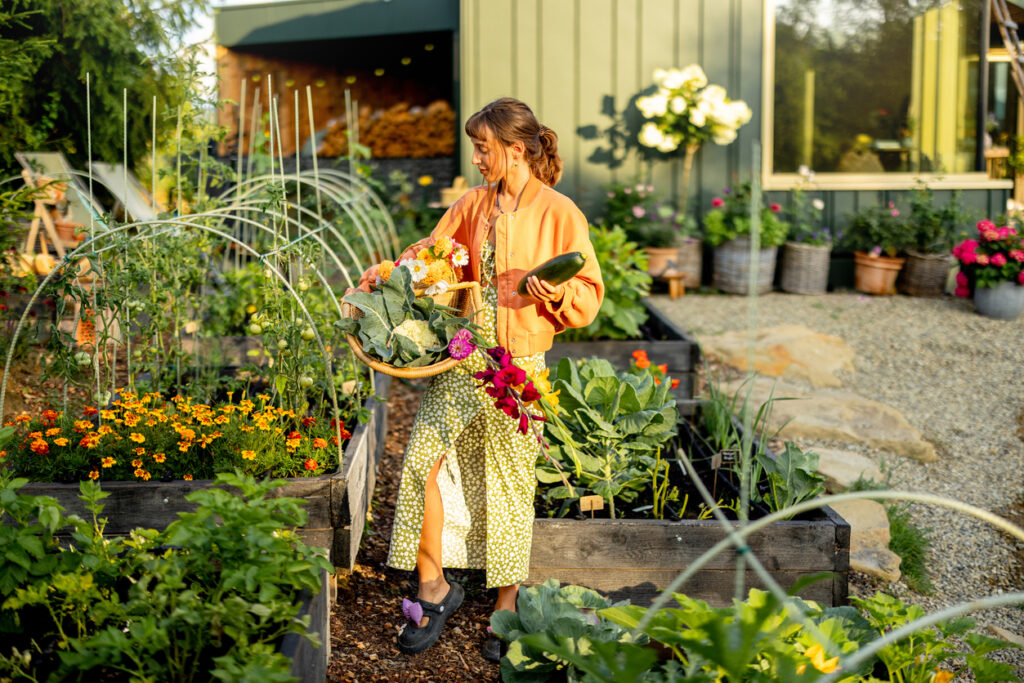
Some plants are slow starters. Others rocket up and then die back suddenly. Understanding the natural rhythm of what you’ve planted stops you panicking when it changes shape or drops its leaves. For example, spring bulbs disappear underground after blooming, but they’re not dead, they’re just sleeping. Learning to work with your plants’ timing makes you a more relaxed and successful gardener.
Watch out for overcrowding.
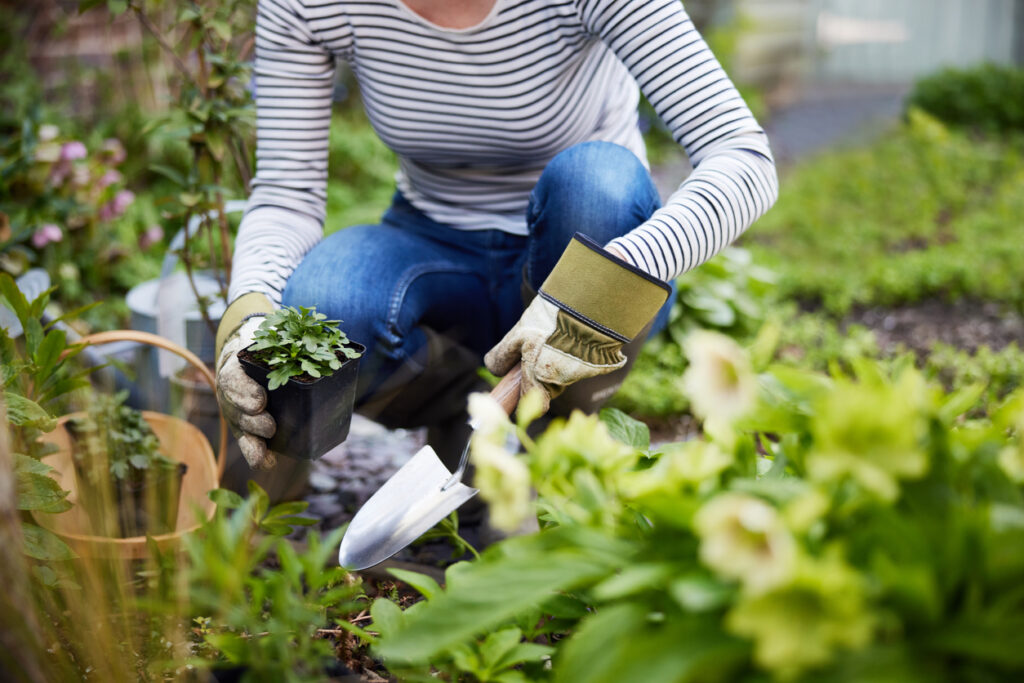
It’s tempting to cram loads of plants into one space, especially when everything’s small. But overcrowding means they compete for light, water, and nutrients, and none of them end up thriving. Give each plant enough space to grow to its full size. It might look sparse at first, but you’ll save yourself from constant pruning, poor airflow, and stressed-out greenery later on.
Mind the mulch.
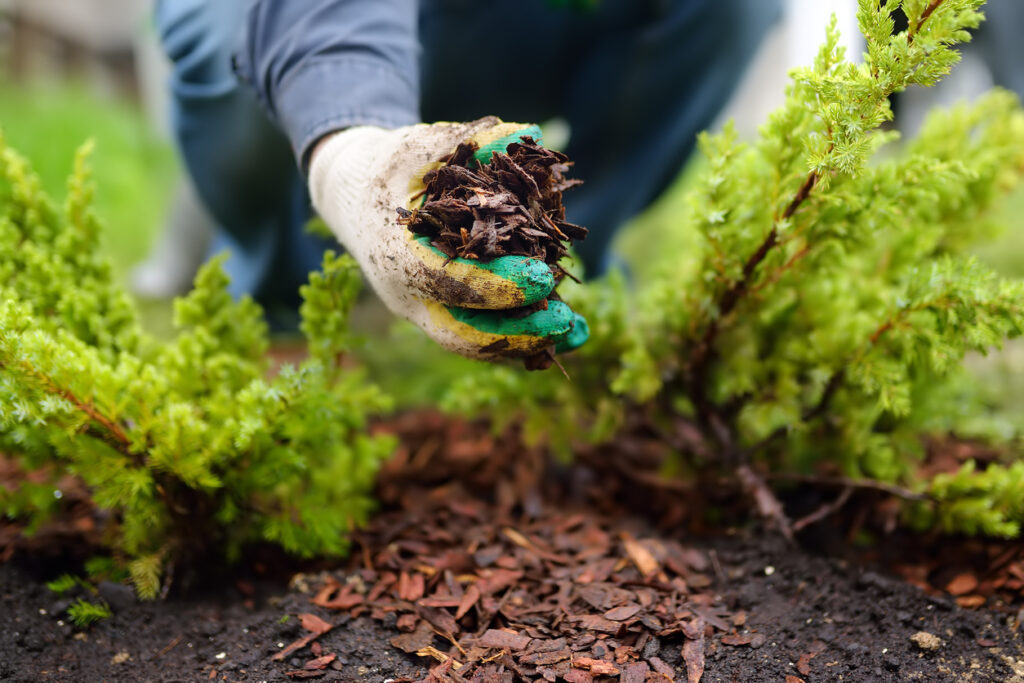
Mulching—adding a layer of compost, bark, or straw on top of the soil—helps with moisture retention, weed suppression, and overall plant health. However, the type of mulch you use matters. Woody mulches are great for trees and shrubs, but might rob annual flowers of nitrogen. Homemade compost or leaf mould suits most plants and improves soil as it breaks down. Just don’t pile it against stems.
Learn the signs of stress.
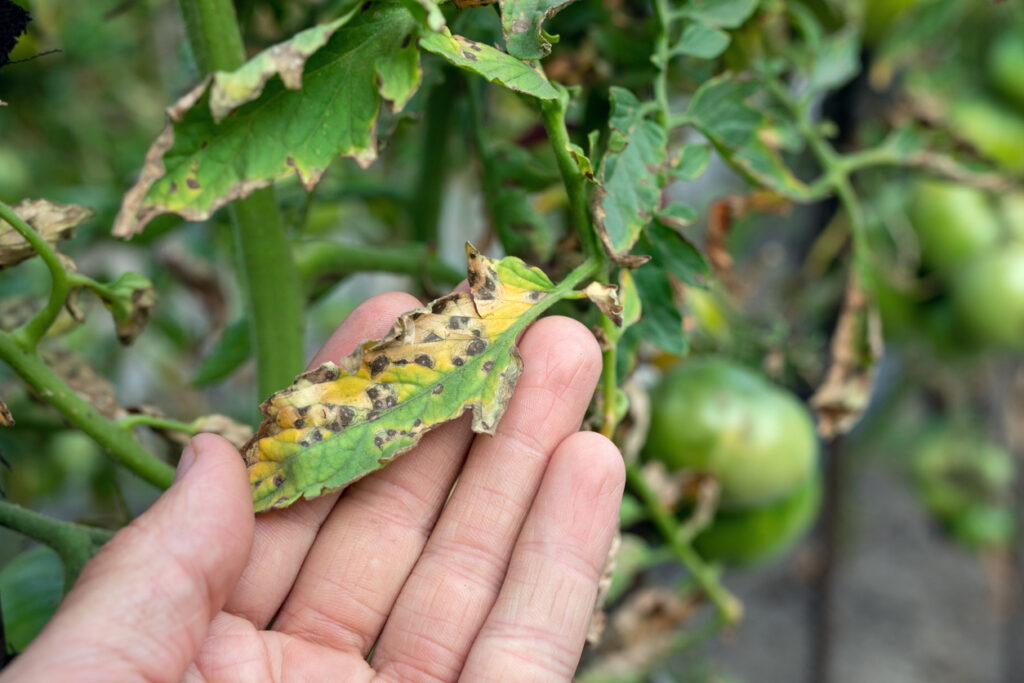
Plants can’t shout, but they can definitely sulk. Yellow leaves, stunted growth, brown tips—these are signs something’s off, whether it’s watering, pests, or light levels. The earlier you spot stress, the easier it is to fix. Keep an eye on new growth, leaf colour, and overall posture. A bit of detective work now saves a lot of damage later.
Deadhead and prune with care.
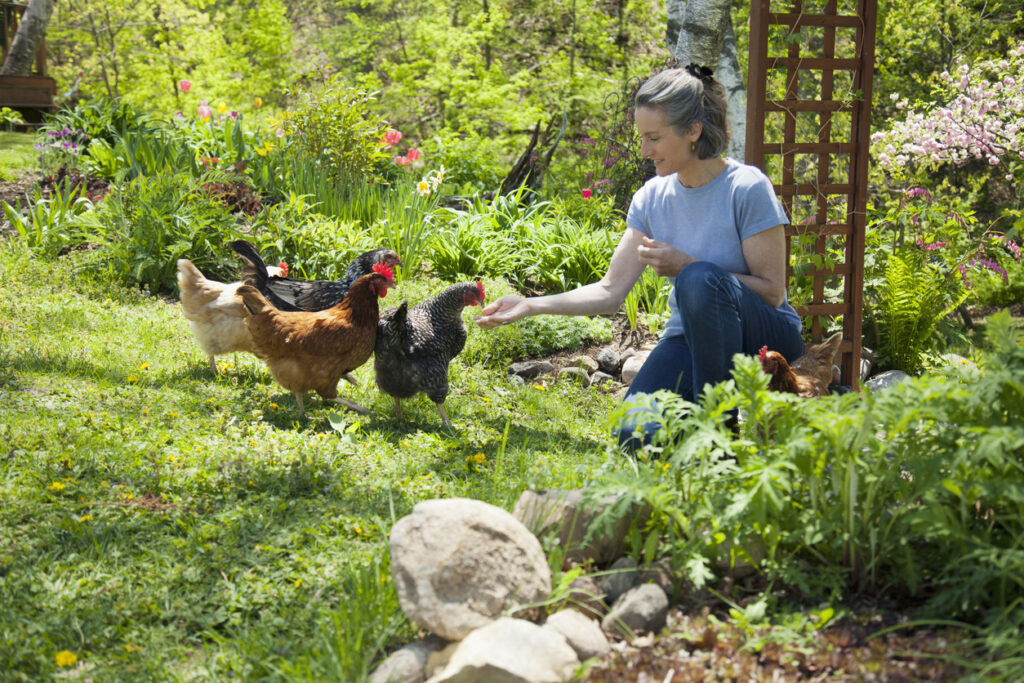
Some plants bloom more if you remove old flowers. Others, like shrubs or fruit trees, benefit from occasional structural pruning to keep them healthy and productive. That being said, timing matters. Prune spring bloomers after flowering. Cut back summer flowers to encourage more blooms, and never hack away without checking what you’re dealing with—you might be chopping off next year’s show.
Potted plants need extra attention.
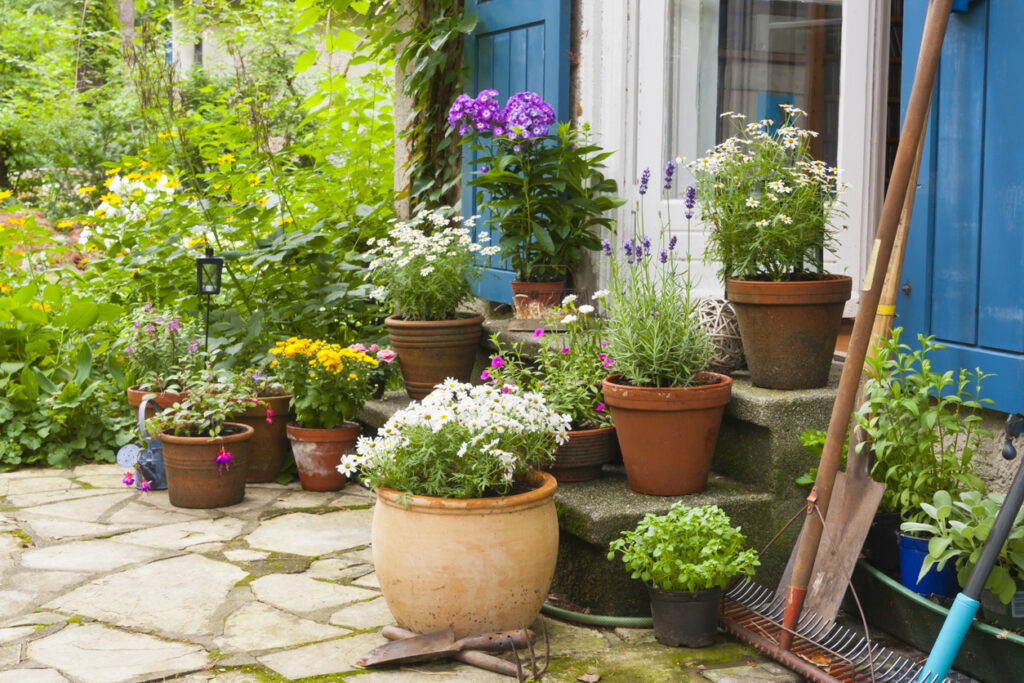
Plants in containers dry out faster, run out of nutrients quicker, and are more exposed to heat and cold. They’re brilliant for small spaces, but they need a bit more care than border plants. Use good quality compost, water them regularly (sometimes daily in summer), and feed them every few weeks. Also make sure pots have drainage holes, or you’re just planting in a bucket of sludge.
Seasonal care makes all the difference.
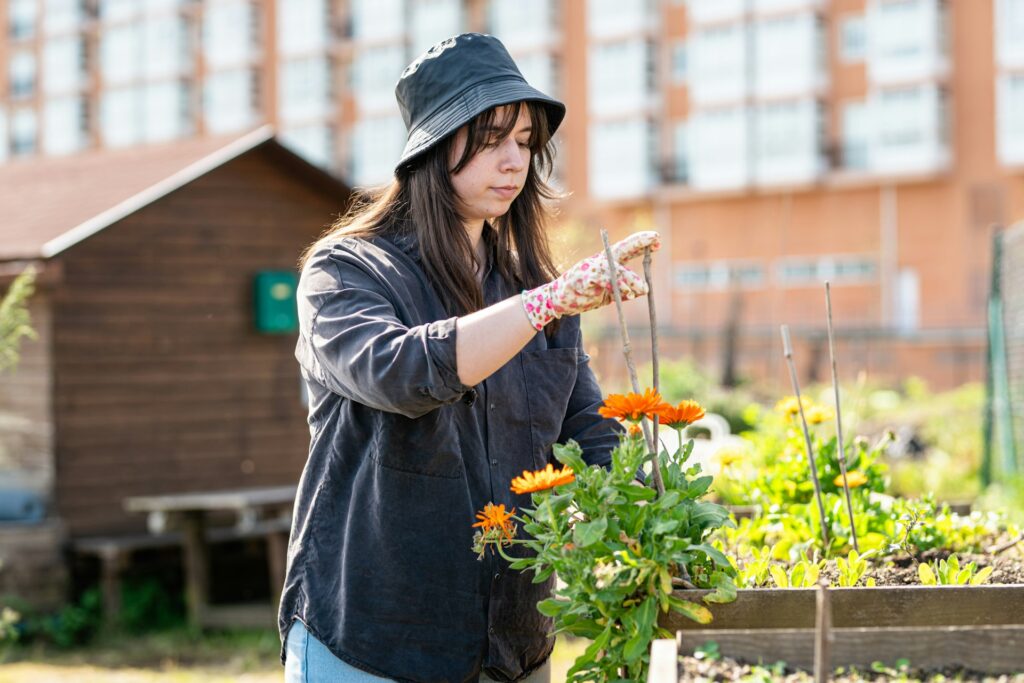
Gardening isn’t just a spring hobby. Autumn and winter are just as important for things like mulching, dividing perennials, and preparing for the next year. Even a bit of tidying, light pruning, or covering vulnerable plants before a frost can make a huge difference to how well your garden bounces back in spring.
Know when to let go.
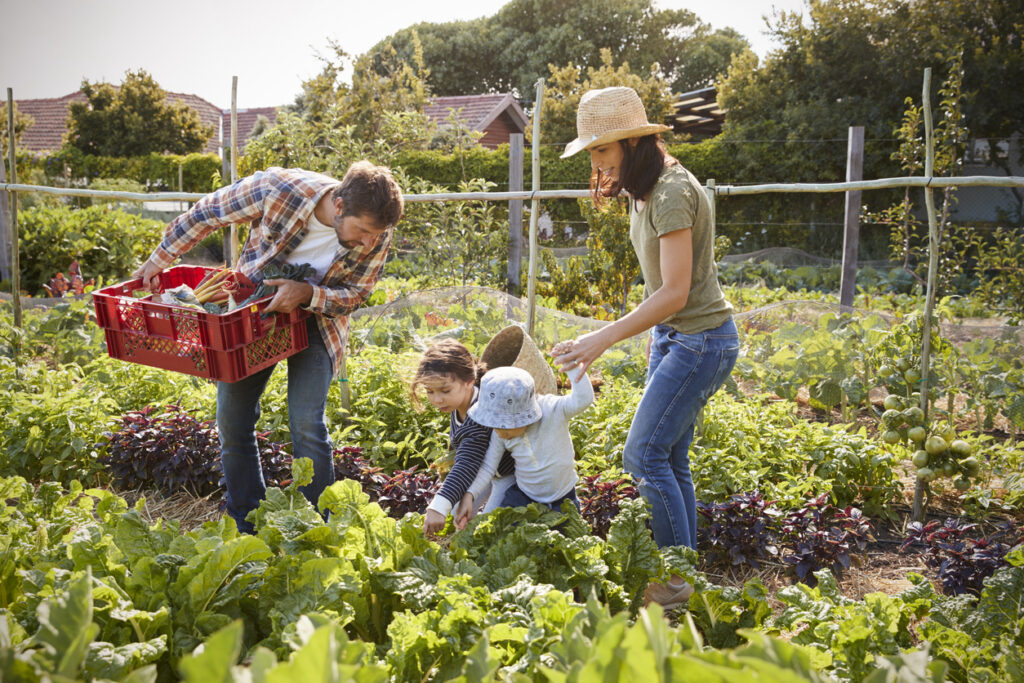
Sometimes, despite your best efforts, a plant just isn’t happy. It might be the wrong spot, the wrong soil, or the wrong climate, and that’s okay. Not every plant will thrive, no matter how much you want it to. Learning to replace what doesn’t work, rather than forcing it to survive, is part of being a confident gardener. It’s not failure, it’s editing. Every garden is a work in progress.
Your time and energy are part of the ecosystem too.
The best gardens aren’t the ones with the rarest plants—they’re the ones that match the person caring for them. There’s no point building a fussy garden if you’ve only got time for a quick weekly tidy. Pick plants that match your lifestyle, energy level, and interest. The more realistic your choices, the more likely you are to enjoy it, and the more your garden will thrive long-term.