Every time there’s a thunderstorm, the same question tends to pop up: why do we see the lightning straight away, but the thunder rolls in a few seconds later?
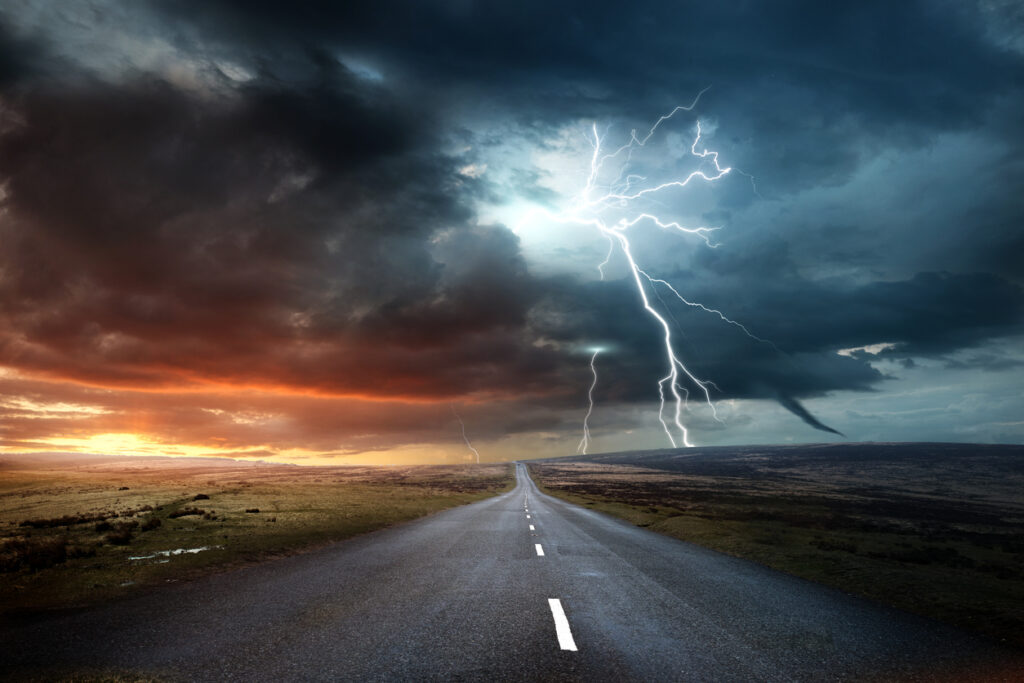
They’re both part of the same burst of energy, so surely they should happen together, right? Well, they do, but the reason they feel out of sync comes down to how your brain receives sound and light. It’s one of those everyday science quirks that’s weirdly satisfying once you understand it. Here’s a closer look at why thunder always seems to trail behind the lightning, even though they happen at the same moment.
Lightning and thunder are from the same event.

Lightning isn’t just a flashy light show—it’s a huge electrical discharge that rapidly heats the air around it. That sudden heating causes a shockwave, which is what we hear as thunder. So yes, they’re absolutely part of the same process. The lightning creates the thunder, not the other way around. But even though they happen at the same time, your eyes and ears don’t register them simultaneously.
Light travels way faster than sound.
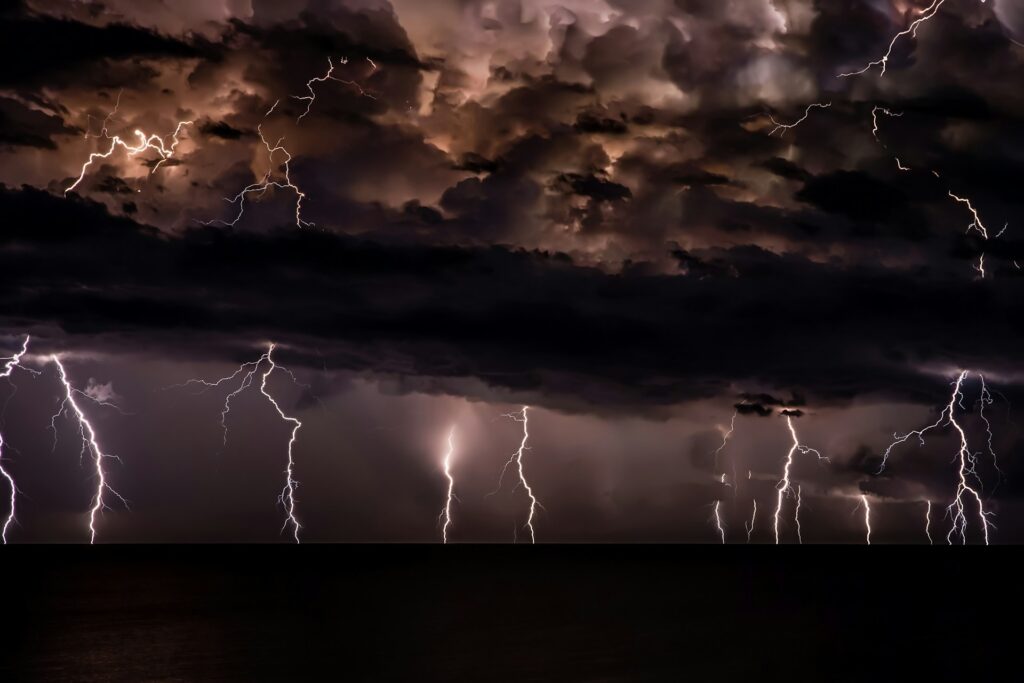
The reason lightning always shows up first is simple: light is much, much faster than sound. Light zips along at nearly 300,000 kilometres per second. Sound creeps along at around 340 metres per second. So while the light reaches you almost instantly, the sound needs a bit more time to catch up. That delay between the flash and the rumble is just the sound finishing the journey your eyes already made in a split second.
Thunder is basically a sound wave.

Thunder isn’t some spooky, separate phenomenon. It’s just a giant sound wave caused by the rapid expansion of air. When lightning strikes, it heats the air to around 30,000 °C—that’s hotter than the surface of the sun. This sudden burst of heat causes air to expand violently, creating a pressure wave that moves outward as sound. It’s a literal sonic boom, just one that’s been shaped by clouds and air currents.
The further the lightning, the longer the delay.

The delay between seeing lightning and hearing thunder is a handy way to figure out how far away a storm is. The general rule? Every three seconds between flash and rumble equals roughly one kilometre. So if you count six seconds, the lightning hit around two kilometres away. If the thunder claps instantly after the flash, it probably struck very close, and that’s your cue to head indoors fast.
Sometimes you don’t hear thunder at all.
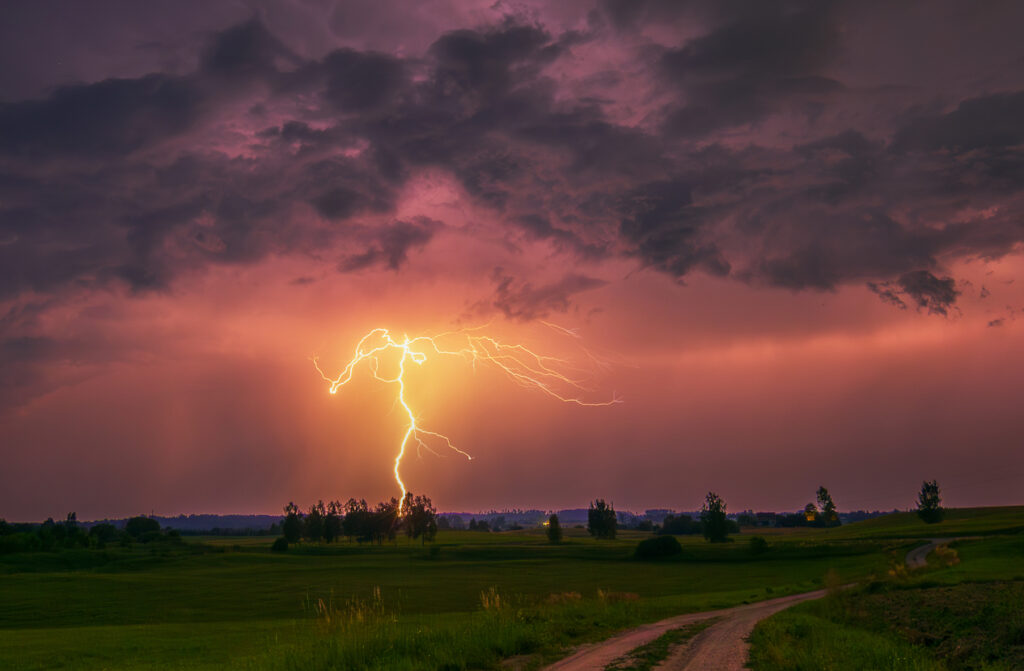
Ever seen a lightning flash and then… nothing? That’s not a ghost storm. It just means the thunder was too far away to reach you. This is often called “heat lightning,” even though it’s no different from regular lightning. Sound waves weaken the further they travel. If the lightning struck more than about 20 kilometres away, the thunder may have faded completely before getting to your ears.
Weather conditions can muffle or stretch the sound.
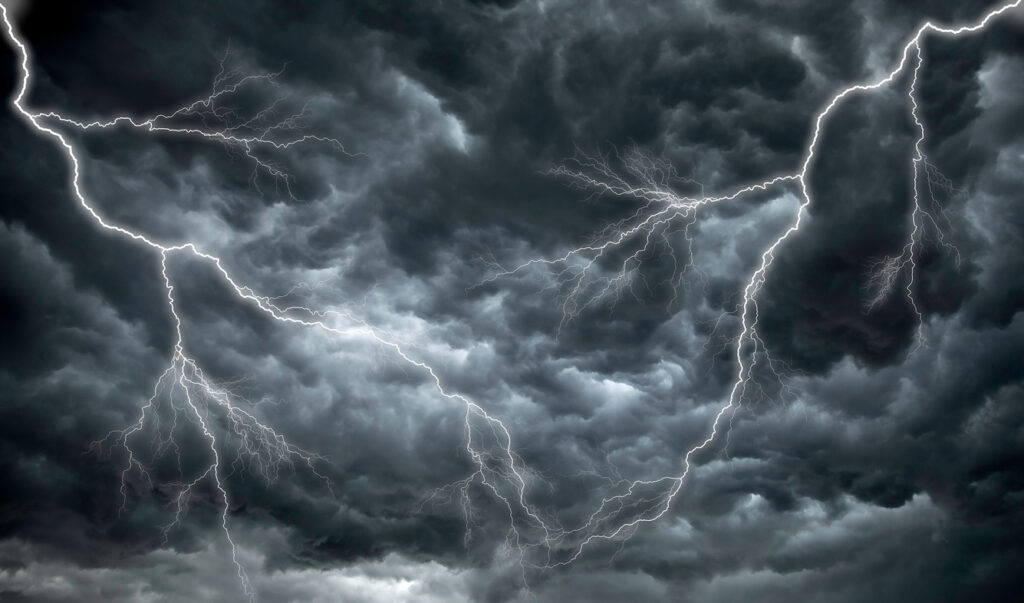
Thunder doesn’t always sound the same. Sometimes it’s a sharp crack. Other times, it rolls for ages. The shape of the landscape, cloud cover, and even wind direction can all change how the sound reaches you. Flat land or open areas let thunder echo and travel further. Hilly terrain or heavy rainfall might muffle it. The actual sound of thunder is surprisingly complex—and it rarely travels in a straight, simple line.
Your brain plays a part in the delay, too.
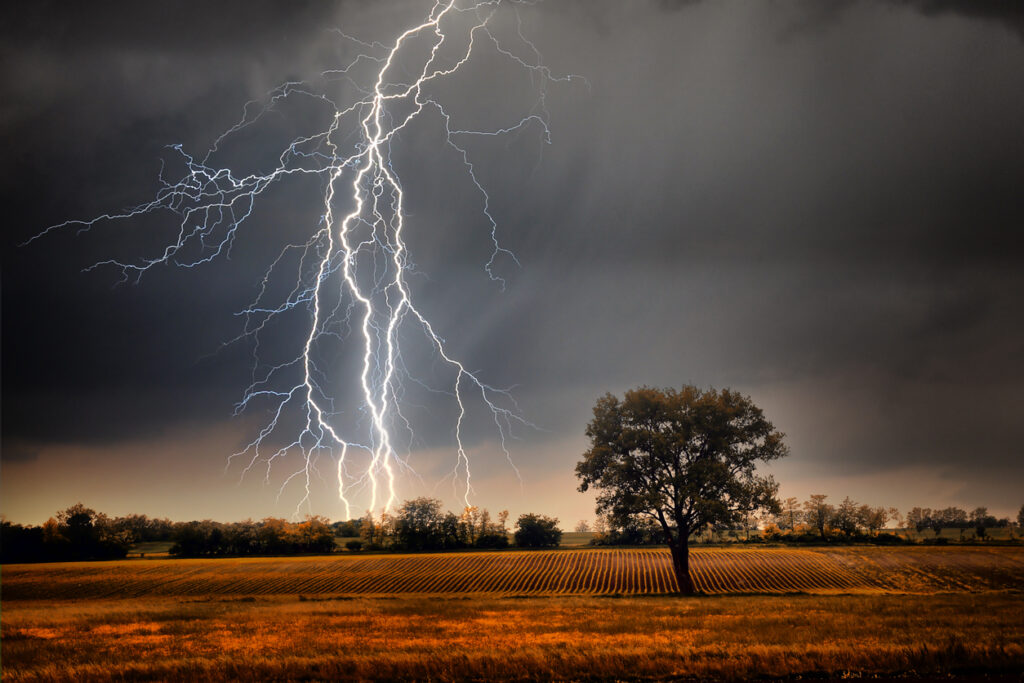
Your brain is pretty quick, but it still takes a bit longer to process sound than light. Even if thunder and lightning hit simultaneously, your body isn’t wired to experience them that way. You see lightning with your eyes instantly and interpret it in milliseconds. But sound takes longer to reach your ears, and even longer for your brain to decode it. So some of that delay is internal.
Multiple rumbles can come from a single flash.
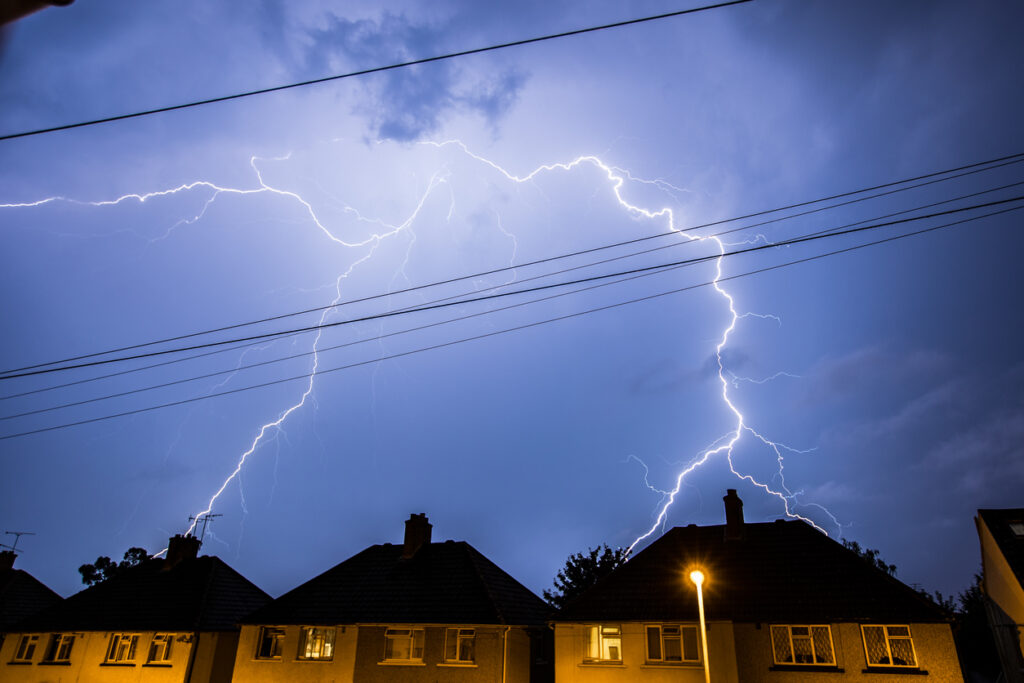
Ever noticed how thunder can seem to roll for ages? That’s not multiple lightning strikes—it’s often one bolt echoing or bouncing off clouds, buildings, or hills in the distance. Because sound waves can reflect and stretch out, you might hear a low rumble that lasts for several seconds. It’s a reminder of how powerful—and far-reaching—a single lightning strike can be.
You can’t have thunder without lightning.
Despite what some storm myths suggest, there’s no such thing as thunder without lightning. Thunder is the sound of lightning—it just doesn’t always make itself heard, especially if it’s far away. So next time you hear a rumble without spotting the flash, you either missed the lightning… or it was hidden behind clouds. The two are always linked, even if they don’t always show up together.
It’s a safe way to measure danger.
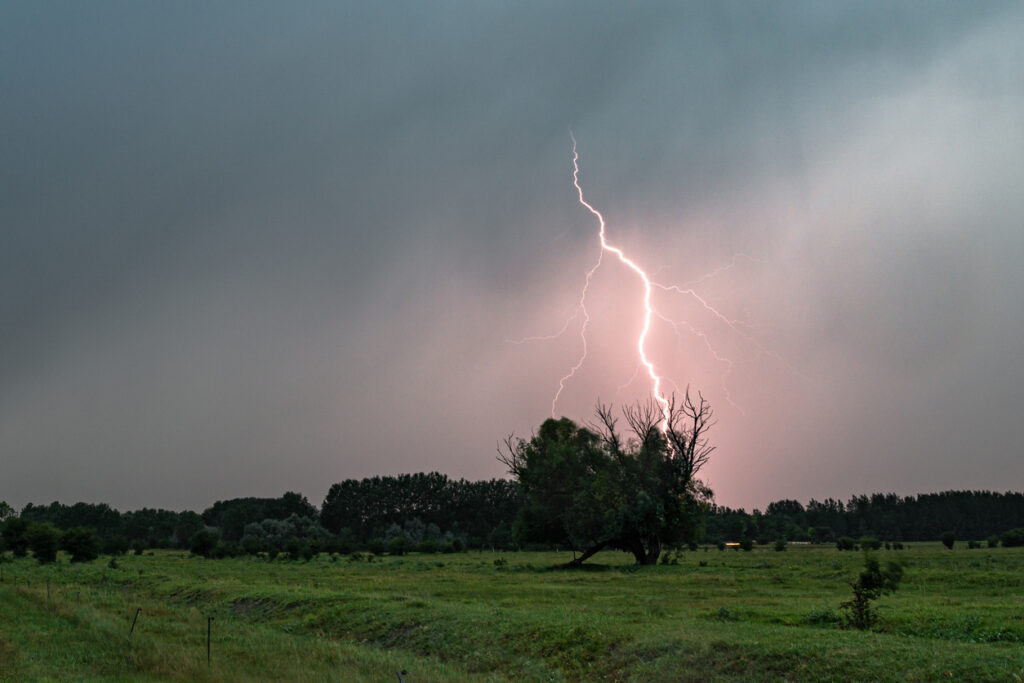
That delay between flash and thunder isn’t just interesting—it’s useful. If the gap between lightning and thunder is shrinking, it means the storm’s getting closer and you should take cover. On the flip side, if the gap is growing, the storm’s moving away. Keeping track of that count can help you stay aware of how close the danger is, especially if you’re outdoors without weather alerts.