It’s one of those questions that sneaks up on you while you’re watching a spider effortlessly dance across its web like it’s on a tightrope.

How is it not getting completely tangled up like everything else? Webs are famously sticky. They’re designed to trap prey mid-flight. So how does the spider avoid becoming its own victim? As it turns out, there’s a whole system of smart adaptations, clever movement, and chemical tricks at play. Here’s how spiders walk the sticky line without ever getting stuck.
Not all of the web is actually sticky.

Spiders are strategic about where they place the glue. In many webs, especially classic orb webs, only certain strands are coated with sticky droplets. These are usually the spiral capture threads in the middle part of the web, where flying insects are most likely to land.
The rest of the web, including the frame and the radial threads that connect to the centre, are made from non-sticky silk. That means spiders can move freely across most of their web without risking a sticky situation at all.
They memorise the layout of their own web.
Spiders are surprisingly good at spatial memory. Once they’ve spun their web, they remember the safe paths, the non-sticky support threads, and stick to them. They know exactly which lines are safe to walk on and which ones are better left for the prey. That’s why you’ll often see a spider carefully stepping along particular lines instead of just wandering anywhere. It’s a bit like knowing which floorboards creak, except with more silk and less drama.
Their feet are designed to repel stickiness.
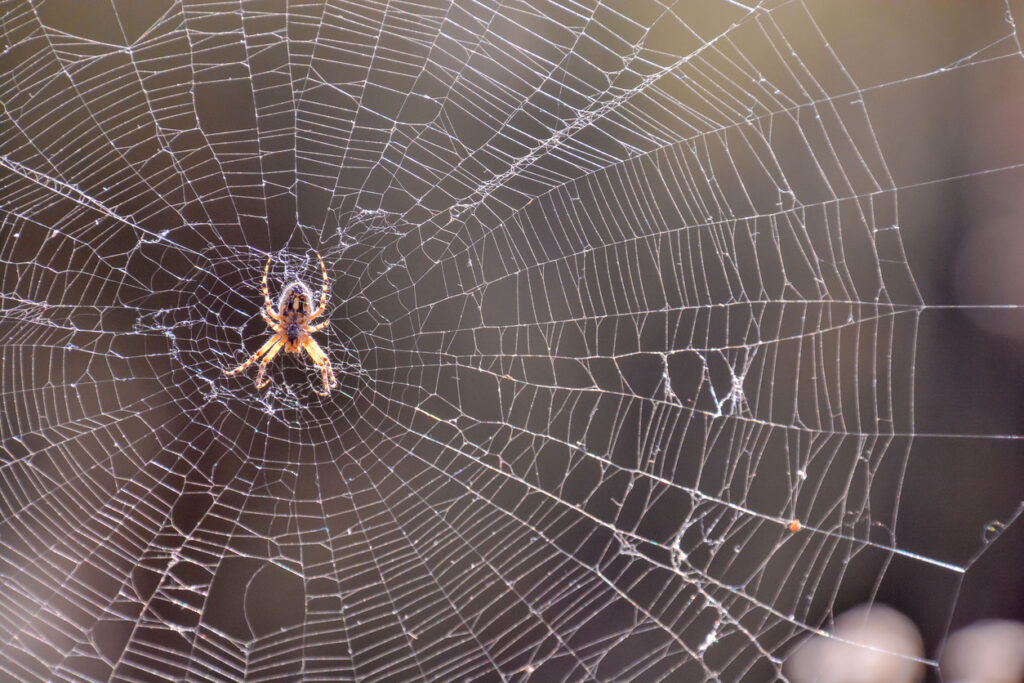
Spider feet aren’t like ours; they’re covered in tiny hairs and structures that help reduce contact with sticky surfaces. These fine hairs, called setae, spread out their weight and prevent their feet from sinking into the gluey threads. It’s similar to how snowshoes help you walk across soft snow without sinking. The wider the surface area, the less likely it is to get trapped. Spiders use this principle on a microscopic scale to stay tangle-free.
They produce a special anti-stick coating.

Research suggests that spiders may secrete an oily or waxy substance from their feet that helps prevent glue from sticking to them. This natural anti-adhesive works like a shield, allowing them to touch sticky threads without becoming glued in place. It’s not fully understood yet, but some studies have found residues on spiders’ legs that support this theory. It’s basically nature’s version of Teflon, but way cooler and built-in.
Their movements are incredibly precise.
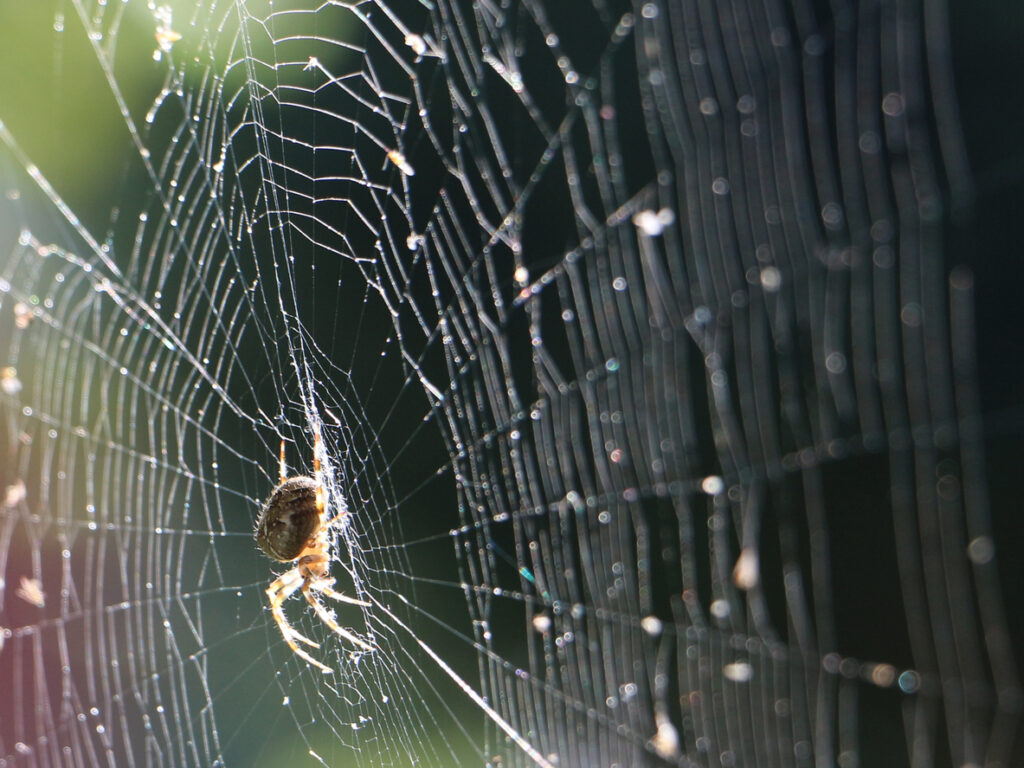
Spiders don’t blunder around their webs like a clumsy tourist. They move with slow, deliberate precision, carefully placing each foot exactly where it’s meant to go. This reduces the chance of accidental contact with sticky threads. They also use a pattern of walking that keeps multiple feet on safe, non-sticky lines at any given time. It’s more choreographed than it looks, kind of like tiptoeing across a trap you set for everyone else but yourself.
They groom themselves constantly.

If a spider does happen to pick up some sticky residue on its legs, it has a solution: intense self-cleaning. Spiders regularly clean their legs using specialised mouthparts called pedipalps, and sometimes even their fangs. It’s not just about staying tidy, it’s maintenance. Keeping their legs free of debris and excess webbing helps ensure they can keep moving cleanly and avoid becoming tangled in their own trap.
Web silk varies in texture and use.
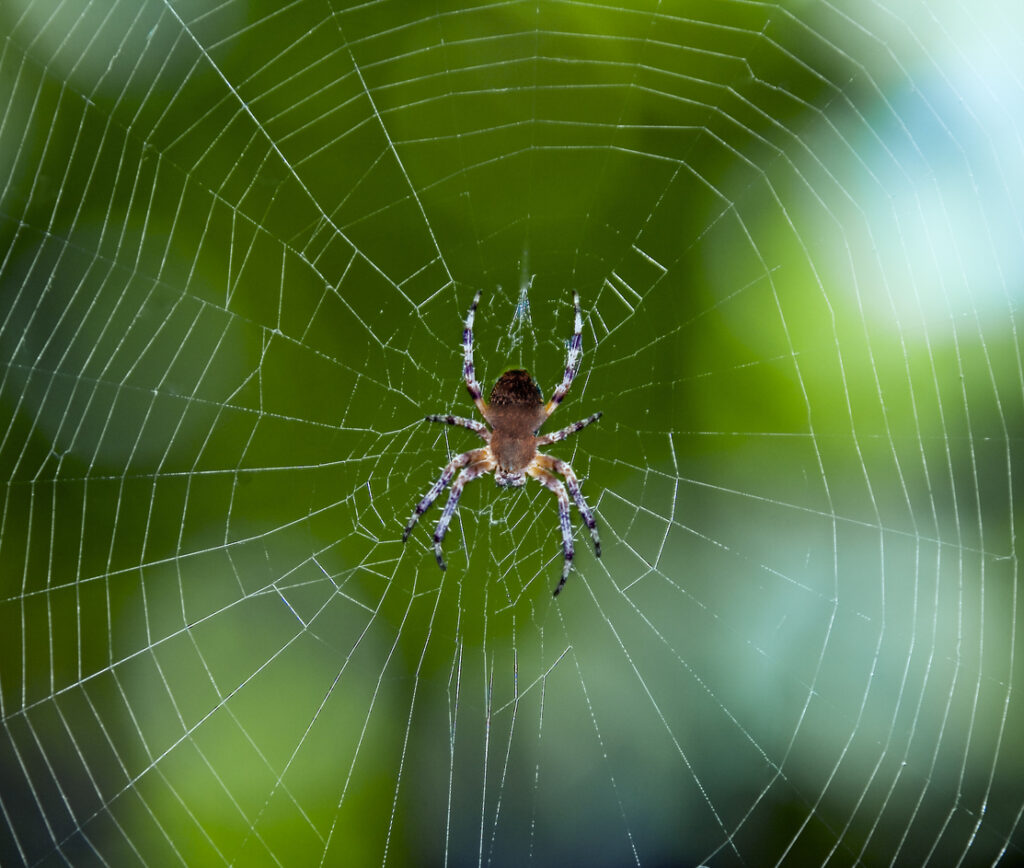
Spiders don’t just use one type of silk. They produce several kinds, each designed for different purposes—some are tough and tensile, others stretchy and sticky. This diversity helps build webs that are both deadly and navigable. The sticky silk is usually laid down after the main structure is complete, so spiders don’t even come into contact with it until it’s time to catch dinner. By separating the sticky strands from the footpaths, they give themselves a built-in escape route.
They build their webs in a deliberate sequence.
Web-building is a carefully orchestrated process. Spiders start with the non-sticky framework, building the outer rings and radial lines first. Only once that scaffolding is in place do they add the sticky spiral sections for trapping prey. Because of this order, the spider never has to walk on sticky silk during construction. It always has something stable and clean to cling to. It’s methodical, efficient, and impressively foolproof.
They use their sense of vibration to navigate.
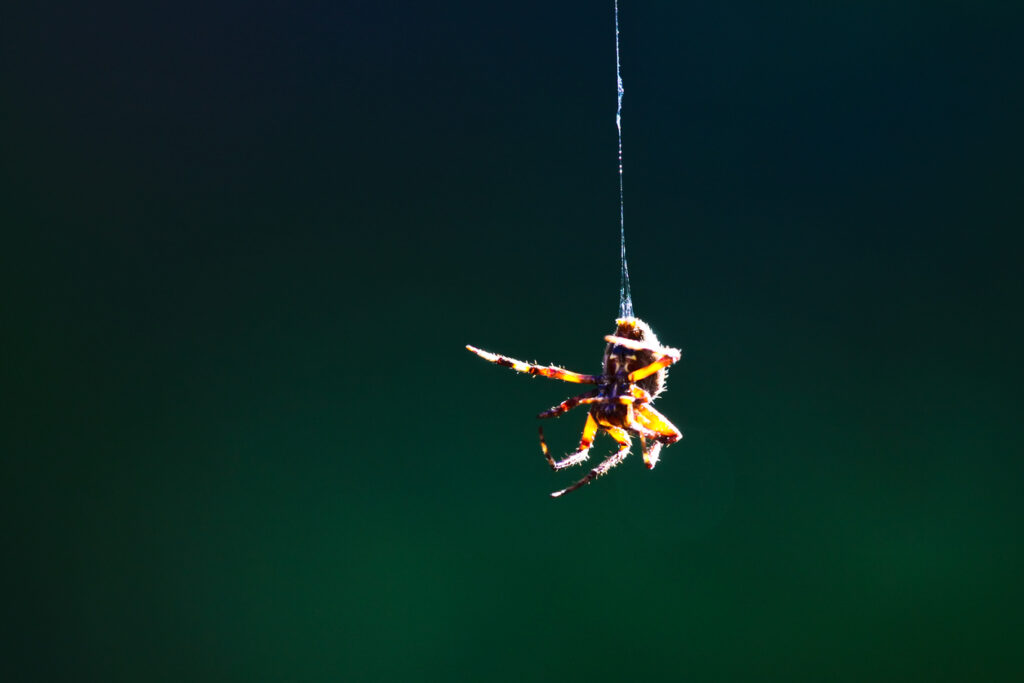
Spiders don’t rely much on sight; they’re more tuned in to vibrations in the web. Their legs are sensitive to tiny movements, which helps them detect where prey has landed and where they can safely step next. This ability lets them “feel” their way through their web, avoiding sticky strands without even needing to see them. It’s like navigating a tightrope in the dark, but with six more legs and a built-in radar.
Different spiders build different types of webs.
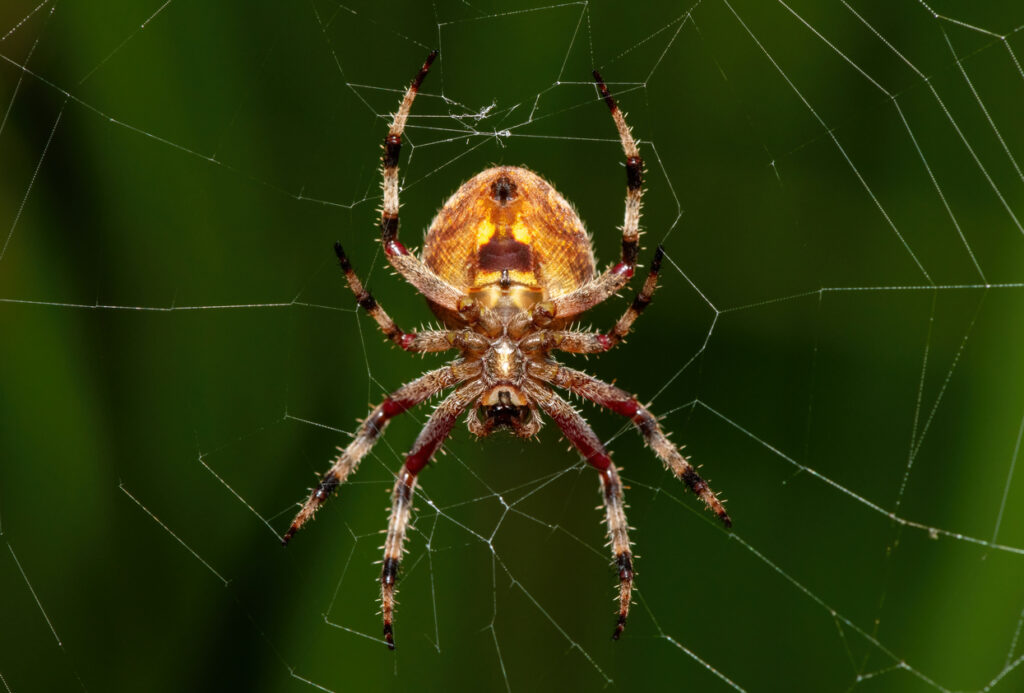
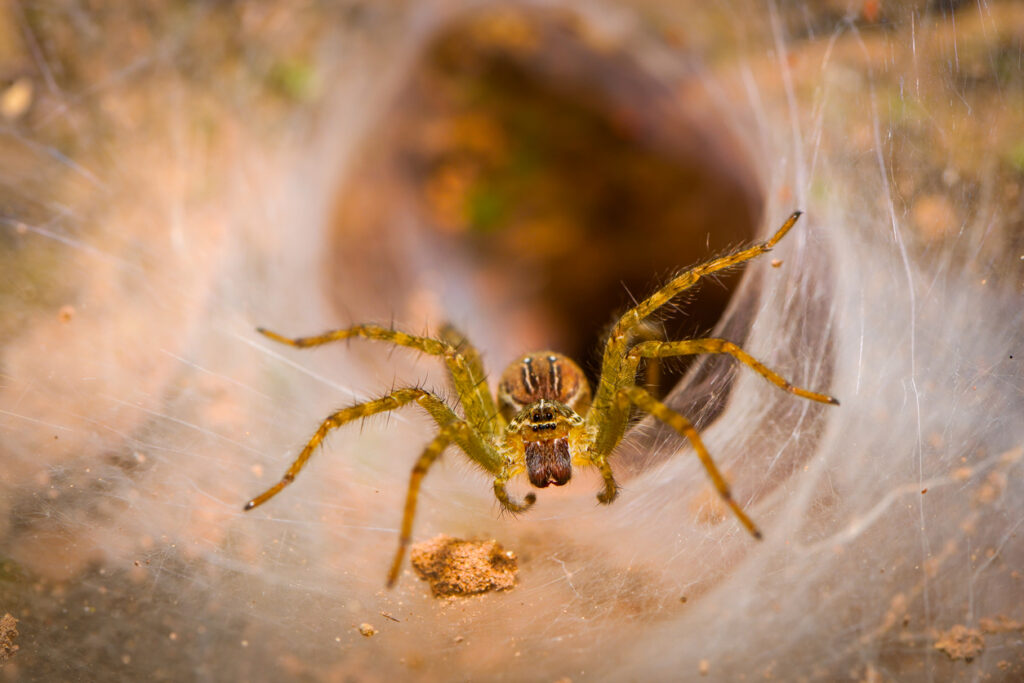
Not all spiders use the classic orb web. Some spin sheet webs, funnel webs, or tangled cobwebs. The construction, stickiness, and walking habits vary depending on the species and their environment. For example, cobweb spiders like the common house spider tend to hang out off the sticky parts and wait for prey to blunder in. Their approach is more about patience than precision dancing across silk.
Even they can make mistakes.
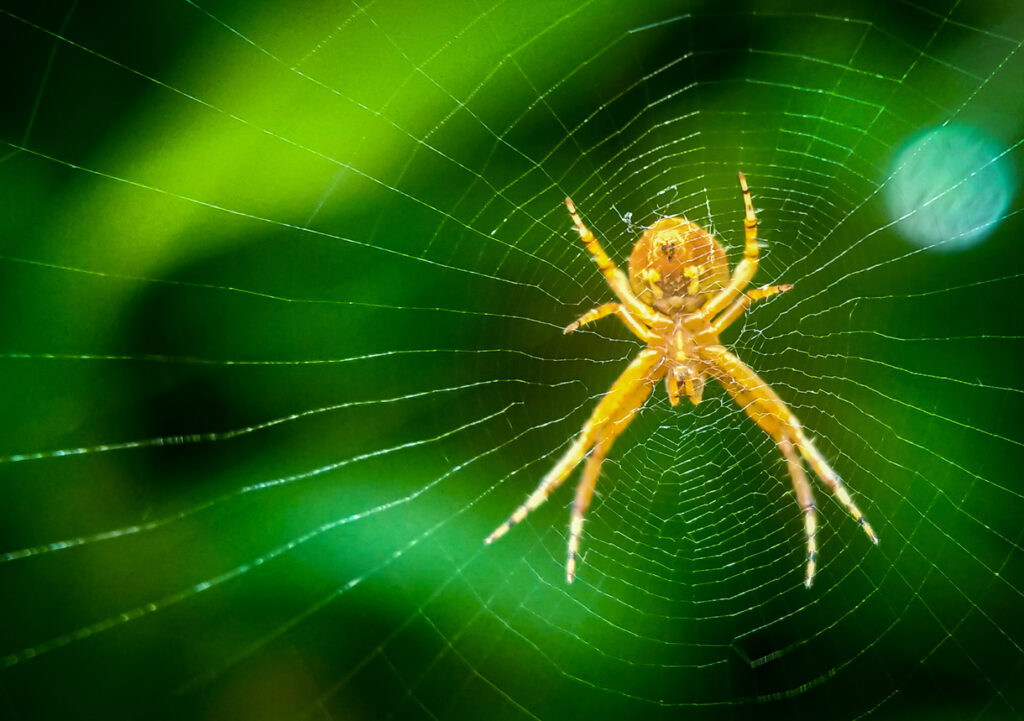
Despite all their adaptations, spiders do occasionally get caught in their own webs—especially when startled, injured, or moving quickly. But they usually escape by carefully grooming themselves or detaching the silk with their jaws. They’re not completely immune, just extremely good at managing their environment. Like any specialist, they’ve just spent a lifetime learning the ropes. Literally.
It’s all about evolution doing its thing.
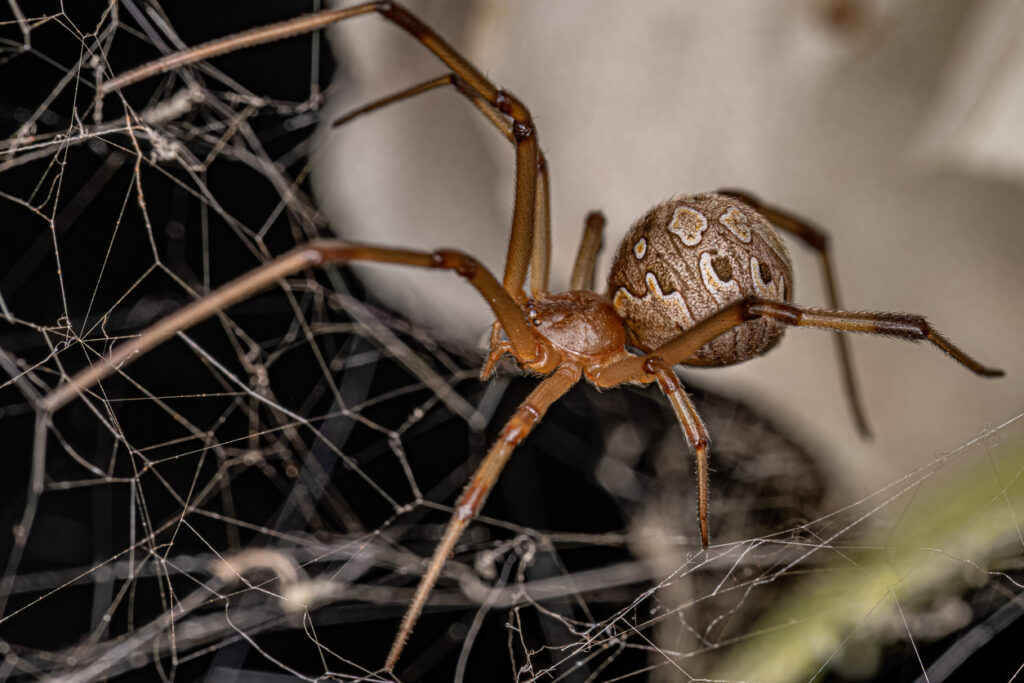
Spiders have been perfecting their web game for over 300 million years. In that time, natural selection has favoured those who could hunt efficiently without self-sabotage. So all these weird adaptations aren’t accidental—they’re survival tactics refined over countless generations.
The result is a creature that builds complex traps, senses its environment with incredible finesse, and tiptoes across a death trap without breaking a sweat. Not bad for something with no bones and a brain the size of a pinhead.