Wildflowers are one of the easiest ways to bring a burst of colour, life, and pollinator activity into your garden, all without much effort or ongoing care.

They’re hardy, low-maintenance, and often far more forgiving than traditional bedding plants. Whether you’ve got a patch of soil, a raised bed, or even just a few pots, wildflowers can turn any outdoor space into a buzzing, blooming mini-meadow. Here’s how to make sure they thrive and keep your garden lively all summer long.
Choose the right wildflower mix.

Not all wildflower mixes are created equal. Some are designed for meadows, others for pots or urban spaces. Read the label to make sure the mix suits your garden’s soil type and light levels. Look for a UK-native seed blend that includes a mix of annuals for immediate colour and perennials for long-term growth. This gives you blooms now and a natural comeback next year without replanting.
Pick a sunny spot if you can.
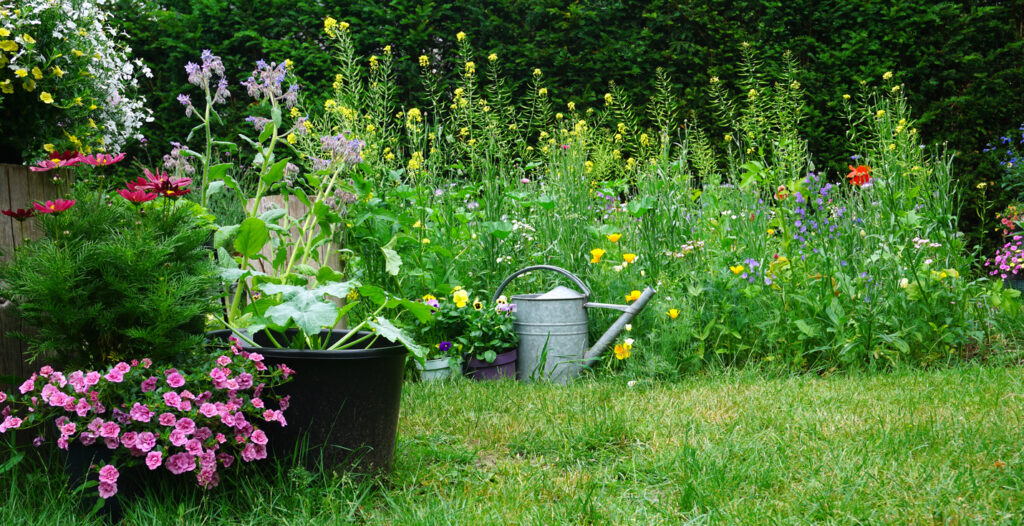
Most wildflowers love sunshine and will do best in areas that get at least six hours of light a day. Shade-loving options do exist, but they’re fewer and often slower to grow. If your garden is a mix of sun and shade, aim to sow your wildflowers where they’ll catch the most daylight. This encourages stronger stems, brighter blooms, and more regular flowering throughout the season.
Prepare your soil (but don’t overdo it).

Wildflowers prefer low-fertility soil, so you don’t need to dig in compost or add fertiliser. In fact, too much richness leads to leafy growth and fewer flowers. Instead, clear the area of grass and weeds, rake the soil to a fine tilth, and break up any big clumps. You want the seeds to have good contact with the soil for the best germination results.
Sow at the right time of year.
The best time to sow wildflower seeds in the UK is either spring (March to May) or autumn (September to October). Spring sowing gives summer colour, while autumn sowing prepares plants to bloom early next year. If you missed the perfect window, don’t worry. Some hardy mixes will still take if you sow them slightly later. Just water well and be patient while they establish.
Scatter your seeds evenly.
It’s tempting to dump a handful of seeds in one spot, but that can lead to patchy growth. Mix your wildflower seeds with sand (silver sand works well) to help spread them more evenly by hand. This trick helps you see where you’ve already sown and avoids clumping. A light rake afterwards presses them into the soil just enough. Don’t bury them too deep, or they won’t germinate.
Water gently at the start.
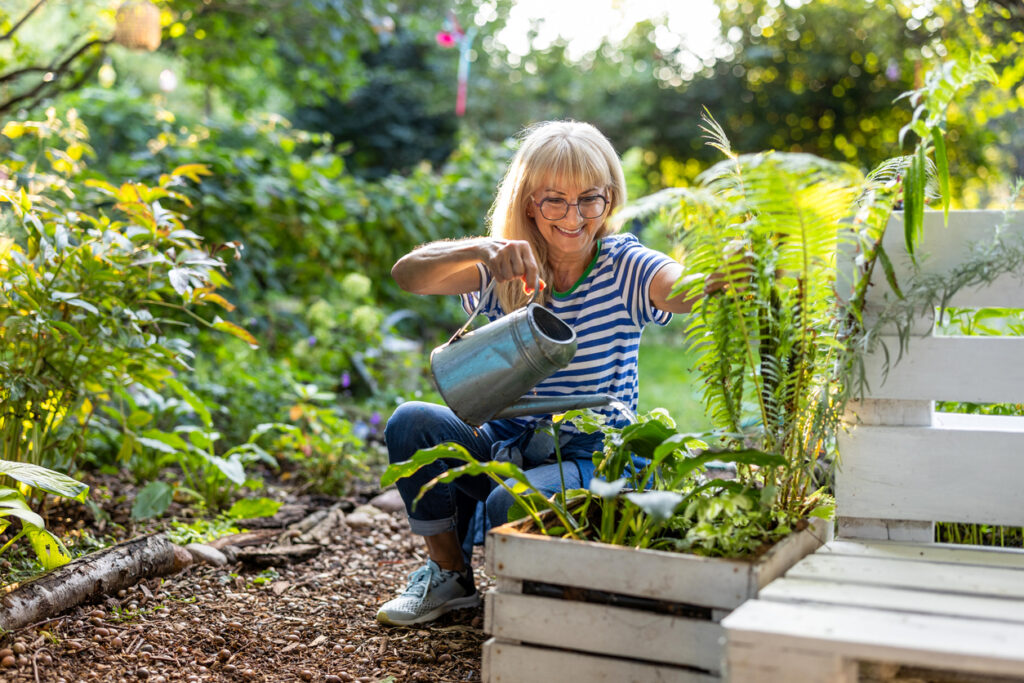
Wildflowers don’t need constant watering, but they do need a gentle start. For the first few weeks after sowing, water with a fine spray when the soil feels dry to the touch. Once the seedlings are a few inches tall, you can back off. Most wildflowers are surprisingly drought-tolerant once established, and actually prefer not to be fussed over too much.
Don’t panic if germination is slow.

Some wildflowers pop up quickly, others take their sweet time. Germination can range from a few days to several weeks, especially if spring temperatures are unpredictable. As long as the area’s been kept weed-free and watered gently, chances are the seeds are just doing their thing underground. Keep an eye out and don’t assume failure too soon.
Weed carefully while plants establish.
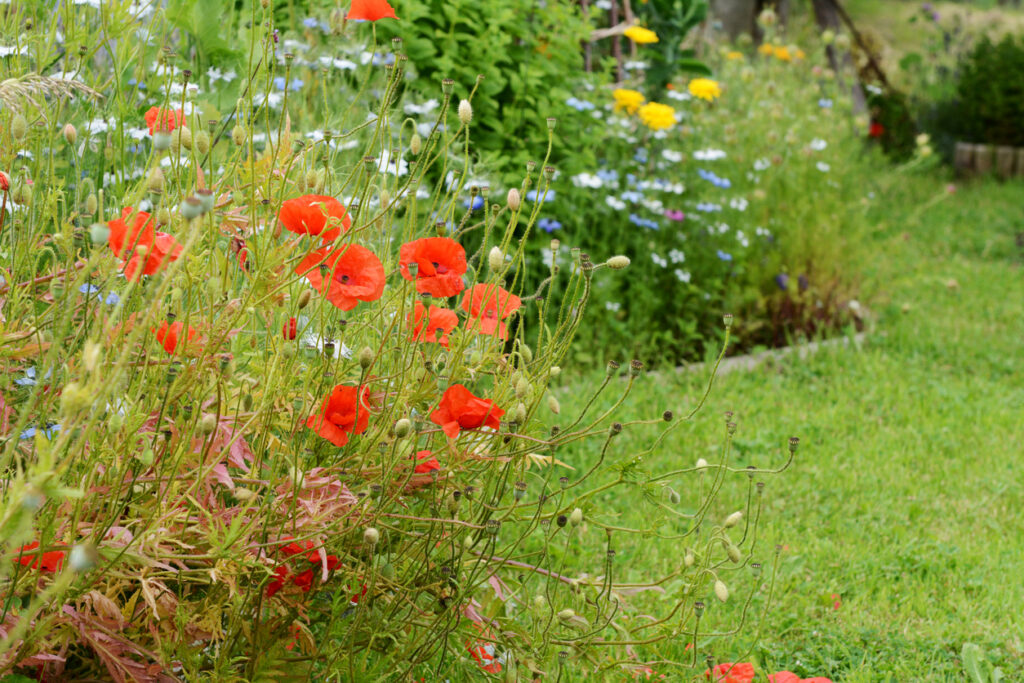
In the early stages, weeds can outcompete your seedlings. It’s important to remove any obvious intruders, but do so carefully, as wildflower seedlings can be delicate and easy to mistake for weeds. Try to identify what your seedlings should look like beforehand using photos of common wildflower mixes. This helps you avoid pulling out the good stuff by mistake.
Let them grow wild and unruly.
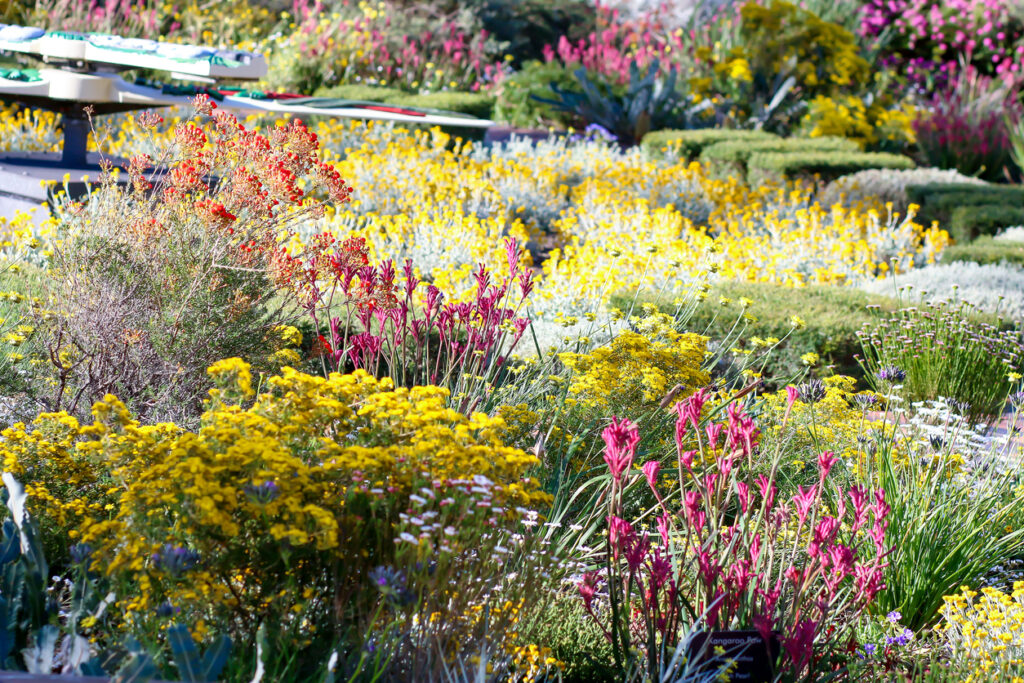
The charm of wildflowers lies in their carefree look. Once they get going, resist the urge to tidy them up. Let them spill, lean, and mix naturally since that’s part of their appeal. This messy look also supports pollinators like bees, butterflies, and hoverflies, who prefer varied heights and shapes in their feeding spots. Think meadow, not manicured border.
Deadhead annuals to extend flowering.

While many wildflowers are low maintenance, a little deadheading goes a long way. Removing spent blooms encourages annuals to keep producing more flowers through summer. Just pinch or snip off faded flowers every few days. It’s a simple way to boost colour while keeping the plants from focusing too early on seed production.
Leave some blooms to seed naturally.

In late summer, let some of your wildflowers go to seed. This allows them to drop seed into the soil naturally, setting the stage for next year’s flowers without any extra effort on your part. It also provides food for birds and shelter for insects heading into autumn. Don’t rush to clear everything once it starts looking less tidy. There’s a purpose to the seed heads and stems.
Cut back at the right time.

Once flowering’s finished and the seeds have dropped, cut back the wildflower area to around 5–10 cm high. This is usually around September or October for summer mixes. Rake up and remove the cuttings to keep the soil lean, otherwise, they’ll rot and enrich the soil, which wildflowers don’t like. This helps your patch come back strong next year.
Use pots and containers for small spaces.
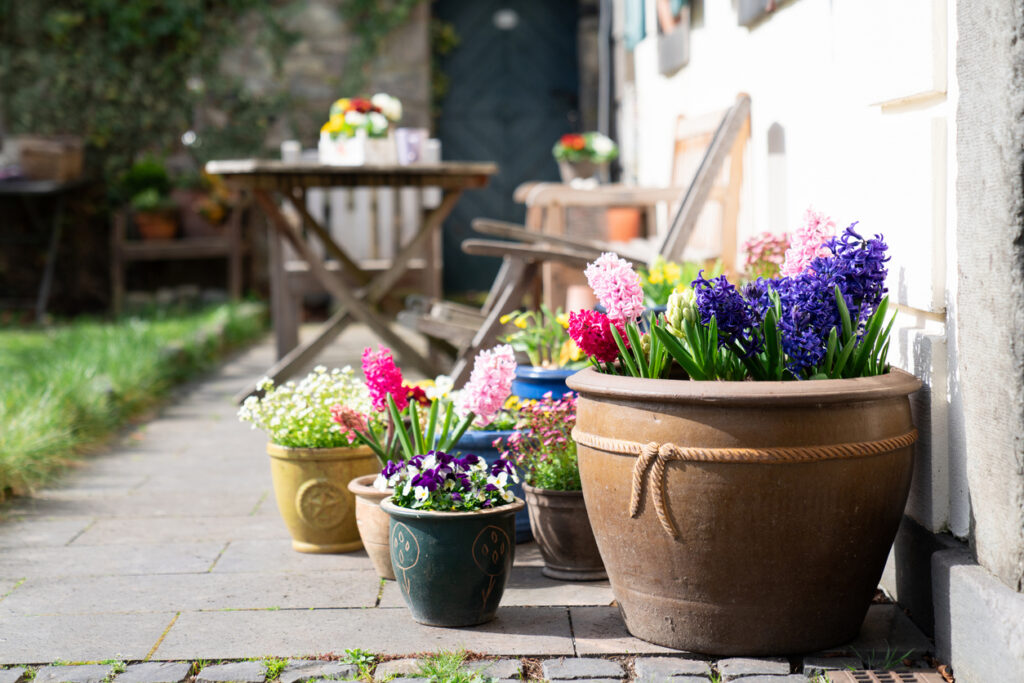
If you don’t have a garden, you can still grow wildflowers in pots. Choose a deep container, use low-nutrient compost or soil, and follow the same sowing rules. They might grow a little shorter, but they’ll still flower beautifully and attract pollinators to patios, balconies, or even window boxes. They’re great for renters or anyone with limited space.
Add companion plants for structure.
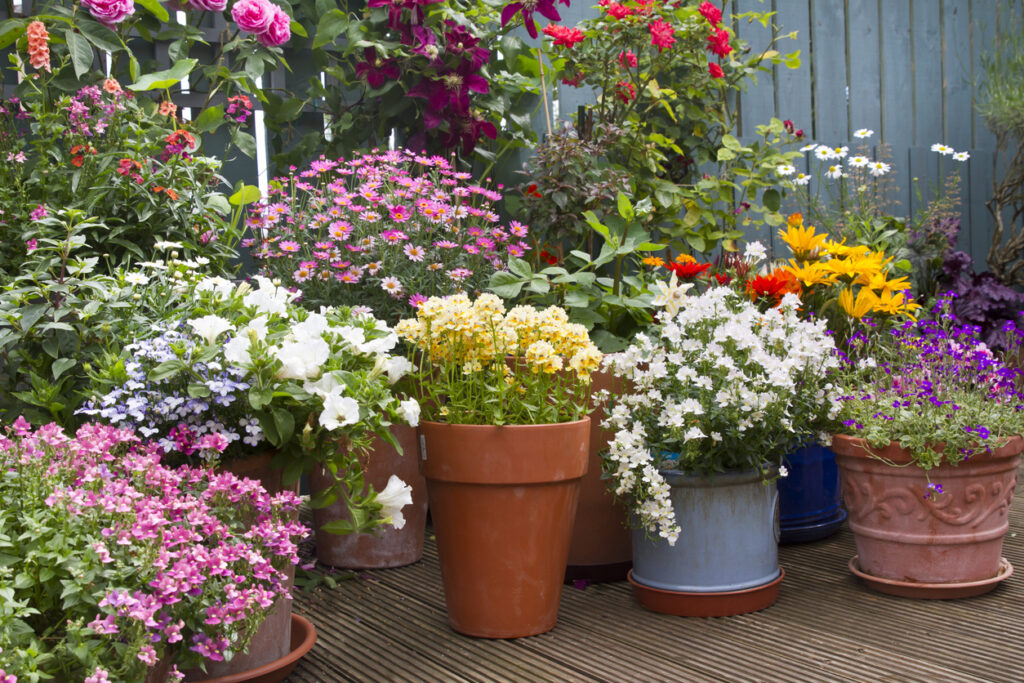
While wildflowers offer a lot on their own, you can mix in a few taller grasses or herbaceous perennials to create height and contrast. This helps break up the chaos with a bit of structure. Try pairing them with ornamental grasses, lavender, or even taller daisies to create a naturalistic look that feels both wild and intentional. Just keep the soil on the leaner side to avoid crowding.
Choose flowers that suit wildlife, too.
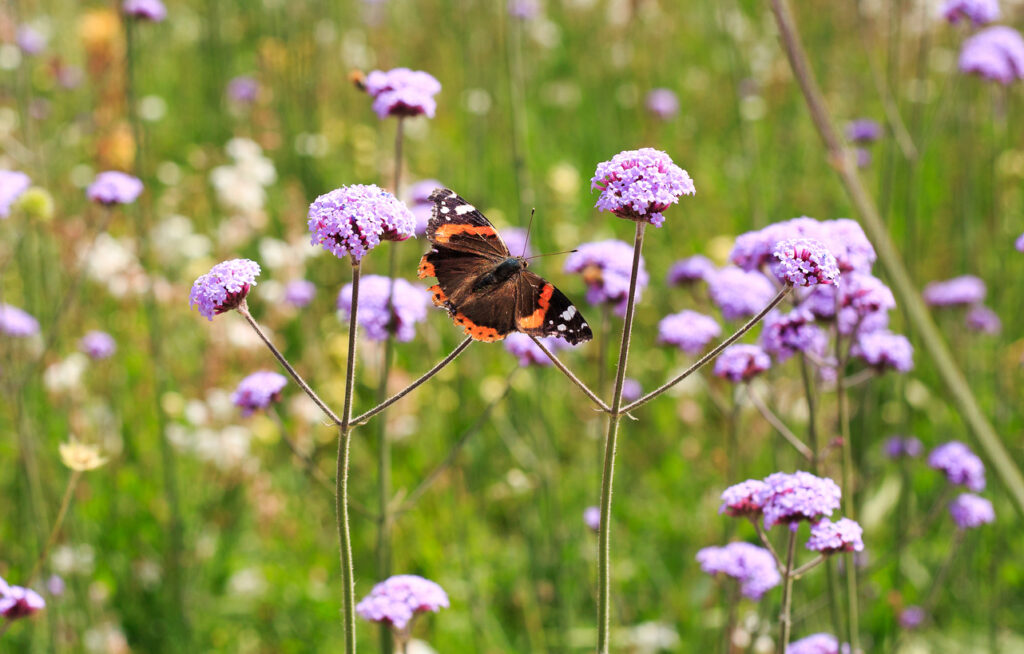
Go beyond just colour by choosing wildflowers that actively support biodiversity. Plants like red campion, oxeye daisy, cornflower, and knapweed are loved by bees, butterflies, and beetles alike. The more variety you offer, the better your garden becomes for the local ecosystem. It turns a beautiful space into something functional, supportive, and full of life.
Enjoy the imperfect beauty.
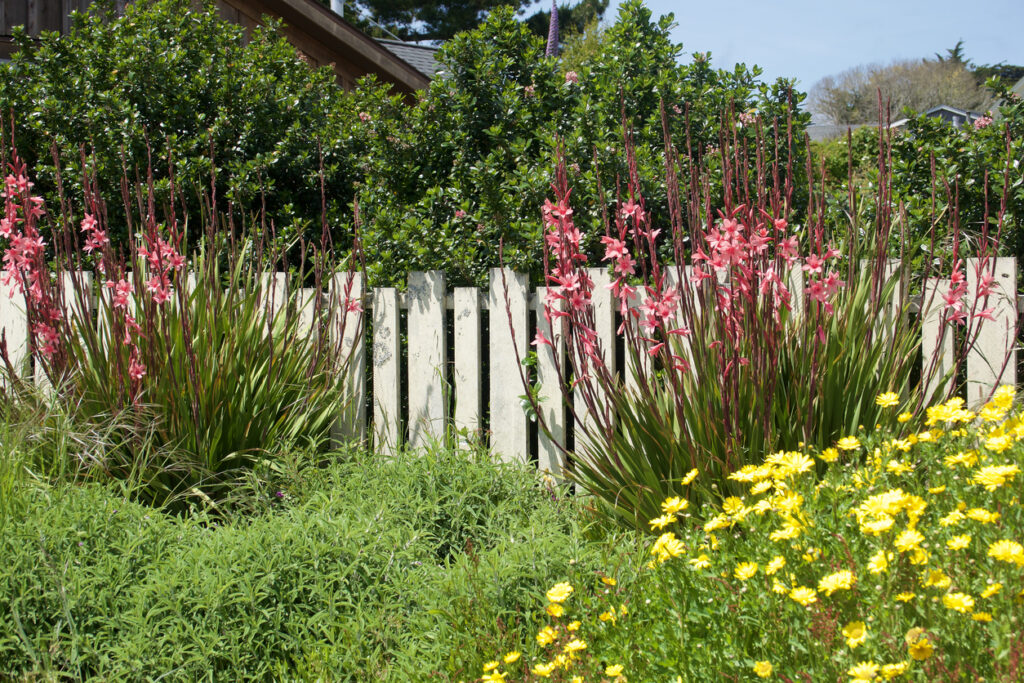
Wildflowers aren’t meant to look uniform or perfect—and that’s the whole point. They ebb and flow with the seasons, some years more prolific than others, depending on weather and wildlife. Rather than controlling every inch, let your wildflower area surprise you. Nature has a way of balancing itself out, and the result is often far more beautiful than anything you could have planned.