We don’t usually think of dinosaurs as tender parents, but fossil evidence tells a different story.
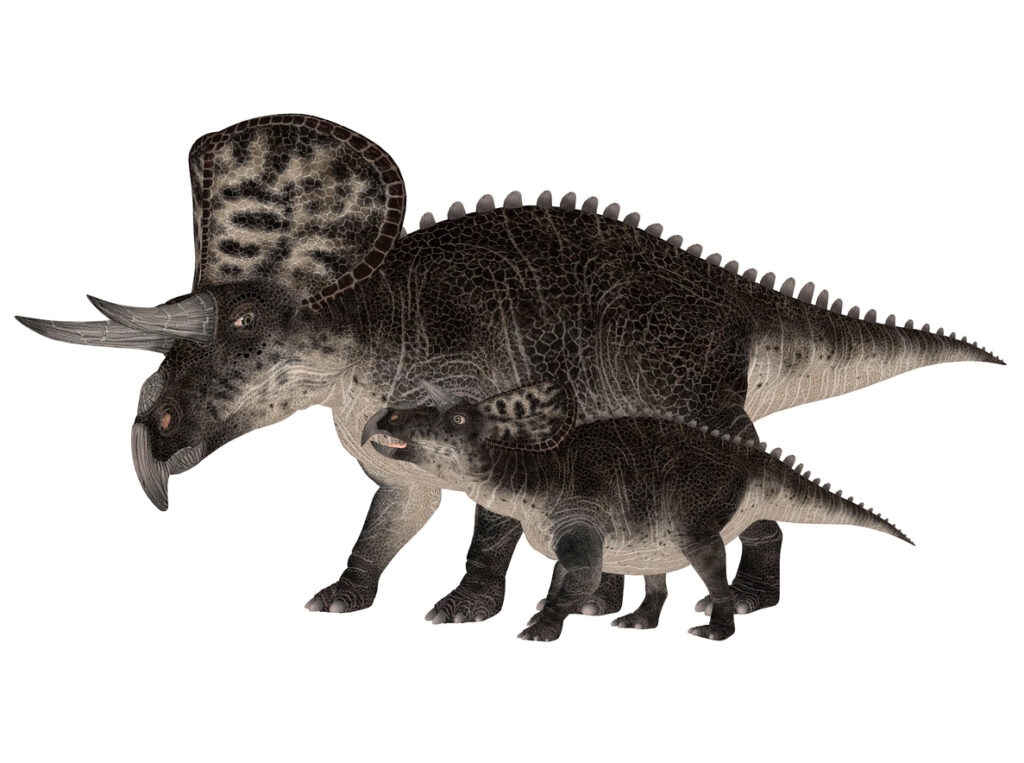
Some species didn’t just lay eggs and walk away—they nested, protected, fed, and even cuddled their young in ways that rival what we see in birds or mammals today. Turns out, dino parenting wasn’t all about toothy roars and stomping about. Here are some of the dinosaurs that showed a surprising amount of care toward their young—sometimes more than many modern animals even bother with.
1. Maiasaura
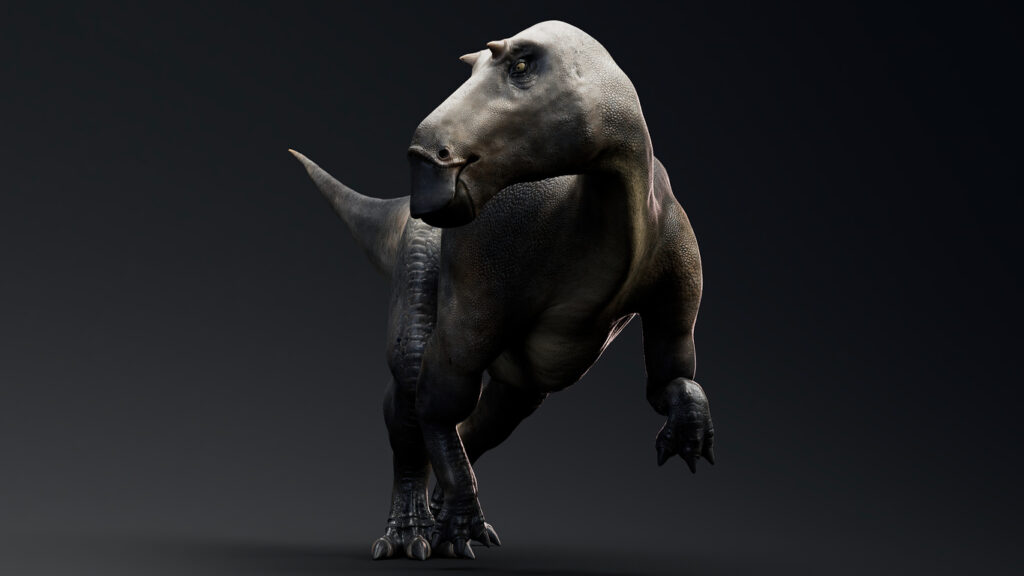
Nicknamed the “good mother lizard,” Maiasaura got its reputation from fossils found alongside nests, eggs, hatchlings, and juveniles all in one place. The young weren’t ready to leave the nest straight away, which means parents likely stuck around to care for them.
The layout of the nesting sites suggests these dinosaurs nested in colonies, returning year after year to the same spot. Parents probably brought food to their babies and even kept them warm, proving that nurturing behaviour started way before mammals showed up.
2. Oviraptor

Despite the name—which means “egg thief”—Oviraptors weren’t stealing eggs at all. They were actually protecting their own. Fossils have been found showing adults sitting directly on clutches of eggs, in a pose very similar to a brooding bird. In some cases, the adults were fossilised mid-brood, suggesting they stayed put even in dangerous conditions. This level of commitment to incubation is a far cry from animals that abandon their eggs at the first sign of trouble.
3. Troodon
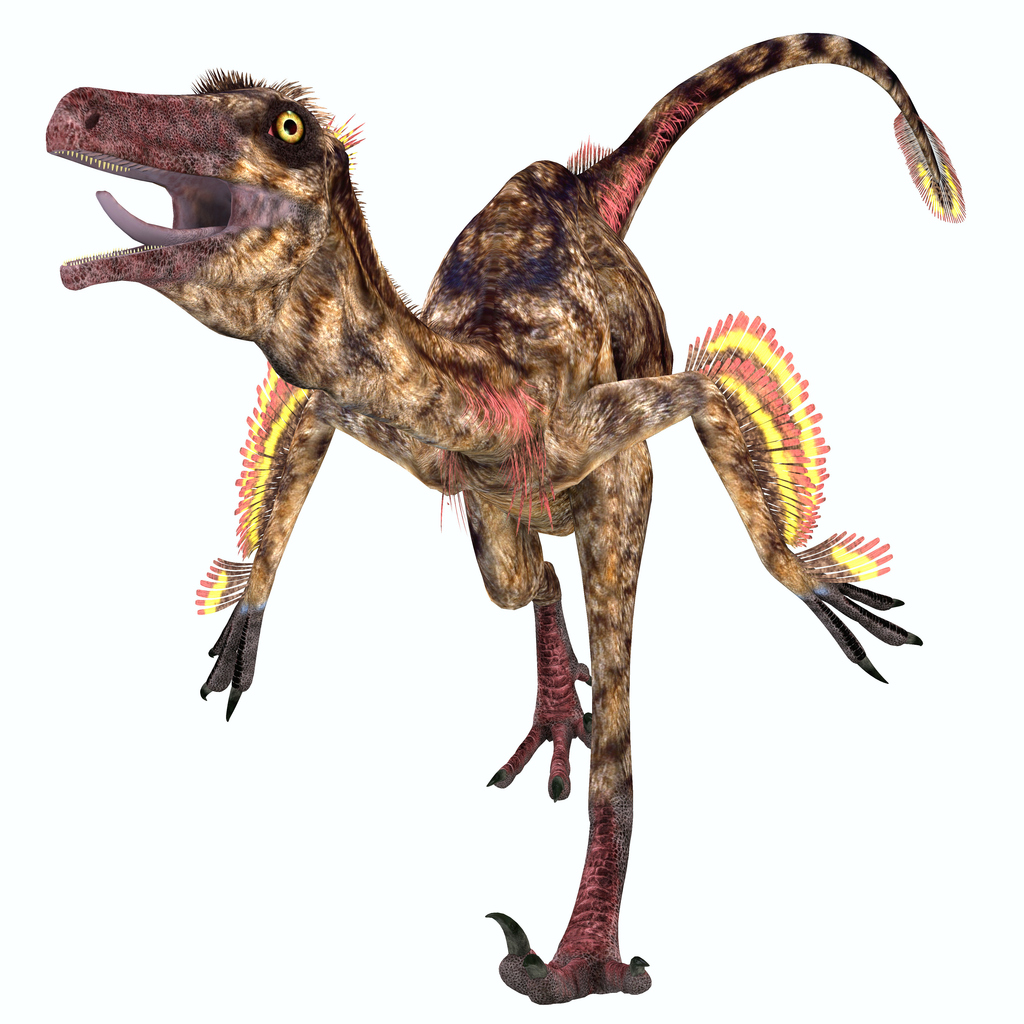
Troodon was a small, smart, birdlike dinosaur that took parenting seriously. Fossilised nests suggest a very specific egg-laying pattern and evidence that the adults might have used body heat to incubate their clutch, just like birds do today. They likely laid eggs in pairs and took turns sitting on them, possibly even guarding the nest from predators. That kind of coordination takes effort and planning—traits we now link with more advanced parental behaviour.
4. Citipati
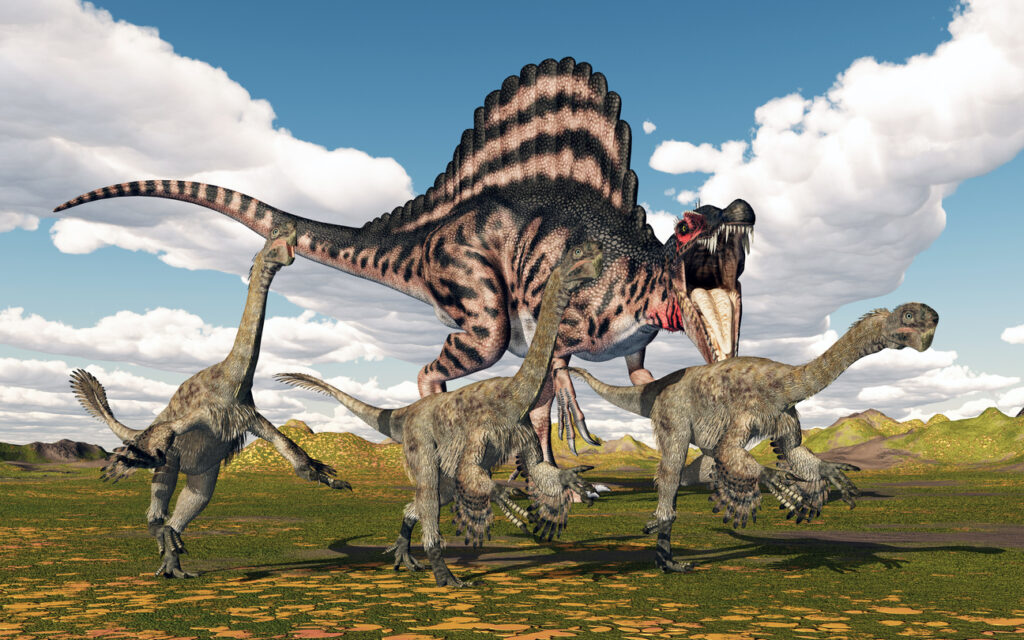
Closely related to Oviraptor, Citipati was another dino that literally went the extra mile to protect its young. One now-famous fossil shows an adult with its arms spread over a nest in a protective pose, likely shielding its eggs from a sandstorm or predator attack. The detail in the fossil even preserves feather impressions, showing how these dinosaurs used their bodies to cover their young, not unlike how modern birds use wings to shield chicks from cold or danger.
5. Hypacrosaurus
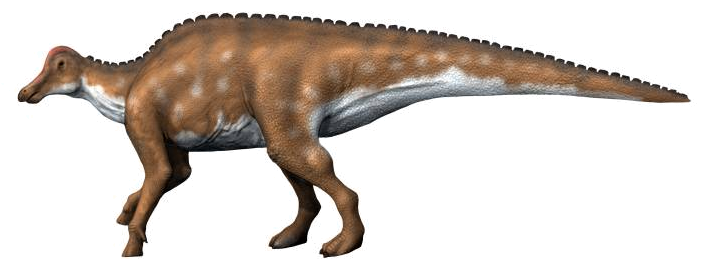
Fossil evidence of Hypacrosaurus includes not just adults and eggs, but very young individuals who stayed close to nests. That suggests the babies didn’t just hatch and wander off—they were likely dependent on their parents for food and protection.
This duck-billed dinosaur also had a fast growth rate, which may have required steady nutrition early on. That means mum and dad (or at least one of them) may have stuck around to help their little ones grow up quickly and safely.
6. Psittacosaurus
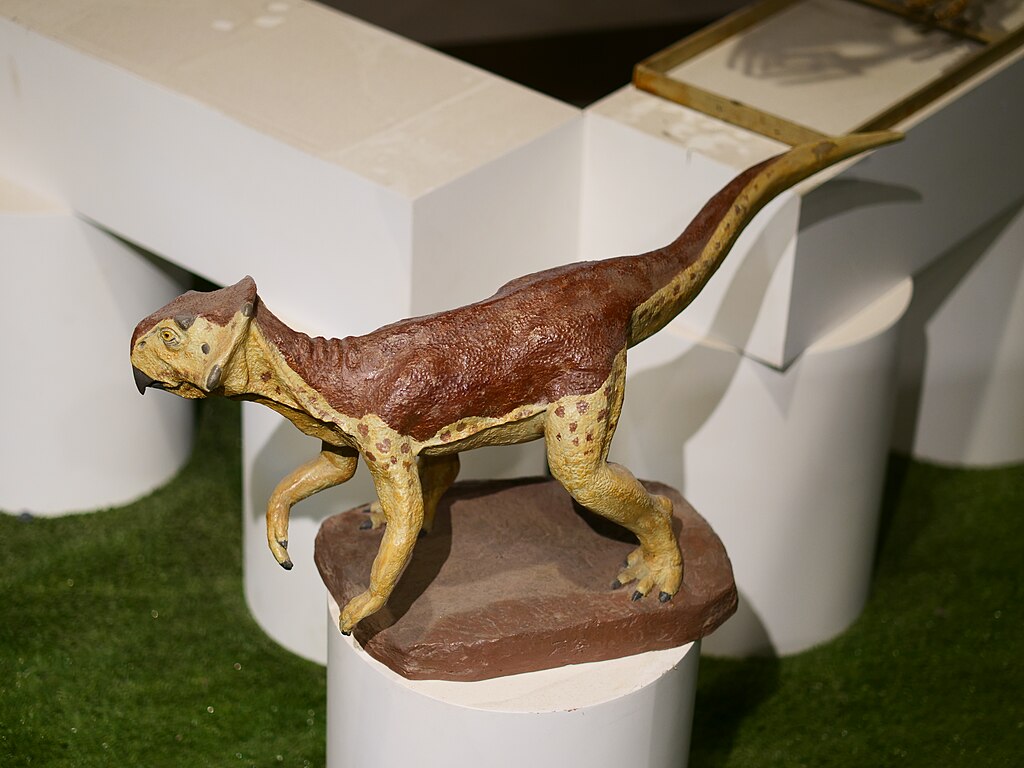
This early relative of Triceratops has been found in fossils alongside what appears to be a whole group of juveniles, potentially indicating that the adult stayed with and protected them for an extended period post-hatching.
Some palaeontologists believe this species showed complex social behaviour, including group care or extended parenting. That’s far more effort than many modern reptiles invest in their young, who often hatch and fend for themselves from day one.
7. Massospondylus
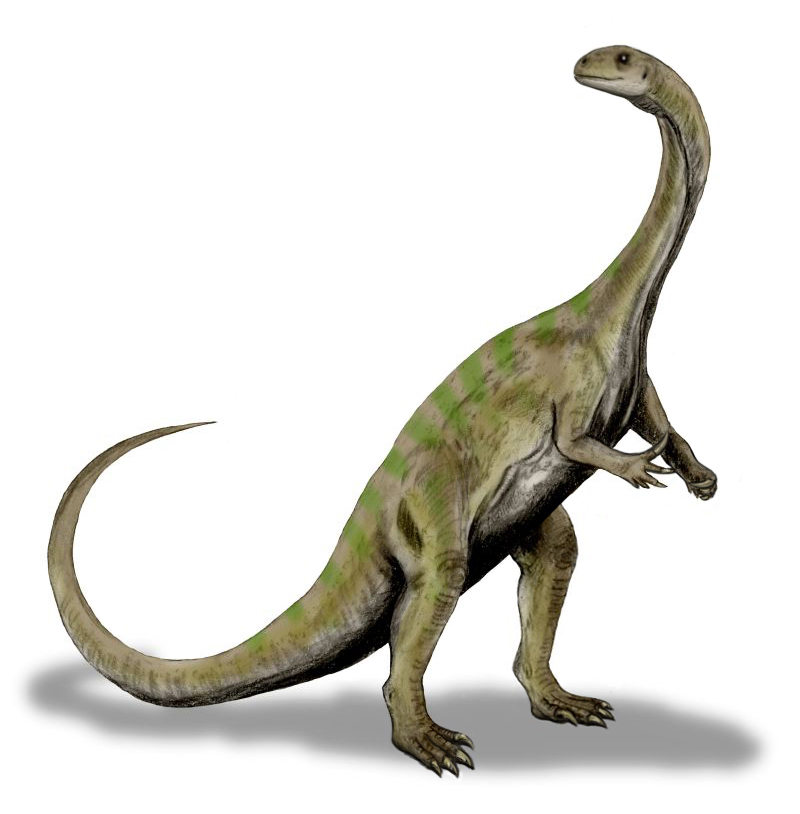
One of the oldest dinosaurs on this list, Massospondylus left behind fossilised nests containing neatly arranged eggs and evidence that the hatchlings grew significantly before leaving the site. That implies the adult didn’t just lay and leave. It’s possible that Massospondylus returned to the same nesting grounds repeatedly, much like sea turtles do today, and took time to ensure the safety and development of their young before letting them go off into the wider world.
8. Protoceratops
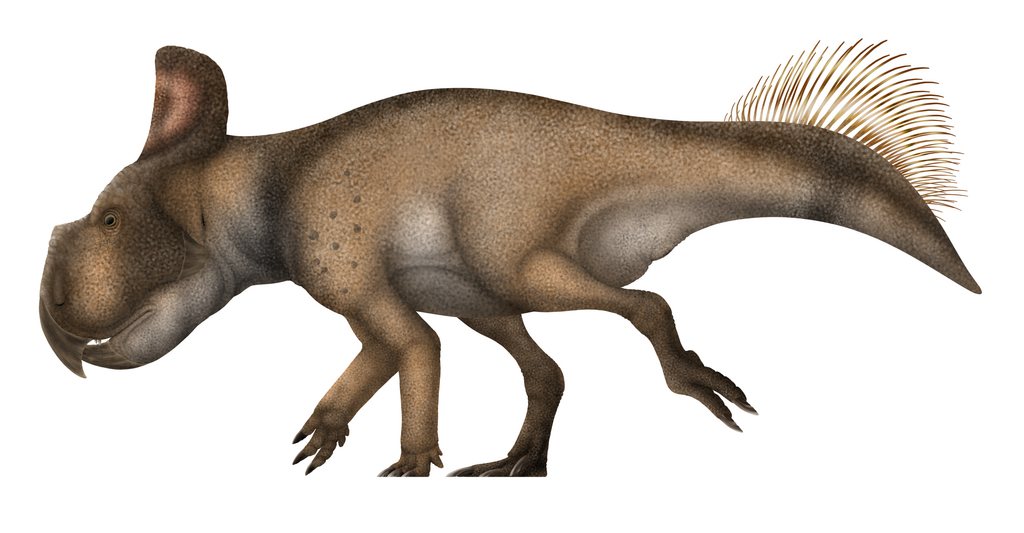
Fossils show Protoceratops nesting in groups, which might have offered protection and communal parenting benefits. Adults have been found close to juveniles, with some palaeontologists suggesting they may have stayed in family groups.
This sort of social structure offers safety in numbers and increases the survival rate of young dinosaurs, especially in a harsh environment. Group care is still relatively rare in today’s animal kingdom, making this behaviour all the more impressive.
9. Corythosaurus
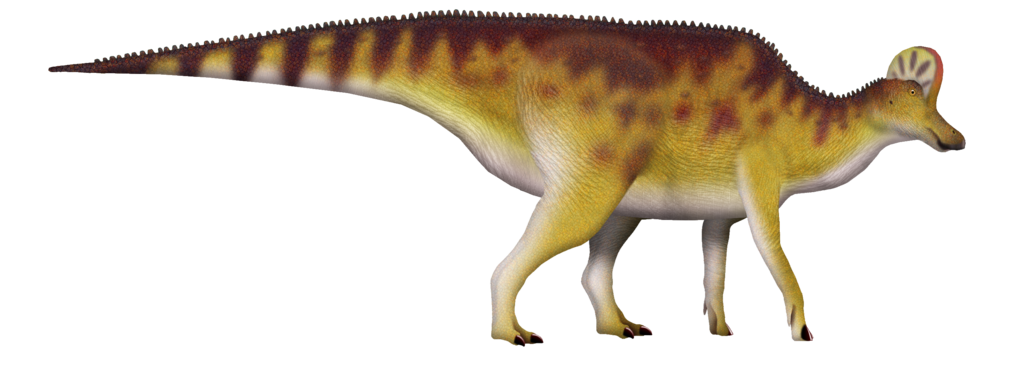
Another duck-billed dinosaur, Corythosaurus showed signs of nesting behaviour similar to that of Maiasaura. Their hatchlings had underdeveloped limbs and would have needed to stay in the nest for some time, relying on adults for food and warmth. Given their likely vocal range, it’s also possible they used calls to communicate with their young—another sign of a close-knit parenting dynamic, rather than just dumping eggs and moving on.
10. Beipiaosaurus
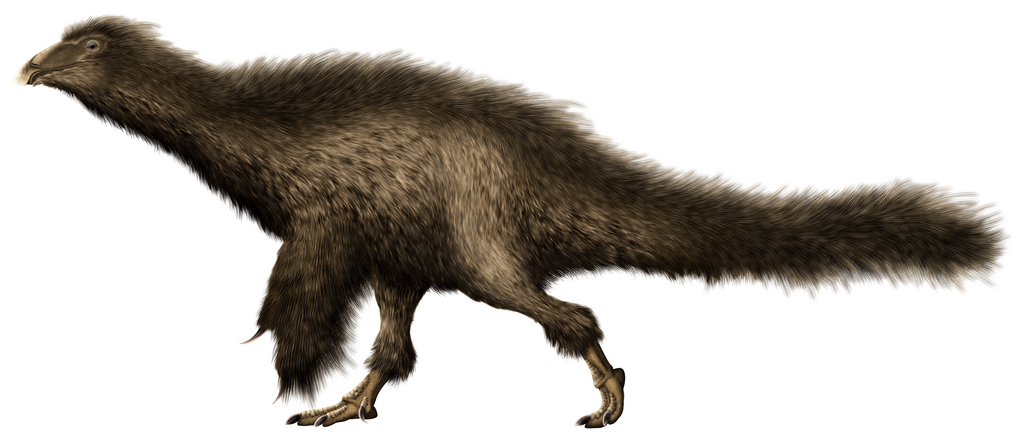
Beipiaosaurus was a small, feathered dinosaur, and fossils suggest it shared a few parenting traits with modern birds. Though we don’t have direct nesting fossils, the presence of feathers and their birdlike structure suggests they may have covered and protected their young using their bodies.
This is one of the earliest known feathered dinosaurs, and its anatomy shows a clear link between the way early dinosaurs evolved and how today’s birds care for their hatchlings—with warmth, shielding, and structure.
11. Therizinosaurus
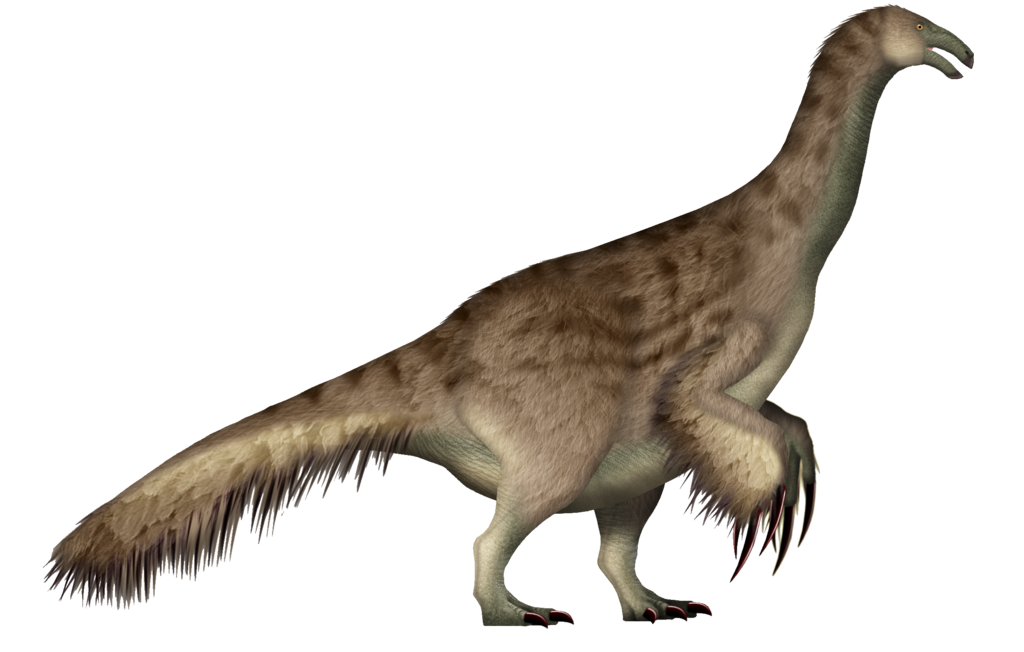
While evidence is still limited, Therizinosaurus is part of a group of dinosaurs known for slower development and potential social behaviour. Some fossil sites include multiple juveniles found near adults, hinting that there may have been parental care or even group raising of young.
It’s not hard to imagine those huge claws being used to defend nests, especially considering how vulnerable the young would have been. It’s one of the stranger dinosaurs out there, but possibly a surprisingly devoted parent.
12. Pachycephalosaurus
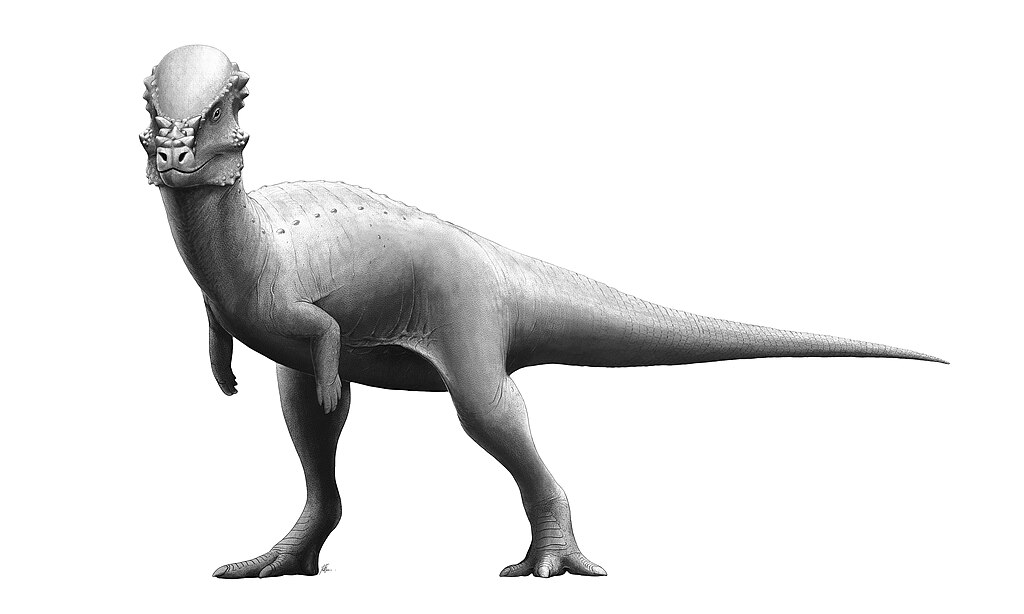
Though often portrayed as headbutting loners, some evidence points to Pachycephalosaurus possibly exhibiting parental care. Juvenile fossils have been found in close association with adults, suggesting extended time spent in family units. It’s not the most obvious pick for a devoted parent, but it goes to show how even the more rugged or defensive dinosaurs might’ve had a softer side when it came to looking after the next generation.