When pests invade your garden, it can feel like a never-ending game of whack-a-mole.
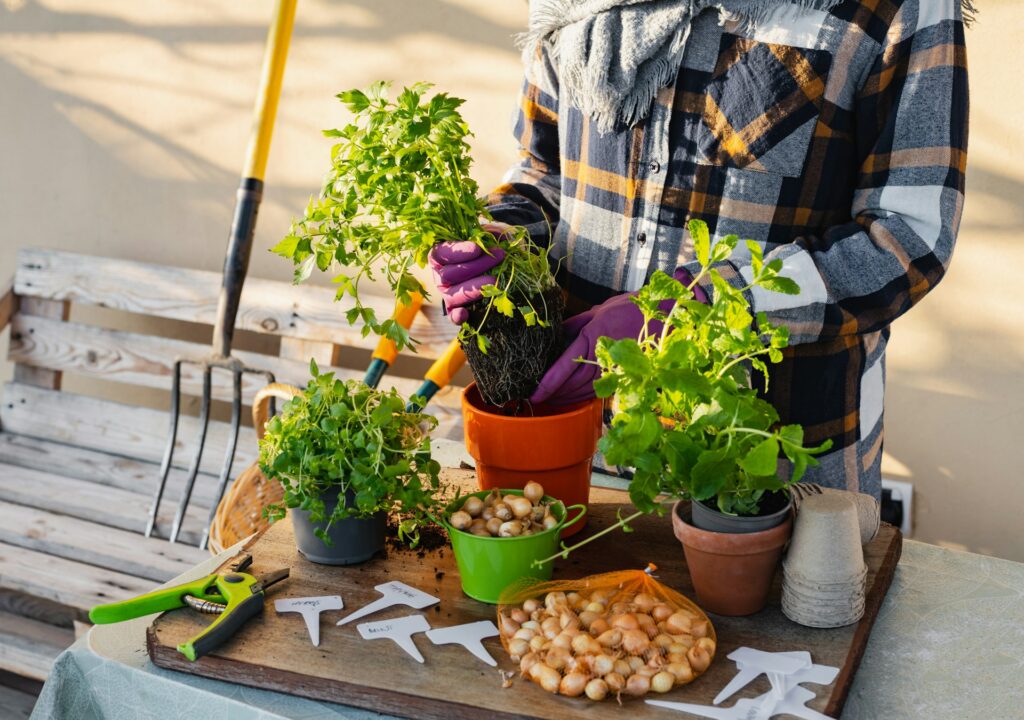
You end up spraying, squashing, or Googling remedies that never seem to work for long. As it turns out, some of the best defences are already growing in your herb bed. Many herbs naturally repel common garden pests with their strong scents, essential oils, and chemical compounds, and unlike synthetic sprays, they won’t harm your soil, pollinators, or dinner.
Here are some of the most powerful herbs to plant if you’re done sharing your garden with aphids, slugs, and other uninvited guests.
Basil (repels aphids, mosquitoes, and whiteflies)

Basil’s strong aroma might be delicious to us, but plenty of pests can’t stand it. Aphids, whiteflies, and mosquitoes tend to steer clear of its spicy scent, especially when the plant is bruised or crushed slightly. If you plant basil around tomatoes, peppers, or lettuce, it can help form a natural perimeter against invaders.
It’s also a brilliant container herb, which means you can keep it near doorways, patios, or greenhouse entrances to fend off flying pests before they even make it inside. Just keep it regularly watered—it’s fussy when dry, but the reward is worth it.
Mint (repels ants, fleas, and mice)
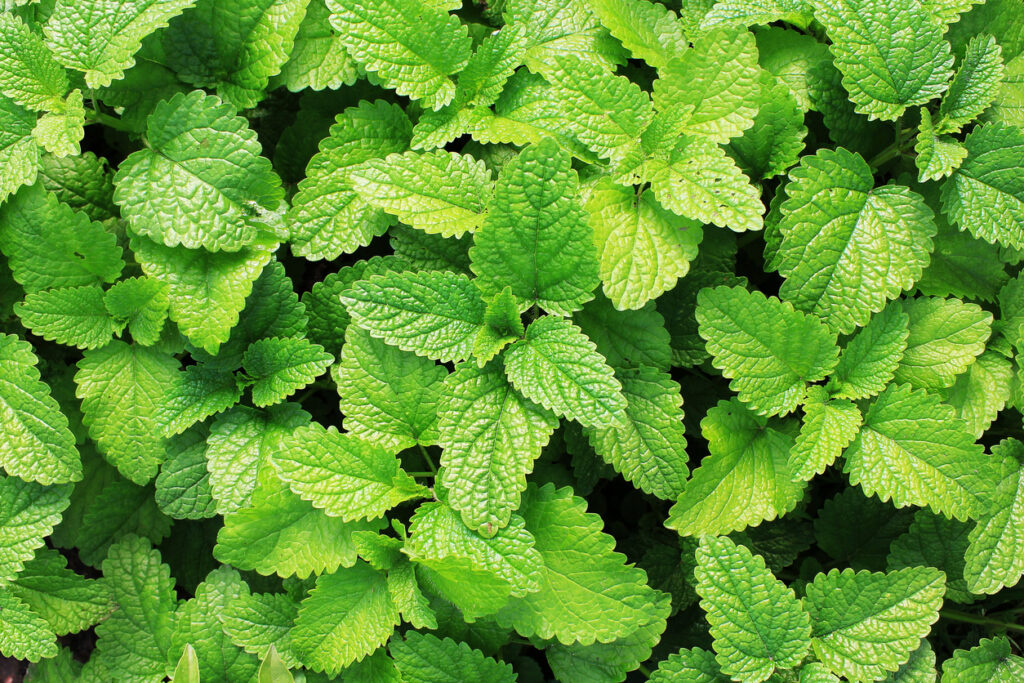
Mint spreads like wildfire in the soil, which makes it a bit of a garden bully—but also a powerhouse pest repellent. Its menthol-rich oils deter ants, fleas, and even mice. Just planting it near vulnerable crops can cut down on insect traffic significantly.
Because it grows aggressively, mint is best contained in pots, either sunk into the ground or placed strategically around your garden beds. A few crushed leaves rubbed on your hands can also double as a quick natural insect repellent.
Rosemary (repels cabbage moths, carrot flies, and mosquitoes)
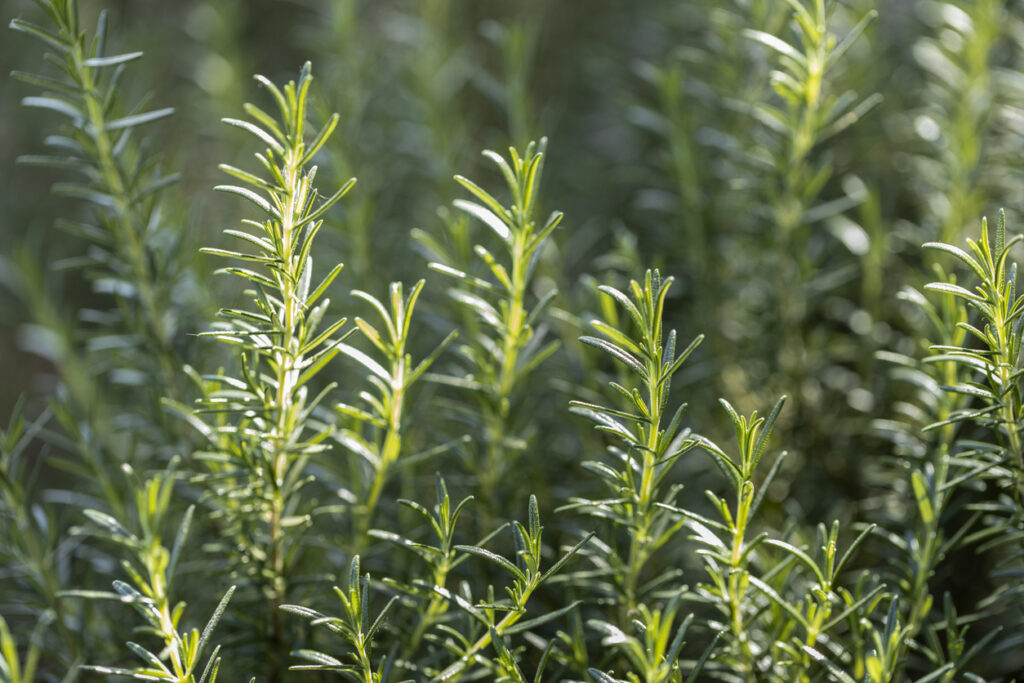
Rosemary is another multitasker. It’s hardy, smells amazing, and confuses flying pests like cabbage moths and carrot flies with its strong, resinous scent. It’s particularly useful in vegetable beds, where delicate plants need a bit of extra backup. It also holds up well in heat and drought, making it a low-maintenance choice for borders or containers. Place it near your brassicas to help keep those annoying white moths at bay before they lay eggs all over your kale.
Lavender (repels moths, fleas, and ticks)

Lavender might seem too delicate to be tough on pests, but don’t underestimate it. The scent is overwhelming for many bugs, including moths, fleas, and even ticks. And while it keeps insects away, it’s a magnet for bees and butterflies—win-win. Try drying bunches and hanging them in sheds or greenhouses, where moths and flies like to lurk. You can also rub the oil directly on your skin to keep mozzies off, if you don’t mind smelling like a Provençal holiday.
Sage (repels cabbage moths and beetles)
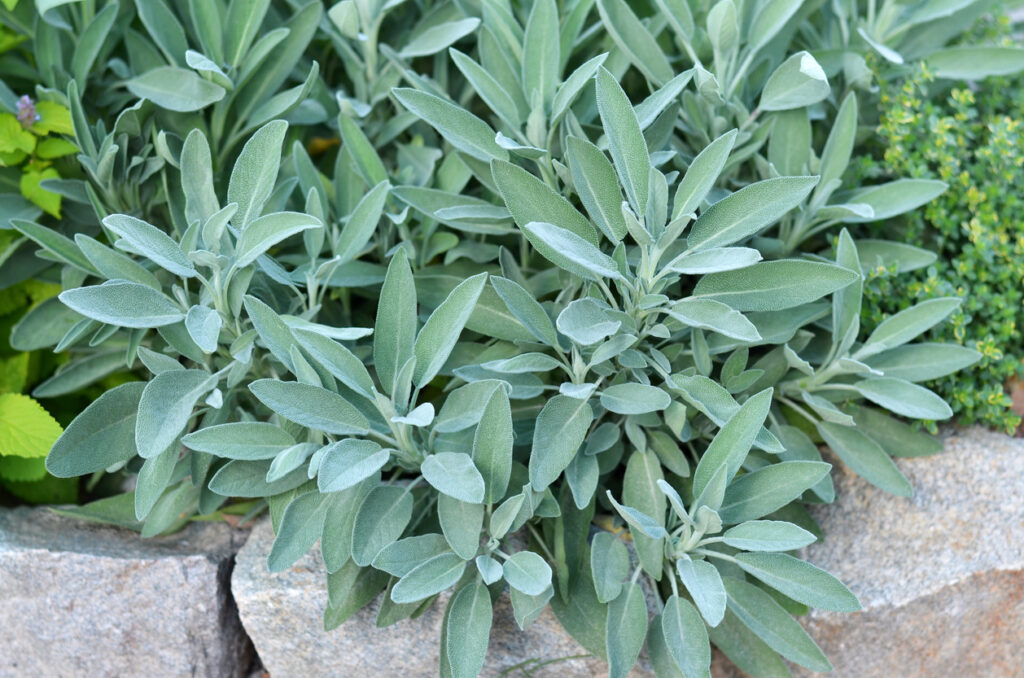
Sage gives off a strong, earthy scent that makes it unappealing to cabbage moths and many beetles. Planting sage near brassicas like cabbage, broccoli, or kale can help protect the leaves from being chewed into lace by hungry larvae.
It’s also a helpful herb in mixed beds—resilient, easy to maintain, and evergreen in some climates, giving year-round protection. Plus, if you burn a few dried leaves, the smoke also repels mosquitoes and midges during summer evenings outdoors.
Thyme (repels whiteflies and cabbage loopers)
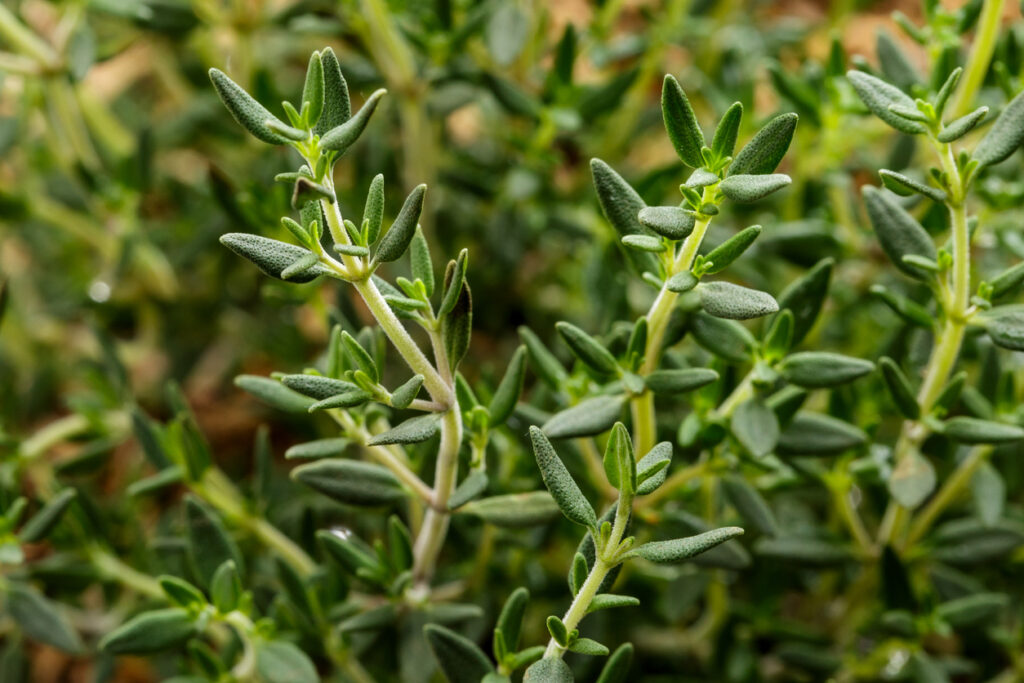
Thyme is a tiny-leafed herb with serious pest-fighting powers. It’s especially helpful for deterring whiteflies and cabbage loopers, both of which love to hide and breed on the underside of leafy greens. Its low-growing, creeping nature makes it ideal for edging beds or mixing into rock gardens. It thrives in poor soil and full sun, and as it releases oil when brushed against, it works best planted right where people or animals will move past it.
Oregano (repels aphids and spider mites)
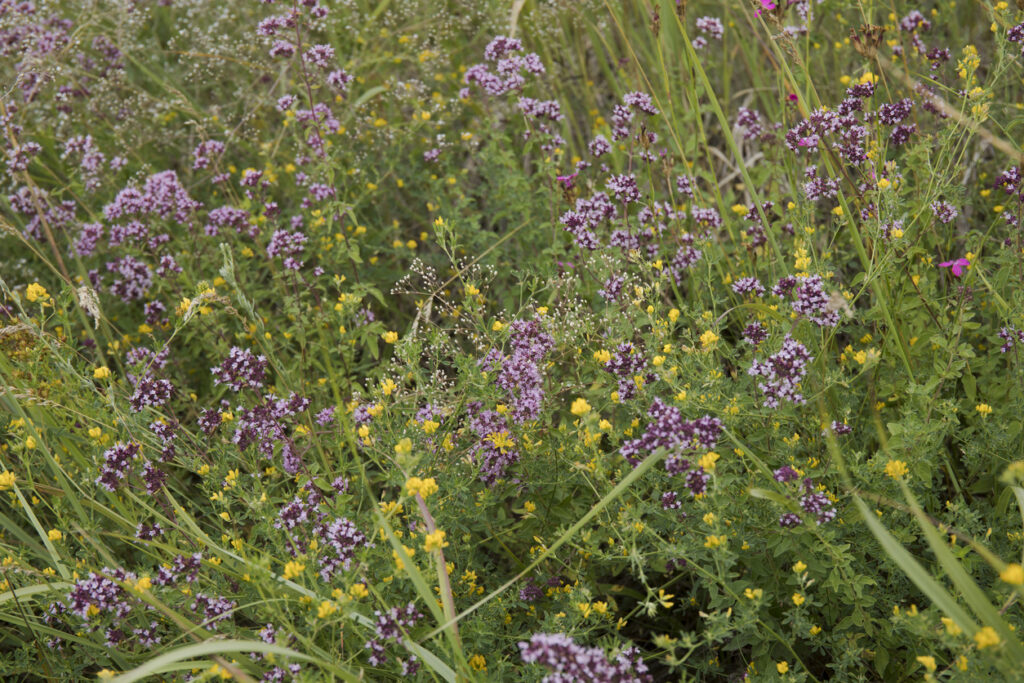
Oregano doesn’t just add a punch to your pasta—it also acts as a deterrent for tiny pests like aphids and spider mites, which tend to infest in clusters and spread fast. Its strong scent masks the chemical signals many pests use to locate plants. Use it as a companion plant for cucumbers, beans, or squash, where these pests often strike. It’s another low-fuss herb that thrives in dry soil and full sun, making it a helpful border plant in any low-maintenance setup.
Lemongrass (repels mosquitoes and whiteflies)
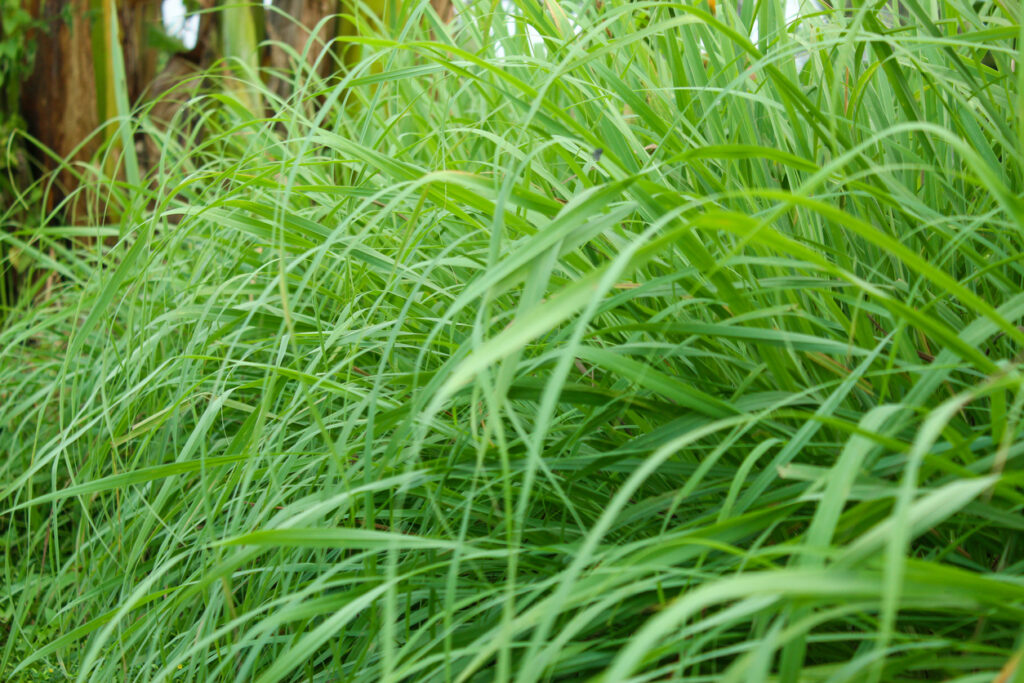
Lemongrass is the natural source of citronella, which makes it a brilliant plant for repelling mosquitoes and whiteflies. It’s tropical in appearance, with tall, swishy stalks, and gives your garden a bit of drama along with bug-fighting power. It needs a warm, sunny spot and prefers well-drained soil. If you’re in a cooler climate, grow it in pots and bring it indoors for the winter. Either way, it’s a great plant to place near outdoor seating or entrances to your garden room.
Chives (repel aphids and Japanese beetles)
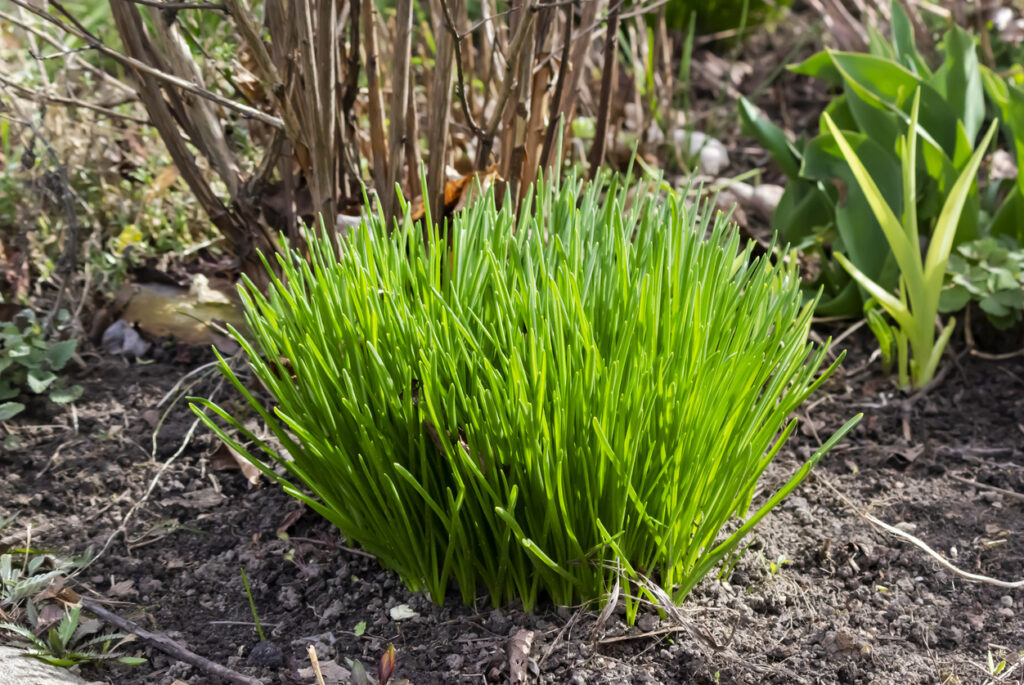
Chives do double duty in the garden—repelling pests while also boosting nearby plant growth. Their sharp, oniony scent is particularly good at keeping aphids and Japanese beetles at bay, especially when planted near roses or fruit trees. If you let the flowers bloom, they also attract pollinators, so they’re not just defensive—they’re balancing the garden too. Snip the leaves often to release more scent and keep the plants bushy and productive.
Dill (repels aphids and spider mites)
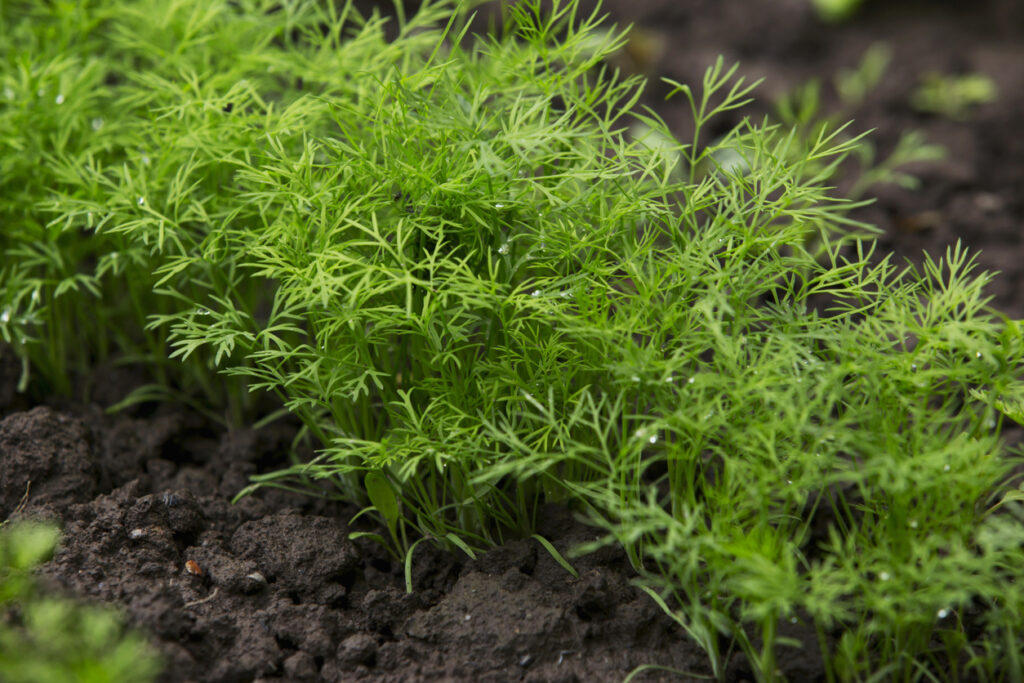
Dill is a great companion plant for crops like cabbage, broccoli, and cucumbers, largely because it deters aphids and spider mites—two pests that love hiding in vegetable foliage. The feathery leaves also create a bit of a physical barrier between plants. It grows quickly, so you can stagger plantings throughout the season for continuous cover. Just make sure to leave room—dill bolts easily and can reseed itself into unexpected corners if you let it flower.
Bay (repels flies, moths, and cockroaches)
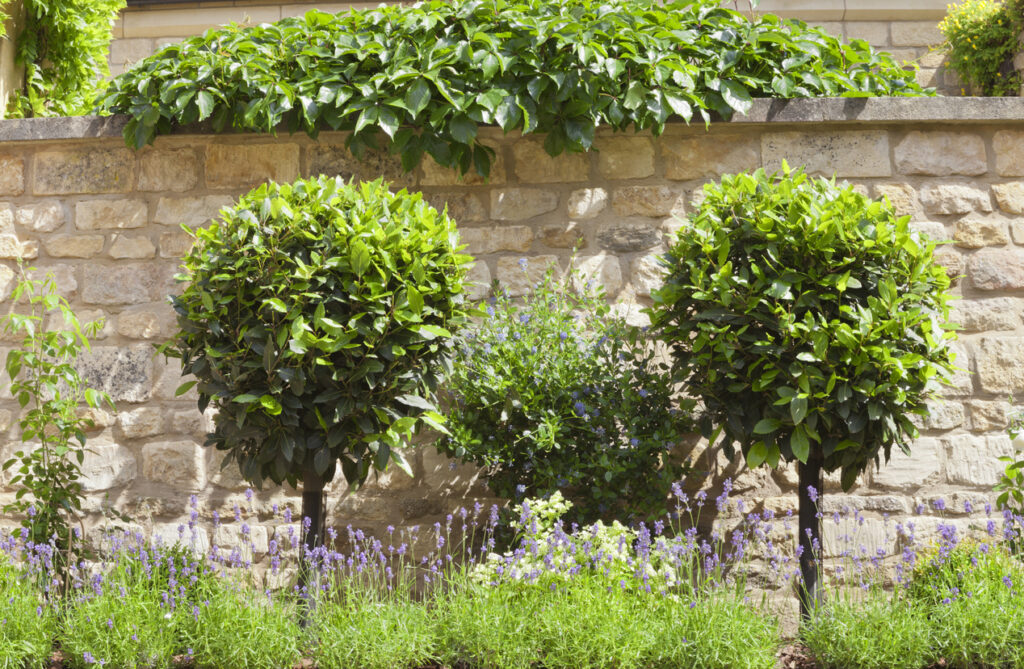
Bay trees are slow-growing but incredibly useful. The leaves naturally repel flies, moths, and even cockroaches, making them a great choice for placing near windows, doors, and sheds. Dry leaves can also be used indoors in cupboards and pantries. They prefer a sheltered spot with well-drained soil, and in colder regions, they’re better off in pots that can be brought inside for winter. Regular pruning helps shape them and keeps new growth coming in strong.
Coriander (repels aphids and potato beetles)
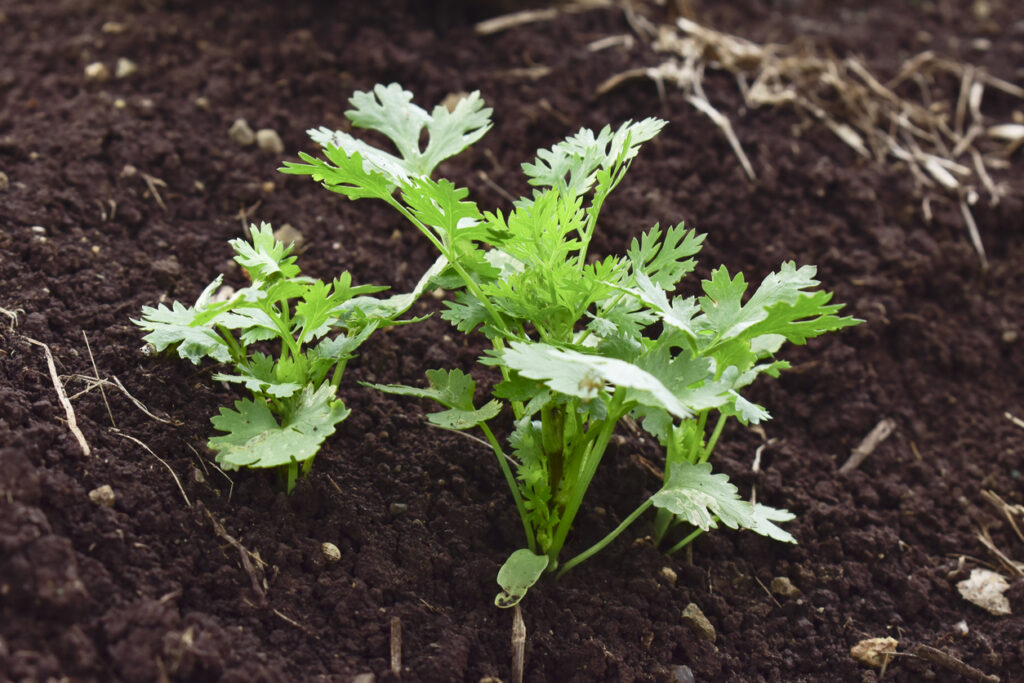
Coriander (or cilantro) isn’t just for curry lovers—it’s a strong deterrent for aphids and potato beetles, which can wreak havoc on tender new leaves and tubers. The smell throws off pest radar and makes it harder for them to settle in. It’s best grown from seed and harvested often, as it tends to bolt quickly in heat. Still, even flowering coriander can attract beneficial hoverflies, which love to snack on aphids as larvae.
Fennel (repels slugs and snails)
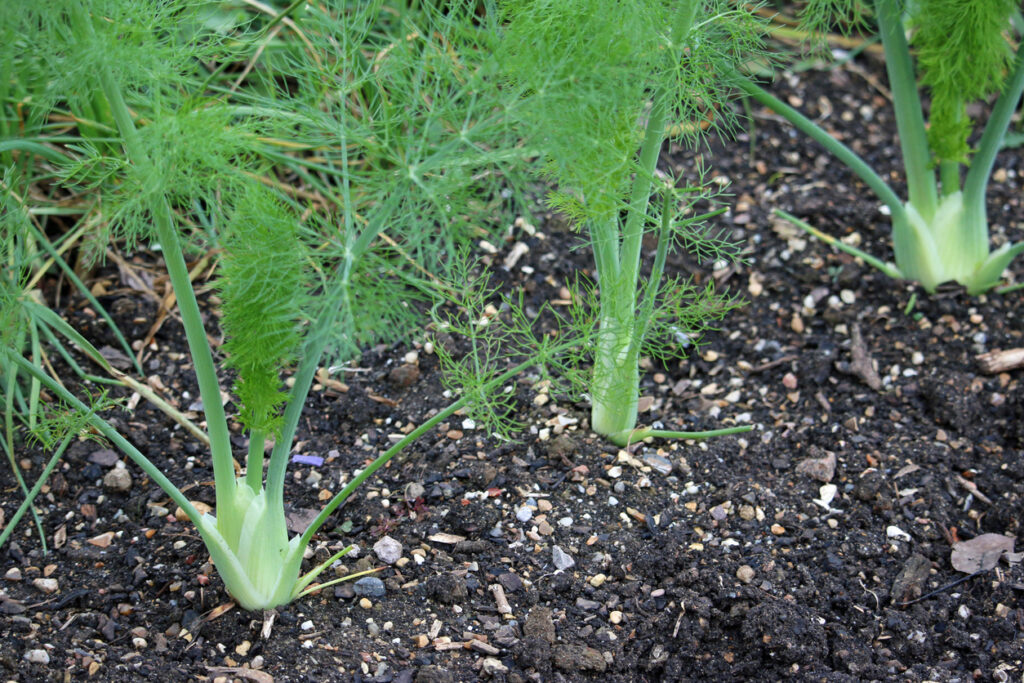
Slugs and snails don’t care for fennel’s aniseed aroma, especially the bronze-leaved varieties. This makes it a good option for borders around lettuce, strawberries, and other tender crops that usually attract slime trails. Fennel can get tall and feathery, adding height to a herb patch while quietly acting as a slug repellent. Just keep it separate from most other herbs—it tends to inhibit growth in some neighbouring plants.
Catnip (repels mosquitoes, squash bugs, and cockroaches)
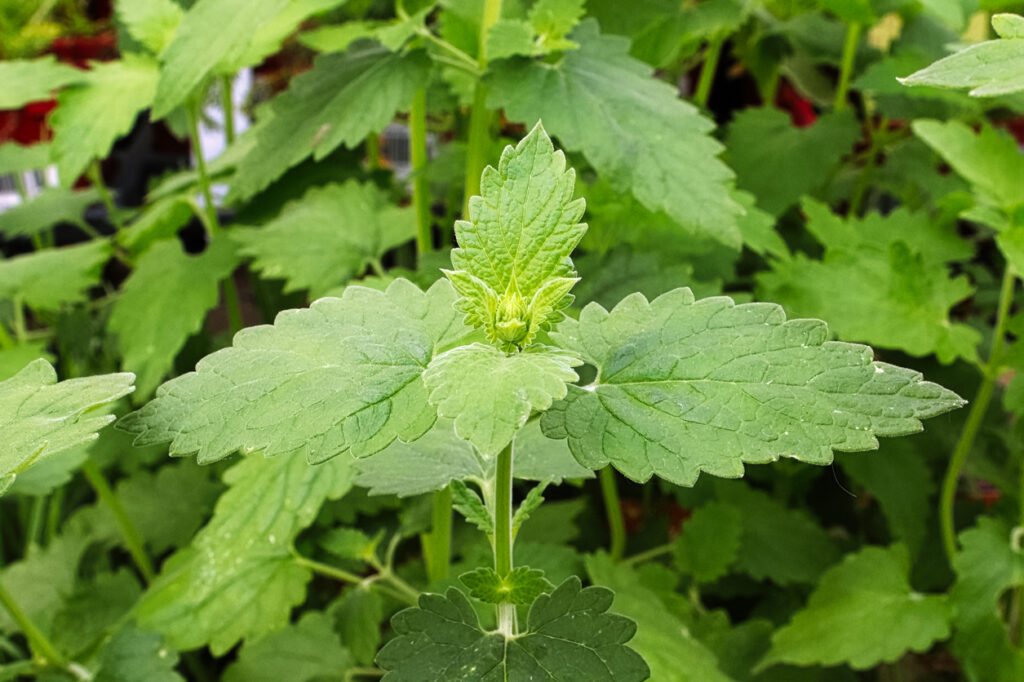
Catnip is surprisingly powerful. Its oil is even more effective at repelling mosquitoes than DEET in some studies. It also works against squash bugs and cockroaches, making it a garden MVP if you can keep cats from flattening it. Grow it in containers or protected corners if you’ve got neighbourhood cats who can’t resist a roll in it. The leaves also make a lovely calming tea for humans—double the use, half the fuss.