There’s something eerie and unforgettable about the sound of a wolf howling in the dark.

Thanks to centuries of myths, paintings, and horror films, most of us picture wolves howling directly at the moon, like it’s some ancient ritual or mysterious force. However, while the image is iconic, it’s also completely misleading. Wolves don’t howl because of the moon. The reality is much more practical, and honestly, more interesting. Here’s everything you need to know about why wolves howl, and why the full moon keeps getting the credit.
1. Wolves howl to stay in touch with their pack.

The main reason wolves howl is communication. Packs often spread out while hunting or moving through territory, and howling is how they check in with each other. It’s like nature’s walkie-talkie—helping them reunite, coordinate, or let each other know where they are.
This long-distance vocal contact is especially important in areas with thick forests or uneven terrain, where sightlines are poor. The howl cuts through that, making it easier for a pack to move as a unit, even when they’re physically far apart.
2. It’s about acoustics, not astronomy.
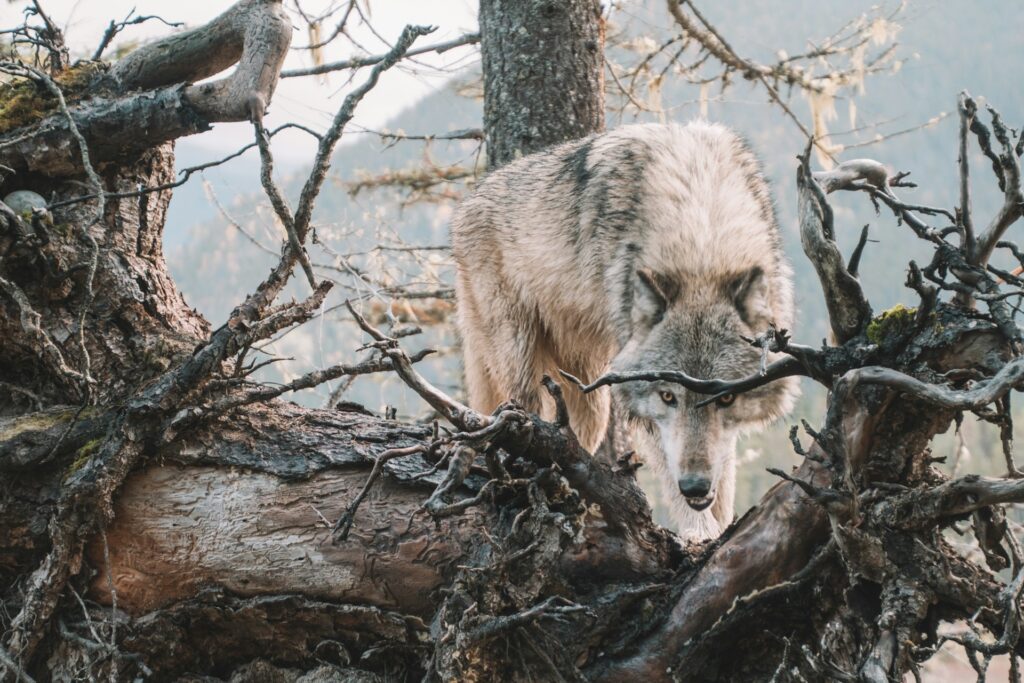
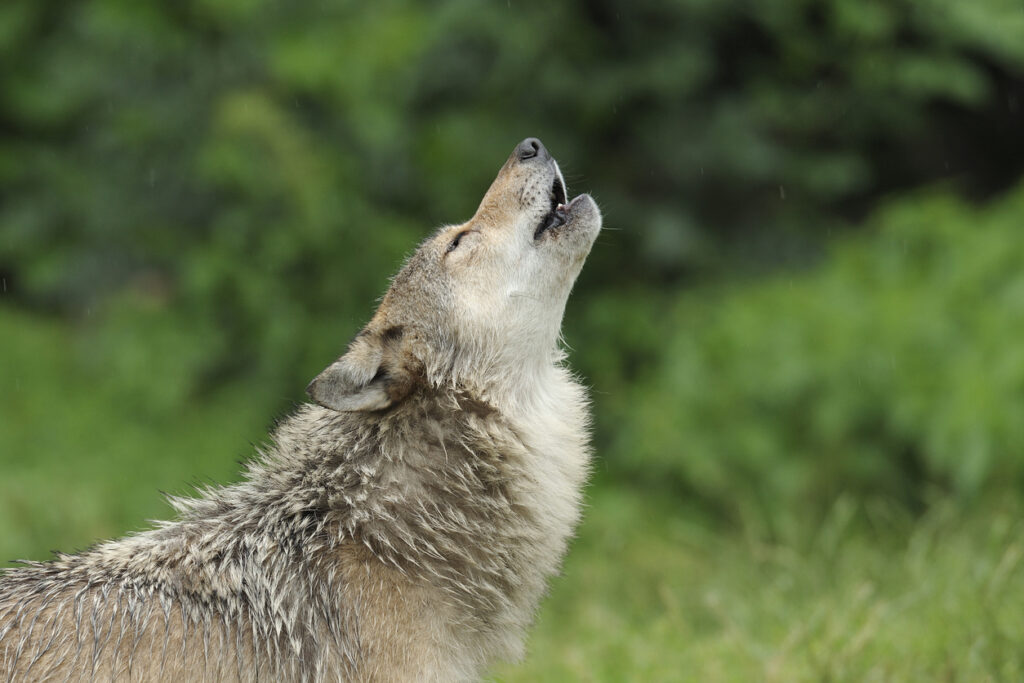
Wolves tilt their heads back when they howl, but it’s not because they’re moon-worshipping. It actually helps project the sound further. Angling their snouts up improves how the howl travels through the air, letting it reach other wolves more clearly. The raised head also helps direct the sound over obstacles like hills, trees, or snowdrifts. So while it looks like they’re aiming their howls at the moon, they’re really just aiming for maximum volume and clarity.
3. The full moon makes humans notice more.

Wolves don’t actually howl more during full moons. What changes is our ability to hear and see them. Full moons brighten the night, so when wolves howl, it’s easier for people nearby to notice and remember the moment. Eventually, those observations helped create the myth. A howl under a full moon stands out in memory more than a howl on a cloudy or moonless night, so the pattern stuck, even if it’s not scientifically accurate.
4. It’s a warning to outsiders.
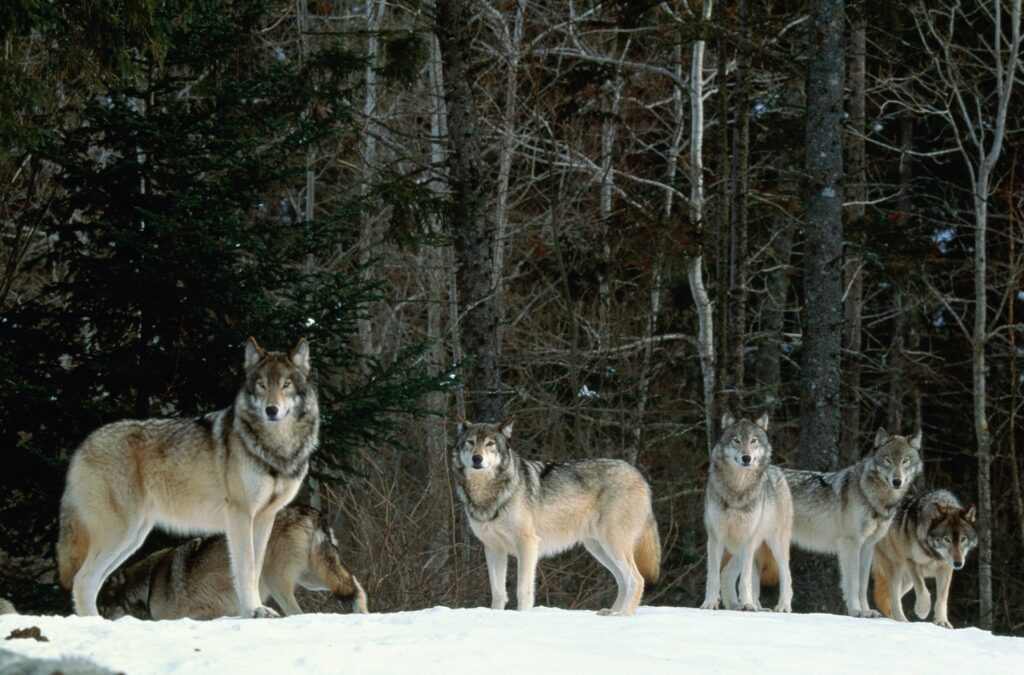
Not all howling is friendly. Wolves also howl to warn rival packs to stay away. It’s a way of marking territory without having to physically confront others—sort of like putting up a loud “do not enter” sign. If another pack hears the howl and senses that the area is occupied and well-defended, they’re more likely to back off. This vocal strategy helps wolves avoid unnecessary fights, which could be dangerous or even fatal in the wild.
5. Howling helps build social bonds.
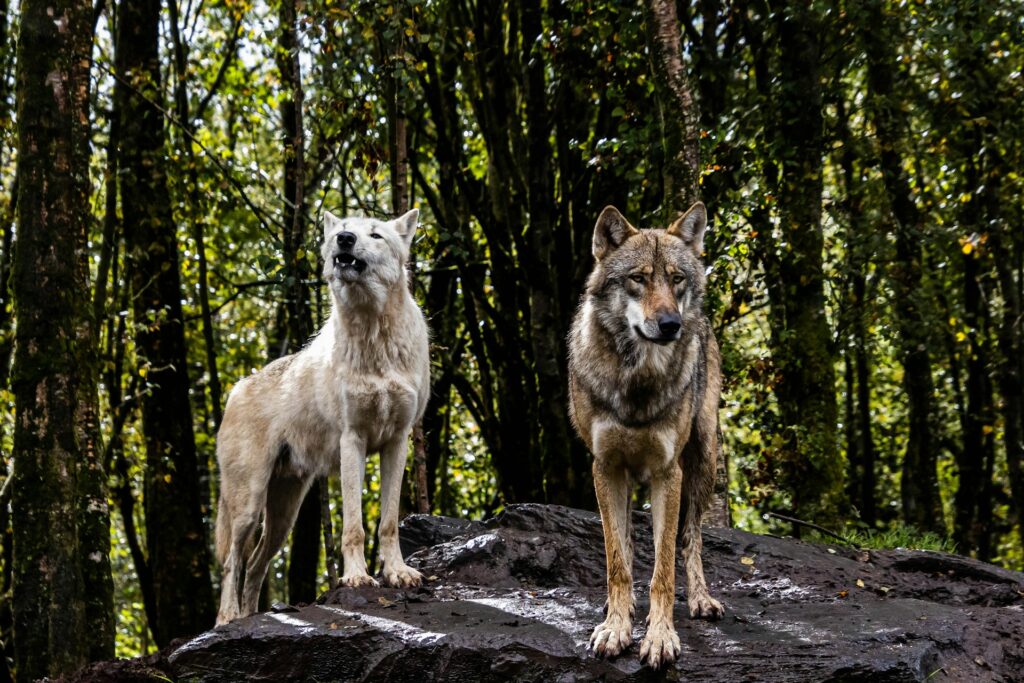
Wolves sometimes howl together in chorus—not just to say something specific, but to strengthen social connections. It’s a way to bond, establish roles within the group, and reinforce loyalty between pack members. This kind of communal howling is more common during relaxed moments, like resting or regrouping. It doesn’t always have to “mean” something—sometimes it’s just part of being a team, like singing a shared anthem or having a group chat.
6. Each wolf has a unique voiceprint.
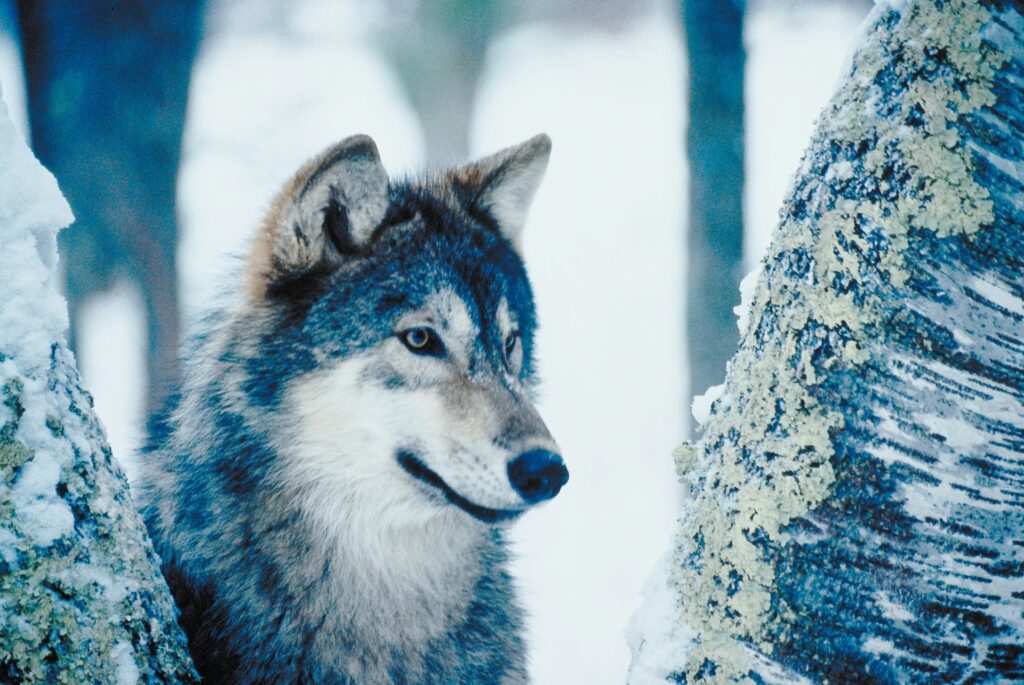
Just like humans have different voices, every wolf has a unique howl. Pack members can recognise who is howling based on pitch, length, and tone, which helps them know exactly who’s where and what might be going on. That recognition can make howling even more useful, especially if a younger wolf is calling for help or an older one is leading the group back together. It’s not just noise—it’s individual identity carried on sound.
7. It’s part of parenting and protection.

Howling also plays a role in raising pups. Adult wolves use howls to call youngsters back to the den area, especially when they’re starting to explore and might wander too far. It’s an auditory leash of sorts. And in dangerous situations, a sudden howl from a parent can be a signal to freeze, hide, or return immediately. It helps young wolves learn boundaries, safety cues, and how to stay part of the group as they grow up.
8. Moonlight hunting doesn’t change their habits.

Wolves do hunt at night, and a full moon can help them see better. But they don’t plan their hunts around moon phases. Studies have shown that wolves don’t become significantly more active during full moons—they just become more visible to us.
The increased visibility can actually make hunting harder in some cases, since prey animals also see better under a full moon and are more alert. So if anything, wolves might howl less during a full moon if they’re being extra cautious.
9. The myth likely stuck because it’s visually dramatic.
Humans have always responded to drama, and wolves silhouetted against a glowing moon just looks powerful. That image has been passed down in folklore, art, and pop culture for centuries, especially in stories involving werewolves and wilderness. It’s not based in science, but it taps into something emotional. There’s something haunting about a howl in the dark, especially when paired with the eerie glow of the moon. It doesn’t need to be true to be memorable.
10. Wolves howl for emotional reasons too.

There’s evidence that wolves howl when they’re feeling strong emotions—like stress, excitement, or even missing a companion. If a wolf is separated from a mate or close pack member, it may howl more frequently to reconnect or cope with that absence. This emotional component makes howling more than just functional. It can also reflect what the wolf is feeling in the moment, which adds a new layer to that classic sound. Sometimes it’s a message, other times it’s a mood.